How Long Does It Take To Catch A Fish: Fishing Guide
A fishing trip can produce a bite in five minutes, or you may wait several hours without a fish. There is no fixed answer to how long it takes to catch a fish. The time depends on the species, season, water temperature, weather, location, bait, tackle, and your fishing skill. Your goal matters too. Catching a small bluegill from a farm pond is very different from catching a bass, trout, catfish, redfish, or walleye.
A beginner should judge a trip by more than the first fish. Learning to cast, read water, choose a hook, set the drag, and handle fish safely all take time. With a simple setup and a good location, many new anglers can get a bite within 30 minutes to 2 hours. Experienced anglers may find fish faster because they know where to look and how to change tactics.

Quick answer: how long does it take to catch a fish?
Most anglers should expect 30 minutes to 2 hours to catch a fish in ordinary freshwater conditions. Panfish may bite within 5 to 30 minutes, while bass, trout, catfish, walleye, and saltwater species may take 1 to 4 hours or longer. The best results come from choosing the right location, matching bait or lures to the species, checking local conditions, and changing your plan when there is no action.

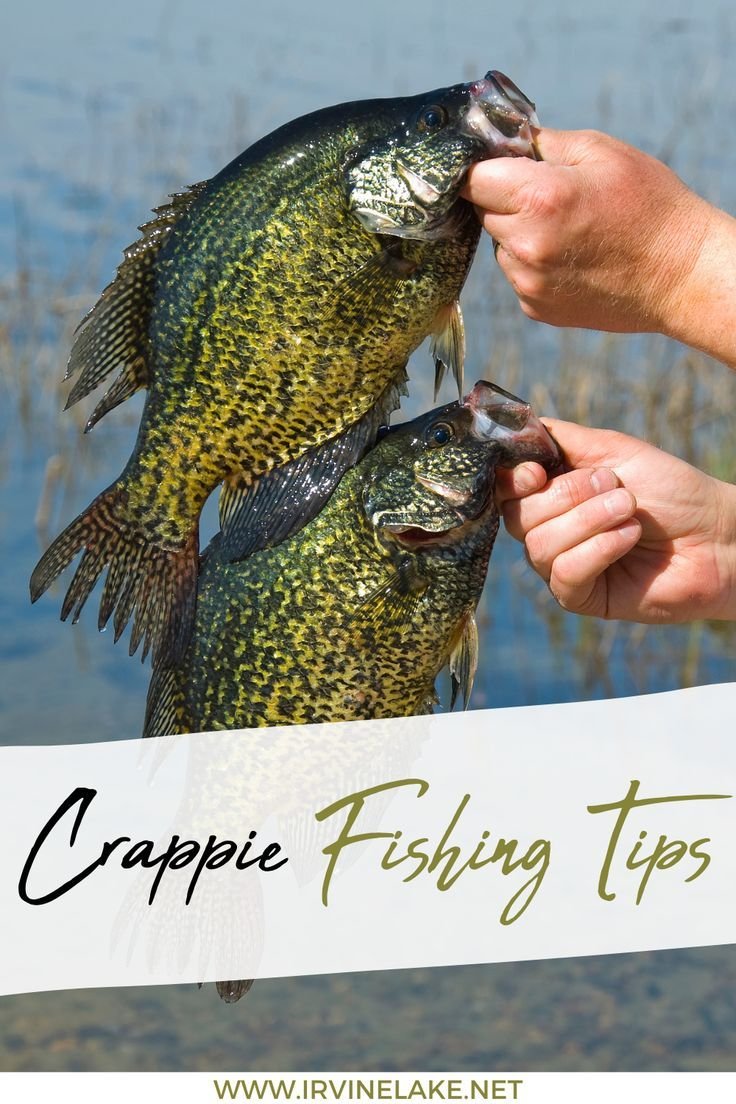
The fastest fishing trips usually target active fish in easy water. A small bobber, light line, and live bait can produce quick bites from bluegill, crappie, perch, and stocked trout. Slow trips often involve large fish, poor weather, heavy fishing pressure, wrong bait, or water that holds few fish.
A fish finder can shorten the search from a boat or kayak, but it cannot make inactive fish bite. From shore, careful observation matters more. Look for weed edges, drop-offs, current breaks, submerged wood, docks, rocks, and places where baitfish gather.
What controls the time it takes to catch a fish?
The time to catch a fish is controlled by four main factors: fish location, fish activity, presentation, and angler decisions. If one part is wrong, you can cast for hours with little chance of success.

Target species and fish size
Small panfish often provide the quickest action. Bluegill, sunfish, perch, and stocked trout commonly feed near shore. A size 6 to 10 hook, small worm, bobber, and 4- to 8-pound monofilament line can be a useful starting point.
Bass often require more searching. They may sit near cover, shade, points, grass, or changes in depth. A soft plastic worm, jig, crankbait, or live shiner can work, but the best choice depends on the lake and season.
Catfish may bite soon after you place bait, but they can also take hours to find it. A piece of cut bait, nightcrawler, shrimp, or prepared bait near the bottom is common. Large catfish often need heavier line and a stronger rod than a beginner expects.
Water type and access
Shore fishing can be productive, but you are limited to water within casting range. A boat or kayak lets you reach deeper water, open flats, weed lines, and offshore structure. That extra access can reduce search time when fish are not near the bank.
Pier fishing gives access to deeper water without a boat. Surf fishing covers a large area and may require sinkers that hold bottom in waves and current. Fly fishing can take longer for beginners because casting and reading insects add another layer of skill.
Weather, season, and water temperature
Fish do not feed at the same rate all day. A warm morning, low light, stable weather, and mild wind can create a good feeding window. Sudden cold fronts, intense heat, bright sun, and sharp pressure changes may slow activity.
Water temperature also affects fish movement. Bass may move shallow in spring, hold deeper during hot summer days, and feed in short windows during fall. Trout may prefer cool, oxygen-rich water. Ice fishing changes the search area because fish may remain below a small hole for long periods.
Bait, lure, and presentation
Presentation means how your bait or lure looks and moves in the water. A good bait in the wrong depth may catch nothing. A simple lure in the right place can produce a bite quickly.
Live bait often helps beginners because it provides scent and natural movement. Artificial lures are useful when you need to cover water. Soft plastics, jigs, crankbaits, spinnerbaits, and spoons each work in different conditions.
| Factor | Faster fishing conditions | Slower fishing conditions |
|---|---|---|
| Fish activity | Feeding fish near cover or current | Inactive fish holding deep |
| Location | Known productive water | Empty bank or unfamiliar lake |
| Presentation | Bait at the right depth | Wrong bait, speed, or depth |
| Weather | Stable weather and low light | Sudden front, heat, or bright sun |
| Pressure | Light fishing pressure | Crowded water with many anglers |
The main lesson is simple: time on the water helps, but time in the right place helps more. If nothing happens after 20 to 30 minutes, check your depth, bait, location, and hook size before waiting longer.
Typical fishing times by species
Different fish require different expectations. A species table can help you plan your trip, but these ranges are not guarantees. Local fish numbers, regulations, water quality, and seasonal patterns can change the result.

Panfish, trout, bass, and catfish
Panfish are often the best choice for a short trip or a child’s first fishing day. Bass can be rewarding but may require more movement and lure changes. Catfish often respond to scent, while trout may feed during brief hatches or stocking-related periods.
| Species or group | Common first-bite range | Useful starting approach |
|---|---|---|
| Bluegill and sunfish | 5–30 minutes | Bobber, worm, size 8–12 hook |
| Crappie and perch | 15–60 minutes | Small jig or minnow near cover |
| Stocked trout | 15–90 minutes | Small spoon, dough bait, or worm |
| Bass | 30 minutes–3 hours | Soft plastic, jig, crankbait, or live bait |
| Catfish | 30 minutes–4 hours | Bottom rig with cut bait or nightcrawler |
| Walleye | 1–4 hours | Jig, minnow, crawler, or deep-running lure |
These times assume that fish are present and the method fits the water. A stocked trout pond may produce a bite quickly after stocking, while a large natural lake can take much longer. A bass angler may cast 50 times before finding one active fish.
Saltwater, surf, and pier fishing
Saltwater fishing can be fast when the tide, bait, and water movement line up. Redfish, flounder, snapper, mackerel, and other species may feed in short windows. Surf fishing often depends on finding a trough, cut, sandbar edge, or rip where food moves.
Pier anglers can watch other lines for clues. If several anglers catch fish near one area, depth and bait may matter more than distance. Use corrosion-resistant hooks, swivels, pliers, and reels designed for saltwater when possible. Rinse gear with fresh water after every saltwater trip.
Fly fishing and ice fishing
Fly fishing may take longer at first because the angler must learn casting, mending, fly choice, and current control. Once those skills improve, a fly rod can present small insects and baitfish with great accuracy.
Ice fishing often involves drilling several holes and using a fish finder or underwater camera to locate fish. An ice fishing rod is short, often about 24 to 36 inches, and is designed for work close to the hole. Fish may appear on the screen without biting, so patience and small lure movements matter.
The best setup for catching a fish sooner
The best setup is not the most expensive setup. It is a balanced rod, reel, line, hook, and bait that match the target fish and water.

Beginner freshwater setup
For general freshwater fishing, a 6- to 7-foot medium-light or medium spinning rod is a flexible choice. Pair it with a 2000- to 3000-size spinning reel and 6- to 10-pound monofilament line.
Spinning reels are easy to cast and work well for worms, small jigs, soft plastics, and light crankbaits. A spincast combo is even simpler for young children or adults who want the lowest learning curve. A baitcaster can offer better control for bass lures, but it takes practice and can develop backlash, which is a tangle caused when the spool spins faster than the lure.
Line and leader choices
Line test means the approximate strength rating of fishing line in pounds. Use line strong enough for the fish, cover, and fishing area, but avoid using very heavy line for small, cautious fish.
Monofilament floats and stretches. It is affordable and forgiving for beginners. Braided line has little stretch and a small diameter, so it works well for weeds, heavy cover, and long casts. Fluorocarbon is less visible underwater and is often used as a leader, or a short section between the main line and hook or lure.
| Fishing need | Rod and reel starting point | Line and terminal tackle |
|---|---|---|
| Panfish and small trout | 6–7 ft light spinning combo | 2–6 lb mono, size 8–12 hook |
| General freshwater | 6–7 ft medium-light spinning combo | 6–10 lb mono or braid with leader |
| Bass | 6’6”–7’3” medium or medium-heavy rod | 10–20 lb braid or fluorocarbon |
| Catfish | 7–8 ft medium-heavy spinning or casting rod | 15–30 lb line, sinker, circle hook |
| Surf fishing | 9–12 ft medium-heavy surf rod | 20–40 lb line, pyramid sinker |
| Ice fishing | 24–36 in. light ice rod | 2–8 lb line, jig or small spoon |
The table gives starting points, not strict rules. A local tackle shop can adjust the setup for water depth, current, cover, and common fish size.
Hooks, sinkers, bobbers, and swivels
Terminal tackle is the small gear at the end of your line. It includes hooks, sinkers, bobbers, swivels, snaps, and leaders.
A bobber keeps bait at a set depth and shows when a fish takes it. A sinker carries bait down. A swivel reduces line twist, while a snap makes lure changes faster. Use only the weight needed to reach the target depth and hold your bait in place.
Hooks should match the bait and fish size. Oversized hooks can make small bait look unnatural. For catch and release, consider barbless hooks or pinch down the barb when local rules allow it.
How to improve your odds during the first hour
The first hour should be active. Do not cast to one empty spot for the entire time unless you have strong evidence that fish are there.
Start with a simple plan
Before casting, answer three questions:
- What fish are likely in this water?
- Where should they be at this time of day?
- What food are they likely to eat?
For panfish, start near weeds, docks, shade, or shallow cover. For bass, try points, grass edges, fallen trees, rock, or a drop-off. For catfish, place bait near a channel edge, deep hole, current seam, or the downstream side of structure.
Fish at more than one depth
Depth is one of the biggest reasons anglers wait too long. A bait sitting 2 feet deep may miss fish holding at 8 feet. Use a bobber to test shallow water, then adjust the stop or switch to a bottom rig.
Try three depth zones:
- Near the surface or upper water column
- Mid-depth near cover
- Near the bottom or along a depth change
Change one factor at a time. If you change bait, depth, location, and lure speed together, you will not know what helped.
Move when the water gives no signs
After 15 to 30 minutes without a bite, look for a better position. Signs of life include baitfish, birds diving, minnows fleeing, surface rings, insects, current, or fresh cover.
When shore fishing, walk a safe distance along the bank. When kayak fishing, use a paddle leash, wear a U.S. Coast Guard–approved personal flotation device, and avoid strong wind or fast current. A fish finder can help boat anglers locate structure, but it still takes skill to identify fish and present bait well.
💡 Pro Tip: Keep a small fishing log. Record water temperature, cloud cover, wind, tide, bait, depth, and time of each bite. After several trips, the pattern can save more time than buying new lures.
How long should you fish one spot?
A good starting rule is to fish one spot for 15 to 30 minutes when using bait and 5 to 15 minutes when actively casting lures. These limits change when fish are known to be present or when conditions suggest a short feeding window.

When to stay
Stay longer when you see fish, bait, current, cover, or recent catches. A catfish bait may need time to spread scent. A live minnow may take time to attract a larger predator. A trout feeding lane can also be worth waiting on if insects are hatching.
When to leave
Move when the water looks lifeless and you have tested more than one depth. Move sooner when using a lure meant to find active fish. A crankbait, spinnerbait, spoon, or jig should cover water rather than sit in one place.
| Situation | Suggested time before changing something |
|---|---|
| Bobber and live bait | 15–30 minutes |
| Bottom bait for catfish | 30–60 minutes |
| Casting lures | 5–15 minutes |
| Fly fishing a likely lane | 10–20 minutes |
| Ice fishing without marks | 5–15 minutes |
| Fish visible on a fish finder | Change depth or lure within 5–10 minutes |
Changing does not always mean leaving. You can change your bait, hook size, retrieve speed, leader length, or depth while staying in a productive area.
Does expensive gear help you catch fish faster?
Better gear can improve comfort, casting range, sensitivity, and reliability. It does not replace fish location or sound technique.

What is worth paying for
A smooth drag is valuable. Drag is the reel’s adjustable braking system that lets line leave the spool when a fish pulls. A drag rated for around 8 to 15 pounds is enough for many freshwater situations, but the correct setting is usually much lower than the reel’s maximum.
A comfortable rod handle, a reliable bail, strong guides, and a balanced reel also matter. For saltwater, corrosion resistance matters more than a high bearing count. Rinse reels, pliers, hooks, and lure hardware with fresh water after each trip.
What beginners can skip
New anglers do not need a large tackle box filled with every lure color. They also do not need a high-end baitcaster, a large fish finder, or multiple specialized rods for a first trip.
A basic spinning combo, spare monofilament, a few hooks, split shot, bobbers, sinkers, live bait, pliers, and a small landing net cover many freshwater needs.
| Gear choice | Benefit | Limitation |
|---|---|---|
| Spincast combo | Easy for beginners and kids | Less control and range |
| Spinning combo | Versatile and simple to cast | Line twist can develop |
| Baitcaster | Strong control for bass lures | Backlash takes practice |
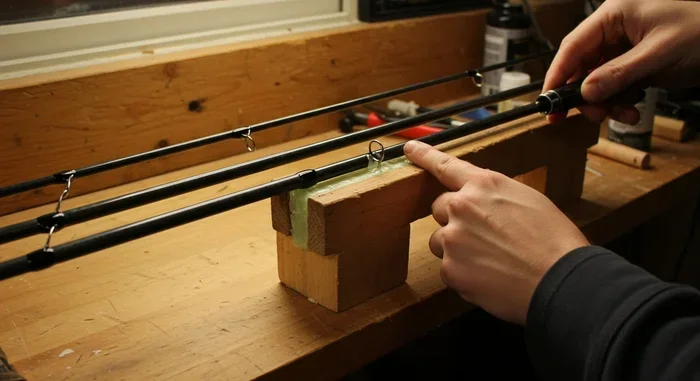
| Telescopic rod | Packs well for travel | Joints need careful cleaning |
| Fly rod | Precise light-fly presentation | Higher learning curve |
| Fish finder | Helps map depth and structure | Does not make fish bite |
A gift buyer should match the gear to the angler’s age, water type, and travel plans. A compact telescopic rod may suit a hiker. A spincast combo may suit a child. A medium spinning setup may suit an adult who fishes ponds, rivers, and lakes.
👪 Parent or Gift-Buyer Note: Choose a setup that is easy to use and safe to carry. Add polarized sunglasses, a hat, sunscreen, pliers, and a small tackle box. For children, avoid treble-hook lures until an adult can supervise casting and hook removal.
Common reasons you are waiting too long
Long waits often come from a correct technique used in the wrong place. They can also come from poor bait, a dull hook, a damaged line, or fishing during a low-activity period.

| Problem | Likely cause | Practical solution |
|---|---|---|
| No bites at all | Wrong location or depth | Move and test three depths |
| Bait disappears | Small fish or bait stealers | Use a smaller hook or tougher bait |
| Fish strike but do not hook | Hook too large or late hookset | Match hook size and watch the line |
| Line keeps tangling | Spool overfilled or line twist | Remove excess line and use a swivel |
| Lure catches weeds | Wrong depth or heavy cover | Use a weedless hook or change angle |
| Fish breaks off | Damaged line or loose drag | Retie and check the leader |
| Bobber moves but no fish lands | Wind, current, or small bites | Adjust weight and wait for a steady take |
Dull hooks are a common hidden problem. Drag a hook point lightly across a fingernail. If it slides instead of catching, replace or sharpen it when the hook design allows.
Bait mistakes
Old bait, frozen bait used in warm water, and bait that does not match local forage can reduce bites. Keep worms cool and shaded. Keep live minnows in clean, oxygenated water. Follow local rules on transporting and using bait.
Line and knot mistakes
Check the final 12 to 24 inches of line after every fish, snag, or visit to rocky cover. Small cuts can weaken monofilament and fluorocarbon. Replace damaged leaders instead of hoping they last one more cast.
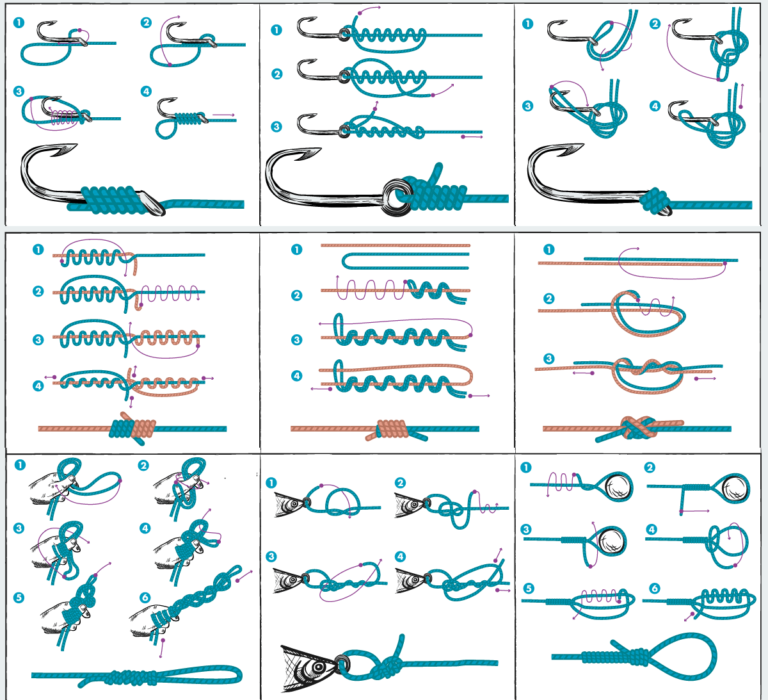
A strong knot is only useful when tied correctly. The improved clinch knot works for many lures and hooks. The Palomar knot is popular with braided line and many terminal connections. Wet the knot before tightening and trim the tag end neatly.
🔧 Quick Fix: If you have no bite after 30 minutes, make one small change first. Try a different depth before buying a new lure. Depth is often the missing piece.
How catch-and-release affects fishing time
Catch-and-release can add a few minutes to each fish, but careful handling protects the fish and supports future fishing. Keep the fish in the water when possible. Wet your hands before touching it, support its body, and remove the hook with pliers.

Use a landing net when a fish is large, the bank is steep, or the hook is difficult to reach. Do not drag fish across rocks or hold a heavy fish by the jaw unless that species can safely handle it. Minimize air exposure, especially in hot weather.
Circle hooks can reduce deep hooking when used with bait for many species. Do not perform a hard, fast hookset with a circle hook. Let the line tighten and reel steadily. Always check local rules before using circle hooks, treble hooks, barbed hooks, or specific bait.
🌿 Conservation Note: Take only legal fish you plan to use. Release unwanted fish quickly. Cut tangled line from brush and dispose of it properly. Discarded line can injure birds, turtles, mammals, and fish.
📜 Check Local Regulations: You may need a fishing license, and rules can cover size limits, bag limits, closed seasons, bait, hook type, lead tackle, and protected waters. Confirm the current rules with your state wildlife agency or local fishery office before fishing.
Safety can affect how long you fish
A safe trip lasts longer than a rushed trip. Weather, heat, cold, hooks, slippery banks, boats, and water crossings all deserve attention.
Shore and pier safety
Wear shoes with good grip near wet rocks. Keep hooks pointed away from people. Use pliers to remove hooks, and never cast when someone stands behind you. On a pier, follow posted rules and keep a clear path for other anglers.
Bring drinking water, sunscreen, insect repellent, a first-aid kit, and a charged phone. Polarized sunglasses reduce glare and help you see hazards below the surface. They also protect your eyes from a snapped lure.
Boat, kayak, and wading safety
Wear a properly fitted U.S. Coast Guard–approved PFD on a boat or kayak. Tell someone where you will launch and when you plan to return. Check wind, storms, water temperature, and local boating rules.
Waders can fill with water after a fall. Use a wading belt, move slowly, and avoid crossing water that is too deep or fast to manage. Take a boating safety or wading safety course if you are new to those activities.
Ice fishing safety
Never judge ice safety by appearance alone. Thickness can vary across one lake because of springs, current, snow, pressure cracks, and moving water. Check local ice reports, test carefully, fish with a partner, and carry ice picks and a rescue plan. If conditions are uncertain, do not go out.
⚠️ Safety Warning: A fish is never worth risking a fall, storm, strong current, or thin ice. Check the forecast, tell someone your plan, and leave before conditions turn unsafe.
A simple plan for a two-hour fishing trip
A short trip can work well when you use each part of the time with purpose. The following plan suits a beginner using a spinning or spincast combo in freshwater.
- Prepare before leaving. Tie on a fresh hook, check the line, pack water, and confirm your fishing license and local rules.
- Watch the water for five minutes. Look for baitfish, birds, current, shade, weeds, rocks, and other signs of life.
- Start with a likely depth. Use a bobber and live bait for panfish, or cast a soft plastic or small lure for bass.
- Fish the first area for 15 to 20 minutes. Make accurate casts near cover rather than random casts across empty water.
- Change one factor. Adjust depth, bait size, retrieve speed, or hook size.
- Move if needed. Walk the bank, paddle to a new safe area, or try another hole while ice fishing.
- Check your line often. Retie after snags or contact with rocks, wood, docks, or shells.
- Handle every fish with care. Keep legal fish only when allowed and desired, or release them quickly.
- Clean and store gear. Rinse saltwater gear, dry wet items, and loosen the drag before storage.
This plan does not promise a fish. It does prevent a common mistake: spending the entire trip repeating an untested method in one unproductive spot.
How long does fishing gear last?
Fishing gear can last from one season to many years. Lifespan depends on use, storage, materials, maintenance, and exposure to saltwater.
A freshwater spinning reel may work for years with basic cleaning and occasional service. A telescopic rod may last well if each section is kept free of sand. Fiberglass rods are often forgiving and durable, while graphite rods are light and sensitive but can suffer from sharp impacts.
Braided line may last multiple seasons, but inspect it for fading, fraying, and damage. Monofilament and fluorocarbon leaders should be replaced more often when they become cloudy, stiff, nicked, or weak.
| Gear | Typical replacement signal | Care that can extend life |
|---|---|---|
| Fishing line | Frays, coils badly, or breaks | Store away from heat and sunlight |
| Spinning reel | Rough retrieve or slipping drag | Rinse, dry, and service as directed |
| Rod guides | Cracks or sharp edges | Inspect with cotton or soft cloth |
| Hooks | Rust, dull points, or bent shape | Dry after use and replace when needed |
| Pliers | Rust or stiff jaws | Rinse, dry, and use corrosion protection |
| Landing net | Torn mesh or broken frame | Rinse and store dry |
Saltwater is especially hard on aluminum, steel, and reel parts. A saltwater-rated reel may resist corrosion better than a freshwater-only reel, but no reel should be left wet and salty in a tackle box.
Is fishing time more important than fishing skill?
Time helps, but skill changes what you do with that time. A new angler may need 10 casts to learn a lure, while an experienced angler uses those casts to test cover, depth, and fish response.
Experienced anglers also know when to stop waiting. They read windblown banks, current seams, bait movement, seasonal depth, and water color. They may use a fish finder, map, polarized sunglasses, or a detailed local report to narrow the search.
Beginners can make fast progress by learning a few basic skills:
- Tie one reliable knot
- Cast safely and accurately
- Set the drag correctly
- Identify cover and depth changes
- Change bait and depth with purpose
- Handle and release fish safely
A parent teaching a child should focus on short sessions. Thirty to 90 minutes may be enough for a young angler. Bring snacks, water, sunscreen, and a backup activity. A child who enjoys the trip is more likely to want to fish again, even if the first fish never comes.
Pros and cons of different ways to catch a fish quickly
Each method has a place. The right option depends on your target fish, budget, access, and skill level.
| Method | Pros | Cons |
|---|---|---|
| Live bait and bobber | Simple, visual, good for beginners | Needs bait care and may attract small fish |
| Bottom bait | Useful for catfish and deeper fish | Can sit in an unproductive area |
| Casting lures | Covers water and targets active fish | Requires practice and lure selection |
| Fly fishing | Precise, light presentation | Higher learning curve and special gear |
| Fish finder from a boat | Helps locate depth and structure | Costs more and needs interpretation |
| Pier or surf fishing | Reaches deeper saltwater without a boat | Tide, current, wind, and local rules matter |
Live bait is often the easiest starting point for beginners and kids. Casting lures suits anglers who like movement and active searching. Fly fishing suits someone willing to practice casting and learn insects, current, and presentation.
When should you ask a local tackle shop?
A local tackle shop can save time because staff know nearby water, common species, seasonal patterns, and current bait. Ask what fish are being caught, at what depth, and with which bait or lure.
Bring clear details:
- Where you plan to fish
- Whether you fish from shore, boat, kayak, pier, or ice
- Your target species
- Your budget
- Your current rod, reel, and line
- Whether the angler is a beginner or child
Do not feel pressured to buy a large amount of gear. A good shop should help match your setup to the water. Ask about license rules, access points, parking, tides, launch safety, bait restrictions, and conservation rules.
Frequently asked questions
Q: What is the fastest fish to catch for a beginner?
A: Bluegill, sunfish, perch, and stocked trout are often among the easier fish for beginners because they may feed near shore. Use a simple spinning or spincast combo, 2- to 8-pound line, a small hook, and live bait where legal. Results still depend on location, season, and fish activity.
Q: How long should I wait before changing bait?
A: If you have no signs of fish, change something after 15 to 30 minutes. Try a new depth or location first. Then test a smaller bait, different color, slower retrieve, or live bait. Avoid changing every few seconds because you need enough time to judge each method.
Q: Can you catch a fish in 10 minutes?
A: Yes, especially when panfish or stocked trout are active and you are in a known productive spot. Ten minutes is not a reliable average. A large bass, catfish, walleye, or saltwater fish may take much longer to locate.
Q: Is live bait better than lures?
A: Live bait can be easier for beginners because scent and natural movement attract fish. Lures let you cover more water and avoid keeping bait alive. Neither is always better. Match the choice to the species, water, local rules, and your skill level.
Q: How long does it take to catch a bass?
A: A bass may bite within 20 minutes or after several hours. Bass fishing often requires searching cover, points, grass, docks, and depth changes. A 6’6” to 7’3” medium or medium-heavy rod with a spinning reel or baitcaster can handle many common bass techniques.
Q: How long does it take to catch a catfish?
A: Catfish may take 30 minutes to 4 hours to find bait. Use a bottom rig near deep water, channels, current breaks, or structure. Keep the drag adjusted and inspect the line. Large catfish may require heavier tackle than small channel catfish.
Q: What should I do if fish keep stealing my bait?
A: Use a smaller or tougher bait and check the hook size. Shorten the distance between the hook and bobber or sinker. Small fish may be hitting the bait, so a smaller hook can help you hook them. You can also move to a different depth or location.
Q: Does a fish finder guarantee faster fishing?
A: No. A fish finder shows depth, bottom shape, cover, and sometimes fish-like marks. It does not identify every mark perfectly or make fish feed. You still need the right bait, depth, lure movement, and patience.
Q: How long should I fish before going home?
A: Fish as long as you are safe, comfortable, and learning. A short 45-minute trip can be useful if you test clear methods. Leave if weather, heat, cold, wind, water level, or fatigue creates a risk. A safe trip matters more than staying for one last cast.
Q: What is the best fishing setup for kids?
A: A spincast combo is often the simplest choice for children because the push-button reel is easy to learn. A 5- to 6-foot light or medium-light rod can suit small freshwater fish. Use adult supervision, simple hooks, and a short session near safe shore access.
Q: Is a telescopic fishing rod worth it?
A: A telescopic rod is useful for travel, hiking, camping, and small tackle bags. It may not feel as sensitive or durable as a one-piece or two-piece rod, and sand can damage its joints. Clean and dry each section before collapsing it.
Q: How much does it cost to start fishing?
A: A basic freshwater setup can cost roughly $25 to $80, depending on the rod, reel, line, tackle, and local prices. A more advanced bass, saltwater, fly, kayak, or ice setup can cost much more. Start with gear that matches your water instead of buying every accessory.
Q: Can fishing pressure make fish harder to catch?
A: Yes. Fish may become cautious after seeing many baits and lures. Try smaller line, a lighter leader, natural bait, a different depth, or a less crowded area. Follow access rules and never trespass to reach quiet water.
Q: How long should I wait before setting the hook?
A: It depends on the rig. With a bobber, wait for a steady pull or clear submersion rather than reacting to every ripple. With artificial lures, set the hook when you feel a solid take. With circle hooks, reel steadily instead of making a hard snap.
Q: Do fish bite better in the morning?
A: Morning can be productive because low light and cooler conditions may increase activity. Evening can also work well. Fish may feed at any time when food, current, tide, temperature, and weather create the right conditions.
Q: What should I clean after saltwater fishing?
A: Rinse rods, reels, pliers, hooks, swivels, landing nets, and lure hardware with fresh water. Wipe gear dry and follow the reel maker’s care instructions. Do not store wet saltwater gear in a closed tackle box. Check the latest product guidance for lubrication and service points.
Final advice for catching your first fish
For most anglers, a realistic answer to “how long does it take to catch a fish?” is 30 minutes to 2 hours. You may catch a panfish in five minutes, or you may spend an entire day learning without a bite. That range is normal.
Use a simple setup that suits the water. Start with a productive location, fish more than one depth, and change your plan when the evidence says to change. Beginners should focus on easy species and short trips. Experienced anglers should track conditions and refine their presentation. Gift buyers should choose simple, safe, durable gear that the angler will actually use.
The best fishing lesson is not to wait blindly. Watch the water, respect local rules, care for the fish, and make each cast teach you something. With practice, your time on the water becomes more useful, and the chances of meeting an active fish improve.