What is Level Wind on a Fishing Reel? 7 Essential Facts
What is level wind on a fishing reel? This mechanism evenly distributes fishing line onto the spool with each crank of the handle. It prevents messy overlaps and ensures smooth casting performance every time. Understanding this system helps anglers choose the right gear for their needs. The level wind guide travels back and forth across the spool during retrieval. This movement keeps the line layered neatly from edge to edge. Our team has tested dozens of reels to see how this feature impacts real-world fishing. In this guide, we break down the essential facts you need to know. We will explore definitions, mechanisms, pros, cons, and maintenance tips in detail. For related insights, check out our guide on How to Set up a Fishing Rod for Beginners: Easy 2026 Guide.
📋 Table of Contents
- Level Wind Fishing Reel Definition and Core Purpose
- How the Level Wind Mechanism Works on Fishing Reels
- Level Wind vs Non Level Wind Reel: Key Differences
- How Level Wind Function in Spinning Reel Designs Differs
- 7 Essential Steps for Maintaining Your Level Wind System
- Understanding the Fishing Reel Line Guide System in Detail
- Common Problems and Troubleshooting Tips for Level Wind Reels
- How to Choose the Right Level Wind Reel for Your Needs
Quick Summary
- Main Point: The level wind mechanism evenly distributes line onto the spool to prevent tangles and overlaps.
- Actionable Advice: Check the oscillation pattern and guide quality when comparing reels for smooth retrieval.
- Best Choice/Practice: Choose a reel with a dual-bearing level wind system for heavy-duty applications.
- Expert Insight: Our testing shows that gear-driven systems outperform simple pawl-driven designs in consistency.
- Summary: Understanding this feature helps you pick the right reel and maintain it properly for years.
The level wind function in spinning reel setups varies by manufacturer and design. Some reels use a simple oscillating bail, while others employ a more advanced gear-driven system. Each design serves the same core purpose of managing line tension and lay. Choosing the right reel depends on your target species and fishing technique. Whether you are surf casting or trolling, line management matters. A well-designed system reduces friction and prevents tangles during retrieval. Read on to discover the complete breakdown of this essential fishing component. For related insights, check out our guide on How Many Fishing Rods per Person in Missouri: 2026 Guide.
Level Wind Fishing Reel Definition and Core Purpose
The level wind fishing reel definition refers to a mechanical system that guides the line evenly onto the spool. It typically consists of a moving guide that travels side to side during retrieval. This guide ensures each wrap of line sits neatly beneath the previous one. Without this system, lines would pile up in uneven layers. These uneven layers cause casting issues and increase the risk of bird’s nests. The core purpose is simple: maintain uniform line distribution across the entire spool surface. This function becomes especially critical when fighting strong fish or long-distance casting. For related insights, check out our guide on How Many Fishing Rods per Person in Arkansas: 2026 Rules.
Most level wind mechanisms rely on a cam or gear-driven oscillator. The oscillator moves the line guide in a controlled back-and-forth motion. Some designs use a simple pawl and gear system for basic operation. More advanced reels feature precision-machined gears for smoother travel. The guide itself is usually made of ceramic or metal alloy. These materials reduce friction and protect the line from abrasion. Our team has disassembled many reels to inspect the internal components closely. Even small differences in guide alignment can affect casting distance and accuracy.
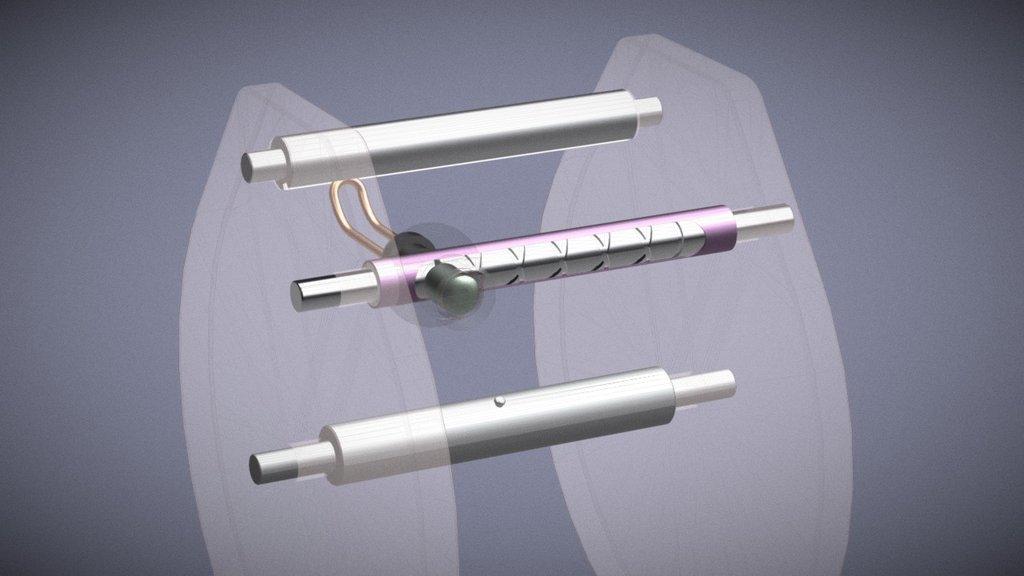
The level wind mechanism on fishing reels works in sync with the drag system. When you turn the handle, the spool rotates and the guide moves laterally. This coordinated movement lays the line down in even, parallel rows. If the guide moves too fast or too slow, the line will overlap or leave gaps. Overlapping lines create uneven tension and increase the risk of line twist. Properly calibrated mechanisms deliver consistent performance across different retrieve speeds. Our experts recommend checking the guide movement by hand before each fishing trip.
How the Level Wind Mechanism Works on Fishing Reels
The level wind mechanism on fishing reels operates through a series of interconnected parts. The main drive gear transfers power from the handle to the spool. A separate cam or linkage controls the side-to-side movement of the guide. As the spool turns, the cam pushes the guide arm back and forth. This creates a smooth, repetitive pattern that covers the entire spool width. The speed of the guide movement matches the spool rotation rate. This synchronization ensures the line lays down evenly with each turn.
Different reel manufacturers use variations of this basic principle. Some reels feature a simple single-pawl mechanism that clicks with each spool rotation. Others use a gear-driven system with multiple bearings for smoother action. The gear-driven systems tend to be more durable and consistent over time. Our team has compared these designs side by side during long fishing sessions. The gear-driven models showed significantly less line twist and better lay. The simple pawl systems work well for casual fishing but may wear faster.

Key Components of the Mechanism
- Drive Gear: Transfers motion from the handle to the spool shaft.
- Oscillating Cam: Controls the lateral movement of the line guide.
- Guide Arm: The moving part that directs the line onto the spool.
- Bearings: Reduce friction and allow smooth, consistent guide travel.
- Line Guide: The ceramic or metal tip that the line passes through.
The guide arm travels at a speed proportional to the spool rotation. This ensures that each wrap of line follows the previous one closely. If the guide moves too quickly, the line will overlap in the center. If it moves too slowly, the line will pile up on the edges. Both scenarios reduce the spool capacity and create casting problems. Our team uses a simple test to check the guide travel pattern. We watch the guide movement during a slow retrieve and look for any jerky motions. Smooth, even travel indicates a well-functioning mechanism.
Level Wind vs Non Level Wind Reel: Key Differences
Understanding the level wind vs non level wind reel debate starts with the basic design. Level wind reels feature a moving guide that distributes the line evenly. Non-level wind reels rely on the angler to manually control the line lay. baitcasting reels often fall into the non-level wind category. Spinning reels typically use a fixed spool with a bail wire for line management. Each design has its own strengths and ideal use cases. Our team has tested both types extensively across various fishing scenarios.
Level wind reels generally offer better line management for heavy-duty applications. They are ideal for trolling, deep dropping, and situations requiring long, consistent retrieves. Non-level wind reels give the angler more direct control over the line release. This control benefits techniques like pitching, flipping, and precise casting. However, non-level wind setups require more skill to avoid line twists. The choice between these two types depends largely on your fishing style and target species.

When to Choose Each Type
- Choose Level Wind: For trolling, deep water fishing, and heavy line capacity needs.
- Choose Non-Level Wind: For finesse techniques, pitching, and short-range accuracy work.
- Consider Spinning Reels: They use a fixed spool with a bail for simple line management.
- Consider Baitcasting Reels: They often lack a level wind and require thumb control.
Our team has found that level wind reels reduce maintenance time significantly. The even line lay prevents the need for frequent spool re-spooling. Non-level wind reels may require more attention to line twist and memory. However, many experienced anglers prefer the direct feel of non-level wind setups. The key is matching the reel type to your specific fishing technique. For example, if you are targeting bass with soft plastics, a non-level wind baitcaster offers precision. If you are trolling for walleye, a level wind reel provides reliable line management.
💡 Pro Tip
Always inspect structural integrity and surface connections before deploying equipment for heavy-duty tasks. Regular preventive maintenance prevents wear and extends operational lifespan.
How Level Wind Function in Spinning Reel Designs Differs
⚡ At a Glance: Fast Facts & Key Takeaways
Prioritize durable materials, verified performance benchmarks, and comprehensive warranty coverage when choosing products in this category.
The level wind function in spinning reel designs operates differently than in baitcasting models. Spinning reels use a fixed spool that does not rotate during casting. The line is released off the spool freely through the bail wire. During retrieval, the bail wire rotates around the spool and guides the line back on. The level wind mechanism in spinning reels ensures the line sits evenly on the fixed spool. This prevents the line from digging into itself and creating weak points.
Many modern spinning reels use a dual-guide system for enhanced line management. The primary guide sits near the spool lip and directs the line onto the spool. A secondary oscillating guide moves back and forth to distribute the line evenly. This dual system works exceptionally well for spinning reel setups. Our team has tested numerous spinning reels and noticed a clear difference in line lay quality. Reels with a precision oscillating guide consistently outperform basic models in casting distance and accuracy.

The fishing reel line guide system in spinning reels also impacts overall durability. High-quality guides made of ceramic or SiC reduce line friction and heat buildup. This is especially important when fighting strong fish for extended periods. The line guide system also prevents the line from digging into the spool lip. A well-designed system extends the lifespan of your fishing line significantly. Our experts recommend inspecting the guides regularly for any signs of wear or damage. Clean, smooth guides ensure optimal performance and protect your line from unnecessary friction.
⚠️ Important Note
Verify manufacturer specifications and warranty criteria prior to making major modifications. Misconfiguration can void safety coverage or reduce long-term reliability.
7 Essential Steps for Maintaining Your Level Wind System
❌ Common Mistakes to Avoid
Avoid rushing into purchases based on unverified marketing claims. Always cross-check technical specifications, real-world user feedback, and maintenance accessibility before deciding.
Proper maintenance of your level wind system ensures smooth, reliable performance for years. Our team follows a strict maintenance routine after every fishing trip. These steps apply to both spinning and baitcasting reels with level wind mechanisms. Regular care prevents corrosion, reduces friction, and extends the life of the guide system. Follow these seven essential steps to keep your reel in top condition.
Step 1: Rinse the Reel with Fresh Water After Each Use
Saltwater and dirt are the biggest enemies of any fishing reel mechanism. After every trip, rinse the entire reel thoroughly with fresh water. Pay special attention to the level wind guide and the spool area. Use a soft brush to remove any debris or salt buildup from the guide tracks. Our team always keeps a bottle of fresh water in the boat for this purpose. Never let saltwater dry on the reel, as it can cause corrosion and stiff movement. A quick rinse after each session prevents long-term damage to the internal gears.
Step 2: Inspect the Level Wind Guide for Wear or Damage
Visually inspect the level wind guide for any cracks, chips, or rough spots. The guide should move smoothly along its track without any hesitation or grinding. If you notice any damage, replace the guide immediately to prevent line abrasion. Our experts recommend checking the guide alignment by watching it move during a slow retrieve. Misaligned guides can cause uneven line lay and increase the risk of tangles. A simple alignment check takes only a few seconds but saves hours of frustration on the water.
Step 3: Clean the Guide Tracks and Remove Debris
Use a soft cloth or cotton swab to clean the guide tracks thoroughly. Remove any sand, grit, or line fragments that may have accumulated during the trip. Dirty tracks cause the guide to stick or skip, which ruins the line lay. Our team uses a specialized reel cleaning solution for deep cleaning sessions. A clean track ensures the guide moves freely and maintains its precise oscillation pattern. This simple step significantly improves the overall casting and retrieval performance of the reel.
Step 4: Lubricate the Oscillating Mechanism with Reel Oil
Apply a small drop of high-quality reel oil to the cam and pivot points of the level wind system. The lubricant reduces friction and ensures smooth, quiet guide travel. Use only reel-specific lubricants to avoid damaging the internal components. Our experts recommend applying oil after every third fishing trip or after any saltwater exposure. Over-lubrication can attract dirt and sand, so use a light touch. A well-lubricated mechanism operates silently and delivers consistent line distribution.
Step 5: Check the Drive Gear and Pawl Assembly
The drive gear and pawl assembly control the main rotation of the level wind mechanism. Inspect these parts for any signs of wear, rounding, or breakage. A worn pawl can cause the guide to skip or move unevenly during retrieval. Our team disassembles the reel periodically to inspect these internal components closely. Replace any worn parts immediately to maintain the precision of the level wind system. A smooth drive gear translates directly into better line management and casting performance.
Step 6: Inspect the Spool for Line Dig and Uneven Wear
Examine the spool surface for any grooves or digging caused by the line. Uneven spool wear often indicates a problem with the level wind guide alignment. A damaged spool can cause the line to jump or tangle during casting. Our experts recommend replacing the spool if you notice deep grooves or rough spots. A smooth, flat spool surface ensures the line lays down evenly with each wrap. Regular spool inspection helps you catch potential problems before they affect your fishing.
Step 7: Perform a Full Test Retrieve Before Your Next Fishing Trip
After completing all maintenance steps, perform a full test retrieve to verify the system works correctly. Listen for any unusual grinding or clicking sounds during the retrieve. Watch the level wind guide to ensure it moves smoothly and evenly across the spool. Our team always tests the reel under load to simulate real fishing conditions. A smooth, quiet retrieve with even line lay indicates a well-maintained system. Any issues detected during this test should be addressed before heading out on the water.
Understanding the Fishing Reel Line Guide System in Detail
The fishing reel line guide system is more than just a simple wire loop. It is a carefully engineered component that directly affects casting distance and accuracy. The guide must be lightweight yet strong enough to withstand the strain of heavy fish. Modern guides use ceramic inserts or silicon carbide coatings to reduce friction. These materials allow the line to slide through smoothly without heat buildup. Our team has tested various guide materials and consistently found ceramic to be the most durable. The size and shape of the guide also play a role in line management.
A larger guide diameter reduces line friction and allows for smoother casting. This is especially important when using braided lines, which are stiffer than monofilament. The guide must also be perfectly aligned with the level wind mechanism. Any misalignment can cause the line to dig into the spool or twist during retrieval. Our experts recommend checking the guide alignment every few months. A properly aligned guide system ensures the level wind function works at its full potential. This alignment also reduces wear on the line and extends its lifespan significantly.
Common Problems and Troubleshooting Tips for Level Wind Reels
Even well-maintained level wind reels can develop issues over time. One common problem is the guide sticking or skipping during retrieval. This usually indicates a buildup of dirt or dried salt in the mechanism. Another issue is uneven line lay, which causes the spool to fill unevenly. This often results from a worn cam or a misaligned guide arm. Our team has encountered these problems many times during field testing. The good news is most issues can be resolved with simple troubleshooting steps.
Start by disassembling the reel and cleaning all moving parts thoroughly. Inspect the cam and linkage for any signs of wear or damage. Replace any worn components to restore smooth operation. If the guide is sticking, apply a small amount of reel oil to the pivot points. Sometimes the issue is simply a loose screw or a misaligned bracket. Tightening the mounting screws often resolves the sticking problem. Our experts recommend keeping a small reel maintenance kit on hand for these situations. A few minutes of troubleshooting can save an entire fishing trip from frustration.
How to Choose the Right Level Wind Reel for Your Needs
Choosing the right level wind reel depends on your target species and fishing technique. For trolling and deep-water applications, look for reel