What Fish Does Caviar Come From: 2026 Guide To Types
Caviar is the salted roe of sturgeon fish, prized for its delicate, briny pearls.
If you have ever wondered what fish does caviar come from, this guide is for you. I work with chefs and farms, and I’ve tasted caviar at the source. I will break down the exact fish behind true caviar, how to spot the real thing, what to buy, and how to enjoy it like a pro.

What fish does caviar come from? The definitive answer
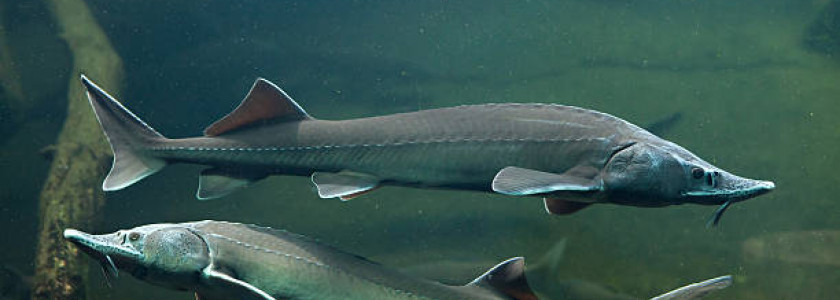
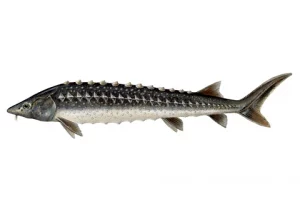
True caviar comes from fish in the sturgeon family, called Acipenseridae. So, what fish does caviar come from? It comes from sturgeon such as beluga, osetra, sevruga, Siberian, white sturgeon, sterlet, and kaluga.
Many countries protect the term caviar by law. In the European Union, caviar must come from sturgeon. In the United States, labeling can vary, but the best makers still follow this standard. When someone asks what fish does caviar come from, the most correct answer is always sturgeon.
Key sturgeon species used for caviar:
- Beluga (Huso huso)
- Osetra (Acipenser gueldenstaedtii and related species)
- Sevruga (Acipenser stellatus)
- Siberian (Acipenser baerii)
- White sturgeon (Acipenser transmontanus)
- Kaluga (Huso dauricus)
- Sterlet (Acipenser ruthenus)

Types of sturgeon caviar and how they differ
Each sturgeon species gives a unique size, color, aroma, and pop. Flavor depends on species, water, feed, age, and salt.
Common styles you will see:
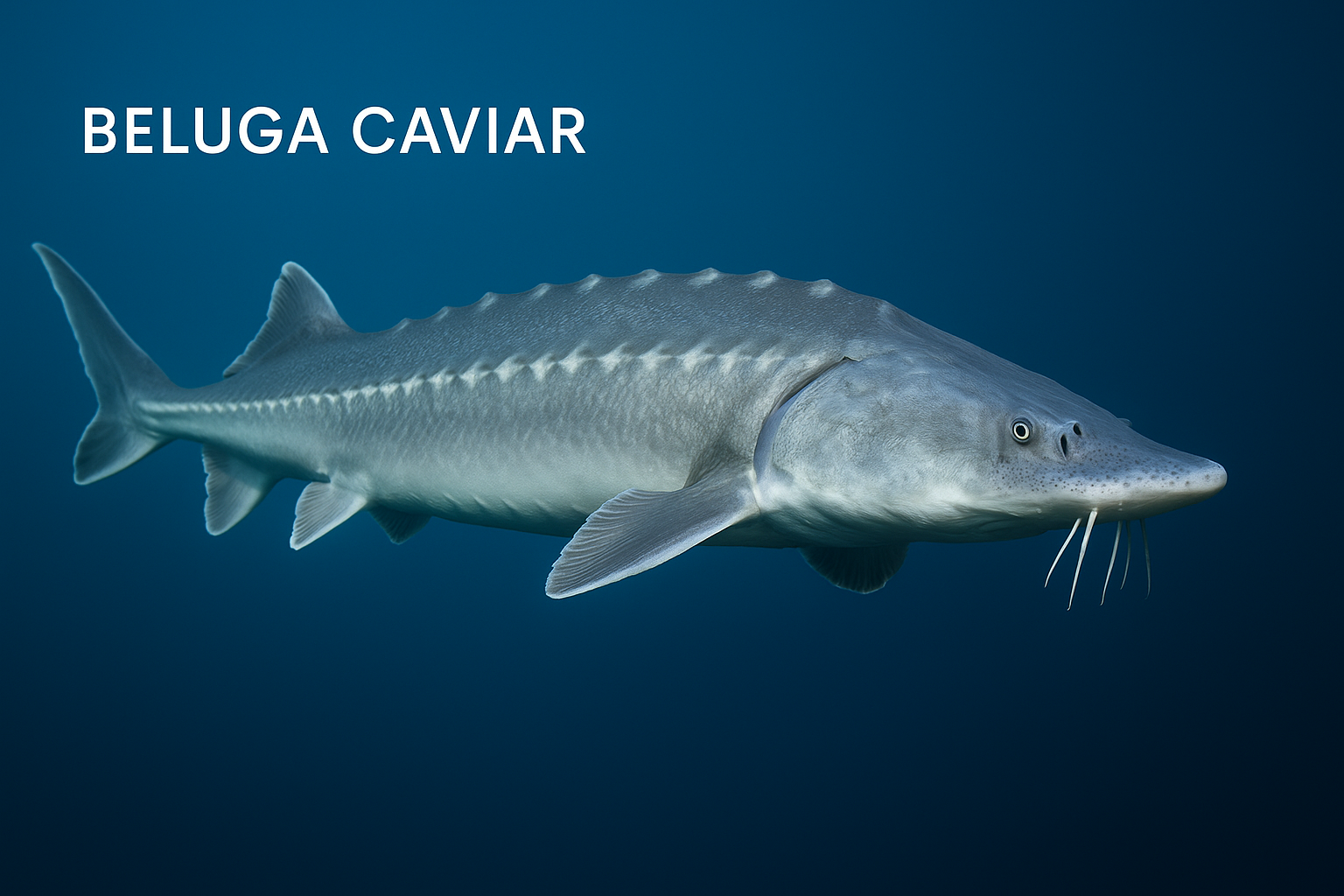
- Beluga: Very large eggs. Silky, buttery taste. Rare and very costly.
- Osetra: Medium to large eggs. Nutty, rich, often golden to brown.
- Sevruga: Small eggs. Bright, briny, and intense.
- Siberian: Medium eggs. Clean, creamy, very consistent.
- White sturgeon: Medium to large eggs. Buttery and smooth. Popular in the U.S.
- Kaluga: Large eggs. Deep, savory flavor. Often compared to beluga.
- Sterlet: Small eggs. Fine and elegant. Less common.
Non-sturgeon roe often called caviar: what to know
The short rule: if it is not sturgeon, it is roe, not caviar. This matters if you care about accuracy and quality. People search what fish does caviar come from after seeing salmon eggs called “caviar” on menus.
Popular non-sturgeon roes:
- Salmon roe (ikura): Large orange pearls. Sweet and briny.
- Trout roe: Similar to salmon roe but smaller. Fresh and mild.
- Lumpfish roe: Tiny, dyed black or red. Crunchy and very salty.
- Capelin roe (masago): Small, crunchy. Used in sushi.
- Tobiko (flying fish roe): Small, colorful, smoky-sweet.
- Paddlefish roe: From a sturgeon cousin. Smooth and earthy.
- Hackleback (shovelnose sturgeon): A true North American sturgeon. Often bold and peppery.

How caviar is produced: from egg to tin
Great caviar starts with healthy fish and careful handling. Clean water, proper feed, and mature females are key.
Simple overview of the process:
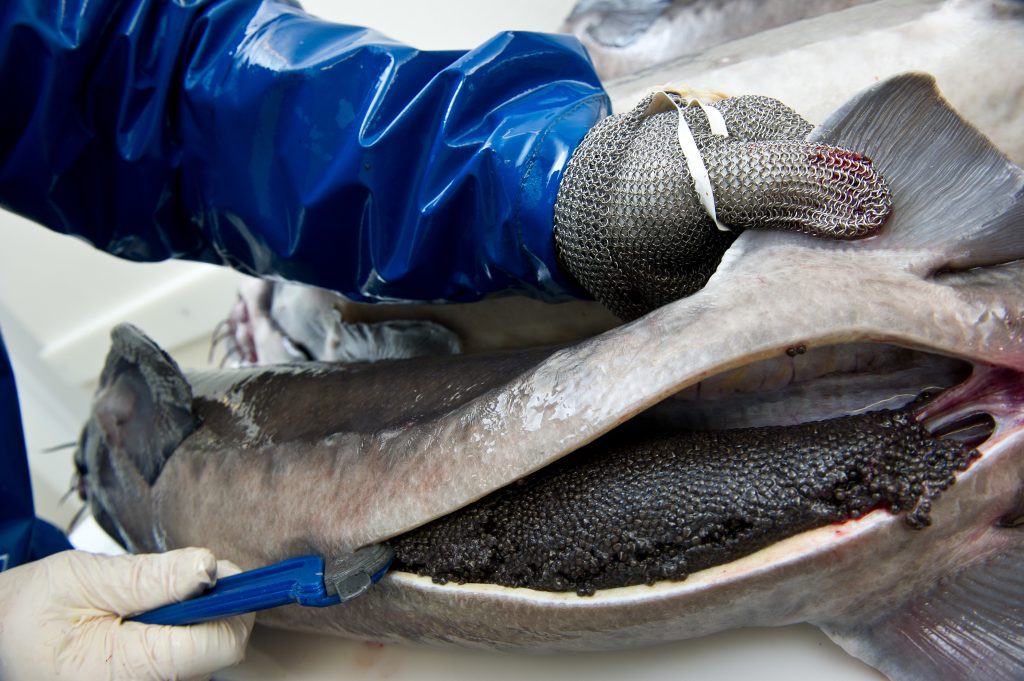
- Harvest: Eggs are taken when perfectly ripe. Some farms still harvest post-mortem. Others use no-kill methods that release ripe roe. Both aim to protect texture.
- Screening and rinsing: Roe is gently passed through a sieve to remove tissue. Then it is rinsed.
- Salting: Most high-end caviar is malossol, which means low salt. This keeps natural flavor.
- Grading and packing: Eggs are checked for size, color, firmness, and aroma. Then tins are sealed and chilled.

Taste, texture, and grading explained
Many people Google what fish does caviar come from when they taste salmon roe and think it is the same. Caviar is different. It has a fine pop and a long, creamy finish.
What experts look for:
- Flavor: Clean, buttery, nutty, or briny. No fishy smell.
- Texture: Pearls should be firm with a gentle pop.
- Color: From pale gold to deep black, depending on species.
- Grade: Grade 1 has the best size, color, and firmness. Grade 2 is still very good but less uniform.
- Salt: Malossol lets the fish speak. High salt can mask flaws.
Price, availability, and legal notes
What fish does caviar come from affects price. Beluga and kaluga fetch top rates. Osetra and white sturgeon cover a wide range. Sevruga and Siberian are often more accessible.
Important notes:
- Many wild sturgeon populations are protected. International trade follows CITES rules.
- Most caviar today is farmed. Top farms exist in Europe, China, Israel, and the U.S.
- Beluga from wild sources has long faced trade bans in several markets. Always check local rules and labels.
Sustainability and how to buy better caviar
People ask what fish does caviar come from because they care about the planet. Farmed, traceable caviar is now the smart choice.
Buying checklist:
- Look for a CITES code and full traceability.
- Prefer reputable farms with water stewardship and animal welfare standards.
- Choose malossol and shorter ingredient lists.
- Buy from sellers who ship cold and rotate stock fast.
Personal tip: I always request the harvest date window and species details. Good sellers share them with pride.

Serving and storage tips from real tastings
What fish does caviar come from sets the tone for pairing. Delicate osetra loves mild sides. A bolder Siberian can handle crème fraîche and chives.
How to serve:
- Keep it very cold, not frozen. Nest the tin on ice.
- Use mother-of-pearl, wood, or plastic spoons. Metal can change flavor.
- Pair with blini, potato chips, or buttered toast. Add a light chill white wine or Champagne.
Common mistakes I have seen and made:
- Opening the tin early. Oxygen dulls flavor fast.
- Oversalting sides. Let the caviar lead.
- Storing in the fridge door. Heat swings harm texture.
Storage basics:
- Unopened: Keep at 28–32°F in the coldest fridge zone.
- Opened: Press plastic wrap on the surface, close the lid, and finish in 1–3 days.
A short history and culture of caviar
Caviar has deep roots around the Caspian and Black Seas. The word traces to Persian and spread through Russian and European courts. Today, farmed caviar brings that heritage to more tables, with tighter controls to protect sturgeon.
Culinary note: Simple service shows respect. Keep sides plain, and let those pearls shine.
Common myths about what fish does caviar come from
Myth 1: Caviar is any fish egg. Truth: True caviar comes only from sturgeon. That is why what fish does caviar come from is the key question.
Myth 2: Darker is always better. Truth: Quality depends on species, ripeness, and handling. Color alone means little.
Myth 3: All black “caviar” is fancy. Truth: Some are dyed roes. Read labels, ask for species, and trust your nose.
Frequently Asked Questions of what fish does caviar come from
What fish does caviar come from?
Caviar comes from sturgeon fish. Species include beluga, osetra, sevruga, Siberian, white sturgeon, kaluga, and sterlet.
Is salmon caviar real caviar?
It is salmon roe, not true caviar. Only sturgeon roe is called caviar under strict definitions.
Why is caviar so expensive?
Sturgeon mature slowly, and quality control is intense. Farming, regulation, and careful handling raise costs.
How can I tell if a product is real caviar?
Check the species name and a CITES code on the label. Ask for harvest details and choose malossol from a trusted seller.
Does the country of origin matter?
It affects style and price, but farm practices matter more. Focus on traceability, freshness, and storage.
What’s the best way to taste caviar for the first time?
Start simple with blini or plain chips. Keep it cold, use a non-metal spoon, and taste a small amount on its own first.
Conclusion
Caviar comes from sturgeon, and species shape taste, texture, and price. Now you know what fish does caviar come from, how to spot the real thing, how it is made, and how to serve it well. Choose traceable, farmed tins, keep them cold, and enjoy them with simple sides.
Ready to go deeper? Try two small tins side by side, take notes, and see which style you love. Want more guides like this? Subscribe for updates or drop a question in the comments.