How To Fix A Snapped Fishing Rod Tip: Simple Steps
Repair a snapped rod tip by trimming, sleeving, and installing a replacement tip.
A clean, smart fix can save your favorite rod and your weekend. I have rebuilt and tuned many broken tips for anglers, from quick dockside patches to pro-level splices. This guide shows you how to fix a snapped fishing rod tip step by step, when to repair, and when to replace, with clear tips that protect action and sensitivity.

What actually breaks, and what can be saved
Before learning how to fix a snapped fishing rod tip, it helps to know the parts. The last guide at the end is called the tip-top. The thin end of the blank is the tip section. Breaks here come from high-sticking, nicks from lures, car doors, or cold-weather brittleness.
A tip-top failure is easy. A mid-tip snap needs more work. You can often repair graphite and fiberglass. Solid glass ice rods are simple to sleeve. Ultra-light rods are tricky and lose some feel.
What you can save depends on the break:
- Clean, angled snap near the very end often accepts a new tip-top.
- Splintered or crushed fibers need trimming and a sleeve.
- Breaks close to a ferrule or guide may require moving hardware.
If the rod has deep cracks past the break, fear a hidden weak spot. Safety first.
Tools and materials you will need
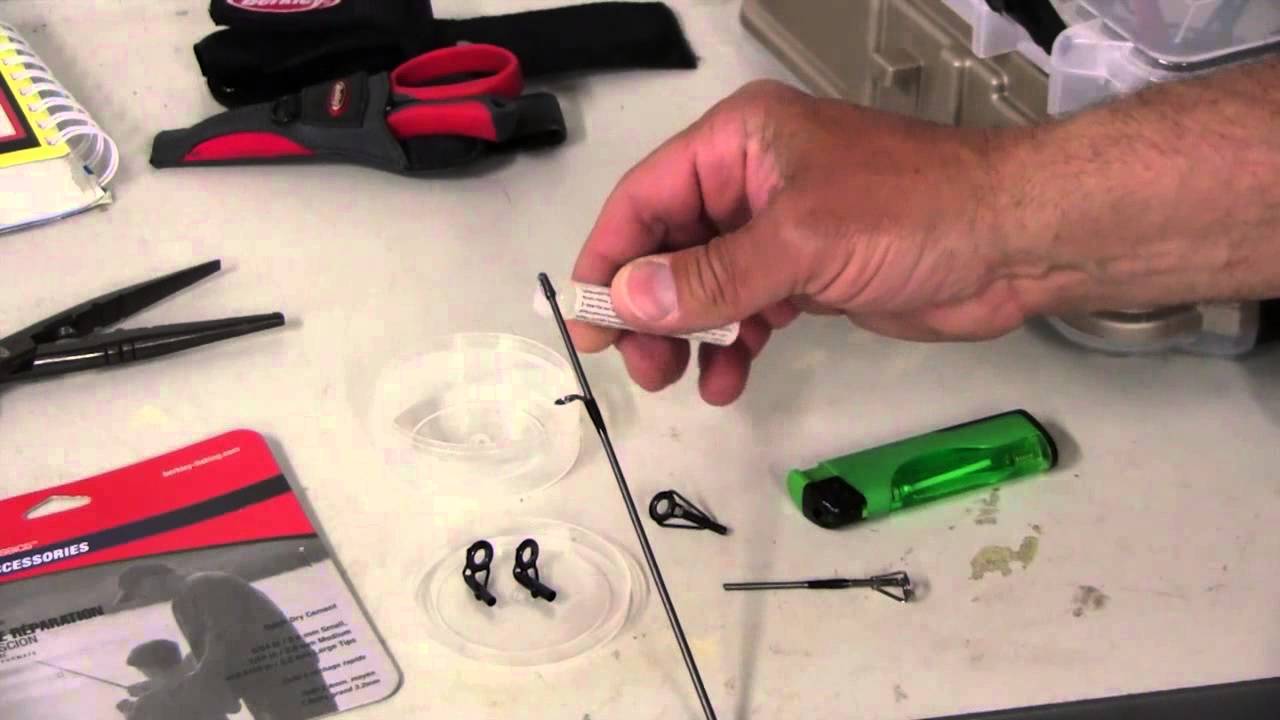
When you plan how to fix a snapped fishing rod tip, gather simple tools. You do not need a full rod-building shop.
- Replacement tip-top in correct ring size and tube size
- Tip-top hot melt adhesive or two-part epoxy
- Fine sandpaper in 400–600 grit
- Razor blade or craft knife
- Butane lighter or low-heat heat gun
- Masking tape and a small ruler
- Alcohol wipes for cleaning
- For sleeve splices: thin-wall fiberglass or carbon sleeve, or an old rod scrap
- Thread for wraps and rod finish epoxy for sealing wraps
If you lack a spare tip-top, many tackle shops will size and cut one for you. Carry a small kit in your boat bag.

Assess the damage in 60 seconds
A quick check helps shape how to fix a snapped fishing rod tip the right way. Do this before you touch glue.
- Check if the last guide (tip-top) came off clean. If so, a simple re-glue may fix it.
- Look for splinters and crushed fibers. These mean you must trim and sleeve.
- Measure the new tip diameter after trimming. You must match the tip-top tube size.
- Flex the top 12 inches. Watch for wrinkles or soft spots. If it kinks, plan a sleeve.
If the blank feels spongy after the break, skip fishing it until you reinforce it.

Quick fix on the water
Sometimes you need a fast patch so you can keep casting. Here is how to fix a snapped fishing rod tip in minutes.
- If the tip-top fell off: Heat the tip-top tube for two seconds. Add a dab of hot melt. Slip it over the trimmed tip. Align the ring with the guides. Cool with damp fingers.
- No tip-top handy: Use a short section of stiff mono as a loop. Tape it to the very end. Keep wraps clean. This is only for light lures.
- For a fractured tip: Trim loose splinters. Tape the area with two tight bands, one inch apart. Keep drag light.
This is temporary. Expect less casting distance and control. Replace with a proper fix at home.
Permanent repair: install a new tip-top
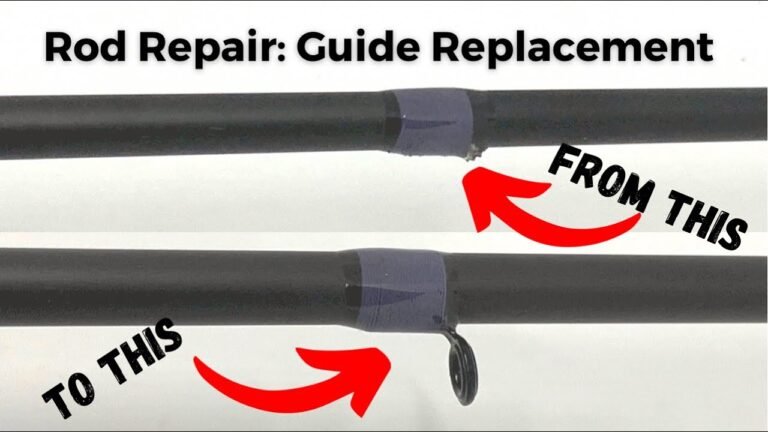
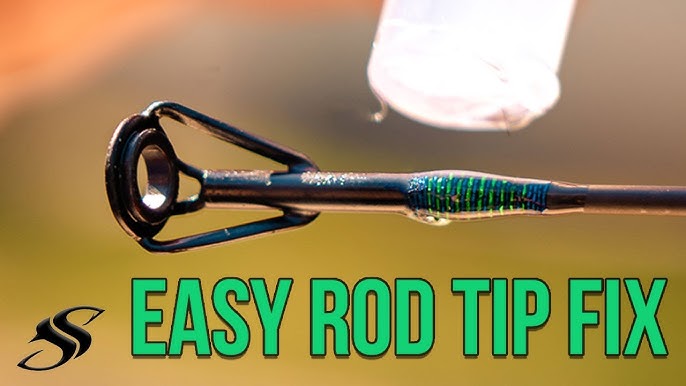
This is the most common way to fix a snapped fishing rod tip. It works when the break is near the end and the new tip diameter fits a stock tube.
- Trim and square
- Use a razor to cut back to sound material.
- Make a clean, square end. Sand lightly to smooth edges.
- Size the tip-top
- Test-fit tubes until one slides snugly without force.
- Do not force a small tube. That can crush the blank.
- Glue and align
- For hot melt: Warm the blank tip one second. Melt a small bead into the tube. Slide on. Twist once. Align ring with guides. Hold until set.
- For epoxy: Mix a tiny batch. Coat the blank tip thinly. Slide on. Wipe squeeze-out. Align. Tape in place to cure.
- Clean and seal
- Remove any glue smears with an alcohol wipe.
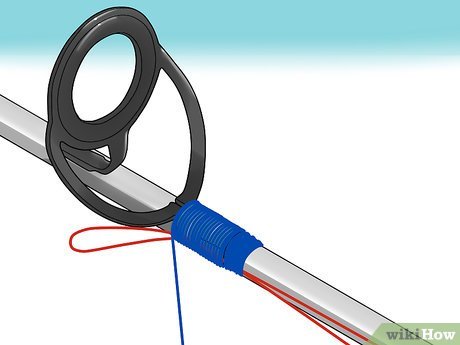
- If desired, add a tiny thread band at the tube edge. Seal with rod finish for a neat look.
Pro tip from experience: Use minimal heat. Too much heat can soften resin in graphite and weaken the top. Less is more.

Permanent repair: sleeve splice for a mid-tip snap
If the break is an inch or more below where a tip-top would sit, the best method for how to fix a snapped fishing rod tip is an internal or external sleeve. A thin fiberglass sleeve adds strength without killing action.
- Choose a sleeve
- Internal sleeve: Use a thinner scrap section that fits inside both broken ends.
- External sleeve: Use a short piece that slides over the outside with a snug fit.
- Fiberglass sleeves are forgiving and blend flex well.
- Prep the blank
- Lightly sand 1 inch on both sides of the break.
- Clean with alcohol. Dry fully.
- Dry-fit
- Aim for 1 to 1.5 inches of overlap on each side.
- Test the spine and guide alignment. Mark with a pencil.
- Glue
- Mix slow-cure epoxy. Wet the bond areas thinly.
- Assemble with your sleeve. Align marks. Rotate to distribute glue.
- Wrap and finish
- Wrap thread over the sleeve edges about 0.5 inch each side.
- Seal with two thin coats of rod finish epoxy. Let cure as directed.
This repair shifts action slightly toward moderate. On ultra-light tips, expect a touch more stiffness. Still, it fishes well for most lures.

Wrapping, finishing, and alignment checks
A clean wrap protects the joint and improves looks. It also adds a bit of hoop strength. It supports how to fix a snapped fishing rod tip that needs lasting results.
- Keep wraps tight and even. Use short tag ends and burnish.
- Apply two thin epoxy coats rather than one heavy coat.
- Spin the rod during cure if you can. This prevents sags and lumps.
- Check alignment again at 10 minutes and 30 minutes. Small slips happen as glue sets.
From my bench, thin coats win. Heavy finish adds weight at the tip and dulls feel.
Testing, tuning, and knowing when to replace
You have learned how to fix a snapped fishing rod tip and now need to test it. Gentle tests save time and prevent a second break.
- Flex test with light pressure first. Listen for ticks. Watch for twist.
- Tie on a light lure. Make soft casts. Step up in weight slowly.
- Lower your drag a touch on the first trip.
When to replace instead of repair:
- Break near or in a ferrule.
- Multiple breaks within 12 inches.
- Deep delamination or soft spots beyond the repair.
- High-end tournament rods where feel is everything.
A repaired tip can last for years if you care for it. Many anglers fish sleeves for seasons without issue.
Frequently Asked Questions of how to fix a snapped fishing rod tip
Can I use super glue instead of epoxy for a tip-top?
You can, but it can get brittle. Tip-top hot melt or rod epoxy gives a stronger, more flexible bond and allows future removal.
How do I size the correct tip-top tube?
Measure the rod tip diameter after trimming with a small gauge. The tube should slide on snugly without force and not wobble.
Will a sleeve splice change my rod action?
Yes, a little. Expect a slightly softer bend near the repair or a touch of added stiffness, based on sleeve choice and length.
How long should I let epoxy cure before fishing?
Most rod epoxies need 24 hours for a safe cure. Full strength often comes at 48–72 hours, depending on brand and room temperature.
What is the best heat source for installing a tip-top?
Use a butane lighter or a low-heat gun with quick passes. Keep heat brief to avoid damaging the graphite resin.
Can I fix a snapped tip on an ultralight rod?
Yes, but be gentle. Use a small, thin sleeve and minimal finish to keep weight down and preserve feel.
Is it worth repairing a budget rod?
Often yes. A tip-top fix is cheap and fast. A sleeve splice costs little if you use scrap material and can extend life.
Conclusion
A clean trim, a right-sized tip-top, or a smart sleeve splice can bring your favorite setup back to life. Now you know how to fix a snapped fishing rod tip with simple tools, safe heat, and careful alignment. Test light, keep wraps thin, and expect many more trips from a well-done repair.
Ready to get back on the water? Try the quick fix today, then plan the permanent repair this week. If this helped, share it with a fishing buddy, subscribe for more hands-on tackle tips, or drop your questions in the comments.