How To Set Up A Fishing Rod Hook And Sinker: 2026 Guide
Thread a sliding sinker, add a stop, tie the hook, bait, and cast.
If you want clean rigs, fewer snags, and more fish, you’re in the right place. I’ve set up thousands of rigs for lakes, rivers, and surf. In this guide, I’ll show how to set up a fishing rod hook and sinker the simple way, with pro tips I use on the water. You’ll learn knot choices, sinker types, and the best rigs for your target fish, step by step.
What You Need To Get Started
You don’t need fancy gear to learn how to set up a fishing rod hook and sinker. You need the basics done well.
- Rod and reel matched to your target species
- Monofilament or fluorocarbon line for leaders; braid or mono for main line
- Hooks in the right size and pattern for your bait
- Sinkers: split shot, egg/slip sinker, bank or pyramid sinker
- Swivels, beads, and rubber stops for slip rigs
- Scissors or line cutters and a small tackle box
- Optional: bait needle, pliers, and a simple knot-tying tool
Pro tip: Keep a small rig kit bag ready. I stash spare hooks, a few sinkers, snaps, and pre-tied leaders so I can re-rig fast after a snag.

Understanding Hooks, Sinkers, and Rigs
Before you learn how to set up a fishing rod hook and sinker, match your gear to the job.
Hooks
- Circle hooks: Great for natural bait. They set themselves in the corner of the mouth.
- J-hooks/baitholder hooks: Good control with worms and cut bait.
- Sizes: Bigger number, smaller hook (size 8 is smaller than size 2). For panfish use sizes 6–10; for trout 6–10; for bass 1–3/0; for catfish 1/0–5/0; for surf 2–4/0.
Sinkers
- Split shot: Pinch-on weights for finesse and shallow water.
- Egg or slip sinker: Slides on the line for minimal resistance. Ideal for wary fish.
- Bank or pyramid sinker: Holds in current or surf.
- General rule: Use the lightest sinker that still holds bottom.
Rigs
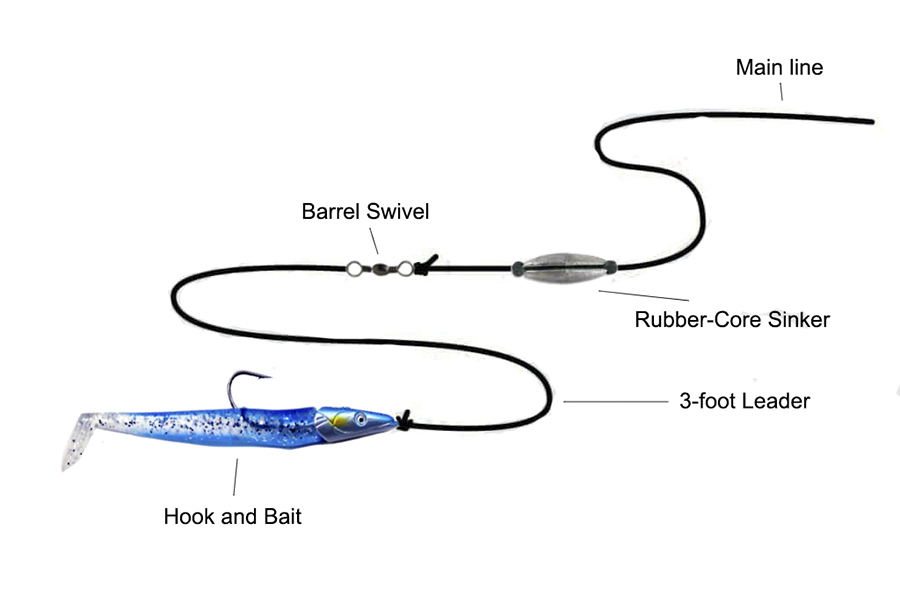
- Slip-sinker (Carolina-style): Sinker slides on main line above a swivel and leader. Fish feel less drag.
- Fixed-sinker: Sinker locked in place. Simple and fast.
- Drop shot: Weight on the end, hook above. Great for precise depth control.
Step-by-Step: How To Set Up A Fishing Rod Hook And Sinker
Here is how to set up a fishing rod hook and sinker the right way, using two proven rigs.
Slip-Sinker Rig (my go-to for most lakes and light current)
- Thread the sinker. Slide an egg sinker onto your main line. Add a small plastic bead to protect your knot.
- Tie the swivel. Use an Improved Clinch Knot or Palomar Knot to tie the main line to a barrel swivel.
- Add a leader. Tie 12–24 inches of fluorocarbon or mono to the other end of the swivel.
- Tie the hook. Attach your hook to the leader with a Palomar or Improved Clinch. Trim the tag end.
- Bait and test. Add bait, then pull the line. The sinker should slide. That keeps bites feeling natural.
Fixed-Sinker Rig (fast, simple, and reliable)
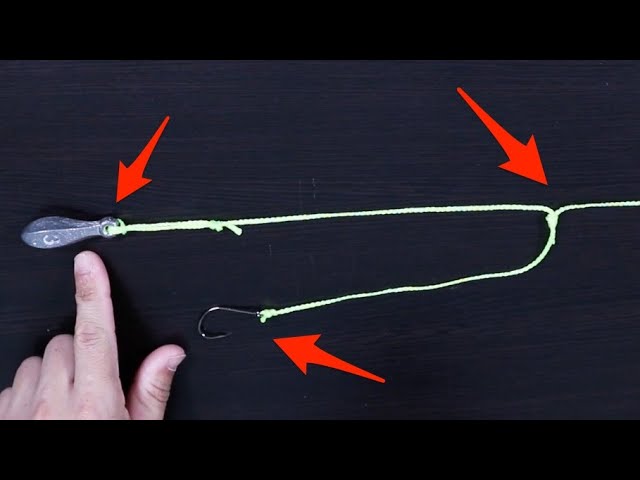
- Choose a sinker. Use a split shot or a small bank sinker for current.
- Place the sinker. Crimp split shot 6–12 inches above the hook. For bank sinkers, use a clip or simple knot loop.
- Tie the hook. Tie the hook at the tag end with a strong knot.
- Check spacing. Short distance to the hook helps detect light bites fast.
Knot tips that save fish
- Wet your knots before tightening to reduce friction and heat.
- Pull steady. If a knot slips in testing, retie it.
- Keep it simple. Two reliable knots beat five fancy ones.
When you practice how to set up a fishing rod hook and sinker at home, tie three rigs in advance and wrap each around a foam pad. You’ll re-rig in seconds on the water.

Rig Setups For Different Waters And Species
Matching the setup to the spot is half the battle. Here is what works for me across common scenarios when learning how to set up a fishing rod hook and sinker.
Trout in streams
- Hook: size 8–10 baitholder or small circle
- Sinker: 1–2 small split shot
- Leader: 18–24 inches, light line (4–6 lb)
- Tip: Keep weight just heavy enough to tick bottom.
Bass in lakes
- Hook: 1–3/0 offset worm hook or 1/0 circle for live bait
- Sinker: 1/8–1/4 oz slip sinker
- Leader: 18 inches fluoro for clear water
- Tip: Carolina-style slip rig with bead to protect the knot.
Catfish in rivers
- Hook: 2/0–5/0 circle
- Sinker: 1–3 oz bank sinker on a slip rig
- Leader: 18–24 inches mono
- Tip: Use a sinker slide for easy weight swaps.
Panfish in ponds
- Hook: size 6–10
- Sinker: one small split shot 8 inches above the hook
- Leader: Tie direct if needed
- Tip: Keep it ultra light so they do not spit the bait.
Surf fishing
- Hook: 1–3/0 circle
- Sinker: 2–5 oz pyramid to hold in waves
- Leader: 24–36 inches
- Tip: Use a shock leader if casting heavy weights.

Common Mistakes And How To Fix Them
Even seasoned anglers slip up. Here are fixes I teach when showing friends how to set up a fishing rod hook and sinker.
- Too much weight: You lose sensitivity. Drop one size until you can feel taps.
- Wrong hook size: Big hooks mean missed bites. Downsize for small baits.
- No knot wetting: Knots burn and fail. Wet and cinch slow.
- Sinker too close: Fish feel resistance and drop the bait. Add a longer leader.
- Tangled leaders: Leader too long or line memory. Shorten leader or stretch line before use.
- Ignoring current: If your rig drifts too fast, bump up sinker one size at a time.

Safety, Casting, And Pro Tips
A smooth setup helps you cast clean and fight fish better. These are the small edges that add up.
- Check your drag before you cast. Set it to give under steady pull.
- Cast past your target. Let the sinker settle, then slowly tighten the line.
- Use your finger as a “bite meter.” Light tension helps you feel soft pickups.
- In weeds, pin the sinker closer to the hook to punch through.
- On cold days, use lighter line and smaller sinkers. Fish feel pressure fast.
- Field note: On a windy pier trip, I swapped a 1 oz for a 2 oz sinker and moved my split shot 4 inches closer. That small tweak stopped my bait from drifting and doubled my hits in 30 minutes.
When you learn how to set up a fishing rod hook and sinker, practice casting in an open field. Tie on a practice plug and aim for markers at different ranges.
Care, Maintenance, And Storage
Good care extends the life of your rigs and saves money.
- Rinse gear after saltwater trips. Salt kills line and metal fast.
- Check the first 3 feet of line for nicks. Retie if rough.
- Store hooks dry. Use small foam or a hook box. Replace rusty ones.
- Keep sinkers sorted by weight to re-rig fast.
- Log what worked. Note hook size, sinker weight, and leader length for each spot.
These habits will sharpen your approach to how to set up a fishing rod hook and sinker and reduce failure points.

Frequently Asked Questions
What is the easiest way to set up a fishing rod hook and sinker?
Use a slip-sinker rig. Slide an egg sinker, add a bead, tie a swivel, add a leader, and tie the hook.
How long should my leader be?
Start with 12–24 inches. In clear water, go longer; in heavy cover or current, go shorter for control.
Which knot should I use for the hook?
A Palomar Knot is strong and quick. An Improved Clinch Knot is also easy and holds well on mono and fluoro.
What sinker weight should I choose?
Use the lightest sinker that still holds bottom. Increase weight only until your rig stops drifting.
Can I use braid with a slip-sinker rig?
Yes. Tie braid to a swivel, then add a mono or fluoro leader. The leader adds stealth and abrasion resistance.
How do I know my hook size is right?
Match the hook gap to the bait’s thickness. If bait bunches or blocks the point, size up; if fish nip and miss, size down.
How to set up a fishing rod hook and sinker for kids?
Keep it simple. One small split shot 8 inches above a small hook with a worm is perfect for panfish.
Conclusion
You now know how to set up a fishing rod hook and sinker with confidence. Choose the right hook, use the lightest sinker that holds, tie clean knots, and match the rig to your water. Small tweaks, like leader length and sinker size, turn slow days into steady action.
Take this guide to the water today. Rig two setups at home, test your knots, and note what works. Want more tips like this? Subscribe for new how-to guides, or drop a question in the comments—I’m happy to help.