How Many Fish Are In The Ocean: 2026 Data Explained
There are likely trillions of fish in the ocean, but no exact global count exists.
If you want a clear, honest, and science-backed take on how many fish are in the ocean, you’re in the right place. I’ll explain what that question really means, how experts estimate it, why the number changes, and what the latest evidence suggests. I’ll also share what I’ve learned on research boats and at the lab bench. Stick with me and you’ll leave with a firm grasp of how many fish are in the ocean, what drives that number, and why it matters.

What Does “How Many Fish Are in the Ocean” Really Mean?
First, we need to define “fish.” Most readers mean bony fish and sharks and rays. That covers tuna, anchovy, cod, herring, lanternfish, and many more. It does not include whales or squid. It may include eggs and larvae, but many counts focus on juveniles and adults.
There are three parts to this question:
- Abundance: the number of individual fish alive right now.
- Biomass: the total weight of those fish.
- Diversity: the number of species and where they live.
When people ask how many fish are in the ocean, they mix these parts. A high count of tiny fish can mean lower biomass than a smaller count of big fish. Eggs and larvae add huge numbers, but most die fast. That is why a single “number” can be misleading.
How Scientists Estimate Global Fish Numbers
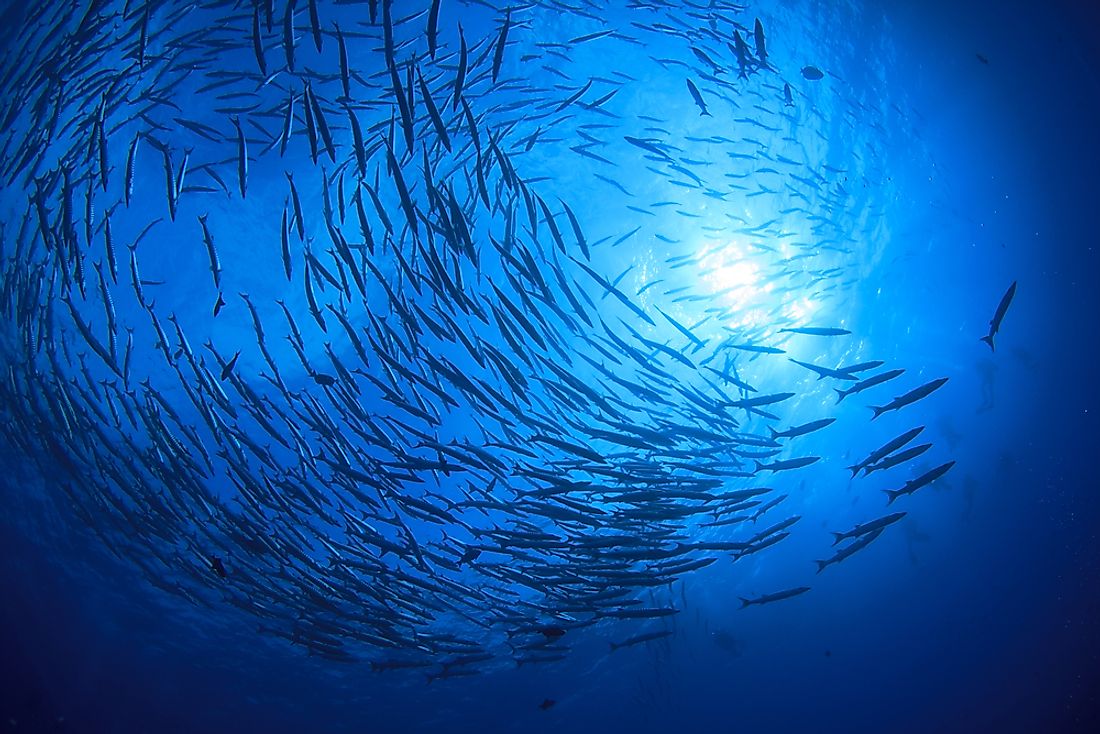
No one can count each fish. So experts sample and then scale up. The methods are tested and peer-reviewed, but each comes with trade-offs.
Common tools and data:
- Acoustic surveys: ships use sound to map fish schools over wide areas.
- Trawl and purse-seine samples: nets catch a slice of the water to measure size and species.
- Mark-recapture and tags: track movement and survival over time.
- Environmental DNA: filter water to spot species from trace DNA.
- Satellites: track chlorophyll and temperature to model habitats and prey.
- Stock assessments and ecosystem models: combine catch data, life history, and surveys to estimate abundance and trends.
Estimating how many fish are in the ocean means blending these streams. You start local, adjust for net avoidance, night and day shifts, and species mix. Then you scale across regions and seasons. The result is a range, not a point. That range is honest, because oceans change all the time.

What Current Evidence Suggests: A Trillions-Level Ballpark
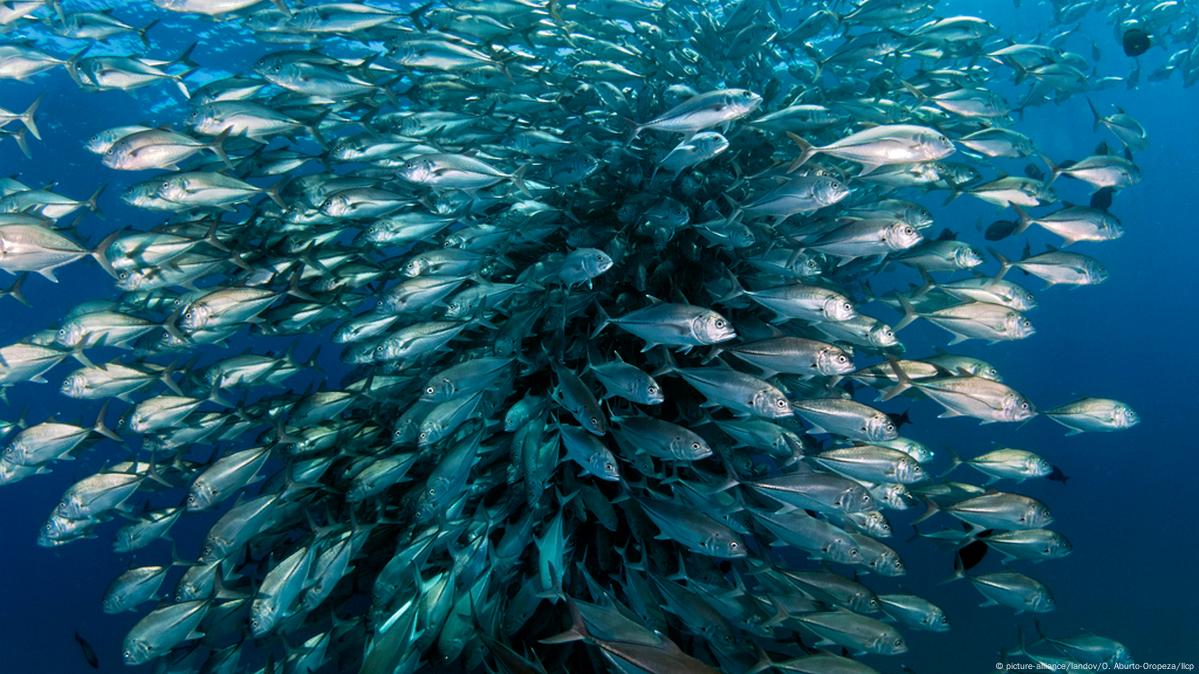
The best answer today is this: there are several trillion to tens of trillions of fish in the ocean at any one time. Why a range? Because size classes vary, larvae boom and bust, and some deep layers are still hard to sample.
A simple check helps:
- Plausible global fish biomass is in the billions of tonnes.
- If the average fish weighed 300 grams, you get a few trillion fish.
- If the true average were 30 grams, you could get tens of trillions.
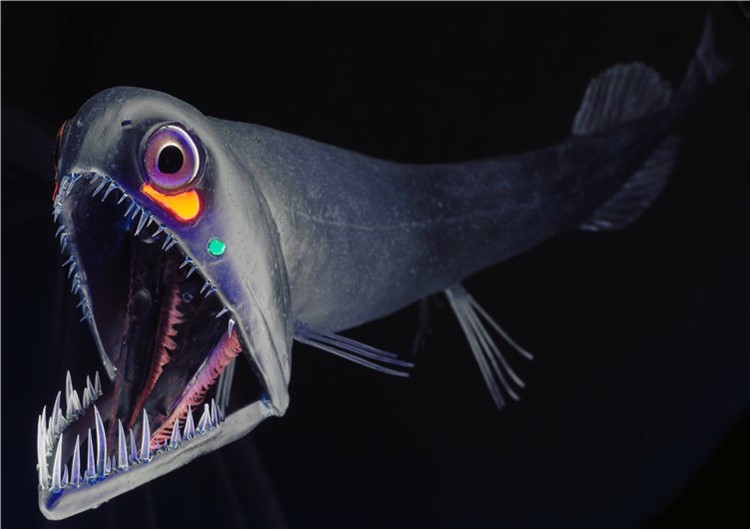
Mesopelagic fish, like lanternfish, live 200–1,000 meters deep. Some studies suggest their biomass is huge, but the error bars are wide. If even part of those upper estimates hold, they push the count higher. Put simply, how many fish are in the ocean depends a lot on small fish you never see.
I treat it as a range with clear bounds. Very unlikely to be below one trillion. Very likely to be above several trillion. Could reach tens of trillions when small fish and seasonal pulses are included.
Why the Number Changes All the Time
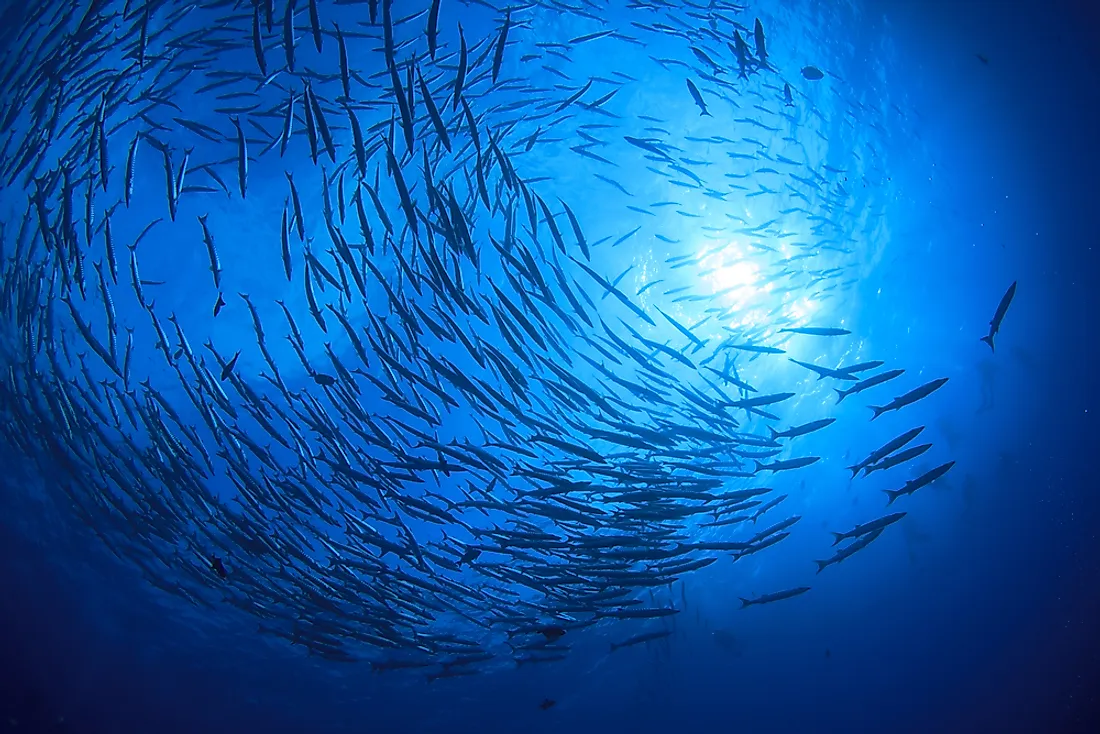
Fish are not static. Their numbers swing with the seasons and the climate.
Big drivers:
- Reproduction: many species spawn in bursts, creating waves of tiny fish.
- Mortality: most larvae die, fast. Few reach adulthood.
- Migrations: schools move to follow food, light, and safe water.
- Climate: events like El Niño shift heat and nutrients, which shifts fish.
- Fishing: catches and bycatch remove fish and can alter size and age structure.
So, how many fish are in the ocean is a moving target. Today’s count is not next month’s count.

Regional Snapshots: From Coasts to the Deep
Not all oceans are equal for fish numbers.
Patterns to know:
- Coastal shelves: high nutrients, many small fish, lots of juveniles.
- Upwelling zones: huge schools of anchovy and sardine drive large counts.
- Tropics and reefs: high diversity, many small species, complex webs.
- Polar seas: shorter seasons but massive plankton blooms feed big pulses.
- Mesopelagic zone: vast, dim, and still undercounted, but likely rich.
When you ask how many fish are in the ocean, the answer depends on where you look. One transect near an upwelling front can outnumber a huge patch of open blue water.
Why This Question Matters
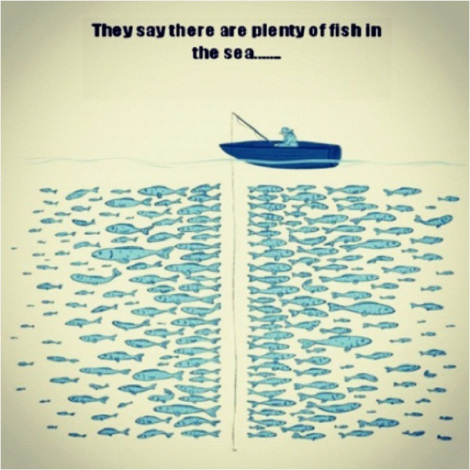
This is not trivia. It shapes policy, food, and climate work.
Reasons it matters:
- Food webs: fish link plankton to top predators, including us.
- Carbon cycle: fish move carbon to the deep ocean via feeding and waste.
- Fisheries: safe catch limits need sound abundance estimates.
- Conservation: marine protected areas and bycatch rules need numbers that are trusted.
- Climate change: warming and acidification shift habitats and stock size.
When we refine how many fish are in the ocean, we guide better choices on the water and on our plates.
How You Can Help Improve the Count
You can make a real difference, even far from the coast.
Practical steps:
- Join citizen science dives: log reef fish on trusted survey apps.
- Share photos with location and time: they help map species ranges.
- Support open data: back groups that publish methods and results.
- Choose seafood with strong traceability: it rewards better science.
- Stay curious: ask how a number was measured before you share it.
Each action helps shrink the gap between what we know and what we guess about how many fish are in the ocean.

My Field Notes: Lessons from the Deck
On one survey, our sonar lit up with “red” schools before dawn. We planned a trawl. At sunrise, the red faded. The fish had dropped deeper with the light. If we had sampled only by day, we would have missed most of them. That day taught me to time surveys with behavior, not just with the clock.
More notes from the field:
- Calibrate your echosounder. A tiny error scales into a big abundance mistake.
- Sample across sizes. Nets that miss small fish will undercount by a lot.
- Mix methods. Nets plus acoustics plus eDNA beat any one tool alone.
- Track the environment. Temperature fronts can mark sharp edges in fish density.
If you read a claim about how many fish are in the ocean, ask three things. What method? What area and season? What sizes were included? Those answers tell you how to read the number.
Frequently Asked Questions of how many fish are in the ocean
Is there an exact number for how many fish are in the ocean?
No. The ocean is too vast and dynamic for an exact count. Scientists give ranges with clear limits and methods.
How do experts actually count fish in open water?
They blend acoustic mapping, net samples, tags, eDNA, and models. Each method covers gaps in the others to improve accuracy.
Do larval fish count toward how many fish are in the ocean?
They can, but many die in days or weeks. Studies often report adults and juveniles for stability, then note larvae as a separate surge.
Are most fish near coasts or in the deep sea?
Coasts hold dense schools due to nutrients. But the deep mesopelagic zone spans huge areas, so total numbers there may be very large too.
How does climate change affect how many fish are in the ocean?
Warming and shifting currents change food and habitats. Some stocks drop or move, while others rise where conditions improve.
Conclusion
We cannot pin a single number on a living, moving ocean. But the weight of evidence points to several trillion to tens of trillions of fish alive at any time, with wide swings by season, region, and size class. The better we measure, the better we manage.
Use what you learned today. Ask how a number was measured. Support open science. Choose seafood backed by strong data. Want more insights on how many fish are in the ocean and what it means for our future? Subscribe, share your questions, or leave a comment with what you want covered next.