How To Set Up Fishing Rod For Trout: Step-By-Step 2026
Thread line through guides, tie leader, add simple rig, set light drag.
If you want more trout in your net, you need a clean setup that matches the water, the fish, and your hands. I’ve set up hundreds of rods for beginners and guides. In this guide, I’ll show you how to set up fishing rod for trout step by step, with simple choices that work today, not theory. You’ll see my favorite rigs, mistakes to avoid, and easy checks so your gear fishes right the first time.
What You Need To Set Up A Trout Rod
Getting the parts right is half the battle. Here is a tight, proven checklist so you know exactly how to set up fishing rod for trout and avoid guesswork.
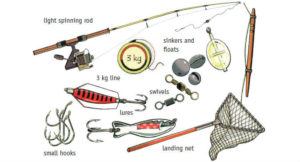
- Rod: 5’6” to 7’0” ultralight or light power, fast action, 1/32–1/4 oz.
- Reel: 1000–2500 size spinning reel with a smooth front drag.
- Main line: 4–6 lb monofilament for beginners; 6–8 lb braid if you like feel; 4–6 lb fluorocarbon for very clear water.
- Leader: 2–6 lb fluorocarbon, 18–36 inches.
- Terminal tackle: Size 8–14 hooks, small swivels, split shot sizes BB to 3, small clip or snap (optional).
- Floats: Thin pencil or small fixed floats for streams; small sliding float for lakes.
- Lures and bait: Spinners sizes 0–2, spoons 1/16–1/8 oz, soft plastics 1–2 inches, worms, salmon eggs, or dough bait where legal.
- Tools: Hemostats, line nippers, small scale or pull test for drag, polarized glasses.
Personal tip: If you are brand new, 6 lb mono with a 4 lb fluoro leader is a sweet spot. It ties easy and fishes light.

Choosing The Right Rod And Reel For Trout
The rod should feel like an extension of your forearm. Light power keeps small hooks pinned. A fast tip loads quick for short casts and protects thin leaders.
- Rod power and action: Light or ultralight, fast action. A fast tip helps you cast tiny lures and detect soft bites.
- Length: Shorter rods (5’6”–6’) shine in tight creeks. Longer rods (6’6”–7’) help with distance and line control on lakes and rivers.
- Reel size: 1000–2500 handles 100–150 yards of 4–6 lb line and balances most trout rods.
- Drag: Smooth startup is key. Trout surge. Sticky drag breaks leaders.
Pro note: If you asked me how to set up fishing rod for trout for kids, I’d pick a 6’ light rod with a 2000 reel. It is forgiving and fun.

Line, Leader, And Knots That Don’t Fail
Line choice sets the tone for the day. Here is how I match it.
- Monofilament: Easiest to tie, a bit stretchy, great all-around. My go-to for most beginners.
- Braid: Thin and strong with zero stretch. Use a 2–3 foot fluoro leader to stay stealthy.
- Fluorocarbon: Low stretch and hard to see. Great as leader in clear water.
Leader length: 18–36 inches. I go shorter in stained water and longer in gin-clear streams. If you ask how to set up fishing rod for trout in lakes with spooky fish, use a longer leader.
Knots that work:
- Improved clinch or Trilene knot: Lures and hooks.
- Double uni or Alberto knot: Main line to leader.
- Loop knot: Gives small lures better action.
- Palomar: Super strong on braid to snap or hook.
Practice them at home. It saves fish on the water.

Step-by-Step: How to Set Up Fishing Rod for Trout
Follow these steps and you’ll be fishing in minutes.
- Seat the reel
- Open the reel seat on the rod handle.
- Slide the reel foot in and tighten until snug.
- Spool the line
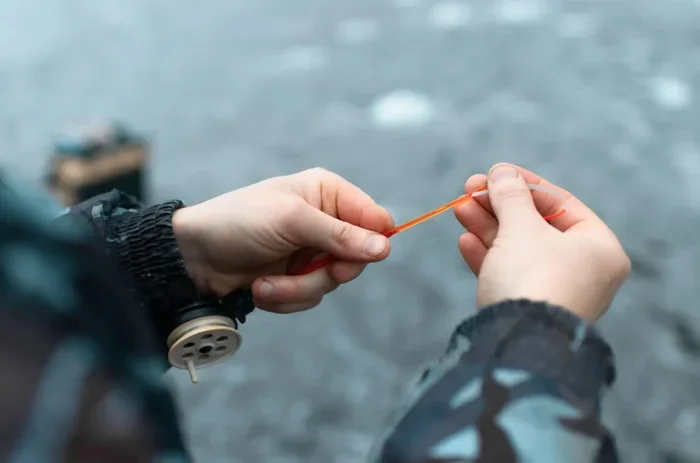
- Run line through the first guide.
- Tie an arbor knot to the spool, close the bail, and add light tension with a cloth.
- Fill to about 1/8 inch below the spool lip.
- Thread the guides
- Run the line through all guides from butt to tip.
- Keep the bail closed so you do not lose line.
- Add the leader
- Tie braid to leader with a double uni or Alberto. Tie mono to leader with a double uni.
- Use 18–36 inches of 4 lb fluorocarbon.
- Choose a rig
- Inline spinner or spoon: Tie direct with an improved clinch or use a tiny snap.
- Split shot bait rig: Tie hook. Pinch 1–2 small split shot 12–18 inches above. Add a small swivel if line twists.
- Sliding sinker lake rig: Thread a tiny sliding egg sinker on main line. Tie to swivel. Add leader 18–24 inches and hook.
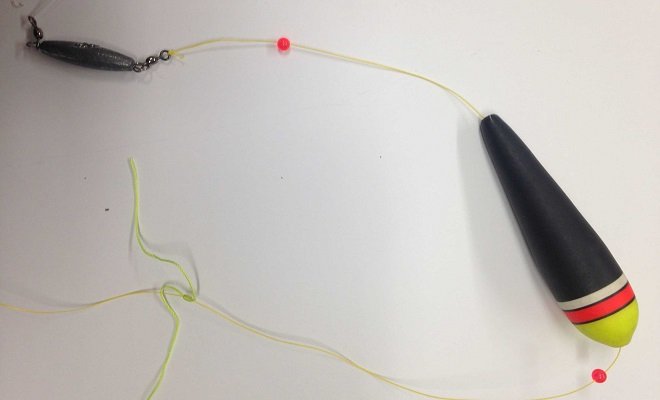
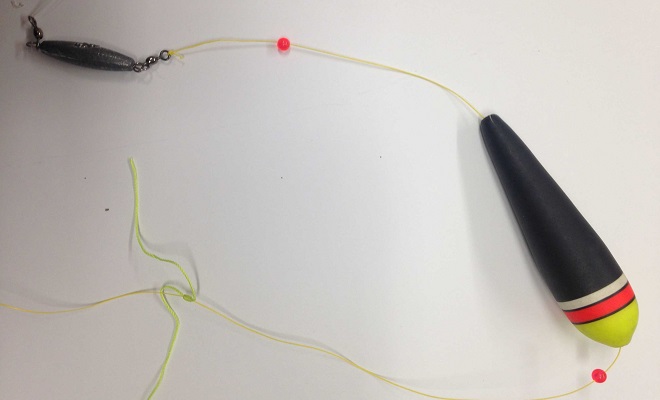
- Float rig: Tie float stop, bead, and sliding float. Add tiny split shot. Tie hook. Adjust stop for depth.
- Set the drag
- Pull line at the rod tip. It should slip at about 25–30% of line rating. For 4 lb line, a bit over 1 lb of pull.
- Final check
- No nicks on leader. Knots seated and trimmed. Lure spins true. You are set.
This is the heart of how to set up fishing rod for trout the right way, every time.
Rigs That Catch Trout In Any Water
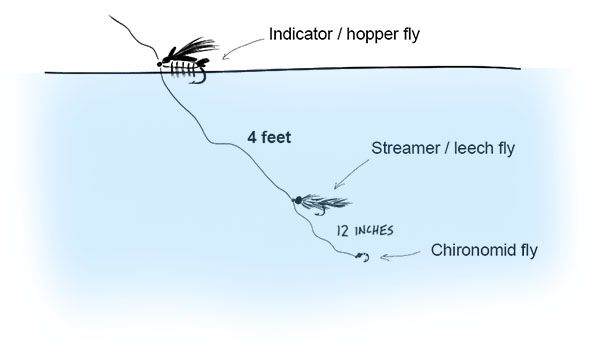
Use these as templates and tweak to fit your spot.
Clear lakes
- Sliding sinker rig with a 24–36 inch fluoro leader and size 10–14 hook.
- Bait: Dough bait, corn, or worms where legal.
- Lures: Spoons and spinners in gold or silver on bright days.
Moving rivers
- Float rig with a pencil float, a 2–3 BB split shot chain, and a small hook.
- Set depth so bait ticks just above bottom. Mend line to slow the drift.
- For lures, cast 45 degrees across and let the spinner swing.
Small creeks
- Simple split shot and hook, one BB 12 inches up.
- Cast upstream. Let it drift back natural.
- Tiny spinners, sizes 0–1, work magic under tree cover.
When folks ask how to set up fishing rod for trout in new water, I start with these three rigs. They cover 90% of days.
Setting Drag, Casting, And Presentation
Drag
- Set to slip on a hard pull. Aim for 25–30% of line strength.
- Check it often. Drags tighten on hot days.
Casting
- Smooth, not hard. Think paintbrush stroke, not hammer swing.
- Stop the rod tip at about 2 o’clock. Close the bail by hand.
Presentation
- Spinners: Slow to medium. Just enough to keep the blade turning.
- Spoons: Lift-fall-lift. Add a pause.
- Bait under float: Lead the float with the rod tip. Remove line belly.
- Bottom bait: Light sinker. Slack just kissing tight.
If you’re learning how to set up fishing rod for trout and struggling, fix drag and casting first. Everything else gets easier.

Bait, Lures, And Colors That Work
Bait
- Live worms, nightcrawlers, and mealworms.
- Salmon eggs in clear streams.
- Dough bait in stocked lakes.
Lures
- Spinners sizes 0–2 in gold, silver, or black.
- Spoons 1/16–1/8 oz in silver, gold, or rainbow trout finish.
- Soft plastics 1–2 inches on 1/32–1/16 oz heads.
Color logic
- Bright sun, clear water: Silver, natural browns, and black.
- Low light or stained water: Gold, chartreuse, or orange.
- Match local forage when you can.
When I teach how to set up fishing rod for trout to new anglers, I pack a small box: one row of spinners, one row of spoons, and a few jig heads with soft plastics. It covers most bites.
Troubleshooting And Mistakes To Avoid
Common issues
- Line twist: Use a small swivel with spinners. Close the bail by hand.
- Too heavy line: Trout see it. Drop to 4–6 lb main with a 2–4 lb leader in clear water.
- Overweight rigs: Start with one small split shot. Add only if you must.
- Bad knots: Wet and seat every knot. Retie after two fish or a snag.
- Loud approach: Trout spook. Walk soft. Cast longer.
Quick story: A client once asked me how to set up fishing rod for trout on a windy lake. His line kept twisting and breaking. We added a micro swivel, dropped to a 4 lb leader, set the drag lighter, and he landed five fish in an hour. Small fixes, big wins.
Care, Maintenance, And Safety
- Rinse rod guides and reel after each trip, especially after dusty trails.
- Back your drag off in storage. It protects the washers.
- Check leaders for nicks every few casts.
- Pinch barbs or use barbless hooks if rules require. Handle fish with wet hands.
- Know local seasons, size limits, and gear rules. Many waters ban bait or treble hooks.
Being careful with your gear and the fish is part of how to set up fishing rod for trout the right way. It protects the resource and your success.
Frequently Asked Questions of how to set up fishing rod for trout
What rod power is best for trout?
Light or ultralight power with a fast action is ideal. It casts small lures and shields light leaders from sudden runs.
What line should I use for clear water?
Use 4–6 lb fluorocarbon leader with mono or braid main line. Fluoro is harder for trout to see.
How do I stop line twist with spinners?
Add a tiny barrel swivel 12–18 inches above the lure. Close the bail by hand after each cast.
How long should my leader be?
Start with 18–36 inches. Go longer in clear lakes and shorter in stained or fast water.
Can I use braid for trout?
Yes, with a 2–3 foot fluorocarbon leader. Braid boosts feel and casting, while the leader keeps things stealthy.
What is the simplest trout rig for beginners?
A split shot and hook with a worm is hard to beat. Pinch one BB shot 12–18 inches above the hook and drift it natural.
How tight should my drag be?
About 25–30% of line strength. For 4 lb line, a bit over 1 lb of steady pull is right.
Conclusion
You now know how to set up fishing rod for trout from the first knot to the final drag check. Keep it light, keep it simple, and adjust one thing at a time until the rod feels alive in your hands. The rest is time on the bank, learning what the water tells you.
Grab your rod, tie a clean leader, and fish a simple rig today. If this helped, subscribe for more practical setups, or drop a comment with your questions and wins.