How Do You Hold a Fishing Rod? The Right Way for Beginners (2026)
Learning how to hold a fishing rod correctly is the single most important skill every beginner can master to improve casting accuracy, reduce fatigue, and land more fish. In this 2026 guide, you’ll discover the proper grip techniques, hand positions, and posture tips that make fishing easier, more comfortable, and far more successful from your very first cast.
Key Takeaways
- Grip matters most: Hold the rod firmly but not too tight to avoid fatigue.
- Use your dominant hand: Place it on the reel for better control and comfort.
- Keep your wrist relaxed: A stiff wrist reduces sensitivity and casting accuracy.
- Align your body: Stand balanced with your feet shoulder-width apart for stability.
- Practice casting drills: Repetition builds muscle memory and improves technique fast.
- Watch your index finger: Use it to control the line during casting and reeling.
- Stay patient and observant: Good holding technique leads to better bites and fewer lost fish.
📑 Table of Contents
- Why Holding Your Fishing Rod the Right Way Matters More Than You Think
- The Basic Fishing Rod Grip Every Beginner Should Master
- Different Grips for Different Fishing Situations
- How Your Grip Affects Your Casting Performance
- Detecting Bites and Setting the Hook with the Right Grip
- Common Beginner Mistakes When Holding a Fishing Rod
- Choosing the Right Rod Handle for Comfortable Gripping
- Practice Drills to Improve Your Fishing Rod Grip
- Final Thoughts on Mastering Your Fishing Rod Grip
Why Holding Your Fishing Rod the Right Way Matters More Than You Think
Let me be honest with you. When I first started fishing, I thought holding a rod was simple. You grab it and wait for a bite, right? Wrong. Very wrong. After three hours of sore arms, a tangled line, and zero fish, I realized that how you hold a fishing rod changes everything about your experience on the water.
Here’s the thing most beginners don’t realize. Your rod grip affects your casting distance, your hook setting power, your bite detection, and even how long you can fish before fatigue sets in. A poor grip leads to missed fish, wasted energy, and a frustrating day on the water. But when you learn the proper technique, fishing becomes smoother, more enjoyable, and far more productive.
In this guide, I’ll walk you through everything you need to know about fishing rod grip techniques. Whether you’re targeting bass in a quiet lake or casting for trout in a flowing river, these fundamentals will set you up for success. Let’s dive in and get your hands in the right position.
The Basic Fishing Rod Grip Every Beginner Should Master
Before we get into advanced techniques, you need to nail the fundamentals. The basic fishing rod grip is the foundation of everything else you’ll learn. Get this right, and every other skill becomes easier.
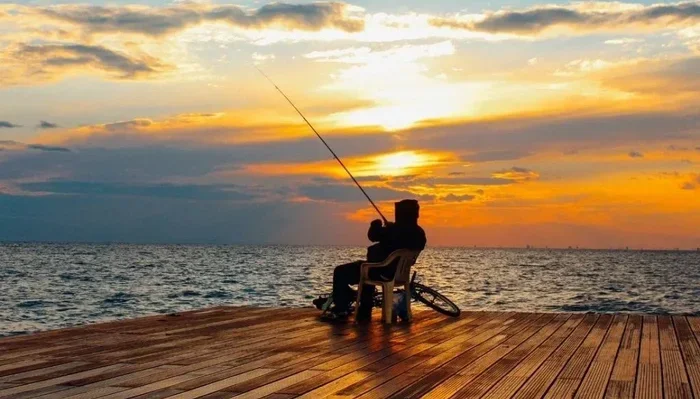
Visual guide about beginner holding fishing rod
Image source: paddlefishgear.com
Finding Your Natural Hand Position
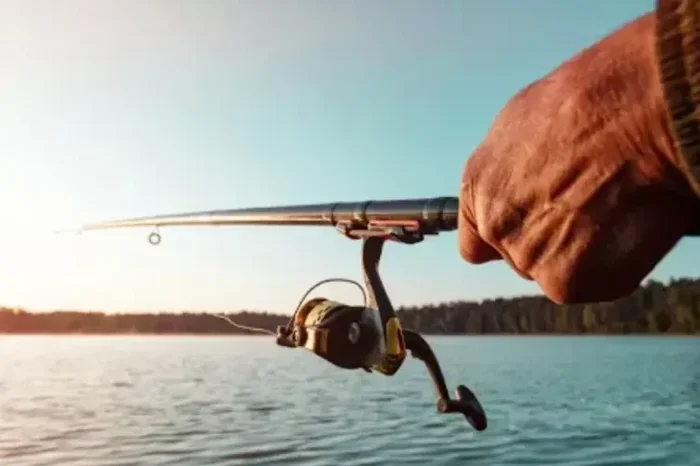
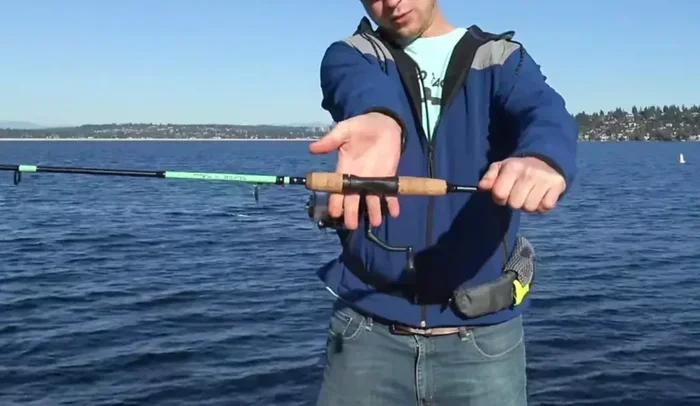
Start by holding your rod with your dominant hand. Place your thumb on top of the rod handle, pointing forward along the blank. Your index finger should wrap around the handle naturally, with your remaining fingers curled underneath for support. Think of it like shaking hands with the rod. Firm but not tight.
Here’s a quick checklist for your basic grip:
- Thumb rests on top of the rod handle, pointing toward the tip
- Index finger wraps comfortably around the grip
- Remaining three fingers support from underneath
- Grip pressure is firm but relaxed, like holding a bird without crushing it
- Wrist stays neutral, not bent at an extreme angle
The biggest mistake I see beginners make is gripping the rod too tightly. This creates tension in your forearm, reduces your sensitivity to bites, and makes casting feel stiff and awkward. Relax your hand. Let the rod do some of the work.
Where to Position Your Hand on the Handle
Your hand placement on the rod handle matters more than most people realize. For most spinning rod techniques, position your hand just above the reel seat. This gives you the best balance between control and leverage. If your hand sits too far back, you lose casting power. Too far forward, and you sacrifice accuracy.
With baitcasting rods, you’ll typically place your index finger on the spool or just above it for better control during the cast. But for now, if you’re a beginner, I strongly recommend starting with a spinning combo. It’s more forgiving and easier to learn proper grip mechanics.
Different Grips for Different Fishing Situations
Not all fishing situations call for the same grip. As you gain experience, you’ll naturally adapt your hand position based on what you’re doing. Let me break down the most common fishing rod holding styles you’ll encounter.
Visual guide about beginner holding fishing rod
Image source: letsgobassfishing.com
The Overhand Grip for Casting
This is the grip you’ll use most often when making standard overhead casts. Your thumb points straight up, and your hand sits on top of the rod. This position gives you maximum leverage and control during the casting motion. It’s ideal for medium to long-distance casts and works well with both spinning and baitcasting setups.
To execute this grip properly, keep your wrist firm but not locked. The power comes from your forearm and shoulder, not just your wrist. Think of it like throwing a ball. Smooth, controlled motion with a follow-through.
The Underhand Gip for Short Casts
When you need precision over distance, the underhand grip is your best friend. Flip your hand so your palm faces up, with your thumb underneath the rod. This grip excels at flipping baits under docks, pitching into tight cover, and making short accurate presentations.
Many experienced anglers switch between overhand and underhand grips without even thinking about it. The key is practice. Spend time on the water experimenting with both until switching feels natural.
The Trigger Grip for Baitcasting
If you’re using a baitcasting rod, you’ll use what’s called the trigger grip. Your index finger hooks around the small trigger on the reel seat, while your thumb rests on the spool for cast control. This grip gives you excellent thumb control during the cast, which helps prevent those dreaded backlash tangles.
The trigger grip takes some getting used to. I recommend practicing in your backyard before hitting the water. Cast toward a target and focus on feathering the line with your thumb as the lure approaches the ground.
How Your Grip Affects Your Casting Performance
Your grip directly impacts every aspect of your cast. Understanding this connection will help you improve faster than you might expect. Let me explain how proper rod grip for casting changes your results.
Visual guide about beginner holding fishing rod
Image source: paddlefishgear.com
Casting Distance and Accuracy
A relaxed, well-positioned grip allows the rod to load and unload naturally during the cast. This means more energy transfers to the lure, resulting in greater distance. At the same time, a stable hand position keeps your casting arc consistent, which improves accuracy.
Here’s something most beginners overlook. Your grip pressure should change during the cast. Start firm during the backswing, then relax slightly as you accelerate forward. This lets the rod flex properly and launch the lure with maximum efficiency.
Reducing Fatigue During Long Sessions
Nothing ruins a fishing trip faster than arm and hand fatigue. A proper grip distributes pressure evenly across your fingers and palm, rather than concentrating it in one spot. This means you can fish longer without discomfort.
Consider these tips to reduce fatigue:
- Take short breaks every 30 to 45 minutes to stretch your hand
- Switch your grip style periodically to use different muscle groups
- Use a rod with a comfortable handle material like cork or EVA foam
- Keep your rod weight balanced with a properly matched reel
- Avoid death-gripping the rod between casts
Detecting Bites and Setting the Hook with the Right Grip
Holding your rod correctly isn’t just about casting. It’s also about feeling what’s happening at the other end of your line. Your grip plays a huge role in bite detection fishing and successful hook sets.
Maintaining Sensitivity Through Your Grip
Fish often bite softly, especially in cold water or pressured conditions. A tight grip dampens vibrations and makes it harder to feel subtle taps and pulls. By keeping your grip relaxed, you allow those vibrations to travel through the rod and into your hand where you can detect them.
Try this experiment. Hold your rod with a death grip and have a friend gently tap the line. Now relax your grip and try again. You’ll feel a dramatic difference in sensitivity. That relaxed grip could be the difference between missing a bite and landing a trophy fish.
Setting the Hook Effectively
When you feel a bite, your grip needs to transition quickly from relaxed to firm. This is where muscle memory matters. Practice the motion of snapping your wrist upward while simultaneously tightening your grip. The hook set should be quick and decisive, not a slow, sweeping motion.
Different species require different hook set techniques. Bass fishing typically calls for a hard, aggressive hook set to drive the hook through their bony mouth. Trout fishing often requires a gentler lift of the rod tip. Know your target species and adjust accordingly.
Common Beginner Mistakes When Holding a Fishing Rod
I’ve taught dozens of people to fish over the years, and I see the same mistakes repeated over and over. Let me save you from these common pitfalls so you can progress faster.
Gripping Too Tightly
This is the number one mistake by far. Beginners tend to squeeze the rod like they’re afraid it will fly away. A tight grip kills sensitivity, causes fatigue, and actually reduces your casting distance. Remember the bird analogy. Firm enough to control, gentle enough to feel.
Placing Your Hand Too Far from the Reel
Some beginners hold the rod way up near the tip, thinking it gives them more leverage. In reality, this throws off your balance and makes everything harder. Keep your hand near the reel seat for optimal control and comfort.
Ignoring Your Non-Dominant Hand
Your support hand does more than just hold the rod. It helps with casting power, fighting fish, and managing your line. Position your non-dominant hand on the rod below your dominant hand, and use it actively during every phase of fishing.
Using the Same Grip for Everything
Sticking with one grip style limits your versatility. Different situations call for different grips. Be willing to adapt and experiment. The best anglers adjust their technique constantly based on conditions and target species.
Choosing the Right Rod Handle for Comfortable Gripping
Your grip technique won’t matter much if your rod handle doesn’t feel comfortable in your hand. The right handle makes proper gripping natural and effortless. Here’s what to consider when selecting a rod.
Handle Materials Compared
Different handle materials offer different benefits. Here’s a quick comparison to help you choose:
| Material | Comfort Level | Durability | Sensitivity | Best For |
|---|---|---|---|---|
| Cork | Excellent | Good | High | All-around fishing |
| EVA Foam | Very Good | Excellent | Moderate | Saltwater and heavy use |
| Carbon Fiber | Good | Excellent | Very High | Technical fishing |
| Hypalon | Good | Excellent | Low | Budget rods and trolling |
Cork remains the most popular choice among anglers for good reason. It’s lightweight, comfortable, and transmits vibrations well. EVA foam is a close second, especially for saltwater applications where durability matters more.
Handle Length and Shape
Handle length affects your grip style and casting comfort. Longer handles provide more leverage for two-handed casts, while shorter handles work better for compact, one-handed presentations. The shape also matters. Some handles are straight, while others have a slight curve or contour that fits your palm more naturally.
Visit a local tackle shop and hold several different rods before buying. Your hand will tell you what feels right. Trust that instinct.
Practice Drills to Improve Your Fishing Rod Grip
Like any skill, your grip improves with deliberate practice. You don’t even need to be near water to work on these fundamentals. Here are some drills that will accelerate your progress.
Backyard Casting Practice
Set up a target in your yard, like a bucket or a hula hoop. Practice your grip and casting motion for 15 to 20 minutes a day. Focus on consistency. Can you land your practice plug in the target ten times in a row? This builds muscle memory that transfers directly to the water.
Grip Strength and Endurance Training
Strong hands and forearms help you maintain a proper grip throughout long fishing sessions. Simple exercises like squeezing a stress ball, doing wrist curls, or using grip strengtheners can make a noticeable difference. Just don’t overdo it. You want endurance, not just raw strength.
One-Handed and Two-Handed Drills
Practice casting with only your dominant hand to build strength and control. Then switch to two-handed casts to develop coordination between both hands. Being comfortable with both styles makes you a more versatile angler.
Final Thoughts on Mastering Your Fishing Rod Grip
Learning how to hold a fishing rod properly is one of the simplest yet most impactful improvements you can make as a beginner angler. It affects your casting, your bite detection, your hook sets, and your overall comfort on the water. The best part is that it doesn’t cost anything to practice.
Start with the basic grip. Keep your hand relaxed and positioned near the reel seat. Experiment with different grip styles as you gain confidence. Pay attention to how your grip affects every aspect of your fishing. And most importantly, be patient with yourself. Every experienced angler was once a beginner fumbling with their first rod.
The water is waiting. Get your grip right, and you’ll be amazed at how much more enjoyable and productive your fishing trips become. Tight lines out there.
Frequently Asked Questions
How do you hold a fishing rod properly as a beginner?
To hold a fishing rod properly, grip the handle with your dominant hand just above the reel, keeping your thumb on top for control. Your other hand should support the rod near the reel seat for balance and stability. This two-handed grip gives you better casting accuracy and helps you fight fish more effectively.
What is the best grip for casting a fishing rod?
The best grip for casting is the overhand grip, where your thumb rests on top of the rod handle and your fingers wrap around the bottom. This position gives you maximum control and power during your casting motion. Keep your grip firm but relaxed — squeezing too tight will reduce your casting distance and accuracy.
Should you hold a fishing rod with one hand or two hands?
For most fishing situations, holding a fishing rod with two hands is recommended, especially for beginners. Two hands provide better control, reduce fatigue, and improve your casting distance. You can switch to one hand briefly when reeling in small fish or adjusting your line, but always return to a two-handed grip for casting and fighting larger fish.
How tight should you grip a fishing rod?
You should grip a fishing rod firmly enough to maintain control but loosely enough to feel comfortable and avoid hand fatigue. Think of it like holding a bird — secure but not crushing. A death grip on the rod will tire your hands quickly and actually reduce your sensitivity to bites and strikes.
Does the way you hold a fishing rod affect your casting?
Absolutely! The way you hold a fishing rod directly impacts your casting distance, accuracy, and overall performance. A proper grip allows for a smooth, fluid casting motion, while a poor grip can cause the rod to wobble or the line to tangle. Beginners who focus on their grip early on develop better casting habits that last a lifetime.
What are common mistakes beginners make when holding a fishing rod?
The most common mistakes include gripping the rod too tightly, holding it too far from the reel, and using only one hand for casting. Many beginners also place their thumb incorrectly or choke up too high on the handle, which limits their casting power. Avoiding these mistakes from the start will make your fishing experience much more enjoyable and productive.