Best Fishing Tips Every Angler Should Know in 2026
Ready to up your fishing game in 2026? Whether you’re a weekend warrior or a seasoned pro, these proven fishing tips will help you land more catches this year. From choosing the right gear to mastering seasonal patterns, we’ve got you covered.
Let’s be honest. We’ve all had those days on the water where nothing seems to work. You cast and cast, but the fish just aren’t biting. It’s frustrating, right? But here’s the thing — fishing isn’t just about luck. It’s about knowledge, preparation, and a few smart strategies that separate the anglers who consistently catch fish from those who go home empty-handed.
The good news? Whether you’re brand new to fishing or you’ve been at it for years, there’s always something new to learn. The sport evolves every year. New techniques emerge. Gear gets better. And fish behavior shifts with changing conditions. That’s exactly why we put together this guide to the best fishing tips every angler should know in 2026. These aren’t just random suggestions. They’re tried-and-true methods that actually work.
So grab your favorite beverage, settle in, and let’s dive into the tips that will make your next fishing trip your best one yet.
- Match your bait to the season: Fish change their feeding habits throughout the year, so adjust your lures and live bait accordingly for better results.
- Invest in quality tackle: A reliable fishing rod, reel, and line make a huge difference in your success rate and overall experience on the water.
- Learn to read the water: Understanding water temperature, current, and structure helps you locate fish faster and more consistently.
- Fish during low-light hours: Early morning and late evening are prime feeding times for most freshwater and saltwater species.
- Practice proper catch and release: Using barbless hooks and wet hands protects fish populations for future generations of anglers.
- Stay patient and observant: Fishing rewards those who pay attention to subtle changes in weather, water conditions, and fish behavior.
- Keep a fishing journal: Tracking your trips helps you identify patterns and improve your strategy over time.
📑 Table of Contents
- Start With the Right Gear for Your Target Species
- Master the Art of Reading the Water
- Time Your Fishing Trips for Maximum Success
- Perfect Your Bait and Lure Selection
- Learn Essential Knots and Presentation Techniques
- Practice Smart Catch and Release
- Keep a Fishing Journal to Track Your Success
- Common Mistakes Anglers Make (And How to Avoid Them)
- Expert Insights for 2026
- Final Thoughts
Start With the Right Gear for Your Target Species
You wouldn’t show up to a basketball game wearing flip-flops. The same logic applies to fishing. Having the right gear for the type of fish you’re targeting makes a world of difference. And no, you don’t need to spend a fortune. You just need to be smart about your choices.
Choosing the Right Fishing Rod and Reel
Not all rods are created equal. A lightweight spinning setup works beautifully for panfish and trout. But if you’re chasing bass or pike, you’ll want something with more backbone. Here’s a quick breakdown:
- Ultralight rods: Perfect for small species like bluegill and crappie. They’re sensitive and fun to use.
- Medium-action rods: The most versatile option. Great for bass, walleye, and catfish.
- Heavy-action rods: Built for big game fish like musky, striped bass, and large catfish.
Pair your rod with a quality reel that matches. A smooth drag system is essential. It’s the difference between landing a big one and watching your line snap.
Don’t Overlook Your Fishing Line
Your line is the only thing connecting you to the fish. So don’t cheap out here. Monofilament is great for beginners because it’s forgiving and affordable. Braided line offers incredible strength and sensitivity. Fluorocarbon is nearly invisible underwater, which matters when fish are line-shy.
Pro tip: Always check your line for nicks and frays before heading out. A quick inspection saves you from losing the catch of the day.
Master the Art of Reading the Water
Visual guide about Angler casting fishing rod
Image source: img.tacklewarehouse.com
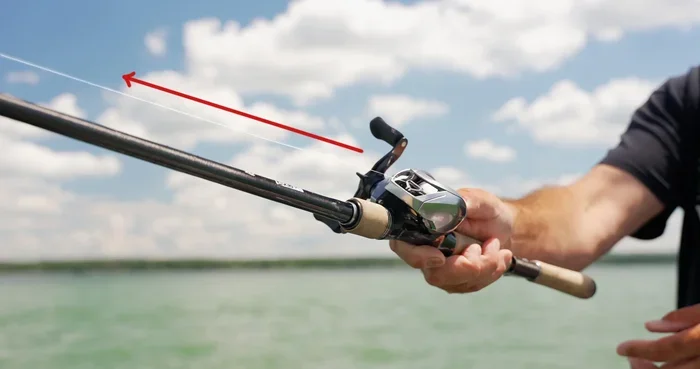
Here’s a secret that experienced anglers know. You don’t just randomly cast and hope for the best. You read the water. Fish aren’t scattered evenly throughout a lake or river. They congregate in specific areas based on food, shelter, and comfort.
Look for Structure and Cover
Fish love structure. Fallen trees, rock piles, weed beds, and drop-offs are all hotspots. These areas provide cover from predators and attract baitfish. When you find structure, you find fish.
In rivers and streams, focus on areas where the current slows down. Eddies, deep pools, and the downstream side of large rocks are prime resting spots for fish. They conserve energy there while food drifts right to them.
Pay Attention to Water Temperature
Water temperature drives fish behavior more than almost anything else. Most species have a preferred temperature range. When water gets too cold or too warm, fish become sluggish and stop feeding aggressively.
Invest in a simple water temperature gauge. It’s one of the cheapest and most useful tools you can own. In spring and fall, fish tend to be in shallower water where it’s warmer. In summer, they often retreat to deeper, cooler areas.
Time Your Fishing Trips for Maximum Success
Visual guide about Angler casting fishing rod
Image source: thumbs.dreamstime.com
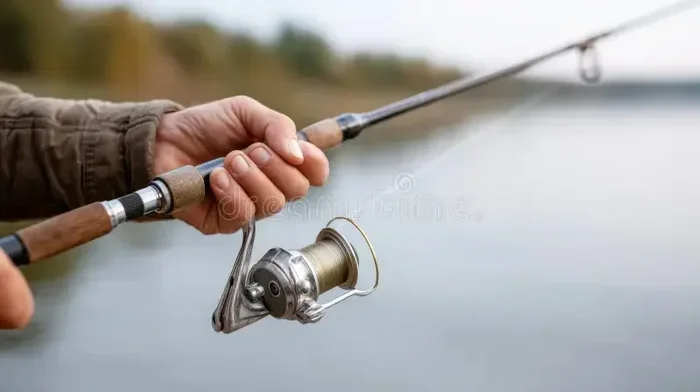
Timing is everything in fishing. Show up at the wrong time, and you’ll wonder why nobody told you it was a waste of time. Show up at the right time, and you’ll be planning your next trip before you even leave the water.
Early Morning and Late Evening Are Golden
Most fish feed most actively during low-light conditions. That means early morning, just before and after sunrise, is prime time. Late evening, leading into sunset, is another window of opportunity.
The reason is simple. Low light makes fish feel safe from predators. They’re more willing to venture out from cover and chase bait. Plus, the water temperature is often more comfortable during these hours.
Understand Seasonal Patterns
Fish behavior changes dramatically with the seasons. Here’s a quick seasonal guide:
- Spring: Fish move shallow to spawn. Target warming bays and north-facing banks.
- Summer: Fish go deep during midday. Focus on early morning, late evening, and night fishing.
- Fall: Fish feed aggressively to prepare for winter. This is one of the best seasons for big catches.
- Winter: Fish slow down significantly. Use smaller baits and slower presentations.
Perfect Your Bait and Lure Selection
Visual guide about Angler casting fishing rod
Image source: images.contentstack.io
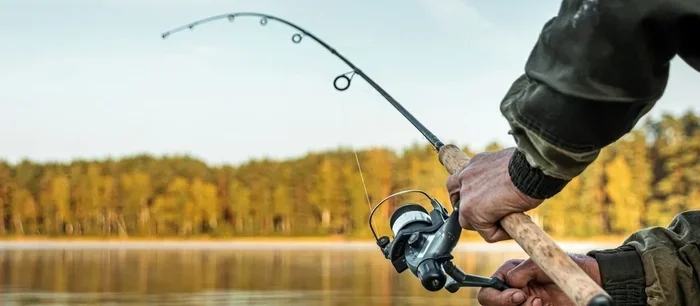
Choosing the right bait or lure can feel overwhelming. There are thousands of options out there. But the truth is, you only need a handful of proven choices to catch fish consistently in most situations.
Match the Hatch
This is one of the oldest rules in fishing, and it still holds true. Look at what the fish are eating. If you see small minnows in the area, use a lure that mimics them. If insects are hatching on the surface, try a fly or topwater lure that imitates them.
Pay attention to the size, color, and movement of natural baitfish and insects. Then choose your artificial lures accordingly. When in doubt, go natural. Live bait like worms, minnows, and crickets almost always produces results.
Top Lure Categories Every Angler Should Carry
You don’t need a tackle box bursting at the seams. Just make sure you have these basics:
- Soft plastic worms: Incredibly versatile. Rig them Texas-style, Carolina-style, or wacky-style.
- Spinnerbaits: Great for covering water quickly and triggering reaction strikes.
- Crankbaits: Perfect for mimicking baitfish at various depths.
- Jigs: A must-have for bass, walleye, and panfish. Pair them with soft plastics or live bait.
- Topwater lures: Nothing beats the excitement of a surface strike. Use these during low-light hours.
Learn Essential Knots and Presentation Techniques
You can have the best gear and the perfect bait. But if your knot slips or your presentation looks unnatural, you’re going to lose fish. These fundamentals matter more than most beginners realize.
Three Knots Every Angler Must Know
Keep it simple. Master these three knots, and you’ll handle 95% of fishing situations:
- Improved Clinch Knot: The go-to knot for tying your line to hooks, lures, and swivels. Strong and easy to tie.
- Palomar Knot: One of the strongest knots available. Works great with braided line.
- Loop Knot: Gives your lure more natural movement in the water. Perfect for crankbaits and topwater lures.
Practice these at home before your next trip. Tying knots on the water, in the wind, with cold hands, is no fun.
Presentation Makes All the Difference
How your bait or lure moves through the water matters just as much as what you’re using. A plastic worm dragged slowly along the bottom looks completely different from one hopped erratically. Both can work, but at different times.
Watch how live bait moves. Then try to replicate that action with your artificial lures. Slow down your retrieve if fish aren’t biting aggressively. Sometimes a subtle, natural presentation outperforms a fast, flashy one.
Practice Smart Catch and Release
Fishing is a resource we all share. Practicing responsible catch-and-release ensures that our favorite fishing spots stay productive for years to come. It’s not just about rules and regulations. It’s about respect for the sport and the fish.
Handle Fish With Care
Wet your hands before touching a fish. Dry your hands to avoid removing their protective slime coat, which can lead to infection. Use barbless hooks or pinch down your barbs. They’re easier to remove and cause less damage.
Keep the fish in the water as much as possible. If you need a photo, have your camera ready before you lift the fish. And never squeeze a fish tightly. Support its body gently, especially around the belly.
Revive Before Release
If a fish seems tired after the fight, hold it gently in the water facing into the current. Let water flow over its gills until it swims away on its own. A fish that swims off strongly has a much better chance of survival.
Keep a Fishing Journal to Track Your Success
This is one of the most underrated fishing tips out there. Writing down what works and what doesn’t turns random luck into repeatable success. Over time, your journal becomes a goldmine of personal data.
What to Record After Every Trip
You don’t need to write a novel. Just jot down the basics:
- Date, time, and location
- Weather conditions and water temperature
- What bait or lures you used
- What worked and what didn’t
- Species caught and approximate sizes
- Any notable observations about fish behavior
After a few months, patterns will emerge. You’ll start to see which lures work best in certain conditions. You’ll notice which spots produce at different times of year. This kind of knowledge is priceless.
Common Mistakes Anglers Make (And How to Avoid Them)
Even experienced anglers fall into bad habits. Here are some of the most common mistakes and how to steer clear of them:
- Using the same lure all day: If something isn’t working after 20-30 minutes, switch it up. Change the color, size, or type of lure.
- Ignoring the weather: Barometric pressure, wind direction, and cloud cover all affect fish behavior. Pay attention.
- Fishing too fast: Most beginners retrieve their lures too quickly. Slow down and let the fish come to you.
- Not staying quiet: Fish can feel vibrations. Avoid stomping on the bank or banging around in the boat.
- Giving up too soon: Sometimes the bite turns on suddenly. Stay patient and keep casting.
Expert Insights for 2026
The fishing world keeps evolving. Here are some trends and insights that are shaping the sport this year:
- Electronics are more accessible than ever: Affordable fish finders and sonar devices help anglers locate fish and structure with precision.
- Sustainable fishing practices are growing: More anglers are embracing barbless hooks, proper handling, and selective harvest.
- Social media is changing how we learn: Online fishing communities share real-time reports and tips that help everyone improve.
- New lure technologies keep emerging: Soft plastics with enhanced scents and ultra-realistic swimbaits are producing impressive results.
The bottom line? Stay curious, stay humble, and never stop learning. The best anglers are the ones who approach every trip as an opportunity to discover something new.
Final Thoughts
Fishing in 2026 is as exciting as it’s ever been. With the right gear, solid timing, smart bait selection, and a willingness to learn, you can dramatically improve your results on the water. Remember, every expert angler was once a beginner. The key is to get out there, apply these tips, and enjoy the process.
So what are you waiting for? Plan your next trip, rig up your favorite rod, and put these strategies to work. The fish are out there, and now you know exactly how to find them. Tight lines!
Frequently Asked Questions
What is the best time of day to go fishing?
Early morning and late evening are generally the best times to fish. Fish feed most actively during low-light conditions when they feel safe from predators. Overcast days can also produce great results throughout the day.
What bait should I use for freshwater fishing?
Live bait like worms, minnows, and crickets works for most freshwater species. Artificial lures like soft plastic worms, spinnerbaits, and jigs are also highly effective. Match your bait to the species you’re targeting and the conditions you’re fishing in.
How do I choose the right fishing rod for beginners?
A medium-action spinning rod is the best all-around choice for beginners. It’s versatile enough to handle a variety of species and techniques. Pair it with a quality spinning reel and 8-10 pound monofilament line to get started.
What is the most important fishing knot to learn?
The improved clinch knot is the most essential knot for anglers. It’s strong, reliable, and works for tying line to hooks, lures, and swivels. Once you master this knot, learn the Palomar knot and loop knot for added versatility.
How can I catch more fish in the summer?
During summer, fish early in the morning or late in the evening when temperatures are cooler. Target deeper water during midday hours and use lures that mimic the natural forage in your lake or river. Slow down your presentation when fish are sluggish from the heat.
Is catch and release really important for fishing?
Absolutely. Practicing proper catch and release helps maintain healthy fish populations for future generations. Always wet your hands before handling fish, use barbless hooks, and revive tired fish in the water before letting them go.