How To Set Up Ice Fishing Rod: Pro Tips For 2026
Spool the right line, tie a clean leader, set drag, and balance the lure—this is how to set up ice fishing rod fast.
If you want reliable hooksets and fewer tangles in the cold, you need a clean plan. I’ve spent many seasons dialing in how to set up ice fishing rod for panfish, walleye, pike, and lake trout. In this guide, I’ll show you step by step how to set up ice fishing rod, why each step matters, and how small tweaks boost your catch rate when the ice is creaking and the wind bites.

Understand your ice rod and reel
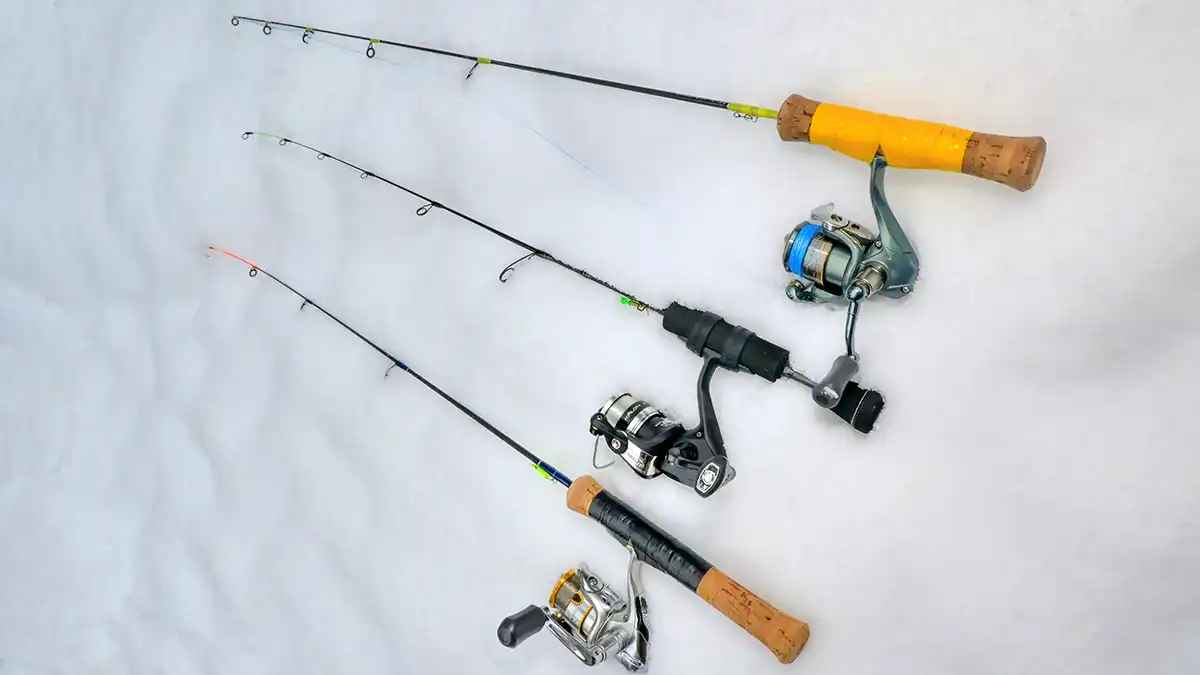
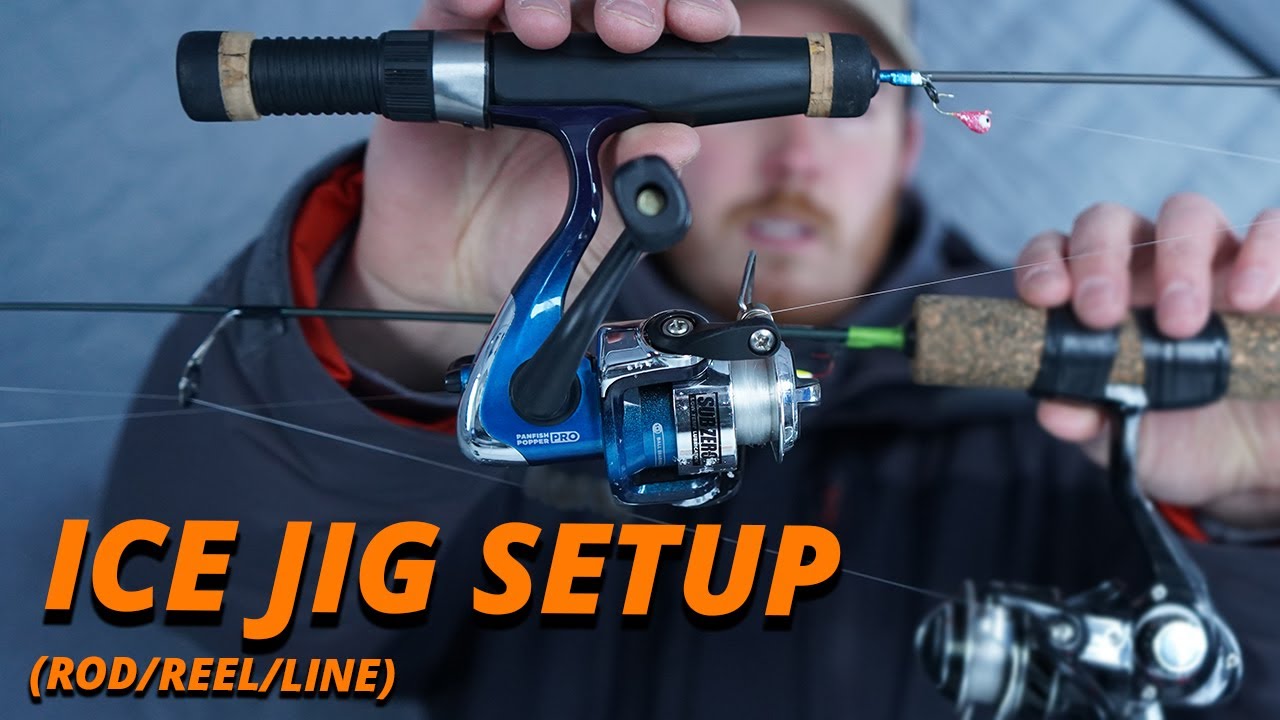
Ice rods are short by design. Most are 24 to 36 inches. Short rods give control over tight holes and help you feel soft bites. Choose power and action for the fish you want. Light to ultralight with a fast tip is great for panfish. Medium to medium-heavy is better for walleye and lake trout.
Spinning reels are the most common and easy to use. They work well for most jigs and spoons. Inline reels reduce line twist for tiny tungsten jigs. That can help crappie and bluegill strike more often. For toothy fish like pike, use a heavier rod and a reel with a strong drag. A smooth drag saves knots and keeps hooks set.
Match the rod, reel, and line. Balance them so the lure moves true and the rod loads with a light pop. That is core to how to set up ice fishing rod the right way.

Gear checklist and why it matters
Before you drill, lay out your kit. This keeps your hands warm and your setup clean.
- Ice rod with the right power and action for your target species.
- Reel with smooth drag and cold-rated grease.
- Mainline in winter-friendly types: mono, fluoro, or braid made for ice.
- Leaders: fluorocarbon for stealth or steel/titanium for pike.
- Terminal tackle: swivels, snaps, bobber stops, beads, split shot.
- Lures: tungsten jigs, spoons, rattle baits, blade baits, and soft plastics.
- Bite aids: spring bobber for panfish, clip-on floats for deadstick rods.
- Tools: line snips, long-nose pliers, hook file, and a small knot-tying tool.
- Extras: depth finder or sonar, rod stand, and a small towel for wet hands.
Each piece helps control line, reduce ice build-up, and present the lure right. A neat kit is a big part of how to set up ice fishing rod that works every day.
Step-by-step: how to set up ice fishing rod
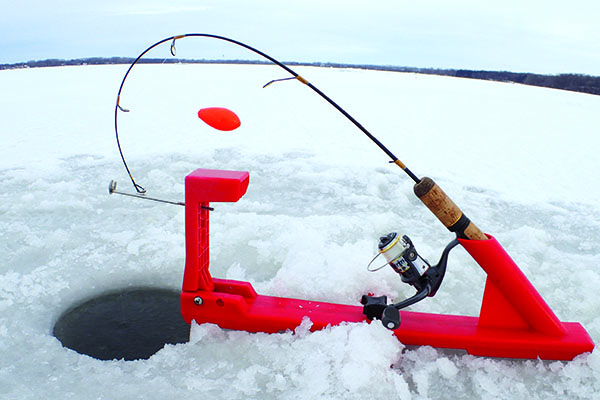
Follow these simple steps to build a clean, cold-ready setup. I use this flow on first ice and late ice alike. It is the fastest way I know to master how to set up ice fishing rod.
-
Choose your mainline
– Panfish: 2 to 4 lb mono or fluoro. Mono is more forgiving and does not ice up as fast.- Walleye: 6 to 8 lb braid with a fluorocarbon leader, or straight 6 lb mono if you want simple.
- Pike and lake trout: 10 to 20 lb braid with a 12 to 15 lb fluoro leader, or steel for pike.
-
Prep the reel spool
- Add a short mono backing if you use braid. This stops slip on the spool. A few tight wraps do the trick.
-
Spool the mainline
- Run line through the rod guides. Tie to the spool with an arbor knot. Keep slight tension as you wind. Fill to about 1 to 2 mm below the lip to avoid loops.
-
Add an anti-twist swivel if needed
- For spoons and minnow baits, add a small barrel swivel above your leader. This reduces twist and line memory.
-
Tie the leader
- Use 18 to 36 inches of fluorocarbon for stealth. For braid-to-fluoro, use the Alberto or FG knot. For mono-to-fluoro, the double uni is fast and strong.
-
Tie the lure
- Clinch or improved clinch knot for most spoons and jigs. For more action on small jigs, try a loop knot. Trim tag ends clean.
-
Set the drag
- Pull the line from the rod tip. Set just tight enough to stop slip on hooksets, yet light enough to give on fast runs. I aim for about one third of line strength as a rough start.
-
Balance and test the action
- Hold the rod over the hole and jig in the air. The tip should load, spring back, and not bounce too long. If the lure spins, re-tie or add a swivel.
-
Add a spring bobber for light bites
- Clip it on the tip for panfish. Tune the coil so it just bends under the lure weight. This shows up and down bites you would miss.
-
Mark depth and repeatability
- Use a bobber stop or a small Sharpie mark on the line to note depth. This helps you return to the strike zone fast.
- Manage ice build-up
- Keep a towel ready. Pinch ice off the guides. A tiny dab of line conditioner helps shed water in sub-zero wind.
- Final check under water
- Drop the lure two feet below the ice. Watch for spin. Watch the sonar return if you have one. Little fixes here save time later.
When you learn how to set up ice fishing rod with this flow, you reduce tangles, feel more bites, and land more fish.
Rigging options for target species
Dial your setup to the fish and mood. Small tweaks make a big jump in results. These are my go-to rigs after years on clear lakes and stained basins.
- Bluegill and crappie
- Ultralight rod, 2 to 3 lb mono or fluoro, tungsten jig size 3 to 5 mm. Add a spring bobber. Tip with a waxie or micro plastic. Keep knots tiny to avoid dampening.
- Perch
- Light rod, 3 to 4 lb fluoro, small spoon with a drop chain or a minnow head. Use a swivel to cut twist from pounding spoons.
- Walleye
- Medium rod, 6 to 8 lb braid main, 6 to 8 lb fluoro leader. Start with a rattle spoon at dusk, switch to a minnow on a deadstick when they get shy.
- Northern pike
- Medium-heavy rod, 15 to 20 lb braid, 20 to 30 lb fluoro or thin wire leader. Use a spoon or large jig with a soft plastic. Or run a tip-up for set lines.
- Lake trout
- Medium to heavy rod, 15 to 20 lb braid, 12 to 15 lb fluoro leader. White tube jigs, blade baits, and swimbaits. Long strokes, watch for follows on sonar.
Match lure weight to rod action so the tip loads just right. That is the heart of how to set up ice fishing rod for clean control.

Pro tips, mistakes to avoid, and troubleshooting
Cold shows every weak link. Here are lessons I learned the hard way, plus fixes that work.
- Keep spools warm in your jacket until use. Cold mono coils more. Warm line lays flat and reduces loops.
- Do not overfill the reel. Leave a small gap. Too much line makes wind knots.
- If your jig spins, switch to a loop knot or add a swivel. Spin turns fish off.
- For braid in deep water, use bright color with a clear leader. You see tiny ticks and still get stealth.
- Wet your knots before cinching. Fluoro burns if dry. That weakens your line.
- Test drag with gloves on. Gloves change your feel. I set drag, then hook the lure to a scale for a quick check.
- Re-spool mid-season. Ice lines take a beating. Fresh line is cheap insurance.
On a windy day last season, my buddy’s line iced up fast. We dipped the spool in the hole for a quick thaw, wiped it, and kept fishing. Small tricks like this are proof that learning how to set up ice fishing rod is also learning how to keep it running in rough weather.
Safety, ice care, and ethics
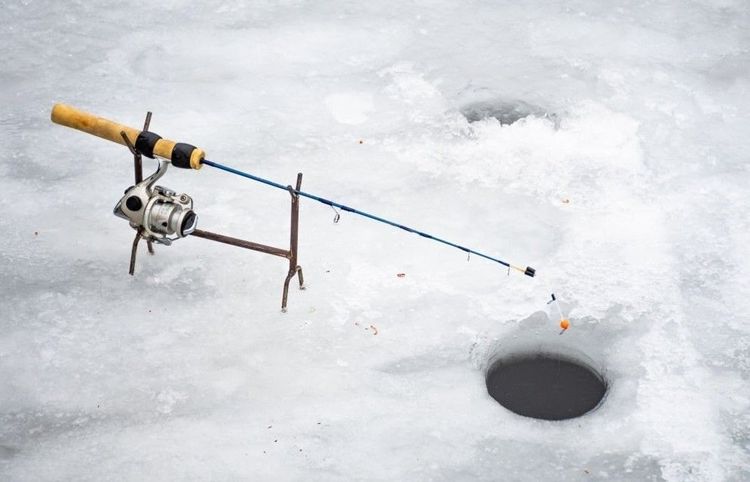
You cannot catch fish if you do not get home safe. Check ice often with a spud bar as you walk. Clear, new ice of about 4 inches can hold a person. More is needed for machines. Local rules vary, so follow your area’s guidance. Wear picks, bring rope, and fish with a partner when you can.
Handle fish with wet hands and unhook fast. Pinch barbs if rules require or if you want quick release. Pack out line bits and trash. Respect space around other holes. When you know how to set up ice fishing rod, you also know how to act right on the ice.
Frequently Asked Questions of how to set up ice fishing rod
What line is best for below-zero days?
Use low-memory mono or ice-specific braid with a fluorocarbon leader. These shed water better and freeze less.
How often should I re-spool in winter?
Change line at least once per season, sooner if you fish often. Cold, ice, and sun weaken line fast.
What knot should I use for braid to fluorocarbon?
The Alberto or FG knots are slim and strong. The double uni works too and is easy to tie with cold hands.
How tight should my drag be for walleye?
Set drag around one third of your line’s strength. It should slip on a hard pull but hold on the hookset.
Do I need a leader for pike?
Yes, use 20 to 30 lb fluorocarbon or light wire to prevent bite-offs. Fluoro is stealthier in clear water.
Can I use my summer rod for ice fishing?
You can, but it is not ideal. Ice rods are shorter and more sensitive, which helps in tight quarters.
How do I stop line twist with spoons?
Add a small barrel swivel above the leader. Also pause between jig strokes to let the spoon reset.
Conclusion
You now know how to set up ice fishing rod from spool to bite detection. Choose the right rod, match the line and leader, tie clean knots, and tune the drag. Make small checks at the hole, and you will see more bites and lose fewer fish.
Head to the ice with this plan today. Test one new tip each trip and note what works. If you found this helpful, subscribe for more on rigs, sonar, and safe ice travel, or drop a comment with your best cold-weather trick.