How Should You Pass A Fishing Boat: Safe Boating Guide
Slow to no-wake, pass wide on the gear-free side, and communicate early.
If you have ever asked how should you pass a fishing boat, you’re in the right place. I’ve spent years teaching new skippers and running small craft in tight waters, and I know the stress of this call. This guide gives clear rules, calm steps, and real tips you can use today—so you pass right, avoid lines, and keep the peace on the water.

Understand the rules: right-of-way and responsibilities
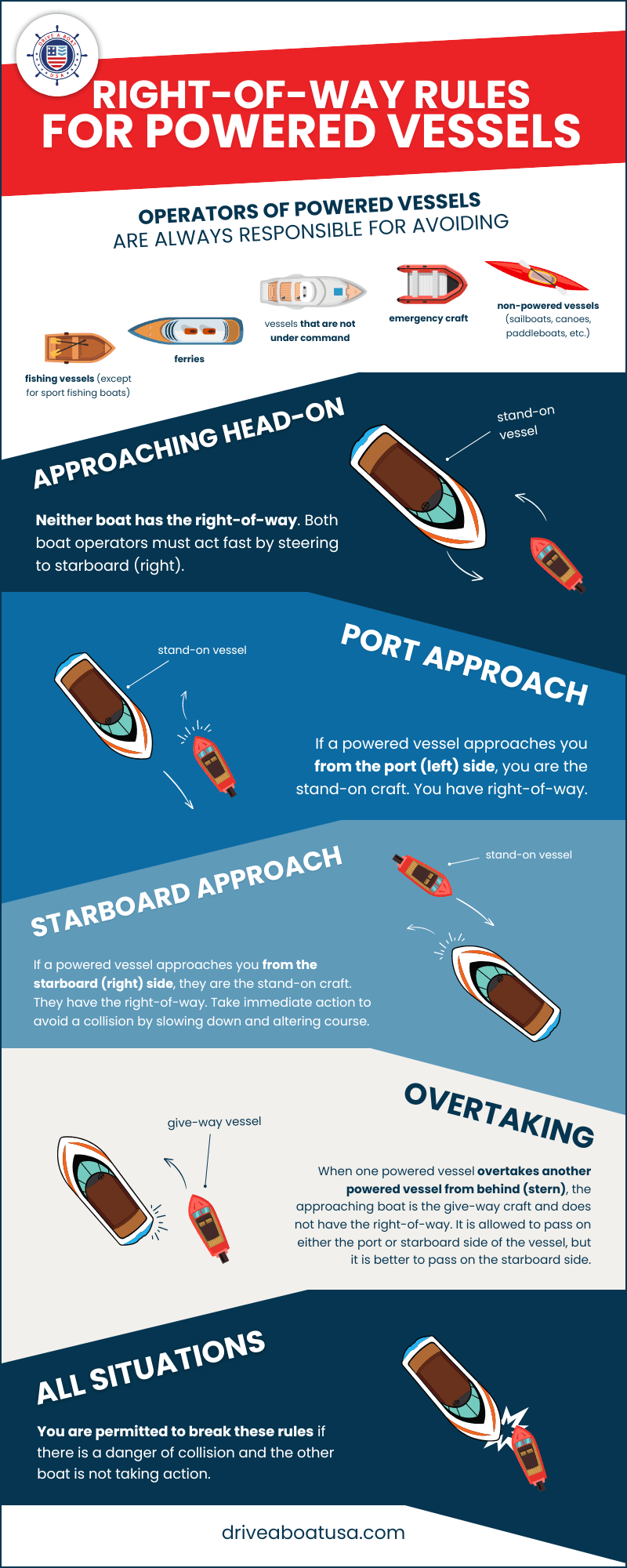
If you are asking how should you pass a fishing boat, start with the rules. The Navigation Rules say a vessel engaged in fishing has priority over a power-driven boat when its gear restricts its movement. That includes boats with nets, lines, and trawls that limit how they can turn.
- Overtaking boats must keep clear. If you are the one passing, you are the give-way vessel.
- Safe speed is a must. Slow to no-wake when near small boats.
- Keep a steady course once agreed. Sudden moves can cause close calls.
- In narrow channels, do not force a fishing boat out of safe water.
Lights and shapes help you judge risk. At night, trawlers show green over white. Other fishing shows red over white. By day, look for two cones apex to apex if gear extends out far. When you learn these signs, you will know how should you pass a fishing boat with more confidence.
Read the scene: gear, wind, and current
Before you pass, read the water. It takes seconds and saves grief.
- Look for gear. Nets, long lines, floats, or paravanes can trail far behind or to the side.
- Note wind and current. Lines usually run downwind or down-current from anchored boats.
- Scan for buoys near the boat. Do not cut between a boat and its gear buoy.
- Watch the crew. Rod tips, net frames, or hand signals tell a clear story.
If you still wonder how should you pass a fishing boat, the answer is often “pass on the side without gear” and “up-current” of an anchored angler.

Step-by-step: how should you pass a fishing boat
Here is a simple sequence I teach new skippers. It works in lakes, rivers, and coastal water.
- Assess the situation
- Spot gear direction. Use wind and current as clues.
- Decide if you will pass ahead, astern, or hold off.
- Slow to no-wake
- Come off plane early.
- Your goal is comfort and safety for the other boat.
- Choose the gear-free side
- Pass on the side without lines or nets.
- For anchored anglers, pass up-current or upwind so you avoid trailing lines.
- Set a generous gap
- Give at least 100–200 feet when you can. More is better in chop or traffic.
- In tight water, clear it with the other skipper.
- Communicate
- Hail on VHF 16 and switch to a working channel.
- Use one short blast for port-to-port or two for starboard-to-starboard, if needed.
- Hold your line
- Keep a steady course and slow speed until well past.
- Do not cut across the stern of a trolling boat.
- Re-accelerate slowly
- Bring the boat back on plane well clear.
- Check your wake. Check that all is calm behind you.
This is the clean, calm way for how should you pass a fishing boat. Use it in every pass, and other skippers will thank you.
Passing anchored anglers
- Expect lines off the stern and down-current.
- Pass up-current and at no-wake.
- Wave and make eye contact.
Passing a trolling boat
- Lines can trail 100 yards or more.
- Do not cross the stern. Pass well ahead or give a very wide berth.
Passing trawlers and netters
- Look for buoys, doors, or outriggers.
- They may not turn fast. You must give way.
- Pass on the side clear of gear after a radio call.
Passing drift boats and charters
- They may swing with current and wind.
- Keep extra distance and confirm your plan on VHF.
When in doubt about how should you pass a fishing boat, stop, hold position, and talk. Time spent talking beats time fixing props and pride.
Communication and signals that keep everyone calm
Good calls turn tense passes into easy ones.
-
VHF radio
- Hail on Channel 16. Move to 68, 69, 71, or 72 to talk.
- Share your plan: “Southbound center console intends port-to-port, no-wake.”
-
Sound signals
- One short blast: I will leave you on my port side.
- Two short blasts: I will leave you on my starboard side.
- Five short blasts: Danger or doubt.
-
Hand signals and body language
- Point to the clear side. Wave thanks.
- If they signal stop, stop.
-
Night and day signals
- Learn red over white (fishing) and green over white (trawling).
- Two cones apex-to-apex by day can mean gear extends out.
Use these tools and you will not ask how should you pass a fishing boat for long. You will know.

Real-world lessons from the helm
One foggy morning in the bay, I met a small skiff on anchor. Wind and tide were split. I asked how should you pass a fishing boat when lines could be any place. I slowed, called on 16, and learned his lines ran to the east. I passed up-current at no-wake. He waved. I learned to never assume where lines go.
Another time, I almost crossed the stern of a troller. His planer boards were far out. He gave five short blasts. I backed off and passed ahead by 300 feet at idle. That day burned in one rule: lines reach farther than you think.
Common mistakes to avoid
- Crossing the stern of a trolling boat. Lines can be long and deep.
- Throwing a big wake. It ruins fishing and can cause injury.
- Assuming they see you. Always confirm with radio or clear signals.
- Cutting between a fishing boat and a buoy. That buoy may mark live gear.
- Speeding up too soon. Your wake hits when you are past them.
- Ignoring wind and current. Lines drift that way. Plan your pass there.
If you feel unsure about how should you pass a fishing boat, pause. Re-check gear, gap, and speed. Then try again with care.
Local laws, distances, and special areas
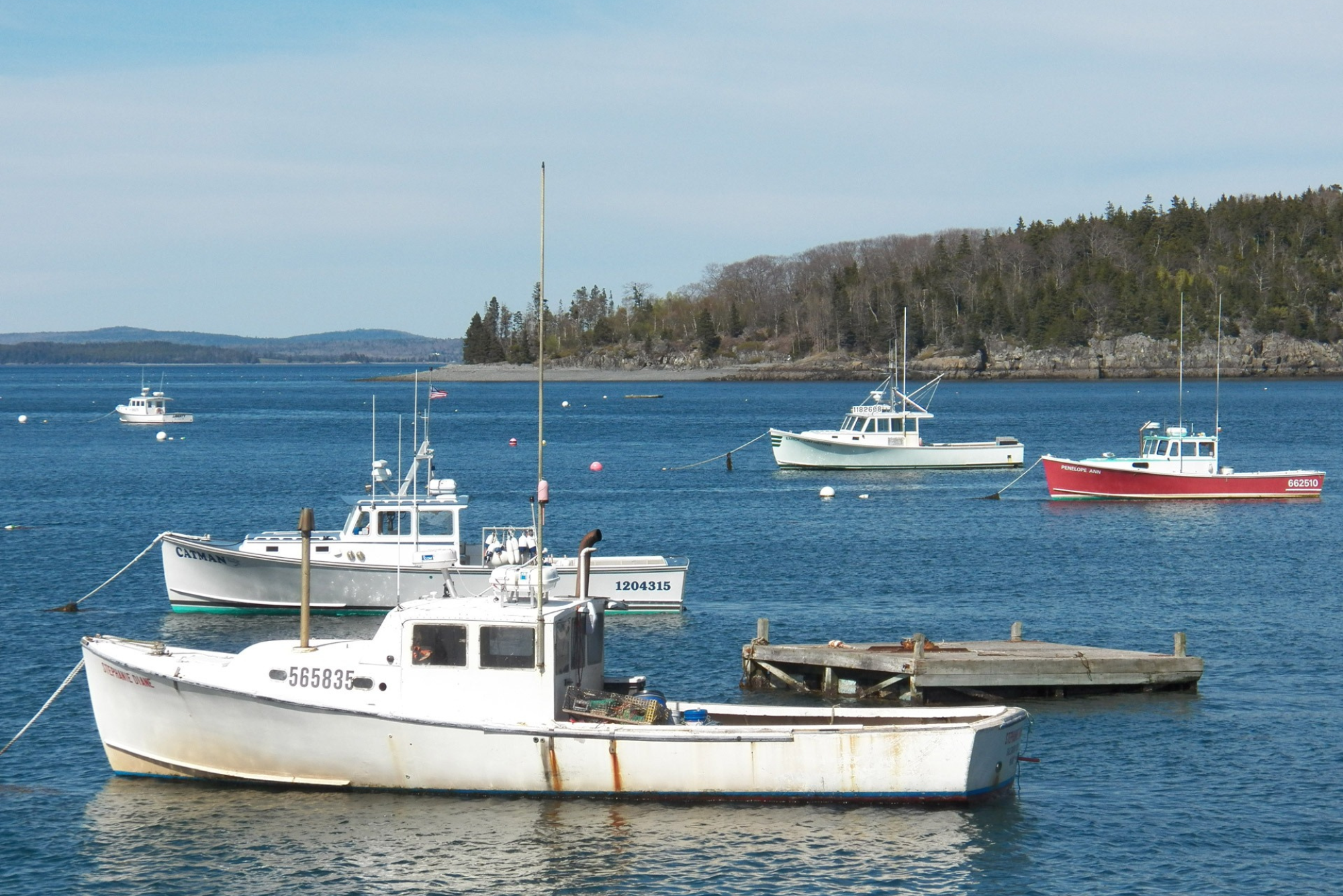
Rules can change by state and waterway. Many places require no-wake within 100–200 feet of anchored or moored boats. Some areas add extra limits in manatee zones, shellfish beds, or near working nets.
- Study local guides before your trip.
- Watch for posted no-wake, seasonal rules, and commercial zones.
- In crowded channels, use the radio to set up a pass.
Local knowledge sharpens your sense for how should you pass a fishing boat. It also saves you from fines and bad will.
Frequently Asked Questions of how should you pass a fishing boat
How should you pass a fishing boat in a narrow channel?
Go slow, agree on port-to-port or starboard-to-starboard by radio, and keep wake down. Give them room to work and do not force them outside safe water.
How should you pass a fishing boat that is trolling?
Never cross the stern. Pass well ahead at no-wake, or give a very wide berth and wait until you can pass clear of all lines.
How should you pass a fishing boat at night?
Treat red over white or green over white as gear-out signals. Slow down, use sound signals if you cannot reach them on radio, and give extra space.
How should you pass a fishing boat when you cannot see their gear?
Assume gear is out to leeward and down-current. Stop or idle, hail on VHF, and only pass once you confirm the clear side.
What speed should I use when passing a fishing boat?
Use no-wake speed within close range. Stay slow until you are well clear, then bring the boat back on plane gently.
Do I have to sound the horn every time I pass?
Not always, but horn signals are useful if you are close or radio fails. One short blast for port-to-port, two for starboard-to-starboard.
Is it okay to pass between a fishing boat and a buoy?
No. That buoy may mark nets or lines under tension. Go around both with a wide berth.
Conclusion
Passing right is about respect, not guesswork. Slow down, read the wind and current, choose the gear-free side, talk early, and hold a steady line. If you keep asking how should you pass a fishing boat, use this checklist until it feels natural.
Bring these steps on your next trip. Practice them with your crew. Share a wave when it goes well. Want more practical boating tips? Subscribe for new guides, or drop your own lessons in the comments.