What Does Power Mean On A Fishing Rod: Ultimate Guide 2026
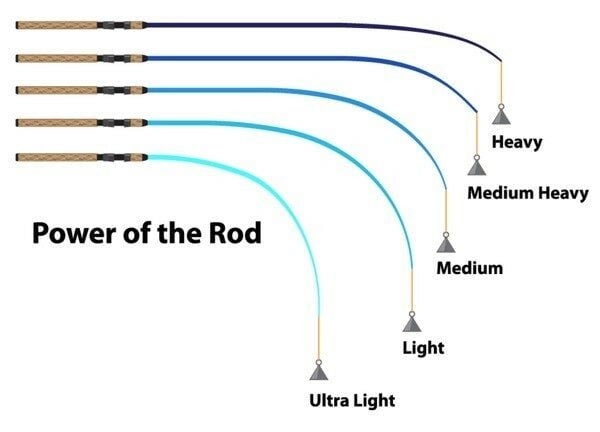
It’s a rod’s stiffness rating that shows how much force it resists.
If you have wondered what does power mean on a fishing rod, you’re in the right place. I’ve spent years testing rods on bass lakes, trout streams, and salty flats. In this guide, I break down what does power mean on a fishing rod in clear, simple terms. You will learn how it affects lure size, line, hooksets, and fish control so you can choose the right tool and catch more fish.
Rod Power Made Simple: Power vs Action
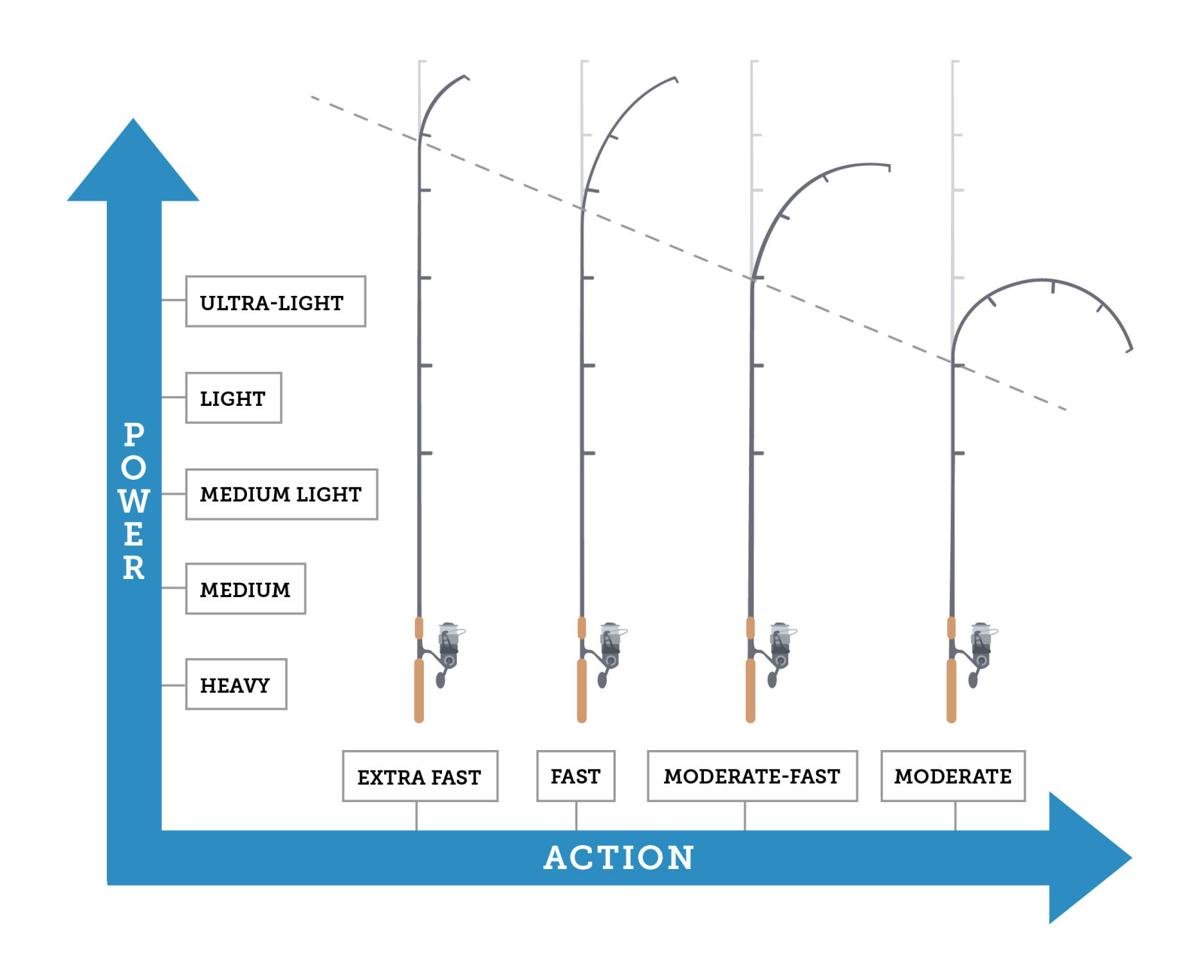
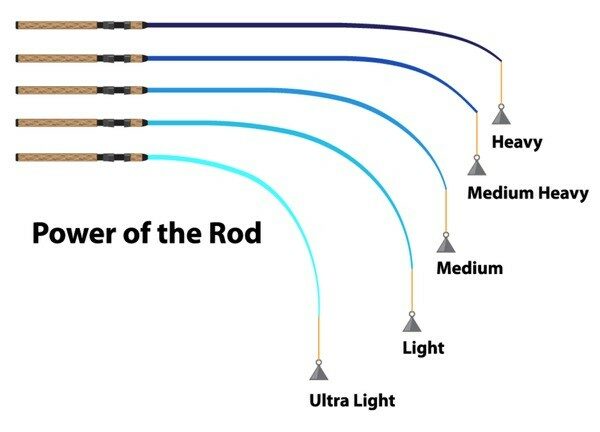
When you ask what does power mean on a fishing rod, think stiffness. Power is how hard you must pull to make a rod bend. More power means the rod resists bending more.
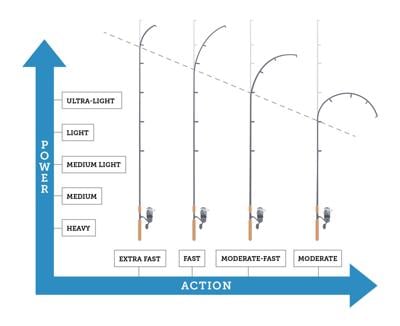
Action is different. Action is where the rod bends and how fast it returns. Fast action bends near the tip. Moderate bends deeper. Slow bends through the blank.
Both matter. Power is the backbone. Action is the bend shape. Together they decide how a rod casts, fights fish, and drives hooks. If you want to master what does power mean on a fishing rod, learn power first, then compare actions within that power class.
Power Ratings Explained
Brands use a shared scale, but feel can vary. Here is the common ladder and what it means in real use.
- Ultra-Light (UL): Very easy to bend. Great for 2–6 lb line and 1/32–1/8 oz lures. Ideal for panfish and small trout.
- Light (L): Still soft, but with more control. Use 4–8 lb line and 1/16–1/4 oz lures. Good for finesse rigs.
- Medium-Light (ML): A sweet spot for finesse bass and river trout. Use 6–10 lb line and 1/8–1/2 oz lures.
- Medium (M): The all-rounder. Use 8–17 lb line and 1/4–5/8 oz lures. Works for crankbaits, spinnerbaits, and light jigs.
- Medium-Heavy (MH): More backbone for jigs, Texas rigs, and frogs. Use 10–20 lb line and 3/8–1 oz lures.
- Heavy (H): Big hooks, thick cover, or heavy weights. Use 15–30 lb line and 1/2–2 oz lures.
- Extra-Heavy (XH): For muskies, swimbaits, surf, or heavy cover. Use 20–40 lb line and 1–4 oz lures.
What does power mean on a fishing rod when you compare brands? A Medium from Brand A can feel like a Medium-Light from Brand B. Trust the lure and line ratings more than the label. Handle the rod if you can.
How Power Changes Lure Weight, Line, and Hooksets
What does power mean on a fishing rod for your lure box? It sets the safe weight range. A rod that is too soft for the lure will fold and lob casts. A rod that is too stiff will not load and will throw short.
Line strength pairs with power. A Medium rod often likes 8–17 lb. A Heavy rod likes 15–30 lb. Match your drag to 20–30% of your line’s test for steady pressure.
Hooksets change with power. Thin treble hooks and reaction baits work well on Medium or Medium-Light power. Single hooks, jigs, Texas rigs, and frogs need Medium-Heavy or Heavy to drive the point home. Higher power helps penetrate thick wire hooks and turn fish from cover.
Match Power to Fish and Water
What does power mean on a fishing rod when you face real water? It decides control.
- Small trout and panfish: Ultra-Light or Light. Gentle presentation and fun fights.
- Finesse bass on open banks: Medium-Light or Medium. Drop shots and light jigs cast well.
- Bass jigs, worms, and frogs in weeds: Medium-Heavy or Heavy. You need power to win fast.
- Pike and musky: Heavy or Extra-Heavy. Big baits and thick hooks demand backbone.
- Inshore redfish and snook: Medium or Medium-Heavy. Move fish from mangroves without ripping hooks.
- Surf and big baits: Heavy or Extra-Heavy. Cast far and hold in current.
- Catfish and carp: Medium-Heavy or Heavy. Lift heavy fish and sinkers with control.
Also weigh cover, current, and wind. More cover or current needs more power. If you wonder what does power mean on a fishing rod during windy days, it means the rod can punch heavier lures and still load.

How to Test Rod Power at Home
You can feel what does power mean on a fishing rod with a quick test. Tie the line to a safe weight, like a water bottle. Hold the rod at 45 degrees and lift slow. Note how much weight it takes to get a smooth bend.
Compare two rods with the same lure tied on. Cast each and feel the load on the backcast. The rod that needs more force to reach the same bend has more power.
I track this with simple loads. A Medium that feels right with a full 16 oz bottle often matches a 1/4–5/8 oz lure range. This is not a lab test, but it keeps my choices honest across brands.
Mistakes to Avoid with Rod Power
What does power mean on a fishing rod when things go wrong? It often points to a mismatch.
- Confusing action and power: A Fast Light is still light in backbone.
- Underpower for single hooks: You miss fish when the hook does not drive in.
- Overpower with tiny trebles: You rip hooks free with a stiff rod and drag set high.
- Ignoring cover and current: Use more power in weeds, wood, or fast flow.
- Mismatched line and drag: Thin line on a Heavy rod can pop. Set drag to 20–30%.
I learned this the hard way on a frog bite. I used a Medium rod with braid. I hooked fish but lost them in pads. I swapped to a Heavy and landed five in a row. The change was pure power.

Buying Smarter: Specs, Labels, and Real Numbers
Read the label but look deeper. What does power mean on a fishing rod on paper? It shows as lure weight and line test. Those numbers are the best guide across brands.
- Check lure weight first. It is the clearest path to pick power.
- Convert grams to ounces if needed. Thirty grams is about one ounce.
- Handle rods in-store. Flex them side by side with the same lure tied on.
- Ask for blank details. High-modulus blanks feel crisp but can be brittle if abused.
- Balance with a reel. A well-balanced setup feels lighter and casts better.
Remember that ratings are guides, not rules. Use the middle of the range for daily fishing. Push the edges only when you know how the rod loads.
Care and Setup Tips to Get True Power
Power fades if your setup is off. Keep your rod and gear tuned so it performs like new.
- Clean guides often. Grit adds drag and steals casting load.
- Set drag with a scale or by feel at 20–30% of line test.
- Pair the right line. Braid boosts sensitivity. Mono adds stretch. Fluoro helps with abrasion.
- Match hook wire to power. Thick wire needs more power and harder sets.
- Store rods straight. Heat and bends can warp blanks over time.
What does power mean on a fishing rod if the hooks are dull? It means less. Sharpen or swap hooks. You will land more fish with the same power when your hooks are sticky sharp.
Frequently Asked Questions of what does power mean on a fishing rod
What does power mean on a fishing rod in simple terms?
It is the rod’s stiffness or resistance to bending. More power means more force needed to bend the blank.
How is rod power different from action?
Power is backbone. Action is where and how fast the rod bends. You can have a Fast Light or a Fast Heavy, which feel very different.
Which power is best for bass fishing?
Medium is a safe start for cranks and spinnerbaits. Medium-Heavy is best for jigs, Texas rigs, and frogs, especially in cover.
Can I use a Heavy rod with light line?
You can, but set a light drag and use soft hands. The mismatch can snap light line during hooksets or surges.
Why do brands rate Medium power so differently?
There is no strict standard across brands. Trust the lure and line ratings, and test in hand when you can.
What power should I pick for trout?
Ultra-Light or Light for small streams with tiny spinners and jigs. Medium-Light works for bigger rivers and longer casts.
Does more power cast farther?
Not always. You need enough load for the blank to spring. Match lure weight to the rod’s sweet spot for distance.
Conclusion
Power is the backbone that drives your casts, hooksets, and fish control. When you know what does power mean on a fishing rod, you can match lure weight, line, cover, and species with ease. You land more fish, lose fewer, and enjoy every fight.
Try this today. Pick a target lure weight and choose a rod power that loads that lure in the middle of its range. Then fine-tune your drag and hooks. Ready to dive deeper? Subscribe for more rig breakdowns, or drop a comment with your go-to rod power and why.