How Long Can Fish Live Without Food: 2026 Care Guide
Most healthy aquarium fish survive 3–7 days without food; some species for 2 weeks.
If you have ever asked how long can fish live without food, you are not alone. I have kept and cared for home aquariums and ponds for years. In this guide, I explain the real limits, what affects them, and how to plan safe fasts. You will learn what to expect with common species and how to keep your fish healthy when you travel.
What fasting means for fish, in simple terms
Fish are ectotherms. Their body temperature follows the water. When water is warm, they burn energy faster. When water is cool, they slow down. This is why the answer to how long can fish live without food is never one number.
Most fish rely first on stored sugars. Then they use fat. If a fast goes on too long, they break down muscle. Clean water, stable oxygen, and low stress help them last longer. Poor water and high heat shorten their safe window.

Species-by-species timelines you can trust
There is a wide range across species. The real number for how long can fish live without food depends on size, diet, and temperature. Use these ranges as a safe guide, not hard rules.
- Betta fish: 5 to 7 days in a stable, warm tank. They should not go past a week.
- Guppies, mollies, platies: 3 to 5 days. Small livebearers have fast guts.
- Neon tetras, rasboras, danios: 3 to 5 days. Schooling fish are active and burn more.
- Goldfish: 7 to 14 days if the tank is clean and cool. Warmer water shortens this.
- Larger cichlids (angelfish, oscars, severums): 7 to 14 days when healthy and calm.
- Koi and pond goldfish in summer: 7 to 10 days. In winter, see the section below.
- Cory catfish and loaches: 5 to 7 days. They do not live off waste. They still need food.
- Plecos: 7 to 10 days if there is driftwood and algae. Herbivores need plant matter often.
- Marine clownfish, gobies: 3 to 7 days. Keep stress low and water very clean.
- Marine tangs and rabbitfish: 2 to 4 days. They are grazers and need frequent greens.
- Seahorses and pipefish: 1 to 2 days. They need frequent small feedings.
- Fry and juveniles: 12 to 24 hours at most. They grow fast and need steady food.
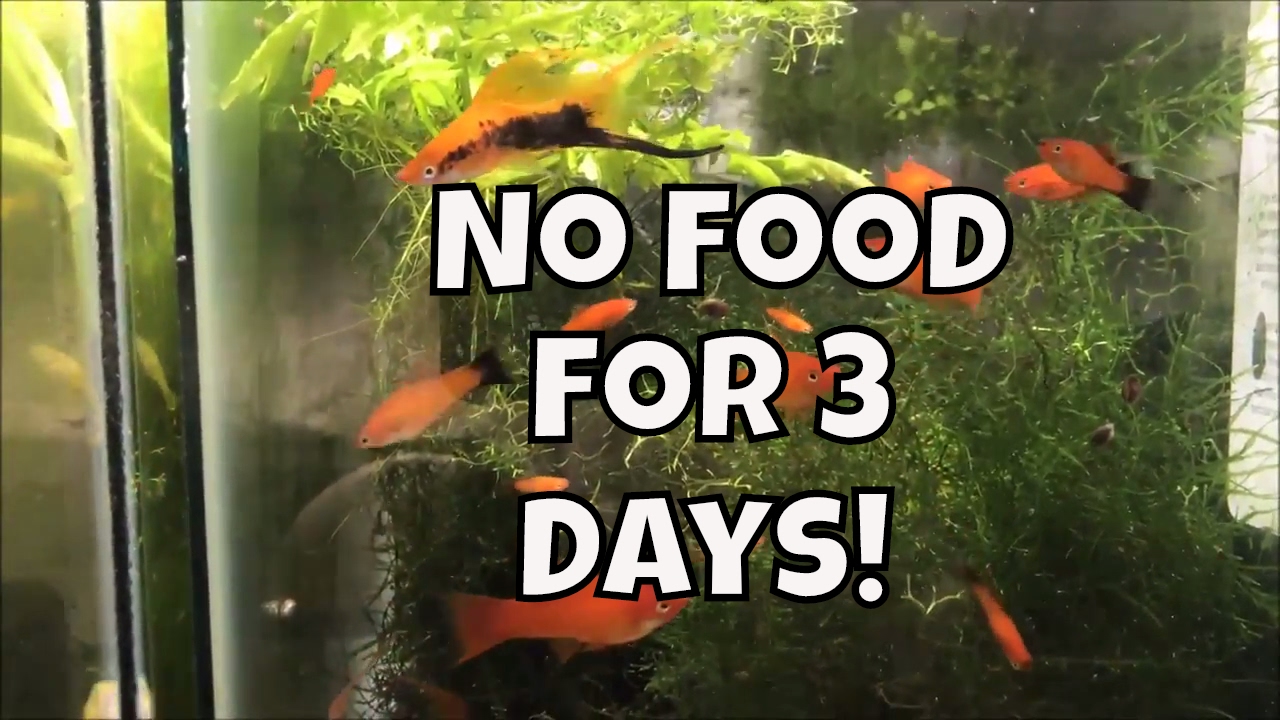
Personal note: I have left a planted community tank unfed for 4 days. Ammonia stayed at zero, and all fish were active on my return. For a client’s tangs, I used clipped nori twice a day. They did not handle gaps well.
Key factors that change the safe fasting window
The question of how long can fish live without food has many parts. These are the big ones:
- Temperature: Warm water speeds up metabolism. Cooler water slows it down. A small drop in heat can add a day or two, but do not swing temps.
- Size and age: Big adult fish last longer than tiny juveniles. Fry need food often.
- Diet type: Herbivores and grazers need frequent meals. Carnivores can wait longer.
- Health and body condition: A well-fed, healthy fish lasts longer than a thin or sick one.
- Activity level: Active swimmers burn more. Calm, sit-and-wait hunters burn less.
- Water quality and oxygen: Clean water reduces stress. High ammonia or low oxygen shortens the window.
- Stress and tank mates: Bullying or breeding drains reserves fast.

Seasonal slowdown: winter fasting for pond fish
Cold water changes everything. Below about 50°F, koi and goldfish enter a slow state. Digestion crawls. Many pond keepers stop feeding in deep winter. In this case, how long can fish live without food is measured in weeks, not days.
This works only with proper pond care. Keep oxygen high with aeration. Watch for ice cover and keep a gas exchange hole. Do not feed high-protein foods in cold water. The food will rot in the gut. Indoors, do not force a winter fast. Keep temps stable and feed lightly instead.

Signs of simple hunger versus real danger
It helps to read your fish. This makes how long can fish live without food less scary.
- Normal hunger signs: Food seeking, gentle glass surfing, quick response at the surface.
- Caution signs: Clamped fins, listless hovering, hiding all day.
- Red flags: Rapid breathing, gasping at the surface, sunken belly, stringy white waste, sudden aggression, or lying on the bottom.
If you see red flags, feed a small meal and test water at once. Check ammonia, nitrite, nitrate, and temperature. Fix water first. Then plan a slow return to normal feeding.

Going on vacation? A safe no-feeding plan
You can leave most tanks unfed for a long weekend. Many owners ask how long can fish live without food before a trip. Use this checklist.
- Do a 25 to 40 percent water change 24 hours before you go.
- Clean the filter media only if flow is weak. Do not over-clean your bio media.
- Set a timer for lights. Keep a normal day and night cycle.
- Add floating plants or a veg clip with nori for grazers the morning you leave.
- Skip “vacation blocks” unless you have tested them. Many foul water.
- For trips over a week, use a tested auto-feeder or a trained sitter. Pre-portion food in small cups. Less is safer than more.
- Do a test fast for 2 to 3 days a week before the trip. Watch behavior and water.
Personal tip: I set the auto-feeder to give tiny meals twice a day. I also tape a note on the tank with the exact dose in case a neighbor helps.

How to refeed after a fast without harm
After a fast, go slow. A heavy meal can cause a spike in waste. It can also trigger bloat in some species. The safer way supports the gut and the filter.
- Day 1: Offer 25 to 50 percent of the normal daily ration. Use easy foods like soaked pellets or gel foods.
- Day 2: Offer 50 to 75 percent of normal. Add a bit of greens or frozen foods.
- Day 3: Return to normal. Split meals into two small feedings if you can.
Watch ammonia and nitrite for 48 hours. If you see stress, cut back and do a small water change. This plan keeps how long can fish live without food from turning into a water quality issue.

Common myths and mistakes to avoid
A few myths make this topic hard. Clearing them up makes how long can fish live without food easier to manage.
- Myth: Fish must eat every day. Fact: Many adult fish do well with short fasts.
- Myth: Feed extra before a trip. Fact: Overfeeding fouls water and raises risk.
- Myth: Vacation blocks are always safe. Fact: Many dissolve too fast.
- Myth: Bottom feeders live on waste. Fact: Waste is not food. It is poison.
- Myth: Cloudy water means hunger. Fact: It often means the opposite: too much food.
- Myth: Starving calms aggression. Fact: It can make it worse.
Frequently Asked Questions of how long can fish live without food
How long can fish live without food in a planted tank?
Most community fish handle 4 to 7 days if the tank is healthy. Live plants add biofilm and help oxygen, but they are not a meal plan.
Can goldfish go two weeks without food?
Healthy adult goldfish often can, if water is cool and clean. Test this only if needed and check for stress.
Do bettas need to eat every day?
Bettas do best with small daily feedings, with one fast day a week. In a pinch, they can go 5 to 7 days without food.
What about fry or very small fish?
Fry should not fast. They need tiny meals several times a day for growth and health.
Are auto-feeders safe for longer trips?
Yes, if you test them for a week before you leave. Use dry, uniform pellets and a moisture pack to prevent clumping.
How long can fish live without food in a marine reef tank?
Many reef fish manage 3 to 5 days, but grazers like tangs need frequent seaweed. Plan small, regular feedings with an auto-feeder for longer gaps.
Will fasting harm my filter bacteria?
Short fasts do not harm your biofilter. Very long gaps can lower waste, but bacteria rebound when feeding resumes.
Is it better to feed more right before leaving?
No. Extra food before you go raises waste and risk of a crash. Keep feed normal or a bit lighter.
Do nocturnal fish need a different plan?
Feed them at night for a few days before your trip so they get their share. For short trips, they also handle a brief fast.
How long can fish live without food if the water is warm?
Warm water shortens the safe period. Aim for the low end of the ranges and boost aeration.
Conclusion
You now have a clear, species-aware plan for this question: how long can fish live without food. Most healthy adult fish handle a long weekend. Some do fine for a full week or more. Small, young, and grazing species need more care. Water quality and calm tanks stretch every hour.
Set your tank up to succeed. Test your plan before you travel. Feed light, keep water clean, and refeed with care. If this helped, share it with a fish-keeping friend, subscribe for more simple care guides, or leave a comment with your species and tank size.