What Is the Long End of a Fishing Rod? Beginner’s Guide Explained
Understanding the long end of a fishing rod is one of the first things every new angler needs to learn. This guide breaks down fishing rod anatomy in simple terms so you can handle your gear with confidence. Whether you’re casting for the first time or just want to understand your equipment better, this beginner-friendly explanation covers everything you need to know.
If you’ve ever picked up a fishing rod and wondered which end is which, you’re not alone. Every beginner faces this moment of confusion. The truth is, knowing your way around a fishing pole makes a huge difference in how well you cast, detect bites, and land fish. Understanding what the long end of a fishing rod is and how all the parts work together will set you up for success on the water.
Fishing rod anatomy might sound technical, but it’s actually pretty straightforward once someone walks you through it. Think of it like learning the parts of a bicycle — once you know what each piece does, everything clicks into place. This guide will break down every section of your rod in plain, easy-to-understand language. By the end, you’ll feel confident handling your gear like someone who’s been fishing for years.
- The long end of a fishing rod is called the tip or rod tip, and it’s the most sensitive part of your pole.
- Rod anatomy includes the handle, reel seat, guides, blank, and tip — each part plays a specific role.
- Understanding rod length helps you choose the right technique for your fishing style and target species.
- The tip section is flexible and designed to bend, which helps with casting distance and detecting bites.
- Proper rod handling starts with knowing which end is which and how to grip the handle correctly.
- Rod power and action are determined by the blank and tip design, affecting how the rod performs.
- Beginner anglers should start with a medium-action rod to learn the basics before specializing.
📑 Table of Contents
- What Is the Long End of a Fishing Rod Called?
- Complete Fishing Rod Anatomy for Beginners
- Understanding Rod Length and Why It Matters
- Rod Power and Action Explained
- How to Properly Handle Your Fishing Rod
- Choosing the Right Fishing Rod as a Beginner
- Pro Tips for Taking Care of Your Rod Tip
- Frequently Asked Questions About Fishing Rod Parts
- Final Thoughts on Understanding Your Fishing Rod
What Is the Long End of a Fishing Rod Called?
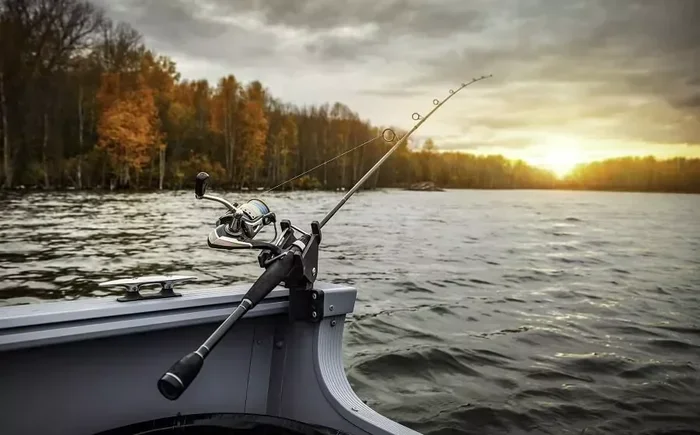
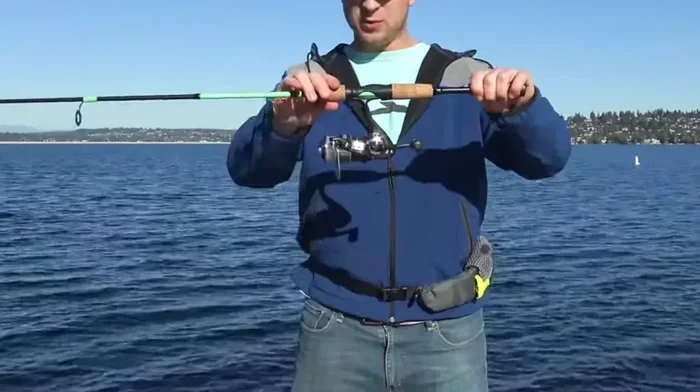
The long end of a fishing rod is commonly referred to as the rod tip or simply the tip. It’s the thinnest and most flexible section of the pole, located at the very end opposite the handle. This part of the rod is designed to bend and flex when you cast or when a fish bites your lure.
Some anglers also call this section the tip-top, especially when referring to the small guide or ring at the very end. The tip is arguably the most important part of your rod because it’s where all the action happens. It transmits vibrations from your line so you can feel even the lightest nibble from a fish.
Why the Rod Tip Matters So Much
The rod tip serves several critical functions that directly affect your fishing success. First, it acts as a sensitivity amplifier. When a fish gently taps your bait, that subtle movement travels up the line and into the tip, where you can see or feel it. Without a properly functioning tip, you’d miss most of your bites.
Second, the tip plays a major role in casting performance. When you swing the rod forward to cast, the tip bends backward and then snaps forward, propelling your lure out over the water. The flexibility and responsiveness of the tip determine how far and how accurately you can cast.
Third, the tip helps with shock absorption. When a fish strikes hard or makes a sudden run, the tip flexes to absorb that energy. This prevents your line from snapping and gives you a better chance of landing the fish.
How to Identify the Rod Tip on Any Fishing Pole
Identifying the rod tip is simple once you know what to look for. Here are the key characteristics:
- It’s the thinnest part of the entire rod — noticeably narrower than the rest of the blank.
- It’s the most flexible section — it bends easily when you apply light pressure.
- It has a small guide ring called the tip-top, which is the last eye your line passes through.
- It’s at the opposite end from where you hold the rod.
- It’s usually lighter in color or has a different finish compared to the lower sections.
If you’re ever unsure, just hold the rod horizontally and gently shake it. The end that whips around the most is your tip. The end that stays relatively stable is the handle or butt section.
Complete Fishing Rod Anatomy for Beginners
Visual guide about beginner holding fishing rod
Image source: paddlefishgear.com
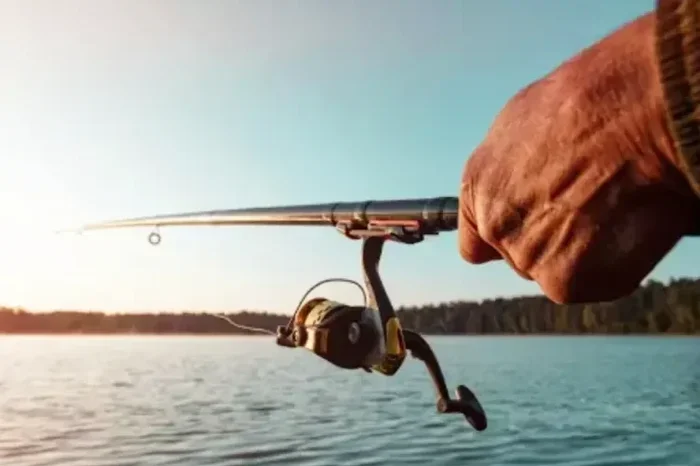
Now that you know what the long end is called, let’s look at the complete anatomy of a fishing rod. Understanding each part will help you communicate with other anglers, shop for gear more effectively, and troubleshoot problems on the water.
The Handle (Grip)
The handle is where you hold the rod. It’s typically made from cork or EVA foam for a comfortable, non-slip grip. Handles come in different lengths — shorter handles are better for one-handed casting, while longer handles give you more leverage for two-handed casts and fighting bigger fish.
The handle is also called the grip or butt section. On some rods, especially longer surf rods, you’ll find a butt cap at the very end. This rubber or plastic cap protects the rod and gives you something to brace against your body when fighting a strong fish.
The Reel Seat
Just above the handle sits the reel seat. This is where your fishing reel attaches to the rod. The reel seat usually consists of a hood and locking mechanism that clamps your reel firmly in place. A secure reel seat is essential because a loose reel can affect your casting and even fall off during a fight.
When choosing a rod, make sure the reel seat is compatible with the type of reel you plan to use. Spinning reels and baitcasting reels have different foot designs, and the reel seat needs to accommodate yours properly.
The Rod Blank
The rod blank is the main body of the fishing rod — the long, tapered shaft that extends from the handle to the tip. This is the backbone of your entire setup. Rod blanks are typically made from graphite, fiberglass, or a composite blend of both materials.
Graphite blanks are lighter and more sensitive, making them great for detecting subtle bites. Fiberglass blanks are more durable and flexible, which is ideal for beginners or for targeting hard-fighting fish. Composite blanks offer a balance of both characteristics.
The blank determines the rod’s power (how much force it takes to bend) and action (where along the blank the bend occurs). These two characteristics are the most important factors when choosing a rod for a specific type of fishing.
The Guides (Eyelets)
Running along the length of the rod blank, you’ll find a series of small rings called guides or eyelets. These guides serve one essential purpose — they direct your fishing line from the reel to the tip in a smooth, controlled path.
Guides are typically made from ceramic, stainless steel, or titanium. Higher-quality guides reduce friction, which improves casting distance and protects your line from wear. The number of guides on a rod varies depending on its length and intended use, but more guides generally mean better line control and more even stress distribution.
The guide closest to the reel is called the stripper guide, and it’s usually the largest. Guides get progressively smaller as they approach the tip. The very last guide is the tip-top, which we already discussed.
The Ferrules (On Multi-Piece Rods)
If your rod comes in two or more pieces, the connection points are called ferrules. Ferrules allow you to break down the rod for easy transport and storage. A well-made ferrule should feel seamless when the rod is assembled — you shouldn’t notice any difference in flex or performance compared to a one-piece rod.
Modern ferrule designs have come a long way. Today’s multi-piece rods perform nearly as well as their one-piece counterparts, making them a great option for anglers who travel frequently or have limited storage space.
Understanding Rod Length and Why It Matters
Visual guide about beginner holding fishing rod
Image source: paddlefishgear.com
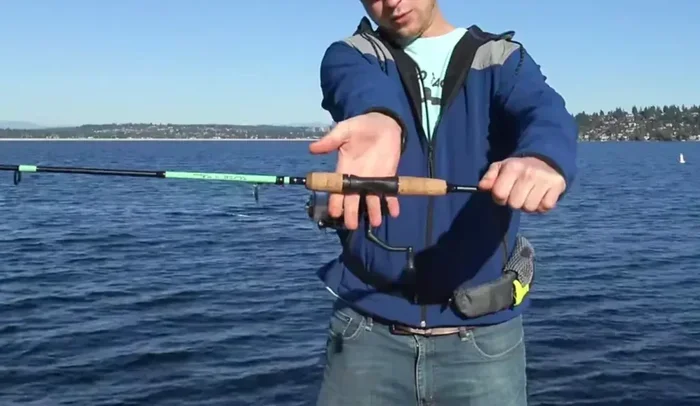
Rod length is one of the first specifications you’ll notice when shopping for a fishing pole. Rods typically range from 4 feet to 14 feet or more, depending on the type of fishing. The length of your rod affects casting distance, accuracy, leverage, and the techniques you can use.
Short Rods (4–6 Feet)
Shorter rods are great for fishing in tight spaces like small streams, creeks, or areas with heavy vegetation. They offer excellent accuracy for close-range casting and are easier to control. Kayak anglers and ice fishermen often prefer shorter rods because of the limited space they work with.
However, shorter rods don’t cast as far as longer ones. They also provide less leverage when fighting fish, which can make it harder to control larger species.
Medium Rods (6–8 Feet)
Medium-length rods are the most versatile option and the best choice for most beginners. They offer a good balance of casting distance, accuracy, and fish-fighting power. A 7-foot rod is arguably the most popular length across all fishing styles.
If you’re just starting out and aren’t sure what length to get, a medium rod will serve you well in most freshwater situations. It’s long enough to cast a reasonable distance but short enough to remain accurate and manageable.
Long Rods (8–14+ Feet)
Long rods excel at long-distance casting and are commonly used in surf fishing, bank fishing, and situations where you need to keep your line above the water’s surface. Surf rods, for example, can be 10 to 14 feet long to help anglers cast bait beyond the breaking waves.
The trade-off with longer rods is that they’re heavier, less accurate at close range, and more tiring to use for extended periods. They also require more space to cast, which can be a problem in wooded areas or on crowded piers.
Rod Power and Action Explained
Visual guide about beginner holding fishing rod
Image source: letsgobassfishing.com
Two terms you’ll hear constantly in the fishing world are rod power and rod action. These describe how the rod blank behaves under pressure, and they’re crucial for matching your rod to the right technique and target species.
What Is Rod Power?
Rod power refers to how much force it takes to bend the rod. It’s usually rated on a scale from ultra-light to extra-heavy. Here’s a quick breakdown:
-
- Ultra-Light: Best for small panfish and trout with light line and tiny lures.
- Light: Good for trout, crappie, and other small to medium fish.
li>Medium: Versatile choice for bass, walleye, and general freshwater fishing.
- Medium-Heavy: Great for larger bass, pike, and inshore saltwater species.
- Heavy: Designed for big game fish, heavy cover, and thick vegetation.
- Extra-Heavy: Used for the largest freshwater and saltwater species.
For beginners, a medium or medium-heavy rod is usually the sweet spot. It’s versatile enough to handle a wide range of species and techniques while still being forgiving enough to learn with.
What Is Rod Action?
Rod action describes where along the blank the rod bends when pressure is applied. There are three main categories:
- Fast Action: The rod bends primarily in the top third (near the tip). Fast action rods are sensitive and great for setting hooks quickly. They work best with single-hook lures like jigs and worms.
- Medium (Moderate) Action: The rod bends through the top half. These rods are more forgiving and better for treble-hook lures like crankbaits because they absorb some of the fish’s head-shaking.
- Slow Action: The rod bends throughout most of its length. Slow action rods are very flexible and fun to use with small fish, but they lack the sensitivity and hook-setting power of faster rods.
Most beginners do well with a medium-fast action rod. It offers a nice blend of sensitivity and forgiveness, making it suitable for a variety of fishing situations.
How to Properly Handle Your Fishing Rod
Knowing the parts of your rod is important, but how you handle it matters just as much. Proper technique prevents damage to your gear and makes fishing more enjoyable.
How to Hold a Fishing Rod Correctly
The most common grip is the thumb-on-top grip. Wrap your dominant hand around the handle with your thumb pointing straight up the rod blank toward the tip. This gives you maximum control and sensitivity. Your index finger should be free to manage the line when using a spinning reel.
For more leverage during long fights or when casting heavy lures, you can use a two-handed grip. Place your non-dominant hand on the lower part of the handle for extra power and stability.
If you want to dive deeper into grip techniques, check out our guide on how to hold a fishing rod for detailed instructions and visuals.
Common Beginner Mistakes to Avoid
New anglers often make a few predictable mistakes when handling their rods. Here are the ones to watch out for:
- Gripping too tightly: A death grip on the handle causes hand fatigue and reduces your sensitivity. Hold the rod firmly but relaxed.
- Pointing the rod straight up: When fighting a fish, keep your rod at about a 45-degree angle. Pointing it straight up puts too much stress on the tip and can cause it to snap.
- Ignoring the guides: Make sure your line runs through every guide. Skipping a guide creates uneven stress and can lead to breakage.
- High-sticking: Never raise your rod above a 90-degree angle from the water. This is the fastest way to break the tip section.
- Storing rods improperly: Don’t lean rods against walls where they can fall, and avoid leaving them in hot cars. Heat and impact are the biggest enemies of rod blanks.
Transporting and Storing Your Rod
Protecting your rod when you’re not fishing is just as important as handling it correctly on the water. Always use a rod sleeve or tube when transporting your rod in a vehicle. This prevents the tip from getting cracked or snapped by shifting gear.
At home, store your rods vertically in a rod rack or horizontally on wall-mounted holders. Avoid leaving them in damp basements or garages where moisture can corrode the guides and reel seat.
Choosing the Right Fishing Rod as a Beginner
With so many options available, picking your first fishing rod can feel overwhelming. The good news is that you don’t need to spend a fortune to get started. A solid beginner rod and reel combo can be found for under $50 and will serve you well as you learn the basics.
What to Look for in Your First Rod
Here are the key factors to consider when choosing your first fishing pole:
- Length: Go with 6 to 7 feet for the most versatility.
- Power: Medium power handles the widest range of species and techniques.
- Action: Medium-fast action gives you a good balance of sensitivity and forgiveness.
- Material: Graphite is lighter and more sensitive; fiberglass is more durable. A composite is a great middle ground.
- Reel type: Spinning reels are the easiest for beginners to learn with.
- Handle comfort: Make sure the grip feels good in your hand. Cork and EVA foam are both excellent choices.
- Number of pieces: Two-piece rods are easier to transport without sacrificing much performance.
Recommended Beginner Setups
A spinning combo is the gold standard for beginners. Spinning reels are simple to operate, rarely tangle, and work well with a wide range of lures and baits. Look for a combo that includes both the rod and reel — these are usually well-matched and budget-friendly.
If you’re interested in bass fishing specifically, a medium-heavy, fast-action spinning rod paired with a 2500 or 3000-size spinning reel is an excellent starting point. This setup can handle everything from plastic worms to spinnerbaits to topwater lures.
For a more comprehensive breakdown of getting started, our fishing guide for beginners covers everything from gear selection to basic techniques.
Pro Tips for Taking Care of Your Rod Tip
Since the rod tip is the most delicate part of your fishing pole, it deserves special attention. A damaged tip can ruin your day on the water, so prevention is key.
Inspect Your Tip Before Every Trip
Before you head out, take 30 seconds to inspect the tip-top guide. Look for cracks, chips, or grooves in the ceramic insert. A damaged guide will fray your line and can cause it to snap at the worst possible moment — like when you’re fighting a big fish.
Run a cotton ball or piece of nylon stocking around the inside of the guide. If it catches or snags, the guide is damaged and needs to be replaced. This simple test takes seconds and can save you from losing fish.
Protect the Tip During Transport
The tip is the most vulnerable part of your rod during transport. Always use a rod tip protector — a small rubber or plastic cap that fits over the tip-top. These cost just a few dollars and can prevent expensive damage.
If you’re hiking to a fishing spot, collapse your rod (if it’s multi-piece) and secure it in a case. If you’re driving, lay the rod flat in your truck bed or across the back seat with a protective sleeve.
What to Do If You Break the Tip
Accidents happen. If you snap the tip of your rod, don’t panic. Many rod manufacturers sell replacement tip-tops that you can install yourself with a little heat and adhesive. It’s a quick and inexpensive fix that can save you from buying a whole new rod.
If the break is further down the blank, you might need professional repair or a replacement rod. This is why it’s worth investing in a rod with a good warranty — many quality brands offer lifetime or limited lifetime coverage against breakage.
Frequently Asked Questions About Fishing Rod Parts
Understanding the terminology around fishing rod parts helps you shop smarter and communicate with other anglers. Here are some common questions beginners ask about rod anatomy and function.
What Is the Difference Between a Fishing Rod and a Fishing Pole?
Technically, a fishing pole is a simple rod without a reel — think of a cane pole with a line tied to the end. A fishing rod includes a reel and guides for the line. In everyday conversation, most people use the terms interchangeably, but the distinction matters when shopping for gear.
What Are the Rings on a Fishing Rod Called?
The rings running along the rod are called guides or eyelets. They guide the line from the reel to the tip and help distribute stress evenly along the blank when you’re fighting a fish. The last guide at the very end is specifically called the tip-top.
Why Does My Rod Tip Keep Breaking?
Frequent tip breakage usually comes down to a few common causes: high-sticking (raising the rod too far back), impacts during transport, or using too heavy a lure for the rod’s rating. Make sure you’re casting lures within the rod’s recommended weight range and always protect the tip when traveling.
Can I Use Any Reel on Any Rod?
Not exactly. The reel seat must match the foot of your reel. Spinning reels and baitcasting reels have different foot designs, and the reel seat needs to accommodate yours. Additionally, the rod should be rated for the line weight and lure weight you plan to use with that reel.
What Does “Rod Blank” Mean?
The rod blank is the bare rod shaft before any components (guides, reel seat, handle) are attached. When anglers talk about the quality of a rod, they’re often referring to the blank — its material, taper, and construction determine how the rod performs.
How Do I Know If My Rod Is the Right Length for Me?
The right rod length depends on where and how you fish. If you fish small streams or from a kayak, go shorter (5–6 feet). If you fish open water or need long casts, go longer (7–8+ feet). For all-around freshwater fishing, 6’6″ to 7′ is the most popular range.
Final Thoughts on Understanding Your Fishing Rod
Learning what the long end of a fishing rod is and understanding the rest of the rod’s anatomy is a fundamental step in becoming a confident angler. The tip, handle, blank, guides, and reel seat all work together to create a tool that’s perfectly designed for catching fish.
Don’t feel pressured to memorize everything at once. The more time you spend on the water, the more natural this knowledge will become. Start with a solid beginner rod, practice your casting, and pay attention to how the rod feels when you cast, retrieve, and fight fish.
The best way to learn is by doing. Get out there, make some casts, and don’t worry about being perfect. Every experienced angler was once a beginner holding a fishing rod and wondering which end was which. You’re already ahead of the game just by reading this guide.
For more helpful tips to improve your skills, check out our collection of best fishing tips every angler should know. Tight lines!
Frequently Asked Questions
What is the long end of a fishing rod called?
The long end of a fishing rod is called the rod tip or tip. It’s the thinnest, most flexible section of the pole and is responsible for casting, bite detection, and shock absorption when fighting fish.
What are the main parts of a fishing rod?
The main parts include the handle (grip), reel seat, rod blank, guides (eyelets), ferrules (on multi-piece rods), and the tip (tip-top). Each part plays a specific role in casting, retrieving, and landing fish.
How long should a beginner’s fishing rod be?
Most beginners do best with a rod between 6 and 7 feet long. This length offers a great balance of casting distance, accuracy, and versatility for freshwater fishing situations.
What is the difference between rod power and rod action?
Rod power refers to how much force it takes to bend the rod (light to heavy), while rod action describes where along the blank the bend occurs (fast, medium, or slow). Both affect how the rod performs with different lures and fish species.
How do I protect the tip of my fishing rod?
Use a rod tip protector during transport, inspect the tip-top guide before each trip for damage, and avoid high-sticking (raising the rod above 90 degrees) when fighting fish. Store your rod vertically or horizontally on a proper rack.
Can I replace a broken rod tip myself?
Yes, you can replace a broken tip-top guide yourself using a replacement tip-top, some rod cement, and a heat source. It’s an inexpensive and straightforward repair. However, if the break is further down the blank, you may need professional repair or a replacement rod.