How To Cycle A Fish Tank: Fast, Safe Guide For Beginners
Add a dechlorinator, feed pure ammonia, test daily, and wait for zero toxins.
If you want a healthy, low-stress aquarium, you must learn how to cycle a fish tank. I have helped many new keepers set up stable tanks that last for years. In this guide, I will show you the exact steps, the science in plain words, the tools you need, and the mistakes to avoid. Follow along, and you will build strong bacteria, protect your fish, and enjoy clear water for the long run.
What Cycling Means and Why It Matters
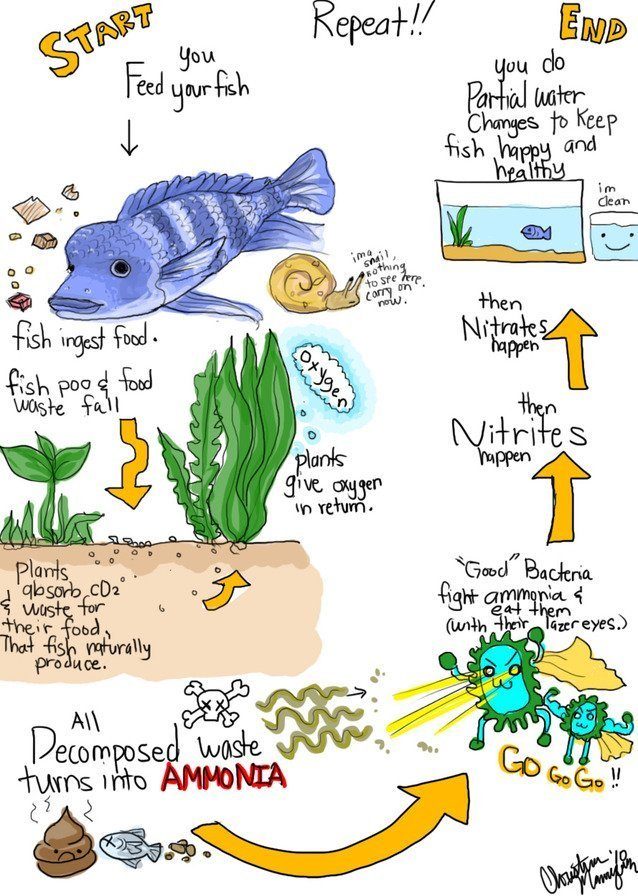
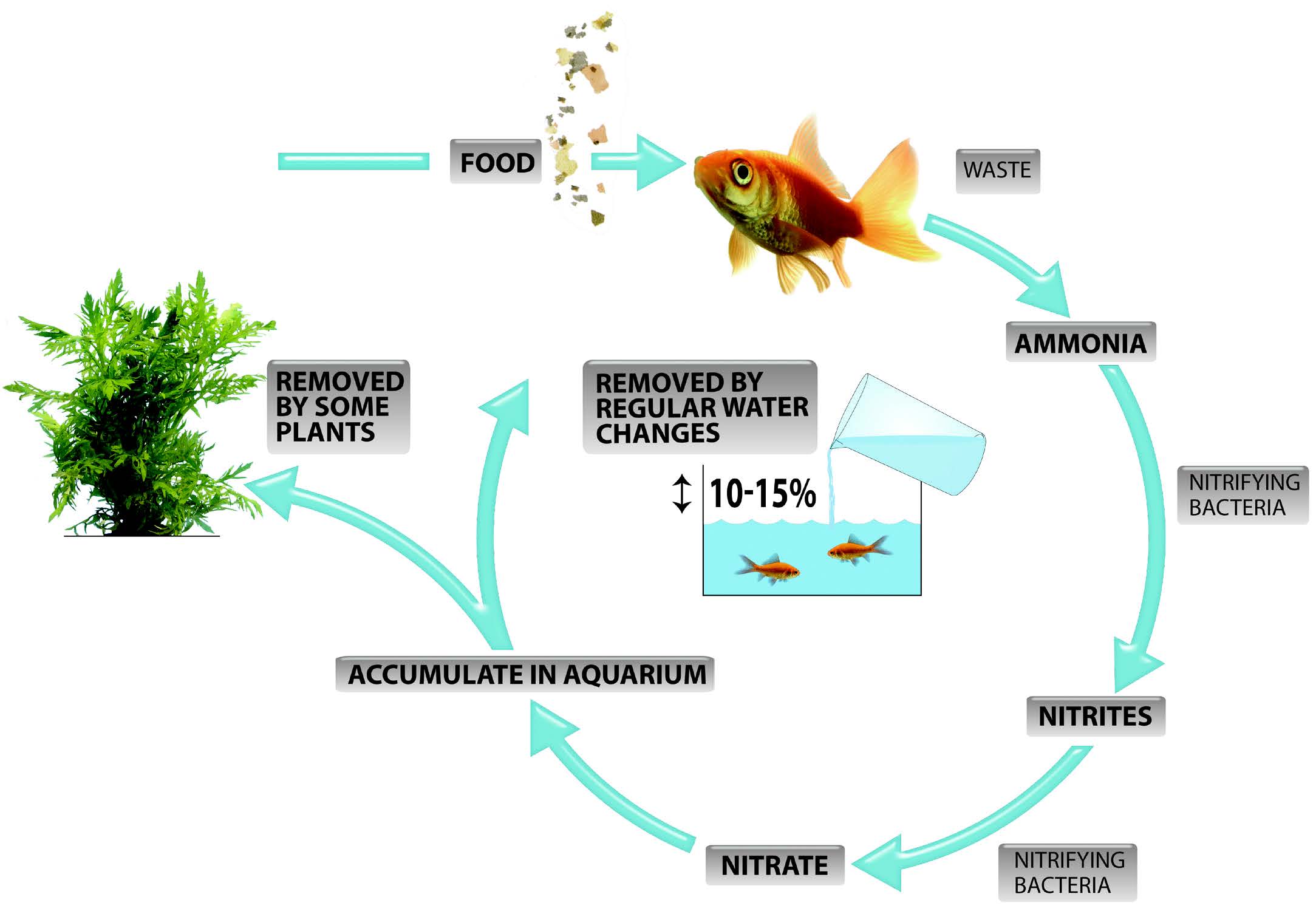
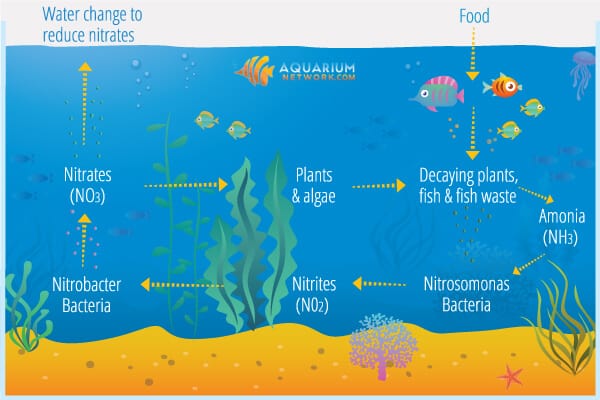
Cycling is the process that grows good bacteria in your tank and filter. These bacteria turn toxic fish waste into safer forms through the nitrogen cycle. Ammonia becomes nitrite, then nitrate. Ammonia and nitrite harm gills and can kill fish fast. Nitrate is much less harmful and removed by water changes.
When people ask how to cycle a fish tank, they often expect a quick trick. There is no trick. There is a simple, proven process. You feed bacteria with ammonia, give them air and surface area, and test until toxins hit zero. Once your tank can process a full day’s waste in 24 hours, it is cycled.

Two Ways to Cycle: Fishless vs. Fish-In
Fishless cycling is best for beginners and for fish health. You add a small, measured dose of pure ammonia to feed bacteria. No fish are at risk while you wait.
Fish-in cycling uses hardy fish to produce ammonia. You must test daily and change water often to keep them safe. I use fishless cycling in most tanks. It is faster, kinder, and gives you control over the process. If you must cycle with fish, keep ammonia and nitrite under 0.25 ppm with large water changes.

Equipment and Supplies You Need
- Liquid test kit for ammonia, nitrite, nitrate, and pH
- Water conditioner that treats chlorine and chloramine
- Reliable filter with ample bio media
- Source of ammonia: pure household ammonia without surfactants, or fish food, or a shrimp piece
- Thermometer and heater to keep stable temperature
- Optional: bottled nitrifying bacteria to jump-start
Knowing how to cycle a fish tank also means keeping tools simple and steady. Good bio media and a test kit do most of the work.

Step-by-Step: Fishless Cycling Guide
Use this method for most freshwater tanks. Saltwater follows the same steps with salt mix and live rock or marine media.
- Dechlorinate tap water. Chlorine and chloramine kill bacteria, so treat the full tank volume.
- Set up the filter and add plenty of bio media. Run the filter 24/7 for oxygen and flow.
- Heat to 77–82°F for faster growth. Good bacteria work best in warm, oxygen-rich water.
- Add pure ammonia to reach 2 ppm. If you use fish food, add a small pinch and replace as it decays.
- Test ammonia and nitrite daily. Write the results in a log.
- When ammonia drops and nitrite rises, keep dosing ammonia back to 2 ppm daily.
- When nitrite spikes high, be patient. This is normal. Keep oxygen strong and pH above 6.6.
- When nitrite begins to fall and nitrate rises, you are close.
- When both ammonia and nitrite read 0 ppm within 24 hours after a 2 ppm dose, the tank is cycled.
- Do a large water change, 50 to 80 percent, to cut nitrate. Then add your first fish slowly.
Tip from experience: if nitrite stalls for many days, do a big water change and raise aeration. This removes nitrite and organics that slow bacteria.

Testing Schedule and Target Water Levels
- Ammonia: Aim for a steady 1–2 ppm during cycling. After cycling, it should read 0 ppm.
- Nitrite: Expect a spike after ammonia drops. Final target is 0 ppm within 24 hours of dosing.
- Nitrate: Will rise as nitrite falls. Under 40 ppm is a good pre-fish target after the final water change.
- pH: Keep above 6.6. If pH drops too low, bacteria slow or stop. Use partial water changes to restore it.
Test every day at first. If your tap has chloramine, make sure your conditioner handles it. This point is vital for anyone learning how to cycle a fish tank with city water.
Seeding a New Tank to Jump-Start Bacteria
Seeding adds live bacteria from a mature source. It can cut cycling time from weeks to days.
- Move used filter media, sponge, or ceramic rings from a healthy tank.
- Squeeze an old sponge into the new tank to release bacteria.
- Use bottled nitrifying bacteria that list Nitrosomonas and Nitrospira.
I often start new tanks with a spare sponge filter I kept running in an old tank. It seeds fast because the bacteria are already matched to your water. Still test daily. Even with seeding, how to cycle a fish tank comes down to proof in the numbers: zero ammonia and zero nitrite after a full ammonia dose.
:strip_icc()/NitrogenCycle-5667357c3df78ce161d649cf.jpg)
Common Problems and How to Fix Them
- Cloudy water early on. This is a harmless bloom of other microbes. Increase aeration and wait.
- Ammonia or nitrite stuck high. Do a 50 percent water change, add extra air, and check pH.
- pH crash below 6.6. Do water changes and add fresh carbonate source if needed.
- Bacteria die-off. Do not rinse media in tap water. Only swish in tank water during changes.
In my early days, I once changed filter pads weekly because the box said so. The cycle broke each time. The fix was simple: never replace all media at once. Rinse gently and reuse. That lesson shaped how I teach how to cycle a fish tank today.
How to Cycle a Fish Tank Faster (Safely)
- Seed with mature media from a healthy tank.
- Keep heat at 80°F and add strong aeration.
- Dose pure ammonia precisely. Avoid over 3 ppm.
- Use a reputable nitrifying bacteria product.
- Keep pH steady and above 7.0 if possible.
- Do not over-clean or turn filters off.
Shortcuts like adding “magic” powders or replacing water daily without reason do not help. Real gains come from more bacteria surface, oxygen, and stable water. If you ask pros how to cycle a fish tank fast, they will name those same keys.
After Cycling: Add Fish Slowly and Keep the Cycle Strong
When your tank processes a 2 ppm ammonia dose to zero ammonia and nitrite in 24 hours, you are ready.
- Do a large water change to lower nitrate.
- Add a small first group of fish, then wait a week. Test to confirm zero ammonia and nitrite.
- Feed lightly at first. Increase over time as bacteria grow with the bio-load.
- Keep filters running 24/7. Never let media dry out.
- Do weekly 25–50 percent water changes and vacuum waste.
This is the part many skip when they search how to cycle a fish tank. The cycle is alive. Treat it well, and it will protect your fish for years.
Frequently Asked Questions of how to cycle a fish tank
How long does cycling take?
Most tanks finish in 2 to 6 weeks. With seeding and heat, it can be much faster. Always trust test results over the calendar.
Can I cycle with fish in the tank?
Yes, but it is risky. Keep ammonia and nitrite under 0.25 ppm with big, frequent water changes and reduced feeding.
Do I need a special bacteria product?
Not always. A simple fishless cycle works fine. Bottled nitrifiers can help, but still test daily and verify zero toxins.
What if my nitrite stays high for many days?
Do a large water change, raise aeration, and check pH. Keep dosing ammonia to feed bacteria, but avoid levels above 2–3 ppm.
Will live plants help?
Yes. Fast growers use ammonia and nitrate and add oxygen. They can smooth cycling and improve water quality.
Can I use fish food instead of pure ammonia?
You can. It is slower and messier, but it works. Test often and remove any rotting food if ammonia gets too high.
How do I know when it is safe to add fish?
Dose to 2 ppm ammonia and retest 24 hours later. If ammonia and nitrite are both at 0 ppm, do a big water change and add fish.
Conclusion
You now know how to cycle a fish tank the right way. Add a safe ammonia source, grow bacteria with heat and air, and test until ammonia and nitrite hit zero in 24 hours. Seed when you can, keep pH steady, and protect your filter media.
Start today with a clean setup and a simple plan. Your reward is healthy fish and clear water. If this guide helped, share it, subscribe for more tips, or leave a comment with your test results and I will help you dial them in.