How Long Do Fish Survive Out Of Water: Expert Guide 2026
Most fish die within minutes, but some species last hours if kept damp.
If you’ve ever wondered how long do fish survive out of water, you’re not alone. I’ve kept aquariums for years and worked beside anglers in the field. I’ve seen what helps, what harms, and what saves a fish in a pinch. In this guide, I’ll explain how long do fish survive out of water, what changes that time, and how to act fast when seconds matter.

What determines how long do fish survive out of water
Fish breathe by moving oxygen across their gills. Gills are thin and delicate. In air, they collapse and dry fast. Without moisture, oxygen cannot pass. That is why the clock starts the second a fish leaves the water.
Several factors decide how long do fish survive out of water:
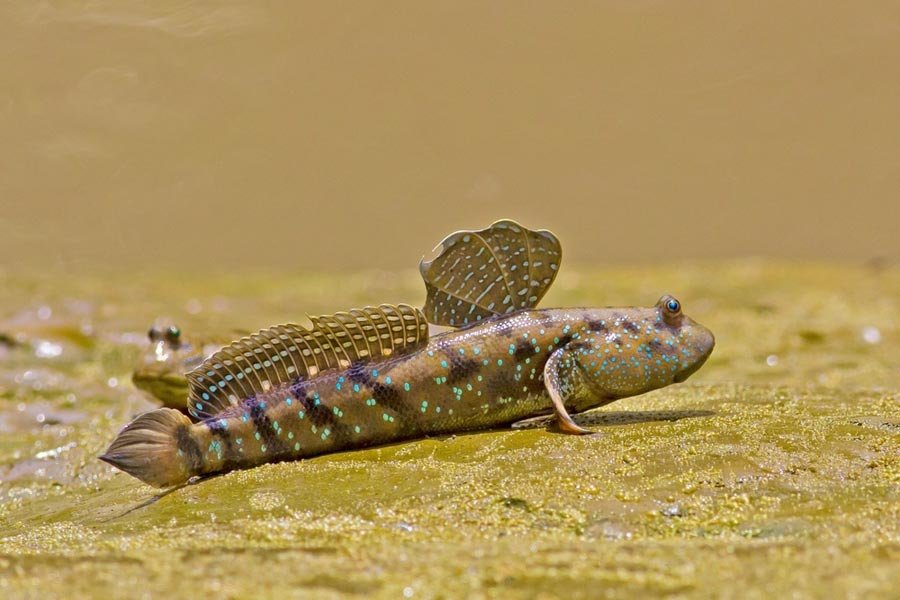
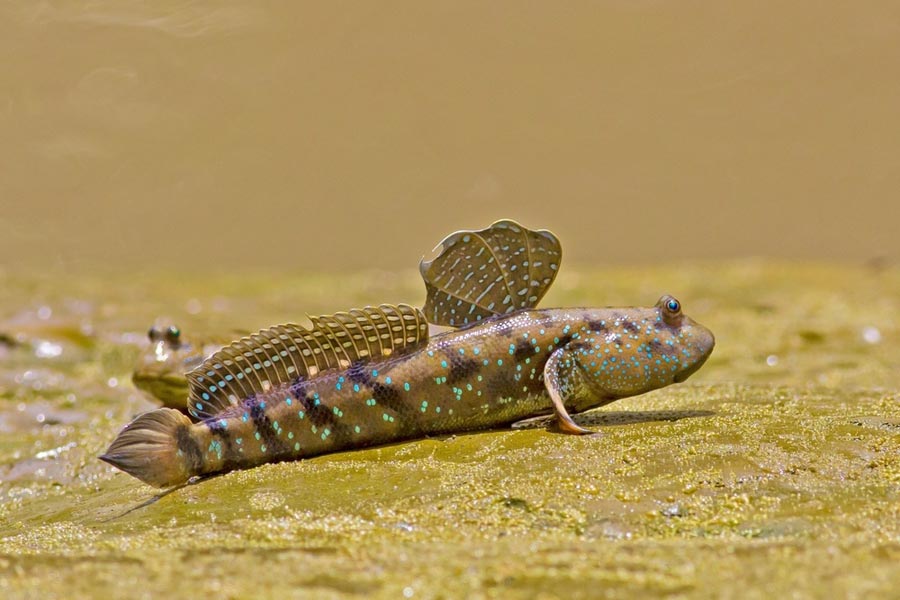
- Species and anatomy. Some fish have special tools. Bettas and gouramis have a labyrinth organ. Mudskippers breathe through skin and mouth lining. Eels and catfish handle land better than most.
- Moisture and humidity. Damp grass or a wet towel helps gills stay open. Dry air speeds damage.
- Temperature. Warm air raises stress and oxygen demand. Cool, humid air is kinder for short spans.
- Size and body shape. Slender fish dry faster. Very large fish can suffer from body weight on their organs.
- Stress and health. A strong fish lasts a bit longer. A stressed or sick fish has less time.
- Handling. Dry hands remove the protective slime coat. That coat slows drying and infections.
- Time since last exertion. After a hard fight on the line, a fish uses more oxygen, so time is shorter.
If you want a rule of thumb for how long do fish survive out of water: keep it under 10 seconds when you can. That keeps risk low and boosts release survival.
Typical survival times by species and setting
Times below are ranges, not promises. They assume mild air and some humidity. Damage can start before death. Always act fast.
- Most common aquarium and reef fish: 1 to 4 minutes. Many show harm even sooner.
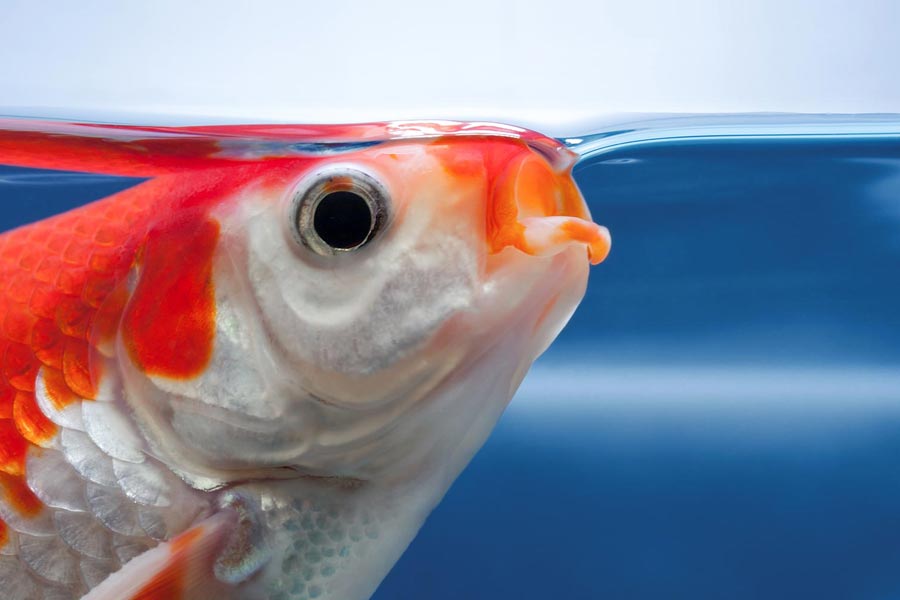
- Carp, koi, and goldfish: 10 to 60 minutes if kept very wet and cool. Still risky.
- Eels and some catfish: 1 to 3 hours in moist grass or mud. They are exceptions.
- Bettas and gouramis: 15 to 60 minutes if humid, thanks to air-gulping. Dry air cuts that time.
- Tidepool blennies and sculpins: Often 30 to 90 minutes in cool, shaded crevices.
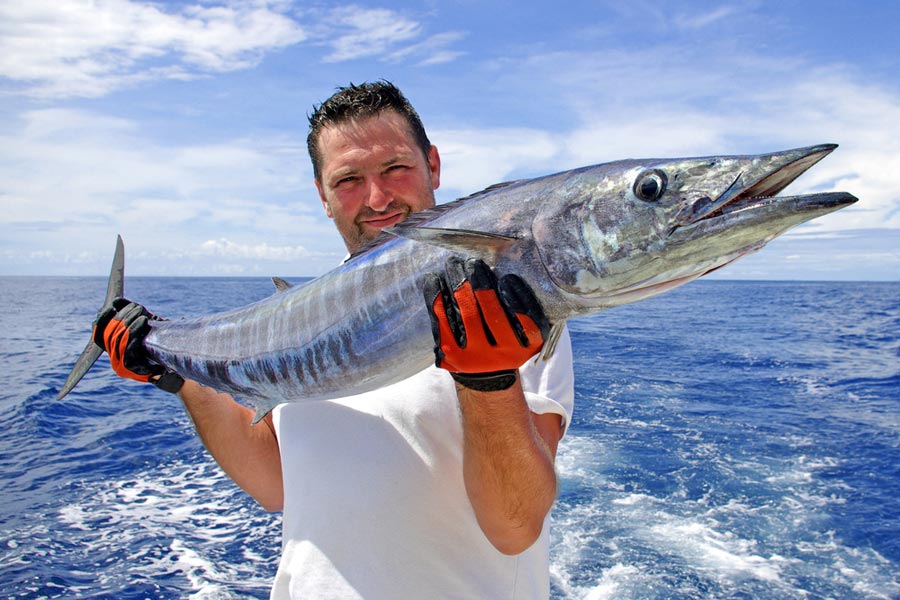
- Sharks and rays: Often just minutes. Large gills collapse and weight strains organs.
- Lungfish: Months in a humid mud cocoon, but not out in dry air. This is a special case.
In real life, how long do fish survive out of water also depends on recovery options. Cool shade, a wet towel, and fast return to water all add minutes. Heat, wind, and rough hands remove them.

Real-world scenarios and best practices
Aquarium care and moves
- Use a container with tank water, not a net alone, for transfers.
- Cover tanks. Jumpers like gobies, swordtails, and bettas are escape artists.
- During water changes, lower water in steps. Keep filters and airstones running if you can.
Catch-and-release fishing
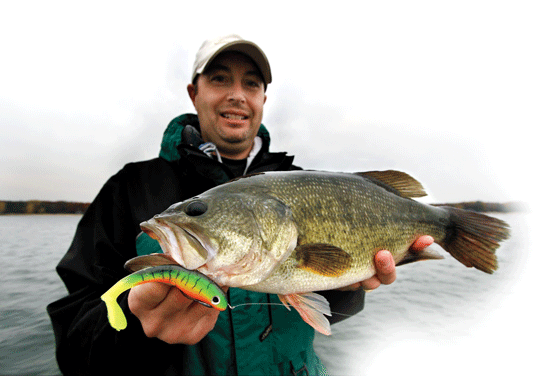
- Plan the photo. Keep the fish in water, then lift for 5 to 10 seconds max.
- Wet your hands. Support the body, not just the jaw.
- Revive in clean water with gentle forward movement before release.
Home mishaps
- A fish jumps. Turn off bright lights, stay calm, and pick it up with wet hands.
- Rinse debris from gills with tank water. Do not rub. Return it fast.
Travel and transport
- Use oxygen in bags if possible. Keep bags cool and shaded.
- Limit sloshing. Keep fish submerged. Do not open bags unless needed.
Each step above adds to how long do fish survive out of water by cutting stress and keeping gills moist.
Emergency steps to help a fish that’s been out of water
Follow this simple checklist when every second counts:
- Wet your hands. Lift the fish gently and support the belly.
- Keep the gills wet. If needed, drip clean tank water over them.
- Re-oxygenate. Hold the fish in the water, facing into a gentle current.
- Do not push water backward through the gills. Move the fish forward only.
- Skip chemicals unless you know they are safe. Clean, oxygen-rich water works best.
- Watch for signs of recovery. Steady tail flicks and gill motion are good. If the fish rolls or sinks, support it longer.
These steps do not undo all harm. Still, they raise the odds a lot. When someone asks how long do fish survive out of water, I always add this: fast, calm action can turn one minute into a second chance.
My hands-on lessons from the field
A betta once jumped during a tank clean. I found him under the stand, still damp. I lifted with wet hands and held him to the filter outflow. He wobbled for two minutes, then swam to his plant. He ate the next day. That taught me how long do fish survive out of water can be longer if humidity helps and rescue is fast.
On a carp survey, we found a fish in morning dew. It was alive after maybe 30 minutes on wet grass. We kept it shaded, rinsed the gills, and it kicked off strong. Moisture and cool air were key.
I once timed a reef wrasse on a dock for a test photo. Thirty seconds was too long. It recovered, but the stress was clear. That moment set my hard limit: if you care, keep air time under 10 seconds. When people ask how long do fish survive out of water, I now answer with a number and a story. Both land better.
Common myths and what science says
- Myth: Fish can breathe air like us. Truth: Most cannot. Gills need water to pass oxygen. Some fish gulp air but still need moisture.
- Myth: Big fish last longer. Truth: Large fish can suffer faster from gill collapse and body pressure.
- Myth: A few minutes never hurts. Truth: Even short air exposure can scar gills and raise death risk later.
- Myth: Salt or soda helps gills. Truth: Both can burn tissue. Clean, oxygen-rich water is best.
- Myth: If it swims off, it is fine. Truth: Delayed deaths happen. Gentle handling reduces that risk.
Understanding these myths helps answer how long do fish survive out of water with care, not guesses.

Frequently Asked Questions of how long do fish survive out of water
How long do fish survive out of water in most cases?
Most common fish last only 1 to 4 minutes. Damage can start sooner, so keep air time under 10 seconds.
Which fish can stay out of water the longest?
Mudskippers and some eels can last hours in humid places. Lungfish last months in moist cocoons, but not in dry air.
Can betta fish survive out of water?
Bettas can gulp air and may last 15 to 60 minutes if humid. Dry air cuts that time fast and raises risk.
Do fish drown in air?
They suffocate because gills collapse and dry in air. Without water across the gills, oxygen cannot pass into blood.
Can a fish recover after 10 minutes out of water?
Sometimes, if it stayed moist and cool and you revive it well. Still, the risk of hidden harm is high.
Does touching a fish with dry hands harm it?
Yes. Dry hands strip the slime coat and speed drying. Wet your hands first to protect the fish.
How can I revive a fish after it jumped?
Keep it wet, support it gently, and face it into a gentle current. Move it forward only and wait for steady gill motion.
Is there a safe limit for photos with a catch-and-release fish?
Plan the shot and keep it under 10 seconds per lift. Rest the fish in water between takes.
Conclusion
Most fish last minutes at best in air, and harm can start in seconds. Species, moisture, heat, and handling all shift the odds. If you remember one thing, make it this: plan ahead, keep them wet, and keep air time under 10 seconds.
Use what you learned today. Set a photo plan, wet your hands, and have revival steps ready. Want more tips on fish care and better releases? Subscribe, share your story, or ask your questions in the comments.