How Much To Feed A Betta Fish: Portions & Schedule 2026
Feed 2–3 small pellets twice daily; skip one fasting day weekly.
If you’ve ever wondered how much to feed a betta fish, you’re not alone. I’ve kept, bred, and rehabbed bettas for years, and I know how big a difference the right portion makes. In this guide, I’ll unpack how much to feed a betta fish with simple rules, clear measures, and real-life tips you can trust. Read on to feed with confidence and keep your betta bright, active, and bloat-free.
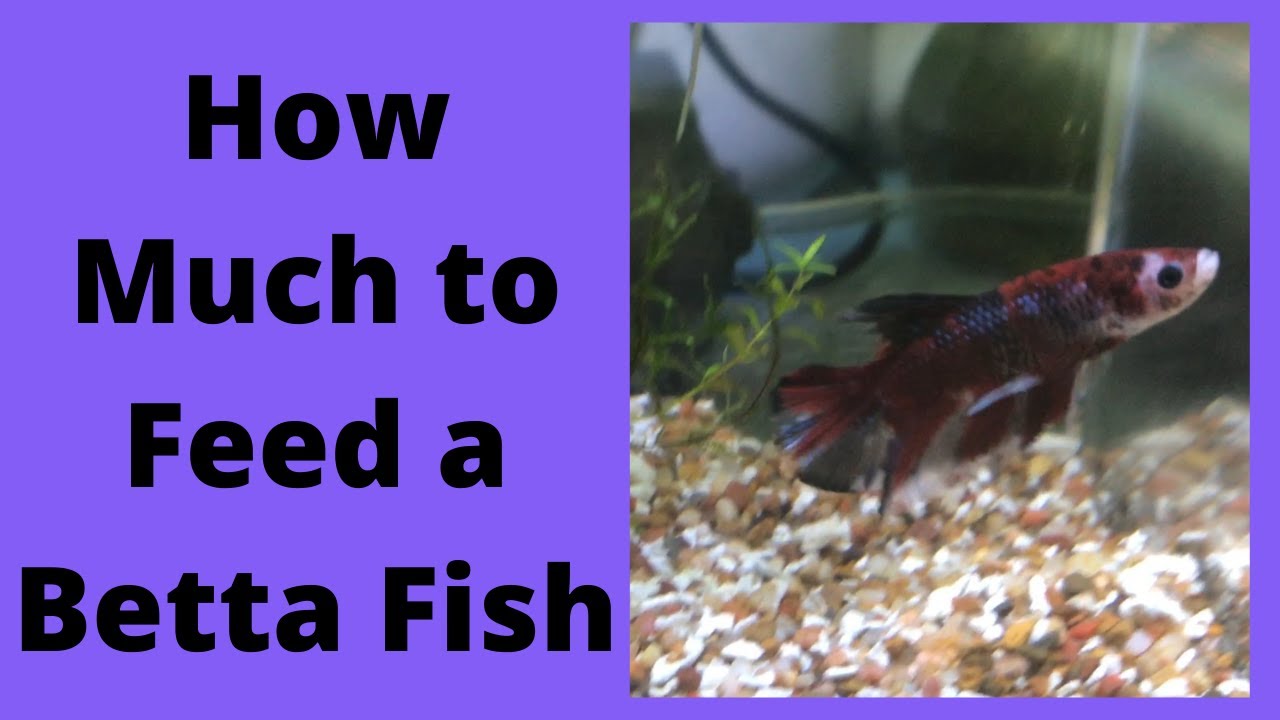
How much to feed a betta fish: the short, safe rule
Most healthy adult bettas do best with two small meals a day. Think of a betta’s stomach as about the size of its eyeball. That is your limit per meal.
A reliable starting point:
- 2–3 high-quality 1 mm pellets per meal, twice daily
- One light fasting day each week to prevent bloat and constipation
This plan is simple, gentle, and easy to adjust. If you ask how much to feed a betta fish in a community tank or a cooler room, we can fine-tune it. But start here, watch your fish, and let its body be your guide.

Why portion size matters: betta biology in brief
Bettas are carnivores with short guts. They need protein-rich foods. Overfeeding can cause constipation, swelling, and swim bladder stress. Underfeeding can dull color and slow fin growth.
Their metabolism changes with water temperature. Warmer water speeds digestion and appetite. Cooler water slows both. Also, bettas are visual hunters. They beg like puppies, but their small stomachs cannot handle big meals.
If you keep asking how much to feed a betta fish, start with biology. Small meals. High quality. Watch the poop and the belly. Adjust as needed.
Portion sizes by food type
Food types vary in density and water content. Match amounts to your fish’s stomach size. This is how much to feed a betta fish for the most common foods:
Pellets (1 mm, high-protein, betta-specific)
- 2–3 pellets per meal, twice daily
- Soak briefly if the brand expands a lot, to prevent bloating
Frozen foods (thawed and rinsed)
- Bloodworms: 2–3 worms per meal, a few times per week
- Daphnia: a small pinch equal to eye size; great for digestion
- Brine shrimp: 1–2 pea-sized portions per week
Live foods (quarantine if possible)
- Mosquito larvae: 4–6 larvae per meal, as a treat
- Baby brine shrimp: a small cloud for variety and conditioning
Freeze-dried foods (use sparingly)
- Bloodworms or daphnia: 1–2 pieces per meal as a rare treat
- Always pre-soak; freeze-dried can swell in the gut
Flakes (not ideal, but possible)
- A pinch equal to the size of the eye, crushed to small bits
- Remove leftovers at once to keep water clean
Tip: If you are unsure how much to feed a betta fish with mixed foods, measure a single meal against the eye-size rule. When in doubt, feed less and observe.

Feeding schedule and routines
A steady schedule helps digestion and keeps water clean. Here is how much to feed a betta fish by life stage and goal:
Adults (over 6 months)
- Morning: 2–3 pellets
- Evening: 2 pellets or a small frozen portion
– One fasting day per week
Juveniles (2–6 months, fast growth)
- 3 small meals daily, tiny portions
- Choose high-protein pellets or baby brine shrimp
- Skip the weekly fast unless bloating occurs
Seniors (2.5+ years)
- 2 small meals daily
- Light, easy-to-digest foods like daphnia or soft pellets
- Consider a fasting day every 10–14 days
Conditioning for breeding
- 2–3 small meals daily
- Mix in live or frozen foods for 1–2 weeks
- Keep portions small to prevent fatty liver issues
Travel or busy schedule
- Use an auto-feeder set to drop 1–2 pellets once or twice daily
- Never let a non-fishkeeper “top off” food
- Bettas can fast for a day or two with no harm

How water temperature, tank size, and activity change needs
Temperature
- 78–80°F: Standard. Stick with the base plan.
- 74–77°F: Slightly cooler. Feed a bit less and watch for slow digestion.
- 81–82°F: Warmer and very active. Consider one extra pellet per day.
Tank size and layout
- Larger, enriched tanks encourage movement. A betta that patrols and explores may need a tiny bump in food.
- Smaller, bare tanks limit movement. Stick to strict, small meals.
Activity and personality
- Some bettas are couch potatoes. Others are athletes. Adjust amounts by watching the waistline, not the face. A lean, firm flank is healthy. A round belly that lingers after meals is not.
If you ever wonder how much to feed a betta fish when you raise temps or upgrade tanks, recheck body shape after a week and adjust by a single pellet.
:strip_icc()/GettyImages-1149846917-586f65edef31413ca965ebe5dd8f7115.jpg)
Signs you’re feeding too much or too little
Too much
- Persistent belly bulge or pinecone-like swelling
- Stringy or pale poop, floating, or lethargy after meals
- Uneaten food on the bottom or surface
Too little
- Sunken belly, dull color, thin body line
- Slower fin growth, less flare or play
- Constant frantic begging all day (with other signs above)
What to do
- Overfed: Fast for 24–48 hours. Offer daphnia next meal. Siphon leftovers.
- Underfed: Add one extra pellet per day or one extra tiny meal. Recheck in 5–7 days.
Note: Avoid the “pea fix.” Peas are not a natural betta food and can cause issues. Use fasting and daphnia instead.

Sample 7-day meal plans
Standard adult plan
- Mon: AM 3 pellets, PM 2 pellets
- Tue: AM 2 pellets, PM thawed brine shrimp (pea-sized)
- Wed: AM 3 pellets, PM 2 pellets
- Thu: AM 2 pellets, PM daphnia (eye-size)
- Fri: AM 3 pellets, PM 2 pellets
- Sat: AM 2 pellets, PM 2 pellets or 2 bloodworms
- Sun: Fast day
Active betta in a planted tank
- Mon–Sat: AM 3 pellets, PM 1 pellet plus 1–2 bloodworms on two days
- Sun: Fast, or AM daphnia only if prone to bloat
Juvenile growth plan
- Small meals, three times daily: 2 pellets in AM, 1 pellet at noon, 1–2 pellets PM
- Add baby brine shrimp 3–4 times per week
These plans make it clear how much to feed a betta fish in real life and help you avoid guesswork.

Common mistakes and how to fix them
- Big meals once a day: Split into two or three small meals.
- Using tropical flakes as the main diet: Switch to betta pellets, 40–50% protein.
- Feeding freeze-dried daily: Limit to 1–2 times per week, pre-soaked.
- Not removing leftovers: Use a pipette or turkey baster to spot-clean.
- Ignoring temperature: Keep stable heat. Cold bettas digest slowly and bloat faster.
If you are unsure how much to feed a betta fish after a change, reset to 2 pellets twice a day and watch closely for a week.

My hands-on tips from years of keeping bettas
I learned the hard way that bettas beg like champs. My first male flared, danced, and “asked” for more. I overfed him with freeze-dried worms. He bloated, floated, and looked miserable. A 48-hour fast and a week of daphnia fixed it. I never forgot.
What works for me
- Keep two pellet brands on hand and rotate. Variety reduces boredom.
- Pre-portion pellets in a pill organizer. It stops “pinch creep.”
- Use a feeding ring. It keeps food dry and easy to count.
- Watch the fish after each meal. Energy, color, and poop tell the truth.
This simple system nails how much to feed a betta fish without stress. Your fish stays fit. Your water stays clean. Your mind stays calm.
Frequently Asked Questions of how much to feed a betta fish
Can I feed my betta once a day?
Yes, but keep the meal small and watch for bloat. Two small meals are easier on digestion and reduce waste.
How many pellets should I feed per meal?
For 1 mm pellets, 2–3 per meal is typical for adults. Adjust by body shape, not begging.
Should I fast my betta?
A 24-hour fast once a week helps prevent constipation. Skip the fast only for very young or underweight fish.
Are live foods safe?
They are great but can carry parasites. Source clean cultures or use frozen as a safer stand-in.
What if my betta won’t eat pellets?
Try soaking pellets, switching brands, or offering daphnia to spark appetite. Check water temperature and quality first.
Conclusion
Feeding a betta is simple once you match the meal to the eye-size rule and stick to a steady routine. Start with 2–3 pellets twice daily, add a weekly fast, and adjust by watching your fish’s belly, poop, and energy. That is the heart of how much to feed a betta fish, and it works.
Put this plan into action today. Track portions for a week, then fine-tune one pellet at a time. Want more clear, tested care guides? Subscribe, share your betta story, or drop a question in the comments.