How To Cast A Fishing Rod For Beginners: Step-By-Step
Grip the rod, load the bend, swing smooth, and release at eye level.
If you want to learn how to cast a fishing rod for beginners, you’re in the right place. I’ve taught countless first casts on docks, banks, and small boats. This guide breaks down each move into small, clear steps. You’ll get simple drills, fixes for common mistakes, and pro tips that make how to cast a fishing rod for beginners feel easy and fun.

Gear You Need to Start Casting
If you ask how to cast a fishing rod for beginners, start with the right gear. A simple, light setup makes learning fast and safe.
What I put in a new angler’s hands:
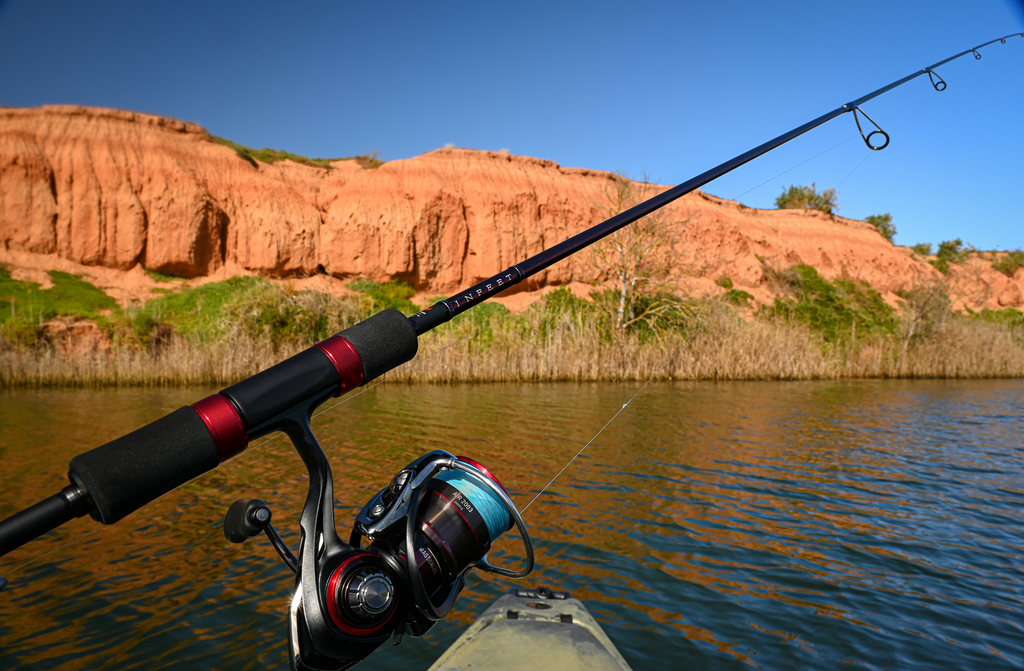
- Spinning rod: 6 to 7 feet, medium or medium-light power, fast action. Easy to learn on.
- Spinning reel: Size 2000 to 3000. Smooth drag and a steady line lay.
- Line: 8 to 10 lb monofilament. It stretches and forgives small errors.
- Practice plug: 1/4 to 3/8 ounce. Safe for lawns and parks.
- Basic tackle: Snap or clip, small jig, or spoon to start.
Quick fit check:
- The reel balances the rod near the front of the handle.
- The line test and lure weight match the rod’s rating.
- The drag turns smooth, not jerky.
Personal note: I start most students with a 6'6" medium spinning rod and 8 lb mono. It casts well, but still controls tangles.

Rods, Reels, and Line: The Basics You Must Know
To master how to cast a fishing rod for beginners, you need to know how each part works together.
Rod terms made simple:
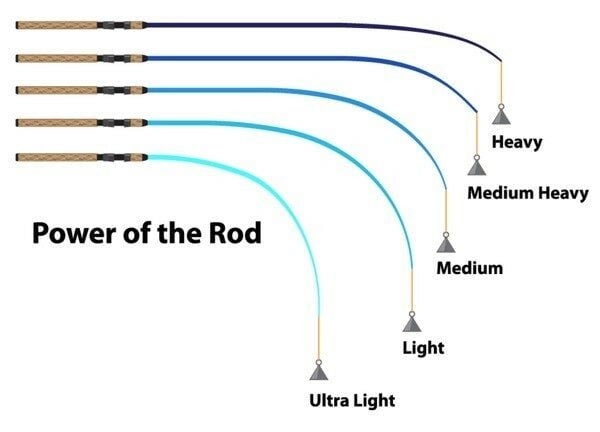
- Power is how stiff the rod is. Medium fits most starter lures.
- Action is where the rod bends. Fast action bends near the tip for easy control.
Reel keys:
- The bail holds and releases line. Open to cast, close by hand after.
- The drag lets line slip under pull. Set it to about one-third of your line’s strength.
Line types:
- Monofilament: Best to learn on. It floats and stretches.
- Braid: Thin and strong, but it can cause wind knots if your touch is off.
- Fluorocarbon: Sinks and is less visible. Use as a leader if water is clear.
Safety and Setup Checklist
Every lesson on how to cast a fishing rod for beginners starts with safety. Take one minute before your first swing.
Setup steps:
- Look around. Give yourself at least two rod lengths of space behind and to each side.
- Check your knot and clip. Retie if worn or frayed.
- Match lure weight to your rod’s rating. Too light or too heavy kills the cast.
- Set the drag. It should slip with a steady pull, not lock tight.
- Pinch barbs if you want easy hook removal while practicing.
Wind tip: Cast with the wind at your back when you start. It adds distance and keeps the line tight.

Step-by-Step: The Basic Overhead Cast
This is the clean path for how to cast a fishing rod for beginners. Follow each step, slow and smooth.
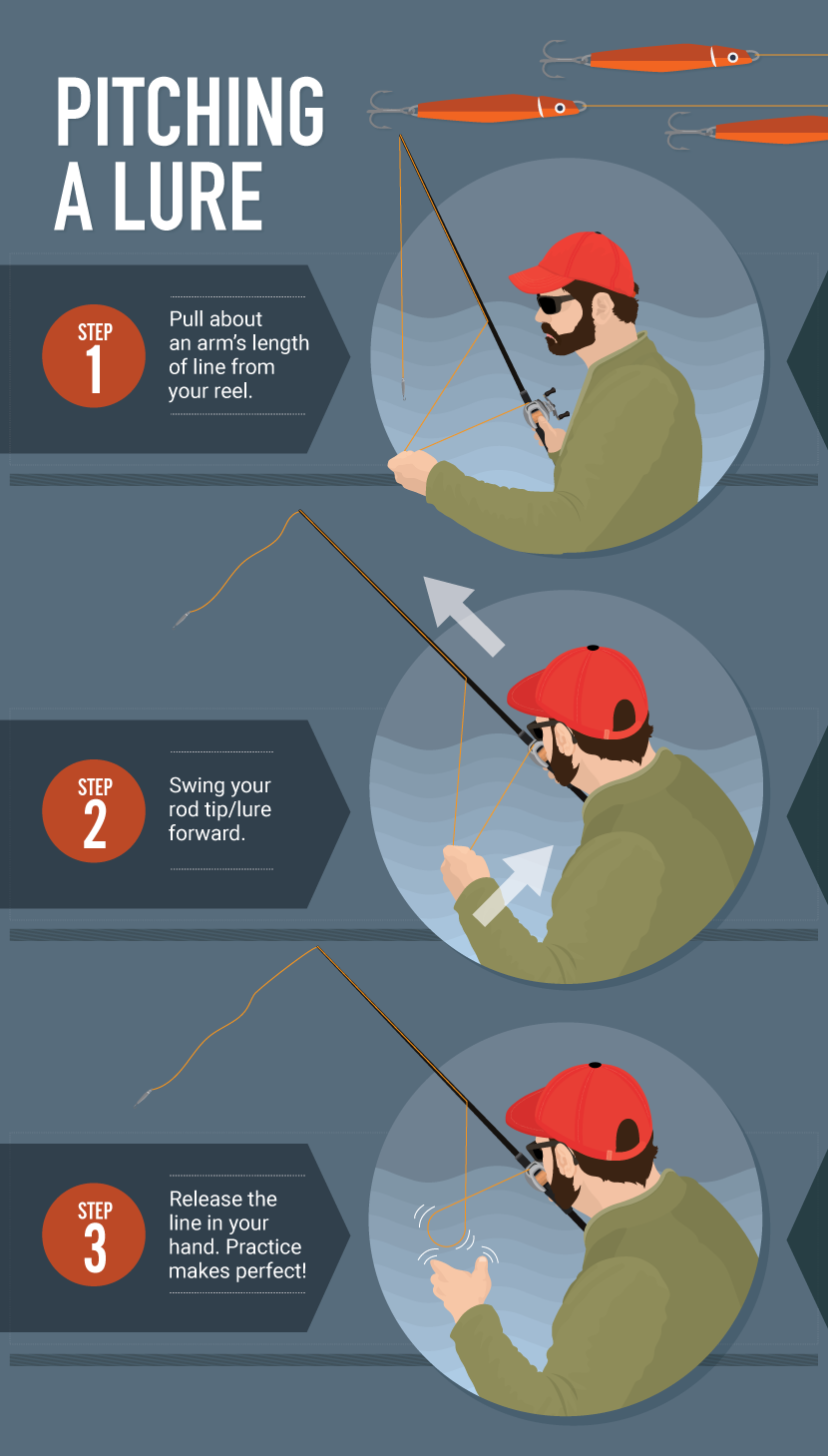
- Hold the rod. Grip the handle with your dominant hand. Place the reel stem between your middle and ring finger.
- Hook the line. Use your index finger to trap the line against the rod.
- Open the bail. Keep the line on your finger so it does not peel off.
- Aim. Point the rod tip at your target, about eye level.
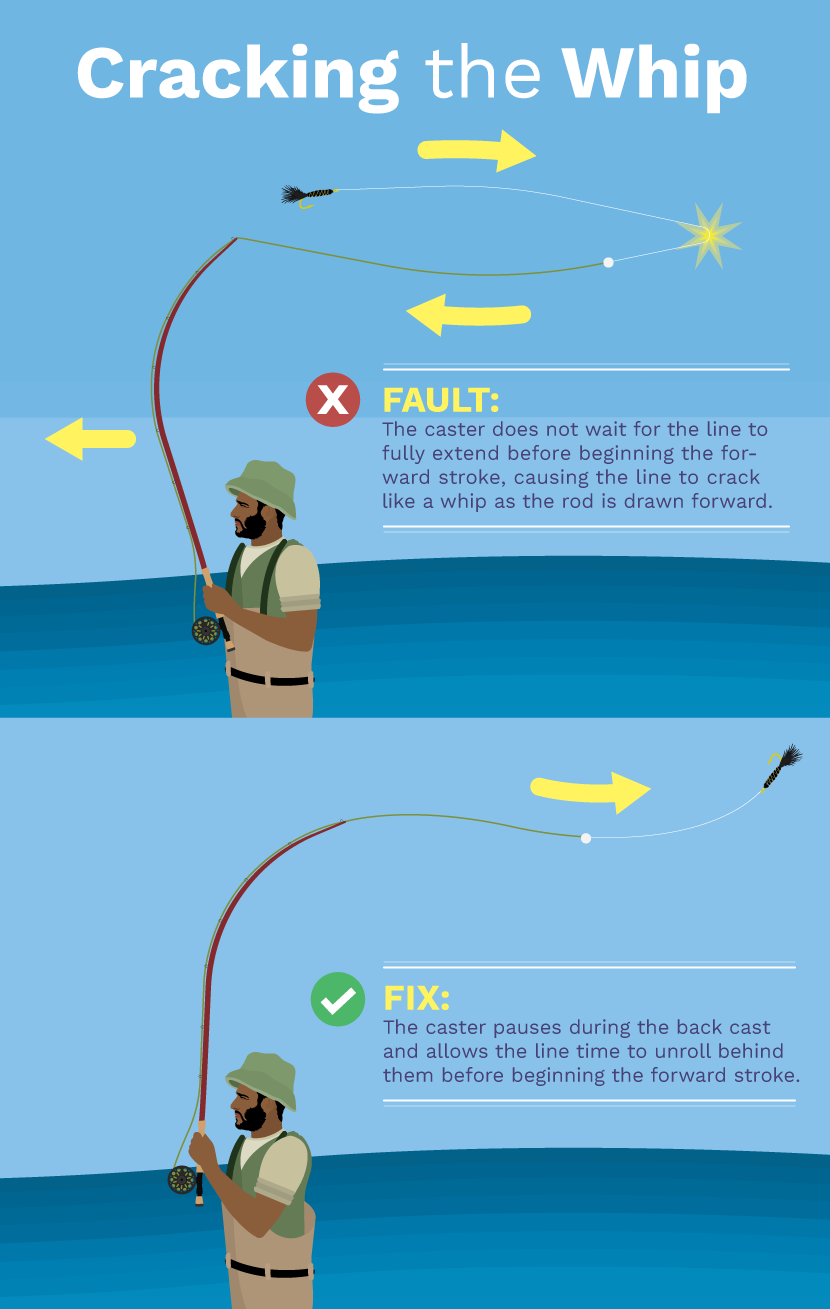
- Backcast. Sweep the rod up and back to about 2 o’clock. Stop and feel the rod load.
- Forward swing. Accelerate smooth to about 11 o’clock. Think “smooth, then stop.”
- Release. Let the line slide off your finger as the rod passes your eye line.
- Follow through. Point the rod tip at the target to guide the flight.
- Close the bail by hand. Turn the handle once to tighten slack.
- Check the line. Make sure the line is on the roller and not looped.
Pro cues:
- If the lure flies high, release later.
- If it slams low, release earlier.
- Let the rod bend do the work. Do not muscle the cast.
Timing, Power, and Accuracy Tips
Good timing is the secret in how to cast a fishing rod for beginners. Power comes from smooth speed, not force.
Try these:
- Start slow, finish fast, then stop. That stop loads and launches the lure.
- Use your hips and shoulders like a golf swing. It adds control.
- Pick a small spot to hit, not an area. Aim small, miss small.
- Count in your head: back-2, forward-1, release. It builds a rhythm.
- Watch the rod tip. If it wobbles, you swung too hard.
I teach a “paintbrush” feel. Pretend you are flicking water off the tip. It helps you stop clean and hit your mark.

Common Casting Mistakes and Easy Fixes
You will miss a few casts. That is part of how to cast a fishing rod for beginners. Fixes are simple.
Frequent issues:
- The lure lands at your feet. You released too late or used too little power. Release sooner and speed up a touch.
- Wind knots on spinning gear. Overfilled spool or slack line. Fill to 1/8 inch from the rim and close the bail by hand.
- Line loops under the spool. Check that the line sits on the roller before each cast.
- Lure too light for the rod. Use a 1/4 to 3/8 ounce plug to start. Match the rod rating.
- Hooked the ground on the backcast. Turn your body, raise the tip more, and clear space behind you.
If you try baitcasting early, expect backlashes. Keep your thumb soft and set the reel brakes high. But for most beginners, stick with spinning gear first.
Practice Drills That Build Skill Fast
Drills make how to cast a fishing rod for beginners feel natural. Ten minutes a day is enough.
Try these:
- Bucket drill: Place a bucket at 20, 30, and 40 feet. Aim for soft landings.
- Ten–Ten–Ten: Make 10 slow casts, 10 normal, 10 focused on quiet entry.
- Chalk line: Draw a line on the ground and cast so your plug lands on it.
- One-knee cast: Take a knee to force a smooth arc and reduce arm-only power.
- Wind work: Practice with a light crosswind. Cast lower and off to the windward side.
Track your hits. When you hit 7 of 10 from one spot, move the target to build range and angle skills.

Casting for Different Spots and Conditions
Real water adds new angles to how to cast a fishing rod for beginners. Adjust your cast to the cover and wind.
From the bank:
- Use a sidearm cast under trees. Keep the tip low and release early.
- Roll cast with spinning gear to swing the lure out without a high backcast.
From a dock or pier:
- Aim farther from your feet. Fish can sit under you. Cast out, then work back.
From a kayak or small boat:
- Shorten your swing. Sit tall, use your core, and avoid wild backcasts.
Wind and water:
- With a headwind, cast lower and release later to cut the wind.
- In clear water, land soft and start the retrieve slow.
Tide and current:
- Cast up-current. Let the lure drift into the strike zone. Pick up slack fast.
Care, Maintenance, and Quick Gear Tuning
Good care supports how to cast a fishing rod for beginners. A smooth reel and clean line cast better.
Simple routine:
- Rinse with fresh water after each trip, then dry. Wipe the line and guides.
- Check the knot and the first 10 feet of line. Trim frays.
- Add a drop of oil to the bail roller and handle knob if they feel rough.
- Re-spool mono every few months if it coils hard. Stretch it by hand before casting.
- Store rods with the drag loose and hooks on the keeper, not the guide.
Small tune, big gain: Close the bail by hand after every cast. It stops loops and saves your line.
Frequently Asked Questions of how to cast a fishing rod for beginners
What rod length is best for a first setup?
A 6'6" medium spinning rod hits the sweet spot. It is easy to handle and casts most starter lures well.
Should I start with spinning or baitcasting?
Start with spinning gear. It is more forgiving and matches how to cast a fishing rod for beginners without hours of backlash fixes.
How far should a beginner expect to cast?
A safe goal is 40 to 60 feet with a 1/4 to 3/8 ounce plug. Focus on a smooth swing and clean release before chasing distance.
How do I stop wind knots on a spinning reel?
Do not overfill the spool, close the bail by hand, and keep the line tight after the cast. A slightly heavier lure also helps.
What is the right lure weight for my rod?
Check the rod’s lure rating near the handle. Stay in the middle of that range while learning to keep casts smooth and safe.
Is braid or mono better for learning?
Mono is best to start. After you master how to cast a fishing rod for beginners, you can add braid with a mono or fluoro leader.
How do I teach a child to cast safely?
Use a rubber practice plug and a short rod, and clear a big space. Stand beside them, guide their hands, and set a “no backcast until I say go” rule.
Why does my lure slap the water loud?
You are releasing too late or swinging too steep. Lower the arc and release a touch earlier for a soft entry.
Can I learn in my yard before hitting the water?
Yes, and you should. Yard time builds muscle memory so how to cast a fishing rod for beginners feels calm and easy by the water.
Conclusion
You now have a full, friendly path for your first casts. Pick the right gear, set up safe, swing smooth, and let the rod do the work. Use the drills, fix small mistakes fast, and your aim and distance will click.
Take your rod to a park or open bank this week and practice ten clean casts a day. When you feel that sweet, quiet flight, you will know it. Want more tips and drills? Subscribe for new lessons, or drop your questions in the comments so I can help you refine your cast.