Why is Crab Fishing So Dangerous Risks Explained
Why is crab fishing so dangerous? It’s one of the world’s most lethal jobs, with a fatality rate nearly 40 times higher than the average worker. From rogue waves and hypothermia to crab pot hauling accidents and vessel instability, every trip is a battle against nature and exhaustion. This article breaks down the biggest risks and how crews stay alive.
If you’ve ever watched Deadliest Catch, you’ve seen the chaos: waves crashing over the deck, men wrestling with massive steel cages, and boats tilting dangerously. But why is crab fishing so dangerous in real life? It’s not just TV drama. The numbers are staggering. Between 2000 and 2020, the average annual fatality rate for Alaskan crab fishermen was about 260 deaths per 100,000 workers. Compare that to the average U.S. worker (around 3.5 per 100,000), and you see the scale of the risk.
This article isn’t meant to scare you away from eating crab. It’s to help you understand the harsh reality these crews face every season. We’ll cover the biggest hazards—from weather and gear to human error and boat design—and explain what’s being done to make the job safer.
Key Takeaways
- Extreme weather: The Bering Sea brings hurricane-force winds, subzero temperatures, and 40-foot waves that can sink or capsize a boat in seconds.
- Heavy, dangerous gear: Steel crab pots weigh 700–800 pounds each. Hauling them by hand or with hydraulic systems causes crush injuries, amputations, and fatal falls.
- Hypothermia and cold stress: A fall into 35°F water can cause death in under 10 minutes without a survival suit. Even on deck, freezing spray and wind chill lead to frostbite and exhaustion.
- Long, sleepless hours: Crews often work 20+ hour shifts for days on end. Fatigue leads to poor decisions, slips, and deadly mistakes.
- Vessel instability: Stacking heavy pots on deck raises the center of gravity. Combined with ice buildup, boats become top-heavy and prone to rolling.
- High fatality rates: Commercial fishing is the most dangerous job in the U.S., and crab fishing has the highest death rate within that industry.
- Safety improvements exist but aren’t foolproof: Modern survival suits, stability training, and stricter regulations have lowered deaths, but the ocean remains unforgiving.
📑 Table of Contents
- The Bering Sea: Nature’s Deadliest Workplace
- The Gear: Heavy Pots, Hydraulic Hazards, and Crush Risks
- Human Factors: Fatigue, Inexperience, and Pressure
- Boat Design and Stability Issues
- Historical Context and Safety Improvements
- Common Mistakes That Increase Danger
- Expert Insights and Practical Tips
- Conclusion
The Bering Sea: Nature’s Deadliest Workplace
The primary reason why crab fishing is so dangerous is the environment itself. The Bering Sea, where most U.S. king and snow crab are caught, is one of the most violent bodies of water on Earth.
Unpredictable Weather and Rogue Waves
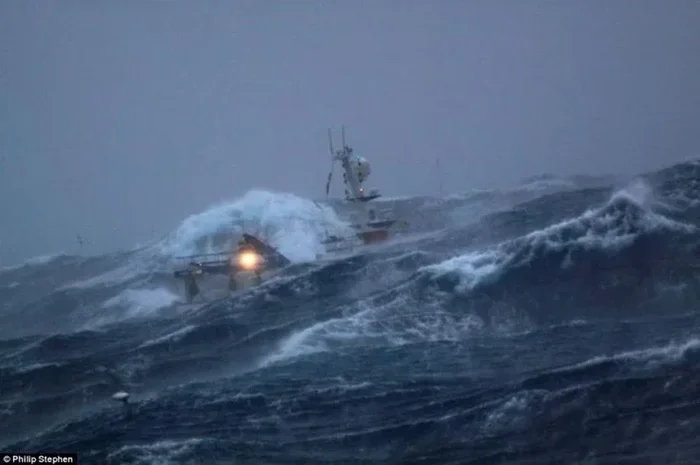
Winter storms in the Bering Sea can generate winds over 80 mph and waves up to 40 feet or more. These aren’t gentle swells—they’re steep, breaking walls of water that can flip a 100-foot boat. Rogue waves, which appear without warning, have been known to tear off deck equipment or wash crew members overboard.
Even on a “calm” day, the sea state changes fast. A crew might set pots in moderate conditions and find themselves fighting for survival hours later. That unpredictability is a core part of crab fishing risks.
Freezing Temperatures and Hypothermia
Air temperatures often drop below 0°F, and water temperatures hover around 32–35°F. If you fall in without a survival suit, you have less than 10 minutes before your muscles stop working. Death from hypothermia can follow in 15–30 minutes. That’s why crews wear immersion suits (also called survival suits) whenever they’re on deck. But even with suits, a long dunking can still be fatal if rescue takes too long.
Ice Buildup on the Boat
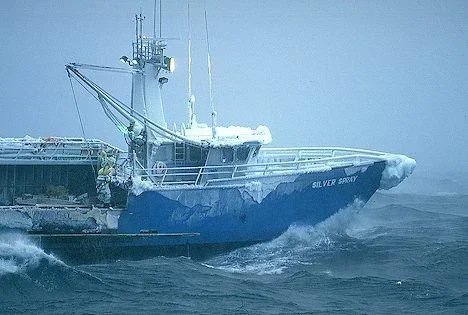
Freezing spray from waves coats the boat, the deck, and the crab pots in thick ice. This ice adds tons of weight high up on the vessel, making it dangerously top-heavy. If the crew doesn’t constantly chip ice away, the boat can capsize. That’s a major reason why vessel stability is a constant battle.
The Gear: Heavy Pots, Hydraulic Hazards, and Crush Risks
Visual guide about crab fishing boat storm
Image source: cdn.bfldr.com
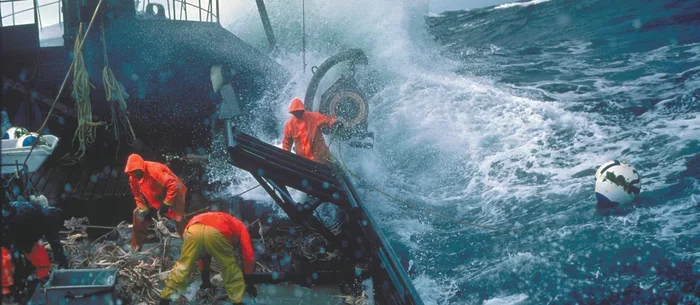
Crab fishing isn’t just about braving the weather. The equipment itself is a major source of injury.
800-Pound Steel Crab Pots
A standard king crab pot is a steel frame about 7 feet wide and 3 feet tall, weighing 700–800 pounds empty. With bait and catch, it can exceed 1,000 pounds. Crews handle these pots on a slippery, pitching deck. One slip while hauling a pot can mean a crushed foot, hand, or worse.
Hydraulic Haulers and Lines
Pots are pulled up using hydraulic winches and a “pot hauler.” The lines (called groundlines) are under immense tension. If a line snaps, it whips across the deck with enough force to cut a person in half. Crew members have been killed when a loop of line caught their leg and pulled them overboard or into the machinery.
Setting and Stacking Dangers
When setting pots, they’re stacked on the rail and pushed off one by one. If a stack shifts, it can crush someone against the railing. During retrieval, pots swing wildly as they come over the side. Crews must time their movements perfectly to avoid being hit. This is why crab pot hauling is one of the most dangerous tasks.
Human Factors: Fatigue, Inexperience, and Pressure
Visual guide about crab fishing boat storm
Image source: i.pinimg.com
Even the most experienced fishermen can make deadly mistakes when they’re exhausted.
20-Hour Shifts and Sleep Deprivation
Crab season is short and intense. Crews often work 18 to 24 hours straight, snatching only a few hours of sleep between sets. Sleep deprivation slows reaction times, impairs judgment, and increases the chance of falling overboard or into machinery. It’s a huge contributor to commercial fishing fatalities.
The “Greenhorn” Effect
New crew members (greenhorns) are especially vulnerable. They might not know how to read the waves, handle a pot safely, or react when a line snaps. Many accidents happen when an inexperienced person is put in a high-pressure situation without proper training.
Economic Pressure to Keep Fishing
Crab fishing is lucrative—a good season can net a deckhand $50,000–$100,000 in just a few weeks. But that money creates pressure to keep fishing even when conditions are dangerous. Captains may push through storms to meet quotas, and crew members may not speak up about safety concerns for fear of losing their spot.
Boat Design and Stability Issues
Visual guide about crab fishing boat storm
Image source: i.pinimg.com
Not all crab boats are built the same, and even well-designed vessels face unique risks.
Top-Heavy Loads and Freeboard
Crab boats are relatively small (typically 80–120 feet) for the loads they carry. Hundreds of pots are stacked on deck, raising the center of gravity. Add ice buildup, and the boat becomes unstable. If a large wave hits the beam (side), the boat can roll past its point of no return.
Flooding and Pounding
Waves constantly crash over the deck, and water can enter the hold through open hatches or damaged seals. If the bilge pumps fail, the boat takes on water and sinks. Also, the constant pounding from waves can crack the hull or damage rudders and propellers, leaving the boat adrift in a storm.
Older Vessels and Maintenance Gaps
Many crab boats are decades old. While they’re regularly inspected, the harsh environment accelerates wear and tear. Corrosion, cracked welds, and failing electronics are common. A breakdown in the middle of the Bering Sea can be a death sentence if help is hours away.
Historical Context and Safety Improvements
The dangers of crab fishing are well documented, but the industry has made real progress.
The Deadliest Catch Effect
The TV show Deadliest Catch brought national attention to the risks. It also pushed regulators and boat owners to improve safety. After several high-profile disasters in the 1990s and early 2000s, the U.S. Coast Guard mandated stricter stability standards and required survival suits for all crew members.
Modern Safety Gear
Today, crews wear personal flotation devices (PFDs), immersion suits, and often carry EPIRBs (emergency beacons) on their person. Many boats have deck lights, guardrails, and non-slip surfaces. But gear only helps if it’s used. A common mistake is not wearing a PFD because it’s bulky—then a wave sweeps you off.
Training and Certification
The Coast Guard now requires fishing vessel safety drills and drill conductor training. Crews must practice man-overboard recovery, firefighting, and abandon-ship procedures. Still, many smaller boats lack formal training, and turnover is high.
Common Mistakes That Increase Danger
Even with safety measures, human error remains a top cause of accidents.
- Not wearing a PFD or survival suit: Many fishermen skip them because they’re uncomfortable. That’s a fatal gamble.
- Ignoring weather forecasts: Captains sometimes override weather warnings to keep fishing. A sudden storm can catch them off guard.
- Overloading the deck with pots: Stacking too many pots reduces stability. It’s a common shortcut to save time.
- Failing to chip ice: Ice buildup sneaks up on crews. If they don’t break it off regularly, the boat can capsize.
- Working alone on deck: A solo crew member has no one to help if they fall or get injured. Always have a buddy.
Expert Insights and Practical Tips
We spoke with retired crab fisherman Mike “Moose” Larsen, who fished the Bering Sea for 18 seasons. His advice for staying alive:
“The biggest thing is respect. Respect the ocean, respect the gear, and respect your limits. When you’re tired, say so. When the weather looks bad, don’t be a hero. I’ve seen too many good men die because they thought they could push through one more set.”
Practical tips for crew members:
– Always wear your immersion suit when working on deck in rough weather.
– Keep a sharp knife on your belt to cut lines if you get tangled.
– Learn to read the sea—watch for “sneaker waves” that come out of nowhere.
– Stay hydrated and eat regularly; cold saps energy fast.
– Never stand between a pot and the rail—that’s a crush zone.
Conclusion
So, why is crab fishing so dangerous? It’s a perfect storm of brutal weather, heavy machinery, human exhaustion, and the unforgiving ocean. The risks are real and often fatal. But thanks to better safety gear, stricter regulations, and a culture that’s slowly learning to prioritize survival over profit, the death rate has dropped in recent years.
Still, every crab season, men and women head out to the Bering Sea knowing they might not come back. They do it for the money, the adventure, and the pride of doing one of the toughest jobs on Earth. If you ever enjoy a plate of king crab legs, take a moment to appreciate the incredible risk that brought it to your table.
Now that you understand the dangers, you can make informed decisions—whether you’re considering the job yourself or simply want to respect the people who do it. Stay safe out there.
Frequently Asked Questions
What is the main reason why crab fishing is so dangerous?
The main reason is the combination of extreme weather, heavy gear, and long work hours in the Bering Sea. Rogue waves, hypothermia, and crushing injuries from crab pots are the top killers.
How many crab fishermen die each year?
In Alaska, the average is about 260 deaths per 100,000 workers. That’s nearly 40 times the national average for all occupations. Exact numbers vary year to year, but it remains the deadliest job in the U.S.
What safety gear do crab fishermen use?
Crews wear immersion suits (survival suits), personal flotation devices (PFDs), and often carry EPIRB beacons. Boats have guardrails, non-slip decks, and hydraulic pot haulers to reduce manual strain. However, gear is only effective if worn correctly.
Is crab fishing safer now than in the past?
Yes. Stricter Coast Guard regulations, better stability standards, and mandatory safety drills have reduced fatalities by about 50% since the 1990s. But the job is still extremely dangerous due to the environment.
Can a crab boat flip over easily?
Yes, especially when ice builds up on deck or too many pots are stacked high. A top-heavy boat can capsize in a large wave. That’s why crews constantly chip ice and limit pot stacks.
What should I do if I want to become a crab fisherman?
Start by getting your fishing vessel safety training certification. Look for entry-level positions as a greenhorn on a crab boat. Be prepared for long hours, cold, and hard physical work. Always prioritize safety over pay.