How To Fish For Lake Trout: Proven Tips For Success
Lake trout are strong, cold-water fish that reward patience, good depth control, and careful gear choices. They live in clear lakes, deep reservoirs, and some large northern waters. You can catch them from a boat, kayak, shore, through the ice, or with a fly rod in shallow water during brief seasonal windows.
The key is to find the right depth and keep your lure or bait close to the lake trout’s feeding zone. Lake trout often hold near deep structure, underwater points, drop-offs, humps, and schools of baitfish. They may be near the bottom, but they do not always stay on the floor.
This guide explains how to fish for lake trout in simple steps. It covers rods, reels, line, lures, live bait, trolling, jigging, ice fishing, shore fishing, safety, regulations, and catch-and-release care. The advice suits a beginner buying a first setup, an experienced angler refining a pattern, and a parent or gift buyer choosing useful gear for a new fisherman.
Quick Answer: How Do You Catch Lake Trout?
The best way to fish for lake trout is to locate cold, deep water with a fish finder, then present a jig, spoon, swimbait, or trolled lure at the trout’s depth. Use a 6-foot-6-inch to 7-foot-6-inch medium or medium-heavy rod, a spinning reel, 10- to 20-pound braided line, and a 10- to 15-pound fluorocarbon leader. Adjust your depth, speed, and lure size to match local baitfish.

Lake trout fishing works because you bring the bait to the fish. Unlike bass fishing in shallow cover, lake trout often live in open water or along deep structure. A good fish finder can save hours of blind casting.
Start by checking local rules. Some waters allow only artificial lures. Others limit hooks, ban lead tackle, require barbless hooks, or set strict size and bag limits. You also need a valid fishing license in most U.S. states and Canadian provinces.
Understanding Lake Trout Behavior
Lake trout prefer cold, well-oxygenated water. In summer, they often move below the warm surface layer, called the thermocline. In spring and fall, they may rise into shallower water to feed or prepare for spawning.
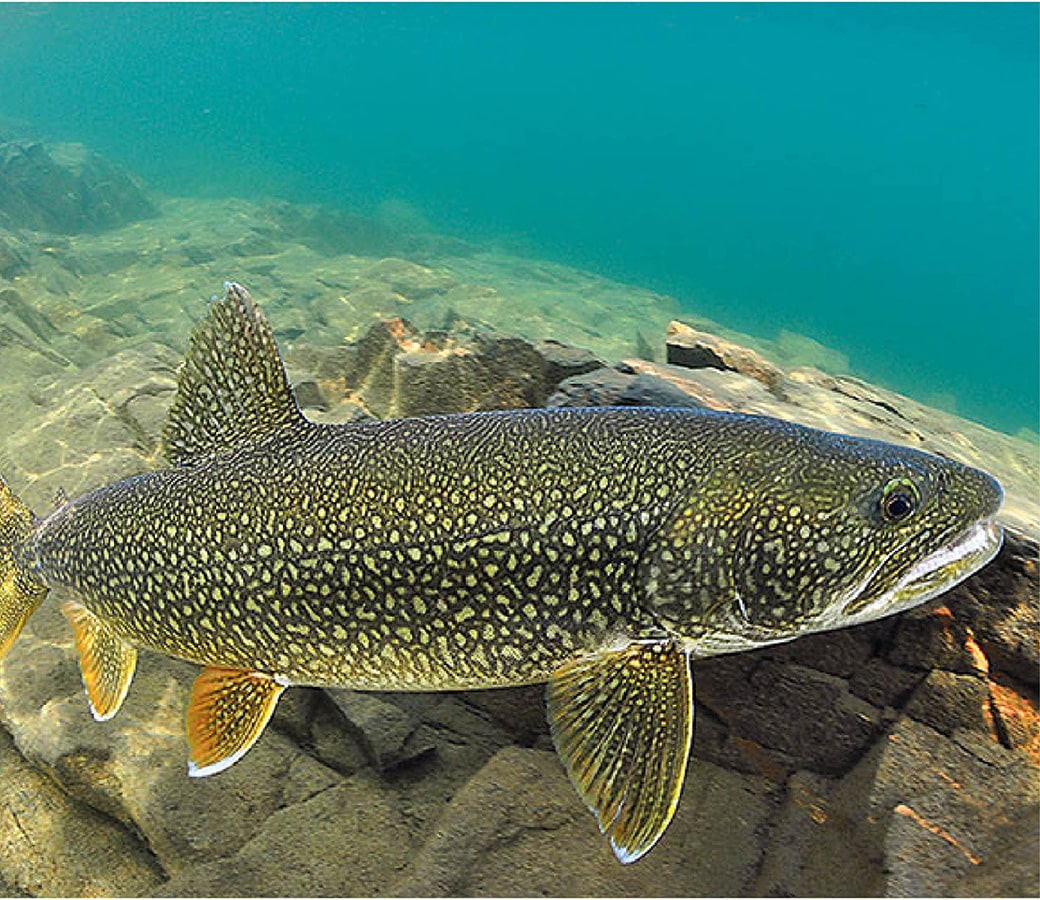
Lake trout are not true trout in the same sense as rainbow or brown trout. They are char, a group that also includes brook trout and Arctic char. They have light spots on a darker body and a deeply forked tail.

Where Lake Trout Hold
Lake trout use different parts of a lake through the year. Their location changes with water temperature, oxygen, baitfish, weather, and fishing pressure.
Look for these areas:
- Deep drop-offs beside shallow flats
- Underwater humps and reefs
- Steep rocky points
- Saddles between two deep basins
- Inlets with cool, clean water
- Suspended baitfish over deep water
- Shoreline breaks near spawning areas
- The bottom edge of a thermocline
A lake trout may sit just above the bottom while watching ciscoes, smelt, whitefish, alewives, or other baitfish. If your sonar shows fish suspended 30 feet above 100 feet of water, fish at 30 feet. Do not assume every trout is on the bottom.
How Water Temperature Changes the Bite
Lake trout favor cold water, often between about 45 and 55 degrees Fahrenheit. They can live in colder or warmer water, but their comfort zone shifts by lake and season.
In early spring, trout may cruise near shore. Melting snow and cold runoff can keep the upper water cool. This is one of the easiest times for shore anglers and trollers to reach them.
In summer, lake trout often move deep. Trolling with downriggers, lead-core line, weighted line, or diving planers helps place a lure in the strike zone.
In fall, lake trout may return to rocky shorelines and spawning areas. Regulations often change during this period, so check the rules before fishing.
| Season | Common lake trout location | Productive method |
|---|---|---|
| Early spring | Shallow flats, points, creek mouths | Casting spoons, trolling |
| Late spring | Breaklines and mid-depth shelves | Trolling, jigging |
| Summer | Deep basins, humps, suspended bait | Downriggers, vertical jigging |
| Fall | Rocky shorelines and spawning areas | Casting, jigging where legal |
| Winter | Deep holes, basin edges, structure | Ice jigging, dead bait where legal |
The main takeaway is simple: lake trout are easier to catch when you match your depth to the season. A fish finder helps, but a depth map and local fishing report can also reveal useful starting points.
Gear for Lake Trout in Different Waters
The best lake trout gear depends on how you fish. A shore angler needs long casting distance. A boat angler may need a downrigger rod. An ice angler needs a short rod with enough backbone to lift a heavy fish.
You do not need the most expensive equipment. A solid medium spinning setup can handle many lake trout situations. Experienced anglers may add specialized rods for trolling, jigging, or deep-water presentations.

A Reliable Spinning Setup
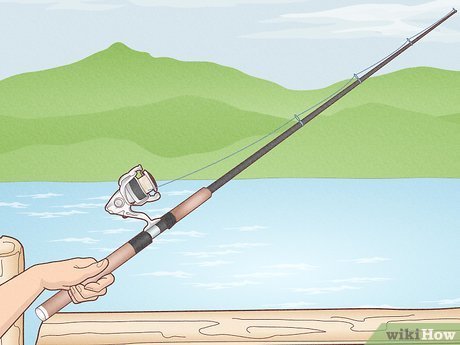
For general lake trout fishing, choose a 6-foot-6-inch to 7-foot-6-inch medium or medium-heavy spinning rod. Medium power handles small and medium trout well. Medium-heavy power gives more control when fishing deep water, heavy jigs, or larger fish.
Rod power means the force needed to bend the rod. Rod action describes where the rod bends. A fast-action rod bends near the tip and gives better lure control. A moderate action bends farther down the blank and helps protect lighter line.
Pair the rod with a 2500, 3000, or 4000-size spinning reel. Look for a smooth drag and a spool that holds at least 150 yards of 10- to 20-pound braided line.
A spinning reel suits beginners, children, shore anglers, and most boat anglers. It is easier to cast than a baitcaster and does not create the same backlash risk. A spincast combo is simple for young children, but its line capacity and drag may limit it with deep-water lake trout.
Line, Leader, and Terminal Tackle
Braided line has low stretch and a thin diameter. It helps you feel a jig at 80 feet and keeps more line on a reel. Use 10- to 20-pound braid for general fishing.
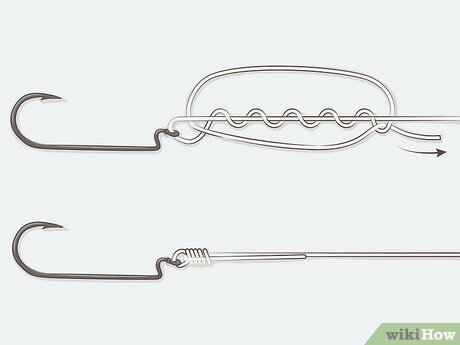
Attach a 6- to 12-foot fluorocarbon leader with a strong knot or small swivel. Fluorocarbon is less visible underwater and resists abrasion from rocks. Use 10- to 15-pound test for many situations. Increase leader strength around sharp rocks or large trout.
Monofilament is affordable and forgiving. Its stretch can protect light hooks during a hard run. It also works well for trolling and for beginners who want a simple setup.
| Fishing style | Rod and reel | Main line and leader |
|---|---|---|
| Shore casting | 7- to 9-foot medium spinning rod | 10- to 20-pound braid or mono; 10- to 15-pound leader |
| Boat jigging | 6- to 7-foot medium-heavy spinning rod | 15- to 20-pound braid; 12- to 20-pound leader |
| Trolling | 7- to 9-foot medium trolling rod | 10- to 20-pound mono or braid; leader as needed |
| Ice fishing | 28- to 36-inch medium or medium-heavy ice rod | 6- to 12-pound mono or braid |
| Fly fishing | 8- to 9-foot 7- to 9-weight fly rod | Matching floating or sinking fly line |
A spinning reel is the safest general choice for beginners and gift buyers. A baitcaster can offer excellent control for heavy lures, but it takes practice. A fly rod is a specialized option for anglers who enjoy learning line control and reading shallow-water conditions.
Lures That Catch Lake Trout
Lake trout respond to several lure types. The right choice depends on depth, water clarity, bait size, and fish activity.
Useful lake trout lures include:
- Metal spoons
- Jigging spoons
- Bucktail jigs
- Soft plastic swimbaits
- Tube jigs
- Blade baits
- Deep-diving crankbaits
- Flutter spoons
- Live-bait rigs where legal
Silver, white, pearl, blue, green, and chartreuse are common starting colors. Bright colors can help in deep or stained water. Natural colors often work well in clear water.
A 1/2- to 1-ounce spoon covers many casting and jigging situations. In very deep water or strong current, you may need a 1 1/2-ounce or heavier lure. Use the lightest lure that still reaches and stays in the target zone.
The Main Lake Trout Rigs and Presentations
A rig is the arrangement of your line, hooks, sinkers, swivels, and bait or lure. Lake trout fishing uses a few reliable presentations, but small changes in speed and depth can make a large difference.
The most common methods are vertical jigging, trolling, casting, and bait fishing. Learn one method well before buying every style of tackle.

Vertical Jigging
Vertical jigging works well from a boat or through the ice. Drop a metal jig, tube, or soft plastic to the fish shown on your fish finder. Keep the lure near the fish, not necessarily on the bottom.
Use short lifts of 6 to 18 inches. Let the lure fall on a semi-slack line, but keep enough contact to feel a strike. Many lake trout hit as the jig falls.
If you mark trout at 70 feet, drop the lure to 65 or 70 feet. Then work it through the fish. If no trout responds after several minutes, change the lift height, cadence, or lure color.
A slow sweep can work when trout are inactive. A faster snap may trigger aggressive fish. Watch your line closely because a strike may feel like extra weight rather than a sharp tap.
Trolling
Trolling lets you cover water and search for active fish. It works especially well in summer when lake trout occupy deep water.
Run spoons, crankbaits, or minnow-style lures behind a downrigger, lead-core line, wire line, or diving planer. A downrigger uses a weighted ball to take the lure to a measured depth. It gives precise control but costs more and requires a boat setup.
Trolling speed often ranges from 1.2 to 2.5 miles per hour, but the best speed depends on the lure and lake. Watch the lure action when it is close to the boat. It should move in a steady, attractive way without spinning unless the lure is designed to spin.
Use turns to test the bite. The outside lure speeds up while the inside lure slows down. A trout may strike when the lure changes speed.
| Presentation | Starting depth | Starting speed or motion | Best use |
|---|---|---|---|
| Vertical jig | Fish-marked depth | Short lifts and controlled drops | Deep water and ice |
| Spoon casting | 10 to 50 feet | Steady retrieve with pauses | Shore and shallow spring water |
| Trolling spoon | 15 to 100 feet | About 1.2 to 2.5 mph | Searching large areas |
| Soft plastic jig | Near bottom or suspended fish | Slow hops and drifts | Structure and inactive trout |
| Live-bait rig | Near bottom or suspended | Slow drift or stationary | Where regulations allow |
Do not treat these numbers as fixed rules. Wind, lure design, water temperature, and boat movement all change the presentation. Start with a simple plan, then adjust one factor at a time.
Casting From Shore
Shore fishing can produce lake trout during spring and fall, especially near steep banks, rocky points, river mouths, and spawning areas. Choose a 7- to 9-foot medium spinning rod for longer casts.
Use a 1/2- to 1-ounce spoon or a shallow-running minnow lure. Cast across a point or along a drop-off. Let the lure sink, then count it down before starting the retrieve.
A steady retrieve with short pauses is a good first pattern. Lake trout may follow a lure for a long distance before striking. A pause near the bank can trigger the bite, so do not lift the lure from the water too early.
Waders can extend your casting range, but they also add risk. Wear a wading belt, avoid deep or fast water, and fish with a partner when possible. A life jacket is still wise near steep banks, cold water, or unstable rocks.
Fly Fishing for Lake Trout
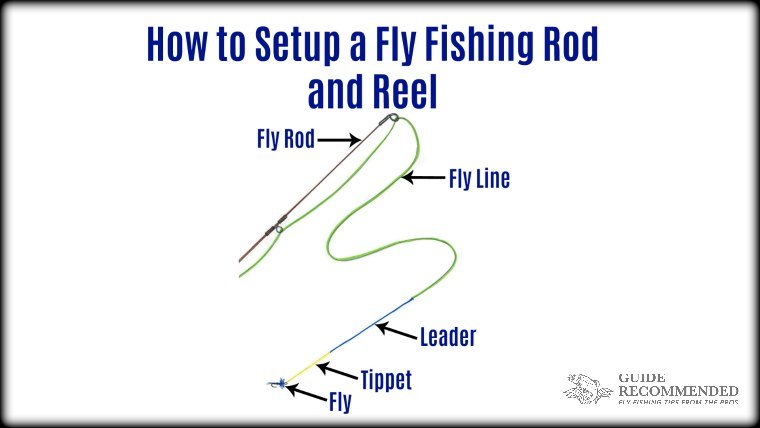
Fly fishing for lake trout is most practical in shallow water, during spring turnover, near spawning areas where legal, or when trout chase baitfish near the surface. Use a 7- to 9-weight fly rod with a strong leader.
A sinking fly line helps reach deeper fish. Large streamers that imitate smelt, ciscoes, or young trout can work. Strip the fly at different speeds and pause between pulls.
Fly fishing is not the easiest method for a first-time angler. It suits an experienced fly angler who wants a technical challenge. A spinning rod is usually a better gift for a child or beginner because it reduces the learning curve.
A Step-by-Step Lake Trout Fishing Plan
A clear plan keeps you from changing everything at once. Follow these steps whether you fish from a boat, kayak, shore, or ice.

1. Check Rules, Weather, and Access
Read the current regulations for the exact lake. Confirm the season, daily limit, minimum length, bait rules, hook rules, and allowed methods. Some waters have special lake trout rules that differ from general trout regulations.
Check wind, waves, storms, air temperature, and water temperature. Cold water can become dangerous in minutes. Tell someone where you will fish and when you plan to return.
2. Study a Map Before You Launch
Look for deep basins beside shallow shelves. Mark underwater points, humps, reefs, steep contours, and creek mouths. A paper map is a useful backup if your electronics fail.
For kayak fishing, choose a protected lake and check wind before launching. A kayak can drift quickly over deep water. Keep all tackle secured and use a U.S. Coast Guard-approved personal flotation device.
3. Use Electronics or Visual Clues
A fish finder shows depth, bottom hardness, bait, and fish marks. Learn to read the display before you need it. A thick band may be bait. Arched marks may be individual fish, but sonar returns vary by device and settings.
If you do not have electronics, use a depth map and make a search pattern. Fan-cast across different angles and count your lure down to different depths.
4. Start With a Simple Presentation
Choose one spoon, jig, or crankbait that matches the depth. Fish it for 10 to 15 minutes before making a major change. Test depth first, then speed, color, and lure size.
Do not switch from a jig to live bait to a fly rod after only a few casts. Lake trout fishing often requires a slow search.
5. Set the Hook With Pressure
When a lake trout strikes a jig, reel down and pull firmly. Do not jerk wildly. When trolling, keep the rod moving in a smooth arc and maintain pressure.
Lake trout have strong runs and can use deep water to their advantage. Keep the drag smooth. Drag is the reel system that lets line leave under pressure. Set it tight enough to control the fish but loose enough to prevent a sudden break.
6. Fight and Land the Fish Carefully
Keep the rod bent and the line clear of the boat, motor, rocks, or ice edge. Use a large rubber landing net. Small nets can damage fins and make landing a large fish harder.
For release, wet your hands before touching the fish. Keep the fish in the water when possible. Support its body, remove the hook with pliers, and let it swim away under its own power.

🌿 Conservation Note: Lake trout can be slow-growing in some waters. Release large breeding fish when regulations and local management goals support it. Use a rubber net, wet hands, and the shortest air exposure possible.
7. Record What Happened
Write down the depth, water temperature, lure, speed, weather, and location. A small fishing log helps you find patterns. It also prevents you from relying on one lucky catch.
Lake Trout Fishing From a Boat, Kayak, Shore, or Ice
The platform changes the method. Boat anglers can search large areas. Shore anglers must use bank contours and casting angles. Ice anglers need safe ice and compact tackle.

Boat Fishing
A boat gives you the most control over depth and speed. Use a fish finder to locate fish and a trolling motor to hold position over a hump or breakline.
Downriggers are useful for precise trolling. If you do not want to buy one, try lead-core line, weighted line, or a diving planer. Read the product instructions because each system reaches a different depth at a different speed.
Keep a landing net, long-nose pliers, line cutters, spare leaders, and a measuring board within reach. Store hooks in a secure tackle box when moving between spots.
Kayak Fishing
Kayak fishing for lake trout suits experienced paddlers who understand weather and cold-water risk. Choose a stable fishing kayak with enough capacity for your body, safety gear, rods, battery, anchor system, and catch.
Do not overload the kayak. Check the manufacturer’s weight rating, including all gear. Wear a U.S. Coast Guard-approved PFD at all times. A paddle leash, whistle, waterproof phone case, and bright light add safety.
Lake trout can pull a small kayak toward rocks or into a strong wind. Keep the fish on one side of the kayak and avoid standing unless the kayak is designed for it.
Shore and Pier Fishing
Shore anglers should focus on points, steep banks, rocky areas, and places where deep water lies close to land. A long spinning rod helps with distance, but a shorter rod is easier for children to control.
Piers can give access to deep water without a boat. Use a landing net with a long handle if the pier is high. Do not lift a heavy fish by the line.
Ice Fishing
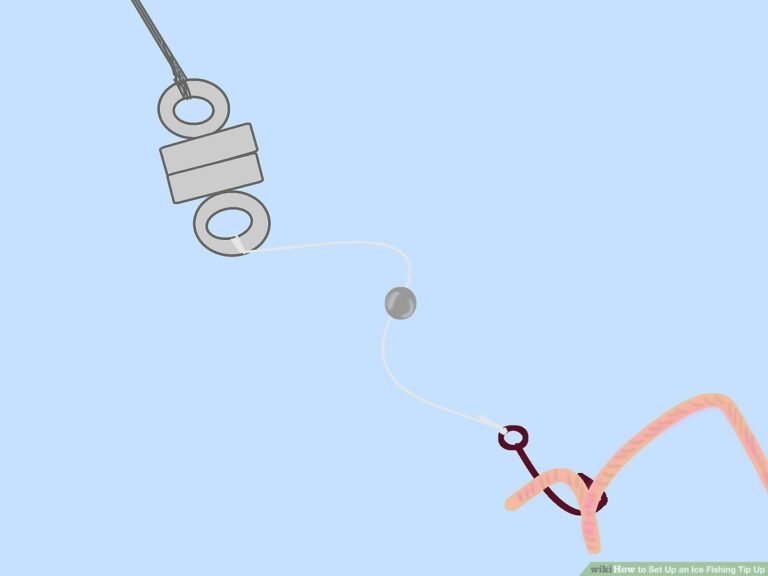
Ice fishing rods are usually 28 to 36 inches long. A medium or medium-heavy ice rod gives control over heavy jigs and strong fish. Use 6- to 12-pound line for many lakes, but check local conditions and fish size.
Never judge ice safety by color alone. Ice thickness can vary near springs, inlets, outlets, weeds, current, and pressure cracks. Check with local authorities, use a spud bar or auger, carry ice picks, and fish with a partner.
⚠️ Safety Warning: No fish is worth a cold-water emergency. Wear a PFD in a boat or kayak, check ice with local experts, watch the weather, and tell someone your plan. Consider a certified boating or ice-safety course before fishing unfamiliar water.
Gear Choices by Angler Type and Budget
A good setup fits the person and the method. The “best” rod for a boat jigging specialist may be a poor choice for a child fishing from shore.

| Angler | Recommended setup | Why it fits |
|---|---|---|
| Beginner | 6-foot-6-inch to 7-foot medium spinning combo | Easy casting and broad use |
| Child | 5- to 6-foot light or medium spincast or spinning combo | Shorter length and simple handling |
| Shore angler | 7- to 9-foot medium spinning rod | Better casting range |
| Boat jigger | 6- to 7-foot medium-heavy spinning rod | Lure control and hook power |
| Trolling specialist | 7- to 9-foot medium trolling rod | Smooth load and line control |
| Fly angler | 8- to 9-foot 7- to 9-weight fly rod | Large flies and sinking lines |
For a first setup, spend more on a smooth reel and reliable line than on extra features. A $60 to $120 spinning combo can serve a beginner well if it has a sound drag and a comfortable handle. Current pricing ranges from basic budget gear to several hundred dollars for specialized rods, reels, downriggers, and electronics.
Gift buyers should avoid guessing on highly specialized gear. A tackle box, polarized sunglasses, fishing pliers, a rubber landing net, or a local tackle-shop gift card is often safer than buying a downrigger or fly rod without knowing the angler’s style.
What Gear Usually Wears Out First?
Line, hooks, split rings, reel drag washers, and rod guides often need attention before the rod blank fails. Saltwater use causes faster corrosion, but lake water can still carry grit and moisture into reels.
Rinse freshwater gear lightly after use if it has contacted mud, sand, or dirty water. Do not blast water into the reel. Dry everything fully before storage.
| Gear part | Common problem | Simple care |
|---|---|---|
| Fishing line | Frays, twists, weak knots | Inspect and retie often |
| Hooks | Rust or dull points | Replace or sharpen |
| Reel | Grit, noise, sticky drag | Wipe dry and service as directed |
| Rod guides | Cracks that cut line | Check with a cotton swab |
| Landing net | Torn mesh | Use rubber mesh and inspect seams |
| Tackle box | Wet rust and corrosion | Dry lures before closing |
The main lesson is to inspect gear before the trip, not after a fish breaks off. Replace line when it shows cuts, severe memory, or repeated knot failure.
Common Lake Trout Fishing Mistakes
Lake trout fishing can feel difficult when the problem is not the fish but the presentation. Most mistakes involve depth, speed, location, or poor preparation.

Fishing Only the Bottom
Many anglers drop a lure to the floor and leave it there. Some lake trout do feed near the bottom, but others suspend well above it.
Use your fish finder to check the full water column. Move the lure above, through, and below marked fish when legal and practical.
Using Line That Is Too Heavy
Heavy line can reduce lure action and make small jigs fall slowly. It may also be more visible in clear water. Use enough strength for the fish and cover, but avoid oversized line without a reason.
A 10- to 15-pound fluorocarbon leader is a useful starting point. Increase strength around rocks, large fish, or heavy lures.
Retrieving Too Fast
A fast retrieve may trigger active trout, but many anglers rush a cold-water fish. Slow down and add pauses. Count the lure down so you know how deep it runs.
Ignoring the Wind and Sun
Wind can push baitfish toward one side of a lake. Bright sun may drive trout deeper in clear water. Cloud cover can let them roam higher.
These are clues, not rules. Let depth marks and lure response guide your next move.
Poor Hook and Release Choices
Dull hooks cost fish and can increase handling time. Check the point with your fingernail. Replace hooks that are bent, rusty, or dull.
A stringer may be legal in some places but harmful if you plan to release the fish. Use a rubber net and a measuring board instead.
💡 Pro Tip: When a lake trout follows your lure but does not strike, change the pause before changing the color. A short stall or slow fall often looks more natural than a completely new lure.
Regulations, Conservation, and Ethical Handling
Lake trout populations vary greatly from one water to another. Some lakes support healthy harvest. Others have low growth rates, strict limits, or special protection for large fish.

Check the Current Fishing Rules
Always confirm the current rules with the state wildlife agency, provincial agency, tribal authority, or local fisheries office. Check:
- Fishing license requirements
- Open and closed seasons
- Daily bag and possession limits
- Minimum and maximum length limits
- Hook and lure restrictions
- Lead tackle rules
- Baitfish and live-bait rules
- Barbless-hook requirements
- Special rules for tributaries and spawning areas
Rules can change by lake, section of lake, and time of year. A general trout license summary may not cover lake trout regulations.
📜 Check Local Regulations: Before keeping a lake trout, measure it and identify the water’s exact rule set. Use the local wildlife agency website or contact a licensed tackle shop for the latest information.
Best Practices for Catch and Release
Use barbless hooks when possible. Pinching the barb with pliers makes hook removal faster. Keep a dehooking tool and long-nose pliers ready.
Wet your hands before touching the fish. Do not squeeze the belly or hold a large trout by the jaw. Support the body with one hand and the tail with the other.
Keep air exposure under 30 seconds when possible. If you want a photo, prepare the camera first. Hold the fish low over the water in case it slips.
Dispose of old fishing line properly. Loose line can harm birds, turtles, and mammals. Never leave hooks, soft plastics, bait containers, or packaging on the shore.
Frequently Asked Questions About Lake Trout Fishing
What is the best bait for lake trout?
The best bait depends on local rules and the season. Smelt, ciscoes, suckers, minnows, and cut bait may work where legal. Many anglers also use spoons, jigs, and soft plastics because artificial lures are clean, reusable, and allowed on more waters.
What size lure should I use for lake trout?
Start with a 1/2- to 1-ounce spoon or jig for general fishing. Use smaller lures when trout feed on small baitfish. Use heavier lures in deep water, strong current, or heavy wind.
What color works best for lake trout?
Silver, white, pearl, blue, green, and chartreuse are useful starting colors. Match clear water with natural tones. Try bright colors in deep or stained water. No color works on every lake.
Do lake trout stay on the bottom?
No. Lake trout often hold near the bottom, but they also suspend over deep water or follow baitfish through the water column. Fish the depth where you mark trout rather than always fishing the floor.
Can you catch lake trout from shore?
Yes. Shore fishing works best where deep water lies close to land. Try rocky points, steep banks, creek mouths, and areas near spawning habitat when open. Long spinning rods and spoons help cover water.
What line should I use for lake trout?
Use 10- to 20-pound braided line with a 10- to 15-pound fluorocarbon leader for many spinning applications. Monofilament is also useful for beginners and trolling. Adjust line strength for fish size, rocks, lure weight, and local conditions.
Is a spinning reel or baitcaster better for lake trout?
A spinning reel is better for most beginners, children, shore anglers, and general lake trout fishing. A baitcaster offers strong control with heavier lures but needs practice to prevent backlash. Choose based on skill and presentation, not brand name.
How deep should I fish for lake trout in summer?
Summer lake trout often hold below the warm surface layer, sometimes 40 to more than 100 feet deep. The correct depth varies by lake, weather, oxygen, and baitfish. Use a fish finder or depth map and adjust often.
What rod power is best for lake trout?
A medium rod works for many light and medium presentations. A medium-heavy rod is better for heavy jigs, deep water, large trout, and strong current. Rod action controls how the blank bends, so fast action suits jigging while moderate action can help trolling.
Can kids fish for lake trout?
Yes, but the method should match the child. A 5- to 6-foot spincast or spinning combo is easier to handle than a long trolling rod. Start in calm, shallow water, use barbless hooks when possible, and keep pliers and life jackets close.
Are lake trout good to eat?
Lake trout can be good table fish when harvested legally and handled well. Follow local consumption advisories, size limits, and possession rules. Some waters have health guidance due to contaminants, so check the local fish consumption notice.
How do you release a lake trout safely?
Wet your hands, keep the fish in the water, use pliers, and avoid touching the gills. Support the fish horizontally. Keep air exposure brief, then face the fish into gentle current until it swims away.
Do you need a fish finder to catch lake trout?
No, but a fish finder helps locate depth, structure, and suspended bait. Without one, use a lake map, local reports, and a systematic casting or trolling pattern. A basic sonar unit is often more useful than buying several specialized lures.
How long does lake trout gear last?
A good rod can last many years when stored dry and protected from impact. Reels, line, hooks, and guides need more frequent care. Saltwater-rated reels are built for corrosion resistance, but freshwater gear still needs cleaning and dry storage.
Final Thoughts on Catching Lake Trout
The best way to learn how to fish for lake trout is to focus on three things: location, depth, and presentation. Find cold water near structure or baitfish. Put your lure at the fish’s depth. Then change speed or cadence before changing every piece of gear.
A medium spinning setup is the most useful starting point for beginners, kids, shore anglers, and gift buyers. Experienced anglers can add a downrigger, specialized trolling rod, ice rod, fly outfit, or advanced electronics as their style develops.
Fish with respect for cold water, follow the current regulations, and handle released trout with care. Lake trout fishing is part search, part timing, and part quiet patience. When your line tightens in deep water, that patience suddenly feels worthwhile.