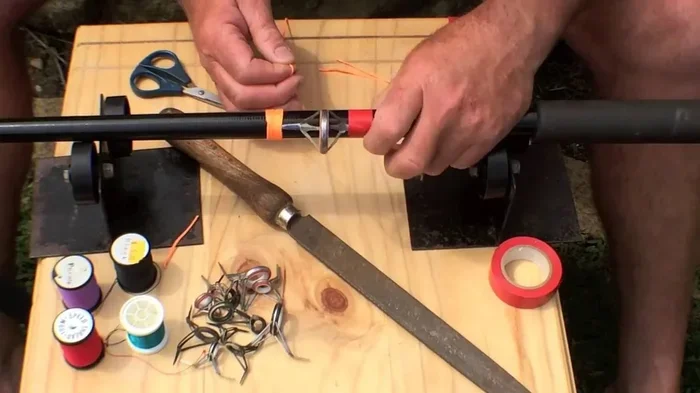
How Does Fishing Work: Beginner’s Guide
Fishing works by presenting bait or an artificial lure to a fish, getting the fish to take it, and then using line, a rod, and a reel to control the fish until you can land it. The basic system is simple: the rod casts and cushions force, the reel stores and retrieves line, the hook holds the fish, and the drag lets line slip under pressure. Skill comes from matching the tackle to the fish, water, and technique.
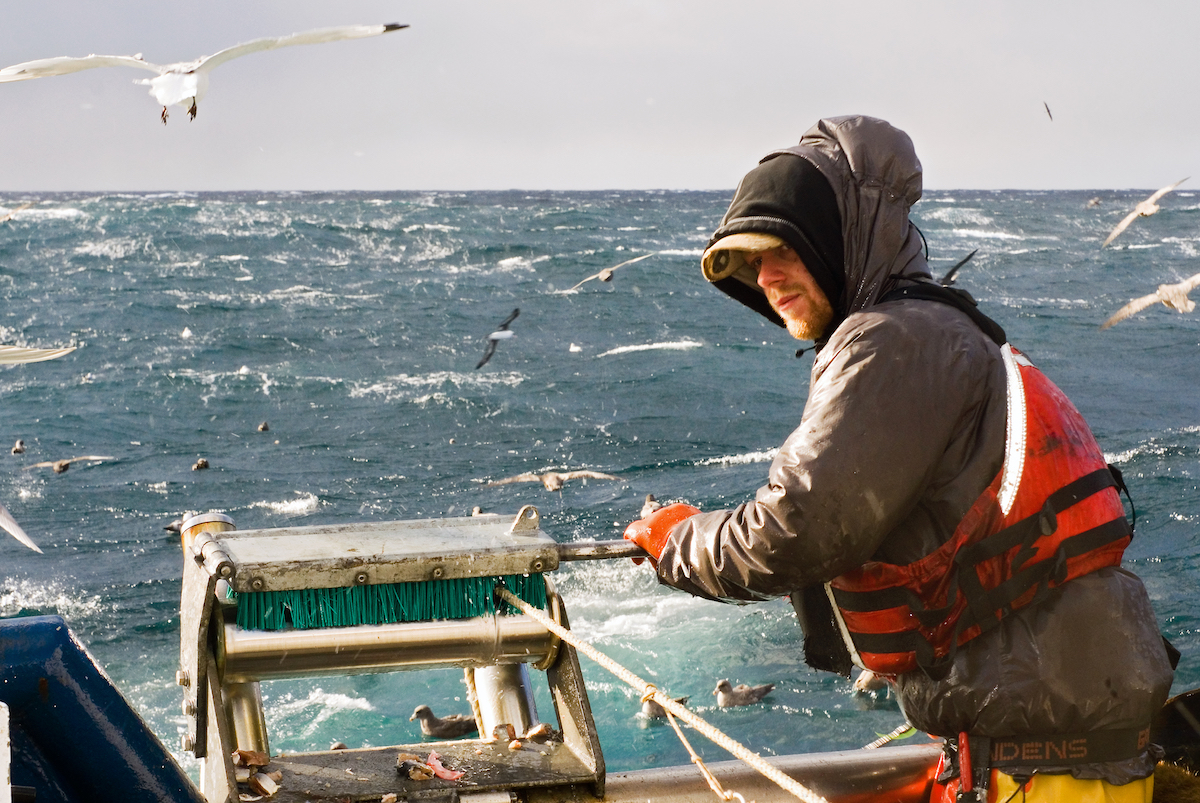
Quick answer: How does fishing work?
Fishing works by using a rod, reel, line, hook, and bait or lure to attract and catch fish. You cast the bait to a likely spot, wait or retrieve it, set the hook when a fish bites, and manage line tension while reeling it in. The right setup depends on the species, water type, depth, weather, and fishing method.

Fishing is a system of matched parts
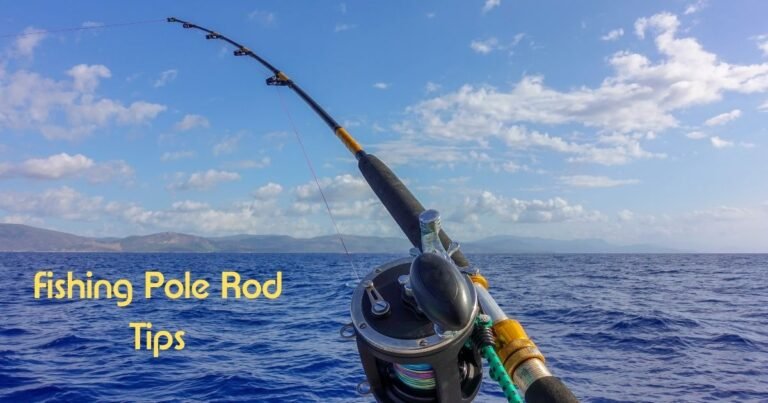
Every fishing setup has a job. The rod casts and absorbs sudden pulls. The reel holds line and helps you retrieve it. The line connects you to the hook, while the bait or lure gives the fish a reason to bite.
A good setup is balanced. A light panfish rod may feel lively with 4-pound line, but it is not the right choice for heavy catfish or saltwater redfish. A large surf rod can handle strong casts and heavy sinkers, but it may feel awkward for a child catching bluegill.
The rod controls casting and pressure
A fishing rod is a flexible lever. When you cast, the rod bends and then straightens. This sends the rig toward the target. During the fight, the rod bends again and helps protect the line from sudden force.
Two rod terms matter most:
- Power means how much force it takes to bend the rod. Ultra-light, light, medium, medium-heavy, and heavy are common ratings.
- Action means where the rod bends. Fast-action rods bend near the tip. Moderate-action rods bend farther down the blank.
For bass fishing, a 6-foot-6-inch to 7-foot medium or medium-heavy rod is common. For trout and panfish, a 5-foot-6-inch to 7-foot light or ultra-light rod often gives better feel. Surf fishing usually needs a longer rod, often 9 to 12 feet, to cast beyond breaking waves.
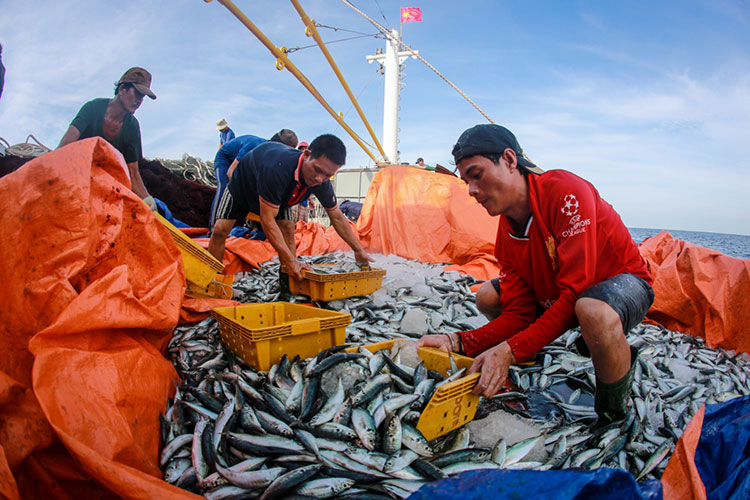
The reel stores and controls line
A reel lets you cast, retrieve line, and manage tension. The three main reel types are spinning reels, baitcasters, and spincast reels.
A spinning reel has a fixed spool and a bail that wraps line around the spool. It is easy to cast and works well for beginners, trout, bass, panfish, walleye, and many inshore fish.
A baitcaster has a rotating spool. It offers precise lure control and can handle heavier lures, but it takes practice. Poor spool control can cause a backlash, which is a tangled loop of line inside the reel.
A spincast reel has a covered spool and a push-button cast system. It is simple for children and first-time anglers. It is less suited to very long casts, heavy cover, or high drag pressure.

Line transfers force from you to the fish
fishing line carries the hook and transmits movement. Its strength is measured in pounds, called line test. A 10-pound line is designed to withstand roughly 10 pounds of steady force under proper conditions, but knots, abrasion, heat, and sudden shock reduce real strength.
The main line types are:
- Monofilament: Affordable, flexible, and easy to tie. It floats and stretches, which can help beginners.
- Fluorocarbon: Dense and low-stretch. It sinks and is often used as a leader near wary fish.
- Braided line: Thin and strong for its diameter. It has little stretch but can cut into itself or suffer from abrasion.
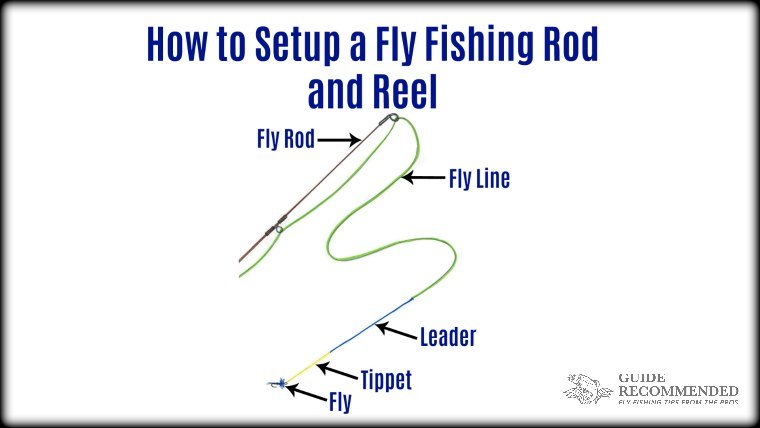
- Fly line: A weighted line that helps cast nearly weightless flies.
A leader is a short section of line between the main line and the hook or lure. Leaders can reduce visibility, resist sharp teeth, or protect the main line from rocks and shells.

Terminal tackle finishes the setup
Terminal tackle is the gear attached to the end of the line. It includes hooks, sinkers, bobbers, swivels, leaders, and snaps.
A hook catches the fish. A sinker adds weight and helps bait reach depth. A bobber suspends bait and shows movement. A swivel can reduce line twist, while a snap lets you change lures quickly.
Small tackle must match the fish. A size 8 or 10 hook may suit panfish and small live bait. Bass lures often use larger treble or worm hooks. Saltwater rigs need corrosion-resistant hooks, swivels, and snaps.

The fishing process from cast to landing
Fishing works through a chain of actions. You find a promising area, present bait or a lure, detect a bite, set the hook, fight the fish, and land it with care.
The fish may bite because it sees food, feels vibration, reacts to movement, or defends a space. No lure works every time. Water clarity, temperature, light, current, forage, and pressure from other anglers all affect results.
1. Find fishable water
Fish need food, oxygen, cover, and suitable temperature. Look for places where these needs overlap.
Common fish-holding areas include:
- Weed edges
- Fallen trees
- Rocks and riprap
- Drop-offs
- Creek mouths
- Current seams
- Docks and bridge pilings
- Points and channels
- Deep water beside shallow flats
Bass may use cover and ambush points. Trout often hold in cool, oxygen-rich water. Catfish may gather near deep holes, current breaks, or strong-smelling bait. Panfish often move near weeds, brush, docks, and spawning areas.
A fish finder can help boat and kayak anglers see depth, bottom changes, and fish-like marks. It does not replace judgment. A screen can show fish, but it cannot tell you whether they will bite.

2. Choose bait or a lure
Natural bait uses a real food source. Common examples include worms, minnows, shrimp, cut bait, and insects. Artificial lures imitate food or trigger a reaction.
Popular lure types include:
- Jigs: Weighted heads with soft plastics, hair, or other bodies
- Soft plastics: Flexible bodies that imitate worms, baitfish, crawfish, or creatures
- Crankbaits: Hard lures with lips that dive and wobble
- Spinnerbaits: Lures with blades that create flash and vibration
- Topwater lures: Baits designed to move on the surface
- Spoons: Curved metal lures that flash and flutter
- Flies: Light patterns used with fly tackle
Live bait can be forgiving for new anglers because fish recognize it as food. Lures give you more control over speed, depth, and action. Gift buyers should consider whether the angler enjoys active casting or prefers a simple bobber setup.

3. Cast or lower the rig
Casting sends the rig to a target. With a spinning reel, open the bail, hold the line against the rod with one finger, swing the rod, and release the line as the rod points toward the target.
With a spincast reel, press the button during the forward cast and release it as the rod moves ahead. A baitcaster requires thumb control. Pressing too little lets the spool spin faster than the lure and can cause backlash.
Ice anglers usually lower a small jig through a hole instead of casting. Fly anglers use the weight of the fly line to carry the fly. Pier and surf anglers may use heavier sinkers and longer casts to reach feeding areas.
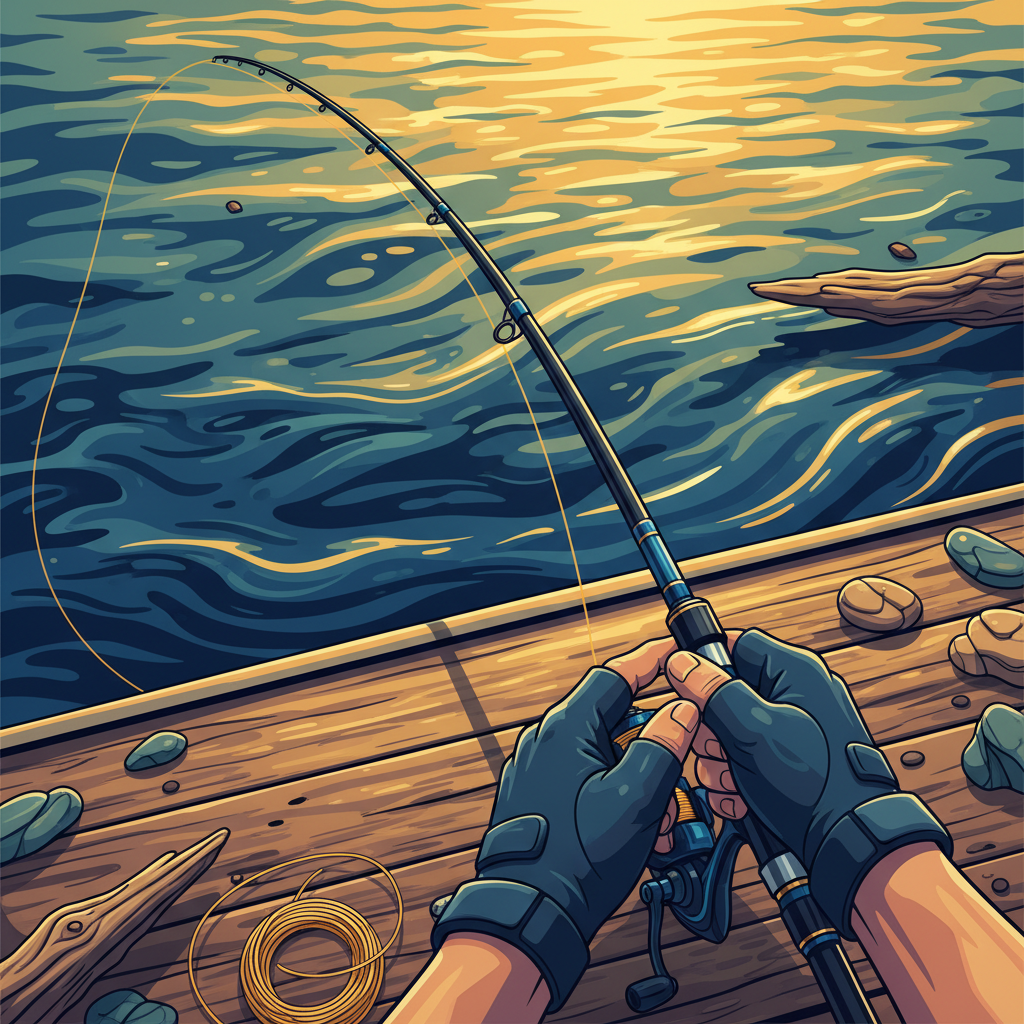
4. Present the bait or lure
Presentation means how the bait or lure moves and where it sits. A bobber rig may suspend a worm at a set depth. A jig may hop along the bottom. A crankbait may swim past cover.
Change one variable at a time. Try a slower retrieve, a deeper presentation, a smaller lure, or a different color. If you change everything at once, you will not know what helped.
Many beginners retrieve too fast. Start slowly. Pause often. Let the fish tell you what works through bites, follows, or missed strikes.

5. Detect the bite
A bite may feel like a tap, a steady pull, extra weight, or a line that moves sideways. With a bobber, the float may dip, slide, or stand at an odd angle.
Keep some line tension, but do not pull hard all the time. Too much slack makes bites hard to feel. Too much tension can move the bait away or cause a fish to drop it.
Braided line transmits small movements well because it has little stretch. Monofilament can be easier for beginners because its stretch cushions sudden mistakes.
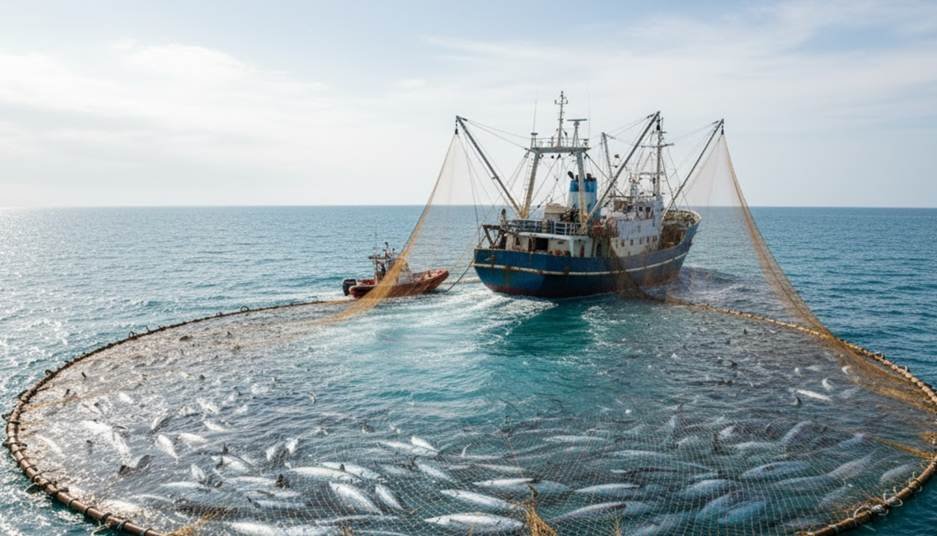
6. Set the hook
The hook set drives the hook into the fish’s mouth. The correct motion depends on the rig.
For many lures, lift the rod firmly and reel at the same time. Do not swing wildly. For circle hooks used with some live-bait and saltwater rigs, steady pressure is usually better than a hard jerk. Circle hooks are designed to slide into the corner of a fish’s mouth when the line comes tight.
Hook size, hook style, and local rules matter. Barbless hooks can make release easier and reduce harm. Some waters require them.
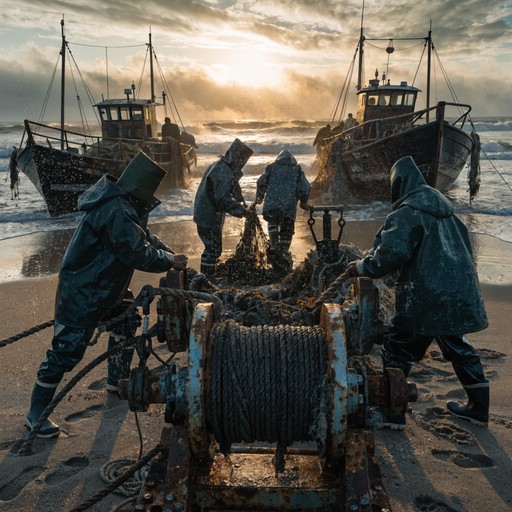
7. Fight the fish with steady pressure
After the hook set, keep the rod bent and the line tight. Let the rod absorb surges. Use the reel to gain line when the fish moves toward you, and let the drag release line when the fish pulls hard.
Drag is the reel’s adjustable system for allowing line to slip under pressure. A properly set drag protects light line and reduces pulled hooks. Tighten it for stronger fish or heavy cover, but do not lock it down without a reason.
Do not lift a large fish by the line. Use a landing net when possible. Keep the fish away from rocks, propellers, dock hardware, and submerged branches.

8. Land, handle, and release the fish
Wet your hands before touching a fish. This helps protect its slime coat. Keep the fish out of water for the shortest time possible, especially in warm weather.
Use pliers to remove hooks. If a hook is deeply swallowed, cutting the line close to the hook may cause less harm than forcing it out. Follow local rules for keeping fish, including size limits, bag limits, seasons, and species restrictions.

Freshwater, saltwater, and specialty fishing work differently
The basic fishing system stays the same, but water type changes the tackle, knots, bait, and safety needs. Freshwater ponds require different gear from surf beaches or offshore reefs.
The table below shows common starting points. These are general ranges, not strict rules.
| Fishing setting | Common starting setup | Main concern |
|---|---|---|
| Pond panfish | 5–7 ft light spinning rod, 4–8 lb line, size 6–10 hook | Small hooks and light bait |
| Bass lakes | 6’6”–7’3” medium or medium-heavy rod, 8–20 lb line | Cover, lure weight, and abrasion |
| Trout streams | 6–8 ft light rod, 2–8 lb line, small lures or flies | Clear water and delicate presentation |
| Catfish rivers | 7–9 ft medium-heavy rod, 15–30 lb line | Current, heavy sinkers, and strong fish |
| Saltwater shore | 7–12 ft medium to heavy rod, 15–40 lb line | Corrosion, surf, and casting weight |
| Ice fishing | 24–36 in ice rod, 2–10 lb line, small jig | Cold, thin line, and ice safety |
The key takeaway is to match the setup to fish size, cover, casting distance, and current. A light rig improves enjoyment with small fish, while heavier tackle gives more control around weeds, rocks, and strong current.

Freshwater fishing
Freshwater fishing includes lakes, ponds, rivers, streams, and reservoirs. It covers species such as bass, trout, catfish, crappie, bluegill, walleye, and carp.
A spinning combo is the most useful first setup for many freshwater anglers. A 6-foot-6-inch medium-light or medium spinning rod with a 2000- to 3000-size reel and 6- to 10-pound monofilament handles many panfish, trout, bass, and walleye situations.
Experienced anglers often use specialized gear. A medium-heavy baitcaster may suit bass fishing with jigs and heavy soft plastics. A longer catfish rod helps cast bait and control fish in current.
Saltwater and surf fishing
Saltwater is harder on gear because salt crystals and moisture cause corrosion. Saltwater-rated reels often use sealed bearings, coated parts, stronger frames, and corrosion-resistant materials. They still need care after every trip.
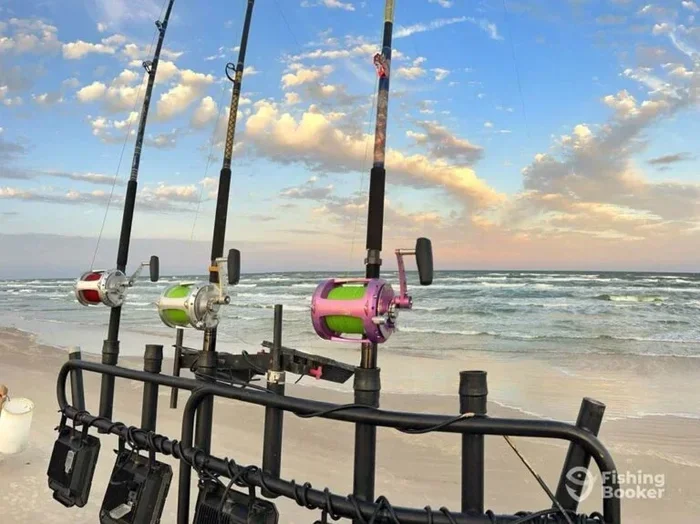
Surf fishing often uses a 9- to 12-foot rod, a 4000- to 8000-size spinning reel, and 20- to 40-pound braided line with a leader. The sinker must match the current and local regulations. Too much weight can make casting unsafe and may damage the rod.
Rinse saltwater gear with fresh, low-pressure water. Wipe it dry. Do not blast sand and salt deeper into the reel with a high-pressure hose.
Fly fishing
Fly fishing works differently because the fly is often too light to cast on its own. The fly line provides the casting weight. The rod moves the line in loops, while the leader and fly follow.
Fly rods are rated by weight, such as 3-weight, 5-weight, or 8-weight. A 5-weight rod is a common freshwater choice for trout and small bass. Heavier 8- to 10-weight rods may suit larger bass, salmon, pike, redfish, or light saltwater work.
Fly fishing rewards practice with timing, loops, roll casts, and line control. It can be a good gift for an experienced angler who enjoys technique, but it may frustrate a child or first-time angler unless lessons are included.
Ice fishing
Ice fishing uses short rods because anglers fish through a small hole. The setup often includes a compact ice rod, small spinning reel, light line, a jig, and live bait or soft plastics.
Safety comes first. Ice thickness changes with current, springs, snow, shade, and weather. Never judge ice by appearance alone. Check local conditions, carry ice picks, wear a flotation suit when appropriate, fish with a partner, and tell someone your plan. A professional ice-safety course can teach rescue and cold-water response.
The main gear types and who should use them
No single fishing setup fits every angler. The right choice depends on age, hand strength, target species, casting skill, travel needs, and budget.
| Gear type | Best suited to | Main limitation |
|---|---|---|
| Spincast combo | Young children and first-time anglers | Limited distance and heavy-duty power |
| Spinning combo | Beginners, trout, bass, panfish, walleye | Line twist can develop |
| Baitcaster | Experienced bass anglers and heavy lures | Backlash takes practice to prevent |
| Telescopic rod | Travelers, hikers, and compact storage | Joints need care and may reduce durability |
| Fly rod | Anglers who enjoy casting technique | Higher learning curve and extra gear |
| Ice fishing rod | Frozen lakes and compact jigging | Not made for normal long casts |
| Surf rod | Beach anglers and long casts | Too long for small streams or children |
The best fishing setup for beginners is usually a spinning or spincast combo. A telescopic rod suits travel, but check each guide and joint before use. Experienced anglers should choose based on technique rather than novelty.
Spinning reels
Spinning reels are easy to cast and work with light lures. Their fixed spool reduces the learning curve. They are a strong choice for a first setup, a backup rod, or a gift for someone who fishes many species.
Look for a smooth drag, a strong bail, a comfortable handle, and a spool that holds the line size you plan to use. A 2000- or 2500-size reel may suit light freshwater work. A 3000- or 4000-size reel gives more capacity for bass, walleye, and inshore fishing.
Baitcasters
Baitcasters provide direct control and accurate placement. Many bass anglers use them for crankbaits, spinnerbaits, jigs, and soft plastics around cover.
The gear ratio shows how many times the spool turns with one handle turn. A 6.3:1 reel is a general-purpose choice. A 7:1 or faster reel retrieves line quickly. A lower ratio can provide more cranking power for deep crankbaits.
A baitcaster suits an experienced angler or a beginner willing to practice. It is usually not the best first gift for a young child.
Spincast combos
Spincast combos are simple. Press the button, cast, and turn the handle. They are useful for family fishing, dock fishing, and small ponds.
The covered spool protects the line from some dirt, but it also limits access and may reduce casting distance. The drag and line capacity are often modest. That is acceptable for bluegill, small bass, and stocked trout, but not ideal for large catfish or surf fishing.
What makes bait and lures attract fish
Fish respond to food, movement, sound, flash, scent, and opportunity. A lure does not need to look perfect. It needs to appear believable enough, move at a useful depth, and reach fish that are willing to feed.
Natural bait works through scent, taste, and familiar shape. Artificial lures work through design and angler control. Soft plastics can look like worms or crawfish. Crankbaits imitate small fish. Jigs can imitate many prey types when hopped, dragged, or swum.
Live bait
Worms are a strong beginner choice for panfish, trout, bass, and some catfish. Minnows can work for bass, crappie, walleye, and other predators. Shrimp and cut bait are common in saltwater.
Keep bait cool and lively when needed. Use an aerated container for minnows. Do not release unused nonnative bait into a lake or river. Some states restrict bait transport or require approved species.
Artificial lures
Lures let you cover water. Cast near cover, count the lure down, and retrieve at a steady speed. Add pauses or small rod movements when conditions call for them.
A beginner does not need a full tackle shop. A small kit with hooks, sinkers, bobbers, jigs, soft plastics, and one or two hard lures can teach the basics. Experienced anglers may carry several tackle boxes because depth, forage, and cover change from place to place.
Fly patterns
Flies imitate insects, baitfish, eggs, or other food. Dry flies float on the surface. Nymphs fish below it. Streamers imitate swimming prey.
The fly must match the water and fish. Clear, calm streams may demand subtle patterns and long leaders. Large rivers or saltwater flats may favor larger flies and stronger leaders.
A basic fishing setup for a beginner
A simple freshwater setup can be ready in less than 20 minutes. The exact time depends on whether the reel is already spooled and whether the angler knows how to tie a knot.
| Item | Practical beginner choice | Why it matters |
|---|---|---|
| Rod | 6’6”–7’ medium-light or medium spinning rod | Versatile for many freshwater fish |
| Reel | 2000–3000 spinning reel | Easy casting and useful line capacity |
| Main line | 6–10 lb monofilament | Affordable and forgiving |
| Leader | 6–12 lb fluorocarbon, if needed | Helps with clear water and abrasion |
| Hooks | Size 6–10 for worms and panfish | Matches small bait |
| Weight | Small split shot or slip sinker | Helps bait reach depth |
| Indicator | Small bobber | Shows bites and controls depth |
| Tools | Pliers, line clippers, landing net | Safer handling and easier release |
This setup suits beginners, families, and gift buyers shopping for general freshwater use. It is not designed for heavy surf, large catfish near cover, or offshore saltwater.
How to spool a spinning reel
- Open the bail.
- Place the new spool of line so it comes off in the same direction as the reel spool.
- Tie the line to the reel spool with an arbor knot.
- Close the bail.
- Hold light pressure on the line while turning the handle.
- Fill the spool to about 1/8 inch below the rim.
- Cut the line and attach your rig.
Too much line creates loops and tangles. Too little line reduces casting distance.
How to tie on a hook or lure
The improved clinch knot is common for monofilament and fluorocarbon. Pass the line through the eye, make several wraps, pass the tag end through the small loop near the eye, and pull it tight after wetting the line.
Braided line may need a different knot or a fluorocarbon leader. Test every knot with steady pressure before fishing. A weak knot can fail even when the line itself is strong.
How to rig a basic bobber
Slide or attach the bobber above a small hook. Add a small split shot between the bobber and hook. Bait the hook with a worm, cast near cover, and adjust the bobber depth until the bait reaches the fish zone.
Use only enough weight to balance the bobber. A rig that is too heavy sinks the float. A rig that is too light may not cast well.
Fishing costs depend on the water and the goal
Fishing can be inexpensive, but costs rise with specialized reels, boats, electronics, waders, and travel. A first setup does not need every accessory.
| Budget level | Typical purchase | Best for |
|---|---|---|
| Entry level | $25–$60 combo, basic line, hooks, bobber, sinkers | Children, casual pond trips, first-time anglers |
| Mid-range | $80–$200 rod and reel, better line, small tackle box | Regular freshwater anglers |
| Specialized | $200–$600 setup with technique-specific tackle | Bass, fly, surf, kayak, or serious travel use |
| Advanced | $600 or more with premium rods, reels, electronics, and safety gear | Frequent anglers and guides |
Current pricing varies by brand, materials, sales, and included tackle. Check the latest listing for updated features, warranty terms, and exact specifications.
A low-cost spinning combo can catch fish when it is matched to the situation. Pay more for a better drag, stronger guides, smoother reel, lighter weight, or improved corrosion resistance when you fish often.
Where your money matters most
Spend first on line quality, hooks, a reliable drag, and a rod that fits the target species. A good landing net and a pair of long-nose pliers also improve safety.
You can often save on oversized tackle boxes, large lure collections, extra bearings, and decorative features. More bearings do not automatically mean a better reel. Frame strength, gear quality, drag smoothness, and serviceability matter more.
Benefits and limits of the main fishing styles
Fishing can offer quiet time, exercise, food, skill practice, and a close view of nature. Each method also has limits.
| Fishing style | Benefits | Limits |
|---|---|---|
| Shore fishing | Low cost and easy access | Limited range and crowded areas |
| Boat fishing | Reaches deep water and structure | Needs safety gear, transport, and upkeep |
| Kayak fishing | Quiet access and low fuel cost | Weather, balance, and storage matter |
| Pier fishing | Useful access to saltwater species | Crowds, heavy tackle, and current |
| Fly fishing | Precise presentation and active casting | Steeper learning curve |
| Ice fishing | Access to winter water | Serious cold and ice risks |
The right method is the one you can use safely and often. A shore angler with a reliable spinning combo may enjoy more fishing than someone who owns a boat but rarely has time to launch it.
Common problems and simple fixes
Fishing problems often come from mismatched gear, poor knots, line memory, or rushed handling. Small adjustments solve many issues.
| Problem | Likely cause | Practical fix |
|---|---|---|
| Line tangles on a spinning reel | Overfilled spool or loose loops | Remove excess line and keep tension |
| Bait will not reach depth | Too little weight or current | Add a small sinker within local rules |
| Lure casts poorly | Rod and lure weight do not match | Use the rod’s listed lure range |
| Fish keeps escaping | Loose line or dull hook | Maintain tension and replace hooks |
| Bait is stolen | Hook too large or exposed poorly | Use smaller bait and adjust hook size |
| Reel feels rough after saltwater | Salt and sand in moving parts | Rinse gently, dry, and service it |
Do not force a damaged reel. Grinding, heavy corrosion, bent guides, and a slipping drag may signal that repair or replacement is needed.
Line twist
Line twist creates loops and knots. It is common with spinning reels, swivels used incorrectly, or lures that spin.
Cut off the lure, let the line trail behind a slowly moving boat, or walk it out in clean water with no rig attached. Reel it back under light tension. Replace badly damaged line.
Backlash
Backlash occurs when a baitcaster spool spins faster than the lure pulls line. Set the spool tension, adjust the magnetic or centrifugal brake, and use your thumb lightly during the cast.
Start with short casts and heavier practice plugs. Do not begin with a light lure in strong wind.
Broken line
Line breaks near rocks, docks, weeds, or fish teeth because of abrasion. Run the last few feet through your fingers after each fish. If it feels rough, cut it back and retie.
Use a stronger leader when the water or species demands it. Heavy line alone does not solve every abrasion problem.
Safety matters as much as the catch
Fishing involves hooks, knives, slippery banks, boats, weather, cold water, and sometimes thin ice. Good preparation prevents small problems from becoming emergencies.
💡 Pro Tip: Keep pliers, line clippers, sunscreen, water, and a small first-aid kit in the same tackle box. A simple routine helps you respond before a hook, cut, or sunburn becomes serious.
Shore and wading safety
Wear shoes with grip near wet rocks. Check the bank before stepping. Use a wading staff in moving water, and never wade deeper than you can safely exit.
Polarized sunglasses reduce glare and help you see structure and hazards below the surface. They also protect your eyes from hooks.
Boat and kayak safety
Wear a properly fitted, U.S. Coast Guard–approved personal flotation device every time you are on a boat or kayak. Check weather, wind, battery power, water levels, and your route before leaving.
Tell someone where you plan to fish and when you expect to return. Kayak anglers should secure rods, tackle boxes, and landing nets so they do not become hazards during a sudden turn.
⚠️ Safety Warning: A fishing kayak has a weight limit that includes the angler, seat, tackle, cooler, battery, and catch. Stay below the listed capacity. A life jacket cannot prevent every capsize, but wearing one greatly improves your chance of staying afloat.
Hook and knife safety
Keep hooks covered when walking. Use lure wraps or a tackle box with secure lids. Cut line before trying to remove a deeply embedded hook.
Carry knives in a sheath. Keep them dry and sharp. A dull knife needs more force and may slip.
Sun, heat, and cold
Drink water, use sunscreen, wear a hat, and take shade breaks. Heat can affect judgment before you feel severely overheated.
In cold weather, dress in layers and avoid cotton next to the skin. Cold water can disable a person quickly. Learn basic cold-water response and consider a boating or ice-safety course.
Rules, ethics, and conservation
Fishing laws protect fish populations and keep access fair. Rules vary by state, species, season, water body, and gear type.
📜 Check Local Regulations: Get the required fishing license before fishing. Confirm size limits, bag limits, closed seasons, protected species, bait rules, lead restrictions, hook limits, and barbed-hook rules with your state or local wildlife agency. Regulations can change by water.
Catch-and-release basics
Use wet hands. Support the fish’s body. Avoid squeezing the belly or touching the gills. Keep air exposure brief. Take a quick photo at water level, then release the fish headfirst into calm water.
Do not drag fish across dry ground. For large fish, use a landing net with soft, fish-friendly mesh. Barbless hooks make removal faster and often cause less damage.
Keep only legal fish
If you keep fish, follow local size and bag limits. Use a cooler with ice and clean water. Do not keep a fish you cannot identify.
Dispose of line, bait containers, and hooks properly. Discarded monofilament can trap birds, turtles, and other wildlife.
🌿 Conservation Note: The best fishing trip leaves the water cleaner than you found it. Pick up line, avoid spreading invasive bait or plants, and release unwanted fish with care.
How to choose a setup for different anglers
The best setup depends on the person using it. A child needs low weight and simple controls. A frequent bass angler may need a fast-action rod and a baitcaster. A traveler may value a telescopic rod more than maximum sensitivity.
| Angler | Good starting choice | Avoid or reconsider |
|---|---|---|
| Young child | 5–6 ft spincast combo, 6–10 lb line | Long rods and complex baitcasters |
| Adult beginner | 6’6”–7 ft spinning combo, 6–10 lb line | Very light line around heavy cover |
| Bass angler | Medium or medium-heavy baitcaster or spinning setup | One rod for every technique |
| Trout angler | Light spinning rod or 3–5 weight fly rod | Heavy tackle in small streams |
| Surf angler | 9–12 ft saltwater-rated spinning setup | Freshwater-only reel |
| Kayak angler | 6’6”–7’6” spinning rod with secure storage | Loose gear and overloaded kayak |
| Frequent traveler | Telescopic or four-piece rod | Forcing joints or storing wet |
Gift buyers should ask where the angler fishes, what species they target, and whether they already own a reel. A tackle box full of duplicate hooks is less useful than the right line, pliers, net, or local license.
What beginners often get wrong
New anglers usually struggle with a few repeat problems. These are easy to fix with practice.
- Buying line that is too heavy for small fish
- Filling a spinning spool too much
- Using a hook that is too large
- Casting before checking behind them
- Leaving too much slack in the line
- Setting the drag too tight
- Using too many accessories at once
- Forgetting to check regulations
- Failing to rinse saltwater gear
- Handling fish with dry hands
Start with one simple rig. Learn how it behaves. Add new lures and techniques after you understand the basics.
Fishing gear care extends its useful life
Clean gear lasts longer and performs more safely. Saltwater anglers should rinse reels, rods, pliers, hooks, and tackle after every trip.
Use fresh water with low pressure. Dry the equipment before storage. Wipe metal tools with a light protective product made for fishing gear. Do not spray thick oil onto drag washers unless the manufacturer says to do so.
| Gear | After each trip | Every few months or as needed |
|---|---|---|
| Rod | Wipe blank, guides, and handle | Check guides for cracks and loose inserts |
| Spinning reel | Wipe and rinse lightly after saltwater | Inspect bail, handle, and drag |
| Line | Check for cuts and rough spots | Replace worn or memory-filled line |
| Hooks | Dry before storage | Sharpen or replace rusty hooks |
| Pliers | Rinse and dry | Oil hinges and remove corrosion |
| Waders | Rinse, dry inside out | Check seams and repair leaks |
Replace line when it is rough, faded, curled, or repeatedly breaking. Replace hooks when points are dull, bent, or deeply rusted. How long gear lasts depends on use, storage, water type, and care.
Frequently asked questions
Q: How does a fishing rod catch a fish?
A: A rod does not catch the fish by itself. It casts the bait or lure, detects movement, cushions the fish’s pull, and helps keep steady pressure during the fight. The hook catches the fish, while the line and drag manage force.
Q: What is the easiest fishing setup for a beginner?
A: A 6- to 7-foot spinning combo with 6- to 10-pound monofilament is a useful freshwater choice. A spincast combo may be easier for a young child because it uses a push-button cast.
Q: Is fishing hard to learn?
A: The basic steps are easy to learn, but casting accuracy, lure control, knot tying, and fish handling improve with practice. Start with a bobber and live bait in an easy-access pond.
Q: What fish can beginners catch?
A: Panfish, stocked trout, small bass, catfish, and some carp are common beginner targets. Results depend on the water, season, regulations, bait, and fish activity.
Q: What is the difference between monofilament and braided line?
A: Monofilament is affordable, stretchy, and easy to tie. Braided line is thinner and has little stretch, but it may need a leader and can suffer from abrasion around rocks or wood.
Q: How much drag should a fishing reel have?
A: Drag should be strong enough for the fish and cover but not locked tight. Many anglers begin with moderate tension and adjust during the fight. The right setting depends on line strength, knots, hook type, and species.
Q: Do I need a fish finder?
A: No. A fish finder helps boat, kayak, and ice anglers locate depth and structure, but shore anglers can learn much from maps, current, cover, and observation. It is an aid, not a guarantee of bites.
Q: Can I use freshwater gear in saltwater?
A: You can use some freshwater gear in light inshore conditions, but saltwater quickly causes corrosion. Saltwater-rated tackle is safer for regular use. Rinse and dry all gear after every saltwater trip.
Q: Is a baitcaster better than a spinning reel?
A: Neither is always better. A baitcaster suits experienced anglers who want control with heavier lures. A spinning reel is easier for beginners, light lures, trout, panfish, and general freshwater use.
Q: What should I buy as a fishing gift?
A: Ask about the person’s target species and water type first. Useful gifts include a quality landing net, pliers, line, polarized sunglasses, a tackle box, a fishing license, or a simple spinning combo for a new angler.
Q: How do I release a fish safely?
A: Wet your hands, support the fish, keep it out of water briefly, remove the hook with pliers, and return it gently. Follow local rules and use barbless or circle hooks when suitable.
Q: Do I need a fishing license?
A: In most U.S. states, anglers need a license unless a specific exemption applies. Check the state wildlife agency for age rules, permits, stamps, seasons, and local water restrictions.
Final thoughts
Fishing works because a set of simple tools turns an angler’s movement into a controlled presentation. The rod casts and cushions force. The reel stores and retrieves line. The hook connects the fish to the tackle, and the drag helps manage pressure.
Start with gear that matches your water and target species. Learn one rig, practice safe handling, check local regulations, and care for your equipment after each trip. Whether you fish from a bank, pier, kayak, boat, stream, or frozen lake, good fishing begins with a setup you understand and can use with confidence.