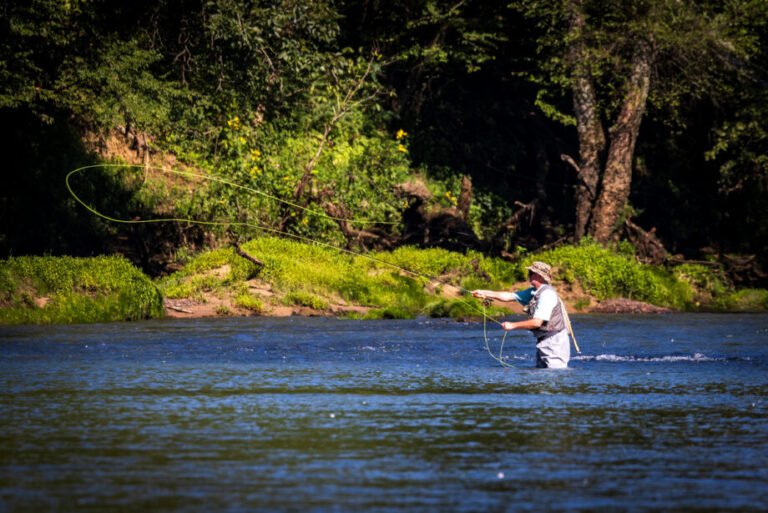
How To Fish Private Ponds: Expert Tips For Success
Private ponds can offer some of the most relaxed fishing in the United States. You may avoid boat traffic, crowded banks, and long drives. A small pond can also hold bass, bluegill, crappie, catfish, trout, or carp. Yet private water comes with one rule that matters more than any lure: you must have permission before fishing.
The best way to fish a private pond is to gain clear access, learn the pond’s structure, use simple tackle, and adjust your presentation to the target species. Start with a spinning or spincast combo, 6- to 10-pound monofilament, small hooks, and a few proven baits. Watch the water before casting. Fish near cover, depth changes, shade, and places where food enters the pond.

Quick Answer: How Do You Fish a Private Pond?
To fish a private pond, first get direct permission from the owner and check state rules for licenses, seasons, limits, and bait. Then scout the bank, identify cover and depth, and begin with simple bait or small lures. A 6- to 7-foot medium-light or medium spinning rod, 6- to 10-pound line, size 6 to 10 hooks, and live bait work well for many bass, bluegill, crappie, and catfish ponds.
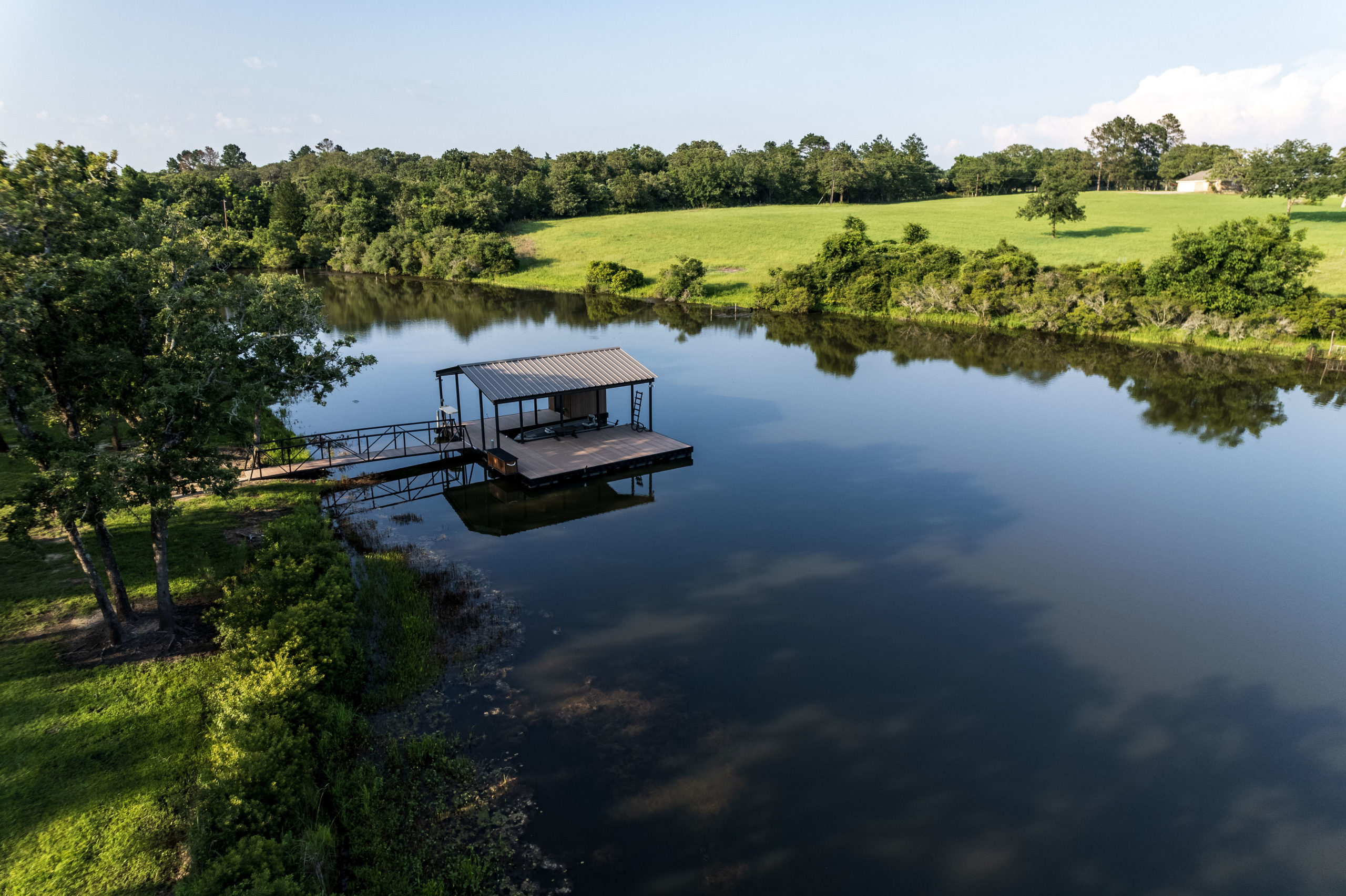
Private pond fishing is not simply a smaller version of lake fishing. Many ponds have warm, shallow water, heavy weed growth, soft mud, and a small number of fish that see repeated casts. Fish may gather near one tree, drain, spring, feeder, dock, or weed edge.
The owner may also have goals for the pond. One person may want to grow large bass. Another may want plenty of bluegill for family fishing. Ask what fish are present, what bait is allowed, and whether the owner wants you to keep fish or release every catch.
Get Permission Before You Bring a Rod
Permission is the first step in private pond fishing. Do not assume that an unfenced pond is open to the public. Land ownership, access laws, and fishing rules vary by state, county, and property type.

Ask the owner face to face when possible. Be clear about who will fish, when you will arrive, whether you will bring children or a dog, and whether you plan to keep fish. If the owner is not present, use a phone number, written note, or another direct method.
A good request is short and respectful:
“Would you allow me to fish your pond on Saturday morning? I would bring one person, carry out all trash, and release the fish unless you prefer another plan.”
Never cross a fence, enter a locked gate, or walk through a yard without permission. Do not treat an online map, a social media photo, or an old family connection as current access approval.
What to Ask the Pond Owner
The owner can provide information that a map cannot. Ask these questions before your first cast:
- What species are in the pond?
- Are bass, bluegill, crappie, catfish, trout, or carp stocked?
- Is live bait allowed?
- Are artificial lures, barbed hooks, or treble hooks restricted?
- Should all fish be released?
- May you keep panfish or catfish?
- Which bank or dock may you use?
- Is a small boat, kayak, or float tube allowed?
- Are there livestock, electric fences, deep holes, or soft banks nearby?
- Has the pond had fish kills, algae problems, or low oxygen?
A pond owner may also know where fish feed. If a feeder runs at dawn or dusk, that area can be productive. Still, keep a respectful distance and never cast near equipment unless the owner says it is safe.
💡 Pro Tip: Ask whether the pond has a drainage pipe, spring, aerator, or feeder. These features often concentrate fish, but they can also create strong currents, deep water, or hazardous equipment.
Confirm Licenses and Local Rules
Private ownership does not always remove the need for a fishing license. In many states, a license is still required on private waters. Some exceptions may apply to private ponds, stocked ponds, landowners, or children, but these rules differ.
📜 Check Local Regulations: Visit your state wildlife agency website or call its office before fishing. Confirm license rules, size limits, bag limits, closed seasons, bait rules, hook rules, and restrictions on lead tackle. The pond owner’s preference does not replace state law.
Learn the Pond Before You Cast
The fastest way to improve private pond fishing is to study the water for five to ten minutes. Look for movement, cover, insects, baitfish, bird activity, muddy water, clear water, and changes in depth. The first fish you catch is often the one you find with your eyes before you use your rod.

Walk slowly and stay several yards from the bank when possible. Your shadow, footsteps, and loose gravel can alert fish in shallow water. Wear polarized sunglasses to cut glare and see weed lines, submerged logs, drop-offs, and cruising fish.
Fish often use edges. An edge may be the line between weeds and open water, shade and sun, mud and gravel, or shallow water and a deeper pocket. These places give fish both food and cover.
Pond Features That Hold Fish
The following features deserve your first casts:
| Pond feature | Why fish use it | Good first presentation |
|---|---|---|
| Weed edge | Holds insects, minnows, and shade | Soft plastic, bobber, or live bait |
| Fallen tree or brush | Offers cover and ambush points | Jig, worm, or small minnow |
| Drain pipe or inlet | Brings oxygen and food | Small spinner, jig, or bait |
| Dam face or deep bank | Gives fish cooler, deeper water | Crankbait, worm, or bottom rig |
| Feeder or aerator | Concentrates food or oxygen | Small bait or compact lure |
Start with the highest-percentage feature that you can reach without disturbing the water. Cast beside cover rather than directly into it. Let the bait move past the fish instead of repeatedly pulling it away.
A small pond may not have a visible drop-off, but the dam often creates the deepest water. The end near a drain or spillway may also be deeper. Use a small weight to feel the bottom, or watch how long a lure takes to sink in different areas.
Watch for Fish Behavior
Bluegill may make small dimples near the surface. Bass may chase minnows, strike under floating shade, or sit beside a stump. Catfish may show little surface activity but feed along the bottom, especially near deeper water.
Do not assume that visible fish are ready to bite. A group of sunfish in shallow water may be spawning, guarding fry, or simply avoiding a lure. Make a few quiet casts, then change depth, bait, or location if nothing happens.
Choose Tackle That Matches the Pond
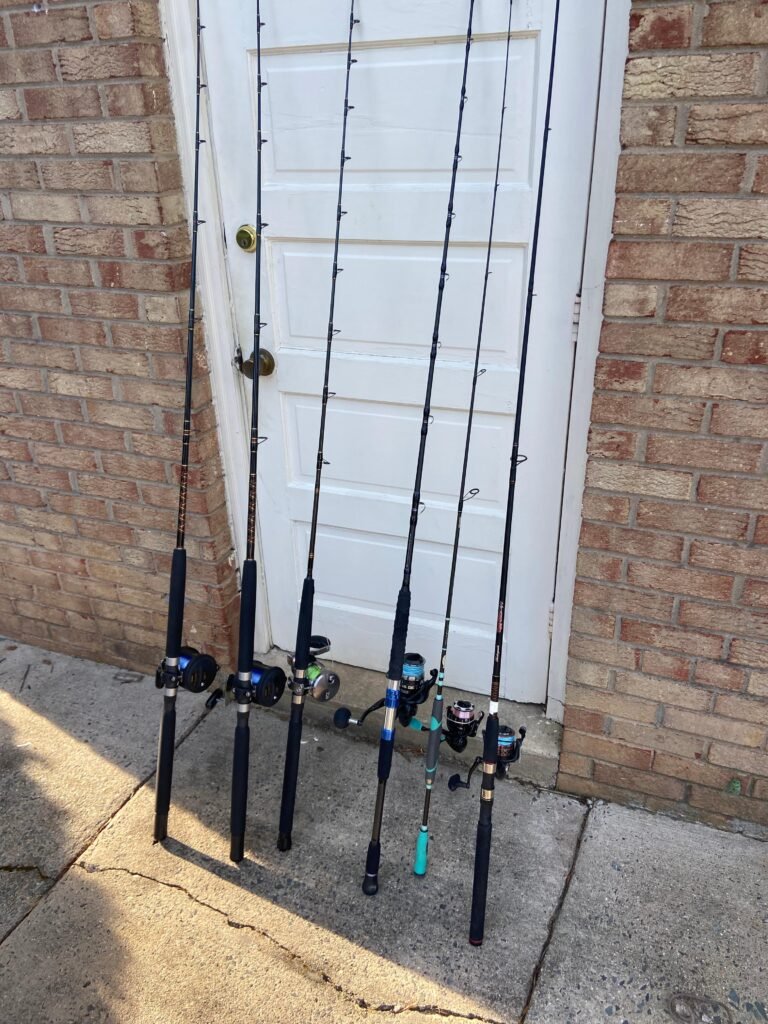
Most anglers do not need specialized gear for private ponds. A 6- to 7-foot spinning rod with medium-light or medium power is a flexible choice for beginners, experienced anglers, and families. “Power” describes how much force a rod needs to bend. “Action” describes where the rod bends, such as near the tip or deeper into the blank.
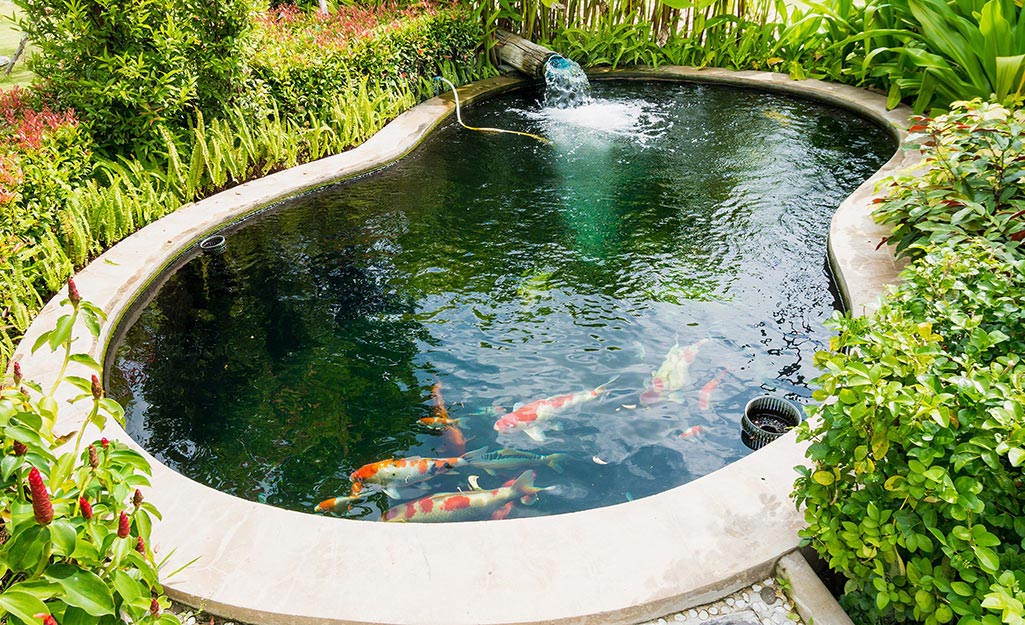
A medium-light rod works well for bluegill, crappie, small bass, and light live bait. A medium rod gives more control around weeds and wood and suits many largemouth bass ponds. A short 5- to 6-foot rod can help children cast from a small bank, while a 7-foot rod improves casting distance and line control for adults.
A spinning reel is easy to learn and handles light line well. A spincast combo is even simpler for young children because the push-button design reduces line tangles. A baitcaster can provide accurate casts and strong control, but it takes practice and can create backlash, which is a nest of tangled line caused by a spool spinning faster than the lure.
| Angler and target | Rod and reel choice | Line and terminal tackle |
|---|---|---|
| Child fishing for panfish | 5- to 6-foot light spincast combo | 4- to 6-pound mono, size 8 to 12 hook |
| Beginner targeting mixed species | 6- to 7-foot medium-light spinning combo | 6- to 10-pound mono, size 6 to 10 hook |
| Bass around weeds and wood | 6- to 7-foot medium spinning or baitcaster | 10- to 15-pound mono or braid with leader |
| Catfish from the bank | 7- to 8-foot medium or medium-heavy rod | 15- to 25-pound line, sinker, swivel, and hook |
| Trout in a stocked pond | 6- to 7-foot light or medium-light spinning rod | 4- to 6-pound mono, small spoon or bait rig |
For beginners, a spinning reel is the best all-around choice. For kids, a spincast combo may be worth the small tradeoff in casting distance. Experienced bass anglers may prefer a baitcaster when they need accurate casts near cover.
Line, Leaders, and Terminal Tackle
Monofilament is a good starting line for private ponds. It is affordable, easy to tie, and slightly stretchy. That stretch can help beginners avoid pulling small hooks from a fish’s mouth.
Braided line is thin and strong, but it can cut skin, dig into a reel spool, and show clearly in clear water. Use a fluorocarbon leader when fish are line-shy or when fishing around abrasion. A leader is a short section of line tied between the main line and hook or lure.
Terminal tackle means the items attached to the end of your line. A basic kit includes hooks, sinkers, bobbers, swivels, split shots, and small lures. Choose small components for bluegill and crappie, and stronger hooks and line for bass or catfish.
A Simple Gear List
Bring only what you can carry safely and keep organized:
- 6- to 7-foot spinning or spincast combo
- Spare spool of 6- to 10-pound monofilament
- Size 6, 8, and 10 hooks
- Small bobbers and split-shot sinkers
- Live bait container or artificial lures
- Soft plastics, jigs, and small spinnerbaits
- Needle-nose pliers or hook removers
- Landing net
- Tackle box
- Polarized sunglasses
- Water, sunscreen, and insect repellent
- Trash bag for line and bait containers
A landing net helps protect fish with fragile mouths and reduces the chance of dropping a fish on rocks. Pliers also protect your fingers when removing hooks, especially from bass with treble-hook lures.
Use Bait and Lures That Fit the Species
The best bait for a private pond depends on the fish, the owner’s rules, and the season. Live worms catch many panfish and can also attract bass, catfish, and carp. Small artificial lures allow quick searching and create less mess.

Start with one simple presentation. If you use too many lures at once, you may not learn what the fish want. Change one factor at a time: depth, speed, location, color, or bait type.
Live Bait for Beginners and Kids
Live bait is often the easiest way to introduce a child to fishing. A worm beneath a bobber gives a clear visual signal when a fish pulls the float under. It also lets the angler focus on casting, holding the rod, and handling fish.
Use a small piece of worm for bluegill and redear sunfish. Use a larger worm, minnow, or legal cut bait for catfish. Live minnows may work for crappie, bass, or walleye, but some states or pond owners restrict their use.
Hook bait through enough material to keep it secure. Avoid covering the hook point. For a bobber rig, place the bobber 1 to 4 feet above the hook in shallow water. Increase the depth when fish are not near the surface.
Artificial Lures for Bass
For bass fishing in a private pond, carry a small selection instead of a full store shelf:
- 4- to 6-inch soft plastic worms
- Small weedless jigs
- Compact spinnerbaits
- Small crankbaits
- Topwater lures for low-light periods
- Weedless soft plastic swimbaits
A Texas-rigged soft plastic worm works around weeds and brush. A Texas rig places the hook point partly inside the soft bait, which helps reduce snags. A small spinnerbait can search open water and create flash and vibration.
Use topwater lures early, late, or on cloudy days when fish show surface activity. Do not keep using topwater gear simply because it looks exciting. If the pond is calm and fish ignore it, switch to a slower lure below the surface.
Bait for Catfish and Carp
Catfish often respond to worms, chicken liver, prepared bait, shrimp, or legal cut bait. Use a sliding sinker rig so the fish can move with the bait without feeling a heavy weight at once. A circle hook can improve hook placement when regulations allow it and when you let the fish load the rod instead of setting hard.
Carp may feed on corn, bread, dough baits, or small hair rigs, but local rules vary. Some waters prohibit bread, corn, or chumming. Carp are strong fish, so use a smooth drag and leave room for a long run.
| Target fish | Productive options | Where to try first |
|---|---|---|
| Bluegill and sunfish | Worm, cricket, small jig, tiny spinner | Weed edge, shade, shallow cover |
| Largemouth bass | Soft plastic worm, jig, spinnerbait, crankbait | Wood, weeds, drop-offs, shade |
| Crappie | Small minnow, tube jig, small marabou jig | Brush, dock posts, deeper edges |
| Channel catfish | Worm, prepared bait, shrimp, legal cut bait | Deep basin, dam, drain, muddy bottom |
| Trout | Small spoon, inline spinner, worm, dough bait | Cool inlet, shaded bank, deeper open water |
| Carp | Corn or legal dough bait, small boilie | Muddy flats, reeds, shallow feeding zones |
The right presentation still depends on water temperature, clarity, fishing pressure, and fish size. Treat this table as a starting point, not a promise.
🌿 Conservation Note: Use only the amount of bait you need. Do not dump unused minnows, worms, or aquarium species into a pond. Non-native fish and plants can harm the pond’s balance.
Rig the Most Useful Private Pond Setups
Simple rigs catch fish because they present bait at a natural depth. Tie clean knots, check every connection, and replace damaged line before fishing near cover.
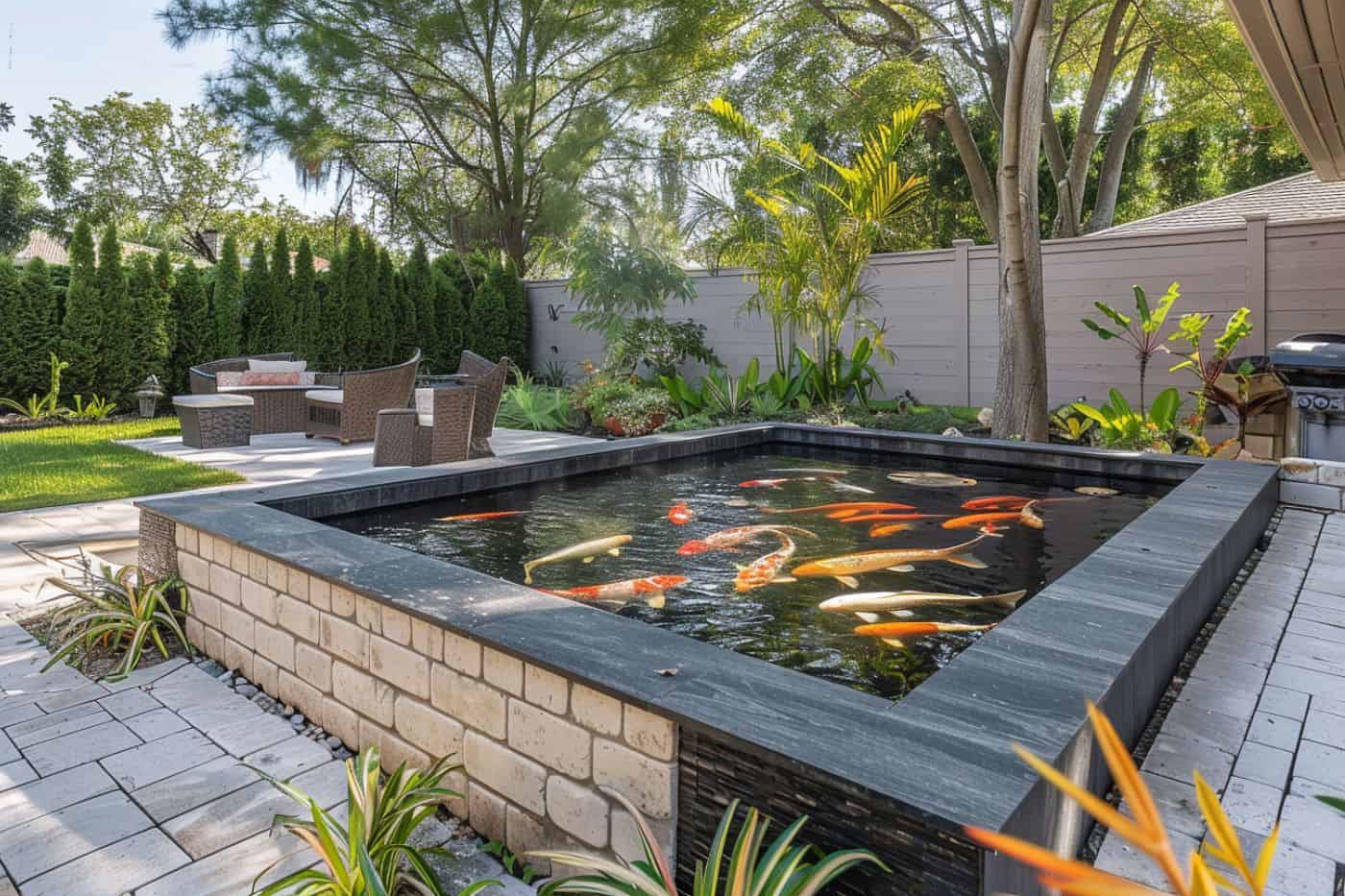
Bobber Rig for Panfish
A bobber rig is one of the best setups for beginners and kids. Tie a size 8 to 12 hook to the line. Add one or two small split-shot weights 6 to 12 inches above the hook. Place the bobber 1 to 4 feet above the hook.
Cast beside weeds, shade, or a dock. Let the bait sit, then twitch it gently. When the bobber moves, wait until it goes under or moves away before lifting the rod with steady pressure.
Bottom Rig for catfish
For catfish, slide an egg sinker onto the main line. Tie the line to a small barrel swivel. Then tie 12 to 24 inches of leader to the other side of the swivel and attach a strong hook.
Cast toward deeper water or a pond edge. Keep the rod in a holder or rest it safely on the bank. Set the drag so the fish can take line without breaking the line or pulling the rod into the water.
Texas-Rigged Worm for Bass
Thread a 4- to 6-inch soft plastic worm onto a worm hook. Push the hook point through the nose of the worm, slide the bait over the hook eye, and bury the point lightly in the plastic.
Cast near cover and let the worm sink. Watch the line for a jump or sideways movement. When you feel steady weight, lower the rod, reel down, and lift with firm pressure. Avoid violent hook sets that can tear the bait or pull the hook free.
Small Lure Search Rig
Tie a small spinner, crankbait, or jig directly to the line or use a short fluorocarbon leader. Cast along the edge of weeds or across a likely depth. Retrieve at a steady speed first.
If you get no response, slow down. Let the lure pause near cover. Then try a faster retrieve or a different depth. This simple search method helps you learn where active fish are holding.
Fish the Pond in a Smart Order
A good pond plan moves from high-probability water to less obvious areas. Do not spend an hour casting to one empty spot because it looks attractive.
Step-by-Step Pond Fishing Plan
- Confirm permission and rules. Know the owner’s expectations and the current state regulations.
- Check the weather. Avoid exposed banks during lightning, high wind, or extreme heat.
- Observe the pond. Look for insects, baitfish, surface activity, shade, weeds, and depth changes.
- Begin with a quiet approach. Walk softly and keep your shadow away from shallow water.
- Choose one simple rig. Use a bobber and worm for panfish or a soft plastic worm for bass.
- Make short casts first. Fish the water closest to you before casting across the pond.
- Cover three depths. Try near the surface, halfway down, and near the bottom.
- Change one variable. Alter location, bait, speed, or depth instead of changing everything.
- Move after a fair test. Give a spot several casts, then walk to the next feature.
- Handle fish carefully. Wet your hands, support the fish, and release it quickly when required.
- Clean the area. Take line, hooks, bait containers, and food wrappers with you.
- Report problems. Tell the owner about broken equipment, dead fish, damaged banks, or litter.
Fish the near bank first because fish often patrol shallow edges. Many anglers cast too far and pull their bait over fish they could have reached with a short pitch.
Adjust to Weather and Time
Low light often makes fish less cautious. Early morning and evening can be useful for bass and panfish. On bright days, look for shade, deeper water, or the side of the pond away from direct sun.
Wind can push insects and plankton toward one bank. That bank may attract baitfish and larger fish. Strong wind can make casting difficult, though, so choose a sheltered position and keep hooks controlled.
After heavy rain, water near an inlet may be muddy but rich in food. Fish may gather there, yet fast water and slippery banks can create hazards. Approach with care and keep away from drainage pipes.
Fish the Seasons
Private ponds change through the year. Fish may move shallow in spring, seek shade in summer, spread through the water in fall, and slow down during cold periods.
| Season | Common fish location | Useful approach |
|---|---|---|
| Spring | Shallow flats, warming banks, new weeds | Worms, small jigs, slow soft plastics |
| Summer | Shade, deep water, vegetation, aerators | Early topwater, shaded cover, deeper bait |
| Fall | Baitfish areas, points, open-water edges | Spinnerbaits, crankbaits, moving jigs |
| Winter | Deep basin, sunny slower-warming areas | Small bait, slow jig, light line |
Water temperature matters more than the calendar. A cold front can move fish deeper even during warm months. Watch conditions and change depth before changing lure color.
Handle Fish and Tackle Safely
Private ponds can look calm while hiding steep banks, deep holes, soft mud, broken glass, submerged wire, or aggressive animals. Wear shoes with firm traction, carry pliers, and keep children within arm’s reach near the water.

If you use a kayak, canoe, or small boat, wear a U.S. Coast Guard–approved personal flotation device. A life jacket should be worn, not stored under a seat. Tell someone where you will fish and when you plan to return.
Do not wade an unfamiliar pond. The bottom may drop suddenly, and soft mud can trap a leg. Avoid fishing near electric fences, aerators, drain pipes, and livestock unless the owner clearly identifies a safe route.
⚠️ Safety Warning: Stop fishing when lightning is nearby. Take shelter during storms, extreme heat, or high winds. Keep hooks covered while walking, and use a first-aid kit for punctures, cuts, and insect bites.
Fish Handling and Release
Wet your hands before touching a fish. Dry hands remove the protective slime that helps guard fish against infection. Hold bass horizontally with support under the belly, and never hold a large bass by the lower jaw alone for a long period.
Keep fish out of water for less than 30 seconds when possible. Remove hooks with pliers. If a hook is deeply lodged, cut the line close to the hook rather than causing more damage.
Place a fish back into the water gently. Do not toss it from a height. If the fish seems weak, hold it upright in the water until it swims away.
When Keeping Fish Is Allowed
Some pond owners want anglers to keep certain bass, bluegill, or catfish to manage the population. Others require complete catch and release. Follow the owner’s plan, but also follow state rules for size and bag limits.
If you keep fish, use a legal stringer or cooler with enough ice. Do not leave fish in warm, shallow water for hours. Clean fish away from wells, docks, and areas where scraps could attract pests.
Understand Private Pond Management
Fishing pressure can change a small pond quickly. A pond with many small bass may need harvest of certain fish. Another pond may need more bass harvest to prevent overpopulation of bluegill. These decisions belong to the owner or a fisheries professional.

Do not stock fish, add fertilizer, dump bait, or feed fish without permission and proper advice. A well-meant action can spread disease, create oxygen problems, or introduce an invasive species.
Ask the owner whether the pond has a management plan. If the pond has repeated fish kills, cloudy water, dense algae, or poor growth, suggest contacting the state wildlife agency or a fisheries biologist.
| Pond issue | Possible sign | Responsible angler response |
|---|---|---|
| Too much fishing pressure | Fish become cautious near common spots | Use lighter line, quieter casts, and varied locations |
| Low oxygen | Fish gasp at the surface or die suddenly | Leave the water and alert the owner |
| Bank erosion | Muddy water and collapsing edges | Avoid damaged banks and report the problem |
| Invasive species | Unknown plants or fish appear | Do not move them; contact the owner or agency |
| Lost line and hooks | Birds or wildlife become tangled | Remove safe litter and report dangerous debris |
Do not fish during a fish kill. Low oxygen can stress surviving fish, and dead fish may signal a water-quality problem. Keep pets and children away until the owner understands the cause.
Common Private Pond Fishing Mistakes
Most poor results come from access problems, noise, wrong depth, or a presentation that does not match the fish. The fix is often simple.
| Mistake | Why it hurts | Better choice |
|---|---|---|
| Fishing without clear permission | Creates conflict and may be trespassing | Ask the owner directly |
| Casting only to the middle | Fish often hold near edges and cover | Start near the bank and structure |
| Using line that is too heavy | Makes small bait less natural | Match line to species and cover |
| Making too much noise | Alerts shallow fish | Walk softly and limit casts |
| Changing lures too fast | Prevents useful learning | Change one variable at a time |
| Leaving hooks or line behind | Injures wildlife and harms trust | Carry a trash bag and remove line |
| Ignoring owner rules | Damages the pond’s management plan | Ask what to keep and release |
| Handling fish with dry hands | Removes protective slime | Wet hands and limit air exposure |
A common beginner mistake is using a large hook and heavy sinker for every fish. Panfish often need small hooks and light rigs. Catfish and heavy cover require stronger tackle. Matching the setup makes fishing easier and reduces damage.
Another mistake is fishing the same depth all day. If a bobber rig gets no action, change the bobber depth. If a bass worm produces no contact, try a deeper bank, weed edge, or slower fall.
Make the Trip Affordable
Private pond fishing can cost very little. A basic spinning or spincast combo may be enough for a first trip. Current pricing varies by brand and store, but anglers can often build a useful setup without buying a high-end reel, fish finder, or large tackle collection.

Spend money first on reliable line, sharp hooks, polarized sunglasses, and a safe landing net. A smooth drag matters more than a high bearing count. “Drag” is the reel system that lets line leave the spool under pressure. A smooth drag protects light line and helps control fish.
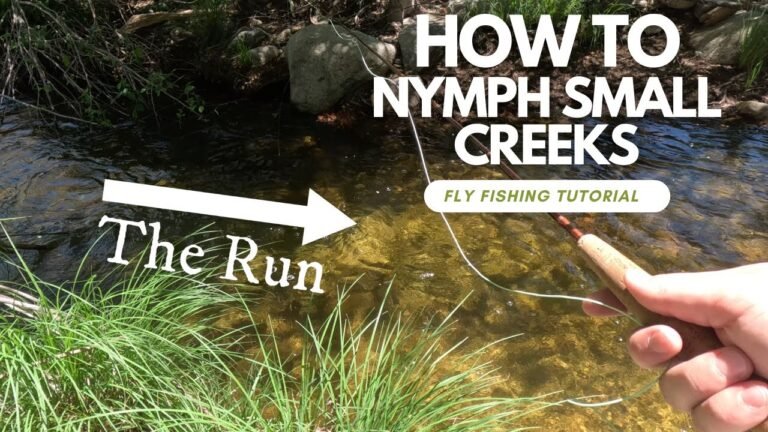
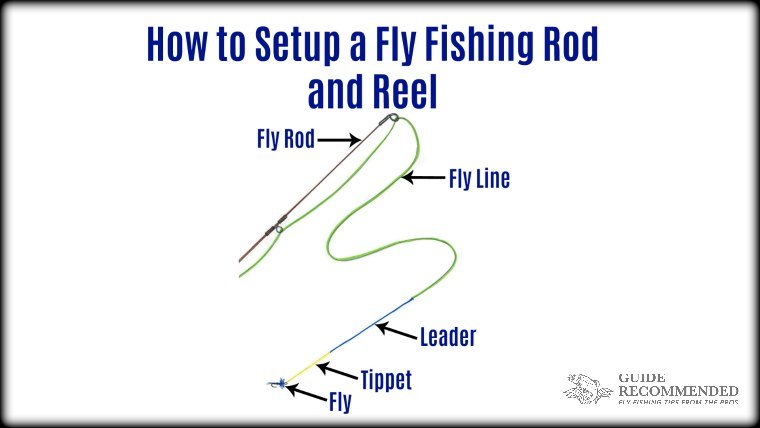
You usually do not need a fish finder for bank fishing. A telescopic rod can save space for travel, but some models have weak guides or joints that need careful inspection. Fly rods can work for ponds with insects and open banks, but they require more casting skill than a spinning combo.
| Budget level | Useful purchases | Best suited to |
|---|---|---|
| Basic | Spincast or spinning combo, mono, hooks, bobber, worms | Kids, beginners, casual family trips |
| Mid-range | Medium spinning rod, extra spool, net, pliers, soft plastics | Regular pond anglers and bass beginners |
| Higher | Quality reel, braid and leaders, baitcaster, multiple rod powers | Experienced anglers who fish cover or several species |
Do not buy a baitcaster because it looks advanced. Choose it when you want accurate lure placement and are willing to practice. For most first-time pond anglers, a spinning reel offers easier learning and fewer tangles.
Keep Gear Clean and Ready
Freshwater pond fishing still exposes gear to mud, algae, grit, sunscreen, and moisture. Wipe rods and reels after each trip. Remove dirt from the reel seat and guides before it dries.

Loosen the drag before storing a spinning reel. Do not store wet tackle in a closed box. Dry hooks, lures, pliers, and landing nets before placing them away.
Saltwater gear-care rules matter if you fish private coastal ponds or brackish water. Rinse saltwater-rated reels and tackle with fresh water, dry them fully, and follow the manufacturer’s cleaning instructions. Freshwater-only reels may corrode faster in salt water.
Simple Maintenance Checklist
- Check rod guides for cracks or sharp edges.
- Inspect line for nicks after fishing near wood or rocks.
- Replace rusty or dull hooks.
- Wash dirt from reel handles and seats.
- Dry live-bait containers before storage.
- Remove weeds from landing nets.
- Store soft plastics away from incompatible materials.
- Keep batteries dry and protected.
- Replace damaged bobbers and cracked floats.
- Carry spare line and hooks on every trip.
Signs it is time to replace line include visible frays, flat spots, memory coils, discoloration, and repeated breakage. Fresh monofilament is inexpensive insurance, especially when fishing around brush or heavy weeds.
Know When to Ask a Local Tackle Shop or Pro
A local tackle shop can help you match rod power, line test, hooks, and bait to nearby private ponds. Bring the species information, pond depth, water clarity, and cover details you know. A shop cannot guarantee a catch, but it can often prevent a poor gear match.

Ask a fisheries biologist or pond manager when you see repeated fish kills, algae blooms, stunted fish, severe erosion, or signs of an invasive species. Ask a boating safety instructor before using a kayak or boat on unfamiliar water.
Professional guidance is especially useful for children, older anglers, people with mobility limits, and anyone fishing from steep or slippery banks. A safe, simple trip is better than an ambitious trip that creates risk.
FAQs About Private Pond Fishing
Do I need permission to fish a private pond?
Yes. Get clear permission from the property owner or authorized manager before entering or fishing. Permission should cover the date, people attending, access route, and whether you may keep fish.
Do I need a fishing license for a private pond?
Maybe. State laws differ. Some states require a license on private water, while others provide limited exemptions for certain private ponds or landowners. Check your state wildlife agency before fishing.
What is the best bait for private pond fishing?
A worm under a bobber is a strong starting point for bluegill, sunfish, and some bass. Catfish may prefer worms, prepared bait, shrimp, or legal cut bait. Use only bait allowed by local rules and the pond owner.
What rod should a beginner use for a private pond?
A 6- to 7-foot medium-light spinning rod is a flexible choice for mixed species. Choose a 5- to 6-foot light spincast combo for a young child who needs simple casting and close-range control.
What line strength works for pond fishing?
Use 4- to 6-pound monofilament for small panfish and trout, 6- to 10-pound line for mixed species, and 10- to 15-pound line for bass near cover. Catfish around heavy structure may require 15- to 25-pound line.
Is a baitcaster better than a spinning reel for pond fishing?
The main difference is ease of use. A spinning reel is easier for beginners and light lures. A baitcaster gives skilled anglers strong casting control near cover but takes practice to avoid backlash.
Should I fish the middle of the pond?
Not always. Start with nearby cover, weed edges, shade, drains, structure, and depth changes. Fish often use edges because they offer food, shelter, and an ambush point.
Can I use a kayak on a private pond?
Only with the owner’s permission and after checking local rules. Wear a U.S. Coast Guard–approved PFD, inspect the kayak’s weight capacity, carry a whistle or other signaling device, and tell someone your plan.
How do I release a bass safely?
Wet your hands, support the fish, keep it out of water for as little time as possible, and remove the hook with pliers. Support a large bass horizontally rather than holding it by the jaw for a long time.
What should I do with unused live bait?
Follow local rules and the owner’s instructions. Do not release minnows, fish, plants, or aquarium species into the pond. Pack unused bait out unless the owner specifically permits another method.
How often should I change fishing spots?
Give a promising location several careful casts at different depths. If you see no activity and get no bites, move to another edge, cover type, or depth. Avoid pounding one spot with repeated noisy casts.
Conclusion: Fish Private Ponds With Permission and Purpose
Private pond fishing becomes easier when you treat the pond as a living system, not an empty bowl of water. Ask permission, learn the owner’s goals, check the law, and study the bank before you cast. Simple tackle often works best: a spinning or spincast combo, suitable line, small hooks, live bait, and a few reliable lures.
Fish cover, edges, shade, drains, and changes in depth. Change one factor at a time when the fish do not respond. Handle every fish with wet hands, carry out all waste, and leave the pond cleaner than you found it.
The best private pond angler is not the one with the largest tackle box. It is the angler who respects access, protects the water, and adapts to what the pond shows that day.