How To Fish Big Rivers: Expert River Fishing Tips
Big rivers look simple from shore, but they are complex places to fish. The water may be deep in one spot, fast in another, and nearly still behind a fallen tree. Current can move food, baitfish, and game fish through the river like a conveyor belt. Your job is to find where that moving water slows, changes depth, or meets cover.
Learning how to fish big rivers starts with reading the water. You need the right rod, line, sinkers, lures, and safety gear for the species and river you fish. Bass, catfish, walleye, trout, redfish, and panfish may all use different parts of the same river. Good river anglers adjust instead of fishing one spot or one bait all day.
This guide covers shore fishing, boat fishing, kayak fishing, and wading. It also explains how to choose tackle, find fish, manage current, fish each season, and release fish with care. Whether you are buying your first setup, upgrading from a small-stream outfit, or choosing a gift for a young angler, the goal is the same: make each cast with a clear reason.

The quickest way to start fishing a big river
The best way to fish a big river is to identify current seams, depth changes, outside bends, points, eddies, and structure. Start with a medium or medium-heavy rod, a spinning reel, 10- to 20-pound braided line, and a fluorocarbon leader. Use a sinker, jig, soft plastic, crankbait, or live bait that reaches the fish without dragging along the bottom.

Big rivers reward planning more than random casting. Before you fish, check the flow, water temperature, weather, access rules, boat traffic, and local fishing regulations. Then choose a safe position that lets you place bait near a current change.
A simple river plan for your first trip
Use this basic plan:
- Study a river map or satellite image.
- Find a bend, point, creek mouth, riprap bank, or deep hole.
- Watch the water for seams and floating debris.
- Start with a search lure or simple bait rig.
- Change depth before changing spots.
- Move after 20 to 30 minutes without a bite or clear sign of fish.
- Record the depth, current, weather, bait, and fish you find.

This plan suits beginners because it limits guesswork. It also suits experienced anglers who want a repeatable way to test new water. Gift buyers can build a useful starter kit around this approach instead of buying a large tackle box filled with random lures.
How big rivers differ from small rivers
Big rivers have more water, stronger current, greater depth, and more types of habitat than small streams. Fish do not need to fight the strongest flow all day. They often hold near places where fast water meets slow water, where food collects, or where cover gives them shade and protection.

A large river may also rise or fall several feet after rain or dam releases. That change can move fish from a shallow bank to a deep edge. It can also make a safe wading area dangerous within minutes.
Current seams and slack water
a current seam is the visible line where two speeds of water meet. Foam, leaves, and small sticks often trace the seam. Fish can sit on the slower side and move into the faster water to feed.
Eddies are circular areas where water flows back against the main current. They can form behind rocks, bridge pilings, wing dams, islands, and points. Cast into the fast water and bring your bait into the eddy when possible.

Depth changes and river channels
A deep channel is a natural highway for many river fish. In summer, deep water can offer cooler conditions. In winter, it may hold stable temperatures. During high water, fish may move into flooded cover or shallow side areas to escape strong current.
Look for sharp depth changes near:
- Outside bends
- Sandbar edges
- Dredged channels
- Creek mouths
- Bridge crossings
- Dam tailwaters
- Rock piles
- Steep clay banks

Structure and cover
Structure means a change in the bottom or river shape, such as a ledge, point, drop-off, or channel. Cover means an object fish can use, such as wood, grass, rocks, docks, or bridge supports.
A fallen tree on a flat bank may look ordinary. A fallen tree that reaches from a shallow flat into a deep channel can be a prime location. Fish often use the deep end as a retreat and the shallow end as a feeding area.

Choose tackle based on species and current
The right big-river fishing setup depends on target species, water depth, current speed, lure weight, and access. A medium spinning setup is the most useful starting point for many anglers. Heavy catfish, large stripers, sturgeon, or strong saltwater species may need a medium-heavy or heavy rod and stronger line.

Rod power describes how much force a rod takes to bend. Light and medium-light rods suit panfish, trout, and small lures. Medium rods handle bass, walleye, and general river fishing. Medium-heavy and heavy rods help cast larger sinkers, fight large catfish, or control fish near wood and rocks.
Rod action describes where the rod bends. A fast-action rod bends near the tip and gives quick hook control. A moderate-action rod bends farther down the blank and can help keep treble-hook lures attached.
Rod, reel, and line choices
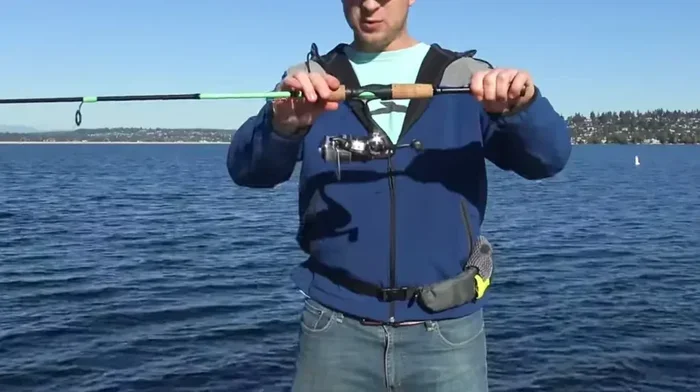
A 7-foot medium spinning rod with a fast or moderate-fast action is a strong all-around choice. Pair it with a 2500- to 4000-size spinning reel, depending on lure weight and target fish. Look for a smooth drag, a solid bail, and enough spool capacity for long casts.
For heavier bait rigs, use a 7- to 8-foot medium-heavy rod and a 4000- to 6000-size spinning reel. Baitcasters can offer excellent control with jigs and crankbaits, but they require more skill. A spincast combo is easy for children and beginners, though it may have less drag strength and line capacity.

| Fishing goal | Useful starting setup | Best suited angler |
|---|---|---|
| Bass, walleye, and general river fishing | 7-foot medium spinning rod, 2500–4000 reel, 10–15 lb braid | Beginners and experienced anglers |
| Catfish with moderate current | 7–8-foot medium-heavy rod, 4000–6000 reel, 20–30 lb braid | Bank anglers and boat anglers |
| Panfish and small trout | 6–7-foot light or medium-light spinning rod, 1000–2500 reel, 4–8 lb line | Kids, light-tackle fans, and small-water anglers |
| Large catfish or heavy current | 7–8-foot heavy rod, strong reel, 30–65 lb braid | Experienced anglers |
| Long casts from shore | 8–10-foot medium or medium-heavy rod, 3000–6000 reel | Shore and pier anglers |
The table gives ranges, not strict rules. Rod makers use different power ratings, so check the lure and line ratings printed on the rod blank. A shorter rod is easier for children and tight banks. A longer rod improves casting distance and line control from open shore.

Braided line, monofilament, and fluorocarbon
Braided line has little stretch and a thin diameter. It helps you feel light bites and keeps more line on the spool. A 10- to 20-pound braid works for many bass, walleye, and general river setups.
Monofilament is affordable and easy to use. It has more stretch, which can help beginners avoid pulling hooks free. It also floats better than fluorocarbon, so it can suit bobbers and some topwater lures.
Fluorocarbon is dense and often used as a leader. A leader is the short section between the main line and hook or lure. Use 8- to 12-pound fluorocarbon for clear-water bass and walleye, 15- to 30-pound for heavier fish, and stronger leader material when rocks, wood, or sharp teeth are a concern.

Reel drag and gear ratio
Drag is the reel system that lets a fish pull line under pressure. A smooth drag matters more than a high maximum number. Set the drag so the line gives before the knot, hook, or rod reaches its limit.
A gear ratio tells you how many times the spool or rotor turns with one handle turn. A higher ratio retrieves line quickly. A lower ratio gives more winding power for heavy resistance. For general river fishing, a spinning reel in the mid-range of common gear ratios is usually versatile.
Read the river before you cast
The main skill in big-river fishing is learning to see depth, speed, and cover. Start with your eyes, not your tackle box. Watch for water color changes, surface breaks, foam lines, baitfish, birds, and areas where floating debris gathers.

Current pushes food toward edges and obstructions. Fish often face into the current so they can hold position while watching food move toward them. Cast upstream or across the flow, then let your bait enter the fish’s feeding lane.
High-value places to check
The following spots deserve attention:
- The slow side of a current seam
- The downstream side of a bridge piling
- The edge of a sandbar
- The mouth of a feeder creek
- The outside bend of a river
- The head and tail of an island
- The edge of flooded grass
- A deep hole near shallow feeding water
- Riprap below a dam
- A break in a weed line
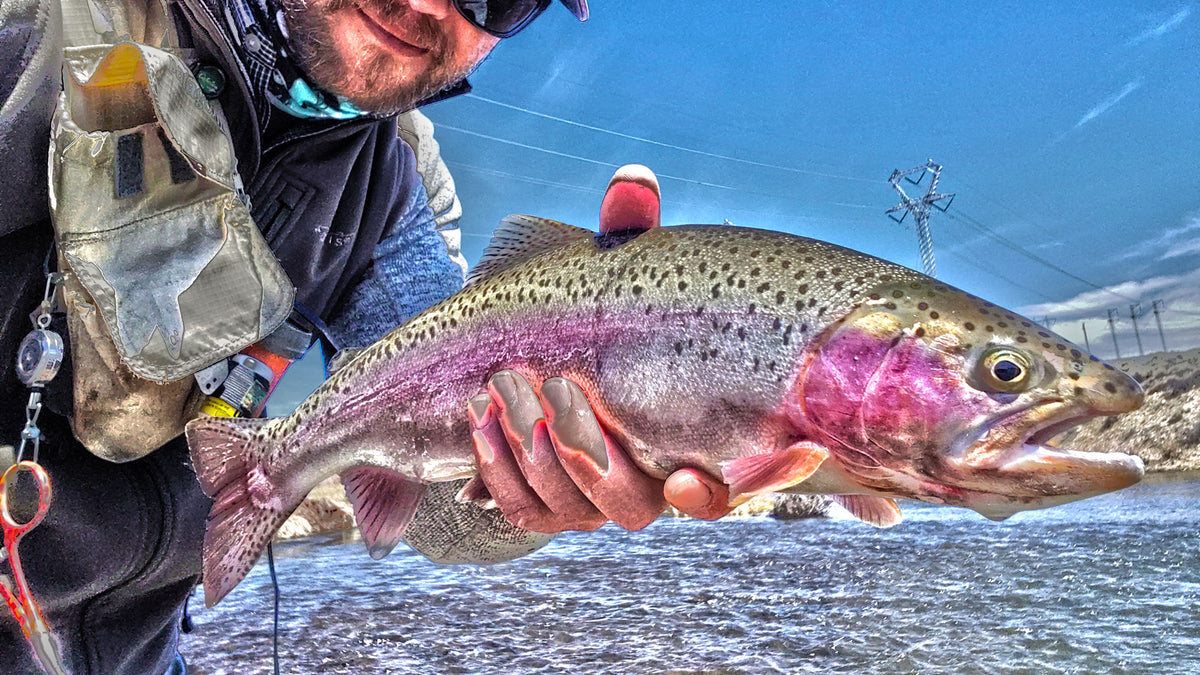
Do not fish only the most obvious cover. A large fish may hold several yards away from a tree if the current is stronger beside it. Use your lure to test the water around the cover, not just the cover itself.
Use maps and electronics
A paper map, phone map, or navigation app can show bends, islands, creek mouths, and access points. A fish finder can show depth, bottom hardness, and suspended fish. It cannot replace judgment, and fish symbols are not always reliable.
For kayak fishing, a compact fish finder can help you locate channels and ledges. It also adds weight, wiring, and battery needs. Beginners who fish from shore may get more value from a map, polarized sunglasses, and a depth-aware lure selection.

| River feature | Why fish may use it | Productive approach |
|---|---|---|
| Current seam | Food moves along the speed change | Cast across it and drift a jig or bait |
| Outside bend | Often has deeper water and a hard bank | Fish the drop with a jig or bottom rig |
| Creek mouth | Adds oxygen, food, and temperature change | Work the mixing water with soft plastics |
| Bridge piling | Breaks current and creates shade | Cast upstream and let the lure sweep past |
| Sandbar edge | Creates a shallow-to-deep transition | Fish the drop with crankbaits or live bait |
| Dam tailwater | Concentrates current and forage | Use heavy enough tackle to reach safe holding water |
Start at the most likely feature, then test several depths. The fish may sit on top of the ledge, at its base, or several feet away from it.

Match the rig to the river bottom
A rig is the way you connect the line, leader, hook, sinker, swivel, bobber, or lure. Choose a rig that keeps your bait near fish without constantly snagging. Current speed and bottom type matter as much as species.
Carolina-style rig for searching
A Carolina-style rig uses a sliding weight, bead, swivel, leader, and hook. It works well for bass on broad flats, gravel edges, and gradual drops. Use a soft plastic bait such as a worm, creature bait, or small swimbait.
The sliding weight taps the bottom while the bait trails behind. Use a shorter leader in stronger current and a longer leader in calm water. If the rig drags too fast, increase the weight slightly or cast upstream.
Three-way rig for bottom fishing
A three-way rig can keep bait above rough bottom. It uses a three-way swivel, a dropper line for the sinker, and a leader for the hook. Catfish anglers often use this style in current.
The sinker should reach bottom without locking the whole rig in place. In rocky rivers, use a lighter dropper line for the sinker. If it breaks, you may save the hook and leader.
Slip-sinker rig for catfish
A slip-sinker rig lets a fish move with the bait while the line passes through a sliding weight. Add a bead to protect the knot, then tie on a swivel and leader. Use circle hooks where required and where they suit your release plan.
Choose a hook size based on bait and fish size, not just the species name. A hook that is too large may reduce hookups. A hook that is too small may bend or lodge deeply.
Bobber rig for suspended fish
A bobber rig works when fish feed above the bottom. Set the bait at a known depth and adjust it until you find the fish. A slip bobber is useful in deep water because it casts with the float near the hook and then slides up the line.
This rig suits trout, panfish, walleye, and some bass situations. It is also one of the easiest methods for kids. The float gives a clear signal, but the angler still needs to watch for line movement and set the hook with the right motion.
| River condition | Rig or lure choice | Adjustment |
|---|---|---|
| Fast current and deep bottom | Three-way rig or heavy jig | Use enough weight to reach bottom |
| Slow current over a flat | Carolina-style rig | Use a lighter weight and longer leader |
| Fish suspended above bottom | Slip bobber and live bait | Change the depth in small steps |
| Rocky bottom with snags | Jig or lighter sinker dropper | Use a stout leader and avoid dragging |
| Active bass near cover | Texas-rigged soft plastic | Match weight to depth and wind |
No rig works in every river. If you lose tackle every cast, change the angle, lift the rig higher, or move to a cleaner bottom. Tackle loss is often a presentation problem, not a sign that the river is impossible.
Select baits and lures that reach fish
Big-river fish may respond to live bait, artificial lures, or both. Live bait can be effective when fish are spread out or feeding naturally. Artificial lures let you cover more water and learn where fish hold.
Live bait
Common river baits include nightcrawlers, minnows, cut bait, shrimp, crawfish, and prepared catfish bait. Keep bait cool, lively, and legal. Some waters restrict the use or movement of live bait to prevent the spread of invasive species.
Use a hook that matches the bait. Thread a nightcrawler lightly for walleye or trout. Hook a minnow through the lips or behind the dorsal fin, depending on the rig and current. Use cut bait for catfish where local rules allow it.
Jigs and soft plastics
Jigs are useful because they combine weight and hook in one compact lure. A 1/8- to 1/4-ounce jig may suit shallow current and light line. A 3/8- to 1-ounce jig may be needed for deeper water or stronger flow.
Soft plastics include worms, paddletails, creature baits, and tubes. Match the color to water clarity, but focus first on depth and speed. A natural green pumpkin or brown may suit clear water. Darker colors can create a stronger outline in stained water.
Crankbaits and moving lures
Crankbaits can search rocks, flats, and channel edges. Choose a model that runs near the depth of the fish. A shallow-running crankbait is useful over a flat. A deep diver may reach a ledge but can snag if it digs into the bottom.
Spinnerbaits, swimbaits, jerkbaits, and spoons can also cover water. Use moving lures when fish are active or when you need to locate them. Slow down when the water is cold, muddy, or rising fast.
Fly fishing big rivers
Fly rods work well on large rivers, but the setup must match the species and wind. A 5- or 6-weight fly rod can suit trout and smaller bass. A 7- to 9-weight outfit may be better for larger bass, carp, pike, or redfish.
Use a sinking tip or weighted fly when fish hold deep. Large rivers can make line control hard, especially from a boat. Beginners may find a spinning rod easier for covering deep current, while experienced fly anglers can gain precise control in shallow seams.
Fish from shore, boat, kayak, or while wading
Access changes your casting angles, safety needs, and choice of tackle. Shore anglers can carry more gear but may have limited access to the main channel. Boat anglers can reach structure but must manage navigation, anchors, wakes, and changing current.
Shore and pier fishing
Shore anglers should look for public access, riprap, bridge areas, park banks, and creek mouths. A 7- to 10-foot rod can improve casting distance and line control. Do not cast across areas used by boat traffic or other anglers.
Carry a landing net, long-nose pliers, extra leader, sinkers, hooks, and a small tackle box. A shoulder bag may be better than a large box when walking along a bank. Wear polarized sunglasses to reduce glare and help you see submerged rocks, drop-offs, and hazards.
Boat fishing
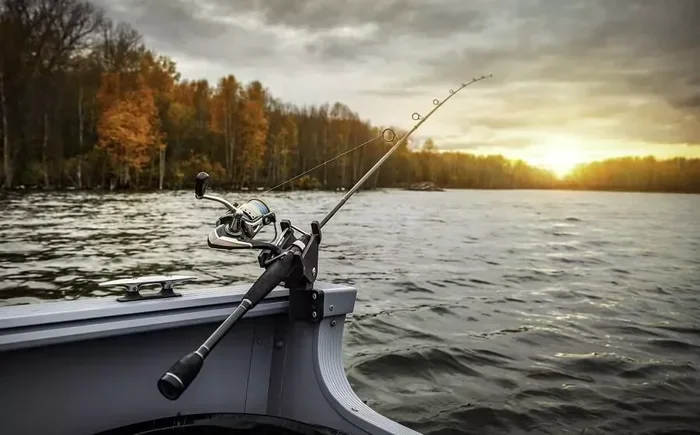
A boat gives access to channel edges, islands, and deep structure. Use a fish finder to check depth, but watch the river itself. Floating logs, changing water levels, commercial traffic, and dams can create serious hazards.
Anchor only where it is safe and legal. Keep lines organized so a hooked fish does not tangle with the motor or anchor rope. A landing net protects the fish and helps keep hooks away from your hands.
Kayak fishing
Kayak fishing can reach quiet backwaters and shallow flats that larger boats cannot. It also places you close to the water, so balance and safety matter. Choose a stable fishing kayak with enough capacity for your body, tackle, battery, water, and safety equipment.
Wear a U.S. Coast Guard–approved personal flotation device at all times. Secure rods and pliers. Avoid standing in moving water unless the kayak is designed for it and you have strong balance skills.
Wading
Wading is safest in slow, shallow water with a firm bottom and a clear exit. Never assume water is safe because it looks calm. Deep holes, sudden drop-offs, slippery rocks, and changing releases can overwhelm a strong swimmer.
Use a wading belt with chest waders. Carry a staff in unfamiliar water. Tell someone where you plan to fish, check river levels, and leave if the water rises or turns dirty with floating debris.
⚠️ Safety Warning: Wear a properly fitted life jacket when boating or kayak fishing. Check weather, river flow, and dam-release information before leaving. Never wade alone in unfamiliar water, and take a boating or river-safety course if you lack experience.
| Access method | Main advantage | Main limitation |
|---|---|---|
| Shore fishing | Low cost and simple travel | Limited casting angles and access |
| Pier or bridge area | Easy access to deep water | Crowds, traffic, and local restrictions |
| Boat fishing | Reaches channels and offshore structure | Requires navigation and safety skills |
| Kayak fishing | Quiet access to shallow areas | Limited capacity and higher capsize risk |
| Wading | Direct control in shallow seams | Current, depth, and footing hazards |
Choose the access method that matches your skill and budget. A beginner can learn a great deal from a public bank. An experienced angler may gain more from a boat when fish move offshore, but extra access never replaces safe decisions.
Follow a step-by-step big-river fishing method
A repeatable process helps you learn faster than changing lures without a plan. Start with the environment. Then test the most likely fish-holding areas from shallow to deep.
1. Check conditions before leaving
Look at rainfall, wind, temperature, river level, and current speed. If a dam controls the river, check the release schedule. Pack water, sun protection, rain gear, a first-aid kit, and a charged phone.
Confirm your fishing license and any access permit. Check rules for bait, hooks, lead sinkers, size limits, bag limits, closed seasons, and protected species.
2. Choose one target species
Do not begin by trying to catch every fish in the river. Pick bass, catfish, walleye, trout, panfish, or another legal target. This choice guides your rod power, hook size, bait, depth, and retrieve.
If you are buying a gift, ask what species the angler wants to catch. A child who fishes for panfish needs a different setup than an adult who targets heavy catfish.
3. Find the best current change
Locate a seam, eddy, point, creek mouth, or structure. Position yourself so your bait can move through the area naturally. If possible, cast upstream and let the current carry the lure toward the fish.
Avoid standing directly on the best shallow edge. Your shadow, footsteps, and noise can push fish away in clear water.
4. Start with a simple presentation
Use one of these starting choices:
- Live bait under a bobber
- Slip-sinker rig near bottom
- Jig and soft plastic
- Crankbait along rock
- Spinnerbait beside cover
- Minnow or worm near a current seam
Keep the first presentation easy to control. You need to learn the depth and bottom before trying a complicated technique.
5. Test depth and speed
Change one thing at a time. First adjust depth. Then change retrieve speed, lure color, weight, or leader length. If you change everything at once, you will not know what helped.
A jig may need a lift-and-fall motion. A crankbait may work best with a steady retrieve and short pauses. Live bait may need only enough weight to hold near the feeding lane.
6. Set the hook with control
With a spinning setup, remove slack before setting the hook. Use a firm lift for single-hook lures and a smoother sweep for treble-hook crankbaits. Do not swing wildly when a fish bites near the boat or bank.
Keep the rod low when a fish runs near cover. Guide the fish away from wood and rocks, but let the drag work. For heavy fish, keep steady pressure and avoid forcing the fish with a locked drag.
7. Land, measure, and release the fish
Wet your hands before handling a fish. Keep it in the water as much as possible. Use pliers to remove the hook, and support the fish with both hands when its body shape requires it.
For catch and release, take a quick photo over the water. Revive the fish by facing it into gentle current until it swims away. Follow local rules for keeping fish, and never keep more than you can use.
🌿 Conservation Note: Cut discarded fishing line into short pieces and place it in a trash or recycling container made for line. Monofilament and braid can harm birds, turtles, fish, and other wildlife.
Adjust your approach through the seasons
Fish use rivers differently as temperature, flow, and food change. Seasonal patterns are useful clues, not promises. Water level and weather can shift the pattern quickly.
Spring
Spring often brings rising water, cooler temperatures, and increased feeding. Fish may move toward creek mouths, warm shallow bays, gravel areas, and flooded cover. Bass may use protected flats, while walleye and trout may gather near spawning areas.
Use slower retrieves in cold water. Check closed seasons and spawning protections. Many rivers have special rules around tributaries and spawning fish.
Summer
Summer fish may feed early, late, or during low-light periods. Look for shade, deeper channels, springs, current seams, and oxygen-rich water. Catfish may feed after dark, while bass may use weeds, wood, and shaded banks.
Carry extra drinking water and sun protection. Heat affects anglers as much as fish. Take breaks and avoid leaving a catch in a hot livewell without proper aeration.
Fall
Fall can bring strong feeding as fish prepare for colder months. Baitfish often gather near creek mouths, points, and channel edges. Moving lures, jigs, and live bait can all work when matched to depth.
Watch for sudden weather shifts. Cold rain can change water level and clarity within hours. Keep a lighter lure ready for shallow fish and a heavier option for the channel.
Winter
Winter fish often move slowly and hold in stable-depth areas. Deep holes, warm-water discharges, and slow eddies may be important. Small jigs, live bait, and slow presentations can help you stay in the strike zone.
Ice fishing rods suit frozen lakes and protected backwaters, not moving river current. Never walk onto river ice without expert knowledge, local conditions, and proper ice-safety training. Moving water can make ice much weaker than it appears.
| Season | Areas to test | Presentation style |
|---|---|---|
| Spring | Creek mouths, shallow flats, gravel, flooded cover | Slow jigs, live bait, soft plastics |
| Summer | Shade, deep channels, weeds, current seams | Early or late topwater, jigs, bottom bait |
| Fall | Baitfish schools, points, creek mouths | Crankbaits, swimbaits, jigs |
| Winter | Deep holes, slow eddies, warm-water areas | Small jigs, live bait, slow retrieves |
Use this chart as a starting point. A warm spring day may fish like summer, while a cold fall front may create winter behavior.
Avoid the most common big-river mistakes
Big-river anglers often lose time by fishing too fast, using too much weight, or ignoring safety. Small changes can make your setup easier to control and less likely to snag.
Fishing only the bank
Fish do not always hold close to shore. The best water may be at the end of a point, beside a channel, or near the far side of a seam. From shore, cast parallel to the bank before casting straight out.
Using too much sinker weight
A heavy sinker may reach bottom, but it can bury in mud or wedge between rocks. Use the lightest weight that keeps your bait near the target depth. This improves sensitivity and reduces snags.
Ignoring line angle
When current pulls your line downstream, your bait may lift off bottom or sweep far from the target. Cast upstream to reduce the angle. Reposition yourself if the current makes control impossible.
Changing lures too often
A different color will not solve a depth problem. First ask whether your bait is near fish. Change depth, angle, and speed before replacing the whole tackle setup.
Using weak knots or old line
Big rivers place steady pressure on line and knots. Check the first several feet of leader after contact with rocks or wood. Replace line that feels rough, cloudy, or cut.
Carrying unsafe amounts of gear
A large tackle box can make shore hikes hard and kayaks unstable. Bring the tools that match your plan. Store hooks, knives, pliers, and sinkers where children cannot reach them without help.
| Problem | Likely cause | Practical fix |
|---|---|---|
| Rig snags every cast | Weight or bait drags through rough bottom | Use less weight, lift the rig, or change angle |
| No bite in likely water | Bait is at the wrong depth | Adjust depth in small steps |
| Line keeps bowing downstream | Current is too strong for the angle | Cast upstream or move closer to the seam |
| Fish breaks off near cover | Line or leader is too light | Check abrasion and increase leader strength |
| Lure feels hard to control | Rod power or lure weight is mismatched | Use a rod within its printed lure rating |
| Fish comes unbuttoned | Too much force or poor hook control | Use steady pressure and check hook sharpness |
These fixes cost less than replacing lost tackle. They also teach you what the river is doing beneath the surface.
Build a big-river kit on a realistic budget
You do not need a boat, sonar unit, or expensive baitcaster to begin. A reliable medium spinning combo, a few proven rigs, and safety gear can cover many freshwater river situations.
Entry-level setup
A basic setup may include:
- Medium 7-foot spinning rod
- 2500- to 4000-size spinning reel
- 10- to 15-pound braid or 8- to 12-pound monofilament
- Fluorocarbon leader
- Jigs and soft plastics
- A few crankbaits
- Hooks, swivels, and sinkers
- Bobbers and live-bait hooks
- Pliers and a landing net
This suits beginners, casual anglers, older children with supervision, and gift buyers who want useful gear without overspending.
Upgraded setup
Experienced anglers may add a medium-heavy outfit, a baitcaster, a heavier catfish rod, a fish finder, a larger net, and specialized leaders. Choose upgrades that solve a real problem, such as poor casting distance, weak hook control, or difficulty reaching deep current.
A second rod can be more useful than a premium reel. Keep one outfit ready for moving lures and another rigged for bottom bait.
| Budget level | Sensible purchase | Who it suits |
|---|---|---|
| Lower cost | Spincast or basic spinning combo, mono line, simple hooks and sinkers | Kids, first-time anglers, casual shore trips |
| Mid-range | Medium spinning combo, braid and leader, quality net and pliers | Most beginners and regular river anglers |
| Higher cost | Multiple rods, baitcaster, fish finder, stronger reel, specialized tackle | Experienced anglers and boat owners |
Current pricing ranges from low-cost starter combos to much higher costs for complete boat systems. Check the latest listing for current prices, line capacity, warranty terms, and updated features.
Clean and store your river fishing gear
Freshwater river gear still needs care. Silt, sand, algae, and grit can enter reel seams and damage moving parts. Saltwater rivers and tidal areas require even more attention because salt speeds corrosion.
Rinse reels lightly with clean water after use. Do not blast water under pressure into the drag or bearings. Wipe rods, guides, lures, pliers, and hooks dry before storage.
Open the bail and loosen the drag before storing a spinning reel. Remove wet soft plastics from tackle boxes. Dry waders fully and inspect seams, boots, belts, and straps.
A simple maintenance checklist
| Task | When to do it | Why it matters |
|---|---|---|
| Inspect leader and knots | Before every trip | Finds abrasion and weak connections |
| Rinse and dry gear | After muddy or saltwater use | Reduces grit and corrosion |
| Check rod guides | Before every trip | Prevents line damage |
| Clean reel exterior | Every few trips | Removes dirt and fine sand |
| Loosen reel drag | Before storage | Helps protect drag washers |
| Replace rusty hooks | When rust appears | Maintains hook strength and penetration |
Follow the reel maker’s care instructions. A reel used in saltwater may need a product-approved lubricant and more frequent service than a freshwater-only reel.
Know when local help is the smart choice
A local tackle shop can save you time and money. Staff may know which areas are open, what the current is doing, which bait is legal, and which sinker weight reaches the bottom. They can also match a rod and reel to your hand size, target species, and budget.
Ask clear questions:
- What species are active in this river section?
- What depth are anglers finding them?
- Which bait is legal today?
- How strong is the current?
- What line test works around the local cover?
- Is wading safe at the current river level?
- Which public access points allow fishing?
- Are there special rules near dams or tributaries?
Do not expect exact catch results. River conditions change. Use local advice as a starting point, then verify it with your own observations and the current rules.
Check licenses, limits, and protected areas
Fishing regulations vary by state, river section, species, and season. A license may be required for residents and nonresidents. Special permits may apply to trout, salmon, saltwater, sturgeon, or commercial species.
📜 Check Local Regulations: Confirm current rules with your state wildlife agency or local fisheries department before fishing. Check size and bag limits, closed seasons, bait restrictions, hook rules, lead-sinker limits, access rules, and whether barbless or circle hooks are required.
Respect private property and posted closures. Do not block boat ramps or trespass through a private bank. Carry out line, bait containers, hooks, and food waste.
Catch and release is not always the best choice for every legal fish, especially where harvest supports fishery management. Follow local guidance, keep only what you will use, and release unwanted fish quickly and carefully.
Frequently asked questions
Q: What is the best rod for fishing a big river?
A: For many freshwater anglers, a 7-foot medium spinning rod with a fast or moderate-fast action is the most flexible choice. Pair it with a 2500- to 4000-size reel and 10- to 20-pound braid. Use a medium-heavy rod for large catfish, heavy sinkers, strong current, or thick cover.
Q: Should I use braided line or monofilament?
A: Braided line gives better sensitivity and less stretch. Monofilament costs less and is simple for beginners. Use braid with a fluorocarbon leader when you need sensitivity and abrasion protection, but check knots often around rocks and wood.
Q: How do I find fish in a large river?
A: Look for current seams, eddies, channel edges, outside bends, creek mouths, bridge pilings, riprap, and depth changes. Fish often hold where they can avoid strong current while still reaching food. Use maps and a fish finder when available, but read the water as well.
Q: How much sinker weight should I use?
A: Use the lightest sinker that reaches and holds the target depth. Start light, then increase weight if the bait drifts too far. In many rivers, the correct weight depends on depth, current, line angle, and bottom type rather than a fixed number.
Q: Can beginners use baitcasters on big rivers?
A: Yes, but spinning reels are easier to learn. Baitcasters offer excellent lure control and work well with jigs and crankbaits. Beginners should practice with heavier lures in an open area and learn to control spool speed to reduce backlash.
Q: What is a good setup for children?
A: A spincast combo or light spinning setup is usually easiest. Choose a 5- to 7-foot rod, 4- to 10-pound line, small hooks, bobbers, and simple bait. Use larger, easy-to-handle tackle for children who fish near deep water, and supervise every cast around hooks and current.
Q: Is live bait better than lures in a big river?
A: Neither is always better. Live bait can help when fish feed naturally or spread across a deep area. Lures help you cover water and locate active fish. Choose the method that matches the target species, current, water clarity, and local regulations.
Q: Can I fish a big river from a kayak?
A: Yes, but choose a stable kayak with enough weight capacity for you, your tackle, water, battery, and safety gear. Wear a U.S. Coast Guard–approved PFD, secure loose items, check weather and river flow, and avoid strong current until you have proper training.
Q: How should I release a river fish?
A: Wet your hands, keep the fish in the water, use pliers, and limit air exposure. Support the fish with both hands when needed. Revive it in gentle current and release it only when it swims away under its own power.
Q: How often should I replace fishing line?
A: Replace line when it shows cuts, rough spots, severe memory, fading, or repeated knot failure. Heavy use around rocks and wood may require frequent leader changes. Main line can last longer when stored dry and inspected often.
Q: Do I need a fish finder?
A: No. A fish finder helps locate depth, bottom changes, and fish from a boat or kayak, but it is not required. Shore anglers often gain more from a good map, polarized sunglasses, accurate casting, and learning how current affects bait.
Q: What should I bring on a big-river fishing trip?
A: Bring a legal license, water, weather gear, first-aid supplies, polarized sunglasses, pliers, a landing net, spare line, hooks, sinkers, leaders, bait or lures, and a charged phone. Add a PFD for any boat or kayak trip and a wading belt for chest waders.
Final advice for fishing big rivers
Big-river fishing becomes easier when you stop viewing the river as one huge body of water. Break it into current, depth, cover, and access. Find one feature, place a controlled presentation near it, and change depth before changing everything else.
Start with a medium spinning setup if you are new. Use braid with a leader, or simple monofilament if that feels easier. Add heavier rods, baitcasters, fish finders, and specialized rigs only when your fishing style shows that you need them.
Stay alert to current and weather. Wear a life jacket in a boat or kayak, tell someone your plan, and check local rules before every trip. The river will not give up all its secrets at once, but each careful trip teaches you how water, fish, and structure fit together.