How To Fish From A River Bank: Simple Fishing Guide
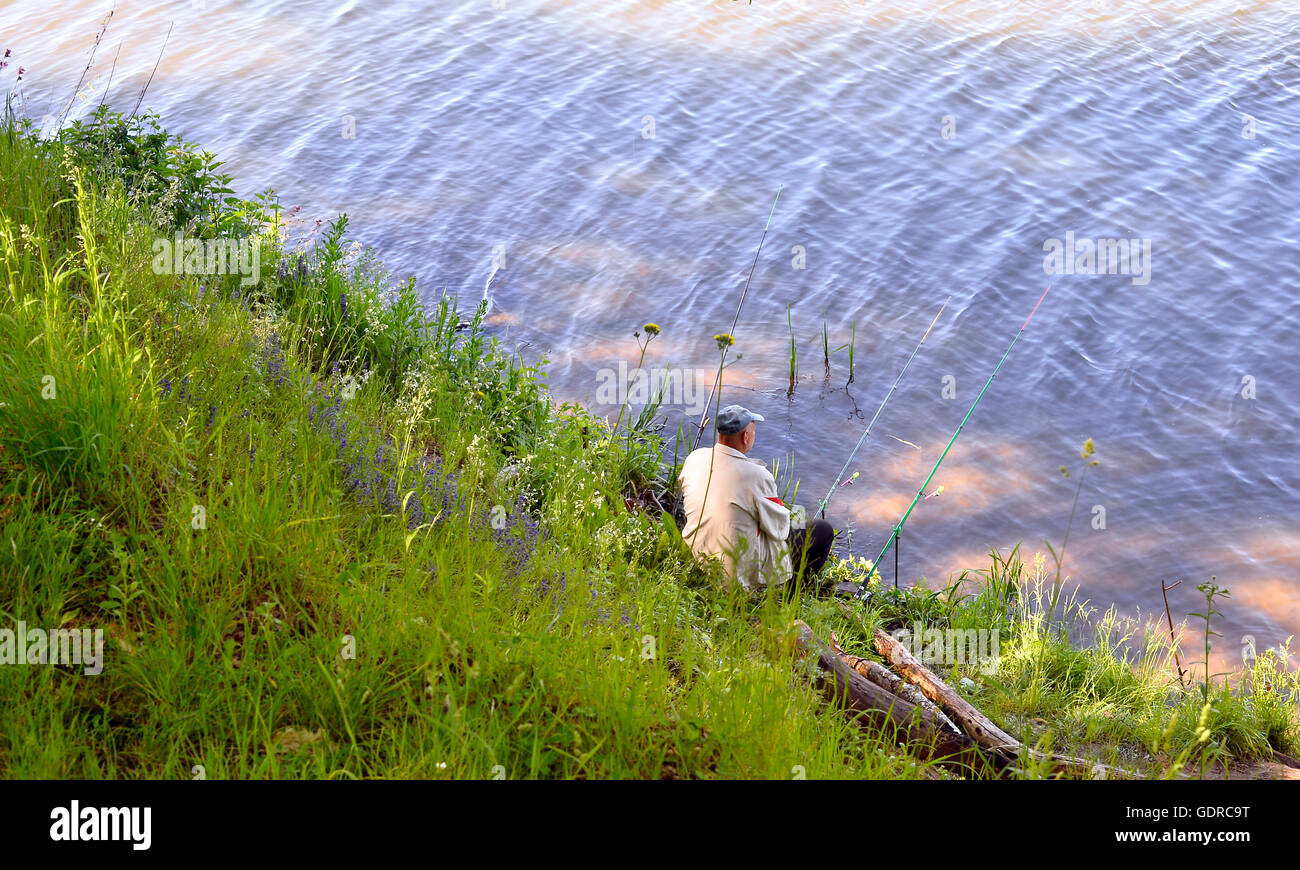
River-bank fishing is one of the simplest ways to start catching freshwater fish. You do not need a boat, fish finder, or expensive tackle. With a balanced rod and reel, the right bait or lure, and a safe place to stand, you can fish for bass, trout, catfish, panfish, walleye, and many other species from shore.
The key is to read the river before you cast. Fish often hold where fast water meets slow water, near deep holes, under cover, or beside rocks and fallen trees. Your goal is to place your bait where fish already spend energy and find food.
This guide explains how to fish from a river bank step by step. It covers gear, bait, casting, reading current, safety, knots, rigs, species, seasons, common mistakes, and catch-and-release care. It also helps beginners, parents buying gear for kids, and experienced anglers who want a lighter and more mobile setup.

Quick Answer: How Do You Fish From a River Bank?
To fish from a river bank, choose a safe access point, study the current, use a 6- to 7-foot medium-light or medium spinning setup, and cast upstream or across the current. Start with a bobber and bait, a bottom rig, or a small lure. Let the current move your presentation naturally, watch your line, and follow local license, season, bait, and harvest rules.

What You Need for River-Bank Fishing
River fishing works best when your gear matches the fish, current, and bank conditions. A light panfish rig may fail when a large catfish takes the bait. A heavy surf rod may make small trout feel dull and can be hard for a child to cast.
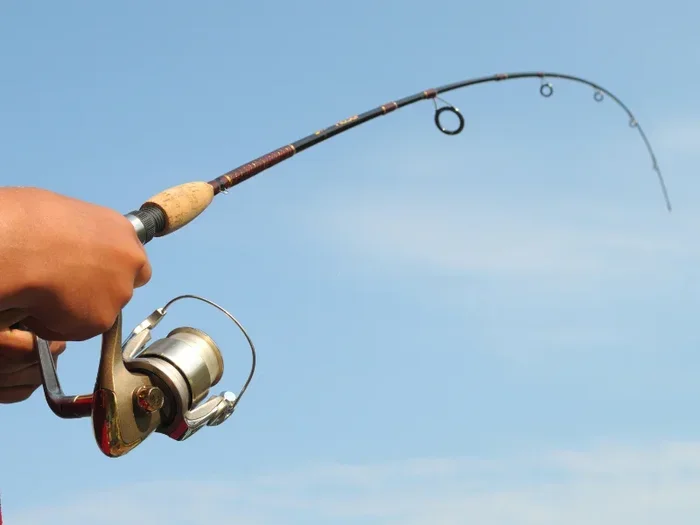
For most freshwater rivers, a spinning reel is the easiest choice. It casts light baits well, handles simple rigs, and does not create the backlash that can occur with a baitcaster. A spincast combo is also useful for young children because the push-button reel is simple to learn.
A useful starter setup includes:
- A 6- to 7-foot spinning rod
- A 2000- to 3000-size spinning reel
- 6- to 10-pound monofilament line
- A 6- to 8-pound fluorocarbon leader when water is clear
- Size 6 to 10 hooks for panfish and trout
- Size 2 to 4 hooks for larger bait
- Split-shot sinkers
- A bobber
- Swivels
- Live bait or small lures
- Needle-nose pliers
- A landing net
- Line cutters
- A small tackle box
- Polarized sunglasses
- A measuring tape
- A fishing license, where required
A rod’s power describes how much force it takes to bend the rod. Ultra-light and light rods suit small fish. Medium-light rods cover trout, bass, walleye, and panfish. Medium rods work well for larger bass, catfish, and heavier current.
A rod’s action describes where it bends. Fast-action rods bend near the tip and feel sensitive. Moderate-action rods bend farther down the blank and help keep hooked fish pinned. For general bank fishing, medium-fast action is a useful middle ground.
| River-fishing need | Practical choice | Best suited angler |
|---|---|---|
| Small trout and panfish | 6-foot light spinning rod, 4- to 6-pound line | Beginners and kids fishing calm water |
| Bass, walleye, and mixed species | 6-foot 6-inch medium-light spinning rod, 8-pound line | Most bank anglers |
| Catfish and strong current | 7-foot medium rod, 12- to 20-pound line | Experienced anglers targeting larger fish |
The table gives a starting point, not a strict rule. Adjust line test and hook size for local fish, snags, water clarity, and current speed.
Rod and Reel Choices
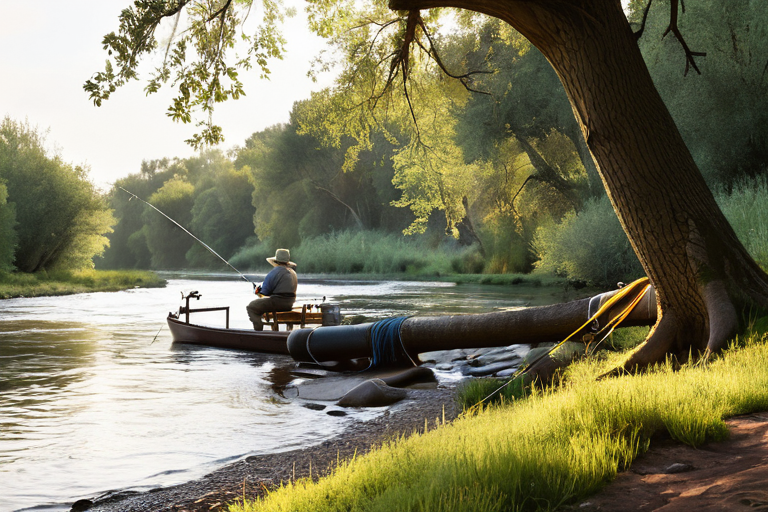
A 6- to 7-foot spinning combo is the best first setup for many river-bank anglers. It gives you enough casting distance without becoming hard to control. Look for a reel with a smooth drag and a line capacity that matches 6- to 12-pound line.
The drag is the reel system that lets line leave the spool when a fish pulls hard. Set it so the line comes out with firm pressure, but not with a sudden jerk. A smooth drag protects light line and reduces pulled hooks.
A baitcaster can offer better control with heavier lures, but it takes practice. It suits experienced anglers who cast bass lures near cover and want precise thumb control. A fly rod works well for trout, smallmouth bass, and panfish when insects are active, but it has a steeper learning curve.
Telescopic rods save space for hiking or travel. They are convenient, but the joints need care. Dirt or sand can keep sections from closing well and may damage the rod over time. For a gift, a compact spinning combo often gives a child or new angler a faster start than a fly rod or baitcaster.

Line, Leaders, Hooks, and Sinkers
Monofilament is the most forgiving line for beginners. It costs little, knots easily, and stretches during a hard strike. That stretch can help when a fish runs close to rocks.
Braided line has little stretch and a thin diameter. It casts well and cuts through current, but it can dig into a reel spool and may need a leader. Fluorocarbon is harder for fish to see underwater and sinks, but it is stiffer and costs more.
A leader is a short section of line between your main line and hook or lure. Use a 12- to 24-inch leader when the water is clear, the fish are cautious, or rocks may scrape your main line.
| Line type | Strengths | Limits |
|---|---|---|
| Monofilament | Low cost, easy knots, good stretch | More visible and thicker at equal strength |
| Braided line | Thin, strong, long casts, little stretch | Can tangle, costs more, needs careful knots |
| Fluorocarbon | Low visibility, abrasion resistance, sinks | Stiff, costly, harder for beginners to tie |
For general river fishing, 6- to 10-pound monofilament is a safe starting point. Move to 12- to 20-pound line for large catfish, heavy cover, or fast water. Check your state rules before using lead sinkers because some waters restrict lead.

Choose a Safe River Bank Before You Set Up
The best fishing spot is not always the closest spot to the water. A steep, wet bank can be dangerous, especially after rain. Look for firm ground, a clear casting lane, and room to step back from the edge.
Avoid standing on loose clay, undercut banks, slippery rocks, and logs that can roll. River levels can rise fast after storms or dam releases. Check the forecast and river conditions before leaving home.
Keep hooks, knives, and pliers in a closed tackle box when they are not in use. Wear shoes with good grip. If you fish near deep water, wear a properly fitted flotation device, even from shore. This matters most for children, older adults, and anyone fishing from a steep or unstable bank.
⚠️ Safety Warning: Never wade into a river just to reach a better cast unless you understand the current and have suitable wading gear. Wear a wading belt, use a staff in strong current, and tell someone where you are going. Cold water can cause loss of control within minutes.

Check Weather, Water Level, and Access
Rain upstream can raise a river even when your local sky looks clear. Check river gauges, weather alerts, and dam release notices when available. Avoid fishing below a dam during sudden release periods unless local authorities say the area is safe.
Tell a friend or family member your location and expected return time. Carry a charged phone in a waterproof case. Bring water, sunscreen, insect protection, and a small first-aid kit.
If children are fishing, keep them within arm’s reach near deep water. A U.S. Coast Guard–approved life jacket is a smart choice near rivers, docks, and steep banks. A life jacket does not replace supervision.

Read the River Before You Cast
Fish do not spread evenly through a river. They choose places that offer food, shelter, oxygen, and a way to rest without fighting strong current. Learning to spot these areas often matters more than buying a larger tackle box.
Look for seams, eddies, deep holes, outside bends, undercut banks, rocks, bridge pilings, weed edges, and fallen trees. A seam is the line where fast water meets slow water. Food often collects there, and fish can hold on the slower side.
An eddy is a circular area where water flows back against the main current. Small baitfish and insects may gather there. Cast into the edge of the eddy instead of the strongest center.
| River feature | Why fish use it | Where to cast |
|---|---|---|
| Current seam | Food drifts along the boundary | Upstream of the seam and let bait cross it |
| Deep hole | Offers cooler water and shelter | Near the edge, not always the deepest center |
| Fallen tree or rock | Provides cover from current and predators | Beside cover, leaving room to fight the fish |
| Outside bend | Often has deeper, faster water | Along the slower inside edge or near the drop |
Start at the nearest likely feature. Make a few casts, then move if nothing happens. Bank fishing rewards movement. Walking 50 yards can reveal a better seam, deeper pocket, or active feeding area.

Fish the Water in Sections
Break the river into three zones: the near bank, the middle current, and the far bank. Many anglers cast too far and overlook fish holding at their feet. Approach quietly and make a short cast before walking close to the edge.
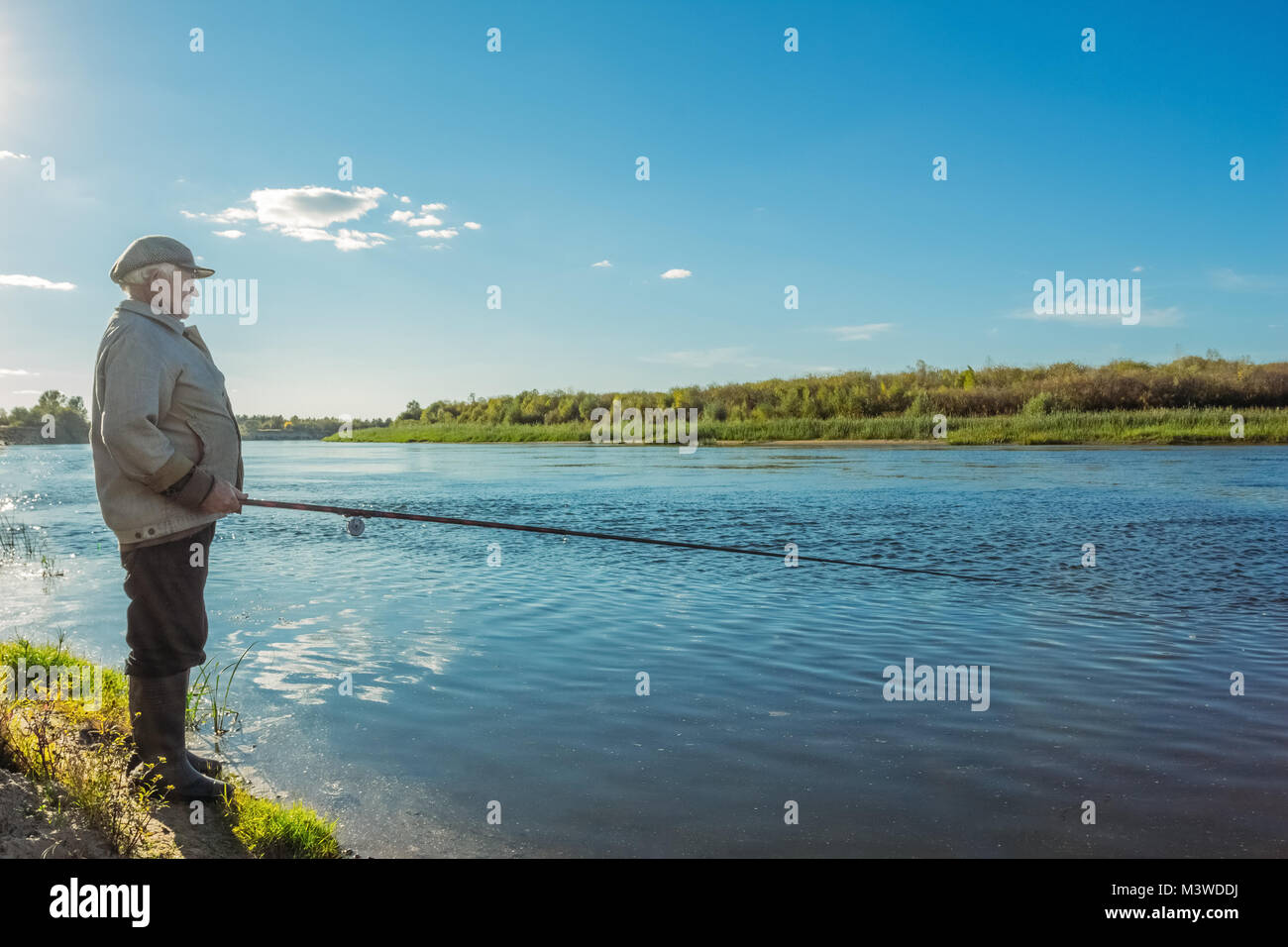
Cast upstream at about a 45-degree angle when using bait or a drifting rig. The current will carry your presentation toward you. Keep enough line outside the rod tip to control the drift without dragging the bait.
Across-current casts work well with spinners, crankbaits, jigs, and soft plastics. Cast slightly upstream, let the lure sink, and retrieve it across the current. Fish often strike as the lure swings into slower water.
Pick a River-Fishing Rig
The right rig depends on how deep the fish are, how fast the water moves, and whether you want bait or a lure. Beginners often do best with one simple rig instead of changing tackle every few minutes.
A bobber rig keeps bait above snags and shows a bite clearly. A bottom rig keeps bait near the riverbed. A lure rig lets you cover more water and search for active fish.
Bobber and Bait Rig
A bobber rig is a strong choice for panfish, trout, small bass, and some catfish in calm edges. Tie your main line to a small hook. Add a split shot 6 to 12 inches above the hook, then place the bobber 2 to 5 feet above the hook.
Use live worms, crickets, minnows, or approved artificial bait. Set the bobber depth so the bait drifts just above the bottom without dragging. If the bobber lies flat or dives into weeds, adjust the depth or reduce the sinker weight.
The best way to use a bobber in current is to let it drift naturally. Reel in slack as the float moves toward you. A sudden dip, stop, or sideways slide may signal a bite, but not every movement means a fish.

Bottom Rig
A bottom rig works well for catfish, carp, drum, and larger river fish. Tie on a sliding egg sinker, a swivel, a 12- to 24-inch leader, and a suitable hook. The sinker rests on the bottom while the bait moves in the current.
Use only enough weight to hold the bait in place. Too much weight makes the rig hard to cast and can bury the bait in mud. Start with a 1/4- to 1/2-ounce sinker in moderate current, then adjust as needed.
Place the rod in a holder or support it safely on the bank. Keep the line slightly tight, but do not pull the sinker across the bottom. For circle hooks, let the fish load the rod and use steady pressure instead of a hard hook-set. Confirm circle-hook rules before fishing.
Lures for River Banks
Lures are useful when you want to cover water and avoid carrying live bait. Small inline spinners, spoons, crankbaits, jigs, and soft plastics all have a place.
For trout and panfish, try a small spinner, 1/16- to 1/8-ounce jig, or tiny soft plastic. For bass, use a 1/8- to 3/8-ounce jig, small crankbait, or weedless soft plastic. For walleye, a jig tipped with a minnow or plastic can work near deeper current breaks.
Use a lure weight your rod can cast. A light rod may not load well with a heavy crankbait. A heavy lure on light line can also create break-offs when it hits rocks or branches.
| Target fish | Starting lure or bait | Useful presentation |
|---|---|---|
| Trout | Worm, small spinner, 1/16-ounce jig | Drift near seams and deeper edges |
| Bass | Soft plastic, crankbait, jig | Cast near cover and retrieve across current |
| Catfish | Cut bait, worms, prepared bait | Hold bait near the bottom |
| Panfish | Cricket, worm, tiny jig | Fish calm edges under a bobber |
These are starting points, not guarantees. Water color, season, local forage, and fishing pressure can change what fish prefer.

Follow These River-Bank Fishing Steps
A simple routine keeps you organized and helps you learn the water. Do not rush to cast. The first few minutes can show you where the river carries food and where fish may hide.
1. Check the Rules and Conditions
Before rigging, confirm that you have the right fishing license. Check size limits, bag limits, closed seasons, bait restrictions, hook rules, and access rules. Regulations can differ between nearby rivers and even between sections of the same river.
📜 Check Local Regulations: Visit your state wildlife agency or local fish and wildlife department for current rules. Confirm whether lead tackle, live bait, barbed hooks, treble hooks, or certain species are restricted.

2. Choose the First Spot
Start where two water types meet. A current seam near a deep pool is often a useful first area. Avoid casting directly into the strongest current unless your rig can reach the bottom or your lure is designed to work there.
Stand several feet back from the edge. This keeps your shadow and footsteps away from shallow fish. Wear polarized sunglasses to reduce surface glare and help you see rocks, weed lines, and drop-offs.

3. Rig the Rod
Thread the line through every guide. Check for rough spots by running the line lightly between your fingers. Tie a reliable knot, such as an improved clinch knot for hooks and swivels or a Palomar knot for many lures.
Trim the tag end close, but leave about 1/8 inch. Pull the knot tight with steady pressure. Wet monofilament and fluorocarbon before tightening to reduce heat and friction.

4. Make a Short Test Cast
Begin with a short cast near the bank. Watch how the sinker, bobber, or lure moves. This tells you how strong the current is and whether weeds or rocks will cause snags.
A short cast also protects the fish from sudden noise. If the water is shallow and clear, stay low and move slowly. Fish near the bank may spook before you ever make a long cast.
5. Cast Upstream or Across the Current
For bait, cast upstream or slightly across the current. Let the river move the bait while you control the slack. For lures, cast upstream and retrieve at a speed that keeps the lure near the target depth.
Do not hold the rod perfectly still. Lift it slightly to guide the line around rocks and lower it when the bait needs to drift. Your goal is a natural path, not a straight line.
6. Watch the Line and Rod Tip
A bobber makes bites easy to see, but a bottom rig may show only a small tap. Keep your eyes on the line where it meets the water. A sudden angle change, twitch, or sideways movement deserves attention.
With lures, feel for the difference between a fish, a rock, and weeds. A rock feels solid and often stops the lure. A fish may feel like weight that moves, pulses, or pulls away.
7. Set the Hook Correctly
For a standard bait hook, lower the rod slightly, remove slack, and lift with firm pressure. Do not make a wild overhead swing. A short, controlled hook-set works better near trees and other anglers.
For circle hooks, do not jerk the rod. Reel until the line is tight and lift the rod smoothly. The hook is designed to turn into the corner of the fish’s mouth as pressure builds.
8. Fight the Fish Away From Cover
Keep the rod bent, but do not pull with all your strength. Use the rod to absorb runs and the reel drag to control pressure. Turn a fish away from branches before it reaches them when possible.
Move your feet instead of locking yourself in one place. Stay balanced, especially on uneven ground. If the fish runs downstream, walk with it when the bank is safe rather than trying to stop it instantly.
9. Land and Handle the Fish
Use a landing net when the fish is large, the bank is high, or the current is strong. Do not swing a heavy fish up the bank with a light rod. That can break the rod or damage the fish.
Wet your hands before touching a fish. Support its body, keep it out of the water for only a few seconds, and remove the hook with pliers. If the hook is deeply swallowed, cut the line near the mouth instead of forcing it out.
10. Move and Repeat
Make several casts from one position, then change the angle, depth, or lure. If the water looks promising but gives no sign of fish, walk to the next seam or pool.
Keep notes about water level, weather, bait, lure color, and fish location. Over time, these notes become more useful than guesses. River fishing is a lesson in patterns.
Use These Presentation Tips in Different Water
River current changes how bait and lures move. The same rig can work well in one pool and fail in a shallow riffle. Match the presentation to the water rather than forcing one method everywhere.
In slow water, use a light split shot and a natural drift. In medium current, add only enough weight to reach the target depth. In fast water, fish the edge of the current, not the center, unless you are targeting species that hold in heavy flow.
For clear water, use natural colors and thinner leaders. For stained water, use vibration, flash, or contrast. Cloudy days may allow brighter lures. Bright sun often makes fish prefer shade and deeper water.
Fishing Upstream for Trout
Trout often face into the current and wait for insects or small food items to drift toward them. Approach from downstream when possible. This keeps your body behind the fish’s normal view.
Cast upstream and let the bait or fly drift back toward you. Keep the line from creating a large bow. Too much slack makes it hard to detect a small strike.
Fly rods are useful during insect hatches, but a spinning rod with a small spinner or bait rig can also be effective. A 6- to 7-foot light or medium-light rod is easier for most beginners.
Fishing Near Cover for Bass
Smallmouth bass often use rocks, current seams, and deeper pockets. Largemouth bass may hold near weeds, wood, shade, and slower water. Cast beyond the cover and bring the lure close to it.
A soft plastic on a weedless hook helps reduce snags. A small crankbait can search a rocky bank. A jig can reach deeper water, but watch for rocks and wood.
Bass fishing from a bank may require careful footwork. Do not walk directly along the edge if fish are holding in shallow water. Stay back and cast parallel to the bank when possible.
Fishing Bottom Water for Catfish
Catfish often use deeper holes, outside bends, and slow water near stronger current. A bottom rig with worms, cut bait, or approved prepared bait can keep your offering in the strike zone.
Use a sturdy rod, but do not overdo the weight. A 7-foot medium rod with 12- to 20-pound line covers many bank situations. Larger fish or heavy snags may require stronger tackle.
Keep bait secure and dispose of unused bait properly. Never leave line, hooks, bait containers, or plastic on the bank.
Avoid Common River-Bank Fishing Mistakes
Most lost fish and wasted trips come from a few simple errors. Fixing these problems costs little and often improves your fishing more than buying new gear.
| Common mistake | What happens | Better choice |
|---|---|---|
| Using too much sinker weight | Bait gets buried or snags | Use the lightest weight that reaches depth |
| Standing at the water’s edge | Fish spook in shallow water | Stay back and cast from cover |
| Casting only to the far bank | Nearby fish are missed | Fish near, middle, and far zones |
| Tightening drag too much | Light line breaks | Set drag before the first cast |
| Leaving slack in the line | Strikes go undetected | Keep controlled contact with the rig |
| Swinging fish onto land | Rod or fish may be damaged | Use a net or lower the fish safely |
The strongest correction is to slow down. Watch the water, test the current, and change one thing at a time. Random changes make it hard to learn what worked.
Do Not Overcomplicate the Tackle
Many beginners carry too many lures and change them after every cast. Start with one bait rig and one lure. Learn how each behaves before adding more options.
A small tackle box with hooks, sinkers, swivels, bobbers, pliers, line, and three or four lures is enough for most short trips. This is also a good gift setup for a child because it reduces confusion.
Experienced anglers may add specialized leaders, jigs, crankbaits, and baitcasters after they understand the water. Upgrades should solve a clear problem, such as distance, depth, cover, or line control.
Protect Your Line and Knots
Inspect the last 2 feet of line after every fish or snag. Scratches and rough spots can weaken it. Cut back damaged line and retie the hook or lure.
Replace monofilament when it becomes brittle, badly curled, or heavily worn. Braided line can last several seasons when stored well, but inspect it for fraying. Fluorocarbon should also be checked after contact with rocks.
Plan Your Budget and Travel Kit
River-bank fishing can cost less than many outdoor hobbies. A basic spinning combo may cost about $25 to $60, while a better rod and reel setup may range from $80 to $200 or more. Prices change by brand, materials, seasonal sales, and included line.
You do not need a premium reel to begin. Spend first on a rod that feels comfortable, a smooth drag, fresh line, and good hooks. A cheap setup with a damaged knot or dull hook will perform poorly.
| Budget level | Typical contents | Best for |
|---|---|---|
| Basic, about $25–$60 | Spincast or spinning combo, mono line, small tackle kit | Kids, gifts, and first trips |
| Midrange, about $60–$150 | Better spinning reel, light or medium-light rod, improved tackle | Regular bank anglers |
| Upgrade, $150 and above | Specialized rod, smooth reel, braid and leaders, quality net | Frequent or species-focused anglers |
Current pricing varies by store and product version. Check the latest listing for reel size, line capacity, rod power, warranty, and included accessories.
For hiking, a compact sling pack or small tackle backpack is easier than a large hard box. Carry a collapsible landing net, forceps, water, snacks, a phone, and a small first-aid kit.
Avoid carrying more weight than you need. Bank fishing often involves walking over uneven ground. A simple kit helps you reach more water and stay comfortable.
Clean and Store River-Fishing Gear
Freshwater fishing still exposes equipment to mud, sand, plant material, and moisture. Wipe the rod and reel after each trip. Keep the reel out of standing water and avoid spraying high-pressure water into its housing.
Check the guides for cracks. A rough guide can cut line during a cast. Rinse dirt from telescopic rod joints before collapsing them.
| Gear item | After each trip | Longer-term care |
|---|---|---|
| Rod | Wipe blank and guides | Store straight and dry |
| Spinning reel | Wipe outside and check line | Add reel oil only where the manual allows |
| Hooks and lures | Dry before closing tackle box | Replace rusty or dull hooks |
| Landing net | Rinse mud and plant matter | Dry fully to prevent odor and mold |
| Line | Inspect last few feet | Respool when worn or badly curled |
Do not store wet bait, hooks, or soft plastics in a closed box. Moisture leads to rust and odor. Keep gear in a cool, dry place away from direct sunlight.
Although this guide focuses on rivers, you may also use the setup near brackish water, redfish areas, piers, or surf. Saltwater requires more care. Use saltwater-rated equipment when appropriate, rinse with fresh water, dry fully, and inspect stainless components for corrosion.
Help Beginners and Kids Start Well
The best setup for a child is light, simple, and easy to carry. A 5- to 6-foot spincast combo with 6- to 8-pound line often works for small fish in calm water. For older children, a 6-foot 6-inch medium-light spinning combo gives room to grow.
Use a bobber, small hook, and worm. Avoid treble-hook lures at first because they can snag clothing and skin. Teach the child to hold the rod with two hands, keep the tip up, and ask an adult before handling hooks.
👪 Parent or Gift-Buyer Note: Buy for the water the child will fish, not for the largest fish they might imagine catching. A light combo, small tackle box, polarized sunglasses, and a life jacket can make a safer and more enjoyable gift than a large rod with complex gear.
Experienced anglers may prefer a longer 7- to 8-foot rod for distance, a baitcaster for lure control, or braid for sensitivity. Those upgrades make sense when the angler already knows what the current setup cannot do.
A fly rod, telescopic rod, or ice fishing rod can be useful for a specific trip, but each has a narrower purpose. An ice fishing rod is short and designed for vertical presentations, so it is not a general river-bank rod.
Practice Conservation and Good Bank Etiquette
Leave the river cleaner than you found it. Pack out line, bait containers, food wrappers, hooks, and sinkers. Used fishing line can trap birds, turtles, and small mammals.
Handle fish with wet hands. Keep the fish close to the water while removing the hook. Avoid squeezing the body or touching the gills. Take a quick photo only when the fish is stable.
Release fish in the same area where you caught them. Point the fish into gentle current and support it until it swims away. Do not toss it back from a high bank.
🌿 Conservation Note: Barbless hooks make release easier and reduce injury. Follow local rules, since some waters require barbless hooks or restrict bait and harvest.
Respect other anglers and private property. Ask before crossing someone’s land. Do not cast across another person’s line. Keep music low and give wading anglers plenty of room.
If you keep fish, use a legal stringer or cooler and follow size and bag limits. Release unwanted fish at once rather than holding them in warm, shallow water.
Know When to Ask a Local Tackle Shop or Guide
A local tackle shop can explain current water levels, seasonal patterns, legal bait, and productive access points. Staff may also help spool a reel, choose hook sizes, or check whether a rod matches your target fish.
Ask for advice in specific terms. Say which river section you plan to fish, whether you will use bait or lures, and which species you want. “What should I buy?” is less useful than “I need a simple setup for trout from a rocky bank.”
A licensed guide is helpful when the river has strong current, difficult access, special regulations, or large fish. A guide can also teach wading safety, fly casting, boat safety, or kayak fishing skills.
Take a boating safety or water-safety course if you plan to fish from a kayak or small boat. Wear a U.S. Coast Guard–approved PFD every time. For wading, seek instruction before entering fast or cold water.
Frequently Asked Questions
Q: What is the best rod for fishing from a river bank?
A: For most beginners, a 6-foot 6-inch to 7-foot medium-light spinning rod with a fast or moderate-fast action is a strong choice. Use 6- to 10-pound line for mixed freshwater species. Choose a light rod for small trout and panfish, or a medium rod for larger catfish and heavy current.
Q: Should I cast upstream or downstream in a river?
A: Cast upstream or slightly across the current when using bait. This lets the bait drift naturally toward you. For lures, cast upstream or across current and retrieve through seams, eddies, cover, and slow water. Avoid dragging bait through the strongest current unless that is your target zone.
Q: What bait works best for river fishing?
A: Worms are a flexible starting bait for panfish, trout, bass, catfish, and other species where legal. Minnows, crickets, cut bait, and prepared bait can also work. Check local rules before using live bait, imported bait, or fish parts.
Q: How much line should I put on a spinning reel?
A: Fill the spool to about 1/8 inch below the rim. Too little line reduces casting distance. Too much line can create loops and tangles. Match the line test to the reel rating and target species.
Q: Is braided line good for river-bank fishing?
A: Braided line is useful when you need long casts, sensitivity, or strength around cover. It works best with a fluorocarbon or monofilament leader in clear water. Beginners may find monofilament easier because it costs less and handles knots well.
Q: How do I keep my bait from drifting too fast?
A: Add a small amount of split-shot weight, cast farther upstream, or fish in a slower seam. Use only enough weight to reach the desired depth. Too much weight can make the bait unnatural and increase snags.
Q: Can I fish a river bank after rain?
A: You can, but use caution. Moderate rain may add color and move food, while heavy rain can raise water quickly and make banks unstable. Check river gauges, weather alerts, and dam release notices before going.
Q: What should I do if my hook is deeply swallowed?
A: Do not force it out. Cut the line as close to the hook as possible, then release the fish if regulations and its condition allow. A local wildlife agency or fishing guide can provide species-specific handling advice.
Q: Do I need a fishing license to fish from shore?
A: In most U.S. states, anglers need a license unless they qualify for an exemption or fish during a free-fishing event. Rules vary by age, residency, species, location, and land access. Check your state wildlife agency before fishing.
Q: How often should I replace fishing line?
A: Replace line when it becomes rough, brittle, badly curled, faded from wear, or repeatedly breaks. Frequent anglers may respool monofilament once or twice a season. Braid can last longer, but inspect the working end and reverse or replace it when worn.
Q: Is a landing net necessary from a river bank?
A: A net is not required for every small fish, but it helps with large fish, steep banks, strong current, and catch-and-release fishing. Choose a net with rubberized mesh when possible because it is gentler on fish and hooks.
Q: Can children fish from a river bank safely?
A: Yes, when an adult provides close supervision and chooses a stable, shallow access point. Use a properly fitted U.S. Coast Guard–approved life jacket near deep water. Keep hooks, knives, and slippery rocks under control, and teach children to ask for help before handling fish.
Final Advice for Better River-Bank Fishing
The best way to learn river-bank fishing is to keep the first trip simple. Use one reliable spinning setup, fresh line, a small hook, a light sinker, and bait that local rules allow. Begin near a current seam, make short casts, and watch how the water moves.
Move when the spot gives you no useful signs. Change one thing at a time: depth, cast angle, bait, lure, or location. Keep notes and return under different water levels.
River fishing rewards patience, care, and attention more than expensive gear. Stay safe, follow local regulations, respect private land and other anglers, and handle fish with care. With practice, the bank becomes more than a place to cast. It becomes a map of current, cover, depth, and life.