How To Stream Fish: Easy Live Streaming Guide
Stream fishing means fishing in moving water such as creeks, rivers, and mountain streams. It can be simple, low-cost, and rewarding, but moving water changes how fish see bait, how lures drift, and how safely you can reach good spots. A small stream may need only a short spinning rod, light line, a few hooks, and natural bait. A larger river may call for waders, a landing net, heavier leaders, and a stronger rod.
The best stream fishing starts with three choices: the fish you want, the type of stream you will fish, and the method you can use well. Trout often favor cool, clean water and small natural-looking baits. Bass may hold near rocks, wood, or deep banks. Catfish and walleye often need deeper pools, stronger line, and heavier sinkers.
This guide explains how to stream fish from shore, while wading, and from a small kayak. It covers gear, reading current, bait and lure choice, casting, fish handling, safety, regulations, and common mistakes. It also explains which setup fits beginners, kids, experienced anglers, and gift buyers.

Quick Answer: How Do You Stream Fish?
To stream fish, choose a safe bank or wading spot, match your rod and line to the target species, and cast upstream or across the current. Let your bait or lure drift naturally into deeper pools, seams, eddies, and cover. Keep contact with your rig, watch the line, set the hook with control, and release or keep fish only within local rules.

Stream fishing works best when your presentation moves at nearly the same speed as the current. This is called a natural drift. The current carries your bait or lure toward fish while you stay out of their direct view.
Beginners should start with a 6- to 7-foot medium-light spinning combo, 4- to 8-pound monofilament, small hooks, split shot, and a bobber. This setup is easy to cast and works for trout, panfish, small bass, and other common stream fish.
What You Need for Stream Fishing
The right stream fishing gear should be light enough for accurate casting but strong enough for the fish, cover, and current. A bulky setup makes small streams harder to fish. A weak setup can break when a fish reaches rocks, roots, or fast water.
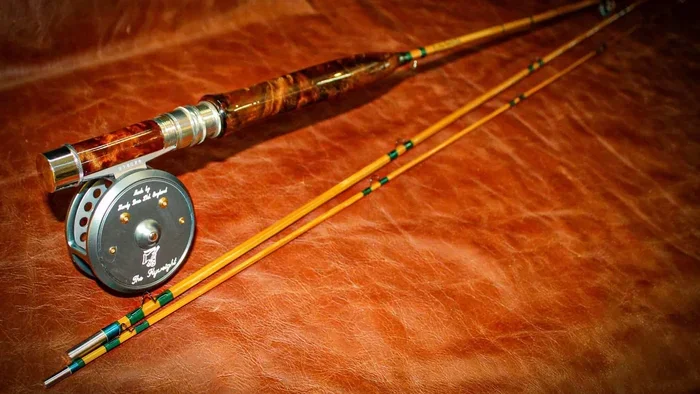
A spinning reel is the simplest choice for most people. A spincast combo is even easier for young children because the push-button reel helps reduce line tangles. Experienced anglers may prefer a baitcaster for bass or a fly rod for trout, but both need more practice.

Rod and Reel Choices
A 6- to 7-foot rod is a useful all-purpose length for open stream banks. Choose light or medium-light power for trout, panfish, and small bass. Rod power means how much force it takes to bend the rod. Rod action means where the rod bends, such as near the tip or farther down the blank.
A fast-action rod bends mostly near the tip. It gives quick lure control and helps detect light bites. A moderate-action rod bends deeper into the blank and can protect light line when a fish runs.
For small streams with brush, a 5- to 6-foot rod is easier to handle. For large rivers, a 7- to 8-foot rod helps with longer casts and line control. A telescopic rod packs well for hiking, travel, and gift use, but check its guides often because dirt and grit can damage the sections.

Line, Leader, and Terminal Tackle
Line test is the amount of pulling force a line is rated to handle. Use 4- to 8-pound monofilament for most small-stream trout, panfish, and small bass. Monofilament floats slightly, stretches, and costs less. It is a strong first choice for beginners and kids.
Braided line has little stretch and a thin diameter. It helps with long casts and heavy cover, but it can be more visible. Many anglers pair 10- to 15-pound braid with a 4- to 8-pound fluorocarbon leader. Fluorocarbon is less visible underwater and resists abrasion from rocks.
A leader is a short section between the main line and the hook or lure. In clear water, a 2- to 4-foot leader can help. In stained water or heavy cover, a shorter leader or direct monofilament connection may be easier.
| Item | Useful starting choice | Best suited to |
|---|---|---|
| Rod | 6–7 feet, light or medium-light | Trout, panfish, small bass |
| Reel | 1000–2500 spinning reel | Beginners and general stream use |
| Main line | 4–8 lb monofilament | Simple rigs and clear water |
| Leader | 2–4 feet of 4–8 lb fluorocarbon | Clear water and rocky banks |
| Hooks | Size 8–14 single hooks | Bait fishing and catch and release |
| Sinkers | Small split shot | Holding bait below the surface |
| Bobber | Small fixed or slip bobber | Beginners and slow pools |
Start with simple tackle. Too many swivels, beads, snaps, and heavy sinkers can make a small rig look unnatural and harder to cast.

Baits, Lures, and Useful Tools
Common stream baits include worms, nightcrawler pieces, minnows, insect imitations, and prepared bait where legal. Small spinners, spoons, jigs, crankbaits, and soft plastics also work in many streams.
Use a landing net with a rubber or knotless mesh when possible. It helps you land fish without dragging them over rocks. Add needle-nose pliers, line cutters, extra hooks, split shot, bobbers, and a small tackle box.
Polarized sunglasses reduce glare and help you see rocks, current seams, and fish. Waders can extend your access, but they also create safety risks. A wading belt should fit snugly, and you should avoid deep or fast water until you have proper instruction.
| Stream condition | Bait or lure choice | Presentation |
|---|---|---|
| Clear, shallow water | Small spinner, fly, worm piece | Cast upstream and retrieve slowly |
| Deep pool | Worm, jig, small crankbait | Let it sink near the bottom |
| Fast riffle | Small spoon or weighted nymph | Drift with controlled line |
| Muddy water | Bright spinner or scented bait | Use vibration and a slower pace |
| Wood or rock cover | Weedless soft plastic or jig | Cast beside cover, not into it |
The best choice depends on local fish, water clarity, depth, and regulations. Check whether live bait, scented bait, treble hooks, or lead tackle are allowed before fishing.
Stay Safe Before You Cast
Safety matters more in moving water than many new anglers expect. Rocks can be slick, depth can change quickly, and a calm-looking surface can hide a strong current. Plan your access before you step near the water.
Tell someone where you will fish and when you expect to return. Carry a charged phone in a waterproof pouch. Wear shoes with strong traction, and avoid climbing wet banks or unstable ledges.

Shore Fishing Safety
Shore fishing is often the safest way to start. Stand well back from the bank and cast from an open area. Do not lean over undercut banks. A bank that looks solid can collapse after rain or high water.
Keep hooks, knives, and pliers secured when walking. Wear polarized sunglasses to protect your eyes from hooks and reduce glare. Use sunscreen, drink water, and bring a light rain layer because stream weather can change quickly.
Wading Safety
Never wade based only on water depth. Current speed, slippery rocks, and hidden drop-offs matter just as much. If the water pushes hard against your legs, turn around and find another route.
Wear a wading belt with chest waders. Use a wading staff on unfamiliar bottoms. Shuffle your feet instead of taking high steps, and keep your body turned slightly upstream.
⚠️ Safety Warning: If you fall while wearing chest waders, do not panic or try to stand against strong current. Roll onto your back, point your feet downstream, and move toward calm water. Take a wading or swift-water safety course before fishing difficult rivers.

Kayak and Boat Safety
A kayak can reach stream sections that shore anglers cannot, but moving water increases the risk of capsizing. Use a U.S. Coast Guard–approved personal flotation device every time. Choose a kayak rated for your weight, gear, and water type.
Avoid narrow channels with strainers. A strainer is a fallen tree or branch that lets water pass but can trap a person or boat. Check weather, water levels, and local boating rules before launching.
For larger boats, carry a sound device, anchor system, first-aid kit, and required lights. Tell someone your route. Do not fish alone in unfamiliar moving water.
Read the Stream Before You Fish It
The best way to find stream fish is to study current, depth, cover, food, and shelter. Fish do not need to fight the strongest current all day. They often hold where moving water delivers food but nearby slower water saves energy.
Look for changes in surface speed. A line between fast and slow water is called a current seam. Fish may face into the current along this seam and wait for insects, baitfish, or loose food to pass.

Pools, Riffles, and Runs
A pool is a deeper section with slower water. It may hold trout, bass, catfish, or walleye, especially during bright light or low water. Cast to the head of the pool, the deep center, and the tailout where water leaves the pool.
A riffle is shallow, broken water flowing over rocks. Riffles can hold trout and smallmouth bass when oxygen levels are high. Use a small lure or light bait and keep your cast short.
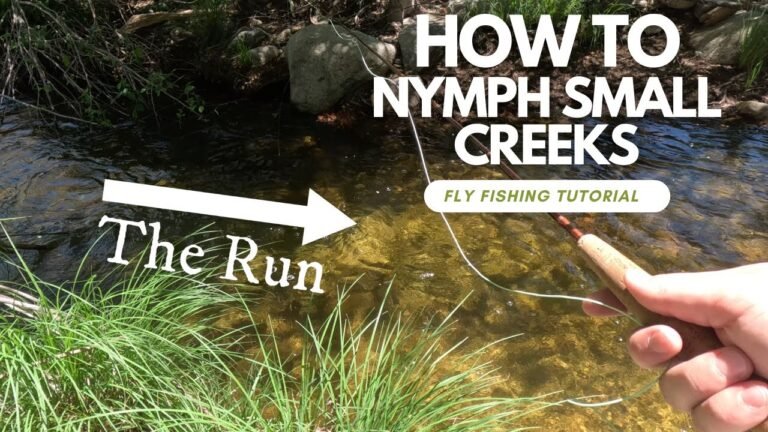
A run is deeper and smoother than a riffle but faster than a pool. Runs are good areas for a controlled drift. Cast upstream and let your rig pass beside rocks, shelves, and darker bottom areas.

Cover and Structure
Cover gives fish shade, protection, and ambush points. Common examples include fallen trees, boulders, bridge pilings, undercut banks, weed edges, and deep holes.
Cast near cover rather than directly into it. A lure that lands beside a log is easier to retrieve than one that wedges into branches. If you lose a rig, change your angle before using a heavier setup.
Overhanging trees may hold trout and bass because insects fall from the branches. Fish the shaded side first. Move quietly, since clear streams allow fish to see movement above the surface.

Signs of Feeding Fish
Watch for rises, swirls, small baitfish, insect activity, and birds working near the water. A fish that breaks the surface may reveal a feeding lane. Do not assume the fish will stay in that exact spot after your first cast.
In warm months, inspect rocks and logs for insects. Mayflies, caddisflies, stoneflies, and terrestrial insects can shape trout feeding patterns. Match the size and color of what you see, but keep the presentation natural.
| Stream feature | Why fish use it | First cast |
|---|---|---|
| Deep pool | Rest, shade, and lower current | Upstream edge or pool tailout |
| Current seam | Food delivery with less effort | Along the seam |
| Boulder | Breaks current and creates shade | Upstream side and eddy |
| Undercut bank | Protection from light and predators | Parallel to the bank |
| Fallen tree | Ambush cover | Beside the outer branches |
| Riffle | Oxygen and drifting food | Just above the deeper drop |
Fish the closest productive water first. Many anglers walk past fish while trying to reach the far bank. Stealth often matters more than distance.
How to Stream Fish Step by Step
A repeatable process helps you learn faster. Start with a simple rig, make short casts, and change only one variable at a time. That way, you know whether depth, location, speed, or bait caused a result.
The steps below work for many freshwater streams. Adjust them for trout, bass, panfish, catfish, or walleye based on local conditions.

1. Check Rules and Water Conditions
Confirm that you have the correct fishing license before you begin. Read the local rules for open seasons, size limits, bag limits, bait, hook types, and access areas.
Check water level and weather. Heavy rain can raise a stream quickly and make banks unstable. Cold water can cause serious injury even on warm days.
📜 Check Local Regulations: Regulations vary by state, county, stream, and species. Confirm current rules with your state wildlife agency or local fisheries office. Also check whether barbed hooks, lead sinkers, live bait, or treble hooks are restricted.

2. Choose a Safe Starting Spot
Begin downstream from the area you want to fish. This lets you approach fish without sending your shadow and footsteps through the target water. Stay low when the stream is clear and shallow.
Choose a bank with room for a back cast. Avoid standing directly in the water unless wading is safe and necessary. On a small stream, moving only a few feet can show you a new angle.

3. Rig the Rod
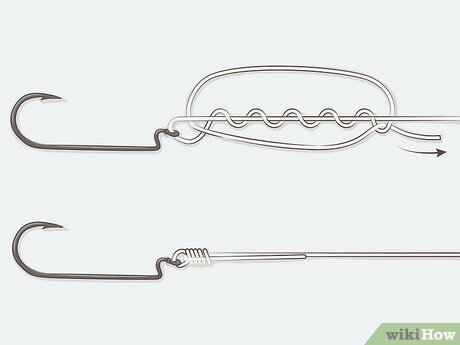
Thread the line through each rod guide. Tie on a small hook, lure, or jig using a reliable knot such as an improved clinch knot. Add a swivel only when line twist is a problem or when the rig needs one.
For bait under a bobber, place the bobber above the hook and add one or two small split shot below it. Start shallow. Increase depth only when fish are holding deeper.
For bottom fishing, place a small sinker above the hook. The sinker should reach the bottom without dragging constantly. If it rolls through every rock, reduce its weight.

4. Approach the Target Water
Move slowly and keep your profile low. Avoid stomping on the bank because vibrations can travel through shallow water. Keep the sun in mind, since your shadow may cross the stream.
Fish the near bank, shallow edge, and closest seam before making a long cast. Fish often hold close to shore, especially where current pushes food against a bank.

5. Cast Upstream or Across Current
An upstream cast gives your bait or lure time to sink as it travels toward you. A cross-current cast lets you cover a seam. Avoid casting far downstream at first because the bait may move too quickly and create slack.
Use a smooth casting motion. Small streams often need only 10 to 30 feet of line. Accuracy matters more than distance.
6. Control the Drift
Keep slight tension on the line. Too much slack hides bites. Too much tension pulls the rig faster than the current and makes it look unnatural.
With bait, watch the bobber or line. With a lure, feel for contact with rocks and notice any sudden weight, tick, or pause. A fish may take the bait without a hard strike.
7. Set the Hook With Control
When the bobber dips, wait only long enough for the fish to take the bait. A small lift of the rod is often enough with light tackle. Avoid violent hook sets, which can tear a small hook free or break light line.
With lures, lift the rod and reel steadily. Keep the rod bent but do not pull the fish straight into heavy cover. Use the drag to manage runs.
Drag is the reel system that lets line leave under pressure. Set it light enough to protect your line but strong enough to guide the fish away from rocks and wood.
8. Fight and Land the Fish
Keep the rod at about a 45-degree angle. Move your feet before you lift the fish. Use a landing net when possible, especially with trout or fish near strong current.
Do not drag fish across dry rocks. If you plan to release the fish, wet your hands first. Support its body, keep air exposure brief, and return it to calm water facing into the current.
🌿 Conservation Note: Pinch down barbs when local rules allow it. Use circle hooks for many bait-fishing situations, especially when targeting fish you plan to release. Cut line close to a deeply swallowed hook instead of causing more injury by forcing it out.
9. Move to the Next Spot
If a spot does not produce, change location before changing everything else. Walk downstream or upstream several yards and repeat the process. Stream fish may be grouped in small areas, so covering water matters.
Rest a pool after catching or spooking a fish. Move quietly and return later. On pressured streams, a pause can be more useful than a larger lure.
Match Your Method to the Fish
Different fish use streams in different ways. Trout often prefer cool, oxygen-rich water. Bass like current breaks and cover. Catfish favor deeper holes, while panfish may gather in slower edges and backwaters.
No method works in every stream. Water temperature, flow, forage, season, and fishing pressure all affect the result.
Trout in Streams
For trout, use a light or ultralight spinning rod from 5 to 7 feet. Pair it with 2- to 6-pound monofilament or a light fluorocarbon leader. Small spinners, spoons, jigs, worms, and flies are common choices where legal.
Cast upstream and let the lure move with the current. Keep the lure near likely holding water without dragging it over every rock. In clear water, a smaller presentation and longer leader may help.
Fly fishing uses a different system. A 3- to 5-weight fly rod suits many small trout streams, but the correct weight depends on fish size, wind, and casting space. Beginners may find a spinning combo easier to learn.
Bass in Moving Water
Smallmouth bass often hold behind rocks, beside current seams, and near fallen trees. Largemouth bass may prefer slower backwaters, weed edges, and shaded banks.
A 6- to 7-foot medium spinning rod works well for many stream bass. Use 8- to 12-pound monofilament or braid with a fluorocarbon leader. Try small crankbaits, jigs, soft plastics, and topwater lures when conditions allow.
Baitcasters offer good accuracy and control for experienced bass anglers. They can also produce backlash, which is a tangled loop of line caused by the spool turning faster than the lure. Beginners should learn with a spinning or spincast reel first.
Panfish and Small Species
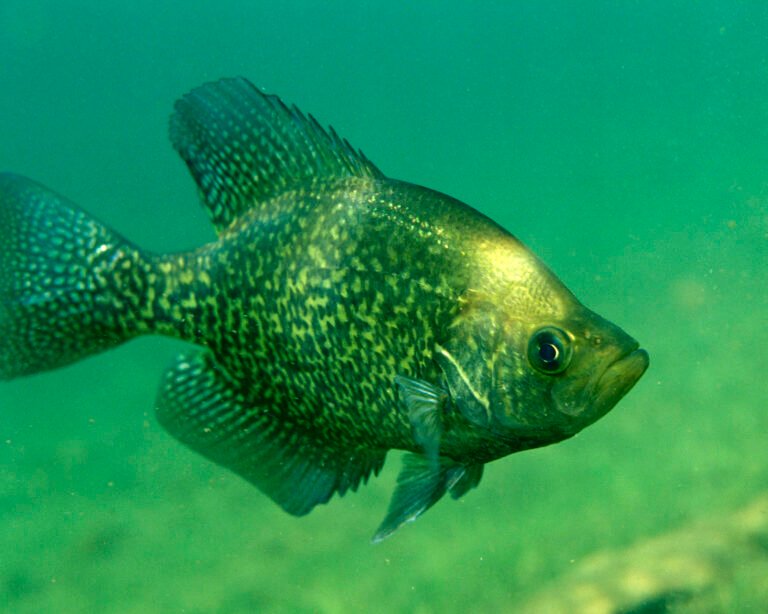
Bluegill, crappie, perch, and other panfish are good targets for beginners and children. Use a 5- to 6-foot ultralight or light rod, a 1000-size spinning reel, 2- to 6-pound line, and size 8 to 12 hooks.
A small bobber and worm piece can be easy for kids to cast and watch. Choose an open bank with few snags. Teach children to keep fingers away from hooks and to place rods down before handling fish.
A spincast combo may be the best gift for a child who is new to fishing. It is simple, affordable, and easy to understand. An adult should still handle hook removal when the fish swallows bait.
Catfish and Walleye
Catfish often use deep pools, outside bends, and slow water near the bottom. Use a medium or medium-heavy rod, 10- to 20-pound line, and a strong leader. Live bait, cut bait, and prepared bait may work where legal.
Walleye may hold in deeper runs, current seams, and rocky areas. Try jigs, minnows, crankbaits, or soft plastics. Fish during low light if local conditions support it.
| Target fish | Rod and line | Common presentation |
|---|---|---|
| Trout | 5–7 ft light, 2–6 lb line | Small spinner, fly, worm |
| Panfish | 5–6 ft ultralight, 2–6 lb line | Bobber and small hook |
| Smallmouth bass | 6–7 ft medium, 8–12 lb line | Jig, soft plastic, crankbait |
| Catfish | 7–8 ft medium-heavy, 10–20 lb line | Bottom rig and natural bait |
| Walleye | 6–7 ft medium, 8–12 lb line | Jig, minnow, deep crankbait |
Choose the lightest setup that can handle the fish and the cover. Light gear improves casting feel, but extreme ultralight tackle is not ideal around heavy wood or strong current.
Choose a Rig for the Current
A rig connects your line to the bait or lure. The best rig keeps the presentation at the right depth without snagging every cast. Start simple and adjust based on the stream.
Use a single hook when possible for easier release and fewer snags. Treble hooks may work well on crankbaits, but they can be difficult to remove from fish, nets, clothing, and skin.
Simple Bobber Rig
Tie a small hook to the end of your line. Place one or two split shot above it, then attach a bobber several inches to several feet above the hook. Set the depth based on the pool.
This rig suits beginners, kids, panfish, trout, and slow current. If the bait drifts too high, add a little depth. If it hangs on the bottom, reduce the depth or sinker size.
Bottom Rig
Tie a sinker above a swivel or directly above a short leader. Attach a hook below the leader. The bait should rest near the bottom without being buried in rocks.
This rig suits catfish, deeper pools, and slow sections. It is less useful in fast, shallow riffles because the sinker can snag.
Drift Rig
Use a small hook, light leader, and enough weight to move the bait near the bottom. Cast upstream and mend or reposition the line to keep the bait moving naturally.
Line mending means lifting or moving line so current does not pull the bait too fast. Fly anglers use it often, but spinning anglers can also manage line angle with the rod tip.
Lure Presentations
Small spinners create flash and vibration. Cast upstream or across current and retrieve just fast enough to keep the blade turning. Spoons work well in deeper runs but may snag in shallow rock.
Jigs can be bounced near the bottom. Soft plastics can imitate worms, minnows, and crawfish. Crankbaits cover water quickly, but choose a shallow-running model in rocky streams.
Change lure size before changing color. A lure that is too large can look unnatural in a small stream. Start with a size and weight that match the depth and current.
Common Stream Fishing Mistakes
Most new anglers lose time because of poor position, too much gear, or weak line control. These problems are easy to fix once you know what to watch for.
Experienced anglers also make mistakes when they move too fast or use a favorite technique without reading the water. Stream fishing rewards adjustment.
| Problem | Likely cause | Better solution |
|---|---|---|
| No bites in clear water | Fish see you or the line | Stand back, use lighter line, move slowly |
| Rig snags often | Too much weight or poor angle | Use less weight and change casting angle |
| Bait moves too fast | Current pulls slack line | Keep light contact and cast upstream |
| Hook sets fail | Too much slack or a dull hook | Watch the line and replace hooks |
| Line breaks near cover | Weak or worn leader | Use fresh leader and steer fish early |
| Fish spook quickly | Loud steps or repeated casts | Rest the spot and approach from downstream |
One common error is casting over the best water from too close to the bank. Another is walking through a pool before fishing it. Treat every stream edge as part of the fish’s view.
Using Too Much Tackle
A large tackle box can make a short stream trip tiring. Carry a small box with a few hook sizes, split shot, bobbers, swivels, spinners, jigs, and soft plastics.
Bring only what fits the conditions. A dozen well-chosen options are often more useful than hundreds of lures you never test.
Fishing Too Fast
Fish need time to see and take a bait. Make several casts from different angles before leaving a good spot. Let a lure sink, slow the retrieve, or pause near cover.
Do not confuse activity with progress. Quiet, careful movement often puts more useful casts into the water.
Ignoring the Exit
Plan how you will leave before entering a narrow bank or wading area. High water can block the route you used earlier. Keep enough daylight for the walk back.
Never enter a section that you cannot safely exit. A fish is not worth a fall, a damaged phone, or a dangerous crossing.
Budget, Travel, and Gift Advice
A basic stream setup can cost less than many specialized fishing systems. Current pricing ranges from low-cost spincast combos to premium rods and reels with lighter materials, smoother drags, and better corrosion protection.
Do not buy based only on bearing count or marketing terms. Match the reel size, rod power, line rating, and local fish. A simple setup that fits the angler will usually get more use than an advanced setup that feels difficult.
| Budget level | Typical setup | Best for |
|---|---|---|
| Entry | Spincast or basic spinning combo, mono line | Kids, gifts, casual panfish trips |
| Mid-range | Light spinning rod, 1000–2500 reel, better drag | Beginners and regular stream anglers |
| Premium | Sensitive graphite rod, sealed or smoother reel | Experienced trout and bass anglers |
| Travel | Telescopic rod, compact reel, small tackle box | Hikers and traveling anglers |
Fiberglass rods are durable and forgiving but can feel heavier and slower. Graphite rods are light and sensitive but may break if high-sticked or struck against rocks. Composite rods balance some traits from both materials.
For saltwater streams, tidal creeks, redfish, or coastal kayak fishing, select saltwater-rated tackle. Rinse the reel with gentle fresh water after every saltwater trip. Do not use a high-pressure hose, which can force salt deeper into the reel.
Who Should Use Which Setup?
Beginners should choose a spinning combo with a medium-light rod and simple monofilament. It is easy to cast, affordable, and useful across many freshwater species.
Experienced anglers may choose braid with a fluorocarbon leader, a fast-action graphite rod, or a baitcaster for accurate bass casts. They should still match the setup to water size and cover.
Gift buyers should ask three questions: Is the angler a child or adult? Will they fish small streams or larger rivers? Do they prefer bait, lures, or fly fishing? These answers matter more than brand names.
👪 Parent or Gift-Buyer Note: For children, choose a short rod with a push-button spincast reel, large line guides, and a simple tackle box. Add polarized sunglasses, hook covers, and adult supervision instead of buying a complex baitcaster.
What Often Breaks First?
Rod tips break when anglers lift heavy sinkers, high-stick fish, or close a rod section with dirt inside. Guides can crack and cut line. Check them with a cotton swab; loose fibers can reveal a damaged guide.
Reel bail springs, line rollers, drag washers, and handle connections can wear out. Rinse dirt from the reel, keep it out of sand, and store it with the drag loosened if the manufacturer recommends that practice.
Hooks rust when wet tackle stays in a closed box. Dry hooks, lures, pliers, and line before storage. Replace line that feels rough, cloudy, brittle, or badly twisted.
Clean and Store Your Gear
Gear care extends the life of rods, reels, line, waders, and tackle. Stream water contains grit that can enter reel seams and rod joints. Saltwater causes corrosion even when the damage is not visible at first.
A short cleaning routine after each trip prevents many expensive problems. Do not store wet gear in a dark vehicle or sealed tackle bag.
| Gear | After each trip | Longer-term care |
|---|---|---|
| Rod | Wipe dirt from guides and joints | Store dry and supported |
| Spinning reel | Wipe and lightly rinse if needed | Lubricate as directed |
| Line | Check for nicks and abrasion | Replace when brittle or worn |
| Hooks and lures | Dry before closing box | Remove rusted hooks |
| Waders | Rinse and hang dry | Inspect seams and boots |
| Pliers and net | Rinse, dry, and oil pivots | Replace damaged tool parts |
Do not leave a reel submerged. If it falls in water, remove the spool and allow the reel to dry before cleaning and lubricating it according to the manual.
Wader and Clothing Care
Rinse waders after muddy or salty trips. Hang them in a cool, shaded place. Direct heat can damage waterproof coatings and adhesives.
Inspect boot soles, seams, knees, and gravel guards. Repair small leaks early. Carry a repair patch on longer trips, but do not treat a temporary patch as a permanent fix.
Line and Hook Care
Run your fingers over the final few feet of line after fishing around rocks. Replace the leader if you feel rough spots. A fresh knot does not fix badly damaged line.
Keep hook points sharp. If a point catches on a fingernail instead of sliding, replace or sharpen it. Store terminal tackle in divided boxes so hooks do not tangle.
Know When to Ask a Local Tackle Shop
A local tackle shop can help you match gear to nearby streams better than a general product list. Bring the species name, stream size, water clarity, and your budget. Ask about legal bait, access points, current levels, and seasonal patterns.
Ask for help when you are unsure about rod power, line test, hook size, or a local regulation. Shop staff may also know whether a stream is safe to wade or closed for spawning fish.
You should seek professional instruction before fishing difficult rapids, remote rivers, or unfamiliar ice-covered streams. A boating safety course helps kayak and boat anglers. A wading or swift-water course can teach skills that online tips cannot replace.
If you fish with children, teach one safety rule at a time. Start with hook safety, then bank safety, then fish handling. Clear habits grow like a well-tied knot: slowly, but with strength.
FAQs About Stream Fishing
What is the best bait for stream fishing?
Worms are a common starting bait for trout, panfish, and some bass. Small minnows, insects, and prepared baits can also work where legal. The best bait depends on the target species, season, water clarity, and local rules.
Can you stream fish with a regular fishing rod?
Yes. A 6- to 7-foot light or medium-light spinning rod works for many streams. Use a shorter rod in tight brush and a longer rod in open water where you need more casting distance or line control.
What line should beginners use for stream fishing?
Monofilament is usually the easiest starting line. Use 4- to 8-pound test for trout, panfish, and small bass. Heavier line may be needed for catfish, large bass, thick cover, or strong current.
Is braid good for stream fishing?
Braid can help with sensitivity, long casts, and heavy cover. It is more visible than monofilament in clear water, so many anglers connect a fluorocarbon leader. Beginners may find monofilament simpler and less costly.
Should you cast upstream or downstream?
Cast upstream or across the current in most situations. This helps your bait or lure move naturally with the water. Downstream casts can work, but they often create slack and make the presentation move too fast.
How deep should a bobber be set?
Start with the hook 1 to 2 feet below the bobber in shallow water. Increase depth if fish hold near the bottom. Adjust until the bait drifts above rocks without dragging constantly.
Do you need waders to fish a stream?
No. Many productive spots are reachable from shore. Waders add access but also add risk. Use a wading belt, wear proper footwear, and avoid deep or fast water unless you have suitable training.
What rod is best for trout in a stream?
A 5- to 7-foot light or ultralight spinning rod is a good choice for many trout streams. A 3- to 5-weight fly rod may suit anglers who want to fly fish. Rod choice should reflect trout size, brush, wind, and casting space.
Can kids stream fish safely?
Yes, with close adult supervision and a simple setup. A spincast combo, small bobber, and size 8 to 12 hook are easy starting tools. Keep children away from steep banks, fast water, open hooks, and unsupervised wading.
How do you release a stream fish?
Wet your hands, support the fish, and keep it out of water for as little time as possible. Use a rubber landing net and barbless or pinched hooks when allowed. Revive the fish in calm water before letting it swim away.
How long does stream fishing gear last?
A basic rod and reel can last for years with reasonable care. Abrasion, salt, sand, impacts, and poor storage shorten its life. Replace damaged line and rusty hooks at once, and inspect guides and reel parts often.
Is a fishing license required for stream fishing?
In most U.S. states, anglers need a valid license unless an exemption applies. Rules differ by state, age, residency, species, and location. Check the state wildlife agency before fishing.
Final Advice
The best way to learn how to stream fish is to keep the first trip simple. Use a light spinning or spincast combo, carry a small tackle box, and fish safe water from shore. Start with a bobber and bait or a small spinner. Learn to see current seams, pools, rocks, and cover before adding advanced gear.
Fish quietly, cast short, and control your line. Match your setup to the species and stream, not to the most expensive item on the shelf. Follow local regulations, protect the water, and handle released fish with care. With practice, a small stream begins to read like a map, and each bend teaches you where the next cast belongs.