How To Fish For Crappie: Easy Tips For Beginners
Crappie are one of the best freshwater fish for learning how to fish. They live in lakes, ponds, rivers, and reservoirs across much of the United States. They also respond to simple methods, affordable tackle, and small baits. A beginner can catch crappie from shore with a bobber, while an experienced angler may use a fish finder, sonar mapping, and a boat to locate deep schools.
The key is to find the right depth and cover. Crappie often gather near brush piles, submerged trees, docks, weed edges, bridge pilings, and creek channels. Their location changes with the season, water temperature, light level, and food supply. Once you learn to match your rig to those conditions, crappie fishing becomes far less of a guessing game.
This guide explains how to fish for crappie from shore, a boat, kayak, or dock. You will learn which rods, reels, lines, hooks, jigs, live baits, bobbers, and sinkers work well. You will also learn how to find crappie, set the hook, handle fish with care, and follow local fishing rules.
Quick answer: how to fish for crappie
The best way to fish for crappie is to use a light spinning or spincast combo with 4- to 8-pound monofilament, a small jig or live minnow, and a bobber when fish are shallow. Cast near cover, let the bait reach the fish’s depth, and watch for a slow dip. In deeper water, use a vertical jig or double-jig rig near brush, drop-offs, and creek channels.

Crappie fishing works because these fish often hold in groups near structure. “Structure” means objects or changes in the bottom that attract fish, such as brush, rocks, docks, weeds, ledges, and submerged trees.
A simple setup is enough for most anglers:
- A 6- to 7-foot light or ultralight spinning rod
- A small spinning reel
- 4- to 8-pound monofilament
- A 1/32- to 1/8-ounce crappie jig
- A small bobber
- Size 6 to 10 hooks for live bait
- Small split shot
- Live minnows or soft-plastic crappie bodies
- Pliers and a small landing net
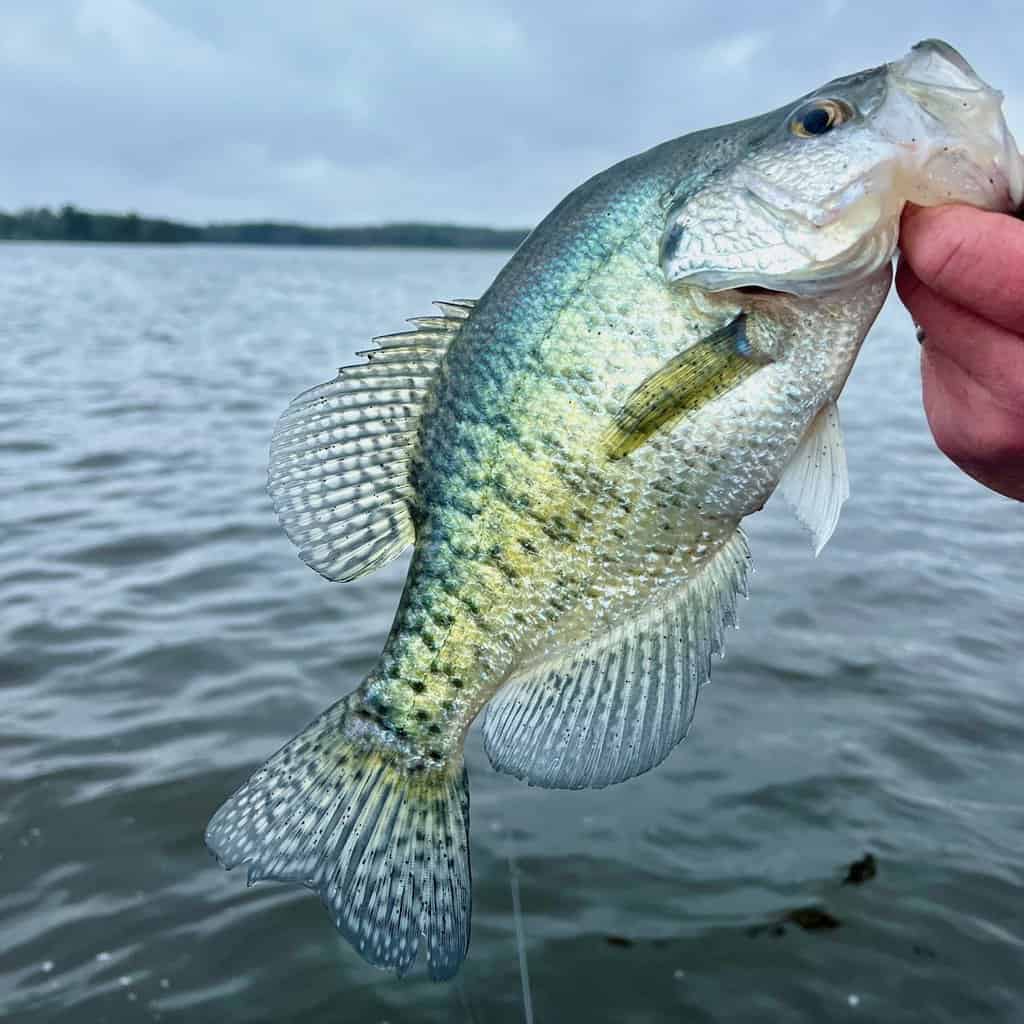
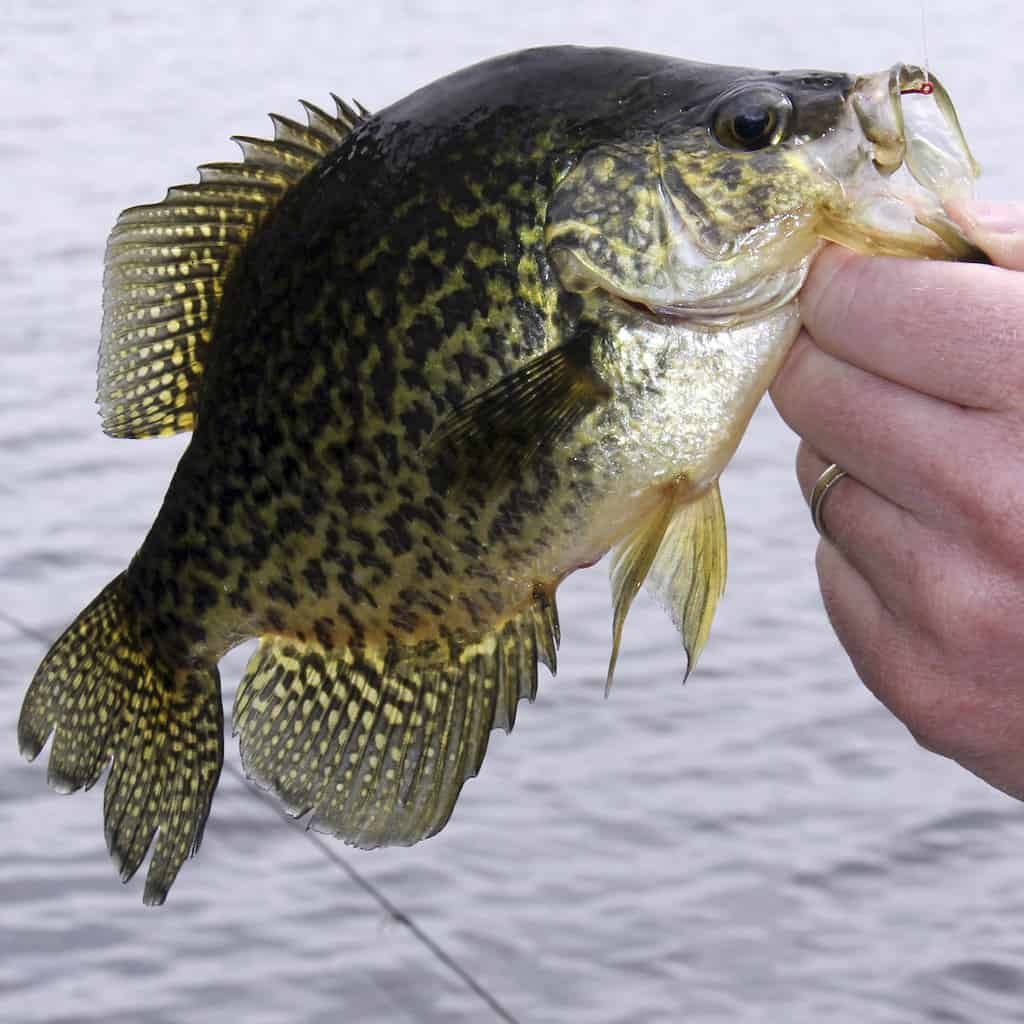
The fish may be called crappie, papermouths, specks, or sac-a-lait, depending on the region. The two main species are black crappie and white crappie. Both are panfish, but black crappie often prefer clearer water and more cover, while white crappie can tolerate more current and stained water. These are broad patterns, not strict rules.
Understand crappie behavior before you cast
Crappie are sight-feeding predators. They eat small minnows, insects, juvenile fish, and other tiny prey. Their feeding style explains why small jigs, minnows, and slow presentations work so well.

Crappie often suspend rather than sit on the bottom. A suspended fish may be 8 feet down over 20 feet of water. If your bait stays on the bottom, you may pass under the fish all day.
Depth matters, but depth is not fixed. Crappie may move up into shallow cover during low-light periods or warm spring weather. They may move deeper when the sun is bright, the water is cold, or boat traffic increases.
Black crappie and white crappie
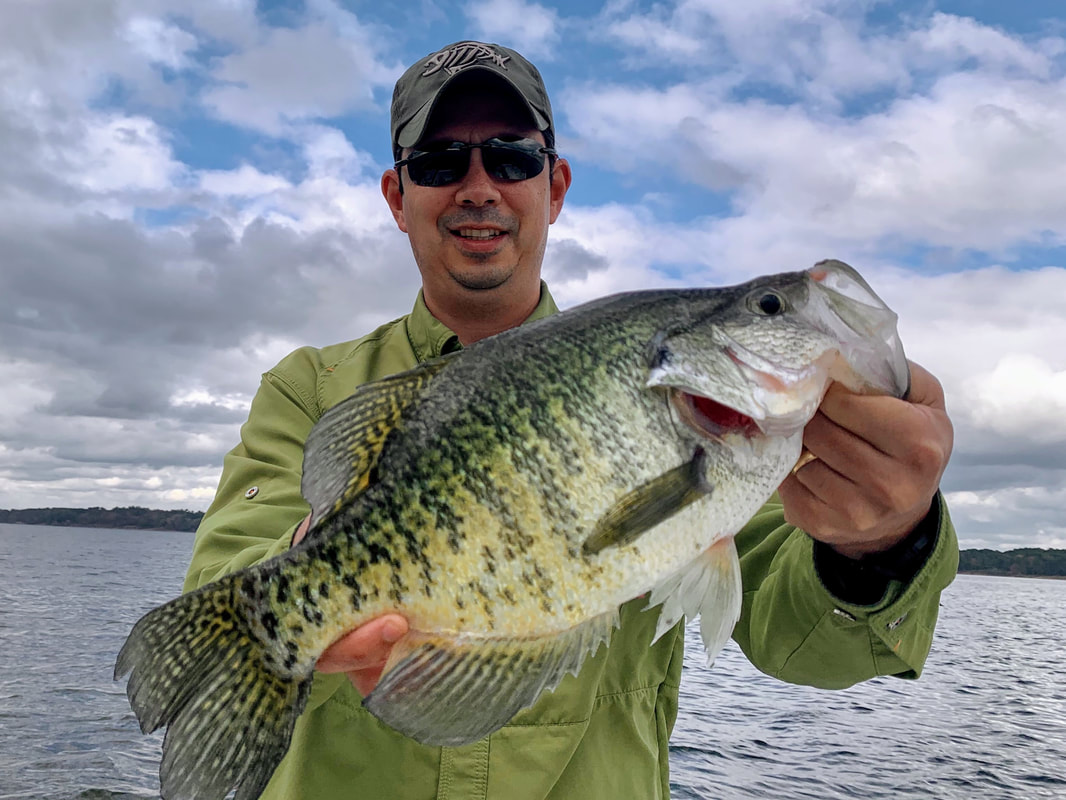
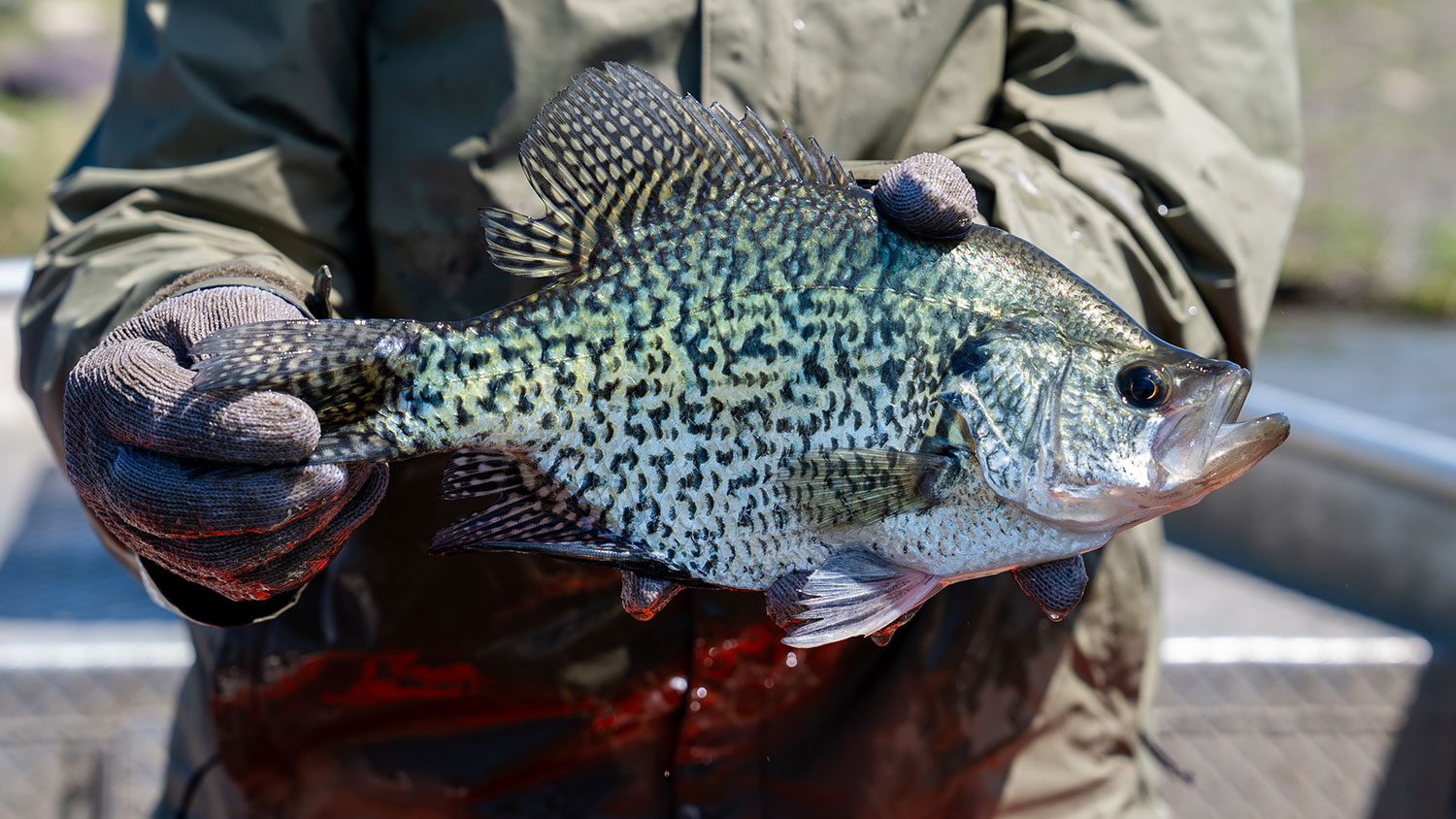
Black crappie usually have seven or eight dark vertical bars on their sides. White crappie often show five to six bars and have a longer body shape. Color can change with water clarity, age, and habitat, so body shape and dorsal spine count are more reliable than color alone.
Both species commonly use:
- Brush piles
- Submerged timber
- Weed lines
- Bridge supports
- Dock shade
- Creek channels
- Rock banks
- Channel edges
- Standing timber
- Drop-offs near spawning areas
The same lake may hold crappie in very different places. One school may sit in brush at 12 feet. Another may suspend over 30 feet of water. Use depth changes and cover as clues instead of assuming all fish are on the bottom.

Why crappie gather around cover
Cover gives crappie a place to rest and ambush prey. It also offers shade and protection from larger predators. Baitfish use the same areas, which makes cover a useful feeding zone.
A jig that lands close to a brush pile may draw a strike. A jig that lands several feet away may get ignored. This is why accurate casting matters more than long casting in many crappie situations.
Crappie have soft mouths. A hard hook-set can tear the hook free. Raise the rod smoothly when the bobber sinks, then keep steady pressure as you reel.
How weather and light affect the bite
Low light often encourages crappie to move shallow or feed more actively. Dawn, dusk, cloudy skies, and shaded banks can produce good windows. Bright sun may push fish tighter to cover or deeper into the water column.
Wind can help by breaking up the surface and pushing plankton toward a bank. Strong wind can also make bobber control difficult. Fish the protected side of the lake if waves make it hard to hold your bait at the target depth.
Rain, cold fronts, and rapid water changes can alter fish behavior. When conditions change, test several depths before deciding the fish are not biting.
Choose the right crappie fishing gear
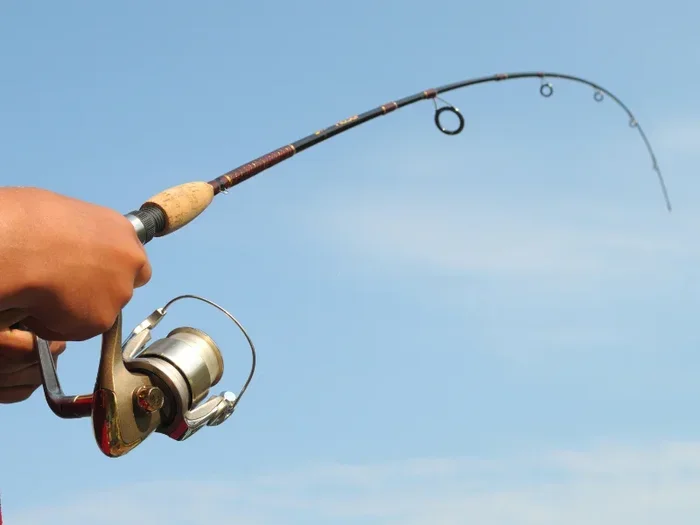
The best crappie gear is light, sensitive, and easy to control. A 6- to 7-foot ultralight or light spinning rod suits most beginners, kids, and shore anglers. A longer 9- to 12-foot crappie pole can help you place baits beside cover from a boat, but it is less convenient for travel and general casting.
Rod “power” describes how much force it takes to bend the rod. Ultralight and light power rods bend easily with small jigs. Rod “action” describes where the bend begins. A fast-action rod bends near the tip and feels sensitive. A moderate action bends farther down the blank and can protect light line.
For most crappie fishing, choose ultralight or light power with moderate-fast or fast action. Beginners may prefer a moderate-fast action because it reduces the chance of tearing a hook from a crappie’s thin mouth.
Rod, reel, and line pairing
The table below gives practical starting points for common crappie methods. These are ranges, not strict rules.
| Fishing method | Rod and reel setup | Line and terminal tackle |
|---|---|---|
| Shore fishing with bobber | 6–7 ft ultralight spinning or spincast combo | 4–6 lb mono, size 6–10 hook, small float |
| Casting small jigs | 6–7 ft light spinning rod and 1000–2000-size reel | 4–8 lb mono or braid with light leader |
| Boat jigging | 9–12 ft crappie pole or 6–7 ft light spinning rod | 6–10 lb line, 1/32–1/8 oz jig |
| Deep vertical fishing | 6–7 ft light spinning rod with sensitive tip | 6–10 lb mono or braid with fluorocarbon leader |
| Kids’ fishing | 5–6 ft spincast or short spinning combo | 6 lb mono, bobber, size 8 hook |
A 1000- or 2000-size spinning reel is usually enough. Look for a smooth drag and a spool that handles light line without frequent loops. The drag is the reel’s adjustable braking system. Set it light enough for the line to pull out under firm pressure.
A spincast combo works well for young anglers because the push-button reel is simple. A spinning reel gives better casting range and control. Baitcasters are usually unnecessary for crappie because small lures are difficult to cast with many baitcasting reels.
Monofilament, fluorocarbon, or braid
Monofilament is the easiest line for beginners. It is affordable, flexible, and slightly stretchy. That stretch can help protect light line and soft crappie mouths.
Fluorocarbon is less visible underwater and sinks faster than mono. It is useful as a leader around clear water and wary fish. Full fluorocarbon can feel stiff on a small spinning reel, especially in cold weather.
Braided line has little stretch and strong diameter-to-pound-test strength. It can improve sensitivity around deep cover, but it is more visible and can cut into wood. Many anglers use 4- to 10-pound braid with a 4- to 8-pound fluorocarbon leader.
| Line type | Main strengths | Limitations |
|---|---|---|
| Monofilament | Low cost, easy knots, stretch, simple for beginners | More visible and stretches at long range |
| Fluorocarbon | Low visibility, sinks, abrasion resistance | Stiffer, more costly, can coil on small reels |
| Braided line | High sensitivity, thin diameter, good casting | Visible, can tangle, needs a leader in clear water |
For a first crappie setup, 6-pound monofilament is hard to beat. It is simple, cheap, and forgiving. Experienced anglers may choose braid and a fluorocarbon leader when fishing deep cover or using electronics.
Hooks, sinkers, floats, and swivels
Use small hooks for live minnows. Size 6, 8, or 10 hooks cover many situations. Choose a hook size that fits the bait without making it look unnatural.
Small split-shot sinkers help a minnow reach the target depth. Place the split shot several inches above the hook. A small swivel can reduce line twist, but it may add weight and visibility. Use one only when it solves a real problem.
A slip bobber slides along the line until it reaches a stopper. It is useful when fish are deeper than the rod length. A fixed bobber is simpler for shallow water and is often better for kids.
Select bait and lures that match the fish
Crappie eat small prey, so your bait should look small and move slowly. Live minnows are a classic choice. Small jigs are more portable, cleaner, and reusable.

A 1/32-ounce jig is useful in calm water and shallow depths. A 1/16-ounce jig is a good all-purpose size. Move up to 1/8 ounce when wind, current, or depth makes it hard to control the lure.
Soft-plastic bodies come in many shapes. Curly tails, paddle tails, tubes, and tiny shad profiles all have a place. Use bright colors in stained water and natural colors in clear water. Color matters, but depth and presentation often matter more.
Live minnows
Hook a minnow lightly through the lips, behind the dorsal fin, or under the skin near the back. The best method depends on current, cover, and how long you need the minnow to stay lively.
Keep minnows cool and supplied with oxygen. A small aerated bucket helps. Do not release unused bait into a lake unless local rules and invasive-species guidance clearly allow it. Bait can spread disease or nonnative species.
Jigs and soft plastics
A jig combines a weighted head with a soft or feathered body. It can be cast, suspended under a float, or lowered vertically. Use a slow lift-and-fall motion rather than a fast retrieve.
Many crappie strikes feel like extra weight. Others feel like a light tap. Watch the line and rod tip. If the jig stops falling or the line moves sideways, reel down and lift smoothly.
Common crappie colors
| Water condition | Useful starting colors | Presentation idea |
|---|---|---|
| Clear water and bright sun | White, pearl, smoke, natural shad | Slow fall near shade or cover |
| Stained water | Chartreuse, pink, orange, white | Add vibration and pause often |
| Muddy water or low light | Black, purple, bright chartreuse | Use a larger profile or brighter contrast |
| Deep water | Two-tone jig, pearl, blue, chartreuse | Vertical jig with controlled lift |
| Heavy vegetation | Compact tube or weed-resistant jig | Lower the bait into openings |
No color works every day. Start with one natural and one high-contrast option. Change depth before changing colors several times.
Find crappie in lakes, rivers, and ponds
The best place to fish for crappie depends on the water body and season. Start with cover near a depth change. A brush pile beside a creek channel is often more promising than random open water.

From shore, look for docks, bridge crossings, fallen trees, weed edges, riprap, and points. A point is a piece of land that extends into the water. Points often connect shallow feeding areas with deeper water.
From a boat or kayak, search for submerged brush, timber, creek channels, and drop-offs. A fish finder can show depth, bottom shape, baitfish, and suspended fish. It cannot identify every mark with certainty, so confirm sonar readings with careful presentations.
Shore and dock fishing
Shore anglers should focus on access points that reach deep water. Public parks, boat ramps, bridges, fishing piers, and creek mouths can be productive. Cast parallel to the bank when fish hold along a weed line or drop-off.
Fish the shaded side of a dock first. Let the bait sit near posts, but avoid placing hooks where you cannot retrieve them. If the water near shore is shallow, use a long cast to reach the first break.
A telescopic rod can be useful for travel or small ponds. Check the joints before each trip, since dirt and side pressure can damage a telescopic blank. A 6-foot telescopic rod is more portable than a long crappie pole but may be less sensitive.
Boat and kayak fishing
A boat gives you access to brush piles, channels, and open-water schools. A kayak is quiet and portable, but stability and storage matter. Keep hooks, pliers, rods, and tackle secured so they cannot become hazards under your feet.
Use a kayak suited to your body weight, gear load, and local water. Wear a properly fitted U.S. Coast Guard–approved personal flotation device at all times. Check weather, wind, current, and the return route before launching.
Fish finders help locate depth changes and suspended marks. Use them as a tool, not a promise. Mark productive spots only where permitted, and avoid crowding other anglers.
⚠️ Safety Warning: Wear a U.S. Coast Guard–approved PFD when fishing from a boat, kayak, or unfamiliar dock. Tell someone your plan, check the weather, and keep hooks, knives, and pliers secured when moving.

Fish finders and sonar
A basic fish finder can show depth and bottom contours. Side imaging may reveal brush and timber beside the boat. Down imaging can help separate cover from fish, but screen settings and operator skill affect what you see.
Start by reading the bottom. Look for creek channels, humps, ledges, and brush. Then watch for baitfish and suspended marks. Lower a jig to the depth where marks appear, but remain ready to test several feet above and below.
Fish for crappie through the seasons
Crappie move as water temperature and food sources change. Seasonal patterns help you start, but local conditions should guide your final decision.

Spring is famous for shallow crappie. Fish move toward spawning areas when water warms. They may use shallow brush, gravel, stumps, and protected pockets. A bobber and jig or minnow work well because you can cover water at several depths.
Summer often pushes crappie deeper or into shade. Look for brush piles, standing timber, creek channels, and shaded docks. Early morning and evening may produce a shallow bite, while midday fish may suspend over deeper water.
Fall can bring fish toward baitfish and creek arms. Windblown banks may hold feeding fish. Winter crappie often move deeper, though sunny days can warm shallow water and create short feeding periods.
| Season | Common areas to test | Effective starting method |
|---|---|---|
| Spring | Shallow cover, coves, gravel, creek mouths | Bobber with minnow or 1/32–1/16 oz jig |
| Summer | Deep brush, shade, channels, standing timber | Vertical jigging or slip bobber |
| Fall | Creek arms, points, baitfish schools, windblown banks | Cast jigs and troll slowly |
| Winter | Deep channels, steep banks, stable cover | Slow vertical jigging with small bait |
These patterns vary by latitude and water temperature. A southern reservoir may have a spring pattern weeks before a northern lake. Water temperature is a clue, not a rule.
Spring spawning crappie
During the spawn, fish may move shallow, but not all crappie spawn at the same time. North-facing banks may warm first. Protected coves can hold fish when wind makes main-lake areas difficult.
Do not assume every shallow fish is a crappie. Panfish, bass, and other species may use the same cover. Handle any fish you release with wet hands and avoid dragging it across dry ground.
Summer and winter crappie
In summer, use a slip bobber to suspend bait over deep brush. Adjust the stopper until the bait reaches the fish. If you fish a jig, count it down after the cast. One count may equal a different depth depending on jig weight and line.
In winter, slow down. Hold the jig nearly still and make short lifts. Cold fish may not chase a fast lure. Use electronics when available, but do not ignore steep banks and known cover if you are fishing from shore.
Use proven crappie rigs and presentations
The right rig keeps your bait at the depth where crappie feed. Start simple, then use more advanced methods as your skill grows.

Bobber and jig rig
Tie a small jig below a fixed bobber. Add a split shot if the jig does not sink well. Set the bobber so the jig fishes near cover or just above the fish.
This rig is excellent for beginners and kids. It gives a clear visual signal when a fish bites. It also keeps the bait away from some snags.
A good starting distance is 1 to 3 feet below the bobber in shallow water. If you see fish deeper or receive no bites, increase the depth in 1-foot steps.
Slip bobber rig
A slip bobber is better when you need to fish 6 feet, 10 feet, or deeper. Thread the line through the float, add a stopper above it, then attach a small weight and hook or jig below.
Set the stopper to place the bait at the desired depth. Cast gently so the rig does not tangle. A small bead below the stopper can help some slip floats stop cleanly.
Single-jig casting rig
Tie a 1/32- to 1/8-ounce jig directly to the line. Cast beyond cover and retrieve slowly. Use a lift, fall, and pause pattern.
Try counting the jig down. For example, cast, allow it to fall for five seconds, and begin the retrieve. If the jig gets no response, try seven or three seconds. This gives you a simple way to test depth without electronics.
Double-jig rig
A double-jig rig uses two jigs separated by a leader. It can help you test two colors or depths at once. It is also useful when fish are spread through the water column.
Check local rules before using more than one hook. Some states limit the number of hooks, rods, or lines. A double rig also catches more cover, so use it around open brush edges rather than dense wood.
Vertical jigging
Position the boat above or beside cover. Lower the jig to the target depth, then raise it a few inches at a time. Hold it still for several seconds after each lift.
Keep the line nearly vertical. If the wind pushes the boat away, the jig may leave the strike zone. Use a heavier jig only when needed to maintain control.
Slow trolling
Slow trolling, often called spider rigging when several rods are spread around a boat, lets you cover water. Use jigs, minnows, or both. Move slowly enough that the baits remain at the target depth.
Check regulations before using multiple rods. Some waters restrict the number of rods or lines per angler. Keep hooks organized and avoid crossing lines when turning.
Follow a step-by-step crappie fishing plan
A repeatable plan prevents random casting. Use this process when arriving at a new lake, pond, or river.

1. Check the rules and conditions
Confirm that you have the correct fishing license. Check size limits, daily bag limits, closed seasons, hook rules, bait restrictions, and boat regulations. Rules can differ between a state, county, lake, and river section.
Check the weather, wind, water level, and access. Wear polarized sunglasses to reduce glare and help spot shallow cover. Bring water, sun protection, and a landing net.
2. Start near cover and a depth change
Find cover close to deeper water. From shore, fish docks, bridge pilings, points, and fallen trees. From a boat, search creek channels, brush piles, and standing timber.
Do not spend an hour at one spot without feedback. Give a location 10 to 15 minutes at two or three depths. If you see baitfish but get no bites, change your presentation or move a short distance.
3. Pick a simple presentation
Use a bobber and jig if you are new to crappie fishing. Use live minnows if fish are inactive or if you want a natural presentation. Use a single jig when you need to cover water.
Start with 6-pound monofilament, a 1/16-ounce jig, and a small float. This setup is easy to cast and easy to replace if you lose it.
4. Cover the water column
Fish shallow first when light is low or water is warm. Probe deeper as the day brightens or when the surface produces no bites.
Change only one factor at a time. Try a different depth before changing line, color, hook, and bait all at once. This helps you learn what caused the bite.
5. Set the hook gently
When the bobber dips, pause for a moment and lift the rod. Do not snap the rod overhead. With a jig, reel until the line is tight and raise the rod smoothly.
Keep the rod bent while fighting the fish. Light line can break if you horse the fish through cover. Use a landing net when the fish reaches the boat or bank.
6. Handle and release fish correctly
Wet your hands before touching a fish. Support its body and avoid squeezing the belly. Keep air exposure short.
If you plan to keep fish, place them on ice soon after capture. Follow local size and bag limits. Release unwanted fish promptly and away from hot, dry surfaces.
Avoid the most common crappie fishing mistakes
Most lost time comes from fishing the wrong depth, moving too fast, or using gear that is too heavy. Small changes often fix the problem.
Fishing only the bank
Shallow water looks attractive, but crappie may suspend offshore. If the bank produces no bites, search a point, channel edge, or brush pile in deeper water.
Using a jig that is too large
A large bass jig may look out of place to a crappie. Start with a 1/32- to 1/16-ounce jig and a small body. Increase size only when wind or depth requires it.
Retrieving too quickly
Crappie often prefer a slow target. Let the jig fall. Pause. Watch the line. A fast retrieve can pull the lure above or away from inactive fish.
Setting the bobber too shallow
A bobber only works when the bait reaches the fish. Adjust the depth in small steps. A slip bobber is the better choice when fish are deeper than your rod can reach comfortably.
Using heavy line and terminal tackle
Heavy line, large swivels, and thick hooks can reduce a small bait’s action. Use the lightest practical setup that can handle cover and other species in the water.
Ignoring snags
Crappie cover can be rough on tackle. Aim for the edge of a brush pile before placing a lure deep inside it. Carry extra hooks, jigs, bobbers, and leaders.
| Problem | Likely cause | Practical fix |
|---|---|---|
| No bites near shallow cover | Fish are deeper or inactive | Try a slip bobber or count a jig down |
| Bobber moves but no fish stays hooked | Hook-set is too hard or hook is dull | Lift smoothly and replace dull hooks |
| Line twists on spinning reel | Lure spins or bail is closed poorly | Use a swivel when needed and close bail by hand |
| Jigs hang in brush | Lure enters dense cover too often | Fish the outside edge or use a lighter jig |
| Minnow dies quickly | Warm water or low oxygen | Use an aerated, shaded bait container |
| Fish follow but do not bite | Lure is too fast or too large | Slow down and use a smaller profile |
The best fix is often a change in depth. Crappie may be only 2 feet above or below your bait. Test that range before abandoning a productive area.
Budget your crappie fishing setup
Crappie fishing does not require expensive equipment. A basic setup can cost less than many other freshwater fishing systems. Current pricing ranges from roughly $25 to $70 for a simple combo, while advanced rods, reels, electronics, and long crappie poles can cost much more.

Buy quality where it affects control and safety. A smooth reel, clean line, sharp hooks, and a rod with a sensitive tip matter more than extra bearings or a flashy finish.
Gift buyers should match gear to the angler’s age, strength, and fishing location. A child may need a short spincast combo. A shore angler may prefer a 7-foot spinning rod. A boat angler who vertical jigs may want a long crappie pole.
| Budget level | What it can include | Best suited to |
|---|---|---|
| Around $25–$50 | Basic spincast or spinning combo, mono, hooks, bobbers | Kids, first-time anglers, casual pond trips |
| Around $50–$120 | Better spinning combo, small tackle box, net, pliers, jig selection | Beginners and regular shore anglers |
| Around $120–$300 | Sensitive rod, smooth reel, quality line, multiple rigs, landing net | Experienced anglers upgrading control |
| $300 and up | Long crappie poles, electronics, mounts, boat accessories | Boat anglers and dedicated crappie fishermen |
Do not buy a baitcaster or high-speed reel just because it appears advanced. Baitcasters excel with heavier lures and accurate casting, but light crappie jigs can be difficult to cast without the right spool and skill.
What beginners should buy first
A beginner needs a rod, reel, line, hooks, bobbers, split shot, a few jigs, and a way to carry the tackle. Add a landing net and long-nose pliers if the budget allows.
A 6-foot-6-inch light spinning combo is a flexible choice. It can handle crappie, bluegill, perch, small bass, and trout. That makes it a better first setup than a species-specific long pole for many new anglers.
What makes a good gift
A gift buyer should avoid buying live bait in advance. Minnows are perishable, and local bait rules vary. Instead, choose a small tackle box, line, jigs, forceps, polarized sunglasses, or a gift card from a local tackle shop.
👪 Parent or Gift-Buyer Note: For children, choose a 5- to 6-foot spincast combo with 6-pound line and a simple bobber rig. Teach the child to carry hooks point-down, wear eye protection during casts, and ask an adult before handling knives or pliers.

Compare crappie fishing methods
Each method fits a different angler and water type. There is no single setup that works best for every lake, river, dock, or boat.
| Method | Main benefit | Main limitation |
|---|---|---|
| Bobber and live minnow | Simple depth control and strong natural appeal | Requires bait care and may snag near cover |
| Bobber and jig | Clean, reusable, easy for kids | May need color or depth changes |
| Casting a jig | Covers water and works from shore | Takes practice to control light lures |
| Vertical jigging | Precise depth over brush and timber | Works best from a boat or kayak |
| Long crappie pole | Places bait beside cover without casting | Less portable and less versatile |
| Slow trolling | Searches large areas efficiently | Needs space, boat control, and rule checks |
A beginner should start with a bobber. An experienced shore angler may prefer casting jigs. A dedicated boat angler may benefit from long poles and electronics. A traveling angler may choose a compact spinning combo instead.
Practice safe, legal, and responsible fishing
Crappie fishing is simple, but it still involves hooks, water, weather, and local rules. Good habits protect you, other anglers, and the fishery.
Check fishing regulations
Always check the current regulations from your state wildlife agency or the authority that manages the lake. Confirm:
- Fishing license requirements
- Crappie size limits
- Daily bag limits
- Possession limits
- Closed seasons
- Number of rods and hooks
- Use of live bait
- Barbed or barbless hook rules
- Lead tackle restrictions
- Boat and access rules
📜 Check Local Regulations: Regulations can change by lake and season. A legal rig in one state or reservoir may be restricted somewhere else. Keep a digital or printed copy of the current rules when you fish.
Use catch-and-release best practices
If you release a crappie, wet your hands first. Avoid touching the gills. Remove the hook with pliers and keep the fish out of water for as little time as possible.
Barbless hooks make release easier, where legal. If a hook is deeply embedded, cut the line close to the hook instead of causing more damage. Dispose of old monofilament and braid in a line-recycling container or trash bin.
If you keep fish, follow the limit and handle the catch cleanly. Do not leave fish waste on a boat ramp, dock, or public shoreline.
🌿 Conservation Note: Crappie grow at different rates in different waters. Keeping only the fish you will use can help preserve strong age classes and improve future fishing. Follow local harvest rules rather than relying on general advice.
Protect yourself around water
Wear sunglasses to protect your eyes from hooks. Use sunscreen, drink water, and watch for heat stress. A landing net reduces the need to lean over a boat or slippery bank.
On a boat or kayak, wear a U.S. Coast Guard–approved PFD. Do not stand in an unstable kayak to cast. Tell someone where you are going and when you expect to return.
If you fish during winter, never trust ice based only on appearance. Ice thickness can vary near current, springs, vegetation, and inflows. Check local ice conditions and take a formal ice-safety course before traveling onto frozen water.
Know when to ask a local tackle shop or guide
A local tackle shop often has better current information than a general online chart. Staff may know which coves are producing, what depth fish are using, and which bait rules apply.
Ask for help when:
- You cannot identify legal tackle rules
- You need a rod for a specific lake
- You are unsure how to spool a spinning reel
- Your reel has severe line twist
- You need a safe kayak or boat setup
- You plan to fish unfamiliar current
- You want to learn electronics or vertical jigging
- You are not sure how to handle a deeply hooked fish
A licensed fishing guide can shorten the learning curve on a large reservoir. A guide can also teach boat positioning, sonar use, seasonal patterns, and safe operation. That cost may be worthwhile for an experienced angler who wants to learn a new water type.
Frequently asked questions about crappie fishing
What is the best bait for crappie?
Live minnows and small jigs are the most common choices. Minnows provide a natural presentation, while jigs are cleaner and easier to store. Start with a 1/32- to 1/16-ounce jig or a small minnow under a bobber.
What size hook should I use for crappie?
Use size 6, 8, or 10 hooks for many live-bait situations. The hook should be small enough to match the minnow but strong and sharp enough for the fish. Check local rules before using barbed hooks.
What line is best for crappie?
Six-pound monofilament is a strong starting point for beginners. It casts small lures well and has enough stretch to protect the fish’s soft mouth. Experienced anglers may use light braid with a fluorocarbon leader around deep cover.
Do crappie feed on the bottom?
Sometimes, but they often suspend above the bottom. A crappie may hold halfway down in water that is much deeper. Test several depths instead of keeping your bait on the bottom all day.
What time of day is best for crappie?
Early morning and late afternoon often offer good low-light periods. Cloud cover can extend shallow feeding activity. Still, crappie can feed throughout the day when you locate the correct depth and cover.
Can I catch crappie from shore?
Yes. Fish docks, bridges, points, fallen trees, weed edges, creek mouths, and areas with a nearby drop-off. A bobber rig is easy from shore, while a jig lets you cover more water.
Is a spinning reel better than a baitcaster for crappie?
A spinning reel is usually better for light crappie lures. It casts small jigs with less effort and is easier for beginners. A baitcaster can work with heavier rigs, but it is not necessary for most crappie fishing.
How deep should I fish for crappie?
There is no single correct depth. Start shallow near cover during low light and spring warming. Try deeper brush, channels, and suspended fish during bright, hot, cold, or changing conditions.
Can kids fish for crappie?
Yes. A short spincast combo, small bobber, and size 8 hook make a simple setup. An adult should handle hook removal, cutting tools, and crowded or slippery areas. Use a life jacket near boats and deep water.
How do I keep minnows alive?
Use an aerated container, keep it shaded, and avoid overcrowding. Change water when it becomes warm or dirty. Never release unused minnows unless local authorities confirm that release is legal and safe.
Should I use a landing net for crappie?
A small, soft-mesh landing net helps prevent dropped fish and reduces the need to lift them by the line. It is especially useful from a kayak, boat, or high bank. Keep the net clean and dry it after use.
How long does crappie fishing gear last?
A rod and reel can last for years with proper care. Line may need replacement each season or sooner if it has nicks, memory, or sun damage. Hooks rust or dull quickly when exposed to water and should be replaced as needed.
Are crappie good to eat?
Many anglers consider crappie excellent table fare. Keep only legal fish that you will use. Clean them promptly, store them cold, and follow local consumption advisories for the water you fish.
What is the best crappie lure color?
There is no universal winner. Natural colors such as white, pearl, and smoke suit clear water. Chartreuse, pink, orange, black, and purple can provide contrast in stained or low-light water. Test depth before making many color changes.
Can I use a fly rod for crappie?
Yes. A light fly rod can cast small streamers, poppers, and soft flies, especially around shallow cover. A 3- to 5-weight fly rod suits many situations, but wind, deep water, and heavy cover may favor spinning tackle.
Final thoughts
Learning how to fish for crappie starts with three decisions: where the fish may be, how deep they are, and how slowly your bait should move. A light spinning or spincast combo, 6-pound monofilament, a small jig or minnow, and a bobber can cover most beginner situations.
Start near cover beside a depth change. Fish two or three depths before moving. Watch your line, set the hook gently, and keep a net nearby. As your skills improve, add slip bobbers, vertical jigging, a fish finder, or a longer crappie pole.
The best crappie setup is the one you can control, afford, and use safely. Check local regulations before every trip, protect the water, and keep only what you need. With a simple plan and careful observation, each outing can teach you more about the fish and the water you share with them.