How To Catch Fish To Eat: Simple Survival Guide
Fishing for food is a useful skill, but success starts with more than casting a line. You need the right spot, simple gear, fresh bait or a reliable lure, safe fish handling, and a clear understanding of local rules. You also need to know which fish are safe to eat and how to keep them cold from the moment they leave the water.
The good news is that you do not need an expensive boat or a large tackle box. A basic spinning combo, a few hooks and sinkers, live bait, and a valid fishing license can be enough for panfish, trout, bass, catfish, or other local species. This guide explains how to catch fish to eat from shore, a pier, a kayak, a boat, or the ice.

Quick Answer: How Do You Catch Fish to Eat?
To catch fish to eat, check local rules, choose a legal fishing spot, use gear suited to the target species, present bait or a lure near likely fish, and handle the catch quickly. Keep edible fish cold on ice, follow size and bag limits, and clean them with clean tools. Beginners often start with a spinning rod, monofilament line, small hooks, sinkers, bobbers, and live bait.

Understand the Fish, Water, and Conditions
The best way to catch fish for food is to match your method to the species and water. A small pond may hold bluegill, crappie, bass, and catfish. A cold stream may hold trout. Coastal water may offer redfish, flounder, snapper, or other species, depending on the region.
Fish do not stay in one place all day. They move to find food, cover, oxygen, and a safe water temperature. Learning where fish feed is often more useful than buying more tackle.
Common Fish People Catch for Food
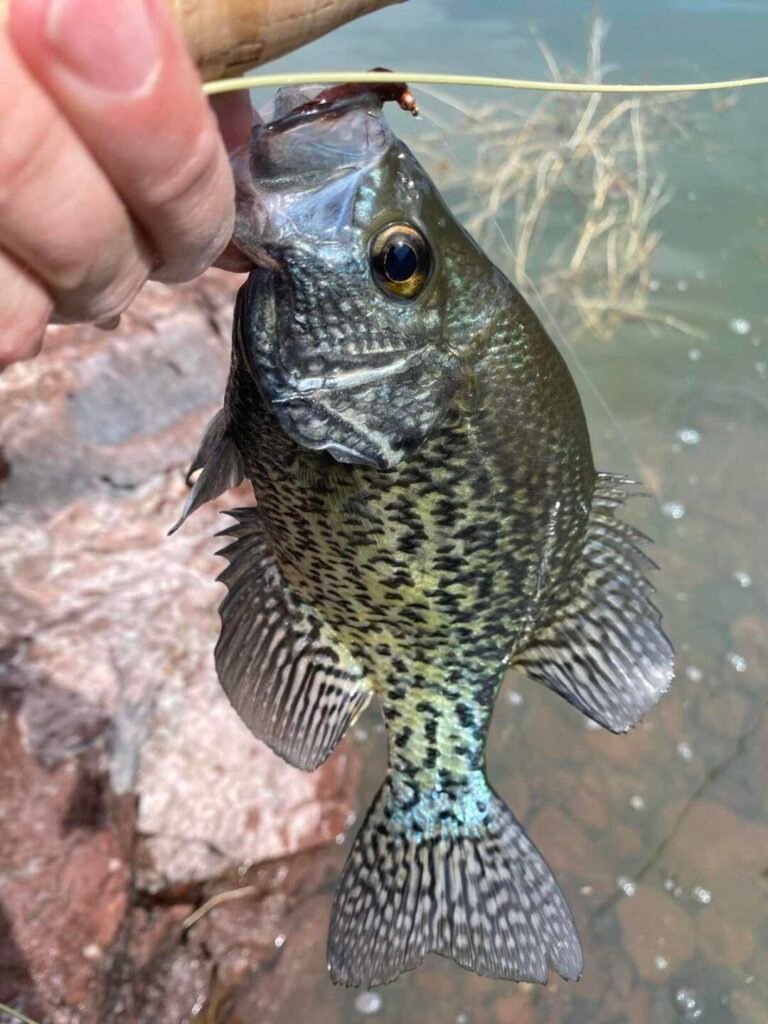
Panfish are among the easiest fish for new anglers to target. Bluegill, sunfish, perch, and crappie often feed near weeds, docks, brush, rocks, and shaded banks. Small hooks, light line, a bobber, and worms can work well.
Trout often prefer cool, clean water. They may hold behind rocks, near deeper pools, or along current seams. Bass favor cover such as fallen trees, grass, docks, and rocky edges. Catfish often feed near the bottom, especially during low-light hours or after the water warms.
| Fish | Common feeding area | Simple starting method |
|---|---|---|
| Bluegill and sunfish | Weeds, docks, shallow cover | Worm under a bobber |
| Crappie | Brush, submerged trees, deeper edges | Small jig or minnow |
| Trout | Pools, current seams, cool shaded water | Small spinner, spoon, or bait |
| Bass | Grass, rocks, docks, fallen trees | Soft plastic, jig, or crankbait |
| Catfish | Bottom areas, channels, deeper holes | Cut bait, worms, or prepared bait |
| Redfish | Flats, grass edges, oyster areas | Shrimp, soft plastic, or spoon |
Panfish are often a good choice for families because they bite smaller hooks and provide useful practice. Catfish can suit anglers who want a simple bottom-fishing setup. Bass are popular, but many bass anglers release them rather than keep them.

How Weather and Water Affect feeding
fish often feed more actively during low-light periods. Early morning, late afternoon, and cloudy days can be productive. Light rain may also improve feeding, but storms, lightning, strong wind, and fast water can create serious hazards.
Water temperature changes fish behavior. Warm-water species may become active as the day heats up, while trout often prefer cooler conditions. In summer, fish may move deeper during bright midday hours.
Wind can push insects and small baitfish toward one bank. That bank may attract larger fish. Current can also gather food near points, eddies, bridge pilings, and the downstream side of rocks.
Do not assume fish will bite just because a calendar says they should. Water clarity, pressure changes, recent rain, fishing pressure, and food supply all matter.
Choose a Legal and Safe Fishing Spot
A public lake, riverbank, pier, pond, or reservoir can be a good starting point. Confirm that fishing is allowed before you cast. Private property, city ponds, wildlife areas, parks, and reservoirs may have different rules.
Look for signs of fish, such as baitfish near shore, birds diving, insects on the surface, weed lines, submerged cover, current breaks, and deeper water beside shallow flats. A fish finder can help from a boat or kayak, but it is not required for shore fishing.

Build a Simple Setup for Food Fishing
A basic spinning outfit is the most useful first setup for many anglers. A 6- to 7-foot medium-light spinning rod with a fast or moderate-fast action can handle panfish, trout, small bass, and many light catfish situations. Action describes where the rod bends. Power describes how much force it takes to bend the rod.
A 6- to 7-foot medium spinning rod gives more strength for bass, walleye, larger trout, and smaller redfish. For children, a short spincast combo can be easier to hold and operate. Experienced anglers may prefer a baitcaster for accurate casts, a fly rod for trout, or a heavier surf rod for saltwater.
Basic Gear Checklist
You can begin with a short list of gear. Avoid buying every lure in the store before you know what lives in your local water.
| Item | Useful starting choice | Main purpose |
|---|---|---|
| Rod and reel | 6–7 ft medium-light spinning combo | General freshwater fishing |
| Main line | 6–10 lb monofilament | Easy casting and low cost |
| Hooks | Size 6–10 for panfish; 1/0–3/0 for larger bait | Holds bait |
| Sinkers | Split shot and small egg sinkers | Gets bait down |
| Bobbers | Small fixed or slip bobber | Shows a bite |
| Bait | Worms, minnows, shrimp, or legal cut bait | Attracts fish |
| Tools | Pliers, line cutters, landing net | Safe handling |
| Storage | Cooler with ice | Keeps fish cold |
Monofilament is a stretchy, affordable line that works well for beginners. Fluorocarbon is less visible underwater and resists abrasion, so many anglers use it as a leader. A leader is the short section of line between the main line and hook or lure.
Braided line is thin and strong for its diameter. It works well around heavy cover and for long casts, but it can cut skin and may need a fluorocarbon or monofilament leader. For a first setup, 6- to 10-pound monofilament is usually easier to manage.

Match Rod Power and Line to the Fish
Light power rods work well for small panfish and small trout. Medium-light power rods add strength while keeping light lures easy to cast. Medium power rods suit bass, walleye, larger trout, and many inshore fish.
A reel’s drag is the adjustable system that lets line leave the spool when a fish pulls. A smooth drag protects light line. You do not need a reel with a huge maximum drag for panfish, but saltwater anglers should choose a reel made for saltwater use.
| Fishing situation | Rod and reel choice | Line suggestion |
|---|---|---|
| Kids and small panfish | 4–6 ft spincast or light spinning combo | 4–6 lb mono |
| Trout and bluegill | 6–7 ft light or medium-light spinning rod | 4–8 lb mono |
| Bass and walleye | 6.5–7.5 ft medium spinning or baitcasting rod | 8–12 lb mono or braid |
| Catfish | 7–8 ft medium-heavy spinning or casting rod | 15–30 lb mono or braid |
| Pier and inshore saltwater | 7–9 ft medium or medium-heavy rod | 15–30 lb braid with leader |
| Surf fishing | 9–12 ft surf rod | 20–40 lb braid or mono, as conditions require |
| Ice fishing | 24–36 in ice rod | 2–8 lb line, based on species |
These are starting ranges, not fixed rules. Heavy weeds, sharp rocks, strong current, and larger fish may require stronger tackle. Always check local conditions and the current product specifications before buying.

Select Bait, Lures, and Terminal Tackle
Terminal tackle means the small items at the end of your line. It includes hooks, sinkers, swivels, bobbers, snaps, and leaders.
Live bait is often the easiest choice for beginners. Worms can catch panfish, trout, bass, and catfish. Minnows can attract crappie, bass, walleye, and other predators. Shrimp can work for many coastal fish. Cut bait can attract catfish and some saltwater species.
Lures imitate prey. Small spinners and spoons can help locate trout and panfish. Soft plastics are flexible baits made from molded plastic. Jigs combine a weighted head with a hook and can catch crappie, bass, walleye, and many saltwater fish. Crankbaits are hard lures that dive and wobble when retrieved.
Use the smallest hook that will hold the bait and the fish. Large hooks can make small fish harder to catch and may cause more damage. Circle hooks can reduce deep hooking when used correctly with bait, especially for some larger fish, but local rules may require or restrict certain hook types.

Choose the Right Fishing Style
Spinning reels are easy to cast and work well for new anglers. Spincast combos are simple for children and casual shore fishing. Baitcasters offer control and accuracy but can develop backlash, which is a tangle caused when the spool turns faster than the line leaves it.
Fly rods use a weighted line to cast a light fly. They suit anglers who enjoy a more technical method, especially for trout and panfish. Telescopic rods pack down for travel but may be less durable than a one-piece or two-piece rod if abused.
Ice fishing rods are short because anglers fish through a small hole. Surf rods are long because they help cast beyond breaking waves. Kayak fishing rods are often shorter and easier to manage around a seat, paddle, and other equipment.
| Fishing style | Useful gear | Best suited to |
|---|---|---|
| Shore fishing | Spinning combo, bait, landing net | Beginners, families, budget anglers |
| Pier fishing | Medium spinning rod, leader, sinkers | Coastal anglers without a boat |
| Kayak fishing | 6–7 ft spinning rod, leash, PFD | Mobile anglers on calm water |
| Fly fishing | Fly rod, reel, floating line, flies | Trout and skill-focused anglers |
| Ice fishing | Short ice rod, small reel, auger | Frozen lakes with safe ice |
| Surf fishing | Long surf rod, heavy sinkers, sand spike | Beach anglers targeting larger fish |
The best setup depends on the water, species, and travel limits. A shore angler does not need surf gear. A child does not need a baitcaster. An experienced bass angler may want more control than a basic spinning reel provides.

Prepare Before You Cast
Preparation prevents many problems. Pack your license, measuring device, bait, hooks, pliers, line cutters, a cooler, ice, water, sunscreen, and a first-aid kit. Bring a landing net if the bank is high or the fish may be difficult to lift.
Check your knots before leaving home. The improved clinch knot works for many hooks and lures. The Palomar knot is strong and simple for many lines. Wet the knot before tightening it, then trim the tag end.
A Simple Rig for Beginners
The easiest food-fishing rig is a bobber rig. Tie a hook to the end of the line. Add a small split shot about 6 to 12 inches above the hook. Place the bobber higher on the line so the bait hangs at the depth where fish feed.
Start with the bait 2 to 4 feet below the bobber in shallow water. If you see fish near the bottom, set the bait deeper. If the bobber moves with wind or current, use a smaller float or a slip bobber.
For bottom fishing, tie on a hook and place an egg sinker above a swivel. The sinker rests on the bottom while the bait moves in the current. This rig can suit catfish, carp, and some saltwater fish.

Steps for Catching and Keeping Fish
- Check the rules. Confirm your fishing license, open season, legal species, size limits, bag limits, and allowed bait and tackle.
- Study the water. Look for cover, depth changes, current seams, shade, weeds, and baitfish.
- Set up your gear. Check the line, knot, drag, hook point, and reel.
- Use fresh bait or a suitable lure. Keep live bait cool and lively. Replace damaged soft plastics and dull hooks.
- Cast near fish-holding cover. Avoid casting directly into heavy cover until you understand the water.
- Watch the line or float. A bite may look like a dip, twitch, sideways movement, or slow pull.
- Set the hook with control. For a bobber, lift the rod when the fish pulls it under. Do not swing hard.
- Keep steady pressure. Let the drag work. Do not wrap the line around your hand.
- Land the fish safely. Use a net when possible. Support larger fish with both hands.
- Decide quickly. Keep legal fish that you plan to eat, or release them with wet hands.
- Cool the fish at once. Put it on ice in a clean cooler.
- Clean it soon. Gut or fillet the fish according to local practice and store it cold.
A hook set should feel firm, not violent. Many missed fish happen because the angler reacts too fast or pulls the bait away before the fish has taken it.

⚠️ Safety Warning: Wear a properly fitted U.S. Coast Guard–approved personal flotation device when boating, kayaking, or fishing near deep or fast water. Check weather before leaving, tell someone your plan, and never wade into water that can sweep you off your feet.
Handling Fish for the Table
Keep edible fish cold from the catch onward. A cooler filled with ice is better than a warm bucket. Do not let fish sit in direct sun or warm water.
Use clean hands, a clean cutting board, and a sharp knife. Rinse fish only when needed, then dry it before storage. Clean the work area after filleting, especially if you handled raw fish.
Remove the fillets, pin bones, skin, or dark meat based on the species and your taste. Some fish have strong-tasting fat or a dark lateral line. Removing it can improve flavor.
Cook fish until the flesh is opaque and flakes easily. Follow current food-safety guidance for internal temperature and storage. When in doubt, freeze or cook the fish promptly rather than keeping it in a warm refrigerator.

Fish From Shore, Pier, Kayak, or Ice
The place you fish changes your safety needs and your gear. Shore fishing is usually the simplest and least costly. Kayak fishing provides access to new water but adds risks from capsizing, weather, and limited space.
Shore Fishing
Walk slowly and avoid stepping on shallow fish-holding areas. Cast along weed edges, under overhanging branches, beside rocks, and near drop-offs. A long rod can help with reach, but a 6-foot rod is easier to manage around trees and brush.
Use polarized sunglasses to reduce glare and help you see rocks, weeds, and fish. Wear shoes with good grip. Keep hooks, knives, and pliers in a tackle box rather than loose on the ground.
Pier Fishing
Piers often provide access to deeper water. Fish near pilings, shade, current breaks, and the edge of the pier. Use a landing net with a long handle if the deck is high above the water.
Saltwater damages reels, hooks, swivels, and line guides. Rinse saltwater gear with clean, low-pressure water after each trip. Dry it fully, loosen the drag, and check for corrosion.
Kayak Fishing
A kayak angler should use a rod leash, secure loose tackle, and keep the center of gravity low. Do not stand unless the kayak is designed for it and you have practiced in calm water. Keep the cooler, tackle box, and landing net within reach but tied down.
A 6- to 7-foot spinning rod is often easier to use than a long rod in a small cockpit. Carry a whistle, water, communication device, and a U.S. Coast Guard–approved PFD.
Ice Fishing
Never judge ice safety by appearance alone. Ice thickness can change near springs, moving water, bridges, shorelines, and pressure cracks. Check local ice reports, measure the ice, carry ice picks, wear flotation gear, and fish with another person.
An ice safety or boating safety course can help beginners learn rescue skills. Do not fish on ice if conditions are uncertain.
| Water type | Main risk | Helpful safety habit |
|---|---|---|
| Shoreline | Slips, hooks, unstable banks | Wear grip shoes and keep distance from steep edges |
| Pier | Falls, overhead casts, sharp hooks | Watch footing and use a long landing net |
| Kayak | Capsizing, weather, loose gear | Wear a PFD and secure equipment |
| Boat | Drowning, storms, collision | Wear a PFD and follow boating rules |
| Wading | Fast current, deep holes | Use a wading belt and avoid solo wading |
| Ice | Thin or changing ice | Check thickness and carry rescue tools |
Safety gear reduces risk but does not replace judgment. If the weather turns, leave early. Fish are not worth a dangerous trip.

Keep the Catch Legal and Sustainable
Fishing laws protect fish populations and help keep meals safe. Rules vary by state, species, water body, and season. A valid fishing license may be required for residents and visitors, with separate rules for children, seniors, tribal lands, or special waters.
Check your state or local wildlife agency before fishing. Confirm size limits, daily bag limits, possession limits, closed seasons, protected species, bait rules, hook rules, and lead restrictions.
📜 Check Local Regulations: Regulations can change by water and species. Use the current rules from your state wildlife agency or local fisheries office, not an old social media post or a friend’s memory.
Catch and release also requires care. Wet your hands before touching a fish. Keep it out of the water for as little time as possible. Do not squeeze the body or touch the gills. Use barbless hooks when allowed, and cut the line near a deeply swallowed hook instead of causing more injury.

Decide Which Fish to Keep
Keep only fish that are legal, healthy, and suitable for your meal plan. Avoid fish from waters with consumption advisories. Local agencies may warn about mercury, chemicals, algae blooms, or other hazards.
Take only what you can clean and eat. A full cooler is not a measure of skill. Selective harvest helps reduce waste and leaves more fish for future anglers.
Do not transport live fish unless local laws allow it. Do not move baitfish, plants, or water between lakes and rivers. These actions can spread invasive species and disease.
🌿 Conservation Note: Dispose of fishing line, hooks, bait containers, and plastic lures properly. Lost line can injure birds, turtles, mammals, and fish.

Clean, Store, and Cook the Fish
Fish quality depends on time and temperature. Bleeding some species may improve the meat, but methods vary by fish and local custom. The most important steps are quick cooling, clean handling, and prompt cleaning.
Keep fish on plenty of ice. Drain meltwater when needed so fillets do not soak in dirty water. A sealed bag inside the cooler can help protect the meat.
A Basic Cleaning Process
- Rinse the fish or wipe away slime with clean water.
- Place it on a stable cutting board.
- Use a sharp fillet knife.
- Cut behind the gill plate and along the backbone.
- Guide the knife toward the tail.
- Remove ribs and pin bones.
- Skin the fillet if desired.
- Place the fillet in a clean, cold container.
- Wash and sanitize the work area.
- Refrigerate or freeze the fish promptly.
Different species need different cuts. Catfish often benefit from careful skin removal. Trout can be gutted and cooked whole. Panfish are commonly scaled and filleted, although some anglers cook them whole.
Do not eat fish that smells sour, feels unusually soft, or has been left warm for too long. Cooking cannot always correct poor storage.
Cleaning and Maintaining Fishing Gear
Rinse saltwater rods, reels, hooks, pliers, and landing nets with fresh water after every trip. Use low pressure so water does not force salt deeper into the reel. Wipe gear dry before storage.
Replace line that shows nicks, flat spots, sun damage, or severe memory. Check hooks for rust and sharpness. Inspect landing nets, rod guides, reel seats, and drag performance.
| Gear part | Check for | Care or replacement action |
|---|---|---|
| Monofilament line | Nicks, curls, weak spots | Cut damaged sections or respool |
| Braided line | Frays, color loss, rough areas | Reverse or replace when damaged |
| Hooks | Rust, dull points, bent wire | Sharpen lightly or replace |
| Reel | Grinding, stiff handle, corrosion | Clean, lubricate, or service |
| Rod guides | Cracks or sharp edges | Replace damaged guides |
| Landing net | Torn mesh or loose frame | Repair or replace |
| Pliers | Rust or stiff joints | Rinse, dry, oil, or replace |
A basic reel can last for years with light freshwater use and good care. Saltwater, sand, heavy fish, and poor storage shorten its life. Do not store a wet combo in a sealed case.

Common Mistakes That Cost Fish and Food
New anglers often focus on casting distance. Fish are frequently much closer than expected, especially near weeds, rocks, shade, docks, and current edges. A quiet approach and accurate cast can matter more than a long cast.
Another common mistake is using too much tackle. Large bobbers, heavy sinkers, thick line, and oversized hooks can make bait look unnatural. Start light, then increase weight or line strength when the water or fish requires it.
| Mistake | Why it causes trouble | Better choice |
|---|---|---|
| Using a large hook for small fish | Fish struggle to take the bait | Match hook size to bait and species |
| Casting only to the middle | Fish may hold near cover or shore | Work edges, shade, and structure |
| Setting the drag too tight | Light line can break | Let the drag give line smoothly |
| Leaving fish in a warm bucket | Meat quality declines quickly | Keep fish on ice |
| Ignoring local rules | Can lead to fines and wasted fish | Check current regulations |
| Holding fish with dry hands | Removes protective slime | Wet hands before handling |
| Buying too many lures | Raises cost and adds confusion | Start with a small local selection |
Do not change every part of your setup after one missed bite. Change one thing at a time. Try a new depth, smaller hook, different bait, or slower retrieve before replacing the entire rig.
Tips for Beginners, Kids, and Gift Buyers
A first fishing setup should be easy to use, not impressive on a shelf. A spincast combo can suit young children because the push-button reel is simple. A 6- to 7-foot spinning combo suits older children and adults who want room to grow.
Gift buyers should ask where the angler fishes, what species are common, and whether the person already owns a rod and reel. A tackle box full of bass lures may not help someone who fishes for trout in a small stream.
👪 Parent or Gift-Buyer Note: For children, choose a light combo, small barbless hooks when legal, polarized sunglasses, a hat, and a properly fitted PFD for boat or kayak trips. Supervise every cast. Hooks can travel farther than expected.
Gear Choices by Angler Type
| Angler | Good starting setup | Why it fits |
|---|---|---|
| First-time adult | 6–7 ft medium-light spinning combo | Simple and useful in many waters |
| Young child | 4–6 ft spincast combo | Easy button casting and lighter weight |
| Bass angler | 6.5–7.5 ft medium spinning or baitcaster | Handles lures and cover |
| Trout angler | 6–7 ft light spinning or fly rod | Good for small lures and light line |
| Catfish angler | 7–8 ft medium-heavy rod | Adds casting distance and lifting power |
| Saltwater beginner | Corrosion-resistant medium spinning setup | Better suited to pier and inshore use |
| Traveling angler | Telescopic rod or two-piece combo | Packs into a car or suitcase |
Price does not equal skill. An affordable rod with a smooth reel and fresh line can be more useful than an expensive setup that does not match the water.
Estimate the Cost of Fishing for Food
Fishing costs vary by location and target species. You may need a license, parking fee, bait, ice, hooks, and a cooler. A simple freshwater trip can cost less than a restaurant meal, especially when you reuse gear.
Current pricing ranges from budget starter combos under roughly $40 to premium rod-and-reel systems costing several hundred dollars. Prices change by brand, material, reel size, and current listing. Check the latest product page for exact features and cost.
| Budget level | Typical items | Best for |
|---|---|---|
| Under $50 | Basic combo, hooks, sinkers, bobber, bait | Beginners and children |
| $50–$150 | Better spinning combo, tackle box, net, tools | Regular freshwater anglers |
| $150–$350 | Higher-grade rod, reel, braid, leaders, storage | Experienced anglers |
| $350 and above | Specialized saltwater, fly, surf, or boat gear | Focused anglers with specific needs |
Spend first on a dependable reel, fresh line, sharp hooks, and safe storage. Add fish finders, premium lures, and specialized rods only after you know how you fish.
Improve Your Results Without Wasting Money
The best improvement is often better information. Keep a simple log of date, water level, weather, bait, depth, location, and fish caught. Patterns become easier to see after several trips.
Ask a local tackle shop what people are using right now. Good shop staff can explain hook sizes, local bait, access points, and rules. They may also warn you about closed areas, unsafe banks, or poor water quality.
Experienced anglers can refine the presentation. Try lighter line in clear water, heavier leaders near rocks, weedless hooks in grass, and slow retrieves in cold water. Use a fish finder to understand depth and structure, not just to chase marks on a screen.
A fish finder is helpful from a boat or kayak, but it cannot replace safe navigation, local knowledge, or good lure control. A landing net reduces stress on fish and prevents many last-second losses. Pliers protect your hands when removing hooks.
Frequently Asked Questions
How many fish should a beginner keep?
Keep only the legal number you can clean and eat soon. Start with a few fish rather than filling a cooler. Check size, bag, and possession limits before fishing.
What is the easiest fish to catch and eat?
Panfish such as bluegill, sunfish, perch, and crappie are often beginner-friendly. Worms under a bobber can work well in many waters. Local conditions still matter.
Is live bait better than lures for eating fish?
Live bait can be easier for beginners because it produces scent and movement. Lures are cleaner, reusable, and useful when searching large areas. Neither method works everywhere.
What line should I use for food fishing?
Use 6- to 10-pound monofilament for many freshwater trips. Use stronger line for catfish, heavy cover, surf, or saltwater. Match line strength to fish size and structure.
Can I eat bass that I catch?
Often, yes, if the bass is legal and the water has no consumption advisory. Many bass anglers release them because of conservation goals. Check local rules and advisories first.
How long does fishing line last?
Line life depends on sunlight, heat, abrasion, use, and storage. Replace monofilament when it becomes brittle, heavily curled, nicked, or weak. Inspect braid for frays and rough areas.
Do I need a landing net?
A landing net is not required for small panfish, but it helps with trout, bass, catfish, and fish caught from high banks or piers. Use knotless or fish-friendly mesh when possible.
What should I do if a fish swallows the hook?
If the hook is deep, cut the line close to the mouth rather than pulling hard. Follow local rules for releasing deeply hooked fish. A circle hook may reduce deep hooking in some bait-fishing situations.
Can I fish for food from a kayak?
Yes, but wear a U.S. Coast Guard–approved PFD, secure your gear, check the weather, and fish only in water suited to your skill. Take a boating safety course if you are new to kayak fishing.
How do I know if fish are safe to eat?
Check local fish-consumption advisories. Some waters have warnings about mercury, chemicals, algae, or pollution. When an advisory exists, follow its limits or release the fish.
What is the difference between a spinning reel and a baitcaster?
A spinning reel has a fixed spool and is easier for beginners. A baitcaster has a rotating spool and offers strong casting control, but it can backlash. Choose spinning gear for simplicity and baitcasting gear for practiced lure anglers.
Should I clean fish right away?
Cool fish immediately and clean them as soon as practical. If you cannot clean them at once, keep them fully iced. Warm storage harms quality and may create food-safety risks.
Are telescopic fishing rods good for beginners?
Telescopic rods are portable and useful for travel. They can be less durable if sections are forced, stored dirty, or overloaded. A two-piece spinning rod is often a better long-term choice for regular use.
What should I bring on a shore fishing trip?
Bring your license, rod, reel, line, hooks, sinkers, bait or lures, pliers, line cutters, a landing net, cooler, ice, water, sunscreen, first-aid supplies, and a trash bag. Add polarized sunglasses and suitable footwear.
Final Advice
Learning how to catch fish to eat starts with a simple plan: choose a legal and safe place, target a species that lives there, use modest tackle, and keep the fish cold. A spinning combo, light line, small hooks, worms, and a bobber can teach you the basics without a large investment.
Pay attention to depth, cover, weather, and bait. Handle every fish with care, even when you plan to keep it. Check current rules and consumption advisories before each trip. With practice, you can build a setup that fits your water, budget, and goals while protecting the fishery that makes future meals possible.