How To Fly Fish For Crappie: Easy Guide For Beginners
Crappie are one of the best fish to target with a fly rod. They are common, hard-fighting for their size, and often live in shallow water where a fly can reach them with ease. You do not need expensive gear or years of casting practice. A light rod, a small fly, and a careful presentation can turn a quiet morning into a fast lesson in fly fishing.
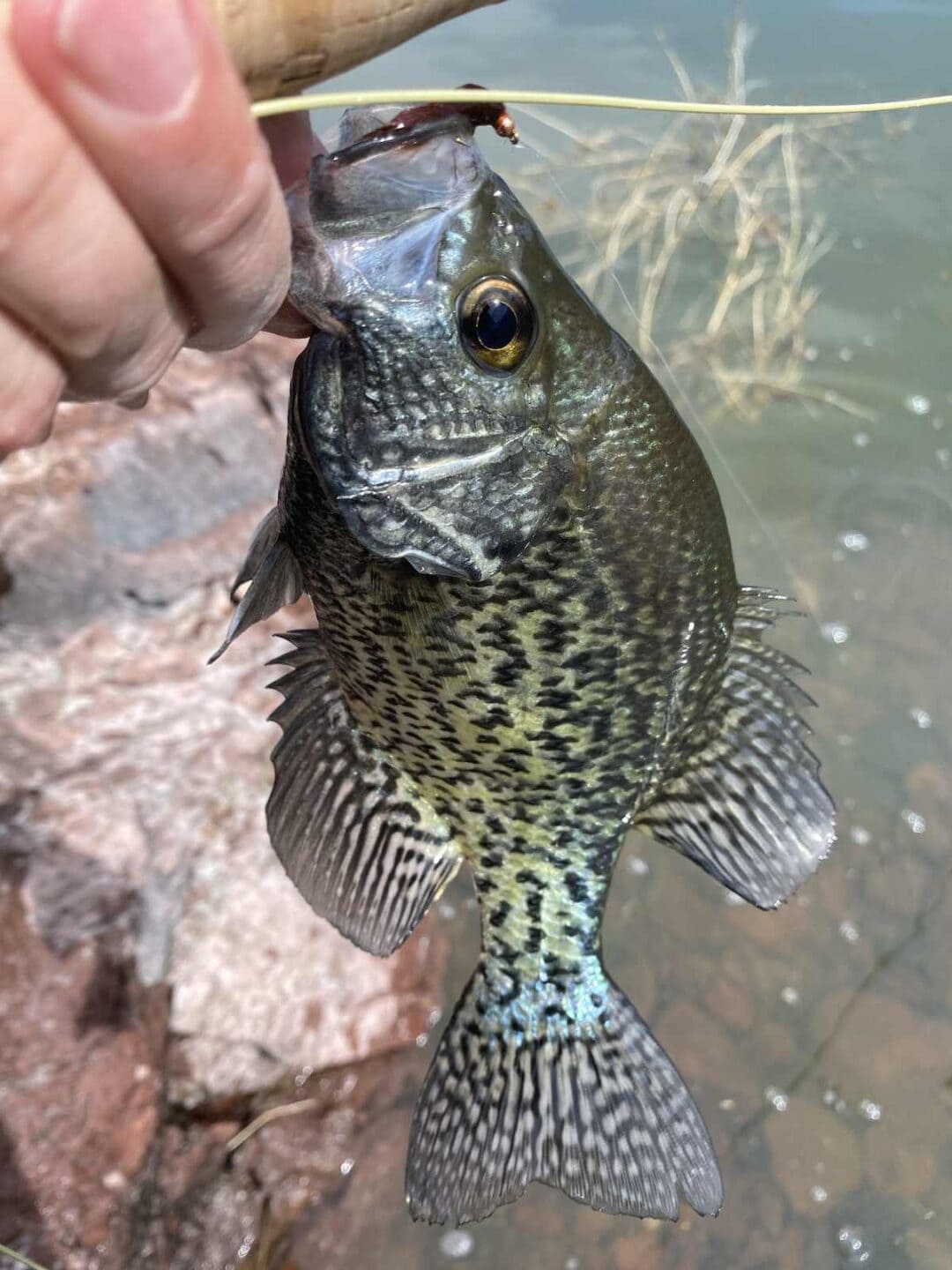
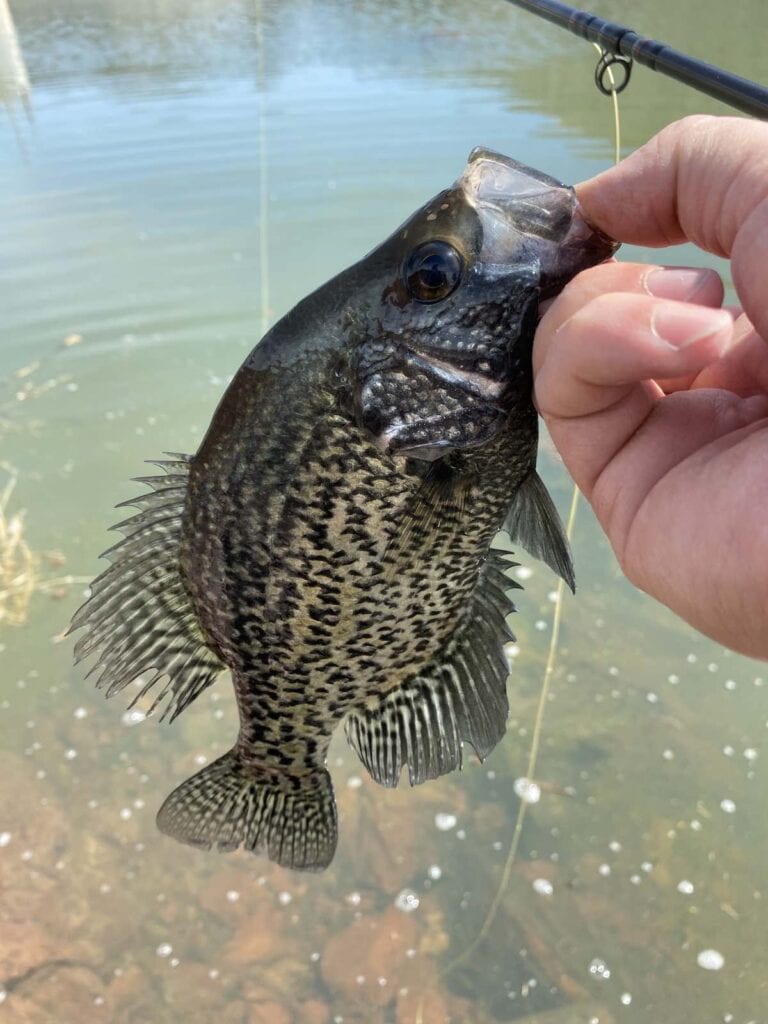
Crappie are also called specks, papermouths, or sac-a-lait in some parts of the United States. Black crappie and white crappie are the two main species. Both eat small minnows, insects, and tiny crustaceans. That diet makes them a natural target for flies.
This guide explains how to fly fish for crappie from shore, a boat, or a kayak. It covers rods, reels, lines, leaders, flies, seasonal patterns, casting, hook sets, landing fish, and local rules. It also explains how beginners, kids, and experienced anglers can build a useful setup without wasting money.
The quick answer: use light gear and small flies
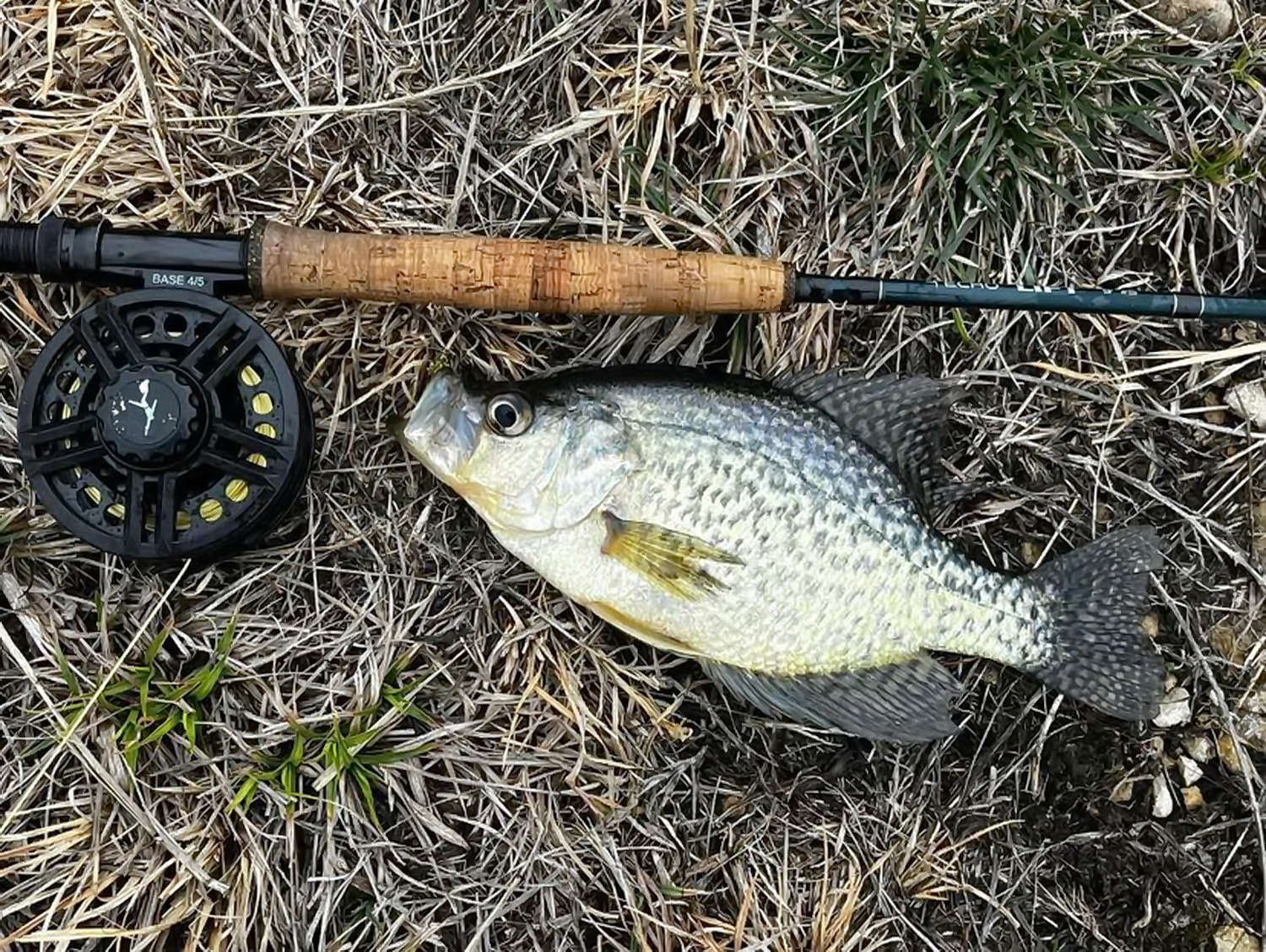
The best way to fly fish for crappie is to use a 3- to 5-weight fly rod, a floating fly line, a 7.5- to 9-foot leader, and small flies that imitate minnows or insects. Cast near brush, docks, weed edges, and drop-offs. Let the fly sink, retrieve it with short strips, and watch the line for a soft twitch. Set the hook with a quick lift of the rod.

A 4-weight, 8- to 9-foot rod is a strong all-around choice. It has enough power to cast small streamers and enough feel to make a crappie fun. A 3-weight suits anglers who fish small ponds and want a light fight. A 5-weight helps when you cast larger flies, face wind, or share the water with bass.
You can catch crappie on dry flies, nymphs, wet flies, streamers, and small poppers. The most useful flies are usually size 8 to 14. Keep the pattern small, move it slowly, and fish near cover. Crappie often strike when a fly pauses or begins to rise.
Understand crappie behavior before you cast
Crappie are schooling panfish that spend much of their time near cover or changes in depth. Their preferred cover may include submerged trees, brush piles, boat docks, fallen branches, weed lines, bridge pilings, and rock edges. A fish finder can help locate schools from a boat, but shore anglers can find many fish by reading visible cover and water depth.

Crappie have large mouths but soft tissue around the lips. This is why they are often called papermouths. A hard hook set can tear the hook free. Use a smooth lift or strip set, keep steady pressure, and avoid swinging the fish into the boat.
Black crappie and white crappie
Black crappie often prefer clearer water and more cover. They may hold around weeds, timber, and brush. White crappie often handle more stained water and may relate to creek channels, submerged wood, or open-water structure.
These are broad patterns, not strict rules. Water temperature, food, light, wind, and fishing pressure can change fish location. Treat each pattern as a starting point, then test depth and speed.
How crappie find food
Crappie feed by sight and often use their large eyes to spot small prey. They eat minnows, shad fry, mosquito larvae, mayfly nymphs, damselfly nymphs, and other small aquatic life. They may also attack a fly because it enters their space or looks like a weak baitfish.
This behavior explains why a slow, level retrieve works so well. A small fly that hangs in the water can look more natural than one that races past the fish.
Where crappie hold
Look for these places first:
- Brush piles in 4 to 12 feet of water
- Fallen trees beside a drop-off
- Weed edges and lily pad openings
- Dock shade on bright days
- Creek channels and submerged roadbeds
- Bridge supports and riprap
- Shallow flats during the spawn
- Open water near baitfish schools
Crappie may suspend several feet above the bottom. Do not assume fish are on the floor of the lake just because the water is deep. Count your fly down, change depth, and note where strikes occur.
Match your fly-fishing gear to the water
Crappie do not require heavy tackle. In fact, heavy gear can make small flies hard to cast and can reduce the feel of a light strike. The right setup balances casting control, fly size, wind, and the chance of hooking a bass or other larger fish.

| Gear item | Good starting choice | When to change it |
|---|---|---|
| Fly rod | 4-weight, 8 to 9 feet, medium-fast action | Use 3-weight for small ponds or 5-weight for wind and bass |
| Fly reel | Lightweight reel with smooth drag | Choose a larger arbor for faster line pickup |
| Fly line | Weight-forward floating line | Add a sinking tip or intermediate line for deep fish |
| Leader | 7.5 to 9 feet, 4X to 6X | Use 3X near bass or heavy cover |
| Tippet | 4X to 6X fluorocarbon or monofilament | Use 3X for larger flies and rough cover |
| Flies | Size 8 to 14 streamers, nymphs, and poppers | Go smaller in clear water or after pressure |
The table gives a practical starting point, not a rule book. A 5-weight rod is often the easiest choice for a family setup because it handles wind and a surprise bass. A 3-weight is more delicate but can feel less forgiving when casting in weeds.
Fly rod power and action
Rod power describes how much force a rod can handle. A 3-weight rod is light. A 5-weight rod has more power. Rod action describes where the rod bends. A fast-action rod bends more near the tip and casts with more speed. A medium or moderate action rod bends deeper and can feel smoother for beginners.
For crappie, medium-fast action is a useful middle ground. It can cast small flies without feeling too soft. Beginners may find a moderate action rod easier to control. Experienced anglers may prefer fast action when they need tight loops around docks or brush.
Reel, drag, and backing
A fly reel does not need a powerful drag for crappie. Drag is the reel system that adds resistance when a fish pulls line. A smooth drag rated for light freshwater use is enough for normal crappie fishing.
Backing is extra line stored under the fly line. Crappie rarely take a long run, so 50 to 100 yards of backing is normally plenty. A large-arbor reel picks up line quickly and helps reduce memory in the fly line.
The reel should balance the rod. A very heavy reel can make a light rod tiring to hold. For a child, gift buyer, or beginner, a simple 3- to 5-weight fly reel with a clean drag is often a better choice than a feature-heavy model.
Fly line and leader basics
A weight-forward floating line is the best first line for most crappie anglers. The thicker front section helps load the rod and cast small flies. Floating line also works with dry flies, nymphs under an indicator, and unweighted streamers.
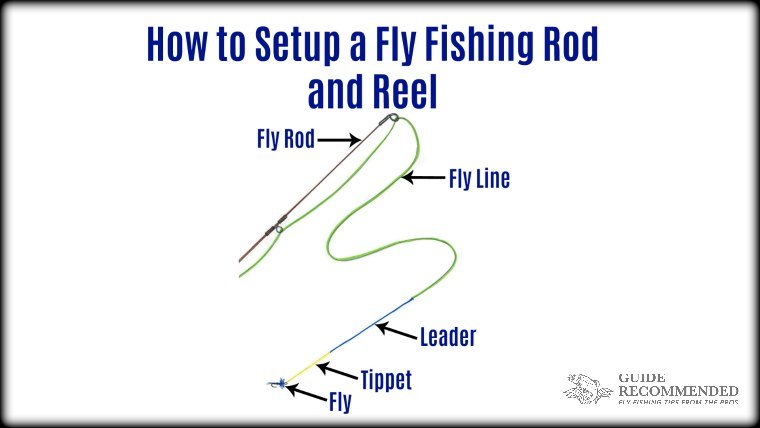
A leader is the tapered connection between the fly line and the fly. Tippet is the thinner final section of that leader. Use a 7.5- to 9-foot leader in clear water. Shorten it to 5 or 6 feet when fishing around brush or when you need better control.
Choose flies that match crappie food
Small streamers are the most dependable starting point for fly fishing for crappie. They imitate minnows and can be fished at many depths. Soft materials also move well when the fly pauses, which gives the pattern a lifelike look.

| Fly type | Useful sizes | Best situation |
|---|---|---|
| Small streamer | 8 to 12 | Minnows, stained water, cover |
| Woolly Bugger | 8 to 12 | General searching and deeper water |
| Marabou jig fly | 8 to 12 | Slow retrieves and suspended fish |
| Nymph | 10 to 14 | Clear water and insect activity |
| Small popper | 8 to 12 | Low light, shade, and surface feeding |
| Ant or beetle pattern | 10 to 14 | Weed edges and warm months |
A white, olive, black, or chartreuse streamer covers many conditions. White and silver can suggest shad or small minnows. Olive matches many small baitfish and insects. Black gives a strong outline in low light or stained water. Chartreuse can help you track the fly and may draw attention in murky water.
Streamers and marabou flies
A small Clouser Minnow can reach suspended or deeper fish, but use light versions with bead-chain eyes. A heavy fly can overload a light rod and may snag cover. Small zonker strips, woolly buggers, and marabou patterns are easier to cast.
Marabou is useful because it breathes in the water. Cast the fly, let it sink, and use short strips with pauses. Many strikes come during the pause, so keep some contact with the fly.
Nymphs and wet flies
Nymphs work when crappie feed on insects or when fish are not willing to chase. Hare’s ear, pheasant tail, damsel nymphs, and small soft-hackle flies are practical choices. Fish them below a small indicator or use a slow hand-twist retrieve.
Wet flies move just under the surface. A soft-hackle fly or small caddis-style pattern can work around weed beds and shallow cover. These flies are especially useful when crappie rise to feed but do not break the surface.
Poppers and dry flies
Small foam poppers can draw exciting strikes in summer. Cast near shade, grass, and the edge of lily pads. Let the popper sit after it lands, then make one or two short twitches.
Dry flies are less consistent than streamers, but they are worth trying when insects are active. Small ants, beetles, and mayfly patterns can tempt crappie in calm water. Use a gentle presentation so the fly does not spook fish in clear, shallow areas.
💡 Pro Tip: Carry three colors of the same fly: white or silver, olive, and black. Change color before changing the entire technique. This saves time and helps you learn what the fish see in that water.
Use the right presentation for depth and cover
Crappie often respond to a fly that moves slowly near cover. The key is to control depth. Count the seconds after the fly lands, then use the same count on the next cast. If the fly reaches cover too fast, shorten the count. If fish follow without striking, slow the retrieve or pause longer.

| Presentation | How to fish it | Best use |
|---|---|---|
| Slow strip | Pull 2 to 6 inches, then pause | Suspended crappie and clear water |
| Hand twist | Turn the line slowly with your fingers | Small nymphs and calm water |
| Strip and pause | Use short strips with 2- to 5-second pauses | Streamers near brush |
| Swing | Let the fly move across current or wind | Creek mouths and flowing water |
| Indicator drift | Suspend a fly below a small bobber | Fixed depth and beginner control |
| Jig-style lift | Lift the rod tip, then let the fly fall | Deeper fish and marabou flies |
The retrieve should match the water temperature and fish mood. Cold-water crappie often prefer a slow fall and long pause. Warm-water fish may chase a faster streamer, especially near baitfish.
Fishing under an indicator
An indicator is a small floating signal that shows when a fish pulls the fly. It works much like a bobber on spinning tackle. Set the fly 2 to 6 feet below the indicator, cast near cover, and let the rig sit or drift.
Use a small indicator that can support the fly without making a loud splash. Foam or yarn indicators are common choices. Avoid setting the hook with a hard overhead motion. Lift the rod to the side and keep pressure smooth.
Fishing without an indicator
Without an indicator, watch the fly line and leader. A sudden stop, twitch, sideways movement, or change in line angle can mean a fish has taken the fly. This method takes practice, but it gives direct contact with the fly.
Use a slow retrieve and keep the line in your stripping hand. Do not let loose line pile at your feet in a boat or kayak. Loose line can catch on pedals, seats, hooks, and deck hardware.
Working heavy cover
Cast beside cover instead of directly into the thickest branches. Let the fly sink along the outside edge. If you get no response, place the next cast a little closer.
A short leader can improve control around brush. So can a slightly heavier tippet. You may lose a few flies, but a careful angle and steady retrieve can reduce snags.
Fish the seasons and daily conditions
Crappie location changes with water temperature, sunlight, wind, and spawning activity. The best seasonal pattern depends on the lake, river, and local weather. Use seasonal clues to choose a starting area, then let the fish tell you what works.
| Season or condition | Likely location | Useful fly approach |
|---|---|---|
| Late winter | Deep brush, channels, stable water | Slow streamer or nymph |
| Spring warming | Shallow flats and protected coves | Small streamer near cover |
| Spawn | Shallow wood, gravel, weeds | Short casts and quiet presentation |
| Summer | Shade, deeper cover, open-water schools | Early or late surface flies; deeper streamers |
| Fall cooling | Baitfish areas and creek arms | Small minnow patterns |
| Bright midday | Shade and deeper structure | Longer leader and slow retrieve |
Spring is a popular time because crappie may move shallow to spawn. Warm afternoons can bring fish into protected coves and shallow cover. Do not assume every fish is on the bank. Some remain in nearby staging areas.
Spring crappie on a fly
Start in protected water that warms first. Look for dark-bottom coves, fallen trees, reeds, and shallow brush. Use a small white, olive, or chartreuse streamer with a slow retrieve.
The spawn can bring heavy fishing pressure. Keep casts short and quiet. If fish move away from the bank, back off and fish the first drop-off instead of chasing them into shallow water.
Summer crappie patterns
In summer, crappie may move deeper during bright daylight. Shade can still hold fish under docks, trees, and overhanging banks. Early morning and evening are good times to try small poppers or foam bugs.
From a boat or kayak, search for brush and suspended fish. A sinking tip or weighted fly may help, but start with a floating line and a weighted streamer. A fish finder can show depth and schools, but it does not replace careful fly control.
Fall and winter approaches
Cooling water can push baitfish toward creek arms and shallow feeding areas. Small streamers are useful here. Retrieve them with short, steady strips and pause when the fly reaches cover.
In colder water, slow down. Use a nymph or lightly weighted marabou fly. Fish may take several seconds to move toward the fly, so a long pause can be more effective than constant motion.
Follow a step-by-step crappie fly-fishing plan
A simple plan helps you avoid changing everything at once. Start with one fly, one depth, and one retrieve. Change only one factor after several casts.

-
Check the water and wind. Look for protected coves, visible cover, baitfish, and safe casting space. Note whether the water is clear, stained, or muddy.
-
Choose a 4-weight setup. Use a floating line and a 7.5- to 9-foot leader. Tie on a size 8 to 12 streamer with a strong, clean knot.
-
Start near cover. Cast beside docks, brush, weeds, wood, and shade. Avoid landing the fly in the center of the cover on your first cast.
-
Let the fly sink. Count one second at a time. Begin with a 3- to 5-second count in shallow water.
-
Retrieve slowly. Strip 2 to 6 inches, pause, and repeat. Keep the line in your stripping hand.
-
Watch the line. Look for a twitch, stop, sideways slide, or heavy feeling. Crappie strikes can be light.
-
Set the hook smoothly. Lift the rod to the side or make a short strip set. Do not snap the rod high over your head.
-
Repeat the productive depth. If a fish strikes after a five-second count, repeat that count on the next casts.
-
Change one variable. Try a darker fly, longer pause, shorter leader, or different angle. Do not change fly, depth, retrieve, and location at the same time.
-
Land the fish with control. Use a small landing net when possible. Keep the fish low over the water and avoid swinging it onto a hard deck.
How to cast around trees and docks
A basic overhead cast works in open water. Near trees and docks, use a roll cast, sidearm cast, or bow-and-arrow cast. A roll cast uses the line on the water to load the rod. A sidearm cast keeps the fly away from high branches.
The bow-and-arrow cast can help in tight cover. Hold the fly by the bend with the hook point safely controlled, pull the line back, aim, and release. Use this only when no one is nearby and when you can control the hook.
How to hook and fight crappie
Keep the rod low during the hook set. A short strip with the line hand often works better than a large rod lift. Once hooked, keep steady tension and let the rod absorb sudden movement.
Avoid high pressure near the boat. Crappie can shake a small hook, and their soft mouths can tear. If a larger bass takes the fly, allow the reel drag to work and do not clamp down with your fingers.
Fish from shore, boat, or kayak with a plan
Shore fishing is the simplest way to start. It requires less gear and lets beginners focus on casting and presentation. Search public banks near docks, bridges, creek mouths, and brush. A long cast is not always needed; fish may be close to shore.
A boat gives access to offshore brush, channels, and suspended schools. A kayak can reach quiet coves and narrow arms, but fly casting from a kayak needs care. Keep hooks, pliers, and loose line organized. Paddle or pedal into position before you begin casting.
| Fishing platform | Main advantage | Main limitation |
|---|---|---|
| Shore | Low cost and simple access | Limited reach and more snags |
| Small boat | Reaches deep structure and schools | Requires boating skills and safety gear |
| Kayak | Quiet and portable | Limited casting space and stability |
| Pier or dock | Easy access to shade and cover | Crowds, posts, and restricted angles |
| Wading | Direct access in shallow water | Slippery bottoms and limited depth |
Always wear a U.S. Coast Guard–approved personal flotation device in a boat or kayak. Tell someone where you plan to fish. Check the weather before leaving, and carry water, sun protection, pliers, and a first-aid kit.
Shore fishing tactics
Walk slowly and keep a low profile. Polarized sunglasses reduce surface glare and help you see cover, depth changes, and sometimes fish. Cast parallel to the bank as well as toward structure.
A telescopic rod or spinning combo may be easier for some shore anglers, especially when wind makes fly casting hard. There is no rule that says every crappie trip must use a fly rod. Use the tool that fits the water and your goal.
Kayak and boat tactics
Position the boat or kayak upwind when possible. The wind can help carry your fly, but it can also push you into cover. Anchor, stake out, or use a quiet position system when local conditions allow.
Keep a landing net within reach. Use a tackle box or small fly box with secure lids. Hooks on a kayak deck can cause injuries and can damage seats, dry bags, and clothing.
⚠️ Safety Warning: Wear your life jacket while on a boat or kayak, not just when the water looks rough. Do not stand in a small kayak to cast unless the craft is designed for it and you have trained for that movement.
Avoid the most common crappie fly-fishing mistakes
Most problems come from fishing too fast, using too much fly, or ignoring depth. Crappie often reward patience. A fly that stays in the strike zone can outperform a perfect cast that moves away too soon.

| Mistake | What happens | Better choice |
|---|---|---|
| Retrieve too fast | Fish cannot catch or track the fly | Slow the strips and add pauses |
| Use a heavy fly | Light rod struggles and cover snags increase | Choose a small, lightly weighted pattern |
| Fish only the surface | Suspended or deep fish are missed | Count the fly down |
| Set too hard | Soft crappie mouths tear | Use a short strip set |
| Use thick tippet in clear water | Fish may avoid the fly | Try 5X or 6X when cover allows |
| Cast into every branch | Flies are lost and fish are disturbed | Work the edges first |
| Ignore wind | Line piles up and casts lose control | Cast with the wind or shorten the leader |
A common beginner mistake is changing flies after every cast. Give a pattern time to work at several depths. If you do not get a strike, change depth before assuming the fly is wrong.
Another mistake is using a leader that is too long for the conditions. Long leaders help with clear, calm water, but they can be hard to turn over in wind. Shorten the leader when casting becomes difficult or when you fish tight cover.
Keep the setup affordable and easy to maintain
A complete crappie fly setup can cost less than many specialized bass or trout outfits. Current pricing ranges from budget kits to premium rod-and-reel combinations. The most important parts are a usable fly line, a balanced rod, and clean knots.

| Budget level | What it may include | Best for |
|---|---|---|
| Entry level | 3- or 5-weight combo, floating line, basic flies | Beginners, kids, and gift buyers |
| Midrange | Better rod recovery, smoother reel, improved line | Regular anglers upgrading a first setup |
| Premium | Light, precise rod, advanced line, refined components | Experienced anglers who fish often |
A budget combo can be a good gift for a child or a beginner if it includes a real floating line and a rod that matches the line weight. Avoid buying a very cheap kit based only on a long list of accessories. A poor fly line can make learning frustrating.
For experienced anglers, the upgrade that often matters most is the fly line. A smooth weight-forward line can improve casting more than a costly reel. A light reel with a reliable drag is enough for crappie.
Basic gear-care routine
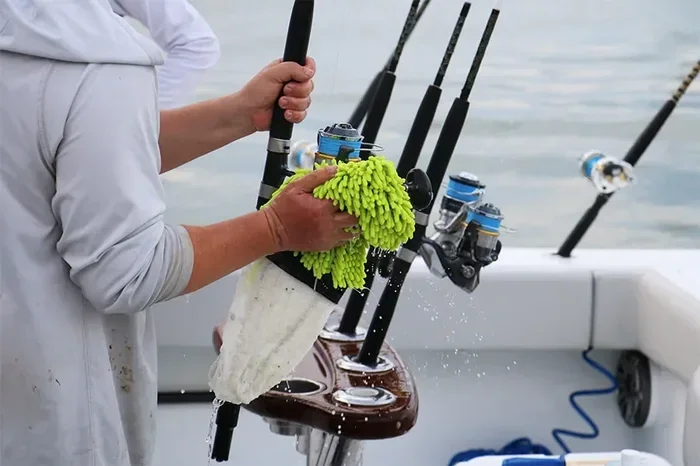
Rinse freshwater gear with clean water if it becomes muddy or dirty. Dry flies before storing them. Wipe the rod sections, check guides for cracks, and loosen the drag before long-term storage.
Do not store a wet fly line in a sealed box. Let it dry first. Check leaders for nicks after fishing brush. Replace damaged tippet before the next trip.
What may wear out first
Tippet and leaders wear out first because they touch cover and hooks. Fly line can crack after years of use, especially if stored in heat or dirt. Rod guides may loosen or crack after impact.
Inspect the last 18 inches of tippet often. If it feels rough, replace it. A fresh knot and sound tippet are cheap insurance for a day on the water.
Respect regulations and protect crappie populations
Before fishing, check your state wildlife agency for a valid fishing license, crappie size limits, daily bag limits, closed seasons, and special lake rules. Some waters restrict hooks, bait, lead, or the number of rods. Rules can differ between nearby lakes and rivers.

📜 Check Local Regulations: Confirm current rules with your state or local wildlife agency before fishing. Pay special attention to crappie limits, minimum lengths, special regulations on private or managed waters, and restrictions on lead or barbed hooks.
Crappie are popular table fare, and keeping legal fish can be part of responsible fishing. Keep only what you plan to eat. Release extra fish quickly and carefully.
Catch-and-release best practices
Wet your hands before touching a fish. Keep the fish out of water for as little time as possible. Pinch the barb down when local rules allow and when it makes sense for your fishing method.
Use a rubberized landing net instead of rough mesh when possible. Do not squeeze the body or place fingers deep into the gills. If a fish is deeply hooked, cut the line close to the hook rather than causing more damage by forcing it out.
Handle hooks and line safely
Use barbless or debarbed flies when practical. Carry hemostats or forceps for hook removal. Keep flies in a closed box when moving between spots.
Dispose of old monofilament and fluorocarbon in a recycling container or a proper trash bin. Do not leave line on shore. Discarded line can injure birds, turtles, fish, and pets.
🌿 Conservation Note: Crappie often school during spawning periods, so a small area can receive heavy pressure. Spread out when possible, release unwanted fish quickly, and follow local harvest rules.
Tips for beginners, kids, and gift buyers
A child can learn to fly fish for crappie, but the setup should be simple and the fishing spot should allow room for safe casting. A 4- or 5-weight rod around 8 feet long may be easier for a young angler than a longer rod. A spincast combo is a good alternative if fly casting feels too difficult at first.

👪 Parent or Gift-Buyer Note: For a first gift, choose a matched fly combo with a floating line already installed, a small fly box, forceps, polarized sunglasses, and a casting lesson. Skip complex leaders and expensive reels until the angler knows they enjoy the sport.
Keep the first trip short. Let the new angler practice false casts away from fish, then make short casts near visible cover. Praise good control, not just fish caught.
A simple starter setup
For most beginners, buy or assemble:
- An 8- to 9-foot 4-weight fly rod
- A matched 4-weight floating line
- A simple freshwater fly reel
- A 7.5-foot 4X leader
- 4X or 5X tippet
- Size 8 to 12 streamers
- Small poppers and nymphs
- Nippers and forceps
- Polarized sunglasses
- A small landing net
This setup works for crappie and can also handle bluegill, other panfish, small bass, and some trout. It is more versatile than a very light 1- or 2-weight outfit.
When spinning tackle may be better
Spinning reels, spincast combos, and ultralight rods are often easier in strong wind or tight cover. A 5- to 6-foot ultralight spinning rod with 4- to 6-pound monofilament can cast tiny jigs, soft plastics, and live bait with little practice.
Fly fishing is worth choosing when you enjoy casting, line control, and presenting a small fly. It is not automatically better than a spinning setup. The right choice depends on skill, budget, access, and the type of water you fish.
Know when to ask a local expert
A local tackle shop can provide current information on crappie depth, fly colors, public access, and regulations. Shop staff often know whether fish are shallow, suspended, or holding in deep brush. Ask for advice tied to a specific lake rather than general claims.

A fly-fishing guide can help correct casting problems, teach roll casts, and show how to read structure. A guide is especially useful for anglers who fish from kayaks or boats in unfamiliar water.
Ask for professional help when:
- You cannot cast safely around people or property
- You are new to boating or kayak fishing
- You plan to wade unfamiliar water
- You are unsure how to remove a deep hook
- You cannot identify local regulations
- Wind or current makes the water unsafe
For boating, take a recognized boating safety course. For wading, learn how to read current, use a wading belt, and choose stable footing. Never assume calm-looking water is risk-free.
Frequently asked questions
What weight fly rod is best for crappie?
A 4-weight fly rod is the best all-around choice for most crappie anglers. Use a 3-weight for small ponds and light flies. Choose a 5-weight when you face wind, cast larger streamers, or may hook bass.
What flies catch crappie?
Small streamers, marabou jig flies, woolly buggers, nymphs, wet flies, and small poppers all work in the right conditions. Start with size 8 to 12 flies in white, olive, black, or chartreuse.
Can you catch crappie on a dry fly?
Yes. Small ants, beetles, mayfly patterns, and poppers can catch crappie when fish feed near the surface. Dry flies work best around shade, weeds, calm water, and low-light periods.
Should you use a floating or sinking fly line?
Use a floating line first. It is more versatile and works with surface flies, nymphs, and lightly weighted streamers. Add a sinking tip or intermediate line when crappie hold too deep for your fly to reach them.
How long should a crappie leader be?
Start with a 7.5- to 9-foot leader. Use a shorter 5- to 6-foot leader around brush, in wind, or when you need more control. Use 4X to 6X tippet in clear water and 3X near heavy cover or larger bass.
Do crappie hit flies in deep water?
Yes. Crappie often suspend in deep water near brush, channels, and baitfish. Count the fly down, use a weighted pattern, or fish a sinking line. A fish finder can help locate depth, but you still need to test the fly’s actual position.
Is fly fishing for crappie good for beginners?
Yes. Crappie are a good learning species because they are common, respond to small flies, and do not require heavy tackle. Beginners should start with short casts, a floating line, and a small streamer near visible cover.
Is fly fishing for crappie good for kids?
It can be, if the setup and location are safe. A shorter 4- or 5-weight rod, simple casts, polarized sunglasses, and adult supervision help. If fly casting becomes frustrating, switch to a spincast or ultralight spinning combo.
Can you fly fish for crappie from a kayak?
Yes, but kayak casting requires good balance and careful gear storage. Wear a U.S. Coast Guard–approved PFD, keep hooks secured, and avoid standing unless your kayak is designed for it and you have proper training.
What is the best retrieve for crappie?
A slow strip-and-pause retrieve is the best starting point. Pull the fly 2 to 6 inches, pause for 2 to 5 seconds, and repeat. Change the speed only after testing depth and fly color.
How do you set the hook on a crappie?
Use a short strip set or a smooth sideways lift. Avoid a hard overhead hook set because crappie have soft mouths. Keep steady pressure and use a net when possible.
Can you use fluorocarbon for crappie?
Yes. Fluorocarbon is nearly invisible underwater and sinks more than monofilament. It can work well in clear water. Monofilament is softer, floats better, and is often easier for beginners to knot.
Are crappie flies the same as bass flies?
Some patterns overlap, but crappie flies are usually smaller and lighter. Small streamers, jigs, and poppers suit crappie. Bass flies are often larger and may need a 5- to 8-weight rod.
Should you keep or release crappie?
Follow local rules and keep only legal fish you plan to eat. Release unwanted fish quickly with wet hands and minimal air exposure. During high-pressure spawning periods, careful handling helps reduce stress on the population.
How much does a crappie fly-fishing setup cost?
Entry-level matched combos often cost less than premium separate rods and reels. Current pricing changes by brand and features, so check the latest listing. Spend first on a usable fly line, a balanced rod, and basic safety gear.
Final thoughts on learning to fly fish for crappie
Fly fishing for crappie is simple at its core: find cover, choose a small fly, control depth, and retrieve it slowly. A 4-weight rod, floating line, 7.5- to 9-foot leader, and a few small streamers can handle most beginner situations.
The real skill is learning where the fly is during every part of the retrieve. Count it down. Watch the line. Pause near cover. Set gently. Over time, those small details become a clear picture of how crappie use a lake.
Start with safe water and modest gear. Respect local regulations, handle fish with care, and let the day teach you what the crappie want. When the line tightens and a bright slab turns in the water, even a short cast can feel like a perfect one.