How To Land A Fish: Proven Tips For Success
Landing a fish is the final link between a good bite and a successful catch. It is also where many fish are lost. A weak hook set, a loose line, a poor drag setting, or a rushed lift can undo ten minutes of careful fishing in a few seconds.
The best way to land a fish is to keep steady pressure, control its head, use the right landing tool, and avoid lifting fish by the line. The method changes with the species, water, hook, and tackle. Landing a bluegill from shore is simple. Landing a bass beside a kayak, a trout in fast water, or a redfish through surf needs more care.
This guide explains how to land a fish from shore, a boat, a kayak, a pier, and the ice. It covers spinning reels, baitcasters, fly rods, live bait, lures, leaders, landing nets, and catch-and-release care. It also helps beginners, parents, gift buyers, and experienced anglers choose the right approach.

Quick Answer: How to Land a Fish
To land a fish, keep the line tight, set the drag so the fish can run, and guide the fish away from cover. Use the rod to steer the fish, not to lift it. Let the fish tire in open water, keep its head near the surface, and slide a landing net under it headfirst. Wet your hands before touching the fish, remove the hook quickly, and release it with care when required.

What You Need Before the Fish Bites
Landing starts before you cast. Your rod, reel, line, hook, and landing tool must work as one system. A light panfish setup can land small trout and bass, but it may fail if you hook a large catfish near weeds.
Your gear should match the fish, water, and method. A beginner fishing for bass from shore may need a 6-foot, 6-inch medium-power spinning rod. An angler chasing redfish in saltwater needs stronger line, corrosion-resistant tackle, and a larger net or fish-grip tool.
The table below shows a practical starting point. These are general ranges, not fixed rules. Local cover, current, lure weight, and fish size can change the best choice.
| Fishing situation | Useful starting setup | Landing tool |
|---|---|---|
| Panfish and small trout | Light or ultralight rod, 2–6-pound line | Small rubber net |
| Bass from shore or boat | Medium spinning rod, 8–12-pound line | Rubber-coated net |
| Walleye and larger trout | Medium or medium-light rod, 6–10-pound line | Deep landing net |
| Catfish | Medium-heavy rod, 15–30-pound line | Large net or lip-grip tool |
| Redfish and inshore saltwater | Medium-heavy rod, 15–30-pound braid with leader | Saltwater-rated net |
| Surf fishing | Long surf rod, 20–40-pound line, strong leader | Long-handled net or beach landing method |
| Ice fishing | Short ice rod, line matched to species | Small net or hand landing |
A landing net is often the safest choice for the fish and the angler. Rubber or coated mesh reduces hook tangles and is gentler on fins and scales than rough nylon mesh.

Choose the Rod by Power and action
rod power means how much force a rod takes to bend. Ultralight, light, medium, medium-heavy, and heavy are common power ratings. Rod action describes where the rod bends. A fast-action rod bends near the tip, while a moderate-action rod bends farther down the blank.
A fast-action rod gives strong hook control and works well with many soft plastics, jigs, and single hooks. A moderate action can protect light monofilament and treble hooks because it bends more deeply during a fish’s sudden run.
For most new anglers, a medium-power, fast-action spinning rod between 6 feet, 6 inches and 7 feet is a flexible bass, trout, walleye, and general freshwater choice. A child may handle a 5- to 6-foot spincast combo better because it is shorter and simpler.

Match Line Test to the Fish
Line test is the rated strength of fishing line, measured in pounds. It does not mean a line will always break at that exact weight. Knots, abrasion, heat, sharp rocks, and old line can reduce its strength.
Monofilament stretches and is easy to tie. Fluorocarbon is less visible underwater and resists abrasion. Braided line has a thin diameter and little stretch, but it can cut hands, dig into a spool, and need a leader.
A leader is a short section of line tied between the main line and the hook or lure. Use a leader when fish have sharp teeth, rough mouths, or access to rocks and weeds.
| Line type | Main benefit | Main limitation |
|---|---|---|
| Monofilament | Low cost, easy knots, useful stretch | More stretch and memory |
| Fluorocarbon | Abrasion resistance and low visibility | Stiffer and often more costly |
| Braided line | Thin diameter and strong feel | Can tangle, cut skin, and need a leader |
| Wire leader | Helps resist teeth | More visible and less flexible |
| Fly line and tippet | Designed for fly casting | Needs special knots and matching gear |
For beginners, 8- to 10-pound monofilament is easy to manage for many freshwater trips. For bass around wood, grass, or docks, 10- to 20-pound braided line with a fluorocarbon leader can offer better control. Check the rod and reel line limits before spooling.

Set the Drag Before the Fight
Drag is the reel system that lets line leave the spool under pressure. A tight drag gives strong control but can break light line or pull hooks free. A loose drag protects line but may let a fish reach cover.
Start with the drag tight enough to set the hook, then test it by pulling line from the reel with your hand. For many light and medium setups, a practical starting point is about one-quarter to one-third of the line’s rated strength. This is only a guide, since knots and abrasion lower the real breaking point.
Do not adjust the drag with the rod bent hard and the fish close to the boat. Make small changes. On a baitcaster, learn to separate spool tension and braking from the drag. Brakes help control casting. The drag controls pressure during the fight.

Prepare the Landing Area
A fish is most likely to be lost during the last few feet. Before casting, look for a safe place to land it. Clear away loose hooks, open the net, and place pliers where you can reach them with one hand.
From shore, avoid standing above a steep bank and swinging a fish up by the line. Move to a flat bank, use a long-handled net, or lower the fish into shallow water. On a boat, the person holding the rod should guide the fish while another angler handles the net.
A kayak needs extra planning. Keep the fish away from pedals, anchor lines, rods, and hooks. A landing net with a short handle is easier to control in a small cockpit, but it should not interfere with paddling or your personal flotation device.

Keep Essential Tools Within Reach
A few tools prevent rushed movements. Pliers remove hooks. Line cutters handle tangled leaders. A landing net secures the fish. Polarized sunglasses reduce glare and help you see the fish and submerged hazards.
Keep hooks covered when not in use. Store spare lures in a tackle box with secure trays. If you fish saltwater, choose stainless or corrosion-resistant pliers and rinse them after each trip.
| Tool | Why it helps | Good choice for |
|---|---|---|
| Rubber landing net | Holds fish with less scale damage | Bass, trout, walleye, catch and release |
| Long-handled net | Reaches below banks and boat rails | Shore, pier, surf, and larger fish |
| Pliers | Removes hooks safely | All anglers, especially treble hooks |
| Line cutters | Cuts line and leaders quickly | Braided line and tangled rigs |
| Fish grip | Controls some fish at the jaw | Strong-jawed species; use with care |
| Unhooking mat | Protects fish on dry surfaces | Carp, catfish, and large shore catches |
| Polarized sunglasses | Reduces glare and improves visibility | Boat, kayak, and shallow water |
A fish grip is not a replacement for a net in every situation. Do not use one on species with delicate jaws or when local rules ban that method. Never suspend a heavy fish by its jaw for a long photo.

💡 Pro Tip: Open the landing net before the fish reaches you. Many lost fish come from anglers trying to unfold a net while the fish is already beside the boat.
The Step-by-Step Method for Landing a Fish
The basic method is simple: keep pressure, steer the fish, tire it safely, and net it headfirst. Do not rush the final moment. A calm angler gives the fish fewer chances to throw the hook.
Use the following steps for most freshwater and inshore situations. Adjust them for species, regulations, current, and the strength of your tackle.

1. Set the Hook and Keep the Rod Bent
After the bite, set the hook with a firm lift or short sweep that fits the hook and technique. Do not make a huge motion with a small hook or light rod. Keep the rod bent after the hook set.
A bend in the rod cushions sudden runs. It also keeps pressure on the hook. The goal is steady tension, not maximum force.
With treble-hook lures such as crankbaits, avoid violent hook sets. Sweep the rod and keep the line tight. With a single jig hook or live-bait hook, a sharper set may be needed.
2. Move Away From Cover
The first seconds often decide the fight. Turn the fish away from docks, tree limbs, rocks, boat motors, weeds, and anchor lines. Use the rod angle to guide the fish.
Keep the rod to the side when possible. A rod pointed straight at the fish gives you less control and less shock absorption. Side pressure can turn a fish without forcing the rod into a dangerous high bend.
Bass may head for grass or wood. Catfish may bury in weeds or current. Trout may run downstream. Your first job is to stop the fish from reaching the strongest cover.
3. Maintain a Safe Rod Angle
Hold the rod at about a 30- to 60-degree angle from the water. This lets the rod bend and protects the line. Avoid lifting the rod straight overhead, which can create a sharp bend near the tip.
If the fish runs, lower the rod slightly and let the drag work. Do not clamp the spool unless the fish is about to reach a serious hazard. If the line feels weak or the hook is small, give the fish more room.
When the fish changes direction, move your feet or turn your body. Keep the line away from the boat, trolling motor, kayak edge, and other anglers.

4. Let the Drag Do Its Job
A fish that runs is not always winning. The drag releases line and reduces the chance of a broken line or pulled hook. Keep the rod loaded while the fish runs.
When the fish slows, turn the reel handle. Do not reel against a locked drag or try to gain line with the rod tip pointed at the fish. Lift the rod to gain line, then lower it while reeling. This pump-and-reel motion brings the fish closer.
Experienced anglers often adjust pressure with the rod angle rather than the drag knob. Beginners should avoid large drag changes during the fight. If you must adjust it, turn the knob in small amounts and keep control of the line.
5. Keep the Fish in Open Water
A fish that circles in open water is easier to land than one that reaches cover. Walk along the bank if needed. In a boat, move around the bow or stern to keep the line clear.
Do not wrap the line around your hand. This is especially important with braided line. A strong fish can cut skin or pull you off balance.
If you are wading, do not chase a fish into deep or fast water. Keep your feet planted and let the fish come to a safe landing point. A wading belt, wading staff, and properly fitted waders can reduce risk, but no gear removes the need for caution.

6. Wait for the Fish to Tire
A fish is ready when it makes shorter runs, rolls gently, and stays near the surface. It should not be completely motionless. A tired fish can still surge when it sees the net or your hand.
Keep the fish in the water while preparing to land it. Do not drag it over rocks or sand if you plan to release it. Avoid repeated lifts for photos.
Panfish may come in quickly, while bass and catfish can make several strong runs. Trout often look tired before making one final burst. Read the fish rather than using a fixed time.

7. Guide the Fish Headfirst Into the Net
The net should enter the water before the fish. Lead the fish several inches in front of the net, then move the net under its head in one smooth motion. Netting from behind often causes the fish to turn away.
The netter should scoop forward, not stab downward. Once the fish is inside, lift the net with both hands if the fish is heavy. Keep the net low and over the water.
For a large fish, place the net under the head and body. Do not force a large fish into a small net. A small hoop can damage fins and make hook removal dangerous.
8. Control the Fish Before Removing the Hook
Once the fish is in the net, keep it in the water if possible. Place the net on a wet, smooth surface only when needed. Wet your hands before touching the fish.
Use pliers to remove the hook. If the hook is deeply swallowed, cutting the line close to the hook may give the fish a better chance than forcing it out. Local rules may require the hook to be removed, so check the current regulation before fishing.
For toothy fish, wear appropriate hand protection and learn the species’ safe handling method. Never place fingers inside the mouth of a fish unless you know the species and the correct grip.
9. Revive and Release the Fish
For catch and release, hold the fish gently in the water. Point its head into a mild current or move it forward slowly. Water should flow across the gills, but do not push the fish backward.
Wait until the fish can hold itself upright. Release it only when it swims away with control. Keep air exposure short, especially for trout, warm-water fish in hot conditions, and fish caught from deep water.
If a fish shows signs of barotrauma, such as a swollen belly or eyes that bulge, follow local fishery guidance. Some areas allow special release devices or require them for certain species.
Landing Fish From Different Places
The same fish behaves differently near a boat, a bank, a pier, or a kayak. The landing surface also changes your risk. Think about your feet, your hooks, your net, and your exit path before the fish reaches you.
A fish does not need to be large to create a problem. A small fish with a treble hook can injure an angler. A strong catfish can pull a child toward the water if the rod and drag are poorly managed.
Shore and Bank Fishing
Bank anglers should plan for height and slope. A long-handled landing net works well from a low bank, but a net cannot reach every steep shoreline. Move to a flat area before the fish arrives.
If the bank is low and clear, lead the fish into shallow water. Keep the fish partly submerged while removing the hook. Do not slide a fish across dry gravel, hot sand, or sharp rocks.
For bass fishing from shore, use a medium spinning setup, 10- to 15-pound line, and a rubber net when cover or a steep bank makes hand landing difficult. For trout, a small net and wet hands are usually better than gripping the fish tightly.
Boat Fishing
Boat anglers need teamwork. The angler controls the fish while the netter watches the fish, not the rod. Agree on a net signal before the fish is close.
Never net a fish while the boat is moving at speed. Reduce the boat’s movement and keep the net away from the propeller, trolling motor, and other hooks.
Net the fish headfirst. After the fish is secure, place the net on the deck or keep it in the water. Remove hooks with pliers before taking photos.
⚠️ Safety Warning: Hooks, knives, pliers, and a moving boat create real hazards. Wear a properly fitted U.S. Coast Guard–approved personal flotation device while boating or kayak fishing. Keep children within reach and never let a large fish pull an angler toward the gunwale.
Kayak Fishing
Kayak fishing leaves little room for movement. Set the drag before you launch. Keep a compact net, pliers, and line cutters where you can reach them without twisting too far.
Turn the kayak so the fish is beside you, not behind you. Keep the fish away from your lap until hooks are secure. A fish grip may help with some species, but a rubber net is often safer when treble hooks are involved.
Do not stand in a kayak unless it is designed for stable standing and you have practiced first. Keep your PFD on. Tell someone your route and expected return time.
Pier and Surf Fishing
Pier anglers often face a long drop to the water. A standard net may not reach. A pier gaff, drop net, or long-handled landing net may be needed, but local rules can restrict gaffs or require release tools.
Surf anglers should watch waves and avoid turning their backs on the water. Use the wave’s movement to guide a fish onto wet sand only when keeping it or when the species tolerates that method. For release, keep the fish in the wash and return it quickly.
Do not lower a heavy fish by the line. Even strong braided line can cut skin, damage the fish’s mouth, or fail at a knot.
Ice Fishing
Ice fishing uses short rods, small reels, and limited space. Keep the line clear of the ice hole. Sharp ice can cut monofilament, fluorocarbon, and braid.
Use a small net for larger fish. Guide the fish headfirst over the hole, then support its body with wet hands. Do not drag a fish across dry ice or snow.
Check ice thickness and local ice reports before traveling. Ice strength can change with current, springs, warm weather, and snow cover.
⚠️ Safety Warning: No ice is completely safe. Check thickness at several points, carry ice picks, wear a flotation suit when appropriate, and fish with a partner. A certified ice-safety course is a wise choice for new anglers.
Landing Different Species
Species have different mouths, fins, teeth, and body shapes. A technique that works for a bass may injure a trout or fail on a catfish. Learn the basic handling needs of the species you target.
Your local fish and wildlife agency may also set rules for hooks, bait, landing devices, size limits, and release methods. Check those rules before your trip.
Bass
Bass often jump near the end of the fight. Keep the line tight but avoid pulling the fish out of the water with the rod. A rubber net reduces the chance of a last-second escape.
Many anglers use a lip grip for bass, but support a large bass under the belly when holding it horizontally. Do not hold a heavy bass vertically by the lower jaw for a long time.
A medium spinning or baitcasting setup works well for many bass conditions. Around thick vegetation, a medium-heavy rod and stronger braided line may help turn the fish away from cover.
Trout
Trout have delicate skin and a protective slime coat. Wet your hands before touching them. Keep the fish in the water and avoid squeezing the body.
A small rubber net is helpful in a stream or river. Barbless hooks can make release faster and reduce handling. Use light pressure, but do not let the fish run into rocks or woody cover.
Fly anglers should manage slack carefully. A fly rod protects light tippet, but a loose loop can let a hook fall out. Keep the rod bent and use side pressure when the fish is close.
Catfish
Catfish can make long, heavy runs. They also have sharp spines in their dorsal and pectoral fins. Learn where to place your hands before you lift one.
A large net is useful for channel catfish and bigger fish. For small catfish, support the body and avoid the sharp spines. Do not rely on a thin lip grip for a very heavy fish unless it is rated for that weight.
Use medium-heavy or heavy tackle when fishing around snags, current, or large fish. Check knots and leaders often because rocks and rough mouths can cause abrasion.
Panfish
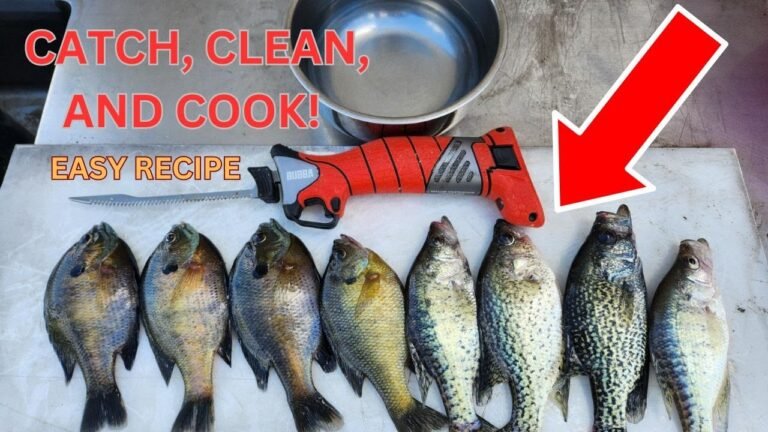
Bluegill, crappie, perch, and other panfish are often easy to land. A light or ultralight spinning reel, spincast combo, or short rod works well.
Small hooks can lodge in fingers, especially when a fish flips. Hold the fish firmly but gently, and use small pliers. Children should learn to ask an adult before touching a fish with a hook still attached.
Keep only legal fish that you can use. Release unwanted fish quickly and do not leave them on hot docks or dry ground.
Walleye and Toothier Fish
Walleye have sharp teeth and rough mouths. Use pliers and keep fingers away from the mouth. A deep net helps protect the fish and the angler.
Some toothy saltwater fish need a wire leader or heavy fluorocarbon leader. Learn the species before using a lip grip. Certain fish require special handling or release tools.
For redfish and similar inshore species, support the belly during photos. Avoid dragging them over oyster beds, rocks, or dry decks.
Common Landing Mistakes and Better Fixes
Most lost fish follow a pattern. The angler rushes, lifts too high, gives slack, or uses the wrong tool. Fixing these habits improves results without requiring expensive gear.
The table below focuses on problems that affect beginners and experienced anglers alike.
| Common mistake | What goes wrong | Better fix |
|---|---|---|
| Reeling with the rod pointed at the fish | The rod cannot cushion the run | Keep the rod bent and pump, then reel |
| Lifting a fish by the line | Line, knot, or hook may fail | Use a net or support the fish by hand |
| Netting from behind | The fish sees the net and turns | Lead it in headfirst |
| Tightening the drag too much | Light line or hooks can break | Set the drag before the fight |
| Leaving slack line | The hook can shake free | Maintain steady pressure |
| Grabbing a dry fish | Slime and scales can be damaged | Wet hands first |
| Chasing fish into unsafe water | Angler may slip or fall | Move to a safe landing point |
| Holding a heavy fish by the jaw | The jaw or spine may be injured | Support the body horizontally |
The main lesson is to prepare before the fish is close. A net that is still folded, a loose drag, or a missing pair of pliers creates pressure at the worst time.
Do Not Horse a Fish With Light Tackle
Light tackle is fun, but it needs patience. Use the drag and let the rod absorb sudden runs. Walk along the bank if the fish moves.
Do not try to stop a large fish with a 2-pound line by locking the spool. If the fish reaches cover, your options may be limited. That is part of the tradeoff of light gear.
Do Not Give Slack During a Jump
Bass, trout, and other fish may jump or shake their heads. Lower the rod slightly and keep pressure as the fish leaves the water. A sharp, loose jump can throw a lure.
With treble hooks, steady pressure works better than a hard pull. With a single hook, keep the line tight and guide the fish toward the net.
Do Not Swing Fish Onto the Bank
Swinging a fish can break the line and send hooks toward your face or hands. It can also injure the fish. Use a net, reach down safely, or move to a better landing spot.
If a child hooks a fish that is too heavy to lift, an adult should control the rod and handle the landing. The child can watch and learn without taking unnecessary risk.
👪 Parent or Gift-Buyer Note: A 5- to 6-foot spincast combo, 6- to 10-pound line, small hooks, and a soft rubber net are practical for many young anglers. Choose ease and safety over maximum casting distance. An adult should handle hooks, pliers, and fish with teeth.
Gear Choices That Make Landing Easier
You do not need premium tackle to land common fish. You need gear that matches the job and is in good condition. The most useful upgrades are often simple: fresh line, a better knot, a usable net, and sharp hooks.
Experienced anglers may choose a baitcaster for accuracy around cover, a spinning reel for lighter lures, or a fly rod for precise presentations. Gift buyers should choose a complete setup that the angler can use now, not a powerful outfit that feels hard to control.
Spinning Reels
Spinning reels are easy to cast and work well for beginners. A 1000- to 2500-size reel suits many panfish, trout, and light bass setups. A 2500- to 4000-size reel may fit larger bass, walleye, and inshore use, depending on the current model’s line capacity and drag.
Look for a smooth drag, a sturdy bail, and a spool that matches the line. Saltwater anglers should choose a reel listed for saltwater use and rinse it with fresh water after each trip.
Baitcasters
Baitcasters offer control and accuracy, especially for bass lures and heavier line. They also require more practice. Backlash is a spool tangle caused when the spool spins faster than the line leaves it.
A beginner can learn a baitcaster with a heavy practice plug, moderate brake settings, and short casts. A spinning reel is usually the better first choice for children or anglers who fish only a few times each year.
Spincast Combos
Spincast combos use a push-button release and enclosed spool. They are simple, affordable, and useful for kids, casual anglers, and small freshwater species.
The tradeoff is lower line capacity and less control than many spinning reels. A spincast combo may not suit heavy cover, long casts, large catfish, or serious surf fishing.
Fly Rods
Fly rods use the weight of the fly line to cast a light fly. A 3- to 5-weight rod often fits small trout and panfish, while heavier weights suit bass, salmon, and saltwater species.
Landing a fish on a fly rod requires careful line control. Keep the line away from rocks and feet. Use a net when possible, especially with light tippet.
Telescopic and Travel Rods
Telescopic rods pack into a short length and fit cars, backpacks, and luggage. They are useful for travel, hiking, and simple shore fishing.
Inspect each section before use. Dirt or side pressure can damage the rod. Telescopic rods may not offer the same balance or strength as a two-piece rod, so match them to modest fish and avoid high-sticking.
Price, Portability, and Value
Current pricing ranges from low-cost spincast combos to high-end rods and reels. Price does not decide whether you can land a fish. Fit, maintenance, line condition, and skill matter more.
For most beginners, a reliable combo and a basic landing net offer better value than buying a premium reel first. Experienced anglers may gain value from specialized drag systems, lighter blank materials, better corrosion protection, or a reel with higher line capacity.
| Budget level | Typical purchase | Best suited to |
|---|---|---|
| Entry level | Spincast or basic spinning combo, mono line, small net | Kids, beginners, panfish, casual freshwater |
| Midrange | Better spinning or baitcasting setup, braid, leader, rubber net | Regular bass, trout, walleye, and catfish anglers |
| Specialized | Saltwater reel, fly setup, surf rod, ice gear, advanced net | Anglers with a clear species or water goal |
A gift buyer should ask where the angler fishes and what species they target. A surf rod is a poor gift for someone who fishes small ponds. A fly rod may frustrate a child who wants simple casting.
Is Expensive Gear Worth It?
More expensive gear can feel lighter, last longer, and offer smoother control. It does not remove the need for a good knot, correct drag, or safe landing plan.
Saltwater anglers often gain more from corrosion resistance than from extra bearings. A kayak angler may value compact storage and a short net. A trout angler may value a soft mesh net and accurate drag more than raw power.
Saltwater Care
Saltwater damages metal parts, line guides, hooks, swivels, and reel bearings. Rinse gear with clean, low-pressure water after each trip. Wipe it dry and let it air out before storage.
Do not use high-pressure spray on a reel. Water can push salt deeper into the housing. Inspect hooks, split rings, leaders, and knots before the next trip.
🔧 Quick Fix: If a reel feels rough after saltwater use, stop forcing the handle. Rinse the exterior with fresh water, dry it, and check the manufacturer’s care instructions. Deep cleaning may require a qualified reel service shop.
Conservation and Local Fishing Rules
Responsible landing protects fish, water, and future fishing. Check your fishing license, season dates, size limits, bag limits, and special tackle rules before you go. State wildlife agencies may restrict lead tackle, barbed hooks, bait types, nets, gaffs, or fish-grip methods.
Use circle hooks when required or when fishing live bait for species that tend to swallow hooks. Circle hooks work best when the angler lets the fish load the rod instead of making a hard hook set.
Do not release unused live bait into a lake or stream. Dispose of fishing line in a recycling bin or line-collection container. Cut tangled line so wildlife cannot become caught.
🌿 Conservation Note: Wet your hands, support the fish’s body, keep photos brief, and release the fish in the water when possible. A quick release is often kinder than a long fight for the perfect picture.
When Keeping a Fish
If regulations allow harvest, dispatch and store the fish in a clean, humane way. Use a cooler with enough ice. Do not leave fish in direct sun or warm water.
Know the legal length before keeping the fish. Measure it on a flat measuring board. Follow local rules for tags, records, and transport.
When a Fish Is Deeply Hooked
Do not pull hard on a deeply swallowed hook. Cutting the line close to the hook may cause less damage in some situations, but local rules and species guidance differ.
Use dehooking tools when you know how to use them. A local tackle shop, guide, or fisheries agency can show the right method for local fish.
📜 Check Local Regulations: Rules vary by state, species, and water. Confirm license needs, size and bag limits, closed seasons, hook rules, bait rules, and legal landing tools with your state or local wildlife agency before fishing.
FAQs About Landing Fish
Q: What is the best way to land a fish for a beginner?
A: Keep the line tight, use a moderate rod angle, let the drag work, and guide the fish into open water. When the fish slows, lead it headfirst into a rubber landing net. Do not lift it by the line. Wet your hands before touching it.
Q: Should I net a fish headfirst?
A: Yes. Lead the fish over the net, then scoop forward under its head. Netting from behind often makes the fish turn away. The net should enter the water before the fish reaches it.
Q: How tight should my fishing drag be?
A: A common starting point is one-quarter to one-third of the line’s rated strength. This is only a guide. Knots, abrasion, hooks, and cover affect the safe setting. Test the drag before fishing and make small changes.
Q: Can I land a fish without a net?
A: Yes, if the fish is small and the landing area is safe. Keep the fish in shallow water and use wet hands. Do not beach, drag, or swing fish onto rocks. A net is safer for larger fish, treble hooks, steep banks, and catch and release.
Q: Why do fish come off near the boat?
A: Fish often surge, jump, or shake their heads when they see the boat. Anglers may also lift the rod too high, allow slack, or tighten the drag. Keep steady pressure, let the fish tire, and net it headfirst.
Q: What line is easiest for beginners?
A: Monofilament is usually the easiest. It is low cost, simple to tie, and has useful stretch. Eight- to 10-pound monofilament fits many freshwater trips. Heavier fish, sharp cover, and saltwater may call for braid and a leader.
Q: Is a landing net better than a fish grip?
A: A rubber landing net suits many species and reduces handling. A fish grip can help control some strong-jawed fish, but it must be used correctly and within local rules. Neither tool replaces wet hands, body support, and quick release care.
Q: How do I land a bass on a baitcaster?
A: Keep the rod bent, use side pressure, and prevent the fish from reaching cover. Let the baitcaster’s drag work during a run. Avoid locking the spool with your thumb unless you need a brief correction near a major hazard.
Q: How do I land a trout without harming it?
A: Keep the trout in the water, wet your hands, and use a soft rubber net. Remove the hook quickly with forceps. Avoid squeezing the body or touching the gills. Release the trout when it can swim upright.
Q: Can a child land a large fish?
A: A child can help fight and guide a fish, but an adult should manage the net, hooks, and final lift when needed. Use a short rod, a safe landing area, and a life jacket near a boat or dock. Never let a large fish pull a child toward the water.
Q: How long does fishing line last?
A: Line life depends on use, sun, heat, abrasion, and storage. Replace monofilament when it becomes brittle, deeply coiled, cloudy, or nicked. Replace braid when it frays, changes color severely, or shows damage. Inspect leaders and knots every trip.
Q: Should I use a leader when landing fish?
A: Use a leader when fish have sharp teeth, rough mouths, or access to rocks and cover. Fluorocarbon helps with abrasion, while wire may be needed for toothy species. Match the leader to the fish and local rules.
Q: What should I do if the hook is stuck in my hand?
A: Stop moving and control the fish or lure. Do not yank a deeply embedded hook. Cut the line if needed, cover the wound, and seek medical care. For eye injuries or severe bleeding, get urgent medical help.
Q: Do I need a fishing license to land a fish?
A: In most U.S. waters, anglers need a license unless an exemption applies. Requirements vary by state, age, water, species, and land ownership. Check the current rules from the state or local wildlife agency before fishing.
Final Advice for a Clean Landing
The best landing technique is calm, steady, and planned. Match your rod power, line test, hook, and net to the fish. Keep pressure on the fish without forcing it, let the drag protect the line, and guide the fish away from cover.
For beginners, a spinning reel or spincast combo, fresh monofilament, a medium or medium-light rod, pliers, and a rubber net cover many freshwater trips. For experienced anglers, specialized tackle can improve control in weeds, current, surf, saltwater, and fly fishing, but good technique still matters most.
Prepare the landing area before the cast. Know where your hands will go, where the hooks are, and how you will release or keep the fish. That final moment should feel like a smooth finish, not a last-second rescue.