How To Go Catfish Fishing: Easy Beginner Guide
Catfish fishing is one of the most welcoming ways to start fishing. Catfish live in ponds, rivers, reservoirs, lakes, and large streams across the United States. They grow large, fight hard, and often respond well to simple bait rigs. You do not need a boat, expensive electronics, or advanced casting skills to begin.
The basic plan is simple: choose a strong rod and reel, use fresh bait, place it near the bottom, and wait for the bite. The details matter, though. Water depth, current, weather, season, hook size, line test, and local rules can change your results.
This guide explains how to go catfish fishing from shore, a boat, a kayak, or a pier. It covers channel catfish, blue catfish, flathead catfish, gear, rigs, bait, safety, handling, and conservation. It also helps beginners, parents buying a first setup, and experienced anglers who want a cleaner system.

Quick answer: how to go catfish fishing
To go catfish fishing, use a 7- to 8-foot medium-heavy or heavy rod, a spinning reel or baitcaster, 15- to 30-pound line, a strong hook, and a sinker that holds bottom. Add live or prepared bait, cast near deep water, cover, current breaks, or feeding areas, and watch the line for steady movement. Check your fishing license, local rules, weather, and access before fishing.

Know the three main catfish species
Catfish do not all use the same habitat or bait. Knowing the species in your water helps you choose the right tackle and presentation. Channel catfish are the easiest target for many beginners, while blue and flathead catfish often require heavier gear and larger bait.
Channel catfish
Channel catfish are found in rivers, reservoirs, ponds, and lakes. They often weigh 1 to 10 pounds, although larger fish are possible. Their forked tail helps identify them.
Channel cats commonly eat worms, cut bait, chicken liver, shrimp, stink bait, and prepared dough bait. They may feed in shallow water at night, along weed edges, near creek channels, or below dams and spillways.
A medium-heavy spinning setup works well for most channel catfish. Use 12- to 20-pound monofilament or braided line with a leader. Circle hooks are a good choice when using bait and plan to release the fish.
Blue catfish
Blue catfish prefer large rivers, reservoirs, and strong current. They can grow very large, so your gear should match the fish in your area. A setup that works for small channel cats may fail when a heavy blue catfish takes the bait.
Fresh cut bait is a common choice. Shad, skipjack herring, perch, and other legal baitfish can work well where allowed. Place the bait near a river channel, deep flat, current seam, wing dam, or submerged structure.
Use a heavy rod, a reel with a smooth drag, and 30- to 65-pound braided line when targeting large blue catfish. Your hook, leader, swivel, and sinker must also be strong enough for the expected fish.
Flathead catfish
Flathead catfish are known for their broad, flat heads and pale yellow-brown color. They often prefer live bait and may feed more actively from dusk through the night. Large flatheads commonly hold near logjams, rock piles, deep holes, and current edges.
A live bluegill, sunfish, perch, or other legal baitfish may be effective. Bait laws vary, so confirm which species and methods are legal in your state.
Flatheads often need heavier tackle than channel catfish. A 7.5- to 8.5-foot heavy rod, 30- to 65-pound braid, and a strong leader give you more control near cover. Do not use heavy line as an excuse to pull fish through snags with excessive force.

This table gives a simple starting point for matching species, bait, and tackle. It is a guide, not a rule, because fish size and cover vary by water.
| Catfish species | Common approach | Starter tackle |
|---|---|---|
| Channel catfish | Worms, shrimp, stink bait, cut bait | Medium-heavy rod, 12–20 lb line |
| Blue catfish | Fresh cut bait near depth or current | Heavy rod, 30–65 lb braid |
| Flathead catfish | Live bait near cover at dusk or night | Heavy rod, 30–65 lb braid |
Channel catfish suit beginners and families because they often accept many baits. Blue and flathead catfish suit anglers who want larger fish and can handle heavier tackle, stronger knots, and more demanding landing work.
Choose a catfish rod, reel, and line
The best catfish setup is strong enough for the local fish but comfortable enough to cast and hold for hours. Beginners often do better with a spinning combo because it is simple to use. Experienced anglers may prefer a baitcaster for control, power, and accurate casts.
Rod power and action
Rod power describes strength. A medium-heavy rod bends less and handles more pressure than a medium rod. Rod action describes where the rod bends. A fast-action rod bends near the tip, while a moderate action bends farther down the blank.
For small to medium channel catfish, choose a 7- to 8-foot medium-heavy rod with moderate-fast action. For large blue or flathead catfish, choose a 7.5- to 8.5-foot heavy rod.
A longer rod can cast farther and help keep line away from shore rocks. A shorter rod is easier to manage in a small boat, kayak, or tight bank area.
Spinning reels
A 4000- to 6000-size spinning reel is a practical range for many catfish setups. Look for a smooth drag, a strong bail, a metal or reinforced frame, and enough spool capacity for your line.
The drag is the reel system that lets line leave the spool under pressure. Set it tight enough to control the fish but loose enough to prevent sudden line breaks. A smooth drag matters more than a high bearing count.
Spinning reels suit beginners, children, shore anglers, and people who want a simple setup. They also work well when casting bait from a pier or bank.
Baitcasters
Baitcasting reels offer precise casting and good cranking power. They can be useful for large catfish, heavy sinkers, and boat fishing. However, they take practice.
Backlash is a tangled spool caused when the spool spins faster than the line leaves it. New baitcaster users should practice with a plug before adding a baited hook. A baitcaster is best for experienced anglers or beginners willing to learn reel control.
Spincast combos
Spincast combos have a closed reel and a push-button cast system. They are easy for young anglers and casual pond fishing. A spincast reel can handle smaller channel catfish, but many models have limited drag strength and line capacity.
For a child, choose a sturdy 6.5- to 7-foot medium or medium-heavy combo instead of a very short toy rod. A real setup gives the child room to learn without making the fish feel impossible to control.
Fishing line choices
Monofilament is affordable, easy to tie, and forgiving. Its stretch can protect light hooks and reduce sudden breakoffs. It is a strong first choice for channel catfish.
Braided line has little stretch and a small diameter for its strength. It helps anglers feel bites and control fish near cover. It can cut hands, dig into a reel spool, and slip on some knots, so use a proper knot and handle it carefully.
Fluorocarbon is more abrasion resistant and less visible underwater than many lines. It is often used as a leader rather than a main line because it costs more and can be stiff in heavy tests.
| Fishing situation | Rod and reel | Main line |
|---|---|---|
| Family pond fishing | 7 ft medium-heavy spinning combo | 12–15 lb monofilament |
| River channel cats | 7–8 ft medium-heavy spinning reel | 15–25 lb mono or braid |
| Large blues or flatheads | 7.5–8.5 ft heavy baitcaster or spinner | 30–65 lb braided line |
The simplest setup for a new angler is a medium-heavy spinning combo with 15- to 20-pound monofilament. Upgrade to heavy braid and a stronger reel when the water holds large fish or thick cover.

Rod and line pros and cons
Each line and reel type has a clear trade-off. Your choice should fit the fish, the water, and your comfort level rather than the most expensive option.
| Option | Main advantages | Main limits |
|---|---|---|
| Spinning reel with mono | Easy to cast, low cost, forgiving | More stretch and line memory |
| Spinning reel with braid | Good sensitivity and strength | Can cut skin and needs careful knots |
| Baitcaster with braid | Strong control and casting power | Backlash takes practice |
| Spincast with mono | Simple for kids and casual use | Less drag and capacity on many models |

Gather the basic catfish tackle
You can catch catfish with a short list of gear. Start with reliable hooks, sinkers, swivels, bait, and tools. Add a landing net and rod holder if you fish from shore or a boat for long periods.
Hooks
Circle hooks are useful with live or cut bait when you want to release fish. The hook usually catches in the corner of the mouth when the fish moves away with steady pressure. Do not jerk hard when using a circle hook. Let the line come tight, then lift the rod and reel.
Use kahle or octopus hooks when local rules allow them and when you need a different bait presentation. Treble hooks can hold some prepared baits, but they are harder to remove and can injure fish.
Hook size depends on bait and fish size. A size 2 to 1/0 hook works for many channel catfish. Large cut bait may need 2/0 to 6/0. Always check local rules about hook type and number.
Sinkers
A sinker carries bait to the bottom. Use the lightest weight that holds bottom in the current. Common sizes range from 1/2 ounce in calm ponds to 3 or 4 ounces in strong river flow.
Egg sinkers slide on the main line. Bank sinkers grip the bottom and may work better in current. No-roll sinkers help keep bait in place on flats and reservoir bottoms.
Swivels and leaders
A swivel reduces line twist between the main line and leader. A leader is the short section between the main line and hook. Use 12- to 30-inch leaders for many bottom rigs.
For channel catfish, 15- to 25-pound monofilament or fluorocarbon leader is often enough. For large fish near rocks or wood, use a heavier leader or abrasion-resistant material. Make sure the leader is not weaker than your main line without a reason.
Other useful tools
Bring long-nose pliers, fish grips, a landing net, a knife, extra hooks, spare sinkers, a measuring board, a tackle box, and a headlamp for night fishing. A bait container with a secure lid prevents spills and unwanted smells.
A rod holder keeps the rod safe while you watch multiple lines. Never leave a rod unattended near water where a large fish can pull it in.

This table helps you build a functional kit without buying every accessory at once.
| Tool or item | Why you need it | Good starting choice |
|---|---|---|
| Hooks | Hold bait and catch fish | Circle hooks in legal sizes |
| Sinkers | Keep bait near bottom | Egg, bank, or no-roll sinkers |
| Swivels | Reduce line twist | Strong barrel swivels |
| Pliers | Remove hooks safely | Long-nose stainless pliers |
| Landing net | Control larger fish | Deep rubber or coated net |
| Rod holder | Keeps the rod secure | Stable bank or boat holder |
A landing net is more useful than a decorative lure box when targeting catfish. Buy tools that make hook removal, fish handling, and line repair safer.
Use proven catfish rigs
The rig connects your line, sinker, leader, hook, and bait. A simple rig often works better than a complex one because it is easy to cast, repair, and understand.
Slip-sinker rig
A slip-sinker rig is a strong all-around choice. Thread the main line through an egg or no-roll sinker. Tie on a swivel. Add a 12- to 24-inch leader and tie on the hook.
When a fish takes the bait, it can move before feeling the full sinker weight. This helps cautious fish and works well in lakes, ponds, and slow rivers.
Three-way rig
A three-way rig works well in current. Tie the main line to one eye of a three-way swivel. Attach a leader and hook to another eye. Add a lighter dropper line with a sinker to the third eye.
The lighter dropper may break if the sinker snags. This can save the hook and bait. Use this rig only when the design is legal in your state.
Carolina-style bait rig
A Carolina-style rig uses a sliding sinker, bead, swivel, leader, and hook. It resembles a slip-sinker rig but may include a bead that protects the knot and adds sound.
This setup is useful on clean bottoms. In heavy wood or rock, it can still snag, so adjust leader length and sinker style.
Float rig
A bobber or float keeps bait above the bottom. It works in shallow water, around weeds, and when catfish feed higher in the water column. Set the float so the bait hangs just above cover or at the depth where fish are showing.
Float fishing is easy for kids because the bobber gives a clear visual signal. It also teaches patience and line control.

Basic slip-sinker rig steps
- Slide the sinker onto the main line.
- Add a plastic bead if you want to protect the knot.
- Tie the line to a strong barrel swivel.
- Cut 12 to 24 inches of leader material.
- Tie the leader to the other end of the swivel.
- Tie on a circle, octopus, or kahle hook.
- Add bait and check every knot before casting.
Use a Palomar knot for many braided-line connections and an improved clinch knot for common monofilament connections. Wet the line before tightening. Trim tag ends close, but leave enough material to prevent slippage.

Pick bait that matches the species
Fresh, legal bait is usually more important than fancy tackle. Catfish use smell, taste, vibration, and their sensitive barbels to find food. Barbels are the whisker-like feelers around the mouth.
Natural baits
Worms, shrimp, chicken liver, crawfish, and cut bait are common choices. Worms work well for channel catfish and small fish. Fresh cut bait can be strong for blue catfish and other fish that follow scent in current.
Live bait is often used for flatheads. Keep baitfish healthy in a legal bait bucket or aerated container. Dead or weak bait may not give the same movement, but it can still work for some species.
Prepared baits
Stink bait, dip bait, punch bait, and dough bait are made to release scent. They can be convenient for ponds and slow rivers. Use a bait holder, treble hook, sponge, or small piece of mesh if the bait slips off.
Prepared bait can be messy. Carry wipes, a sealed container, and a separate bait towel. Wash your hands before eating or touching your eyes.
Cut bait
Cut bait should be fresh and legal. Cut strips, chunks, or steaks that fit the hook and remain secure during a cast. A small piece is enough for channel catfish, while large fish may take a larger bait.
Do not use fish species that local law forbids as bait. Some waters restrict the movement of live bait between lakes to protect native fish and prevent disease.

Bait choice should also match your fishing location. A calm pond, deep reservoir, and swift river call for different presentations.
| Water and target | Bait to try | Where to present it |
|---|---|---|
| Farm pond channel cats | Worms, shrimp, prepared bait | Near weeds, shade, or deep edges |
| Reservoir blue cats | Fresh cut bait | Channel edges, points, deep flats |
| River channel cats | Cut bait, worms, stink bait | Current seams and holes |
| Flathead water | Legal live bait | Wood, rock, and deep cover |
Fresh bait often beats old bait, but not every fish wants the same scent. Test one bait at a time so you learn what works in your water.
Find catfish from shore, boat, or kayak
Catfish often use structure and changes in depth. Structure includes logs, rocks, bridge supports, weed lines, drop-offs, and submerged brush. A depth change may be more important than a visible feature.
Shore fishing
Start with points, creek mouths, outside bends, deep holes, riprap, spillways, and the downstream side of current breaks. Cast at different angles instead of placing every bait in the same spot.
Look for signs such as baitfish, birds, current seams, muddy water near a cleaner edge, and steep banks. If you fish at night, mark your path before dark and keep all gear organized.
River fishing
In a river, catfish often avoid spending more energy than needed. They may hold behind a rock, log, bridge piling, or bend where current slows. Place bait near the edge of strong flow rather than in the fastest water.
Use enough sinker weight to hold bottom. If the sinker rolls away, increase weight or change to a gripper style. If you cannot feel bottom at all, your rig may be too light or your line angle too steep.
Reservoir fishing
Reservoir catfish may use old creek channels, submerged roads, humps, points, and flats near deep water. A fish finder can reveal depth changes and baitfish, but you can still fish from shore by focusing on creek mouths and steep banks.
Blue catfish may move with baitfish and seasonal water changes. Channel cats may use coves, flats, and feeder creeks. Local knowledge from a tackle shop can save hours of guesswork.
Kayak and boat fishing
A kayak gives access to water that shore anglers cannot reach, but it also adds risk. Keep tackle low and secured. Use a U.S. Coast Guard-approved personal flotation device, even if you are a strong swimmer.
A fish finder can show depth, bottom contours, and baitfish. It does not replace safe navigation or local knowledge. Keep your rod, net, pliers, and anchor line arranged so a hooked fish cannot create a tangle.

⚠️ Safety Warning: Wear a properly fitted U.S. Coast Guard-approved PFD in a boat or kayak. Check weather and wind before launch, tell someone your route, and carry a phone or communication device in a waterproof case. Do not stand in a small kayak while fighting a large fish.
Fish at the right time
Catfish can feed in every season, but their location and activity change with water temperature, flow, and available food. Dawn, dusk, night, and periods of changing weather can be productive, but fish may bite at any hour.
Spring
As water warms, channel catfish often move toward shallow areas, coves, and feeder creeks. Blue catfish may follow baitfish and current. Flatheads become more active as water temperatures rise.
Use smaller bait in cold water and increase bait size as fish become more active. Start near depth changes close to shallow feeding areas.
Summer
Warm water can push larger catfish into deeper holes during the day. Early morning, late evening, and night may offer more comfortable fishing. Shaded banks, creek mouths, and current can be useful.
Carry water, sunscreen, polarized sunglasses, insect repellent, and a light layer for night fishing. Heat can become a greater danger than missed bites.
Fall
Cooling water often increases feeding activity in many waters. Catfish may follow baitfish toward channels, points, and current areas. Fresh cut bait can be a good option for blue catfish.
Try several depths. A shallow flat near deep water may produce at one time, while a deep hole may work later.
Winter
Cold water often slows catfish movement. Fish may gather in deeper areas with stable temperature. Use smaller baits, fish slowly, and give each location more time.
Ice fishing for catfish is uncommon in many regions, but if you fish through ice, follow local ice-safety guidance. Never judge ice strength by appearance alone.

This seasonal plan keeps your choices simple while you learn the water.
| Season | Likely focus | Useful adjustment |
|---|---|---|
| Spring | Warming shallows and creek mouths | Start small, then increase bait size |
| Summer | Deep water, shade, and night areas | Fish cooler periods and carry water |
| Fall | Baitfish routes and current edges | Try fresh cut bait and varied depths |
| Winter | Stable deep water | Fish slowly with smaller bait |
Seasonal patterns vary by region. A local wildlife agency, bait shop, or experienced guide can explain how your lake or river behaves.
Follow a step-by-step catfish fishing plan
A repeatable plan helps new anglers avoid random casting. It also lets experienced anglers compare locations, baits, and conditions.
1. Check access and regulations
Confirm that the water is open to fishing. Buy the required fishing license. Read rules for seasons, size limits, daily bag limits, rod numbers, trotlines, jug fishing, baitfish, hooks, and lead tackle.
Some waters have special rules for blue catfish or flathead catfish. Others require certain hooks when using live or cut bait.
📜 Check Local Regulations: Rules change by state and water. Confirm current information with your state wildlife agency or local fisheries office before fishing. Do not assume a rule from one lake applies to another.
2. Study the forecast
Check wind, storms, heat, cold, and river flow. Avoid exposed shorelines during lightning. Strong wind can make casting unsafe and can push a small boat or kayak away from shore.
Tell a friend or family member where you will fish and when you expect to return. This matters even on familiar water.
3. Prepare your tackle at home
Tie your rig, check knots, spool your reel, and pack spare hooks and sinkers before leaving. Put bait tools in a separate container from food and personal items.
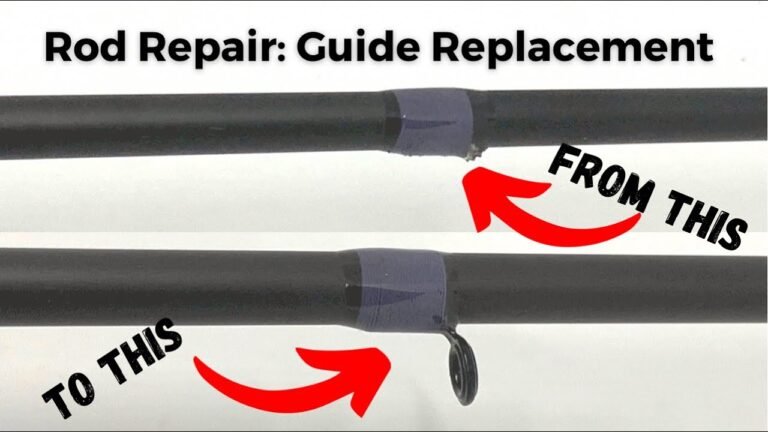
Test your drag. Look for cracked rod guides, damaged line, bent hooks, and corroded swivels. Replace weak parts before a fish exposes the problem.
4. Choose two or three locations
Start near a depth change, current break, creek mouth, or cover. Fish one spot for 20 to 30 minutes if conditions are stable. If you see no signs of life, move or change depth.
Do not change five things at once. Change bait, depth, location, or weight one at a time so you learn from each result.
5. Cast and settle the bait
Cast beyond the target when safe, then let the sinker reach bottom. Reel until you feel slight tension. Place the rod in a stable holder with the tip angled toward the rig.
Keep the line tight enough to see movement but not so tight that the sinker drags. A slack line can hide a bite. Excess tension can pull bait away from a fish.
6. Read the bite
A catfish bite may look like a tap, a slow pull, a moving line, or a rod tip that loads steadily. Small fish may peck at bait. Large fish may lift or drag the sinker.
With a circle hook, do not make a hard hookset. Reel down until the line is tight, then lift the rod smoothly. With a standard hook, apply firm pressure when the fish moves away.
7. Fight the fish with steady pressure
Keep the rod bent and the line away from rocks, wood, and boat edges. Adjust the drag if the fish surges. Do not lock the drag and lift the rod high over your head.
Use side pressure to turn a fish away from cover. Let the drag work. A long fight in warm water can harm a fish, so land it as soon as it is safe.
8. Land, handle, and release the fish
Wet your hands before touching a fish. Support its body, keep it close to the ground or water, and avoid squeezing the belly. Use pliers to remove hooks.
Large catfish can injure anglers with sharp spines. Hold the fish behind the pectoral fins without placing your hand over the spines, and support the lower body with your other hand.
If releasing the fish, keep air exposure short. Revive it in the water by facing it into a gentle current. Release it when it swims away with control.

A simple log makes you a better angler. Record date, time, water level, depth, bait, weather, location, and species. After several trips, patterns become easier to see.
Avoid common beginner mistakes
Most lost catfish result from weak connections, poor hook timing, bad fish handling, or fishing the wrong place for too long. Small changes can protect your gear and improve your learning.
| Mistake | What happens | Better choice |
|---|---|---|
| Using old or damaged line | The line breaks under pressure | Replace worn sections before fishing |
| Setting a circle hook hard | The hook may pull free | Reel tight and lift smoothly |
| Using too little weight | Bait drifts out of position | Add only enough weight to hold bottom |
| Fishing one spot all day | You may miss active fish elsewhere | Move after a planned time |
| Leaving rods loose | A fish can pull gear into water | Use stable rod holders |
| Handling dry fish | The protective slime is damaged | Wet hands before handling |

Other common problems include oversized baits for small channel cats, hooks buried too deeply, and using heavy tackle with weak terminal components. Your swivel, leader, hook, and knot must work as one system.
Do not place a stringer of fish in a crowded area without checking local rules. A stringer can also attract unwanted attention from wildlife and may allow fish to suffer in warm water. Use a cooler with ice only when harvest is legal and planned.
Budget your catfish fishing setup
A new angler does not need to buy everything at once. Start with a rod and reel, line, hooks, sinkers, swivels, bait, pliers, and a license. Add a net, tackle box, rod holder, and headlamp as your habits develop.
Current pricing ranges from about $40 to $90 for a basic channel catfish setup, $90 to $200 for a stronger river setup, and more for heavy-duty equipment aimed at large blue or flathead catfish. Prices vary by brand, materials, reel size, and current listings.
| Budget level | What it usually covers | Best suited to |
|---|---|---|
| Entry level: $40–$90 | Spinning combo, mono, basic terminal tackle | Beginners, kids, ponds |
| Midrange: $90–$200 | Better reel, stronger rod, braid, net | Regular shore and river anglers |
| Heavy-duty: $200+ | Heavy rod, strong reel, quality braid and tools | Large catfish and frequent anglers |

Spend money first on line, hooks, knots, and a reliable drag. A high bearing count or bright color does not matter if the reel has rough drag or poor line lay.
Gift buyers should choose a medium-heavy spinning combo unless they know the angler targets large fish. It is easier to use than a baitcaster and works across many freshwater situations.
Protect your gear and the fish
Gear care extends the life of rods, reels, hooks, and line. It also prevents small failures that can cost a good fish. Saltwater anglers need extra care, but freshwater gear also benefits from cleaning.
After every trip
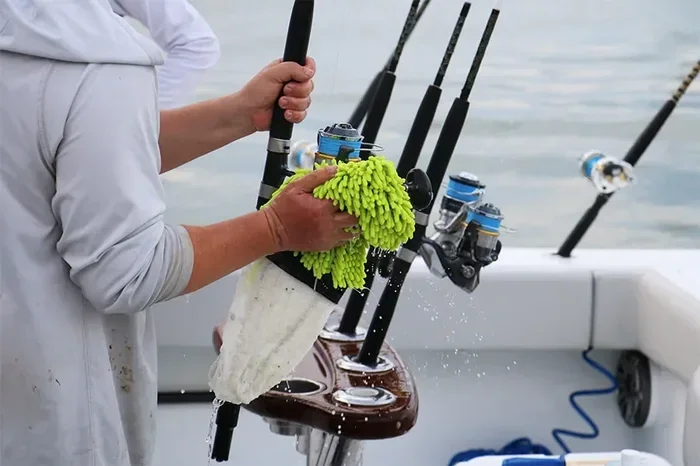
Rinse freshwater gear with clean water if it picked up mud, algae, or sand. Wipe the rod guides and reel exterior. Dry everything before placing it in a closed tackle box.
For saltwater or brackish fishing, rinse the reel lightly with fresh water. Do not blast water into the drag or bearings. Wipe the reel, dry it, and follow the maker’s service instructions.
Check line and knots
Run your fingers over the final few feet of line. Replace line with nicks, flat spots, heavy memory, or rough sections. Retie the hook after fishing around rocks, wood, or concrete.
Braided line can last for years when protected, but the leader may wear quickly. Monofilament may need more frequent replacement, especially after heat, sun, and abrasion.
Store bait and hooks safely
Dry hooks before storage to reduce rust. Keep hooks in closed boxes away from children and pets. Dispose of used line in a recycling bin or marked fishing-line collection point when available.
🌿 Conservation Note: Never leave monofilament, bait containers, hooks, or soft plastics on the bank. Discarded line can trap birds, turtles, fish, and other wildlife.

This short checklist is useful before packing your gear away.
| Check | Action | Replace or repair when |
|---|---|---|
| Rod guides | Wipe and inspect for cracks | A guide insert is sharp or loose |
| Reel | Clean exterior and check drag | Drag feels rough or slips unevenly |
| Main line | Inspect for cuts and abrasion | Line feels rough or has flat spots |
| Hooks | Dry and sharpen if allowed | Hook is bent, rusty, or dull |
| Landing net | Rinse and dry | Mesh or frame is damaged |
Make catfish fishing easier for beginners and kids
Catfish fishing teaches useful skills without requiring constant casting. It can be a good family activity, but children need short sessions, simple tasks, and close supervision.
Give a child a real but manageable job. They can measure bait, hold the rod with help, watch the bobber, count seconds, or use pliers with an adult guiding the hand. Avoid leaving a child near deep or fast water.
A good first setup
Choose a 6.5- to 7-foot medium-heavy spinning or spincast combo. Use 12- to 15-pound monofilament, a size 2 or 1/0 hook where legal, and a small sinker or bobber.
Use worms, shrimp, or prepared bait. Keep casts short and safe. A child may learn more from catching small channel catfish than from waiting all day for a trophy fish.
Keep the session comfortable
Bring water, snacks, sunscreen, insect repellent, rain gear, and a change of clothes. Plan for one to three hours rather than an all-day trip. Stop before the child becomes tired or frustrated.
Do not force a child to touch a fish. They can watch, take a photo, or help release it. Fishing should feel like a door opening, not a test.
👪 Parent or Gift-Buyer Note: For a first gift, choose a sturdy spinning or spincast combo, not a complex baitcaster. Add pliers, a small tackle box, a license gift card, and a safe fishing spot plan.
Know when to ask a local tackle shop or guide
Local advice can save money and reduce wasted trips. A tackle shop may know which bait is legal, what sinker weight holds bottom, and whether recent water levels changed fish locations.
Ask clear questions. Tell the staff your target species, fishing access, rod and reel, budget, and whether you fish from shore, a kayak, or a boat. Good advice depends on those details.
A guide is useful when you want to learn large-river blue catfish, night fishing, boat handling, or complex electronics. A boating safety course is a wise choice for anyone new to powered boats. A professional ice-safety course can help if you fish frozen lakes.
Do not copy a local angler’s rig without checking the rules. A method allowed on one water may be illegal nearby.
Frequently asked questions
What is the best bait for catfish?
There is no single best bait for every species and water. Worms and prepared bait are useful for channel catfish. Fresh cut bait is common for blue catfish, while legal live bait is often used for flatheads. Test fresh options and follow local bait rules.
What size hook should I use for catfish?
Use a size 2 to 1/0 hook for many channel catfish. Use 2/0 to 6/0 for larger cut bait and bigger fish. The hook should match the bait, not just the fish you hope to catch. Always confirm local hook restrictions.
Do catfish feed better at night?
Catfish can feed at night, and many anglers prefer the cooler conditions. They also bite during the day. Focus on depth, cover, current, and bait rather than assuming darkness guarantees better fishing.
Can I catch catfish with a regular bass rod?
A medium or medium-heavy bass rod can handle small channel catfish. It may be underpowered for large blue or flathead catfish, especially around wood or heavy current. Match the rod to the expected fish and cover.
Is braided line better than monofilament for catfish?
Braid offers high strength and low stretch, which helps in deep water and heavy cover. Monofilament costs less and is easier for beginners. For many anglers, 15- to 20-pound mono is enough for channel cats, while braid suits larger fish.
How long should a catfish leader be?
A 12- to 24-inch leader works for many bottom rigs. Use a longer leader when you want bait to move more freely. Use a shorter leader when current or cover makes control more important.
Should I use a bobber for catfish?
Yes. A bobber works in shallow water, near weeds, and when fish suspend above the bottom. It also helps beginners and children see bites. Adjust the depth until the bait reaches a productive level.
How do I know when to set the hook?
With a circle hook, let the line tighten and reel steadily. Do not jerk the rod. With a standard hook, set it when the fish moves away with firm pressure. Small taps do not always mean the fish has taken the bait.
Can I fish for catfish from a kayak?
Yes, but use a stable kayak, secure your tackle, and wear a U.S. Coast Guard-approved PFD. Keep large fish under control and avoid standing. Check wind, current, weather, and return conditions before launch.
How should I release a catfish?
Wet your hands, support the fish, remove the hook with pliers, and keep it out of water for as little time as possible. Avoid dropping it on rocks or squeezing its belly. Revive it gently and release it when it swims with control.
Is catfish fishing expensive?
It can be inexpensive. A basic spinning combo, terminal tackle, bait, pliers, and license may be enough to start. Heavy setups, boats, electronics, and large-fish tools cost more but are not needed for a first trip.
How often should I replace catfish line?
Replace line when it shows cuts, flat spots, severe memory, sun damage, or roughness. The exact life depends on use and storage. Inspect the final several feet before every trip and retie after fishing around abrasive cover.
Conclusion: start simple and learn your water
The best way to learn how to go catfish fishing is to start with a simple rig and a realistic target. A medium-heavy spinning combo, 15- to 20-pound monofilament, a slip-sinker rig, fresh bait, and strong hooks can handle many channel catfish trips.
Fish near depth changes, current breaks, creek mouths, cover, and areas where baitfish gather. Give each spot enough time, but move when the water gives you no clues. Keep notes so each trip teaches you something.
Match heavy tackle to large fish, wear a life jacket in boats and kayaks, follow current regulations, and handle every fish with care. Catfish fishing rewards patience, but it also rewards preparation. Once your basic system works, you can explore night fishing, river tactics, large blue catfish, flathead fishing, fish finders, baitcasters, and boat-based patterns at your own pace.