How To Fish Without Bait: Smart Fishing Tips
Fishing without bait is easier than many new anglers expect. You do not need worms, minnows, shrimp, or dough balls to catch fish. You can use artificial lures, flies, jigs, soft plastics, or even simple hooks and line in limited situations. The key is to make your offering look, move, or sound like food.
This method is often called lure fishing or artificial bait fishing. It works in ponds, rivers, lakes, bays, piers, surf zones, and many streams. Bass, trout, crappie, bluegill, walleye, redfish, snook, and other game fish may take a well-presented lure.
Fishing without bait also has clear benefits. It is cleaner, easier to store, and often faster once you learn the basics. You can cover more water instead of waiting for a bobber to move. Still, no method works in every place or for every species. Water color, depth, season, weather, fish mood, and local rules all matter.

Quick answer: how to fish without bait
The best way to fish without bait is to use an artificial lure that matches the size and movement of local prey. Beginners can start with a spinning reel, 6- to 7-foot medium-light or medium rod, 6- to 10-pound monofilament, and small jigs, spinners, or soft plastics. Cast, let the lure reach the right depth, retrieve it with pauses, and change speed when fish do not respond.
What fishing without bait really means
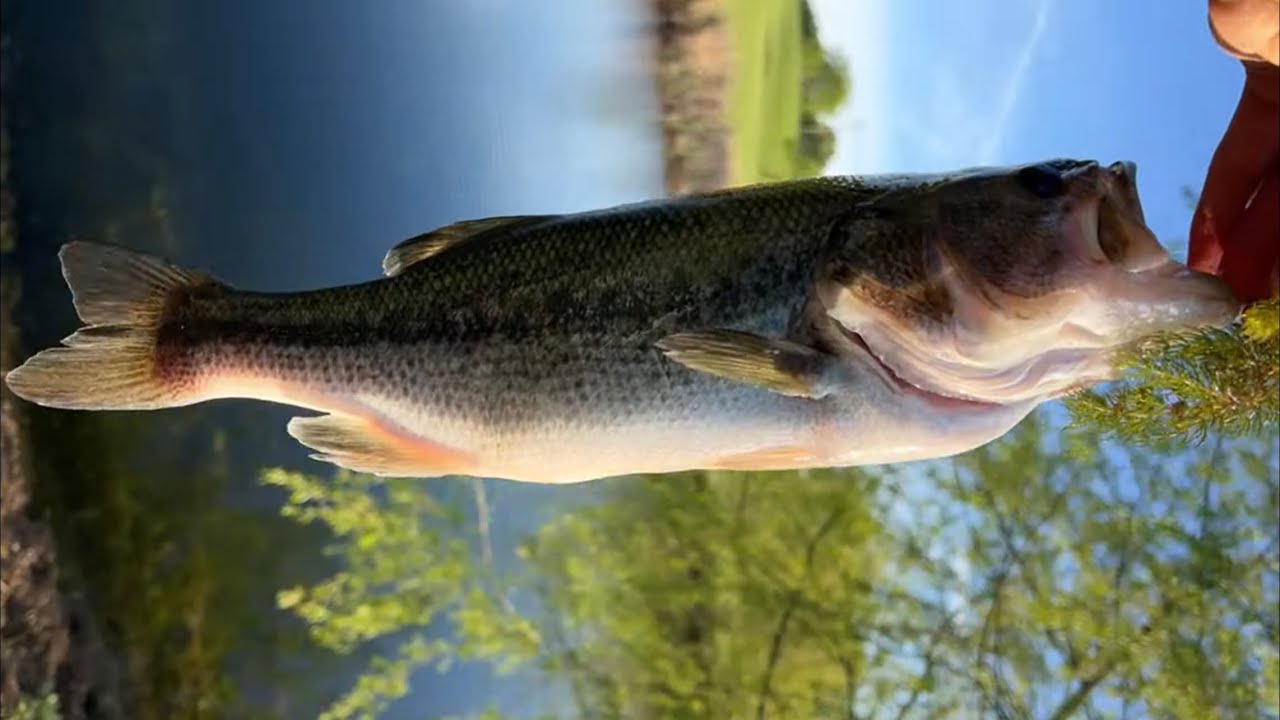
Fishing without bait means using an artificial item instead of natural food. The lure may copy a minnow, worm, crayfish, insect, frog, shrimp, or small baitfish. A fly may copy an insect or small aquatic animal. A plain jig may use motion and color rather than a detailed shape.
The lure does not need to look perfect. Fish often react to movement, vibration, flash, sound, and water pressure. A simple metal spinner can work because it flashes and sends out vibrations. A soft plastic worm can work because it moves like a small animal when lifted and dropped.
This style of fishing is different from fishing with live bait. With live bait, scent and natural movement do much of the work. With artificial lures, the angler controls the action. Your cast, retrieve, pause, and hook set become part of the presentation.
Can you fish with only a hook and line?
You can fish with only a hook and line, but this is not a reliable or legal method in many places. A bare hook does not offer food, scent, or a clear target. Some fish may strike a moving hook by chance, but that is not a useful plan.
Do not use a bare hook to snag fish. Snagging means hooking a fish from the outside of its mouth or body instead of getting a legal bite. It is banned or restricted in many waters and can harm fish.
If you have no lure, a small jig head, fly, spoon, or spinner is a better choice. These items are made to attract fish and are easier to fish in a legal, controlled way.
Is artificial bait the same as bait?
Anglers often use “artificial bait” and “lure” to mean the same thing. Technically, bait is natural food placed on a hook, while a lure is a manufactured object designed to attract a fish. Soft plastics may look like bait, but they are artificial lures.
Some scented soft plastics sit between these terms. They are not live bait, yet they use scent to attract fish. Always check local rules because some waters limit scent, chum, treble hooks, or certain materials.
The best baitless methods by fish and water
The right method depends on the fish you want and the water you plan to fish. A tiny trout stream calls for a different setup than a windy surf beach. The table below gives a practical starting point.
| Target or water | Good artificial choice | Simple presentation |
|---|---|---|
| Bass in lakes and ponds | Soft plastic worm, jig, crankbait, spinnerbait | Cast near cover and vary the retrieve |
| Trout in streams | Small inline spinner, spoon, fly | Drift or retrieve upstream with light motion |
| Panfish | Small jig, micro spinner, tiny crankbait | Use slow lifts near weeds or docks |
| Catfish | Jig, crankbait, spoon, artificial scented lure | Fish near cover, holes, or current breaks |
| Walleye | Jig, blade bait, minnow-style lure | Hop near the bottom with pauses |
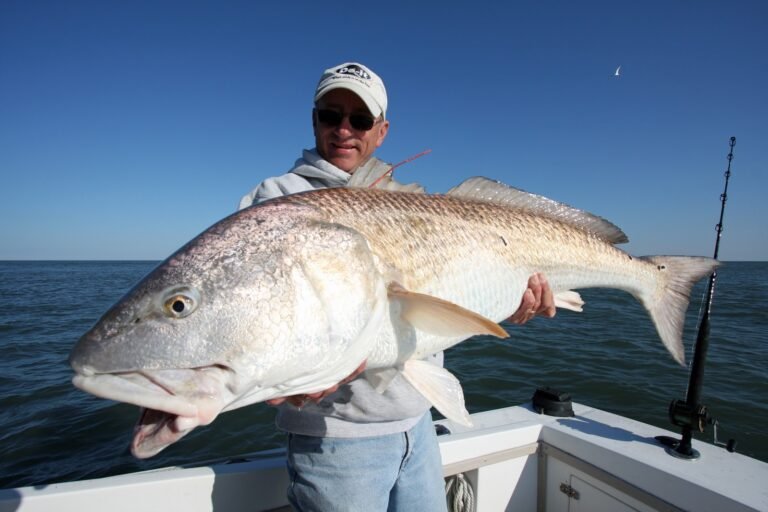
| Redfish and inshore fish | Soft plastic shrimp, paddle tail, spoon | Cast near grass, cuts, oyster edges, or flats |
| Surf fish | Metal spoon, bucktail jig, diamond jig | Cast beyond the break and vary speed |
The main takeaway is simple: use a small lure for small fish and a larger lure for larger prey. Clear water often rewards natural colors. Muddy water often favors bright colors, vibration, or strong contrast.
Freshwater lure fishing
Freshwater is the easiest place to learn how to fish without bait. Ponds and small lakes often hold bass, bluegill, crappie, and catfish close to shore. A 1/16- to 1/4-ounce jig, spinner, or soft plastic covers many beginner situations.
Bass often respond to soft plastic worms, creature baits, crankbaits, and topwater lures. Panfish usually prefer small offerings, such as 1/32- to 1/16-ounce jigs or tiny spinners. Trout often take small spoons, inline spinners, and flies when the lure size matches local insects or baitfish.
Cover matters. Cast near fallen trees, weed lines, dock posts, rocks, current seams, and shade. Fish may hold there because cover offers food and protection.
Saltwater, pier, and surf fishing
Saltwater lure fishing can be very productive, but it requires stronger and more corrosion-resistant gear. A 7- to 10-foot medium or medium-heavy spinning rod works for many shore and pier situations. Use 10- to 30-pound braided line and add a fluorocarbon or monofilament leader when fish have sharp teeth or rough cover.
A leader is a short section of line tied between your main line and lure. Fluorocarbon is hard to see and resists abrasion. Monofilament is softer and often costs less. For toothy fish, anglers may need a wire leader, but wire can reduce bites in clear water.
Rinse reels, guides, hooks, and pliers with fresh water after every saltwater trip. Do not blast salt into reel seals with a high-pressure hose. Let the gear dry fully before storage.
Fly fishing without bait
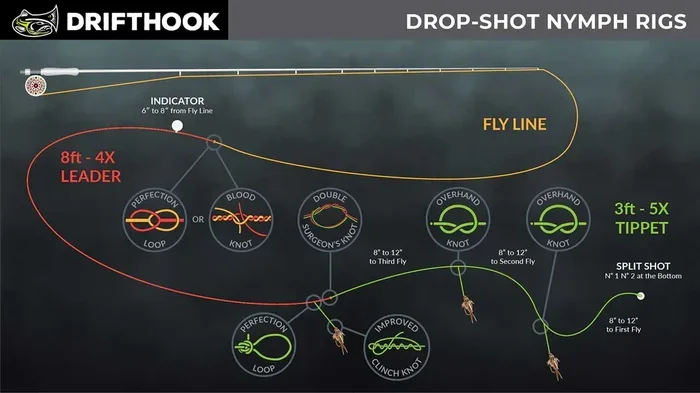
Fly fishing is a baitless method by design. A fly rod uses a weighted line to cast a light fly. The fly may imitate a dry insect, wet insect, nymph, leech, minnow, or small crustacean.
A beginner can start with a 5-weight fly rod, a matching reel, and floating fly line for general trout and panfish use. An 8- or 9-foot rod gives useful control without being too hard to manage. A 7.5- to 9-foot leader with a suitable tippet is common, but exact size depends on the fly and fish.
Fly fishing has a steeper learning curve than spinning gear. It is a good fit for anglers who enjoy casting practice and close contact with the water. For a child or first-time gift buyer, a spincast or spinning combo is often easier.

Gear you need to start
You do not need a large tackle box to fish without bait. A small, balanced setup is easier to cast and helps you learn. Start with gear that matches your target fish, lure weight, and water access.
| Gear item | Beginner starting point | Why it matters |
|---|---|---|
| Rod | 6 to 7 feet, medium-light or medium power | Covers many freshwater species |
| Reel | 1000 to 3000-size spinning reel | Easy casting and simple control |
| Main line | 6- to 10-pound monofilament | Low cost and forgiving |
| Leader | 2 to 4 feet of fluorocarbon | Helps with abrasion and clear water |
| Lures | 1/16- to 1/4-ounce jigs, spinners, or plastics | Fits common fish and casting needs |
| Hooks | Size 6 to 1/0, based on lure and fish | Controls hook size and presentation |
| Tools | Pliers, line cutters, landing net | Improves safety and fish care |
Rod power describes how much force a rod needs to bend. Light and medium-light rods bend more easily and suit small fish. Medium and medium-heavy rods handle larger lures and stronger fish.
Rod action describes where the rod bends. Fast-action rods bend near the tip and give quick hook-setting power. Moderate-action rods bend farther down the blank and can help keep treble-hooked fish connected.
Choosing a reel
A spinning reel is the easiest reel for most baitless beginners. The open spool lets you cast small lures with less effort. A 1000- to 2500-size reel suits panfish, trout, bass, and light shore fishing. A 3000- to 4000-size reel gives more line capacity for larger bass, redfish, and pier use.
A spincast combo is even simpler for young children. It has a covered spool and a push-button cast. It does not cast as far or handle heavy use as well as many spinning reels, but it reduces early tangles.
Baitcasters give better control for experienced bass anglers. They work well with heavier lures, but backlash can frustrate beginners. Backlash is a tangle caused when the spool spins faster than line leaves it.
Picking line for lure fishing
Monofilament is the best low-cost starting line for many anglers. It floats, stretches, and is easy to tie. The stretch can help protect light hooks and small fish from sudden runs.
Braided line is thin, strong, and sensitive. It casts well and helps you feel light taps. However, it can cut skin, slip on some knots, and show clearly in clear water. Many anglers connect braid to a fluorocarbon leader.
Fluorocarbon sinks and resists abrasion. It is useful around rocks, wood, and clear water. Full fluorocarbon line can be stiff on small spinning reels, so a short leader is often easier for beginners.

Artificial lures that replace natural bait
Each lure type creates a different signal. You do not need every style. Choose two or three that fit your water and target species.
Soft plastics
Soft plastics imitate worms, minnows, crawfish, frogs, shrimp, and insects. They are among the most useful lures for bass and many freshwater species. A 3- to 5-inch plastic worm rigged on a small jig head or weedless hook is a strong starting point.
A weedless rig keeps the hook point close to the lure. It helps you fish through grass and brush with fewer snags. The trade-off is that hook sets may need more force than with an exposed hook.
Soft plastics work with several retrieves:
- Lift the lure, let it fall, and repeat.
- Drag it slowly along the bottom.
- Swim it steadily above weeds.
- Pause it beside cover.
- Twitch it with short rod-tip movements.
Jigs
A jig has a weighted head and a hook. It may use hair, feathers, rubber, or a soft plastic body. Jigs are simple, compact, and useful in rivers, lakes, saltwater flats, and ice fishing.
Use a small jig under a bobber for panfish or trout. A bobber is a float that suspends the lure at a set depth. You can also cast a jig without a bobber and let it sink near the bottom.
In cold water, slow your retrieve. Fish often have less energy and may not chase a fast lure. In warm water, a faster swim or sharper hop may draw more attention.
Spinners and spoons
Inline spinners use a rotating blade to create flash and vibration. They work well for trout, bass, panfish, and some river species. Cast across or slightly upstream, then retrieve at a speed that keeps the blade turning.
Spoons are curved metal lures. They wobble, flash, and cast well in wind. Small spoons suit trout and panfish. Larger spoons can work for pike, salmon, stripers, redfish, and surf species.
A common mistake is retrieving too fast. If the lure rises out of the strike zone, slow down. Let it sink for a few seconds before starting the retrieve.
Crankbaits and hard lures
Crankbaits are hard lures with a plastic lip or body shape that makes them dive and wobble. Different models run at different depths. Check the package for the diving range, then choose one that reaches the fish.
Topwater lures stay on the surface. They can be exciting around bass, pike, and inshore fish. They are most useful during low light or when fish are visibly feeding near the surface.
Hard lures often have treble hooks. Treble hooks are effective but can catch hands, clothing, nets, and fish deeply. Carry long-nose pliers and handle every lure with care.
| Lure type | Main signal | Best starting use |
|---|---|---|
| Soft plastic worm | Slow shape and subtle motion | Bass, panfish, and shallow cover |
| Inline spinner | Flash and vibration | Trout, small bass, and rivers |
| Spoon | Flash and wobble | Windy water, surf, and open lakes |
| Jig | Fall, lift, and bottom contact | Walleye, crappie, bass, and ice |
| Crankbait | Wobble, sound, and depth | Bass and active fish |
| Fly | Natural drift and insect profile | Trout, panfish, and shallow streams |
The best lure is the one you can cast, control, and keep in the strike zone. A simple lure fished well usually beats a complicated lure used without a plan.

How to fish without bait: a step-by-step method
A repeatable process helps you learn faster. The goal is to test depth, speed, color, and location in an orderly way instead of changing everything at once.
1. Check the rules before you leave
Look up the fishing license rules for the state or water you plan to visit. Check open seasons, size limits, bag limits, hook rules, lure restrictions, and access rules. Some waters ban treble hooks, lead tackle, scented products, or multiple hooks.
A fishing license may be required even when you use artificial lures. Children, older adults, and disabled anglers may qualify for exceptions or special permits, but those rules vary.
📜 Check Local Regulations: Confirm the current rules with your state wildlife agency, tribal fisheries office, or local water manager. Regulations can change by lake, season, species, and fishing method.
2. Study the water
Look for places where fish can find food or shelter. These include weed edges, rock piles, creek mouths, drop-offs, shade, docks, fallen trees, and current breaks.
You do not need a fish finder to begin. Watch for birds, insects, baitfish, surface activity, and changes in water color. Experienced anglers may use a fish finder from a boat or kayak, but the screen only helps when you can read depth and structure.
3. Match lure size to local food
Use a small lure when fish are feeding on insects or tiny baitfish. Use a larger lure when you see bigger baitfish or target large predators. A 1- to 2-inch lure may suit panfish, while a 4- to 6-inch lure may suit bass or redfish.
Color should come after size and action. Natural green, brown, silver, and white work in many clear-water situations. Black, chartreuse, orange, and bright white can help fish find a lure in dark or muddy water.
4. Tie on the lure
Use a knot you can tie correctly. The improved clinch knot works for many hooks and lures. The Palomar knot is also popular with monofilament and braided line.
Trim the tag end close, but leave enough space to prevent the knot from slipping. Wet monofilament or fluorocarbon before tightening. Pull the knot slowly and check it by hand.
5. Cast near, not into, cover
Begin at the edge of cover. Cast beside a log, weed line, dock, or rock instead of directly into the thickest part. This reduces snags and lets you learn how fish use the area.
Fan your casts. Send one to the left, one straight ahead, and one to the right. Change the angle before changing lures. Fish may respond to a lure that crosses their path from a different direction.
6. Count the lure down
After the lure lands, count seconds as it sinks. Start with a two- or three-second count. If you get no response, try five or six seconds. This helps you test depth without a fish finder.
Keep your rod tip at a useful angle. A higher tip may keep a lure above weeds. A lower tip can help a crankbait, jig, or soft plastic reach deeper water.
7. Vary the retrieve
Begin with a slow, steady retrieve. Then try a few pauses. Many fish strike as a lure starts moving again after it stops.
Use this simple sequence:
- Cast near cover or a depth change.
- Let the lure sink.
- Retrieve slowly for five turns.
- Pause for two seconds.
- Repeat until the lure reaches shore or the boat.
- Change speed or depth before changing lure color.
Watch your line. A bite may feel like a tap, but it may also feel like extra weight, a sudden slack line, or a sideways move.
8. Set the hook with control
With a single-hook jig or soft plastic, pull the rod firmly to the side or upward. Do not swing wildly. With treble hooks, a steady sweep is often safer and more effective.
Keep tension on the line while fighting the fish. Do not lock the drag. Drag is the reel system that lets line leave under pressure. A loose drag protects light line, while a tight drag helps control strong fish near cover.
9. Land and release the fish safely
Use a landing net when the fish is large, the bank is steep, or the hook has several points. Wet your hands before touching a fish. Keep it out of water for as little time as possible.
Remove the hook with pliers. If the hook is deep, cut the line close and ask a local angler or fisheries expert for guidance. Do not force a hook through the throat or gills.
🌿 Conservation Note: Barbless hooks can make release easier. Support the fish with wet hands, avoid squeezing the belly, and return it gently to the water. Never leave discarded line, soft plastics, or hooks on shore.

Pros and cons of fishing without bait
Artificial lure fishing suits many anglers, but it is not perfect for every trip. The following table shows the main trade-offs.
| Advantages | Limitations |
|---|---|
| No live bait to buy or keep alive | Requires more active effort |
| Clean hands and less mess | Fish may ignore a poorly presented lure |
| Easy to store and reuse | Some lures cost more than basic hooks |
| Covers more water | Learning lure depth takes practice |
| Often works well for catch and release | Treble hooks can injure fish or anglers |
| Useful when bait shops are closed | Certain species respond better to natural bait |
Baitless fishing is a good fit for mobile anglers, travelers, kayak anglers, and people who dislike handling live bait. It also suits gift buyers who want a simple, reusable fishing setup.
Natural bait may still be a better choice for beginners targeting catfish, carp, or highly scent-driven species. Your local water and target fish should guide the choice.

Common problems and practical fixes
Small changes often solve the problem. Do not assume that a lack of bites means no fish are present.
| Problem | Likely cause | Practical fix |
|---|---|---|
| No bites after many casts | Wrong depth or speed | Count the lure down and slow the retrieve |
| Lure keeps snagging | Fishing too close to heavy cover | Cast the edge or use a weedless rig |
| Line twists on a spinning reel | Spinner or poor line lay | Check lure rotation and open the bail before casting |
| Lure will not cast far | Too heavy, too light, or poor spool fill | Match lure weight and fill the spool to about 1/8 inch below the rim |
| Fish follow but do not strike | Lure is too fast or too large | Pause, downsize, or change direction |
| Hooks pull free | Loose drag or poor hook set | Keep tension and set the hook with steady pressure |
| Saltwater gear feels rough | Salt or sand inside the reel | Rinse gently, dry fully, and follow the reel maker’s care steps |
Line twist is common with inline spinners. Use a small swivel only when it does not harm the presentation. A swivel is a rotating connector that can reduce twist, but it adds hardware that some clear-water fish may notice.
The most useful fix is to change one variable at a time. Test depth first, then speed, then lure size, then color. This turns a slow day into a useful lesson.

How to fish without bait in special situations
Different environments call for small changes in tackle and technique. The basic idea stays the same: show the fish a legal, controlled artificial offering.
Fishing from shore
Shore anglers should focus on reachable structure. Walk slowly and make quiet casts. Polarized sunglasses reduce surface glare and help you see rocks, weeds, drop-offs, and fish movement.
Keep a small tackle box with a few lures rather than carrying every option. A 6- to 7-foot spinning rod is easy to transport and works well for ponds, rivers, and small lakes.
Kayak fishing
A kayak gives you access to water that may be hard to reach from shore. Use a rod between 6 and 7 feet for easy control in a small cockpit. Keep pliers, hooks, and lures secured so they do not fall under your seat.
Always wear a properly fitted U.S. Coast Guard–approved personal flotation device. Check wind, current, water temperature, and your return route before launching. Tell someone where you will go and when you plan to return.
⚠️ Safety Warning: Never stand in a kayak unless it is designed for stable standing and you have practiced in calm water. Cold water can become dangerous within minutes, even close to shore.
Ice fishing
Ice fishing rods are short, often 24 to 36 inches, because the angler works over a small hole. Small jigs, spoons, and soft plastics can replace live bait for panfish, trout, and walleye.
Ice thickness can change across one lake. Do not judge safety from a single spot. Wear ice picks, carry a flotation device, fish with a partner, and check local ice reports. A professional ice safety course is a smart choice for new anglers.
Fishing with kids
Children often do best with a 4- to 6-foot spincast combo, 4- to 8-pound line, and small, single-hook lures. Avoid heavy treble-hook lures at first. Soft plastics on exposed jig heads are easier to inspect and handle.
Make the first trip short. Let the child cast at a close target, reel slowly, and help choose between two lures. A small tackle box, polarized sunglasses, water, sunscreen, and a hat matter as much as the rod.
👪 Parent or Gift-Buyer Note: For a child, choose ease and safety over maximum distance. A simple spincast combo plus a few small jigs is often more useful than an advanced baitcaster with a large lure collection.

Budget planning and buying advice
You can begin baitless fishing for less than the cost of several live-bait trips. Prices vary by brand, region, and seasonal sales, so check current listings before buying.
| Budget level | Typical setup | Best suited to |
|---|---|---|
| Low cost | Spincast or entry spinning combo, mono line, 3 to 5 lures | Kids, casual pond anglers, first setup |
| Mid range | Better spinning reel, spare spool, braid and leader, mixed lures | Regular freshwater anglers |
| Higher cost | Durable reel, specialized rod, saltwater protection, quality tools | Frequent, larger fish, travel, or saltwater use |
A low-cost setup can last for years with basic care. The parts most likely to fail first are line, bail springs, drag washers, hook points, split rings, and cheap lure paint. Inspect them before each trip.
Experienced anglers may spend more on a lighter graphite rod, a smoother drag, sealed reel bearings, corrosion-resistant components, or specialized rod power. Those upgrades help when they match a real need. They do not replace good lure choice and presentation.
Gear care after each trip
Wipe the rod and reel after use. Remove sand from the reel seat and guides. Rinse saltwater gear with a light flow of fresh water, then dry it before putting it in a case.
Store soft plastics away from some hard-plastic boxes because certain formulas can melt or stain tackle. Keep hooks dry. Replace rusty hooks rather than trying to sharpen deeply damaged points.
A spinning reel should not be overfilled. Leave about 1/8 inch between the line and spool rim. Underfilling reduces casting distance, while overfilling causes loops and tangles.

Mistakes that slow down new lure anglers
The most common mistake is changing lures too often without testing the basics. Fish may be present, but the lure may be at the wrong depth or moving too fast.
Other common errors include:
- Using a lure that is too large for the target fish.
- Fishing only one spot from shore.
- Ignoring wind-blown banks where baitfish may gather.
- Retrieving at one speed all day.
- Failing to check hook points.
- Using line that is too heavy for tiny lures.
- Forgetting to inspect knots after snags.
- Pulling a lure through heavy cover without a plan.
- Keeping fish out of water too long for a photo.
- Leaving old line and soft plastics on the bank.
A good beginner rule is to spend 15 minutes testing each of three depths and two retrieve speeds. This gives you a clear starting pattern without making the trip feel like a science project.
Experienced anglers should also avoid overthinking lure color. Depth, location, and movement often matter more than a small color change. Use color to improve visibility when water is dirty or light is low.

How to choose the right setup for your angler type
The best setup depends on who will use it, where they fish, and how much practice they want.
Best for beginners
Choose a 6- to 7-foot medium-light spinning combo with 6- to 8-pound monofilament. Add small jigs, inline spinners, soft plastic worms, and a few single-hook spoons.
This setup is forgiving and covers bass, trout, panfish, and small catfish. It also works for shore fishing, small lakes, and slow rivers.
Best for kids
Choose a short spincast combo with a push-button reel. Use small, light lures and avoid complicated leaders at first. A 4- to 6-foot rod is easier for a child to control.
Plan activities beyond catching fish. Let the child spot birds, cast at targets, or learn to tie a simple knot. Confidence grows through small wins.
Best for bass anglers
A medium or medium-heavy baitcasting rod with a fast action suits anglers who already understand casting control. A 6.4:1 to 7.5:1 gear ratio gives a useful range for many bass lures, but exact choice depends on lure style.
Beginners can catch bass with a spinning reel. A baitcaster is not required. Choose it for improved lure control and heavier line handling, not because it guarantees more fish.
Best for trout and light tackle
Use a 6- to 7-foot ultralight or light spinning rod, a 1000- to 2000-size reel, and 2- to 6-pound line. Small spinners, spoons, and jigs work well when allowed by local rules.
Light line breaks more easily around rocks and branches. Set the drag carefully and carry a landing net with rubber mesh when practicing catch and release.
Best for saltwater shore anglers
Choose a 7- to 10-foot medium or medium-heavy spinning rod, a 3000- to 5000-size saltwater-rated reel, and 10- to 30-pound braid. Add a fluorocarbon, monofilament, or wire leader based on the fish and structure.
This setup can suit redfish, striped bass, inshore species, and some surf fish. It may be too heavy for small trout or bluegill.

When natural bait may be the better choice
Artificial lures are flexible, but natural bait still has a place. Catfish often respond strongly to scent. Carp may prefer dough, corn, or specialized bait where legal. Some trout waters restrict artificial lures, while others restrict natural bait.
Natural bait can also help a child learn patience and basic bobber fishing. The float gives a clear visual signal and reduces the need for constant lure movement. For a tired or very young angler, that may create a better first trip.
Use artificial lures when you want to move, search, practice casting, and avoid carrying live food. Use natural bait when local rules allow it and the target species depends heavily on smell or passive feeding.
The choice is not a contest. It is a tool decision. Smart anglers carry the method that fits the water, season, fish, and goal.
FAQs about fishing without bait
Q: Can I catch bass without live bait?
A: Yes. Soft plastic worms, jigs, crankbaits, spinnerbaits, and topwater lures are common bass choices. Cast near weeds, wood, docks, rocks, and depth changes. Let the lure sink and vary the retrieve.
Q: What is the easiest lure for a beginner?
A: A small inline spinner or jig is easy to cast and use. A 1/16- to 1/4-ounce lure suits many freshwater situations. Use a spinning or spincast combo with 6- to 10-pound monofilament.
Q: Can I fish without bait in saltwater?
A: Yes. Spoons, jigs, soft plastic shrimp, paddle tails, and metal lures work in saltwater. Use saltwater-rated gear when possible, rinse it after every trip, and check local hook and species rules.
Q: Is fishing without bait harder?
A: It can feel harder at first because you control the lure’s movement. Once you learn depth, speed, and location, artificial fishing becomes active and repeatable. A small spinner or jig is a simple place to begin.
Q: Can kids fish without bait?
A: Yes. Use a short spincast combo, small single-hook lures, and a light rod. Supervise every cast because hooks can catch skin, clothing, and hair. A short trip with simple goals works best.
Q: Do fish smell artificial lures?
A: Many fish can detect scents in the water. Some artificial lures contain scent, but movement and vibration also matter. If fish follow without striking, try a slower retrieve, a pause, a smaller lure, or a scented soft plastic where legal.
Q: Should I use a leader with artificial lures?
A: A leader helps protect the line from rocks, wood, teeth, and sharp structure. Fluorocarbon is common in clear water. Monofilament costs less and has more stretch. Wire may be needed for toothy fish.
Q: What line is best for lure fishing?
A: Monofilament is the easiest starting line. Braided line offers strength and sensitivity, while fluorocarbon works well as a low-visibility, abrasion-resistant leader. Match line test to the fish, cover, and lure weight.
Q: Can I use a bobber with an artificial lure?
A: Yes. A bobber can suspend a small jig or fly at a set depth. This works well for panfish, trout, and children who want a clear visual signal. Adjust the depth until the lure is near likely fish-holding cover.
Q: How do I know when to change lures?
A: Change after testing location, depth, and retrieve speed. If fish follow but do not bite, downsize or pause the lure. If you cannot see or feel the lure in dark water, try more flash, vibration, or contrast.
Q: Is fishing without bait legal everywhere?
A: No method is legal everywhere. Some waters limit lure types, hook numbers, barbs, lead, scents, or seasons. Check the current fishing regulations and license requirements with the state or local wildlife agency before fishing.
Q: What should I do if a fish swallows a lure?
A: Keep the fish in the water when possible. Use long pliers if the hook is easy to reach. If it is deep, cut the line close rather than pulling hard. Seek local fisheries guidance for release or harvest decisions.
Final advice for successful baitless fishing
The best way to learn how to fish without bait is to keep the setup simple. Start with one spinning or spincast combo, one small jig, one spinner, and one soft plastic. Fish the same water several times and record the depth, weather, lure, retrieve, and fish activity.
Think like a fish, but stay practical. Look for food, cover, current, shade, and safe resting areas. Make the lure act like something that belongs there. Let it pause. Change the depth before buying more tackle.
For beginners, a spinning reel and monofilament line offer the easiest path. For kids, a short spincast combo keeps casting simple. For experienced anglers, braid, leaders, baitcasters, fly rods, specialized jigs, and fish finders can add control when the water demands it.
Fishing without bait will not produce the same result in every season or location. It can, however, make each cast more active and teach you how fish respond to movement, depth, and structure. Follow local rules, protect yourself around water, care for your gear, and release fish with respect. That is how a simple lure becomes more than a substitute for bait—it becomes a direct connection between your decisions and the water.