How to Set Up a Fishing Rod for Trout: Proven Setup for More Catches
Setting up a fishing rod for trout the right way can make the difference between an empty creel and a successful day on the water. This guide walks you through the best trout fishing setups, including rod selection, reel types, line choices, hooks, and rigs. Whether you’re fishing in streams, rivers, or lakes, you’ll learn the proven configurations that experienced anglers rely on to catch more trout consistently.
If you’ve ever stood at the edge of a beautiful stream or lake, rod in hand, wondering why the trout aren’t biting, the problem might not be your location or timing. It could be your setup. How you set up a fishing rod for trout plays a huge role in whether you land fish or go home empty-handed. The good news? Once you understand the fundamentals, putting together a winning trout rig is straightforward and even fun.
Trout are smart, cautious fish. They have excellent vision and can be picky about what they eat. That means your tackle setup needs to present bait or lures in a way that looks natural and appealing. In this guide, we’ll break down every component of a trout fishing setup, explain why each piece matters, and show you the proven configurations that work in different fishing situations. Whether you’re a complete beginner or an experienced angler looking to refine your approach, this article has you covered.
- Rod Selection Matters: A light to medium-light spinning rod between 6 and 7 feet offers the best balance of sensitivity and casting distance for trout fishing.
- Line Choice Is Critical: Monofilament line in the 4-8 lb test range is the most versatile choice for trout, offering stretch, visibility control, and ease of use.
- Match Your Rig to the Water: Use a bobber rig for still water, a bottom rig for deep pools, and a spinner or fly setup for moving water.
- Hook Size Makes a Difference: Size 8 to 14 hooks work best for trout, depending on bait type and trout species you’re targeting.
- Weight Placement Affects Presentation: Split shot weights placed 12-18 inches above the hook create a natural bait drift that trout find irresistible.
- Leader Material Helps: Adding a fluorocarbon leader reduces visibility and increases your chances of hooking wary trout in clear water.
- Practice Your Setup: Spend time at home tying knots and assembling your rig before hitting the water to save time and avoid frustration.
📑 Table of Contents
- Understanding Trout Behavior Before You Set Up
- Choosing the Right Rod for Trout Fishing
- Selecting the Perfect Reel
- Line Selection: The Connection Between You and the Fish
- Essential Terminal Tackle for Trout
- Proven Trout Fishing Rigs
- Bait and Lure Options for Trout
- Common Mistakes When Setting Up a Trout Rod
- Expert Tips for More Trout Catches
- Seasonal Considerations for Trout Setups
- Putting It All Together: A Complete Setup Checklist
- Conclusion
Understanding Trout Behavior Before You Set Up
Before you tie a single knot, it helps to understand what trout are doing underwater. Trout are cold-water fish that thrive in temperatures between 50°F and 65°F. They tend to hold in specific areas of a river or lake where food comes to them and they don’t have to expend much energy.
In streams and rivers, look for trout behind rocks, in eddies, near undercut banks, and in the slower water at the tail end of pools. In lakes, trout often cruise along drop-offs, near inlet streams, or around submerged structure. Understanding these patterns helps you choose the right setup for the water you’re fishing.
Trout feed on insects, small fish, crustaceans, and worms. Their diet changes with the seasons and the specific body of water. Matching your bait or lure to what trout are naturally eating is one of the most important principles in trout fishing. This concept, called “matching the hatch,” applies whether you’re using live bait, artificial lures, or flies.
Choosing the Right Rod for Trout Fishing
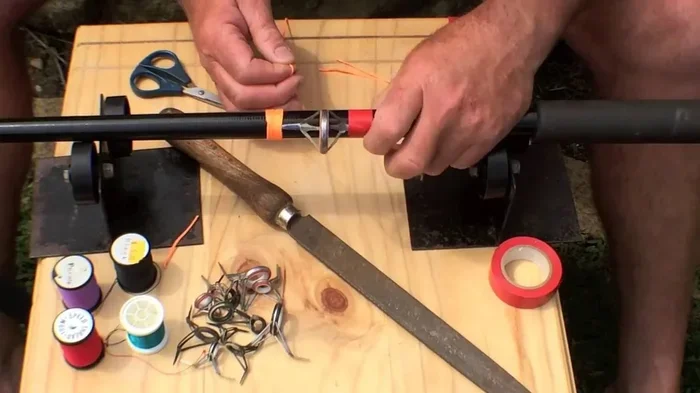
Visual guide about trout fishing rod setup
Image source: fishingisbliss.com
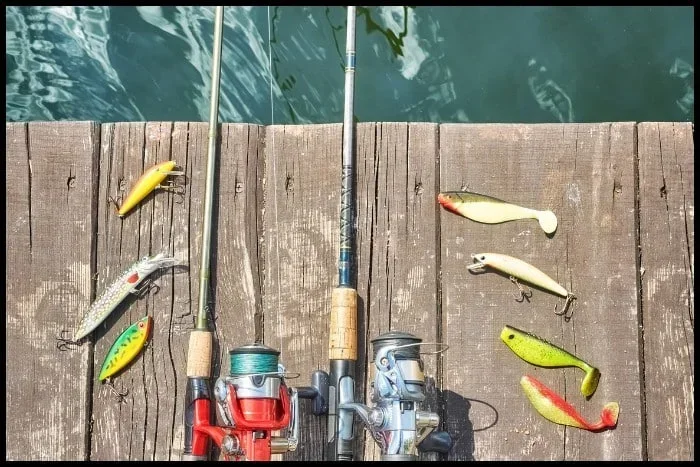
Your rod is the foundation of your entire setup. For trout, you want something that’s sensitive enough to detect subtle strikes but has enough backbone to fight the fish without tearing the hook free.
Rod Length and Action
A rod between 6 and 7 feet is the sweet spot for most trout fishing situations. Shorter rods around 5 to 6 feet work great in tight streams with overhanging trees where casting space is limited. Longer rods around 7 to 8 feet give you more casting distance and better line control in open water.
Light or medium-light action rods are ideal. Light action rods are more sensitive and make fighting small to medium trout more enjoyable. Medium-light rods give you a bit more power for larger trout or when you need to cast heavier lures.
Rod Material and Type
Graphite rods are the most popular choice for trout fishing. They’re lightweight, sensitive, and offer excellent feel. Fiberglass rods are more durable and have a slower action, which can be forgiving for beginners. Composite rods blend both materials for a balanced feel.
Spinning rods are the most versatile and beginner-friendly option. They’re easy to cast, work well with light line, and handle a wide range of lures and bait rigs. Fly rods are another option if you’re interested in fly fishing, but they require a different skill set and setup.
If you’re new to the sport, check out this fishing guide for beginners that covers all the basics you need to get started with confidence.
Selecting the Perfect Reel
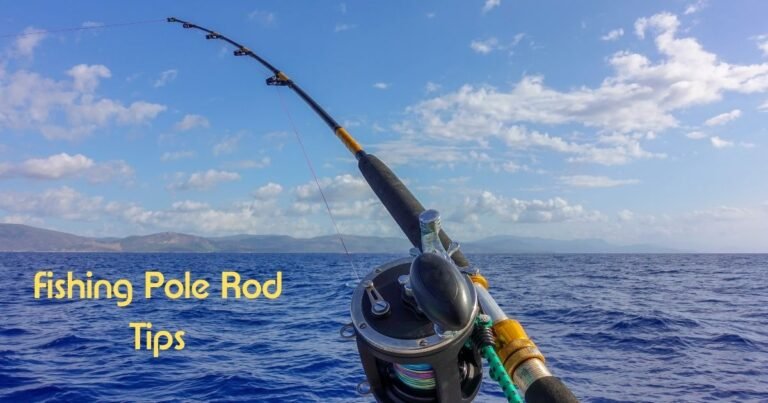
Visual guide about trout fishing rod setup
Image source: southerntrout.com
Your reel needs to match your rod and the type of fishing you’re doing. For trout, a spinning reel is the most practical choice for the majority of anglers.
Reel Size and Gear Ratio
Look for a spinning reel in the 1000 to 2500 size range. A 1000 or 1500 size reel is perfect for ultralight setups targeting smaller trout. A 2000 or 2500 size reel gives you more line capacity and drag strength for larger fish.
A gear ratio between 5.2:1 and 6.2:1 works well for trout fishing. This gives you a good balance of retrieval speed and cranking power. You don’t need a high-speed reel for trout since most presentations are slow and methodical.
Drag System Quality
Trout have soft mouths, and their fights can be surprisingly acrobatic. A smooth, reliable drag system is essential to prevent pulled hooks and broken lines. Look for reels with at least 4 to 6 drag washers and a maximum drag rating of 4 to 8 pounds for trout setups.
Front drag reels are generally more precise and easier to adjust while fighting a fish. Rear drag reels are simpler to use but offer less fine-tuning capability.
Line Selection: The Connection Between You and the Fish
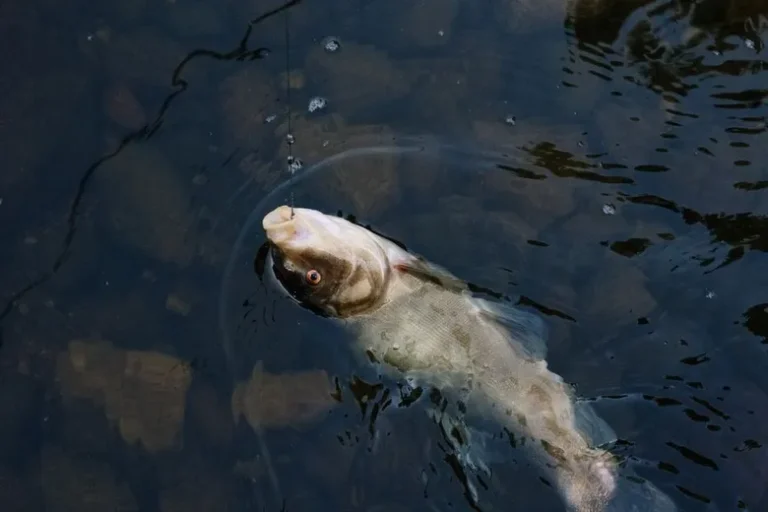
Visual guide about trout fishing rod setup
Image source: flyfisherpro.com
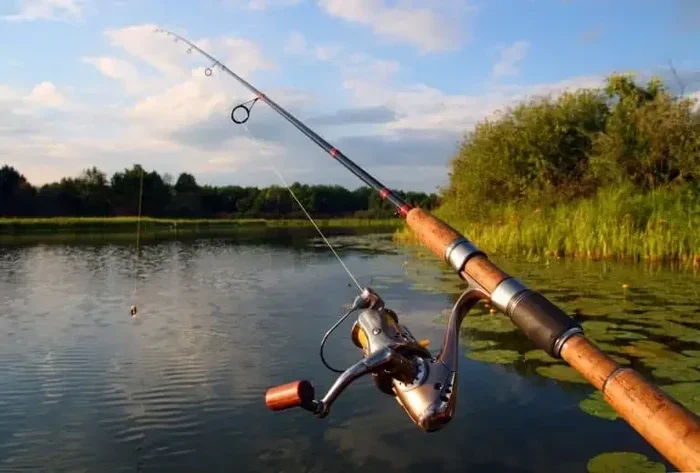
Your line is literally the connection between you and the trout. Choosing the right line type and strength is one of the most important decisions in your setup.
Monofilament Line
Monofilament is the most popular line for trout fishing, and for good reason. It’s affordable, easy to tie, has good stretch (which helps absorb shocks), and comes in a variety of colors. For trout, use monofilament in the 4 to 8 lb test range. Four-pound test is great for small streams and clear water. Six to eight-pound test works better for larger fish and heavier cover.
Clear or low-visibility colors like green or blue are best in most situations. In very clear water, you might want to go even lighter or switch to fluorocarbon.
Fluorocarbon Line
Fluorocarbon is nearly invisible underwater, making it an excellent choice as a leader material or even as a main line in clear water conditions. It’s more expensive than monofilament and a bit stiffer, but the invisibility factor can make a real difference when trout are line-shy.
Many experienced trout anglers use a monofilament main line with a 2 to 3 foot fluorocarbon leader. This gives you the best of both worlds: the stretch and handling of mono with the stealth of fluorocarbon.
Braided Line
Braided line is incredibly strong for its diameter and has no stretch, which gives you excellent sensitivity. However, it’s very visible in the water, so it’s not ideal as a main line for trout. Where braid shines is as a main line with a long fluorocarbon leader. This setup gives you the sensitivity of braid with the invisibility of fluorocarbon at the business end.
Essential Terminal Tackle for Trout
Terminal tackle refers to everything you tie to the end of your line: hooks, weights, swivels, and other small components. These pieces might be small, but they make a huge difference in your success rate.
Hook Selection
Trout hooks come in many styles, but the most common for bait fishing are bait holder hooks, octopus hooks, and circle hooks. For trout, sizes 8 to 14 are the most useful. Size 8 or 10 works well for larger baits like nightcrawlers or minnows. Size 12 or 14 is better for small baits like worms, salmon eggs, or artificial flies.
Sharp hooks are non-negotiable. Trout have relatively soft mouths, and a dull hook will result in missed strikes and lost fish. Always test your hook point on your fingernail before fishing. If it doesn’t stick, replace it.
Weights and Sinkers
Split shot weights are the most versatile option for trout fishing. They’re easy to add and remove, and they don’t interfere with your presentation. Use BB or #4 split shot for most situations. Place your weights 12 to 18 inches above the hook to allow your bait to drift naturally.
For deeper water or faster currents, you might need pencil leads or rubber core sinkers. These heavier weights help get your bait down quickly without adding bulk to your rig.
Swivels and Snap Swivels
Barrel swivels prevent line twist, which is especially important when using spinning lures or rigs that rotate in the current. Use small size 10 or 12 swivels for trout. Snap swivels allow you to change lures quickly but can be slightly more visible to fish.
Bobbers and Floats
Bobbers are essential for suspending bait at a specific depth. Fixed bobbers work well in calm water, while slip bobbers are better for deeper water since they allow you to cast more easily. For a detailed breakdown of how to use them effectively, check out this guide on what bobbers are used for in fishing.
Proven Trout Fishing Rigs
Now that you understand each component, let’s put them together into complete rigs that work for different situations.
The Basic Bobber Rig
This is the most beginner-friendly setup and works incredibly well in lakes, ponds, and slow-moving streams.
Setup:
- Thread your main line through a slip bobber or attach a fixed bobber
- Add a bobber stop (for slip bobbers) to set your depth
- Tie on a small barrel swivel
- Attach a 12-18 inch fluorocarbon leader (2-4 lb test)
- Add one or two split shot weights about 6 inches above the hook
- Tie on a size 8-12 bait holder hook
- Bait with a worm, PowerBait, or salmon egg
This rig keeps your bait suspended at the depth where trout are feeding. Adjust the depth until you find where the fish are holding.
The Bottom Rig (Carolina Rig)
This setup is perfect for fishing deep pools, lake bottoms, and areas where trout are holding near the substrate.
Setup:
- Slide a 1/4 to 1/2 oz egg sinker onto your main line
- Tie on a small barrel swivel
- Attach a 24-36 inch fluorocarbon leader (4-6 lb test)
- Tie on a size 8-10 hook
- Bait with a worm, nightcrawler, or dough bait
The egg sinker slides freely on the main line, so when a trout picks up the bait, it doesn’t feel the weight immediately. This gives the fish time to fully take the bait before you set the hook.
The Spinner Rig
Spinners are one of the most effective lures for trout in moving water. They create vibration and flash that trigger aggressive strikes.
Setup:
- Tie a small barrel swivel to your main line
- Attach a 12-18 inch fluorocarbon leader
- Tie on a spinner (Mepps, Rooster Tail, or Blue Fox in sizes 0-3)
- Cast upstream and retrieve at a steady pace
Silver and gold blades work in most conditions. Add bright colors like chartreuse or pink in stained water. For more tips on making the most of your gear, explore these best fishing tips every angler should know.
The Fly Fishing Rig
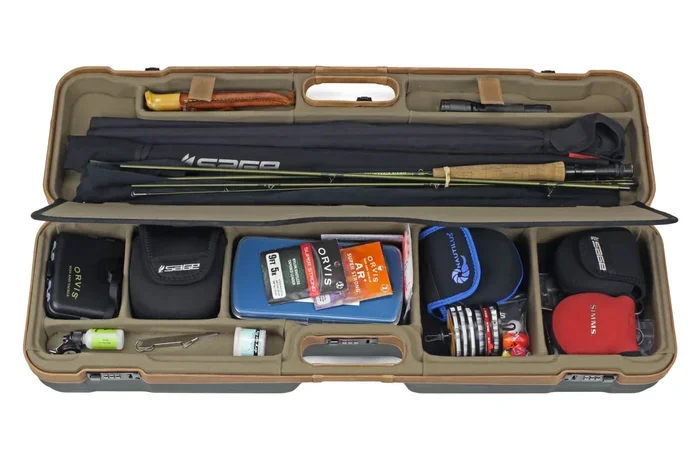
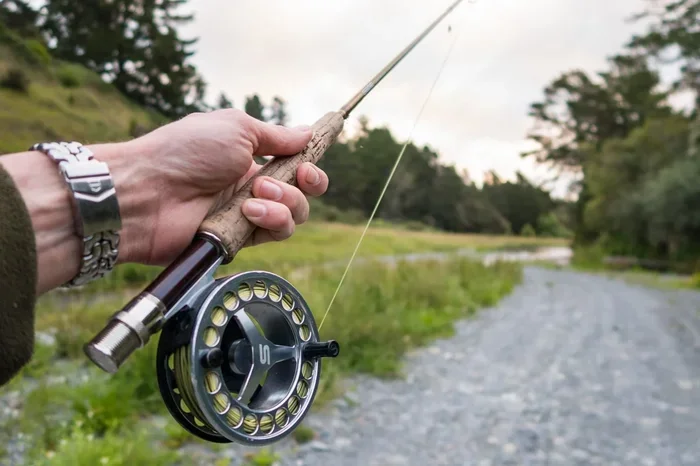
If you’re interested in fly fishing for trout, the setup is quite different. You’ll need a fly rod, fly reel, weight-forward floating fly line, a tapered leader, and tippet.
Basic Fly Setup:
- Match your fly rod weight to your target trout size (3-5 weight rods for most trout)
- Use a 9-foot tapered leader in 4X to 6X
- Add 2 feet of tippet material to the end of the leader
- Tie on a dry fly, nymph, or streamer depending on what the trout are eating
Fly fishing has a steeper learning curve, but it’s incredibly rewarding and effective for trout.
Bait and Lure Options for Trout
Your setup is only as good as what’s on the hook. Here are the most effective bait and lure options for trout.
Natural Baits
- Nightcrawlers: The universal trout bait. Use a small piece for smaller trout or a whole worm for larger fish.
- Salmon Eggs: Extremely effective in rivers and streams, especially during spawning seasons.
- Mealworms and Waxworms: Great for stocked trout and panfish-sized trout.
- Minnows: Effective for larger trout species like brown trout and lake trout.
Artificial Baits
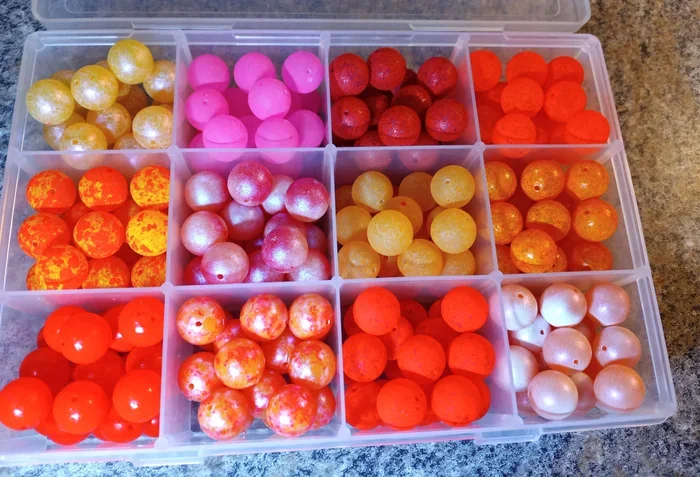
- PowerBait: The go-to choice for stocked trout in lakes. Comes in dozens of colors and scents.
- Marshmallows: Often used in combination with PowerBait or salmon eggs to float bait off the bottom.
- Soft Plastic Trout Worms: Realistic imitations that work well on a jig head or under a bobber.
Artificial Lures
- In-Line Spinners: Mepps Aglia, Rooster Tail, and Blue Fox are classics that have caught millions of trout.
- Spoons: Kastmaster, Little Cleo, and Phoebe are excellent for casting distance and deep water.
- Small Crankbaits: Rapala CountDown and Rebel Minnow work well in lakes and larger rivers.
- Jigs: Marabou jigs and tube jigs are deadly when fished slowly near the bottom.
Common Mistakes When Setting Up a Trout Rod
Even experienced anglers make these errors. Avoiding them will immediately improve your catch rate.
Using Line That’s Too Heavy
Heavy line is more visible and creates more water resistance, which affects how your bait or lure moves. If you’re getting bites but not hooking fish, try dropping down a line size.
Wrong Hook Size
A hook that’s too large makes your bait look unnatural and can prevent trout from fully taking it. A hook that’s too small won’t set properly. Match your hook size to your bait and the trout you’re targeting.
Too Much Weight
Excessive weight makes your rig look unnatural and can spook trout in clear water. Use the minimum weight needed to get your bait to the desired depth.
Ignoring Water Conditions
Clear water demands lighter line, smaller hooks, and more natural presentations. Stained or murky water allows for heavier tackle and brighter colors. Always adjust your setup to match current conditions.
Poor Knot Tying
A poorly tied knot is the weakest point in your setup. Learn to tie the improved clinch knot and the Palomar knot. Both are strong, reliable, and easy to tie. Practice at home until you can tie them quickly and confidently.
Expert Tips for More Trout Catches
Here are some insider tips that can take your trout fishing to the next level.
Fish Early and Late
Trout are most active during low-light conditions. The first two hours after sunrise and the last two hours before sunset are prime feeding times. Overcast days can produce great fishing all day long.
Approach Stealthily
Trout have excellent hearing and vision. Wear muted colors, avoid stomping on the bank, and keep a low profile. In clear streams, stay back from the water’s edge and make longer casts rather than wading right up to the fish.
Read the Water
Learn to identify where trout are likely to be holding. Look for current seams, structure, shade, and depth changes. Trout want to conserve energy while staying close to food sources. Position your bait where the current naturally delivers it to these holding areas.
Set the Hook Quickly
When you see your bobber dip or feel a tap, set the hook with a quick, firm upward motion of the rod. Don’t jerk too hard with light tackle, but don’t hesitate either. Trout can spit a hook quickly if they feel resistance.
Keep a Fishing Journal
Record what worked each time you go out: the rig you used, the bait, the water conditions, the time of day, and the location. Over time, patterns will emerge that help you make better decisions on the water.
Seasonal Considerations for Trout Setups
Trout behavior changes with the seasons, and your setup should change too.
Spring
Water temperatures are rising, and trout become more active. This is a great time to use spinners and spoons as trout chase moving targets. In stocked lakes, PowerBait and worms under a bobber are extremely effective.
Summer
Trout move to deeper, cooler water during the heat of summer. Use slip bobbers to reach deeper depths, or fish early morning and late evening when trout move into shallower water to feed. Fluorocarbon leaders become especially important in the clear summer water.
Fall
Trout feed aggressively in fall to build energy for winter. This is prime time for larger lures and bigger baits. Spinners, spoons, and crankbaits all work well as trout target larger prey items.
Winter
Trout slow down in cold water. Use smaller baits, lighter line, and slower presentations. A small jig or a piece of worm under a bobber fished slowly can be very effective even in near-freezing conditions.
Putting It All Together: A Complete Setup Checklist
Before you head to the water, run through this checklist to make sure you’re fully prepared:
- Rod: 6-7 foot light or medium-light spinning rod
- Reel: 1000-2500 size spinning reel with smooth drag
- Main line: 4-8 lb monofilament or braided line with fluorocarbon leader
- Leader: 2-4 foot fluorocarbon leader in 2-6 lb test
- Hooks: Size 8-14 bait holder or octopus hooks (sharpened)
- Weights: Assorted split shot (BB, #4, #5)
- Swivels: Size 10-12 barrel swivels
- Bobbers: Fixed and slip bobbers in various sizes
- Bait: Nightcrawlers, PowerBait, salmon eggs, or your preferred option
- Lures: A selection of spinners, spoons, and jigs
- Tools: Pliers, line clippers, and a small tackle box
Having everything organized and ready means you can spend more time fishing and less time fumbling with tackle. For additional guidance on handling your equipment properly, this article on how to hold a fishing rod offers excellent foundational advice.
Conclusion
Setting up a fishing rod for trout doesn’t have to be complicated. By choosing the right rod, reel, line, and terminal tackle, and matching your rig to the water conditions and trout behavior, you’ll dramatically increase your chances of success. Start with the basic bobber rig if you’re new, and experiment with other setups as you gain confidence.
Remember that the best setup is the one that matches the specific conditions you’re fishing. Pay attention to water clarity, depth, current speed, and what the trout are eating. Adjust your approach based on what you observe, and don’t be afraid to change things up if something isn’t working.
Trout fishing is a lifelong pursuit that rewards patience, observation, and a willingness to learn. Every trip to the water teaches you something new. So grab your gear, tie on a hook, and get out there. The trout are waiting.
Frequently Asked Questions
What is the best rod setup for trout fishing?
The best rod setup for trout is a 6 to 7 foot light or medium-light spinning rod paired with a 1000 to 2500 size spinning reel. Spool it with 4 to 8 lb monofilament line and add a fluorocarbon leader for clear water. This combination offers the sensitivity, casting distance, and fish-fighting ability needed for most trout fishing situations.
What size hook is best for trout?
Hook sizes 8 to 14 work best for trout fishing. Use size 8 or 10 for larger baits like nightcrawlers and minnows, and size 12 or 14 for smaller baits like salmon eggs, worms, or artificial flies. Always make sure your hooks are razor sharp to ensure solid hooksets.
Should I use a bobber when fishing for trout?
Yes, a bobber is an excellent tool for trout fishing, especially in lakes, ponds, and slow-moving streams. It allows you to suspend your bait at the exact depth where trout are feeding. Use a fixed bobber in shallow water and a slip bobber when fishing deeper than a few feet.
What line should I use for trout fishing?
Monofilament line in the 4 to 8 lb test range is the most versatile choice for trout fishing. It offers good stretch, is easy to handle, and comes in low-visibility colors. Adding a 2 to 3 foot fluorocarbon leader helps reduce visibility in clear water where trout might be line-shy.
What is the easiest trout rig for beginners?
The basic bobber rig is the easiest and most effective setup for beginners. Simply attach a bobber to your line, add a split shot weight about 12 inches above a size 10 hook, and bait with a worm or PowerBait. Adjust the bobber depth until you find where the trout are feeding.
How far should the weight be from the hook when trout fishing?
Place your split shot weights 12 to 18 inches above the hook for most trout fishing situations. This distance allows your bait to drift naturally in the current while keeping it at the desired depth. In faster water, you may need to move the weight closer or use additional split shot to maintain bottom contact.