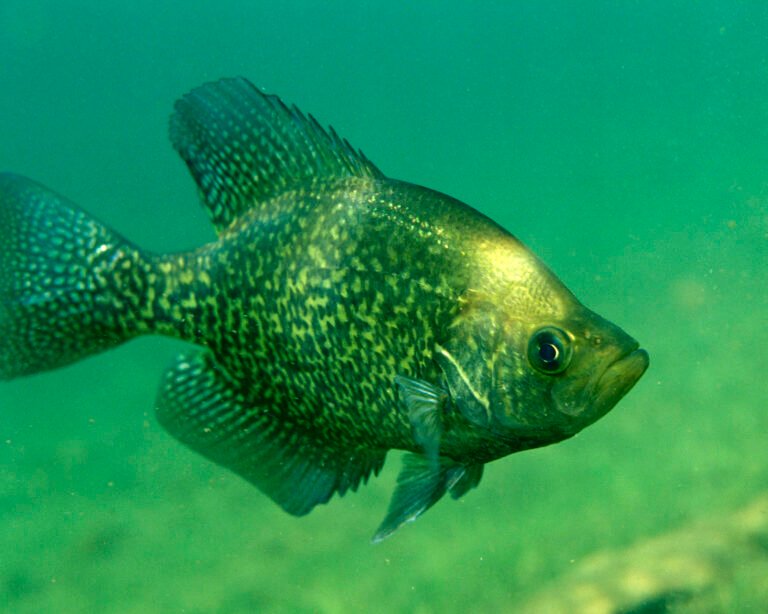
How To Catch Fish Without A Pole: Easy Fishing Methods
Catching fish without a pole is possible, but the best method depends on the water, target species, local rules, and what you have on hand. You can use handlines, fishing nets, traps, spearfishing gear, or even simple shoreline methods. Each option has limits. Some work well for panfish and catfish, while others suit shallow saltwater, ice, or survival situations.
A pole is only one way to present bait. Fish still respond to food, movement, depth, cover, light, and current. The key is to place a legal bait or lure where fish feed, control the line or tool safely, and handle the catch with care. Beginners can start with a low-cost handline. Families may prefer a simple net for small fish. Experienced anglers may choose a handline, cast net, or spear for a specific water type.
Before you begin, check your state or local wildlife agency rules. Some areas require a fishing license for every method. Others restrict handlines, nets, traps, spears, cast nets, treble hooks, live bait, lead tackle, or the number of lines you may use. Rules can also change by species, season, lake, river, or coastal zone.

Quick answer: the easiest ways to catch fish without a pole
The easiest legal way to catch fish without a pole is usually a handline. Tie monofilament or braided line to a hand spool, add a hook, bait, sinker, and optional bobber, then lower or cast the bait by hand. A small cast net can work in shallow water for baitfish. Traps, spears, and seines can work in certain places, but they need more skill and often have stricter rules.

A handline is the closest substitute for a fishing rod. You can feel a bite through the line and pull the fish in by hand. A net or trap changes the approach. Instead of waiting for a fish to bite, you place equipment where fish travel or feed.
Do not assume that a method is legal because it is simple. A fishing license may still be required. Contact the local fish and wildlife agency before fishing, especially if you are traveling or fishing on public land.
Choose the method that fits your water and target fish
The best no-pole method depends on species, depth, current, cover, and access. A handline can catch bass, catfish, trout, panfish, and saltwater species. A cast net is more useful for baitfish, mullet, shrimp, or other approved targets in shallow water. A trap may work for approved species such as crayfish, but many states limit trap design and placement.
The table below gives a starting point. It does not replace local regulations.
| Method | Best use |
|---|---|
| Handline | Panfish, catfish, bass, trout, redfish, and basic freshwater or saltwater fishing |
| Cast net | Legal baitfish and some shallow-water species |
| Seine net | Small fish in shallow, calm water where allowed |
| Fish trap | Crayfish, baitfish, or approved food fish where legal |
| Spear or gig | Clear, shallow water with suitable bottom and visibility |
| Ice handline | Panfish and trout through safe ice |
| Bare-hand fishing | Limited species and locations; often restricted |
A handline suits beginners, travelers, and anglers who want a compact setup. A cast net suits someone who already understands throwing technique and local net rules. Spearfishing and bowfishing suit experienced users who know how to judge distance, current, visibility, and safe backstops.
Match the method to common species
Panfish such as bluegill, crappie, and perch often respond to small hooks, worms, insects, or tiny pieces of bait. Catfish may take worms, cut bait, chicken liver, or approved prepared bait near the bottom. Bass may strike live bait or artificial lures, but a handline gives less control over a lure than a rod.
Trout often require a light presentation. Use a small hook and a thin line in clear water. In saltwater, a stronger leader may be needed for redfish, snapper, or small sharks, but saltwater species can quickly damage gear that is not rinsed after use.
Know where each method works
Shoreline edges, docks, weed beds, creek mouths, bridge shade, and submerged structure often hold fish. Current brings food, while cover gives fish a place to hide. A handline works best when you can place bait near these features without crossing private property or entering unsafe water.
In surf fishing, a handline is usually less practical than a rod because waves and long casting distances require more line control. A short handline can still work from a pier, jetty, or calm shoreline. Kayak fishing also favors a handline only when the line can be controlled without tangling around a paddle, pedal drive, anchor, or propeller.
What you need for a no-pole fishing setup
A basic handline setup needs line, a hook, bait or a lure, and a way to store the line. Add a sinker when you need to reach the bottom. Add a bobber when you want to suspend bait at a set depth.
“Terminal tackle” means the small gear at the end of the line. This includes hooks, sinkers, swivels, bobbers, leaders, and lures. A leader is a short section between the main line and hook. Fluorocarbon can be hard for fish to see, while wire helps resist sharp teeth.

| Item | Practical starting choice |
|---|---|
| Main line | 6–10 pound monofilament for panfish; 10–20 pound line for larger freshwater fish |
| Hook | Size 6–10 for worms and panfish; size 1–2/0 for larger bait |
| Sinker | Small split shot in calm water; heavier egg or bank sinker in current |
| Bobber | Small fixed bobber for shallow water |
| Leader | 6–24 inches of fluorocarbon or stronger line |
| Line holder | Hand spool, foam winder, plastic bottle, or smooth wooden hand reel |
| Tools | Pliers, line cutters, landing net, towel, and small tackle box |
These are starting points, not fixed rules. Line test means the approximate force a line can handle before it breaks. Fish size, cover, knots, abrasion, and drag all affect real strength.
Monofilament is cheap, flexible, and easy to knot. Braided line is thin and strong for its size, but it can cut skin and may be harder for beginners to grip. Fluorocarbon resists abrasion and sinks, but it costs more and can be stiff in heavy tests.
Make the handline comfortable and safe
Never wrap fishing line around your hand, wrist, neck, or body. A fish can pull suddenly, and a thin line can cut skin. Hold the line in loose coils on a smooth hand spool or winder.
A plastic bottle can serve as a temporary line holder, but cover sharp edges with tape. A small hand reel or yo-yo reel offers better control. For children, use thick, low-test monofilament with close adult supervision and avoid hooks until the setup is ready to fish.
Add tools that solve real problems
Pliers help remove hooks and crimp split shot. Line cutters prevent you from using teeth on monofilament or braid. A landing net protects fish from being dragged over rocks and helps reduce handling time.
Polarized sunglasses reduce surface glare and help you see shallow fish, structure, and hazards. Waders can keep you dry, but they also add risk if you fall. Use a wading belt, move slowly, and never enter deep or fast water alone.
Safety and legal preparation come first
Safety matters more when you fish without a pole because your hands stay close to the line, hook, net, or fish. Wear eye protection when throwing a cast net or using a spear. Keep hooks covered when walking near children, pets, boats, and crowded banks.
Wear a properly fitted U.S. Coast Guard–approved personal flotation device when boating, kayak fishing, or fishing from an unstable platform. Tell someone where you plan to fish. Check weather, water levels, tides, and current before leaving.

📜 Check Local Regulations: Confirm license rules, open seasons, size limits, bag limits, legal methods, net dimensions, trap tags, bait rules, and hook restrictions with your state or local wildlife agency. Rules may differ between nearby lakes and rivers.
| Risk | Safer practice |
|---|---|
| Hook puncture | Use pliers, cover hooks, and keep hands behind barbs |
| Line cuts | Do not wrap line around your hand; use a spool |
| Slippery banks | Wear shoes with traction and stay away from undercut edges |
| Strong current | Fish from shore or use a PFD; do not wade beyond safe depth |
| Heat and sun | Carry water, wear a hat, and use sunscreen |
| Fish teeth or spines | Use pliers and learn the safe grip for the species |
| Cold water | Fish with a partner and avoid entering the water alone |
Do not fish during storms or near lightning. Stay clear of power lines, dams, spillways, and areas with fast-moving water. A simple handline is not worth a fall or emergency rescue.
How to catch fish with a handline
A handline is the best first choice for most people who want to fish without a pole. It is inexpensive, portable, and easy to adapt. It also teaches you to read depth, current, bait movement, and fish behavior.

1. Find a productive and safe spot
Look for changes in depth, shade, current seams, weed edges, fallen trees, rocks, docks, and creek mouths. Fish often use these areas because they offer food or protection.
Avoid casting or dropping a line into thick brush if you cannot retrieve it safely. A fish that reaches cover can break the line. Beginners should start in calm water with open space behind and beside them.
2. Choose the right line and hook
Use 6- to 10-pound monofilament for bluegill, perch, small crappie, and stocked trout. Use 10- to 20-pound line around cover or when targeting catfish and larger bass.
Choose a hook that matches the bait. A size 8 hook works well with a small worm for panfish. A size 1 or 1/0 hook may suit larger live bait. Use a circle hook for some live-bait applications, especially when required or recommended for catch and release.
3. Tie a simple rig
A simple bottom rig has the hook at the end of the leader and a sinker above it. A bobber rig places a small bobber above the hook so the bait hangs off the bottom.
A common setup is:
- Tie the main line to a small swivel.
- Tie 12–24 inches of leader to the swivel.
- Tie on the hook.
- Pinch a split shot 6–18 inches above the hook.
- Add bait and lower it near cover.
Use a strong, simple knot such as an improved clinch knot. Wet the line before tightening. Trim the tag end with cutters.
4. Bait the hook correctly
Thread a worm over the hook point while leaving enough hook exposed to catch. For dough bait, form a small ball around the hook. For cut bait, use a firm piece that stays on during movement.
Live bait should be kept cool and lively. Use only bait that is legal in the water you are fishing. Do not release unused minnows into a different lake or river.
5. Lower or cast the bait by hand
Hold the line above the hook and make a gentle underhand swing. Avoid hard side casts. A handline has no rod tip to absorb a sudden load, so a forceful cast can cause tangles or injury.
Lower the bait beside cover, along a drop-off, or into a current seam. Start shallow, then change depth in small steps. Fish may hold a few inches off the bottom or several feet above it.
6. Detect the bite
A bite may feel like a tap, a steady pull, extra weight, or a line that moves sideways. Do not strike at every small bump. Let the fish take the bait, then pull the line with a smooth, controlled motion.
Keep loose line to a minimum. Too much slack makes it hard to feel a bite. Too much tension can make fish drop bait or pull the hook free.
7. Pull the fish in by hand
Pull the line in hand over hand. Place each coil in a clear area so it does not tangle around your feet. Keep steady pressure, but do not jerk.
If a fish runs, let the line slip through your fingers in a controlled way. Do not clamp down on a strong fish with thin line. A handline has no reel drag, which is the controlled resistance that lets a fish take line without breaking it.
8. Land and handle the fish
Use a landing net when possible. Wet your hands before touching a fish. Support its body, keep it close to the ground, and remove the hook with pliers.
For catch and release, limit air exposure to a few seconds. Do not squeeze the belly, touch the gills, or drag the fish over dry ground. Revive it in the water by facing it into a gentle current until it swims away.
How to use a cast net without a pole
A cast net can collect baitfish in shallow water, but it requires practice. It is a circular net with weights around the edge and a hand line attached to the center. You throw it so the net spreads flat, then pull it closed and retrieve it.

Cast nets work best in calm, clear, shallow water. Look for baitfish near grass, docks, creek mouths, sand flats, or lights at night where legal. Avoid deep water, heavy weeds, sharp rocks, and strong current.
Basic cast-net steps
- Check that the net has no tangles.
- Hold the hand line securely and attach it to your wrist or belt only if the manufacturer allows it.
- Gather the net according to its design.
- Keep the weighted edge clear of people, boats, and objects.
- Make a controlled throw that lets the net open.
- Wait briefly for the weights to sink.
- Pull the hand line steadily.
- Lift the net and remove legal baitfish.
Never attach a cast-net line to a boat cleat, kayak, or your body in a way that could trap you. A snagged net can act like an anchor. Wear a PFD from a boat or kayak.
A cast net is often a poor choice for a first-time child angler. It has weight, requires coordination, and can strike someone if thrown in a crowded area. Parents should practice on land in an open space before allowing water use.
Using traps, seines, and fish baskets
Traps and seines can catch fish without a pole, but they are among the most regulated methods. A seine is a long net pulled through shallow water. A fish basket or trap holds bait and allows fish to enter through a funnel-shaped opening.

These methods may be legal only for certain species, seasons, waters, or baitfish. Some traps need a tag with your name and contact information. Others may need escape vents so small fish or non-target species can leave.
| Method | Main advantage | Main limitation |
|---|---|---|
| Small bait trap | Easy to leave in a permitted area | Often restricted and may catch non-target animals |
| Seine net | Covers shallow shoreline water | Needs two people and suitable bottom |
| Minnow trap | Useful for legal bait collection | Mesh size and placement rules may apply |
| Crayfish trap | Simple way to collect crayfish | Trap tags, bait, and harvest limits may apply |
| Fish basket | Can hold approved fish alive | Requires frequent checks and correct marking |
Use traps only where they are clearly legal. Mark them as required. Check them often to reduce stress and prevent animals from dying in hot or low-oxygen water.
Do not move a trap into another body of water with live bait inside. This can spread invasive species and disease. Empty bait and water on land far from the shoreline when regulations require it.
Spearfishing, gigging, and bowfishing
Spearfishing and gigging can be effective in clear, shallow water. Spearfishing uses a handheld spear or pole spear. Gigging uses a multi-point spear, often at night or in shallow water. Bowfishing uses a bow with a line-connected arrow and is usually aimed at approved rough fish or invasive species.
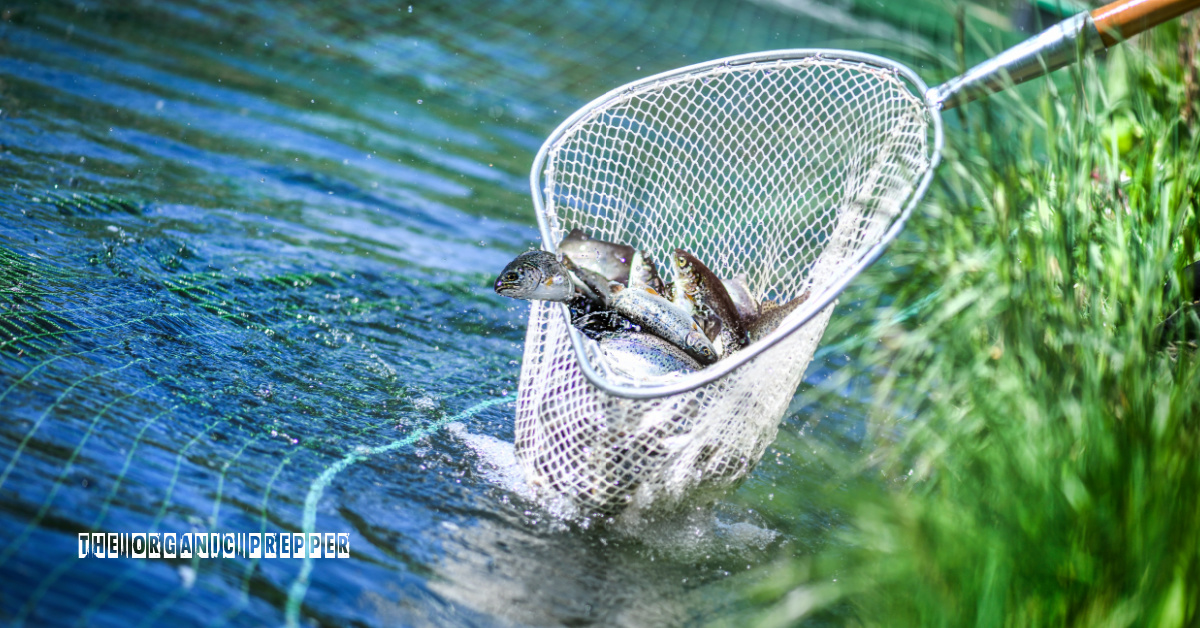
These methods demand good judgment. Never shoot at a fish unless you know what it is and that it is legal to keep. A fish below the surface appears closer than it really is because light bends at the water surface. This effect is called refraction.
Do not use a bowfishing arrow on a fish you plan to release unless the equipment and local rules support safe release. Many bowfishing setups use barbed arrows that can cause serious injury. Follow species rules and practice with a safe backstop.
Wear eye protection and use a buddy system. If wading, wear a wading belt and carry only what you can manage. Never dive alone. Keep a spear pointed away from people, boats, and your own body.
🌿 Conservation Note: Take only the fish you can legally and reasonably use. Release non-target fish at once. Never leave arrows, line, hooks, or broken net pieces in the water.
Ice fishing without a traditional pole
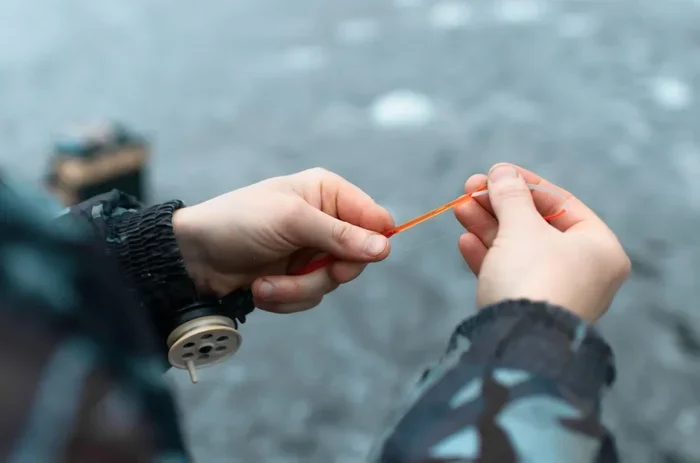
You can fish through the ice with a short ice fishing handline, tip-up, or simple spool. The basic rig uses line, a small hook or jig, a split shot, and live bait or a soft plastic.

Ice handlines are compact and easy to carry. They suit panfish and small trout, especially when you fish one hole at a time. A tip-up lets you place bait below the ice and signals a bite, but some states limit the number of devices per angler.
Ice safety comes first. Ice thickness can vary over only a few feet. Current, springs, snow, moving water, and warm weather can weaken ice. Check thickness with an auger or spud bar as you move, and ask local experts about current conditions.
⚠️ Safety Warning: Never judge ice safety by color alone. Wear a flotation suit or PFD when appropriate, carry ice picks, fish with a partner, and tell someone your plan. Take a recognized ice-safety course before fishing unfamiliar ice.
Do not use a handline near an open hole if you cannot keep your hands warm and dry. Frostbite can reduce grip and judgment. Keep hooks, knives, and bait tools organized in a small tackle box.
Advantages and limits of fishing without a pole
Fishing without a pole has clear benefits. It costs less, packs easily, and helps you feel what happens at the bait. It can also be useful when traveling, camping, ice fishing, or collecting legal bait.
The trade-off is less casting distance, less control, and more direct contact with the fish. You must manage every inch of line by hand. Strong fish can break light line or pull hooks free.
| Pros | Cons |
|---|---|
| Low cost and easy to carry | Shorter casting range |
| Simple for travel and emergency kits | Less control over a running fish |
| Direct feel through the line | Higher risk of line cuts |
| Works from shore, docks, and small boats | More tangles without a reel |
| Easy to repair with basic parts | Harder to use heavy lures |
| Useful for bait collection | Some methods have strict rules |
A handline can be worth the money when you need a backup setup, a compact travel kit, or a simple way to introduce someone to fishing. It may not replace a spinning rod for long casts, surf fishing, deep jigging, or fighting larger fish near cover.
Handline versus spinning reel
The main difference between a handline and a spinning reel is control. A spinning reel stores line on a spool and offers a drag system. That makes it easier to cast, manage slack, and protect light line during a run.
A spincast combo is often the easiest pole-based alternative for kids because the push-button reel is simple. A spinning reel gives more range and lure control. A baitcaster can offer accuracy and power, but backlash—a tangle caused when the spool spins faster than the lure—makes it less suitable for many beginners.
Handline versus fly rod
A fly rod uses a weighted line to cast a light fly. It can be excellent for trout, panfish, and some saltwater fish, but it needs more practice and open casting space. A handline is cheaper and simpler, but it cannot deliver the same delicate presentation or distance.
Experienced anglers may carry both. A handline works as a compact backup, while a fly rod handles surface flies and careful presentations.
Better results come from depth, bait, and timing
No method can guarantee a catch. Fish location changes with light, temperature, water level, wind, pressure, forage, and fishing pressure. You can improve your odds by changing one variable at a time.

Start at the depth where you see fish or bait. If nothing happens after 10–15 minutes, move the bait a few feet. Then change location. A new angle along a weed edge may matter more than a new hook.
Early morning and late evening often bring fish into shallow water. Cloud cover can extend shallow feeding. On bright days, shade, deeper water, and cover may be more useful.
| Condition | Adjustment |
|---|---|
| Clear water | Use smaller bait, lighter line, and quieter movement |
| Muddy water | Use scent, vibration, larger bait, or a bright bobber |
| Strong current | Add weight and place bait in an eddy or seam |
| Warm surface water | Try shade, deeper water, or cooler inflows |
| Cold water | Slow the bait and use smaller presentations |
| Windy surface | Fish a sheltered bank or use a heavier sinker |
| Night fishing | Use legal lights, reflective gear, and a buddy |
Do not keep changing everything at once. Change depth first, then bait, then location. This gives you useful information instead of random results.
Common mistakes and simple fixes
Most no-pole problems come from poor line control, the wrong depth, weak knots, or unsafe handling. Small changes can make a basic setup work much better.

| Problem | Likely cause | Fix |
|---|---|---|
| Bait keeps floating | Sinker is too light or absent | Add a small split shot |
| Line keeps tangling | Loose coils or hard casts | Use a spool and gentle underhand swings |
| Fish steals bait | Hook is too large or buried | Use a smaller hook and expose the point |
| Line breaks | Abrasion, weak knot, or heavy fish | Retie, inspect, and increase line test |
| No bites | Wrong depth or location | Move near cover and adjust depth |
| Fish throws the hook | Hard strike or loose pressure | Pull smoothly and keep steady tension |
| Net will not open | Poor loading or knots | Practice on land and remove tangles |
| Fish dies after release | Too much handling or air time | Wet hands and release quickly |
Inspect line each time you fish. Replace it if it feels rough, cloudy, cut, or stiff. Salt, sand, rocks, and fish teeth can weaken line even when damage is hard to see.
🔧 Quick Fix: If a knot slips, retie with a fresh section of line. Do not trust a knot that has been pulled tight against a sharp hook eye or damaged swivel.
Caring for handlines, nets, and saltwater gear
Good gear care costs little and extends the life of a no-pole setup. Rinse saltwater line, hooks, swivels, pliers, nets, and hand reels with fresh water after each trip. Dry everything before storage.

Saltwater corrosion often starts on hooks, split rings, swivels, pliers, and reel parts. Stainless steel helps, but stainless does not mean corrosion-proof. Wipe tools dry and use a corrosion-resistant lubricant where the manufacturer allows it.
Do not store wet monofilament in a sealed bag for long periods. Let it dry first. Keep line away from direct sunlight, fuel, chemicals, and high heat. Replace old line if it has been stored for a long time or exposed to strong sunlight.
| Gear | Care task | Timing |
|---|---|---|
| Monofilament | Inspect for nicks and memory; replace when rough | Every trip |
| Braided line | Rinse, dry, and check for fraying | Every saltwater trip |
| Hooks | Dry and check for rust or dull points | Every trip |
| Cast net | Rinse, untangle, and air-dry fully | Every use |
| Hand reel | Rinse and wipe moving parts | After saltwater use |
| Pliers | Fresh-water rinse and light oil | After saltwater use |
| Tackle box | Remove wet bait and drain water | Every trip |
Store hooks in dry compartments. Keep used bait separate from clean tackle. A small towel can prevent wet gear from spreading rust through a tackle box.
Budget and portability planning
A basic handline can cost less than a simple rod and reel. Current pricing ranges from a few dollars for loose line and hooks to more for a hand reel, net, quality pliers, and a complete travel kit. Prices vary by materials, brand, and water type.
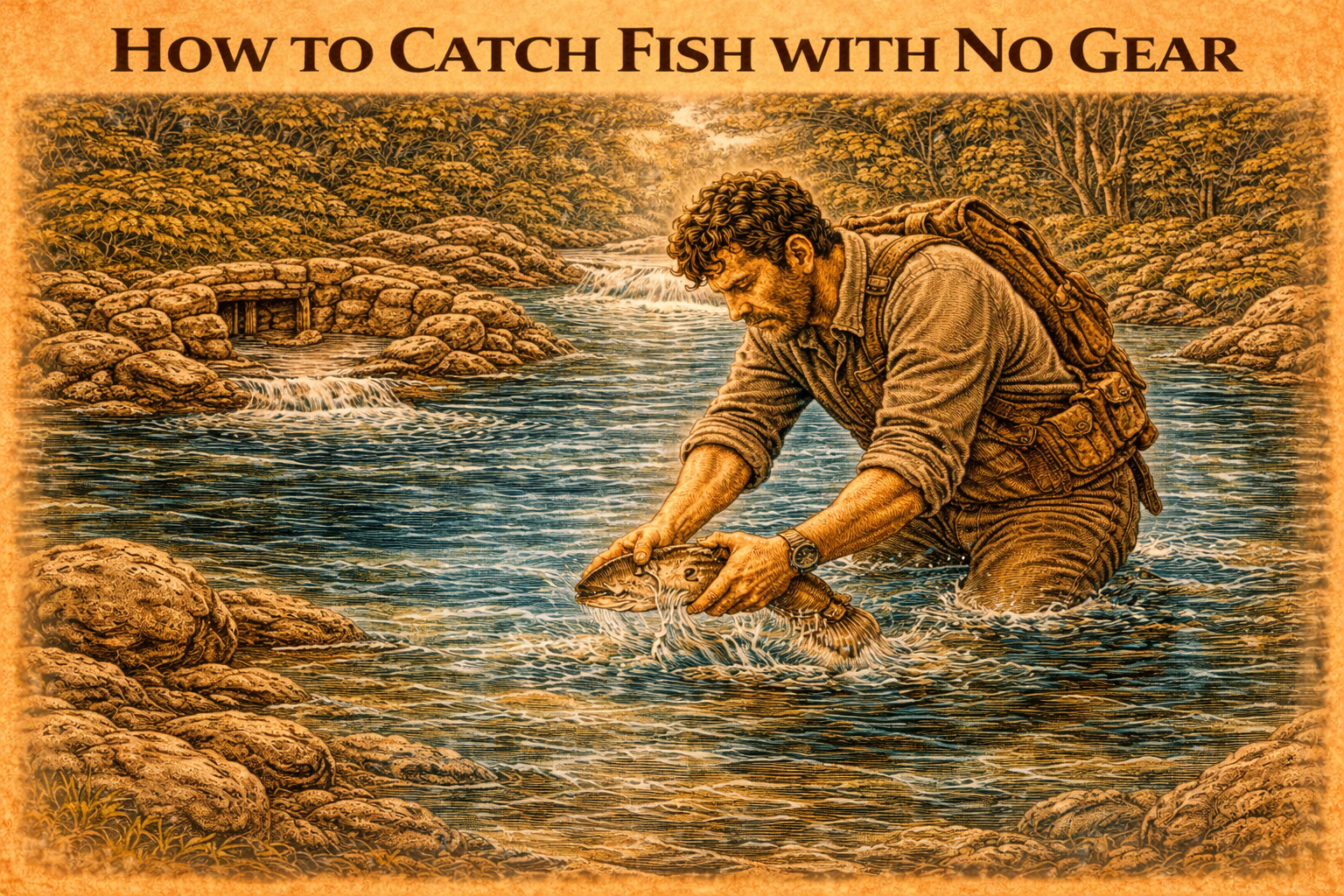
A beginner can start with line, hooks, split shot, a bobber, and bait. An experienced angler may spend more on abrasion-resistant braid, fluorocarbon leaders, stainless tools, and a compact landing net. A gift buyer should choose a safe, complete kit rather than a bag of loose hooks.
| Budget level | Useful setup |
|---|---|
| Low cost | Monofilament, hooks, split shot, bobber, and worms |
| Mid-range | Hand reel, better line, pliers, net, and small tackle box |
| Travel kit | Compact spool, spare leaders, hooks, lures, and line cutters |
| Saltwater kit | Corrosion-resistant tools, stronger leader, and rinse bag |
| Family kit | Smooth hand reel, large bobber, safe storage, and adult supervision |
| Advanced kit | Braid, fluorocarbon, species-specific hooks, and backup parts |
A telescopic rod may be a better travel choice if you want longer casts. It collapses into a small package but still gives you reel drag and better line control. An ice fishing rod is better than a handline when you need a short but sensitive setup over a hole.
👪 Parent or Gift-Buyer Note: For a child, choose a simple hand reel with no exposed sharp edges, large visible bobbers, barbless hooks for practice, and close adult supervision. A spincast combo may be safer and easier once the child is ready for a full fishing setup.
Conservation and responsible handling
Fishing without a pole does not reduce your duty to protect fish and habitat. Follow harvest limits and keep only what you plan to eat. Release unwanted fish quickly and carefully.
Use barbless hooks when practical. Pinch down the barb with pliers if local rules allow it. Circle hooks can reduce deep hooking in some live-bait situations, but they work best when you let the fish load the line instead of making a sharp strike.

Keep fish wet. Wet your hands before handling them. Avoid touching the gills, eyes, and protective slime coat. Cut the line close to a deeply lodged hook if removing it would cause more injury, unless local guidance says otherwise.
Collect every piece of line, bait container, and net material. Discard fishing line in a recycling bin or approved line-collection tube when available. Never leave hooks or line on a bank where wildlife, pets, or children can find them.
When a no-pole method is not the right choice
A pole and reel may be the better tool when you need long casts, precise lure control, heavy line, deep-water presentation, or a safe way to manage a strong fish. Surf fishing, offshore fishing, and many forms of bass fishing are easier with a proper rod and reel.
Choose a spinning reel for general freshwater fishing and light saltwater work. Choose a spincast combo for many beginners and kids. Choose a baitcaster when you need accurate casting and have time to learn spool control. Choose a fly rod when presenting lightweight flies is the main goal.
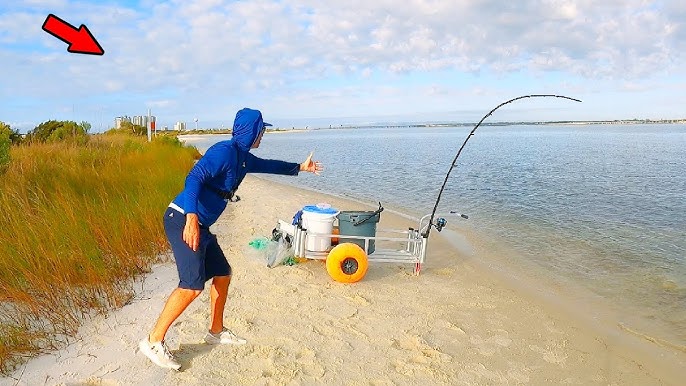
A fish finder can help locate depth changes and schools from a boat or kayak, but it does not replace safe boat handling. A landing net helps with fish control. Waders, polarized sunglasses, and pliers solve different problems and should be chosen for the water, not just the price.
Ask a local tackle shop for advice when you are unsure about line test, hook size, bait, or local rules. Shop staff often know which banks are open, which species are active, and which methods are allowed. A state wildlife office is the final source for regulations.
Frequently asked questions
Q: Can you really catch fish without a fishing pole?
A: Yes. Handlines, cast nets, seines, traps, spears, and ice handlines can catch fish when they are legal and used correctly. A handline is the simplest option for most beginners.
Q: What is the best line for fishing without a pole?
A: Monofilament is the easiest starting line because it is flexible, affordable, and simple to knot. Use 6–10 pound test for small freshwater fish and stronger line around cover or larger species. Braided line offers more strength for its diameter but needs careful handling.
Q: What fish can you catch with a handline?
A: A handline can catch bluegill, crappie, perch, trout, bass, catfish, and some saltwater fish. The right target depends on bait, depth, line strength, water conditions, and local rules.
Q: Is handline fishing safe for children?
A: It can be safe with close adult supervision. Use a smooth hand reel, keep hooks covered until the setup is ready, and teach children never to wrap line around their hands. A spincast combo may be easier for a child who wants to cast.
Q: How do you keep a handline from tangling?
A: Use a hand spool or winder, make gentle underhand casts, and lay retrieved line in loose coils on clear ground. Avoid dropping line into grass, brush, or boat hardware.
Q: Can you use a cast net to catch fish anywhere?
A: No. Cast nets are regulated in many places. Rules may limit mesh size, diameter, species, seasons, or water bodies. Check the current rules before throwing a net.
Q: Do you need a fishing license to use a handline?
A: Often, yes. A handline is still a fishing method in many states. License rules, exemptions, and age limits vary, so confirm with the local wildlife agency.
Q: What bait works best on a handline?
A: Worms are a simple choice for panfish and many freshwater species. Cut bait, prepared bait, live bait, insects, soft plastics, jigs, and small lures can also work. Use only legal bait for that water.
Q: Can you catch bass without a pole?
A: Yes, but a handline gives less lure control than a spinning rod. Live bait or a simple soft plastic near cover may work better than a fast-moving crankbait. Use stronger line if bass can reach weeds or wood.
Q: Can you fish saltwater without a pole?
A: Yes, especially from a pier, dock, jetty, or calm shoreline. Rinse all gear with fresh water after use. Use saltwater-rated hooks, swivels, pliers, and leader material when possible.
Q: How long does a handline last?
A: The holder can last for years if kept dry and protected from impact. Line may need replacement after one trip or many trips, depending on sunlight, abrasion, salt, knots, and fish size. Inspect it before each use.
Q: Is a handline cheaper than a rod and reel?
A: Usually. A basic setup costs less and takes less storage space. A rod and reel may be worth the extra cost when you need casting distance, drag, lure control, or better fish handling.
Q: Can you use a handline for catch and release?
A: Yes, but land fish carefully and reduce air exposure. Use barbless or suitable circle hooks where appropriate, wet your hands, use a net, and release the fish quickly.
Q: What should you do if a fish swallows the hook?
A: Do not force the hook out. Cut the line close to the mouth if removal would cause major injury, and follow local fish-handling guidance. Use a dehooking tool and seek advice from a local fisheries agency when needed.
Q: Is bare-hand fishing legal?
A: It depends on the species, location, season, and method. Bare-hand fishing, noodling, or hand gathering may be allowed in some waters and banned in others. Check the current regulations before trying it.
Final advice
The best way to start catching fish without a pole is to build a simple handline for the species and water in front of you. Use 6–10 pound monofilament for small freshwater fish, a size 6–10 hook, a small sinker, and a bobber. Fish near safe cover, change depth slowly, and manage the line in loose coils.
Move to a cast net, trap, seine, or spear only after you understand the local rules and the safety risks. These tools can be useful, but they are not universal replacements for a rod. Choose the method that fits your skill, target fish, travel needs, and budget.
A pole is helpful, but it is not the heart of fishing. The heart is knowing where fish feed, presenting bait with care, staying safe, and leaving the water better than you found it.