How To Fish For Trout In A River: Easy Guide
Trout fishing in a river is less about casting far and more about reading moving water. Trout often hold where the current brings food but does not force them to spend too much energy. That means seams, deep pools, undercut banks, pocket water, and the soft water behind rocks can all be productive places to start.
You do not need expensive gear to learn how to fish for trout in a river. A light spinning rod, a small reel, thin line, a few hooks, split shot, and legal bait can be enough. Fly fishing is another excellent option, but it takes more practice to control line and fly drift.
The key is to make your bait or lure move at the same speed as the current. A trout should see a natural meal, not a piece of tackle being dragged through the water. Move slowly, stay quiet, and cover likely holding water before walking farther upstream.

The Quick Answer: How to Fish for Trout in a River
The best way to fish for trout in a river is to find current seams, pools, riffles, and cover, then present a small bait, lure, or fly naturally with the current. Use a 6- to 7-foot light or ultralight spinning rod, 4- to 6-pound line, and a 2- to 6-foot leader. Cast upstream, let the offering drift downstream, and keep only enough tension to detect a bite.

Understand Where River Trout Hold
River trout choose places that offer food, oxygen, cover, and a break from strong current. They rarely sit in the fastest water for long. Instead, they often rest beside it and move into the flow to feed.
Look for a change in water speed or depth. A line between fast and slow water is called a current seam. Food often collects there, and trout can hold on the slow side while watching for insects, larvae, and small fish.
The Best River Features to Fish
Pools are deep areas with slower water. Trout may hold near the head of a pool, along its sides, or near the tailout where shallow water begins. The head of a pool is often a strong place to try first because food enters from the faster water above.
Riffles are shallow, broken sections where water runs over rocks. They hold insects and add oxygen. In warm weather, trout may use riffles more often, but you should approach with care because shallow water gives fish a clear view of danger.
Pocket water forms behind and beside rocks. These small cushions of slower water can hold trout even when the river looks too fast. Cast just above a rock and let your bait or fly drift into the pocket.
Undercut banks, logjams, weed edges, and large boulders give trout shade and protection. These areas can hold larger fish, but they also demand accurate casts and careful line control.

Read Water Color and Depth
Clear water often calls for lighter line, smaller baits, and longer casts. Trout can see movement well in clear water, so avoid standing where your shadow reaches the pool.
Slightly stained water can allow a closer approach. A small spinner, soft plastic, nymph, or scented bait may stand out better than it would in clear water. Very muddy water makes sight-feeding difficult, so focus on slow water near cover and use a slightly larger or more visible offering if local rules allow it.
A useful rule is to fish the water closest to you first. Many anglers walk past trout near the bank while trying to reach the far side. Keep a low profile, avoid sudden movement, and scan the near water before making your first cast.

Quick Water-Reading Guide
The table below matches common river features with the trout behavior you may see there. Conditions change, but these patterns give beginners a practical place to begin.
| River feature | Why trout use it | Best first presentation |
|---|---|---|
| Current seam | Food collects where fast and slow water meet | Upstream drift with bait, nymph, or small lure |
| Deep pool | Offers security and lower current speed | Bobber rig, spoon, or slow fly drift |
| Riffle | Holds insects and adds oxygen | Small spinner, dry fly, or lightly weighted nymph |
| Pocket behind a rock | Creates a small rest zone | Short cast above the pocket |
| Undercut bank | Provides shade and protection | Low side cast with bait or soft lure |
| Pool tailout | Trout feed as food leaves the pool | Long, controlled drift |
Start with the easiest water to reach and fish it carefully. The best-looking spot is not always the most productive one, especially after heavy rain or a change in water level.
Choose a Trout Setup That Fits the River
A simple spinning setup is the easiest starting point for most beginners, children, and gift buyers. It is less demanding than a baitcaster and works with bait, lures, and many small soft plastics. Fly rods are excellent for precise drift fishing, but they require more skill and more specialized terminal tackle.
For most small and medium rivers, use a 6- to 7-foot ultralight or light spinning rod. Rod power describes how much force it takes to bend the rod. Ultralight and light power rods load well with small lures and protect light line.
Rod action describes where the rod bends. A fast-action rod bends near the tip and gives quick hook control. A moderate or moderate-fast action bends farther down the blank and can help keep small hooks pinned when a trout shakes its head.
Basic Gear for River Trout
The gear below covers the needs of most shore anglers. Exact choices depend on trout size, river width, local rules, and whether you fish bait, lures, or flies.

| Gear | Practical choice | Why it matters |
|---|---|---|
| Spinning rod | 6–7 feet, ultralight or light power | Casts small offerings and cushions light line |
| Spinning reel | 1000–2500 size, smooth drag | Handles light line and short river casts |
| Main line | 4–6 pound monofilament | Simple, forgiving, and affordable |
| Leader | 2–4 feet of 4–6 pound fluorocarbon | Less visible and abrasion resistant |
| Hooks | Size 8–14, depending on bait | Fits small baits and trout mouths |
| Split shot | Small removable weights | Gets bait to the feeding depth |
| Bobber | Small fixed or slip bobber | Shows bites and controls depth |
| Landing net | Small rubber or coated mesh net | Protects fish and reduces handling |
| Pliers | Long-nose or forceps style | Removes hooks safely |
A 1000- to 2500-size spinning reel is usually enough. Look for a smooth drag rather than a high bearing count. Drag is the reel system that lets line leave under pressure. Set it light enough that a strong trout can pull line without breaking it.
Monofilament is the easiest line for new anglers. It has stretch, costs little, and handles knots well. Fluorocarbon is harder to see and resists abrasion, so many anglers use it as a leader.
Braided line is thin and sensitive, but it has little stretch and can be more visible. If you use braid, add a fluorocarbon leader with a reliable knot. Braid can help experienced anglers feel light bites, but it is not required for most river trout fishing.

Match Rod and Line to the Water
Small mountain streams need a different setup from broad rivers that hold large brown trout. Short rods work well around brush, while longer rods help control line and drift in open water.

| River and trout size | Rod choice | Line and leader |
|---|---|---|
| Small creek, small brook trout | 5–6 feet, ultralight | 2–4 pound mono or fluorocarbon |
| Medium river, stocked rainbow trout | 6–7 feet, ultralight or light | 4–6 pound main line |
| Large river, bigger brown or rainbow trout | 7–8 feet, light or medium-light | 6–10 pound line, based on cover |
| Fly-fishing river | 8–9 foot, 3–5 weight fly rod | Matching fly line and 4X–6X tippet |
A telescopic rod can be useful for travel and tight trails. It packs small, but compact rods may feel less precise than a two-piece rod. Check each guide and connection before fishing because grit and poor assembly can cause breakage.
Spincast combos are easy for young anglers because they reduce line tangles. They work for short casts and basic bait rigs. A small spinning reel is a better long-term choice for adults and older children who want to learn lure control.
Baitcasters are usually not the first choice for trout. Their heavier design and risk of backlash make them less useful with tiny lures. They can work for larger trout with heavier tackle, but a spinning reel is simpler and more efficient for most river situations.

Pros and Cons of Common Trout Methods
Each method can work well when matched to the water and the angler. The right choice depends on local regulations, skill, and the kind of fishing you enjoy.
| Method | Advantages | Limitations |
|---|---|---|
| Bait fishing | Easy to learn and effective in many legal waters | May cause deep hooking; some rivers restrict bait |
| Spinning lures | Covers water quickly and avoids live bait | Requires active casting and careful lure choice |
| Fly fishing | Offers precise insect presentations and light gear | Takes practice with casting and drift control |
| Soft plastics | Flexible shape and useful in some regulations | May be banned or less effective in clear water |
| Bobber rigs | Easy depth control for beginners and kids | Can snag in weeds, wood, and fast water |
Use a method that lets you control the offering. A simple rig fished well is usually more useful than a complex rig that you cannot manage.
Select Baits, Lures, and Flies for River Trout
Trout eat insects, larvae, worms, small fish, and other drifting food. The best presentation often imitates what the river already provides. Start small, then change size or color only when the water or light calls for it.
Always check local rules before using bait. Some trout streams allow only artificial lures or flies. Others ban scented products, treble hooks, barbed hooks, lead sinkers, or certain live baits.
Natural Bait Options
Where legal, nightcrawlers, red worms, wax worms, salmon eggs, and prepared trout baits can work. Use a small piece rather than a large ball. Trout often prefer an easy meal that fits in the mouth.
A size 10 to 14 single hook is a common starting point for small bait. Pin the bait lightly so it can move naturally. Avoid covering the entire hook point.
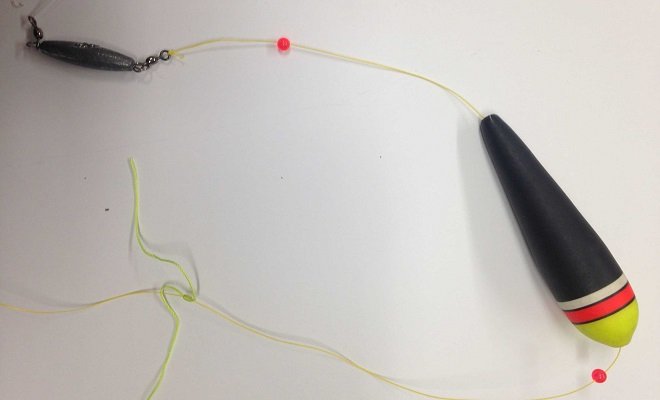
Use a small bobber when you need to suspend bait above the bottom. In deeper or faster water, a few small split shot can help the bait reach the feeding zone. Place the shot several inches above the hook and adjust it until the bait drifts without dragging.
Artificial Lures
Small inline spinners, spoons, jigs, and soft plastics are useful tools for trout. Inline spinners create flash and vibration, which can help fish find them in broken water. Spoons flutter as they fall and work well in pools.
Use the smallest lure that reaches the target depth. A 1/32- to 1/8-ounce lure fits many small and medium rivers. Heavier lures may cast farther, but they can sink too fast or look unnatural in shallow water.
Cast upstream and slightly across the current. Retrieve just fast enough to keep the lure working. In a pool, let a spoon sink briefly before using a slow retrieve. Around rocks, keep the lure moving enough to avoid constant snags.
Crankbaits are more common for bass, walleye, and larger predatory fish, but tiny trout-sized crankbaits can work in broad rivers. Use them only where legal and where the water is deep enough for their action.
Fly Choices
Dry flies imitate insects floating on the surface. Nymphs imitate immature insects below the surface and often work when trout are not rising. Streamers imitate small fish, leeches, and other larger prey.
A 3- to 5-weight fly rod suits many river trout situations. Use a floating line for dry flies and many nymph rigs. A strike indicator is a small float that helps you see when a nymph is taken.
Do not assume a hatch must be visible before using a nymph. Trout feed below the surface much of the time. Watch for rising fish, insects in the air, and insects crawling on nearby rocks, but let the water depth guide your first choice.

Simple Trout Rigs
A rig is the way your line, leader, hooks, sinkers, swivels, and bait or lure are connected. Keep your first rig simple. Fewer parts mean fewer tangles and easier repairs on the bank.
| Rig | Basic parts | Best use |
|---|---|---|
| Bottom drift rig | Hook, 2–3 small split shot, leader | Deep runs and slow pools |
| Bobber rig | Bobber, split shot, hook, bait | Beginners, kids, and set depths |
| Spinner rig | Main line, snap or knot, inline spinner | Covering riffles and seams |
| Small jig rig | Light jig head and soft plastic | Pools, current edges, and deeper runs |
| Fly leader rig | Fly line, leader, tippet, fly | Dry flies, nymphs, or streamers |
Swivels can reduce line twist, but they also add weight and visibility. Use them only when they solve a problem. A small snap may make lure changes easier, but direct knots are often cleaner for clear water.
Follow the Right River Presentation
A trout presentation should look like food moving with the river. This is called a natural drift. The goal is to control your line without pulling the bait, lure, or fly faster than the surrounding current.
The best way to begin is to cast upstream. The offering then moves toward you and downstream, giving you time to watch the line and detect a take. Keep the rod tip high enough to avoid rocks, but do not wave it over the fish.
Use the Upstream Drift
Stand downstream and to the side of the area you want to fish. Cast above the target. As the offering drifts, lift or mend the line to keep it from catching faster water.
Mending means moving line on the surface so current does not pull your bait or fly unnaturally. With spinning gear, keep the line slightly tight and follow the drift with the rod tip. With a fly rod, use small line lifts or mends.
When the drift ends, reel in and cast again. Do not let the bait swing far below you unless you are fishing a lure designed for that motion. The swing can pull the offering across the current and away from feeding depth.
Control Depth
Depth is often more important than color. Trout may feed near the surface during an insect hatch, in midwater during a strong drift, or near the bottom when water is cold.
Add one small split shot at a time. If the rig never reaches the feeding zone, add weight. If it drags, snags, or moves faster than the current, remove weight or use a lighter rig.
With lures, count the seconds after the cast before retrieving. Change the count until the lure reaches the depth where trout hold. Do not allow it to scrape bottom on every cast.

Detect Light Bites
A bite may feel like a tap, a pause, extra weight, or a line that moves sideways. Do not wait for a hard pull. Trout may take a small bait and hold it briefly.
With bait, watch the bobber and line. A bobber that dips, slides, or stops in an unusual way deserves attention. Lift the rod smoothly rather than snapping hard.
With a lure, keep contact without forcing the hook. A light lift of the rod is often enough. Treble hooks can catch fish quickly but may cause more damage, so barbless single hooks are a strong choice where permitted.

Fish a River in a Careful Sequence
A repeatable approach saves time and reduces missed water. Begin with the nearest fishable area, then work outward. Trout may be close to the bank, especially when anglers have not disturbed the spot.
Step 1: Check the River and Regulations
Before rigging, check the water level, weather, access rules, and fishing regulations. Confirm your fishing license, trout stamp if required, open season, daily limit, size limit, and legal tackle.
Look for special rules on bait, barbless hooks, artificial lures, lead, and catch-and-release areas. Rules can change from one section of a river to the next.
📜 Check Local Regulations: State wildlife agencies publish current rules for licenses, seasons, bag limits, size limits, and tackle restrictions. Check the exact river section before fishing.
Step 2: Approach Without Spooking Fish
Walk slowly and keep your body low near clear water. Avoid stomping on the bank because vibrations can travel through the ground and water.
Stay behind rocks, bushes, or the bank edge when possible. Wear muted clothing if the water is clear, but careful movement matters more than color.
Step 3: Fish the Near Water First
Make a short cast to the edge, the soft water beside a rock, or the bank seam. Many anglers skip this water and disturb fish before making a longer cast.
Work from the closest target to the farthest. This method also helps you learn the depth and current without crossing the river too soon.
Step 4: Cover High-Value Water
Cast to the head of pools, current seams, pocket water, undercut banks, and the edges of riffles. Give each target several controlled drifts or retrieves.
Change one factor at a time. Try a slower retrieve before changing lure color. Add a little depth before switching to a larger bait.
Step 5: Set the Hook and Play the Fish
Set the hook with a smooth lift. Keep the rod bent and let the drag work. Do not clamp the spool or pull hard against a powerful fish.
Guide the trout away from logs and strong current when possible. Use side pressure rather than holding the rod straight up. A long fight can exhaust a trout, especially in warm water.
Step 6: Land, Photograph, or Release the Trout
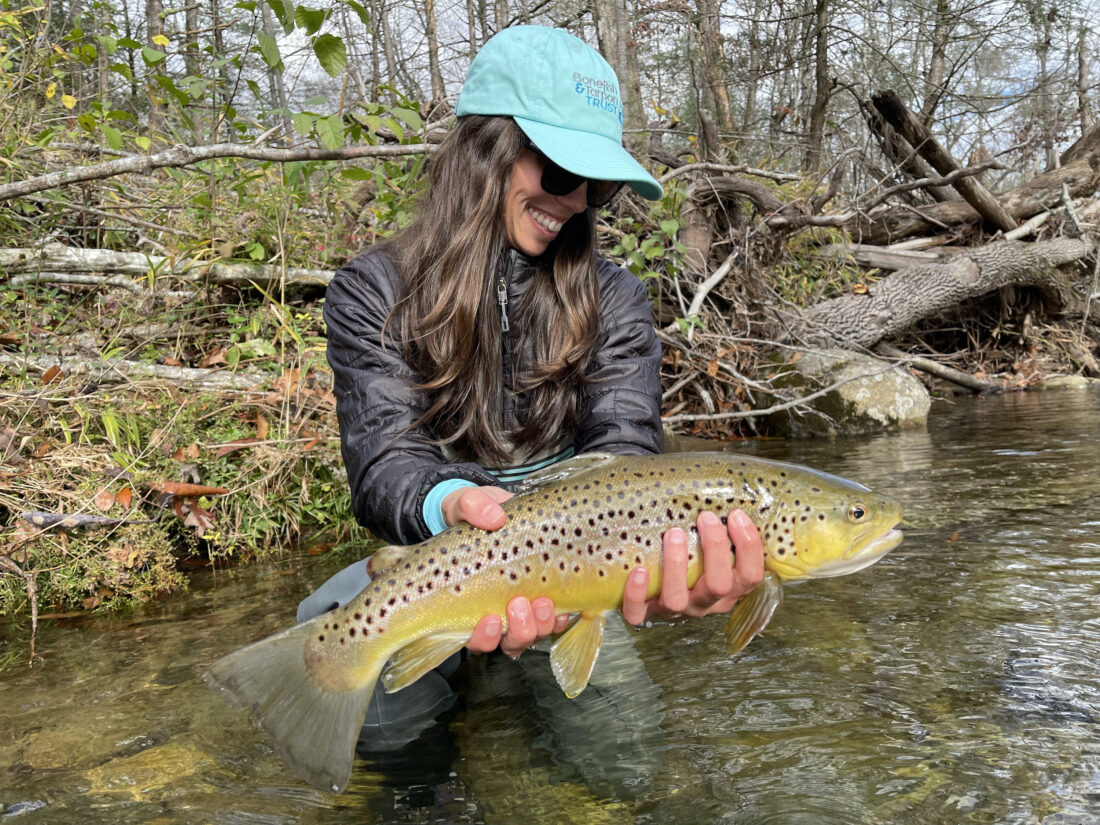
Wet your hands before touching the fish. Keep it in the water as much as possible. Use a rubber or coated landing net to support the fish without scraping its protective slime.
Remove the hook with forceps. If the hook is deep, cutting the line near the mouth may give the fish a better chance than forcing removal. Revive the trout by facing it into gentle current until it swims away on its own.

Adjust Your Strategy by Season
River trout behavior changes with water temperature, flow, sunlight, and food. Seasonal patterns help you choose a starting point, but water conditions matter more than the calendar alone.

| Season | Common trout pattern | Useful approach |
|---|---|---|
| Spring | Higher flow, rising insects, cool water | Fish seams, pool edges, and slower banks |
| Summer | Low clear water, heat stress, insect activity | Fish early or late and use small offerings |
| Fall | Cooler water, active feeding, spawning activity | Target pools and avoid spawning beds |
| Winter | Slow metabolism and deep holding water | Use small bait, nymphs, or slow lures |
Spring runoff can make rivers too fast or unsafe to wade. Fish the edges where current slows, but avoid crossing strong water. A river that looks only slightly higher can have much more force.
Summer trout need special care. Fish during cool morning hours when possible. Avoid handling trout on very hot days, and release them quickly. Some streams close during warm periods to protect fish from low dissolved oxygen.
In fall, trout may become more aggressive, but spawning fish and redds need protection. A redd is a clean patch of gravel where trout lay eggs. Avoid walking on light-colored gravel patches and do not target trout actively spawning on them.
Winter trout often hold in deep pools and slow runs. Use small offerings and slow movements. Ice fishing rods are built for short, vertical presentations and are not a good replacement for a normal river rod unless you are fishing through safe ice on a lake or slow backwater.
Stay Safe While Wading and Fishing From Shore
River fishing has real hazards. Slippery rocks, sudden depth changes, cold water, rising flows, hooks, and remote access can turn a calm trip into an emergency.
Wear felt, rubber, or studded wading boots where legal and suitable for the river. A wading belt helps keep water from filling chest waders if you fall. Do not wade above your comfort level, and use a staff in deep or fast water.
Never cross simply to reach a better casting angle. If you cannot see the bottom or feel stable contact, turn back. Fish the near bank or find a safer access point.
Wear polarized sunglasses to reduce glare and help you see rocks, drop-offs, and fish. Use sunscreen, carry drinking water, and tell someone where you are going. Bring a small first-aid kit, hook removal tool, and a charged phone in a waterproof case.
If you fish from a kayak, wear a properly fitted U.S. Coast Guard–approved personal flotation device. Learn basic kayak and boating safety before entering moving water. A fish finder can help locate depth in larger rivers, but it does not replace knowledge of current and hazards.
⚠️ Safety Warning: Never wade alone in unfamiliar water. Check weather and river levels before leaving, and tell someone your plan. If you use a boat or kayak, wear your PFD from launch to landing.
Avoid the Mistakes That Cost Trout
Most beginner problems come from poor approach, bad depth, or too much movement. These issues are easy to fix once you know what to watch.
| Common mistake | What happens | Better solution |
|---|---|---|
| Walking directly into the pool | Trout see or feel you | Fish from the bank and approach slowly |
| Using line that is too heavy | More drag and less natural drift | Try 4–6 pound line when conditions allow |
| Adding too much weight | Bait snags or drags | Use the smallest weight that reaches depth |
| Casting only to open water | Misses cover and seams | Target rocks, banks, pools, and current edges |
| Setting the hook too hard | Light line breaks or hooks tear out | Lift smoothly and let the drag work |
| Keeping trout out of water | Fish become stressed | Wet hands and limit air exposure |
| Ignoring local rules | Can lead to fines and fish harm | Check the current regulation booklet |
Do not change everything after one empty drift. Trout may need several passes before they see the offering. Make small changes and pay attention to what the river is telling you.
Another common error is fishing only the deepest hole. Trout need food and oxygen, so shallow riffles and seams can be as important as deep pools. Rotate through several water types during the day.
Decide When to Keep or Release Trout
Keep fish only when regulations allow it and when you plan to eat them. Follow the legal size and daily limit. Use a stringer only when permitted and when the fish will be kept soon; a stringer is not a substitute for proper fish care.
Catch and release works best when you reduce handling. Use barbless hooks where allowed, avoid dry cloths, and keep fish horizontal. Never squeeze the belly or hold a trout by the gill covers.
For a quick photo, keep the fish partly submerged until the camera is ready. Lift it for a few seconds, take the photo, and return it to the water. If the fish struggles, skip the photo.
Dispose of broken line, bait containers, and hooks properly. Monofilament and braided line can injure wildlife. Pack out all fishing waste and leave the bank cleaner than you found it.
🌿 Conservation Note: Trout depend on clean, cool water and healthy stream habitat. Support local watershed groups, avoid trampling redds, and report pollution or fish kills to the state wildlife agency.
Help Beginners and Kids Build Skill
Children often learn faster when the setup is simple and the goal is clear. A 5- to 6-foot spincast or ultralight spinning combo, 4- to 6-pound line, a small bobber, and a legal bait rig make a good starting point.
Keep the first trip short. Choose easy bank access, calm water, and a place with room to cast. Teach the child to look behind before casting and to hold the rod with two hands when landing a fish.
For an adult beginner, a 6- to 7-foot ultralight spinning rod offers more room to grow. It can cast small spinners, spoons, jigs, and bait rigs. It also makes line control easier than a very short youth rod.
Gift buyers should focus on fit rather than the largest feature list. A smooth reel, comfortable grip, spare line, small tackle box, forceps, polarized glasses, and a landing net may be more useful than a costly rod with advanced parts.
👪 Parent or Gift-Buyer Note: Match the setup to the angler’s height, hand size, and fishing location. A simple combo that fits the user is often a better gift than a powerful rod meant for bass or saltwater.
Manage Cost and Care for Your Gear
River trout fishing can cost less than many other forms of fishing. A basic spinning combo may cost about $30–$80, while a better rod and reel setup may range from $100–$250 or more. Fly-fishing equipment often costs more at first because you need a rod, reel, fly line, leader, tippet, flies, and tools.
Current pricing changes by brand, materials, and sales. Check the latest listing for updated features and specifications. Do not pay extra for a high drag rating or saltwater corrosion protection if you only fish small freshwater streams.
| Budget level | Useful purchases | Best suited to |
|---|---|---|
| Entry level | Spincast or basic spinning combo, hooks, weights, bobber | Kids and first-time anglers |
| Midrange | Ultralight rod, 1000–2500 reel, net, pliers, polarized glasses | Regular river anglers |
| Advanced | Specialized rod, premium reel, fly setup, waders, technical net | Frequent or experienced anglers |
Rinse muddy gear with clean water after each trip. Dry the rod, reel, net, and tackle before storage. Loosen the drag when storing a spinning reel, and check the line for nicks near the lure or hook.
Replace line when it shows cuts, heavy curl, chalky spots, or repeated knots. A light freshwater reel can last many seasons with basic care, but sand and grit can damage the spool lip, bail, and drag. Do not force a sticky reel; clean it according to the maker’s instructions or ask a tackle shop for service.
Saltwater-rated reels use corrosion-resistant parts and seals, but they are not needed for ordinary trout streams. Never assume a freshwater-only reel is ready for saltwater. Saltwater use requires careful rinsing and more frequent maintenance.
Know When to Ask a Local Tackle Shop or Guide
A local tackle shop can tell you which sections hold trout, what size offerings are legal, and whether water levels are safe. Staff can also check your knots, spool line correctly, and explain local access.
Ask for help if you keep snagging the bottom, cannot control your drift, or are unsure whether your lure is legal. A licensed fishing guide can shorten the learning curve, especially on large rivers, remote water, or technical fly water.
Hire professional help for safety skills too. Boating safety courses, kayak classes, and wading instruction can prevent mistakes that gear cannot fix. A fish finder, premium waders, or stronger rod will not make dangerous current safe.
Frequently Asked Questions
What is the best bait for river trout?
The best legal bait depends on the river and season. Worms, salmon eggs, prepared trout bait, and insect imitations are common choices where allowed. Use a small amount on a size 10–14 hook and present it naturally with the current.
What size hook should I use for trout?
Size 8–14 hooks cover many trout bait situations. Use a smaller hook for tiny baits and clear water. Always match the hook to the bait and follow rules on barbless or single hooks.
How deep should I fish for trout in a river?
Fish at the depth where trout can feed without fighting the strongest current. Start near the bottom in pools and deeper runs, then adjust. If your bait drags or snags often, reduce weight or raise the presentation.
Should I fish upstream or downstream for trout?
Fish upstream whenever possible. Casting upstream gives the bait or lure a more natural drift and keeps you behind the fish’s normal viewing direction. Move carefully so you do not push your shadow or vibration into the target water.
Is monofilament or fluorocarbon better for trout?
Monofilament is easier to cast, tie, and afford. Fluorocarbon is less visible and more resistant to abrasion, so it works well as a leader in clear water. Many anglers use 4–6 pound mono as the main line and a short fluorocarbon leader.
Can I use braided line for trout?
Yes, but braid is not required. It offers high sensitivity and small diameter, but it has little stretch and may be easy for trout to see. Use a 2- to 4-foot fluorocarbon leader if you choose braid.
Do I need waders to fish a river?
No. Many trout can be caught from shore. Waders help you reach more water, but they also add risk. If you wade, wear a wading belt, use proper boots, avoid deep or fast current, and never treat waders as a flotation device.
Are small spinners good for trout?
Small inline spinners can work well in riffles, seams, and pools. Cast upstream or across current and retrieve slowly enough for the blade to turn. Check whether treble hooks or artificial lures are allowed.
What is the best rod for trout fishing beginners?
A 6- to 7-foot ultralight or light spinning rod is a strong choice for most beginners. Pair it with a 1000- to 2500-size spinning reel and 4- to 6-pound line. For a small child, a shorter spincast combo may be easier to control.
Can I use a bass rod for trout?
You can, but a medium bass rod may be too stiff for small lures and light line. It can also pull small hooks free. A light or ultralight trout rod gives better casting control and protects lighter leaders.
How do I keep trout alive after catching them?
Keep the trout in the water as much as possible. Wet your hands, support the body, remove the hook with forceps, and limit air exposure. If you plan to keep it, follow legal limits and dispatch and store it properly.
How long does trout fishing gear last?
Basic gear can last many seasons if kept clean and dry. Line often needs replacement before the rod or reel. Replace line when it has nicks or memory, and service a reel when the drag becomes rough or the handle feels gritty.
Final Thoughts
Successful river trout fishing begins with observation. Watch the current, study the depth, and notice where food may collect. Then make a simple presentation that moves at the same speed as the water.
Start with a light spinning setup if you want the easiest path. Use a fly rod if you enjoy learning delicate casts and insect patterns. Whether you fish bait, lures, or flies, quiet movement and careful drift control matter more than expensive equipment.
Respect the river, check the rules, and protect the fish you release. With practice, each pool, seam, and riffle becomes easier to read. The river starts to feel less like a mystery and more like a map.