How To Fish A Small Lake: Simple Tips For More Bass
Small lakes can be some of the best places to learn how to fish. They are easier to read than large reservoirs, require less travel, and often hold bass, trout, catfish, crappie, bluegill, and other panfish. You also do not need a large boat or a costly fish finder to begin.
The key is to fish small lakes in a simple, planned way. Start by learning the lake’s depth, cover, water clarity, and likely fish species. Then match your rod, line, hook, bait, and lure to those conditions. A small lake may look quiet, but fish still move with the sun, wind, temperature, and available food.
This guide explains how to fish a small lake from shore, a kayak, or a small boat. It covers beginner setups, bass fishing, trout and panfish tactics, seasonal patterns, live bait, artificial lures, safety, conservation, and common mistakes. It also explains which gear suits beginners, kids, experienced anglers, and gift buyers.

Quick answer: how to fish a small lake
The best way to fish a small lake is to start with visible cover, changes in depth, points, weed edges, and inflowing water. Use a 6- to 7-foot medium-light or medium spinning rod, 6- to 10-pound monofilament, and a simple hook-and-bobber or soft-plastic rig. Fish slowly, change depth often, and move after 10 to 15 minutes without a bite.

Learn the lake before you cast
Small lakes reward anglers who observe first. Before you choose a lure, look at the shoreline, water color, wind direction, weeds, docks, fallen trees, and any nearby creek or drainage pipe. These details reveal where fish may find food, shade, oxygen, or shelter.
You should also learn whether the lake is natural, stocked, or managed as a private pond. A stocked trout lake may fish very differently from a warm, weedy bass lake. Local fishing reports, state wildlife websites, bait shops, and lake maps can provide useful clues.
Identify the main fish species
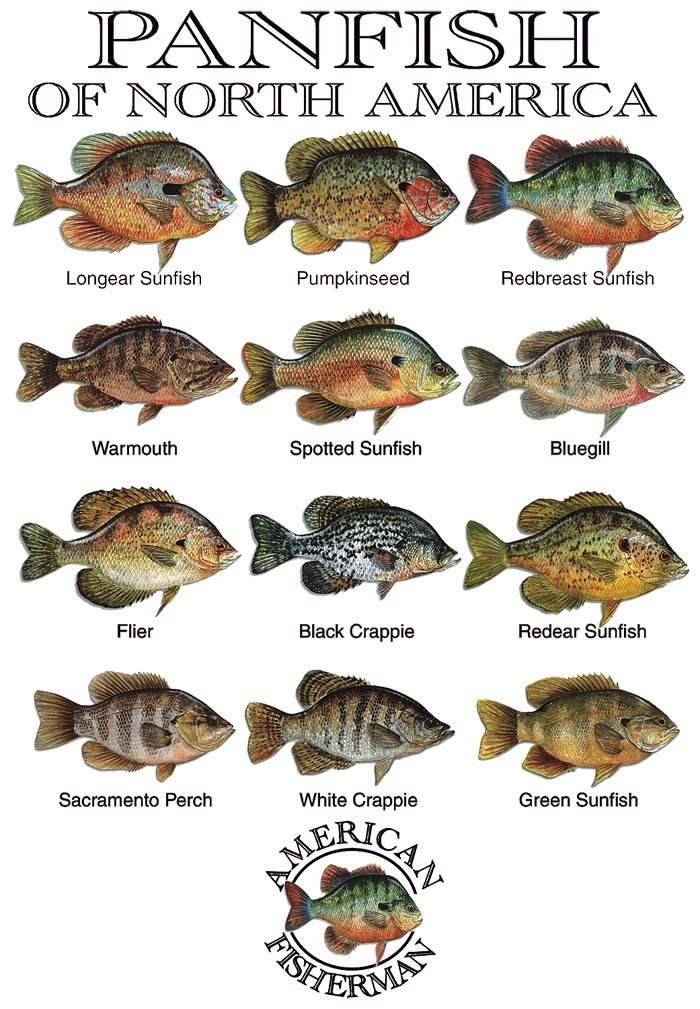
Your target species should control your tackle and presentation. Bluegill and crappie have small mouths and often prefer small hooks, light line, live bait, jigs, or tiny spinners. Bass can take larger soft plastics, crankbaits, spinnerbaits, jigs, and live bait.
Catfish often stay near the bottom and respond well to worms, cut bait, stink bait, or prepared bait. Trout may feed near the surface early in the day, then move deeper as light and water temperature rise.
| Common species | High-percentage starting bait | Useful starting depth |
|---|---|---|
| Bluegill and other panfish | Worm pieces, crickets, small jigs | 2–8 feet |
| Largemouth bass | Soft plastics, spinnerbaits, crankbaits | 3–15 feet |
| Channel catfish | Nightcrawlers, cut bait, prepared bait | Bottom near cover |
| Trout | Small spoons, spinners, worms, dough bait | Surface to 20 feet |
| Crappie | Small jigs or minnows | Suspended near brush or weeds |
Panfish are often the easiest target for beginners and kids. Bass fishing suits anglers who enjoy casting and changing lures. Catfish are a good choice when you want a slower style that can work from shore.
Find structure, cover, and depth changes
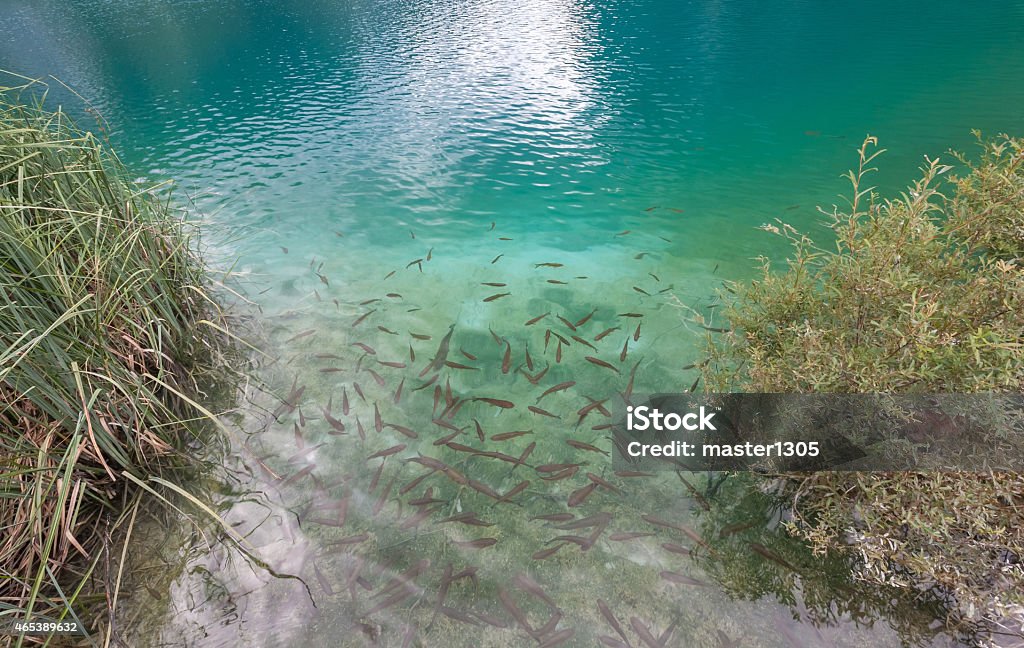
Structure is the shape of the lake bottom. It includes points, drop-offs, creek channels, humps, and submerged roadbeds. Cover is something fish can hide around, such as weeds, brush, docks, rocks, or fallen trees.
Fish often gather where structure and cover meet. A weed line beside a drop-off is more promising than a flat bank with no features. A submerged tree near deeper water can provide shade and ambush points for bass and crappie.
Look for these areas first:
- Points that extend into the lake
- Inlets, small streams, and drainage pipes
- Weed edges and open pockets in vegetation
- Fallen trees and brush piles
- Docks, bridges, rocks, and riprap
- Steep banks and shaded shorelines
- The deepest water near shallow feeding areas

Use weather, wind, and light as clues
Wind pushes plankton and insects toward the downwind shore. Small baitfish often follow that food, and predator fish may follow the baitfish. A windy bank can be more productive than a calm bank, even when it is less comfortable to fish.
Low light also changes fish location. Early morning and late evening often bring bass and trout into shallow water. During bright midday conditions, many fish move toward shade, weeds, deeper water, or submerged cover.
Clouds, light rain, and a mild breeze can extend shallow feeding activity. Very cold fronts, intense heat, and sudden pressure changes may slow fish movement. These patterns are not rules, but they give you a better starting point.

Choose a simple small-lake fishing setup
A simple spinning setup works for most small-lake anglers. A 6- to 7-foot rod with medium-light or medium power handles panfish, bass, trout, and small catfish without making light bites hard to feel.
Power means how much force a rod needs to bend. Action describes where the rod bends. A fast-action rod bends near the tip and gives quick lure control. A moderate action bends farther down the blank and can help keep treble-hooked fish pinned.
Recommended rods and reels
A 6-foot, 6-inch medium-light spinning rod is a strong choice for beginners, kids, and anglers who mainly target panfish, trout, and small bass. Pair it with a 1000- or 2500-size spinning reel.
For larger bass, heavy weeds, or catfish, a 6-foot, 6-inch to 7-foot medium spinning rod gives more power. A 2500- or 3000-size spinning reel offers useful line capacity without becoming bulky.
Spincast combos are easy for young anglers because the enclosed reel reduces line tangles. Telescopic rods are portable and useful for travel, but their joints need regular inspection. A baitcaster gives better casting control for experienced bass anglers, but it takes practice and can create backlash, which is a tangle caused by the spool turning faster than the lure.
| Angler or target | Rod choice | Reel choice |
|---|---|---|
| Young child or first-time angler | 5–6 ft light or medium-light | Spincast combo |
| General small-lake fishing | 6–7 ft medium-light | 1000–2500 spinning reel |
| Bass in weeds or heavy cover | 6 ft 6 in–7 ft medium | 2500–3000 spinning reel |
| Large catfish or strong current | 7–8 ft medium-heavy | 3000–5000 spinning reel |
| Experienced bass angler | 6 ft 8 in–7 ft medium | Low-profile baitcaster |
A fly rod can work well for trout, bluegill, and bass in open water, but it requires a different casting method and more room behind you. An ice fishing rod is designed for short vertical presentations and is not a good all-purpose rod for warm-weather bank fishing.

Match line to the fish and cover
Monofilament is the easiest line for most beginners. It is affordable, floats, stretches slightly, and handles simple knots well. Use 4- to 6-pound test for panfish and trout, 8- to 10-pound test for general bass fishing, and 12- to 15-pound test near heavy cover or larger catfish.
Fluorocarbon sinks and is less visible underwater. It works well as a leader, which is a short section of line between your main line and hook or lure. Braided line has little stretch and a high strength-to-diameter ratio, but it can be more visible and may need a fluorocarbon leader.
| Fishing situation | Main line | Leader or terminal choice |
|---|---|---|
| Panfish and small trout | 4–6 lb monofilament | Small hook and split shot |
| General bass fishing | 8–10 lb monofilament | Soft plastic or moving lure |
| Clear water | 6–10 lb braid | 6–10 lb fluorocarbon leader |
| Heavy weeds or wood | 15–20 lb braid | 10–15 lb fluorocarbon leader |
| Catfish from shore | 12–20 lb monofilament or braid | 1/0–3/0 hook and sinker |
Line test is the rated strength of the line in pounds. It is not a promise that the line will always break at that exact weight. Knots, abrasion, sharp rocks, old line, and rod pressure all affect real strength.

Pack the basic terminal tackle
Terminal tackle is the small equipment at the end of your line. A practical small-lake kit includes hooks, bobbers, split shot, swivels, sinkers, snap swivels, soft plastics, and a few hard lures.
Use size 6 to 10 hooks for bluegill and trout, size 1 to 2 hooks for larger live bait, and 1/0 to 3/0 hooks for many bass and catfish rigs. Hook size numbers can seem backward: a size 10 is smaller than a size 2, while 1/0 is larger than size 1.
Carry a small tackle box instead of bringing every lure you own. A few useful colors, shapes, and weights make it easier to test patterns without slowing down your decisions.

Prepare safely before fishing
Preparation prevents small problems from ruining a trip. Check the weather, charge your phone, bring water, and tell someone where you will fish and when you expect to return. Wear polarized sunglasses to reduce glare and help you see shallow cover, drop-offs, and underwater hazards.
If you fish from a kayak, canoe, or boat, wear a properly fitted U.S. Coast Guard–approved personal flotation device. Keep pliers, a landing net, sunscreen, insect repellent, and a first-aid kit within reach.
⚠️ Safety Warning: Never stand in a small boat or kayak unless it is designed for that movement and you understand its stability. Avoid fishing during lightning, strong wind, or fast weather changes. Children should stay close to an adult and wear a life jacket near the water.

Check access and regulations
A small lake may be private, public, city-owned, state-managed, or part of a park. Confirm that fishing is allowed before you cast. Public access rules may cover parking, launch areas, bait, boats, fires, and shoreline use.
You may need a state fishing license even if you fish from shore. Regulations may also set minimum lengths, daily bag limits, closed seasons, lure restrictions, lead rules, and requirements for barbless or circle hooks.
📜 Check Local Regulations: Review the current rules from your state or local wildlife agency before fishing. Rules can differ between lakes, especially for stocked trout waters, city ponds, special bass lakes, and private waters.

Organize your gear for quick changes
Keep your main tackle in separate bags or boxes. Store hooks and swivels in small labeled sections. Place soft plastics in sealed bags so their oils do not damage some tackle boxes.
A compact shore kit may include:
- One spinning rod and reel
- A small tackle box
- Two bobbers
- Split shot and small sinkers
- Hooks from size 6 to 2/0
- Soft plastics and small spinners
- Live bait container
- Pliers and line cutters
- Landing net
- Water, sunscreen, and a first-aid kit

Use a step-by-step plan on the water
A plan keeps you from casting randomly. It also helps you learn what the lake is telling you. Begin with high-percentage areas, test one presentation at a time, and record what happens.
1. Start with the easiest fishable water
Begin near a point, weed edge, dock, inflow, or shaded bank. These areas offer cover and food. Do not walk past the first good spot just because it is close to the parking area.
Make a few quiet casts before moving. Fish may be close to shore, especially at dawn, dusk, after rain, or when the wind pushes food against the bank.
Cast parallel to the shoreline when possible. This keeps your bait in the strike zone longer than a cast straight toward deep water.

2. Fan-cast the area
Imagine the water in front of you as a clock. Cast at 10 o’clock, 11 o’clock, 12 o’clock, 1 o’clock, and 2 o’clock. Then repeat the pattern at different distances.
This method covers water without forcing you to move too soon. Start with a natural presentation, such as a worm under a bobber or a small soft plastic. If the area looks promising but produces nothing, change depth before leaving.
Experienced anglers can add a grid pattern. Cover shallow water first, then the edge of the cover, then the deeper water beyond it.

3. Fish a bobber and bait rig
A bobber shows bites and holds bait above the bottom. It is one of the best rigs for beginners, kids, bluegill, crappie, trout, and stocked pond fish.
Tie a small hook to the main line or leader. Add one or two small split-shot weights 6 to 12 inches above the hook. Clip the bobber 1 to 5 feet above the hook, then adjust it until the bait is near the depth where fish feed.
Use a small piece of nightcrawler, a cricket, a wax worm, or legal prepared bait. Keep the bait small enough for the target fish to swallow. When the bobber dips, pauses, or moves sideways, lower the rod tip, reel down, and lift smoothly.

4. Fish the bottom for catfish
A simple bottom rig works well from shore. Slide an egg sinker onto the main line, add a small bead if desired, and tie on a swivel. Attach a 12- to 24-inch leader and a size 1 to 3/0 hook.
Cast near a drop-off, creek mouth, submerged brush, or deep flat. Keep the line fairly tight, but leave enough slack for a catfish to pick up the bait. A rod tip alarm or small bell can help, but watch the line rather than relying only on sound.
Do not set the hook at the first tiny tap. Catfish may mouth the bait before moving away. When the line pulls steadily, reel down and use a firm lift.

5. Retrieve soft plastics for bass
Soft plastics are versatile because you can fish them near the surface, through weeds, or along the bottom. A 4- to 5-inch worm, stick bait, creature bait, or small swimbait is a practical starting choice.
Rig a worm Texas style for cover. This means the hook point rests lightly inside the plastic, so it is less likely to snag. Cast near weeds, wood, docks, or shade. Let the bait sink, then lift the rod tip and allow it to fall again.
The bite may feel like weight, a tap, or a line that moves sideways. Reel until the line is tight, then set the hook with a controlled sweep. Avoid swinging wildly, especially when children or nearby anglers are present.
6. Try moving lures when fish are active
Moving lures help you search water. Small spinnerbaits, inline spinners, crankbaits, and swimbaits can imitate baitfish or trigger a reaction.
Use a spinnerbait near weeds, wood, and shallow cover. Try a small crankbait along a rocky bank or point. An inline spinner can be effective for trout, bass, and panfish when retrieved at a steady pace.
Change speed before changing lures. A slow retrieve keeps a lure near the bottom. A faster retrieve may work when fish chase bait near the surface.
7. Change depth before changing location
Many anglers leave too soon. If fish are present but not biting, your bait may be above or below them. Adjust a bobber by 1 or 2 feet, count a lure down longer, or add a small sinker.
Fish may suspend over deep water instead of sitting on the bottom. Crappie often suspend near brush, and trout may hold at a temperature break. A fish finder can help from a kayak or boat, but it is not required for small-lake fishing.
Use your eyes and line angle. If your bait reaches bottom too fast, reduce weight. If it never reaches the target depth, add weight or use a heavier lure.
8. Land and handle fish with care
Keep the rod bent, but do not force the fish. Let the drag work. Drag is the reel system that releases line under pressure. Set it tight enough to control the fish but loose enough to prevent sudden line breaks.
Use a landing net for bass, trout, and larger catfish. Wet your hands before touching a fish. Support its body, remove the hook with pliers, and keep it out of the water for as little time as possible.
🌿 Conservation Note: For catch and release, avoid squeezing the fish or touching its eyes and gills. Cut the line near a deeply swallowed hook when removal may cause more harm, unless local rules or a qualified angler advise otherwise.
Choose bait and lures by species
Different fish respond to different food sources. Matching the local forage often makes your first presentation more natural. Still, no bait works on every lake or every day.
Bass fishing in a small lake
Largemouth bass often relate to weeds, wood, docks, points, and shade. Start with a 4- to 5-inch soft-plastic worm, a small spinnerbait, or a shallow crankbait.
Use natural colors in clear water, such as green pumpkin, brown, or translucent patterns. Try darker colors in stained water or low light. Fish slowly around cover, and use a weedless rig where snags are common.
A medium spinning rod with 8- to 10-pound line suits beginners. Experienced anglers fishing thick vegetation may prefer a baitcaster with 30- to 40-pound braid and a fluorocarbon leader, but that setup requires better casting control.
Panfish and crappie
Bluegill, redear sunfish, perch, and crappie often respond to small hooks, tiny jigs, worms, crickets, and minnows. Use light line and a small bobber. Fish near weeds, brush, docks, and shaded banks.
Crappie may suspend well above the bottom. If you see small baitfish or brush, place your jig near that level rather than dragging it on the floor of the lake.
Small jigs under a bobber let you cover several depths. A slow lift-and-fall motion often works better than a fast retrieve.
Trout
Trout prefer cool, clean water and may be stocked in small lakes. Early morning, cloudy weather, and spring or fall conditions can improve shallow activity. Try small spoons, spinners, flies, worms, or legal dough baits.
Use a light or medium-light spinning rod with 4- to 6-pound monofilament. Cast beyond the target area and retrieve the lure through it. Avoid heavy line unless the lake has large trout or thick cover.
Catfish
Catfish often use deeper water, soft bottom, creek channels, and cover. Fish near the bottom with nightcrawlers, cut bait, chicken liver, or prepared bait where legal.
Use enough sinker weight to hold the bait in place. Too much weight can make bites harder to detect. Check your hook after each fish because catfish can damage line with rough mouths and sharp fin spines.
Adjust your approach through the seasons
Fish location changes with water temperature, food, oxygen, and daylight. You do not need exact temperature readings to make useful changes. Watch the weather and adjust your depth and speed.
| Season or condition | Likely fish pattern | Productive approach |
|---|---|---|
| Early spring | Fish move toward warming shallows | Slow jigs, worms, small crankbaits |
| Late spring spawn period | Bass and panfish use shallow cover | Soft plastics, bobbers, small spinners |
| Summer morning | Fish feed shallow before heat rises | Topwater, spinnerbaits, live bait |
| Summer midday | Fish seek shade or depth | Deep worms, jigs, bottom bait |
| Fall cooling | Fish often feed more actively | Crankbaits, swimbaits, minnows |
| Winter | Activity slows or fish hold deep | Small jigs, slow bait presentations |
The best seasonal tactic depends on local climate and species. A shallow southern pond may fish well in winter, while a northern trout lake may be frozen. Use the table as a starting point, not a fixed rule.
Spring: cover the warming water
In spring, shallow water can warm first. Look for dark bottoms, protected coves, wood, and areas touched by afternoon sun. Fish may move between shallow feeding areas and nearby deeper water.
Use slow retrieves and pause often. A small jig, soft plastic, or live bait under a bobber gives fish time to respond. During a warm spell, try the north-facing bank if it receives more sunlight.
Summer: fish early, late, and in shade
Summer heat can push fish deeper during the day. Fish early morning, evening, or shaded banks. In warm water, avoid keeping fish out of the lake for long periods because stress rises quickly.
Topwater lures may work during low light. Later, fish weed edges, points, drop-offs, and deeper cover. Catfish may feed after dark, making night fishing a useful option when local rules allow it.
Fall: follow baitfish and wind
Cooling water often increases feeding activity. Small fish may gather near points, creek mouths, and windblown banks. Predator fish can follow them into shallower water.
Try crankbaits, spinnerbaits, small swimbaits, and live minnows. Keep moving until you find active fish, but slow down if the water is very cold or a sharp front has passed.
Winter: slow down and protect yourself
Cold water reduces fish activity. Use small jigs, worms, minnows, or tiny spoons with slow movements. Fish may hold in the deepest stable water or near a source of slightly warmer inflow.
If the lake freezes, do not judge ice safety by appearance. Ice thickness can vary across a single lake because of springs, current, wind, and snow. Check local ice reports, measure ice thickness yourself with proper tools, avoid alone trips, and take an ice-safety course if you lack experience.
Fish from shore, a kayak, or a small boat
Shore fishing is the cheapest and simplest way to fish a small lake. Walk quietly, rotate spots, and cast along the bank. Wear shoes with firm grip because mud, algae, and wet rocks can be slippery.
Kayak fishing gives access to points, brush, and open water that shore anglers may miss. Pack light, secure every item, and keep your center of gravity low. A small anchor or drift sock can help, but never use equipment that exceeds your kayak’s capacity.
A small boat provides the widest access but adds launch, fuel, weather, and storage needs. A fish finder can show depth and bottom changes, yet it does not replace observation or safe boat handling.
| Fishing platform | Main advantage | Main limitation |
|---|---|---|
| Shore | Low cost and easy access | Limited reach and shoreline access |
| Kayak | Quiet access to cover and depth | Less stable and limited storage |
| Canoe | Good room for two anglers | Wind can push it off position |
| Small boat | Fast access and broad coverage | Higher cost and more safety tasks |
Beginners and families often do best from shore. Experienced anglers who know water safety may enjoy a kayak. A boat makes sense when the lake is large enough to justify transport and you already have the required skills and equipment.
Avoid the mistakes that waste the most time
Most small-lake problems come from poor location choice, oversized tackle, or failure to change. You do not need more gear to fix these issues. You need a better process.
| Common mistake | What it causes | Better solution |
|---|---|---|
| Fishing one spot too long | Missed active areas | Move after 10–15 quiet minutes |
| Using line that is too heavy | Fewer bites and poor lure action | Match line to species and cover |
| Casting only far from shore | Missed shallow fish | Fish close, parallel, and at angles |
| Changing lures too often | No clear lesson | Change one factor at a time |
| Ignoring depth | Bait stays above or below fish | Adjust bobber or sink time |
| Setting the hook too hard | Pulled hooks or broken line | Reel tight, then lift smoothly |
Do not assume a quiet lake has no fish. Fish may be inactive, suspended, or feeding in a different area. Keep notes about time, wind, water color, depth, bait, and weather. Those notes become your personal lake map.
Do not overload a child with complex gear
Kids often learn faster with a short spincast combo, a small bobber, and live bait. Use a 5- to 6-foot rod that fits the child’s height and strength. Avoid making the first trip depend on catching a large fish.
👪 Parent or Gift-Buyer Note: A good first fishing gift is a simple combo, small tackle box, polarized sunglasses, sun protection, and a life jacket that fits. Avoid buying a baitcaster, long fly rod, or large tackle collection for a beginner unless they have asked for one.
Keep sharp tools under control
Hooks, knives, pliers, and sinkers can cause injuries. Cover unused hooks, use a hook remover, and store sharp tools where children cannot reach them. Look behind you before every cast.
When removing a lure from a fish, keep your fingers away from the mouth of bass and from the sharp spines of catfish and sunfish. If a hook is deeply embedded in a person, stop fishing and seek medical care rather than forcing it out.
Manage cost without buying poor gear
You can fish a small lake for a modest amount. Current pricing ranges from basic budget combos to premium rods and reels with lighter materials, smoother drags, and better components. Price matters, but correct size and ease of use matter more for most beginners.
| Budget level | What you can expect | Best suited angler |
|---|---|---|
| Under $40 | Basic spincast or spinning combo and simple tackle | Kids and first trips |
| $40–$100 | Better spinning combo, line, small tackle box | Beginners and casual anglers |
| $100–$250 | Improved rod, reel, drag, and lure control | Regular anglers |
| $250 and above | Specialized setups and premium components | Experienced anglers |
A budget setup can last for years with clean storage and careful use. The reel handle, bail, line roller, guides, and rod tips are common failure points. Do not leave gear in a hot vehicle or allow sand and grit into the reel.
Is expensive gear worth it? It can be worth the cost for anglers who fish often, cast for hours, need lighter weight, or demand better drag control. It is usually not necessary for a child’s first trip or occasional bluegill fishing.
Clean and store your gear after every trip
Freshwater gear still needs care. Wipe the rod, reel, and tackle after use. Remove dirt from the guides and check the line for nicks, especially after fishing around rocks, docks, and wood.
Do not soak a spinning reel unless the manufacturer says it is designed for that treatment. A light rinse, gentle wipe, and air dry are safer for many freshwater reels. Apply reel lubricant only where the product instructions allow it.
| Gear item | After each trip | Before storage |
|---|---|---|
| Fishing line | Check for nicks and rough spots | Replace damaged sections |
| Spinning reel | Wipe dirt and moisture | Loosen drag slightly |
| Rod guides | Inspect for cracks or sharp edges | Store straight and protected |
| Hooks and lures | Dry before closing tackle box | Remove rusted hooks |
| Landing net | Rinse and dry | Hang open to prevent odor |
| Kayak or boat | Remove water and debris | Secure in a dry, stable place |
Saltwater gear needs more care than freshwater gear. If you fish a small coastal lake or brackish pond for redfish, use saltwater-rated equipment when possible, rinse it with fresh water, and dry it fully. Freshwater-only reels may corrode faster around salt.
Replace line when it shows damage
Signs it is time to replace fishing line include white abrasion marks, flat spots, repeated tangles, memory coils, and unexplained breaks. Monofilament may need replacement more often when stored in heat or sunlight.
Run the line between your fingers before each trip. If it feels rough, cut back several feet or respool it. Check the current reel instructions for line capacity and recommended diameter.
Improve results with a simple fishing log
A fishing log turns guesses into useful patterns. Write down the date, time, weather, wind direction, water clarity, water level, location, bait, depth, and fish caught or seen.
After several trips, you may notice that the lake fishes best after a light wind, on cloudy mornings, or near a certain weed edge. You may also learn that a favorite lure works only in clear water or only when fish are shallow.
Experienced anglers can add water temperature, moon phase, lure color, retrieve speed, and exact depth. Beginners should keep it simple. The goal is to remember what happened, not create paperwork.
Know when to ask a local tackle shop
A local tackle shop can provide current information that old online articles may miss. Ask which species are active, what bait is legal, what depth anglers are using, and whether the lake has special rules.
Bring a photo of your rod and reel if you need help with line or rigging. Show the shop your target species and budget. A good shop should help you avoid buying equipment that is too heavy, too complex, or poorly suited to your water.
Ask these practical questions:
- Which species are being caught right now?
- Are live bait and treble hooks allowed?
- What line test works in this lake?
- Are there size or bag limits?
- Is shore access open at dawn or after dark?
- Are boats, kayaks, or motors restricted?
- What depth are anglers finding fish?
Frequently asked questions
Q: What is the best bait for fishing a small lake?
A: Nightcrawlers are one of the most useful starting baits because bluegill, trout, bass, perch, and catfish may take them. Use a small piece for panfish and trout, and a larger portion for catfish. Check local rules before using live bait.
Q: What is the best rod for a beginner fishing a small lake?
A: Choose a 6- to 7-foot medium-light spinning rod with a 1000- to 2500-size spinning reel. Pair it with 6- to 10-pound monofilament. This setup is easy to cast and covers panfish, trout, and small to medium bass.
Q: Is a spinning reel or baitcaster better for a small lake?
A: A spinning reel is better for most beginners because it casts light lures with less trouble. A baitcaster offers precise control and power for experienced bass anglers, especially around heavy cover. Its main drawback is backlash during poor spool control.
Q: How deep should I fish in a small lake?
A: Start at 2 to 6 feet near shore, weeds, wood, points, and shade. If you find no fish, test 8 to 15 feet or suspend bait over deeper water. Change depth before assuming the lake has no fish.
Q: Can I fish a small lake without a boat?
A: Yes. Shore anglers can catch fish by working points, inflows, weed edges, docks, and shaded banks. Cast parallel to shore and move between accessible areas. A kayak or boat adds access but is not required.
Q: What size hook should I use for bluegill?
A: Start with a size 6 to 10 hook. Use the smallest hook that holds your bait securely. If fish keep stealing bait, use a smaller piece and a smaller hook rather than adding a large sinker.
Q: What line should I use for bass in a small lake?
A: Use 8- to 10-pound monofilament for general bass fishing. In clear water, 10-pound braid with a 6- to 10-pound fluorocarbon leader can work well. Around thick weeds or wood, heavier braid may provide better control.
Q: How long should I fish one spot?
A: Give a good area 10 to 15 minutes with at least two depths or presentations. Move sooner if the spot has no cover, depth change, baitfish, or other signs of life. Stay longer when you see fish activity or receive bites.
Q: Should I use a bobber when fishing a small lake?
A: Yes, especially for panfish, trout, beginners, and kids. A bobber controls depth and shows subtle bites. It is less useful when bass are deep, catfish are feeding on the bottom, or you need to cover water with a moving lure.
Q: How do I fish a small lake for bass from shore?
A: Start with a soft-plastic worm, spinnerbait, or small crankbait. Cast near weeds, wood, docks, points, and shade. Work the lure slowly, change depth, and move along the bank if the area does not produce activity.
Q: Are fish finders worth using on a small lake?
A: A fish finder can help kayak and boat anglers locate depth changes, brush, and suspended fish. It is less useful if you mainly fish from shore. A map, careful observation, and a simple depth plan can be enough for many small lakes.
Q: How should I release a fish safely?
A: Wet your hands, support the fish, remove the hook with pliers, and keep the fish out of water for a short time. Avoid touching the gills. Revive the fish in the water before letting it go if it seems tired.
Q: Do I need a fishing license for a small lake?
A: In many places, yes. License rules depend on the state, age, residency, lake ownership, and species. Check the current rules from your state wildlife agency before fishing.
Final advice for fishing a small lake
The best way to fish a small lake is to keep your first plan simple. Start with a reliable spinning or spincast combo, light to medium line, a bobber rig, a few soft plastics, and one or two moving lures. Fish visible cover and depth changes before exploring featureless water.
Watch the wind, light, weeds, baitfish, and water clarity. Change depth before changing everything else. Move when an area gives you no useful clues, but stay patient when you find cover or signs of feeding fish.
Small-lake fishing teaches skills that transfer to larger waters. You learn to read a shoreline, control depth, choose practical tackle, protect fish, and make each cast with a reason. Follow local regulations, put safety first, and let the lake guide your next decision.