How To Fish From A Boat In A Lake: Easy Tips
Fishing from a boat on a lake gives you access to water that shore anglers cannot reach. You can work weed edges, deep drop-offs, rocky points, submerged timber, and open-water fish highways. Yet a boat also adds new tasks. You must control the boat, read the water, manage wind, and keep hooks, rods, and people safe.
The good news is that lake boat fishing does not require an expensive bass boat or a large tackle collection. A small aluminum boat, kayak, pontoon, or rental boat can work well when you choose simple gear and fish within its limits. This guide explains how to fish from a boat in a lake, from trip planning and boat safety to casting, anchoring, trolling, landing fish, and caring for your equipment.
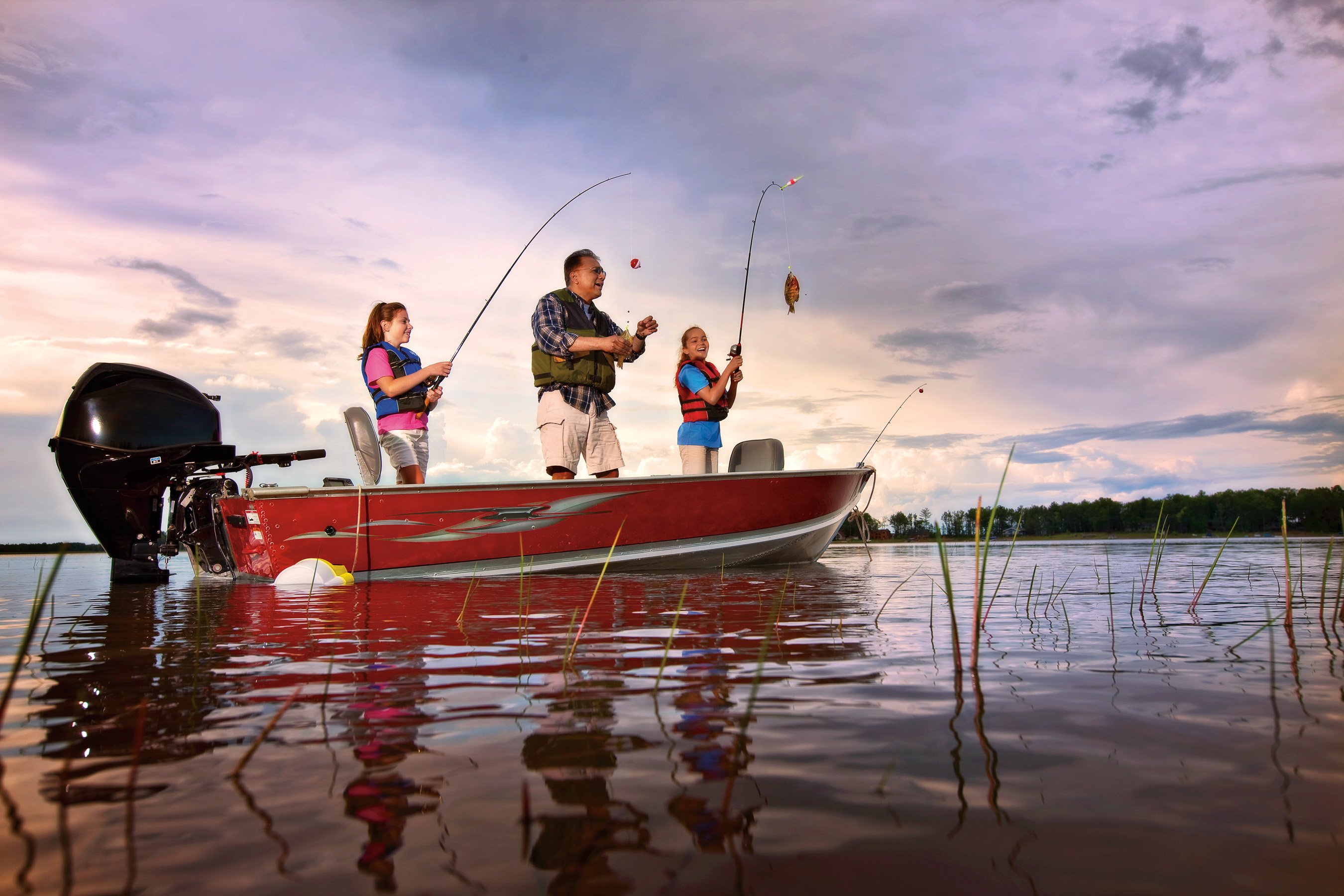
Quick answer: How do you fish from a boat in a lake?
To fish from a boat in a lake, start with a legal, safe boat setup and a medium-light or medium spinning combo. Wear a U.S. Coast Guard-approved life jacket, study a lake map, and begin near visible cover, points, weed lines, or depth changes. Use live bait, jigs, soft plastics, crankbaits, or bobbers based on the target fish. Move slowly, watch your line, and adjust depth often.

What you need for lake boat fishing
Successful boat fishing starts with a short list of useful gear. You do not need every lure in the tackle shop. You need a rod and reel that match the fish, line that suits the cover, a few proven rigs, and safety equipment that belongs on every boat.
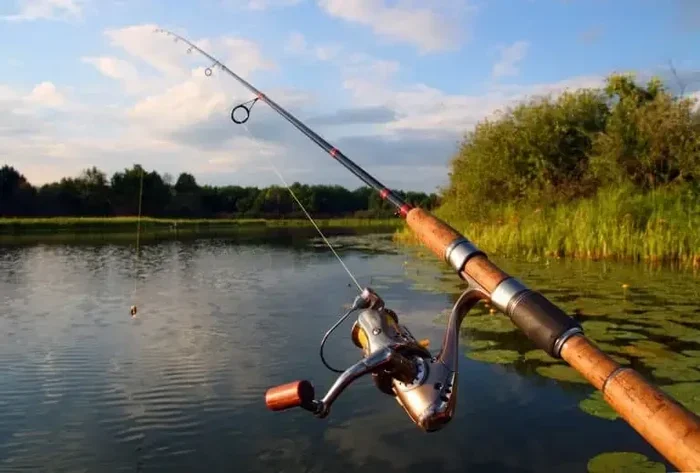
A spinning reel is the easiest choice for most beginners. A spincast combo is also friendly for kids and new anglers because it reduces line tangles. Experienced anglers may prefer baitcasters for bass lures, while fly rods work well when lake trout, trout, or panfish feed near the surface.
Basic boat-fishing gear
Your gear should fit the boat and the fish. A long rod can cast well, but it may be hard to store in a small kayak or crowded rental boat. A telescopic rod saves space, though many low-cost models have weaker guides and less crisp casting feel than a one-piece or two-piece rod.
| Item | Practical choice | Best suited to |
|---|---|---|
| Rod and reel | 6-foot-6 to 7-foot medium-light or medium spinning combo | Beginners, trout, bass, walleye, panfish |
| Main line | 6- to 10-pound monofilament or 10- to 20-pound braid | General lake fishing |
| Leader | 4- to 12-pound fluorocarbon | Clear water and wary fish |
| Hooks | Size 6 to 10 for panfish; 1/0 to 4/0 for bass baits | Live bait and soft plastics |
| Sinkers | Split shot, egg sinkers, or jig heads | Reaching the correct depth |
| Bobbers | Fixed or slip bobbers | Panfish, trout, and live bait |
| Tools | Pliers, line cutters, landing net, measuring tape | Safe fish handling |
| Safety gear | PFD, whistle, light, first-aid kit, sunscreen | Every boat angler |
A medium-light rod has a softer blank and handles lighter lures. A medium rod offers more lifting power for bass, walleye, and moderate cover. Rod action describes where the rod bends. Fast action bends near the tip and gives quick hook control, while moderate action bends farther down and can help keep treble-hook fish pinned.
Choosing line, leaders, and terminal tackle
Monofilament is affordable, easy to tie, and forgiving. It floats slightly and stretches under pressure, which can help new anglers avoid ripping hooks free. Fluorocarbon is harder for fish to see and sinks, so many anglers use it as a leader in clear water.
Braided line has little stretch and strong strength for its small diameter. It works well around weeds and deep water, but it can cut skin, dig into a spool, and expose weak knots. Use a fluorocarbon or monofilament leader when the water is clear or the fish have sharp teeth.
Terminal tackle means the small parts tied to the end of the line. It includes hooks, sinkers, swivels, bobbers, snaps, and leaders. Keep these items in small labeled boxes so you can change rigs without creating a pile of tangled line.
Boat and electronics essentials
A landing net protects fish and helps prevent the final few seconds from turning into a lost fish. Choose a rubber or coated net when possible. It is gentler on fish slime and less likely to catch hooks than rough nylon mesh.
A fish finder can show depth, bottom shape, water temperature, and sometimes fish arches. It is useful, but it does not replace basic lake knowledge. If you fish from a kayak or small boat, choose a compact unit that fits your craft and has a secure mount.
An anchor, drift sock, or shallow-water anchor helps you hold position. Use an anchor sized for your boat and conditions. A small craft can swing quickly in wind, so never assume that a light anchor will hold in strong weather.

Prepare the boat before you leave the dock
The best way to prevent trouble on the lake is to prepare before launching. Check the boat, fuel, battery, drain plug, anchor line, and safety gear in a set order. A five-minute check can prevent a long and dangerous swim.
Keep all loose gear low and secure. A tackle box, cooler, or battery can shift when someone stands or the boat turns. Balance the weight from side to side, and do not overload the boat beyond its capacity plate.
Use the right safety equipment
Every person should wear a properly fitted U.S. Coast Guard-approved personal flotation device, or PFD. Wear it while moving, while fishing from a small boat, and whenever weather or water conditions may change. A PFD stored under a seat cannot help during a sudden fall.
Carry a whistle or other sound device, navigation lights when required, a flashlight, a first-aid kit, drinking water, sunscreen, and a charged phone in a waterproof case. Bring an anchor with enough line for the depth, plus spare rope and basic tools.
⚠️ Safety Warning: Check the forecast, wind, storms, and lake advisories before launching. Tell someone where you will fish and when you expect to return. If you operate a motorboat, take a state-approved boating safety course when available.
Plan for weather and water
Wind affects boat control, casting, and safety. A calm morning can become rough by afternoon. Watch dark clouds, rising wind, distant lightning, and falling temperatures. Leave the water early if conditions begin to change.
Cold lake water can cause shock and loss of movement within minutes. Do not stand in a small boat unless it is designed for that use and the water is calm. Keep three points of contact when moving: two hands and one foot, or two feet and one hand.
Check rules before fishing
Fishing regulations vary by state, lake, species, and season. You may need a fishing license, boat registration, invasive-species inspection, or special permit. Some waters restrict live bait, lead tackle, barbed hooks, motor use, or the number and size of fish you may keep.
📜 Check Local Regulations: Confirm current rules with the state or local wildlife agency before your trip. Check size limits, bag limits, closed seasons, bait rules, and whether you must release certain species. Rules can change between connected lakes.

Find fish by reading the lake
Fish do not spread evenly across a lake. They often use places that provide food, cover, oxygen, or a quick path between shallow and deep water. Your first job is to locate these features.
Start with a paper map, digital lake map, or fish finder chart. Look for points, creek channels, submerged humps, flats next to deep water, weed lines, docks, rock piles, and fallen trees. These areas act like roads, homes, or feeding tables for fish.
Fish the most useful lake features
Points reach from shore into deeper water. They let fish move between shallow feeding areas and deeper refuge. Cast along both sides of a point, then work the tip before moving on.
Weed edges are strong summer spots for bass, bluegill, crappie, and pike. Fish often sit inside the weeds, along the outside edge, or near a pocket. A weed edge is rarely a straight line, so spend more time on bends, gaps, and corners.
Drop-offs are places where the bottom falls quickly from shallow to deep water. Use a jig, Carolina rig, live bait rig, or vertical presentation along the slope. Fish may hold at one depth for only part of the day.
| Lake feature | Fish often use it for | Good first presentation |
|---|---|---|
| Weed edge | Food, shade, ambush cover | Spinnerbait, soft plastic, live bait |
| Rocky point | Travel and feeding | Jig, crankbait, live minnow |
| Drop-off | Temperature and depth change | Jig, worm rig, slip bobber |
| Submerged timber | Cover and ambush | Texas-rigged worm, jig, minnow |
| Open-water hump | Baitfish and feeding | Swimbait, spoon, trolling lure |
| Creek channel | Travel and cooler water | Deep jig, crawler rig, crankbait |
The key takeaway is to fish structure first, not random water. A small change in depth or bottom type can matter more than a large area that looks empty.
Use depth and temperature clues
Water temperature affects fish activity, but it does not tell you everything. In spring, many fish move toward warming flats and protected coves. In summer, fish may seek deeper water, shade, current, or cooler inflows. In fall, baitfish movement can pull predators toward points and shorelines.
A fish finder can reveal depth changes and suspended fish. If you see fish at 18 feet, place your bait near 18 feet instead of dragging it across the bottom at 30 feet. If you do not have electronics, use a slip bobber, countdown method, or marked line to test different depths.

Choose a fishing method that fits the lake
There is no single best way to fish from a boat. Casting, drifting, anchoring, and trolling each suit different conditions. Start with the method that lets you control depth and cover without creating a safety problem.
Casting from an anchored boat
Anchoring works well when fish hold on a clear feature. Position the boat far enough away that your casts reach the target. In shallow water, lower the anchor gently to avoid noise. In deeper water, let out enough line for the anchor to grip.
Cast beyond the target and bring the lure through it. For a weed edge, cast parallel to the edge so the lure stays in the strike zone longer. For a point, cast across the slope and vary the retrieve speed.
Do not anchor in a busy channel, below a dam, or where wind can push the boat into rocks. Keep the anchor line away from the propeller and never wrap it around your wrist or body.
Drifting and controlled drifting
Drifting lets wind move the boat across a flat, weed line, or drop-off. It works well for live bait, soft plastics, and jigs. Drift slowly enough to keep contact with the bottom or maintain a steady bobber depth.
A drift sock creates drag and slows the boat. It can help a kayak, canoe, or small boat stay on a productive line. Check the cord often, and release the sock before crossing shallow hazards or returning to the dock.
Trolling across open water
Trolling means moving the boat while a lure or bait follows behind. It can locate fish across large lakes, especially trout, walleye, salmon, and suspended bass. Use a steady speed and change one variable at a time, such as lure depth, color, or distance behind the boat.
Trolling speed depends on the lure and species. A small crankbait may work at a slow pace, while some spoons or spinner rigs need more speed. Watch the rod tip. A steady pulsing action often shows the lure is working, while a dead rod may mean weeds, a fouled hook, or poor lure movement.
Keep rods secure in holders. Never place a rod across a walkway where someone can step on it. Follow local rules on the number of lines and rods allowed per angler.
Vertical jigging
Vertical jigging is useful over deep structure. Lower a jig, spoon, or soft plastic to the fish, then lift it with short hops. Keep a slight bow in the line but stay ready for a bite as the lure falls.
A jig is a weighted hook with a molded head. Jigs work with soft plastics, live bait, or feathers. Use a heavier jig in deep water, current, or wind, but choose the lightest weight that still gives you bottom contact.

Set up rigs for common lake fish
Your rig should match the species, depth, cover, and bait. A simple rig catches a wide range of freshwater fish and is easier to change in a moving boat. Tie knots before you leave when possible, and bring spare leaders.
Panfish and trout rig
For bluegill, perch, crappie, and stocked trout, use a light spinning or spincast combo. Try 4- to 8-pound line, a size 6 to 10 hook, a small split shot, and a fixed or slip bobber.
Use worms, maggots where legal, small minnows, or tiny jigs. Set the bait just above weeds or near a drop-off. If the bobber sits still for ten minutes, change depth or move a short distance.
For trout, a 6-foot-6 medium-light spinning rod with 4- to 6-pound monofilament offers good control. In clear water, add a 2- to 4-foot fluorocarbon leader. Trout can be delicate, so use a soft drag and a net.
Bass rig
Bass anglers often use a medium or medium-heavy rod with a fast action. Use 8- to 15-pound monofilament or fluorocarbon, or 15- to 30-pound braid around heavy weeds. A baitcaster offers strong lure control, but a spinning reel is easier for beginners and light lures.
Useful bass presentations include Texas-rigged soft plastics, wacky worms, spinnerbaits, crankbaits, jigs, frogs, and swimbaits. A Texas rig places the hook point into the soft plastic to reduce snags. It works well around weeds and wood.
| Target fish | Rod and line starting point | Useful baits and lures |
|---|---|---|
| Panfish | 6- to 7-foot ultralight or light; 4- to 8-pound line | Worms, small jigs, tiny spinners |
| Trout | 6- to 7-foot light or medium-light; 4- to 8-pound line | Spoons, spinners, worms, flies |
| Bass | 6- to 7-foot medium; 10- to 20-pound line | Soft plastics, jigs, crankbaits |
| Walleye | 6- to 7-foot medium-light; 6- to 12-pound line | Jigs, minnows, crawler rigs |
| Catfish | 7- to 8-foot medium-heavy; 15- to 30-pound line | Cut bait, worms, stink bait |
| Pike | 6- to 7-foot medium-heavy; 15- to 30-pound line | Spoons, swimbaits, steel or heavy leader |
These are starting points, not strict rules. Clear water may call for lighter line. Heavy cover, large catfish, or toothy pike may require stronger line and a bite-resistant leader.
Walleye and catfish rigs
Walleye often respond to jigs tipped with minnows, nightcrawlers, or soft plastics. A slip bobber can hold live bait above a rocky bottom, weed edge, or drop-off. Use a medium-light rod with enough backbone to control a larger fish.
Catfish need a stronger setup. A medium-heavy rod, 15- to 30-pound line, and a sliding sinker rig can handle large fish in many lakes. Keep the hook point clear of bait. A dull or buried hook may cause missed bites.
Fly fishing from a boat
A fly rod can be effective from a boat, especially when trout, bass, or panfish feed near the surface. A 5- or 6-weight fly rod is a practical all-around choice for many freshwater lakes. Use a floating line for dry flies and shallow streamers, or a sinking tip for deeper presentations.
Fly casting needs clear space behind you. Watch the wind and keep hooks away from passengers. A boat deck can make false casting difficult, so use short casts and strip line into a basket or clean area.

Cast, retrieve, and control the boat
Boat fishing improves when you separate boat control from lure control. If the boat drifts over the target while you cast, the fish may spook and your lure may leave the strike zone. Use the motor, anchor, or drift sock to hold a useful angle.
Cast at a target, not just toward open water. Aim for the edge of a dock shadow, a hole in weeds, the downwind side of a point, or the deep side of a rock pile. Let the lure reach the right depth before you start a steady retrieve.
A simple casting process
- Point the boat so wind and waves help rather than fight you.
- Secure loose tackle, hooks, and rods behind the casting area.
- Check that no person, line, or object is behind you.
- Cast past the target when possible.
- Count the lure down or watch the line as it sinks.
- Retrieve at a steady pace first.
- Change speed, pauses, or depth if fish do not respond.
- Set the hook with controlled pressure.
- Keep the rod pointed away from people and the motor.
- Use a net when the fish reaches the boat.
A hook set should match the rig. With a jig or single hook, lift firmly when you feel weight or a clear tap. With a crankbait, keep steady pressure and avoid a wild, hard jerk. Treble hooks can tear free when an angler pulls too sharply.
Manage the drag
Drag is the reel system that lets line leave the spool under pressure. Set it tight enough to drive the hook home, but loose enough to protect light line. Test it by pulling line from the rod tip before fishing.
When a fish runs, keep the rod bent and let the drag work. Do not grab the line near the spool or clamp the reel handle. Move the boat only when needed, and keep the fish away from the anchor rope, motor, and other lines.
Land fish safely
Guide the fish into open water beside the boat. Do not lift a large fish by the line. Use a landing net with the fish’s head entering first. Keep fingers away from the mouth of pike, muskie, and other toothy fish.
For catch and release, wet your hands before touching the fish. Remove the hook with pliers, keep the fish out of the air for as little time as possible, and support its body in the water before release. Large bass and other heavy fish need belly support, not a long grip by the jaw.
🌿 Conservation Note: Cut old fishing line from branches, docks, and boat props. Discard hooks, line, and bait containers in a trash bin. Never release unused minnows or other live bait into a lake unless local rules clearly allow it.

Fish in different seasons and conditions
Lake fish change location as light, temperature, oxygen, and food change. A location that worked yesterday may fail today. Watch the water and adjust your depth before changing every lure in the box.
| Condition | Where to start | Presentation |
|---|---|---|
| Cool spring water | Protected coves, flats, creek mouths | Slow jigs, small crankbaits, live bait |
| Bright summer day | Shade, weeds, deep edges, cool inflows | Texas rigs, jigs, deep baits |
| Cloudy or windy day | Windblown points and shorelines | Spinnerbaits, crankbaits, moving lures |
| Fall baitfish activity | Points, creek arms, open-water edges | Spoons, jigs, swimbaits |
| Low-light morning | Shallow cover and weed tops | Topwater, shallow crankbaits |
| Cold winter water | Deep basins and steep breaks | Small jigs, vertical presentations |
The main lesson is to change depth before changing color. Fish often ignore a perfect lure that is several feet above or below them.
Fishing in wind
Wind pushes plankton and baitfish toward a shoreline. That can make the windblown side of a lake productive. However, strong wind may make casting and boat control unsafe.
Keep the bow pointed into waves when traveling at speed. Slow down near wakes and shallow hazards. In a small craft, fish the protected side of the lake rather than forcing a rough crossing.
Fishing after rain
Rain can cool the surface and add runoff. Look for inflowing creeks, dirty water edges, and areas where insects or baitfish collect. Avoid fishing near unsafe flood water, fast current, or floating debris.
In muddy water, use vibration, flash, or a stronger silhouette. A spinnerbait, rattling crankbait, or dark soft plastic may be easier for fish to locate. Keep your retrieve steady and close to cover.

Common boat-fishing mistakes and easy fixes
New anglers often focus on buying more lures when the real problem is boat position, depth, or line control. Experienced anglers make similar mistakes when they rush or fish from habit. Small changes can make the day calmer and more productive.
| Problem | Likely cause | Better solution |
|---|---|---|
| Constant snags | Lure is too deep or line angle is poor | Change weight, angle, or lure |
| No bites near cover | Boat is too close or too loud | Move back and cast past the target |
| Bobber never moves | Wrong depth or inactive area | Change depth by 2 to 4 feet |
| Fish break the line | Drag is too tight or line is damaged | Retie, inspect, and loosen drag |
| Trolling lure runs poorly | Weeds or wrong speed | Clear the lure and adjust speed |
| Frequent tangles | Loose line or poor spool fill | Close bail by hand and check line |
| Lost fish at boat | No net or rushed landing | Keep pressure and net headfirst |
One common mistake is circling a spot without learning why fish use it. Make a few casts at different angles, test two depths, and then move if the area gives no sign of life.
Another mistake is making too much noise. Dropped tackle boxes, running motors, and anchor chains can push fish away in shallow water. Move with purpose, but keep the boat quiet when fishing clear, calm water.
Avoid line and lure trouble
Spinning reels can develop line loops when the spool is overfilled or the bail is closed by turning the handle. Fill the spool to about 1/8 inch below the rim, and close the bail by hand after each cast.
Baitcasters can backlash when the spool spins faster than the lure. Backlash is a nest of loose line caused by excess spool speed. Start with heavier lures, set the spool tension correctly, and use the reel’s braking system until your thumb control improves.
🔧 Quick Fix: If a lure snags, point the rod straight at it and pull the line from a safe angle. Do not whip the rod or wrap line around your hand. When possible, approach the snag with the boat and free it with pliers.

Make lake fishing easier for beginners and kids
The best beginner setup is simple, light, and easy to repair. A 6- to 7-foot spincast or spinning combo, 6- to 10-pound monofilament, small hooks, bobbers, and live bait cover many lake situations.
Kids often learn faster when they can see the bobber move. Panfish near docks, weeds, or shallow cover provide a clear lesson in depth, patience, and safe hook handling. Keep trips short at first, and bring water, snacks, sun protection, and a spare shirt.
A practical starter setup
| Angler | Rod and reel | Simple rig |
|---|---|---|
| Young child | 4- to 5-6 light spincast combo | Small bobber, size 8 hook, worm |
| Adult beginner | 6- to 7-foot medium-light spinning combo | Slip bobber, small jig, or worm |
| Bass beginner | 6- to 7-foot medium spinning combo | Texas-rigged worm or small spinnerbait |
| Experienced angler | Medium or medium-heavy spinning or baitcasting setup | Match lure, cover, and target species |
A parent buying a first setup should favor easy line replacement, a comfortable handle, and a reel that fits the angler’s hand. Avoid buying a very long rod for a small child. A shorter rod is easier to control inside a boat.
👪 Parent or Gift-Buyer Note: Give children a safe casting lane and teach them to announce when they move a hook. A small tackle box with forceps, line cutters, bobbers, and soft baits is often more useful than a large collection of hard lures.
Teach boat manners
Keep hooks in a covered tackle box when not in use. Store knives and pliers where children can reach them only with permission. Do not let anyone cast while another person is moving around the boat.
Teach kids to hold fish with wet hands and to release small fish gently. Let them help read the map, choose a bobber depth, or watch the fish finder. These tasks build skill without putting them at risk.

Budget, travel, and gear-care advice
You can begin lake boat fishing for a modest cost if you already have access to a boat. Current pricing ranges from low-cost spincast combos and basic tackle to premium rods, reels, electronics, and boat accessories. Check the latest listing for updated features, warranties, and line capacity.
A budget setup should prioritize safety, a reliable reel, fresh line, and a small set of proven lures. Premium gear may offer lighter materials, smoother drag, better guides, stronger reel components, and improved balance. It is worth the money for anglers who fish often, but it will not replace good boat position or careful technique.
Price tiers for a first setup
| Budget level | Typical focus | Best for |
|---|---|---|
| Entry level | Spincast combo, monofilament, hooks, bobbers, worms | Kids and first-time anglers |
| Mid-range | Spinning combo, better drag, spare spool, mixed lures | Regular lake anglers |
| Higher end | Specialized rods, baitcasters, braid, electronics | Experienced anglers and target species |
A telescopic rod is useful for travel, car storage, and gift buyers who do not know the angler’s boat size. A two-piece rod often gives better performance and remains easy to transport. Check that the guides align and the sections seat firmly before fishing.
Clean and store your tackle
Freshwater gear still needs care. Wipe rods and reels after use, remove weeds from guides, dry the boat, and loosen the reel drag before storage. Replace line that shows nicks, flat spots, memory, or sun damage.
If you use gear in brackish or saltwater, rinse it with low-pressure fresh water and dry it fully. Salt crystals can damage stainless parts, aluminum frames, bearings, and line guides. Do not blast water into reel openings.
Rinse landing nets, pliers, hooks, and lures after saltwater use. Store soft plastics away from some hard plastics, as chemical reactions can melt or discolor them. Keep hooks dry and replace rusty hooks before they weaken.
Use a simple maintenance schedule
| Task | When to do it | Why it matters |
|---|---|---|
| Inspect line and knots | Every trip | Finds damage before a fish does |
| Wipe rods and reels | After each trip | Removes dirt and moisture |
| Rinse saltwater gear | Every saltwater trip | Slows corrosion |
| Check PFDs and lights | Monthly during use | Confirms safety gear works |
| Service reel bearings and drag | As the maker advises | Preserves smooth operation |
| Replace rusty hooks | When rust appears | Maintains hook strength |
Do not store wet gear in a sealed box. Let tackle dry first. Keep batteries, electronics, and phones in dry bags or waterproof cases.

Boat fishing versus shore, pier, kayak, and ice fishing
Boat fishing gives you mobility and access to deeper water, but it also adds cost, safety duties, and storage needs. Shore and pier fishing are simpler and often better for a short trip. Kayak fishing offers quiet access and low operating costs, but it demands careful balance and weather judgment.
Ice fishing uses short ice fishing rods, small jigs, and shelters rather than long casting rods. Fly fishing from a boat suits surface feeding and open casting lanes. Surf fishing and redfish gear are built for saltwater, waves, and longer casts, so they are not direct substitutes for most lake setups.
The right method depends on travel limits, target species, budget, and comfort on the water. A beginner may prefer a rental boat with a guide. An experienced angler may choose a small aluminum boat with a fish finder. A gift buyer may choose a portable spinning combo that works from a boat, dock, or shore.
Know when a boat is not the best choice
Avoid boating in storms, unsafe wind, heavy fog, or water conditions beyond your skill. If you only have one free hour, shore or pier fishing may give you more fishing time than launching a boat.
For kayak fishing, secure rods, tackle, and electronics before leaving shore. Wear your PFD, stay within the kayak’s weight capacity, and avoid standing unless the kayak is designed and rated for it. A kayak course can teach self-rescue and safe reentry.

FAQs about fishing from a boat in a lake
What is the best rod for fishing from a lake boat?
A 6-foot-6 to 7-foot medium-light or medium spinning rod is the most useful general choice. Medium-light power suits trout, panfish, and light lures. Medium power gives more control for bass, walleye, and moderate cover. Choose a shorter rod if the boat is crowded or you fish with young children.
Should I use a spinning reel or baitcaster from a boat?
A spinning reel is easier for beginners, light lures, and finesse fishing. A baitcaster offers strong control for heavier bass lures, but it takes practice to prevent backlash. For a first setup or gift, a spinning or spincast combo is usually the safer choice.
How deep should I fish in a lake?
Start near visible cover, weed edges, points, or depth changes. Test several depths instead of assuming fish are on the bottom. A slip bobber, countdown method, jig, or fish finder can help you locate the depth fish are using that day.
Is live bait better than lures from a boat?
Live bait can be simple and effective for panfish, trout, walleye, and catfish. Lures let you cover more water and target fish by movement, flash, or vibration. Use the legal option that fits your skill, target species, and lake conditions.
How far should I cast from a boat?
Cast far enough to reach fish without placing the boat directly over them. In shallow, clear water, longer casts can reduce disturbance. Around deep structure, a shorter accurate cast may be better. Cast parallel to weed lines and shore breaks when possible.
Do I need a fish finder to fish from a boat?
No. A fish finder helps you understand depth, bottom shape, temperature, and fish location, but you can catch fish by reading visible cover and using a map. Beginners should learn basic water reading before relying only on electronics.
How do I stop a boat from drifting while fishing?
Use an anchor, drift sock, shallow-water anchor, trolling motor, or the boat’s positioning system. Choose the method based on depth, wind, bottom type, and boat size. Never anchor in a navigation channel or where a changing current could create danger.
How do I land a fish from a boat?
Keep steady pressure, clear other lines, and guide the fish beside the boat. Use a landing net when possible. Net the fish headfirst, then remove the hook with pliers. Do not lift a heavy fish by the line or swing it into the boat.
What line is best for lake boat fishing?
Monofilament is the easiest all-around line for beginners. Fluorocarbon helps in clear water and works well as a leader. Braided line gives strength and sensitivity around weeds and deep water. Match line test to the fish, cover, lure, and local conditions.
Can I fish from a boat in cold weather?
Yes, but cold water raises the risk of hypothermia and capsizing. Wear a PFD, dress for immersion, check the forecast, and avoid rough conditions. Tell someone your plan. Cold-water boating or rescue training is a smart choice for anglers who fish early in the season.
How do I keep hooks safe in a small boat?
Use covered tackle boxes, hook keepers, and lure wraps. Store rods in holders when not casting. Announce when you move a rod or hook. Children should have a clear casting lane and should not handle hooks or knives without close supervision.
What should I do with fish I plan to release?
Wet your hands, keep the fish in the water as much as possible, and use pliers to remove the hook. Support large fish under the belly. Avoid squeezing the body or touching the gills. If the fish is deeply hooked, follow local guidance on the best release method.
Do I need a license to fish from a boat?
In most U.S. states, anglers need a valid fishing license, with some exceptions for age or special events. Rules differ by state and water. Check the local wildlife agency for license rules, species limits, boat rules, and bait restrictions before you fish.
Final advice for your next lake trip
The best way to learn how to fish from a boat in a lake is to keep the first trip simple. Choose one or two target species, bring one dependable rod setup, and fish clear features such as weed edges, points, docks, creek mouths, and drop-offs. Spend more time controlling depth and boat position than changing lure color.
Wear a PFD, check the weather, tell someone your plan, and follow local regulations. Start with a spinning or spincast combo, fresh line, a few hooks, bobbers, sinkers, jigs, soft plastics, and live bait where legal. With safe habits and steady practice, each trip will teach you more about the lake, the fish, and your own equipment.