How To Find Fish In A Lake: Best Fishing Tips
Finding fish in a lake is less about luck and more about reading water, weather, depth, cover, and food. Fish rarely spread across the whole lake at random. They gather near places that offer food, shelter, oxygen, and a comfortable water temperature.
You do not need an expensive boat or advanced fish finder to start. A shore angler with polarized sunglasses, a simple spinning reel, and a few proven lures can learn a lake’s pattern. A kayak angler can add depth and structure clues. A boat angler can use sonar to search large areas faster.
The goal is simple: find the conditions fish prefer, then present a bait or lure at the right depth without making too much noise.

Quick Answer: How Do You Find Fish in a Lake?
The best way to find fish in a lake is to study depth, cover, water temperature, current, and available food. Start near points, weed edges, drop-offs, docks, fallen trees, creek channels, and submerged rocks. Fish these areas at different depths. Use a lake map or fish finder when available, and adjust your location as weather, season, light, and water temperature change.

Understand Why Fish Choose Certain Places
Lake fish move for four main reasons: food, shelter, oxygen, and temperature. These needs change during the day and across the year. Once you understand them, a lake map becomes a useful fishing tool instead of a confusing picture.
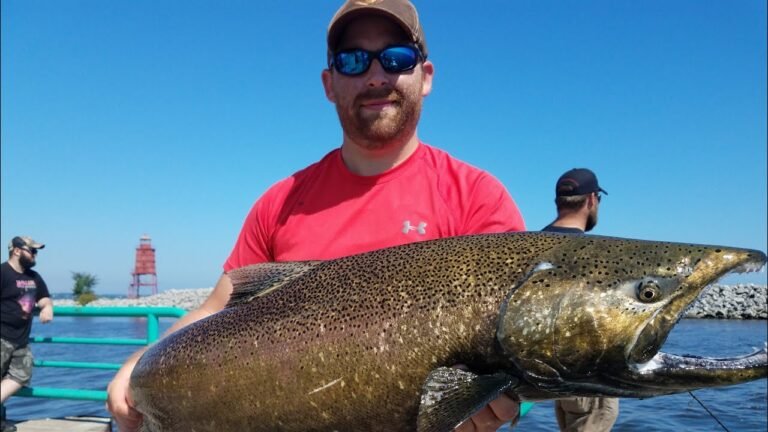
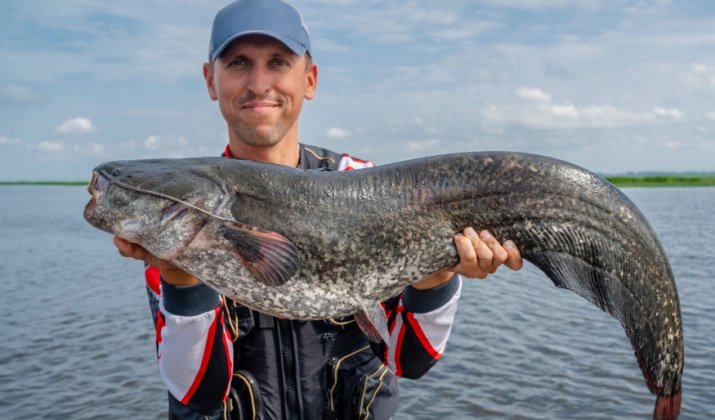
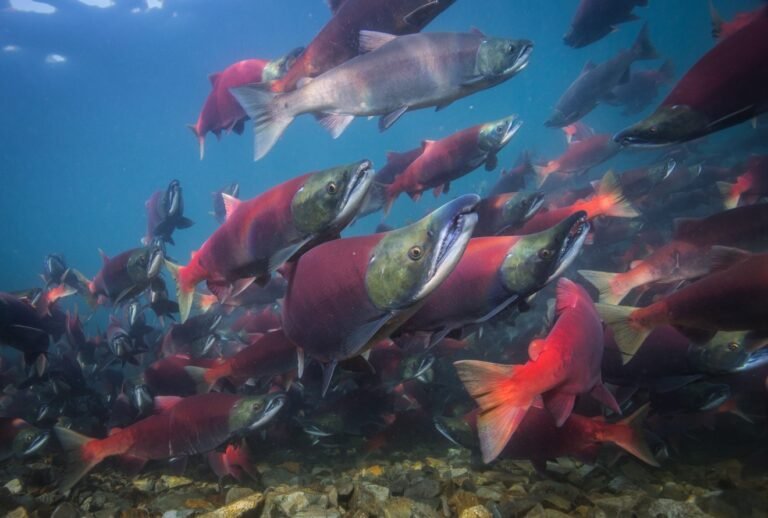
Bass may hold near weeds, wood, rocks, or a drop-off where prey can hide. Walleye often use points, gravel, humps, and depth changes. Trout may seek cold, clean water with good oxygen. Catfish often search the bottom near channels, flats, creek mouths, and areas where food collects.
Panfish such as bluegill and crappie often stay near shallow cover during warm months. They may move deeper when the water cools or when bright sunlight makes shallow water feel unsafe.
Food Draws Fish to Specific Areas
Fish follow food. Baitfish, insects, crayfish, worms, frogs, and small aquatic animals gather in certain parts of a lake. Weed beds can hold insects and minnows. Rocky banks can provide crayfish. Muddy creek mouths can carry worms and other food into the lake.
Look for signs of life. Small minnows near the bank, diving birds, surface insects, or baitfish flicking through the water can reveal a feeding area. A quiet patch of water is not always empty, but active food often gives you a strong clue.

Cover Gives Fish Protection
Cover means something that gives fish shade or a place to hide. Common examples include:
- Fallen trees and brush
- Standing timber
- Weed beds
- Docks and boat ramps
- Rock piles
- Large boulders
- Bridge supports
- Lily pads
- Riprap banks
- Submerged stumps
Bass, crappie, and panfish often use cover. Catfish may rest near cover but also move onto open flats to feed. Trout may prefer open water, cool springs, deep holes, or areas with current.
Cover is especially useful in clear water. Fish can hide from birds and larger predators while waiting for prey to pass.

Structure Changes Depth and Movement
Structure is the shape of the lake bottom. It includes points, humps, channels, ledges, holes, saddles, and drop-offs. A point is land that extends underwater. A hump is a raised area surrounded by deeper water. A ledge is a sharp depth change.
Fish often use structure like a road. They travel along a point or channel from deep water to a feeding flat. This is why a small depth change can be better than a large area of featureless bottom.
| Lake feature | Why fish may use it | Good starting targets |
|---|---|---|
| Point | Connects shallow and deep water | Bass, walleye, crappie |
| Creek channel | Provides a travel route and depth | Catfish, bass, walleye |
| Weed edge | Holds insects and baitfish | Bass, panfish, pike |
| Rock pile | Offers cover and food | Bass, walleye, trout |
| Flat near deep water | Provides a feeding area | Catfish, bass, panfish |
Start at the deepest nearby water and work toward the shallow edge. Fish may be on either side of a structure feature, so do not cast only to the visible part.
Read a Lake Before You Cast
A few minutes of observation can save an hour of blind casting. Before you unpack your tackle box, look at the wind, water color, shoreline shape, vegetation, and surface activity.
The best spot at noon may not be the best spot at sunrise. Fish move as light, temperature, and wind change. A good angler keeps asking, “What changed, and where would food move because of it?”
Use a Lake Map and Depth Contours
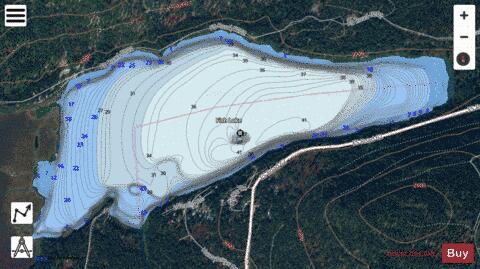
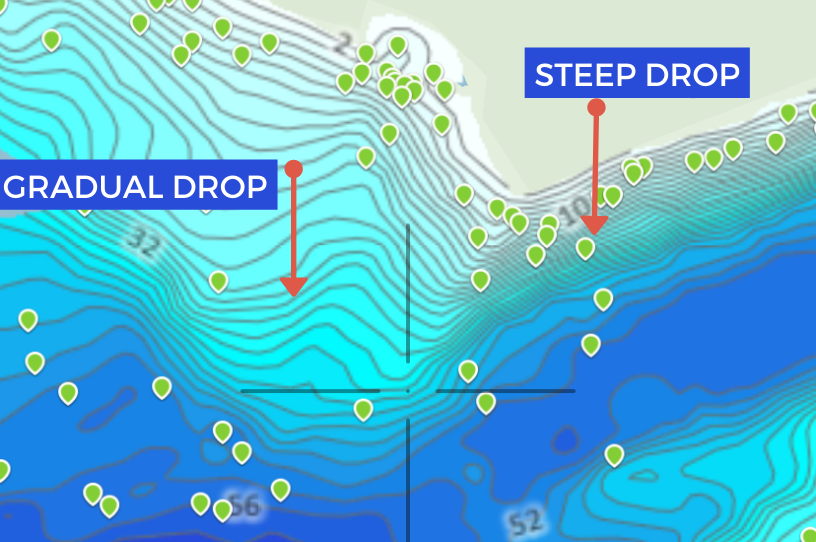
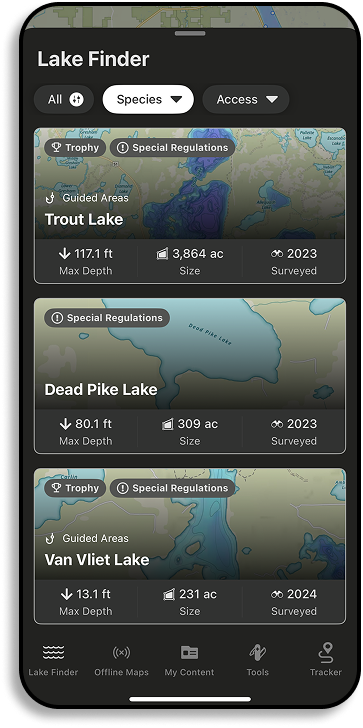
A depth map shows how deep the lake is in different areas. Lines that sit close together show a steep drop-off. Lines spaced far apart show a gradual slope. A small hump, point, or creek channel may look minor, but it can be a key fish location.
Look for these map features:
- Main-lake points
- Secondary points inside coves
- Creek channels
- Flats beside deep water
- Saddles between two humps
- Sharp bends in channels
- Old roadbeds or submerged bridges
- Islands with steep banks
Paper maps, state lake maps, marine charts, and mapping apps can all help. Mark productive areas, but do not assume a spot will work in every season.

Watch the Wind
Wind moves plankton and small baitfish. Larger fish often follow that food. A windblown bank can become productive because waves push food into the shoreline.
On a calm day, fish may spread out or hold deeper. On a windy day, start on the side receiving the wind, especially if the water is not dangerously rough. A moderate breeze can improve fishing, but strong wind can make boat control and casting unsafe.
A windblown point, rocky bank, or weed edge is a useful first stop for bass and walleye. Catfish may also feed where wind and waves stir the bottom.
Check Water Clarity and Color
Water clarity affects fish behavior and lure choice. In clear water, fish can see farther. Natural colors and lighter line may work well. In stained water, vibration, movement, and contrast become more important.
Look at your lure in the water before fishing. If you cannot see it below a few inches, choose a lure that makes sound or vibration. Spinnerbaits, crankbaits, jigs, and soft plastics with strong movement can help fish locate your presentation.
| Water condition | What it tells you | Useful approach |
|---|---|---|
| Clear | Fish may see line and lures well | Natural colors, fluorocarbon leader, longer casts |
| Stained | Fish rely more on vibration and contrast | Bright or dark colors, jigs, spinnerbaits |
| Muddy | Fish may hold tight to cover | Slow presentations, strong vibration, close casts |
Do not treat water color as a strict rule. Weather, depth, light, and species all matter. Test one natural presentation and one high-contrast presentation before changing locations.

Find Fish by Season
Fish patterns change with water temperature and daylight. You do not need to know the exact temperature to use seasonal clues, but a thermometer can improve your decisions.
Spring often brings fish toward warming shallows. Summer pushes many fish deeper or into shade during the day. Fall can spread feeding fish across points and flats. Winter usually makes fish less active, with many species holding in stable, deeper water.
Spring Lake Fishing
In spring, fish may move from deep winter areas toward shallow flats. They often stop at staging areas such as secondary points, drop-offs, and creek channels.
Look for:
- South-facing banks that warm early
- Shallow flats beside deep water
- Gravel and rocky areas
- Creek mouths
- Protected coves
- New weed growth
- Points leading into spawning areas
Bass may move shallow during warm weather, then slide deeper after a cold front. Crappie often use brush, timber, and shallow cover. Trout may stay in cool water even when other fish move into the shallows.

Summer Lake Fishing
Warm water can reduce oxygen in shallow areas, especially when weeds become dense or begin to decay. Fish often seek shade, deeper water, current, or vegetation that still produces oxygen.
Fish early morning and late evening in shallow cover. During bright midday periods, try:
- Deep weed lines
- Boat docks
- Shade
- Ledges
- Creek channels
- Main-lake points
- Deep brush
- Current near inflows
A fish finder can help locate depth changes and suspended fish. Without electronics, use a countdown method. Cast a lure, let it sink for five seconds, retrieve it, then repeat with 10 and 15 seconds. This helps you search different depths.
Fall Lake Fishing
Fall can produce strong feeding periods because fish prepare for colder weather. Baitfish often move into coves, creek arms, and shallow flats. Bass, walleye, and other predators may follow them.
Watch for:
- Baitfish near the surface
- Birds diving on minnows
- Windblown banks
- Creek arms
- Rocky points
- Flats near creek channels
Use crankbaits, jigs, spoons, swimbaits, and live bait where legal. Keep moving until you find signs of bait or active fish.
Winter and Ice Fishing
Cold water slows many fish, but it does not make them disappear. They often gather near deep basins, steep breaks, springs, creek channels, and areas with stable temperature.
For ice fishing, use an ice fishing rod, small jig, live bait, and an underwater flasher or fish finder when permitted. Panfish may suspend above deep water. Trout may cruise at several depths. Walleye often move during low light.
Ice safety comes first. Check local ice reports, measure ice in more than one location, avoid unknown ice near current, and never fish alone. Wear proper flotation clothing when appropriate, carry ice picks, and tell someone your plan. A professional ice-safety course is a good choice for new anglers.

| Season | Common fish location | Useful search method |
|---|---|---|
| Spring | Warming flats, staging points, creek mouths | Fish shallow first, then check nearby depth |
| Summer | Shade, weeds, ledges, deep channels | Fish low-light periods and search depth |
| Fall | Creek arms, baitfish schools, windy banks | Follow bait and cover water |
| Winter | Deep basins, breaks, stable water | Fish slowly at known depth zones |
Seasonal patterns are starting points, not promises. A cold front, heavy rain, lake drawdown, or unusual heat can change the pattern quickly.
Use Shoreline Clues to Find Fish
Shore fishing can be highly effective when you choose the right bank. You do not need access to the middle of the lake to find fish. Look for places where the bank gives fish food, cover, or a fast route to deeper water.
Good shore locations include:
- Creek mouths
- Public fishing piers
- Dam areas where legal
- Bridge crossings
- Riprap banks
- Boat ramps
- Weed edges
- Fallen trees
- Steep banks
- Points
- Inlets and outflows
Cast parallel to the bank before casting straight out. Fish often sit along the edge of weeds, rocks, or shade. A parallel cast keeps your lure in the strike zone longer.
Shore anglers should also watch for access limits. Some banks are private, some areas close during spawning seasons, and some lakes restrict bait or hooks.

Best Shore Gear for Finding Fish
A 6-foot-6-inch to 7-foot medium-light or medium spinning rod is a useful choice for many lake species. Pair it with a 2000 to 3000 size spinning reel and 6- to 10-pound monofilament for panfish, trout, and light bass work.
For larger bass, catfish, or heavy cover, a 7-foot medium-heavy rod with 10- to 15-pound line gives more control. Braided line can help with long casts and weeds, but use a fluorocarbon or monofilament leader when clear water or abrasion is a concern.
A spincast combo suits young anglers and gift buyers who want simple operation. A spinning reel suits beginners who want more casting range and lure choices. A baitcaster offers control and power for experienced bass anglers, but backlash can frustrate new users.
Use Polarized Sunglasses
Polarized sunglasses reduce glare from the water. They can help you see weed edges, rocks, drop-offs, and cruising fish in clear water. They also protect your eyes from hooks and bright sun.
Choose lenses that fit securely and have impact-resistant construction. Sunglasses do not replace safe casting habits. Always check behind you before casting.
Search Large Lakes Efficiently
Large lakes can overwhelm new anglers. The answer is not to fish everywhere. Divide the lake into smaller sections and search one type of feature at a time.
For example, fish three main-lake points with the same lure. Then check three weed edges. If one type of location produces signs of life, repeat that pattern nearby.
This approach helps you learn whether fish prefer depth, cover, water color, or structure. It also prevents random movement from hiding the pattern.
Fish High-Percentage Areas First
A high-percentage area combines more than one fish need. A point with rocks, a weed edge, and access to deep water is stronger than a plain bank. A creek mouth with current and a nearby channel can attract several species.
Use this order when time is limited:
- Windblown points
- Weed edges near deep water
- Creek mouths
- Docks and fallen trees
- Rock transitions
- Channel bends
- Deep flats with baitfish
Fish the outside edge first. Then work into the cover if the area is safe to cast.
Change Depth Before Changing Everything
Many anglers change lures too fast. If fish are present but not biting, change the depth before changing to a completely different method.
Try:
- A faster retrieve near the surface
- A pause beside cover
- A deeper sink count
- A bottom-bouncing jig
- A bobber set at a new depth
- A heavier sinker
- A lighter presentation
A simple depth change can turn a quiet area into a productive one.
| Problem | First adjustment | Second adjustment |
|---|---|---|
| No bites in shallow water | Fish deeper | Move near a drop-off or channel |
| Fish follow but do not strike | Slow the retrieve | Use a smaller or more natural lure |
| Lure hangs in weeds | Move above the weeds | Use a weedless soft plastic |
| Bottom contact feels poor | Change sinker weight | Use a more sensitive rod or braided line |
| Bait disappears quickly | Shorten leader or check hook | Move near cover or use a bobber |
The table gives a search plan, not a guarantee. Fish may be inactive, pressured, or feeding on a different food source.

Use Electronics Without Losing Basic Skills
A fish finder uses sonar to send sound waves into the water and read the returning signal. It can show depth, bottom shape, weeds, structure, and sometimes fish arches.
A fish finder helps most when you use it to answer clear questions. Ask, “How deep is this point?” or “Does this drop-off have bait?” Do not treat every mark as a fish.
What Fish Finder Images Can Tell You
A hard, thick bottom return may suggest rock or firm clay. A soft return may suggest mud. Weed lines may appear as uneven or rising shapes. Fish marks can appear as arches, lines, or clouds, depending on fish movement and the unit.
Learn these basic screen clues:
- Depth reading
- Bottom hardness
- Drop-offs
- Weed growth
- Suspended bait
- Fish arches
- Temperature
- GPS position
- Mapping contours
Different brands display information in different ways. Read the current manual for your model. Keep the transducer clean and mounted correctly.
How to Use a Fish Finder from a Boat or Kayak
Move slowly over a target area. Mark the depth and position when you see useful structure or bait. Circle back and approach from a different angle if needed.
For kayak fishing, keep electronics simple and secure. Use a waterproof battery box, a short transducer cable, and a mount that will not interfere with paddling. Keep the kayak within its rated weight capacity, including your body, battery, tackle, cooler, and landing net.
Wear a U.S. Coast Guard–approved personal flotation device every time you fish from a kayak or boat. Check the weather, tell someone your route, and carry a phone or marine communication device in a waterproof case.
Match Your Gear to the Fish and Water
Finding fish becomes easier when your tackle lets you control depth and presentation. You do not need every type of rod. You need a setup that fits the species, lure weight, water, and skill level.
“Power” describes how much force a rod needs to bend. “Action” describes where the rod bends. A fast-action rod bends near the tip and feels sensitive. A moderate-action rod bends farther down the blank and can help keep treble-hook fish pinned.
Rod and Line Choices
Use light or ultralight gear for small panfish and trout. Use medium gear for general lake fishing. Use medium-heavy gear for bass in weeds, larger catfish, and heavy lures.
Monofilament floats and stretches. It is affordable and forgiving for beginners. Fluorocarbon sinks and resists abrasion, so it works well as a leader. Braided line has little stretch and a thin diameter, but it can cut into fingers and may be more visible in clear water.
| Target and method | Rod choice | Main line and leader |
|---|---|---|
| Panfish with bobber | 6- to 7-foot ultralight or light | 2- to 6-pound mono |
| Trout with small lures | 6- to 7-foot light or medium-light | 4- to 8-pound mono or braid with leader |
| Bass with soft plastics | 6-foot-10-inch to 7-foot-3-inch medium or medium-heavy | 8- to 15-pound braid or fluorocarbon |
| Catfish with bait | 7- to 8-foot medium-heavy | 15- to 30-pound mono or braid |
| Walleye with jigs | 6-foot-6-inch to 7-foot-6-inch medium-light | 6- to 10-pound braid with fluorocarbon leader |
Always match line and hook size to local fish, cover, and regulations. A strong line does not make a light rod suitable for heavy fish.
Choose Baits and Lures for the Search
Live bait can help beginners learn where fish are holding. Common options include worms, minnows, leeches, and nightcrawlers, where legal. Keep bait lively and use the smallest hook that holds it securely.
Lures help you cover water. Useful search lures include:
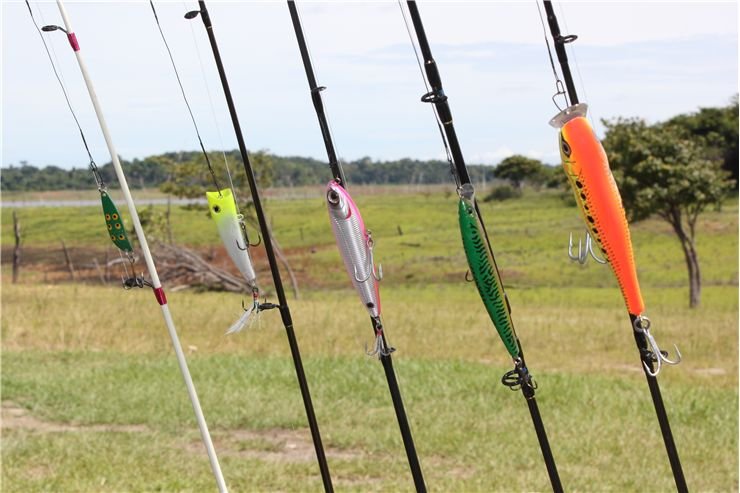
- Small inline spinners for trout and panfish
- Jigs for bass, crappie, walleye, and panfish
- Soft plastics for bass and many other species
- Crankbaits for covering depth and structure
- Spoons for trout, bass, pike, and walleye
- Spinnerbaits for stained water and cover
- Topwater lures during low-light feeding periods
A jig is a weighted hook with a body or trailer. It can search the bottom, swim through weeds, or suspend below a bobber. A crankbait is a hard lure with a diving lip that reaches a set depth.
Choose a Reel That Fits Your Skill
Spinning reels are the most flexible choice for new lake anglers. They cast light lures well and work with live bait, soft plastics, and small crankbaits. A 5.0:1 to 6.2:1 gear ratio suits many general uses. Gear ratio means how many times the spool turns with one handle turn.
Baitcasters offer strong drag control and accurate casting. They suit experienced anglers who fish bass lures, heavy cover, or larger presentations. A beginner can learn one, but a spinning reel usually shortens the learning curve.
Spincast combos are simple and useful for kids, casual anglers, and gift buyers. They may not offer the same casting range or durability as a quality spinning setup, but they can be a practical first step.
Telescopic rods save space for travel and hiking. Check the guides, joints, and reel seat often because compact rods can wear faster when stored dirty or overloaded.
| Angler | Useful setup | Why it fits |
|---|---|---|
| First-time adult | 6-foot-6-inch to 7-foot medium spinning combo | Easy casting and broad lure range |
| Child learning to cast | 5- to 6-foot spincast combo | Simple controls and shorter reach |
| Bass angler upgrading | 7-foot medium-heavy baitcaster | Power for lures and cover |
| Traveling angler | Telescopic light or medium spinning rod | Packs into a small space |
| Ice angler | 24- to 36-inch ice rod | Short length suits shelters and holes |
Check current product listings for exact reel weight, drag rating, bearing count, and line capacity. Those details vary by model and version.
Use a Simple Lake-Finding Process
A repeatable process keeps you from guessing. Follow the same steps each time, then record what you learn.
Step 1: Check Rules and Access
Confirm that you have a valid fishing license. Check size limits, bag limits, closed seasons, bait rules, hook rules, and boating restrictions. Some lakes restrict live bait, lead tackle, barbed hooks, or motor use.
Step 2: Pick Three Fish-Holding Features
Choose three nearby targets. For example, select a windy point, a weed edge, and a creek mouth. Do not run across the whole lake after one short cast.
Step 3: Start with a Search Presentation
Use a lure or bait that covers water. A small jig, spinner, crankbait, soft plastic, or live bait under a bobber can reveal depth and activity.
Step 4: Fish Different Depths
Start shallow. Then count the lure down or adjust your bobber. If you have a fish finder, record the depth of bait and structure.
Step 5: Change One Variable
Change only one thing at a time. Try a slower retrieve, smaller bait, deeper presentation, different color, or new angle. This helps you learn what caused a bite.
Step 6: Move When the Area Gives No Clues
Move after you have covered the likely depth and cover. A short move to the other side of a point may be better than a long trip to a new cove.
Step 7: Record the Pattern
Write down the time, weather, water clarity, depth, cover, lure, and fish species. Notes turn one good trip into a useful plan for your next visit.
Avoid Common Fish-Finding Mistakes
Many anglers search too fast or focus on one clue. A lake is always changing, so successful fish finding requires small adjustments.
Mistake: Fishing Only the Shoreline
Shoreline cover is useful, but fish may hold offshore. If you have a boat or kayak, check the first drop-off outside the visible cover. Shore anglers can reach deeper water from points, docks, piers, and steep banks.
Mistake: Assuming Deep Water Always Holds Fish
Deep water is only useful when it offers food, oxygen, cover, or a travel route. A deep flat with no bait may be less useful than a shallow point with rocks and current.
Mistake: Using the Same Lure Depth All Day
Fish move vertically. Sun, wind, boat traffic, and temperature can push them up or down. Test the upper, middle, and lower parts of the water column.
Mistake: Making Too Much Noise
Drop tackle boxes softly. Avoid scraping anchors across shallow rock. Keep boat motors away from shallow fish when possible. On pressured lakes, make longer casts and use a lighter presentation.
Mistake: Ignoring Small Fish Activity
Tiny baitfish, insects, and panfish can reveal a food chain. If you see bait but no predators, try a smaller lure, change depth, or check the nearest cover.
| Mistake | Why it hurts | Better choice |
|---|---|---|
| Casting randomly | You learn little from each cast | Fish a planned feature |
| Changing five things at once | You cannot identify the working change | Adjust one variable |
| Ignoring weather | Fish respond to wind, light, and fronts | Recheck depth and cover |
| Fishing only visible cover | Fish also use hidden structure | Study a map or sonar |
| Staying too long without clues | Time is lost in unproductive water | Move after a clear search |
The best anglers are not always the ones who cast most often. They are the ones who notice patterns and make useful changes.
Practice Safe, Legal, and Low-Impact Fishing
Safety starts before you reach the water. Wear a U.S. Coast Guard–approved PFD when boating, kayaking, or using a small craft. Check weather and wind before launching. Tell someone where you will fish and when you expect to return.
Wear sunglasses and a hat. Use sunscreen. Carry drinking water, a first-aid kit, pliers, a landing net, and a way to cut line. Keep hooks and knives secured when children are nearby.
Wading requires extra care. Wear a wading belt, move slowly, and test the bottom before shifting weight. Avoid fast current and rising water. New waders should consider a local course or fish with an experienced partner.
📜 Check Local Regulations: Fishing licenses, size limits, bag limits, seasons, bait rules, and tackle restrictions vary by state and lake. Confirm the current rules with your state wildlife agency or local lake authority before fishing.
Handle Fish with Care
Support fish with wet hands. Avoid squeezing the body or touching the gills. Keep the fish out of water for as little time as possible. Remove hooks with pliers and use barbless or circle hooks where suitable and legal.
If you keep fish, use a legal stringer or cooler and follow local limits. If you release fish, revive it in the water and let it swim away under its own power.
🌿 Conservation Note: Cut used fishing line into short pieces and place it in a recycling bin or trash container. Discarded line can injure birds, turtles, mammals, and fish.
Maintain Your Lake-Fishing Gear
Clean gear lasts longer and works better. Rinse rods, reels, pliers, landing nets, and tackle boxes after each trip. Freshwater gear still collects grit, plant matter, and sand.
Do not soak a reel unless the manufacturer allows it. Wipe it with a damp cloth, let it dry, and apply reel oil only where the manual recommends. Store rods straight or supported at several points. Keep hooks dry to reduce rust.
Saltwater gear needs extra care, but even lake anglers may fish brackish areas or travel between water types. Saltwater-rated reels often use better corrosion protection, but no reel is maintenance-free.
| Gear | After each trip | Longer-term care |
|---|---|---|
| Rod and guides | Wipe off dirt and plant material | Check guide inserts for cracks |
| Spinning reel | Wipe, dry, and inspect bail | Service according to the manual |
| Hooks and lures | Dry before storage | Replace rusty or dull hooks |
| Braided line | Check for frays | Reverse or replace when worn |
| Landing net | Rinse and dry | Inspect knots and frame |
| PFD | Rinse and air-dry | Check straps, buckles, and flotation |
Replace line when it shows nicks, severe memory, flat spots, or weak knots. Replace hooks when points are dull or rust has spread. These small parts often fail before the rod or reel.
Know When to Ask a Local Tackle Shop
A local tackle shop can save you time because staff often know current water conditions, access points, bait rules, and productive depth ranges. Ask specific questions instead of simply asking where the fish are.
Useful questions include:
- What species are active right now?
- What depth are anglers finding them in?
- Is live bait allowed?
- Which public banks are open?
- Is the water clear, stained, or muddy?
- Are fish holding on weeds, rock, wood, or channels?
- What line test and hook size work well here?
- Are there current boating or lake-level concerns?
Bring your rod, lure, or fish finder question when possible. A good shop can help match tackle to your budget and skill level.
Beginners can ask for a simple setup. Experienced anglers can ask about lure depth, forage, and seasonal movement. Gift buyers should share the angler’s age, target species, water type, and skill level.
👪 Parent or Gift-Buyer Note: For a child, choose ease and safety over maximum power. A short spincast combo, small tackle box, forceps, bobbers, and barbless hooks may be more useful than an advanced baitcaster.
Frequently Asked Questions
How do I find fish in a lake from shore?
Start at points, creek mouths, public piers, weed edges, docks, riprap, and steep banks. Cast parallel to cover, then work different depths. Windblown banks and areas near deep water often deserve early attention.
Where do fish hide in a lake?
Fish use weeds, wood, rocks, docks, bridge supports, drop-offs, creek channels, and shaded areas. They may also suspend in open water near baitfish. The best cover usually sits close to food or a depth change.
Can I find fish without a fish finder?
Yes. Use a lake map, observe baitfish and birds, read the wind, and fish points, drop-offs, weed edges, and creek mouths. Count your lure down to test different depths.
What is the best lure for finding fish in a lake?
There is no single lure for every lake or species. Small spinners, jigs, crankbaits, soft plastics, spoons, and live bait can all help search. Choose based on target species, depth, water clarity, and cover.
What rod is best for general lake fishing?
A 6-foot-6-inch to 7-foot medium spinning rod with a fast or moderate-fast action suits many beginners and general lake anglers. Use 6- to 10-pound line for smaller fish and light lures, or 8- to 15-pound line for larger bass and cover.
How deep should I fish in a lake?
Start shallow during low light, spring warming periods, and active feeding times. Check deeper water during bright, hot, cold, or calm conditions. Test the upper, middle, and lower water column instead of guessing one depth.
Is a spinning reel better than a baitcaster for lake fishing?
A spinning reel is easier for beginners and handles light lures well. A baitcaster offers strong control and accuracy for experienced anglers using heavier lures and fishing heavy cover. Choose the reel that matches your skill and presentation.
How do I find bass in a lake?
Look for bass near weeds, wood, rocks, docks, points, creek channels, and drop-offs. In spring, check warming shallow areas. In summer, fish shade and deeper edges. In fall, follow baitfish into coves and creek arms.
How do I find trout in a lake?
Search cool, oxygen-rich water, creek mouths, springs, deep basins, and areas where insects or baitfish gather. Small spinners, spoons, flies, and live bait can work where legal. Trout depth changes with temperature, light, and forage.
How do I find catfish in a lake?
Check creek channels, channel bends, deep holes, flats near deep water, inflows, and areas with soft bottom. Catfish often feed on the bottom, so use suitable sinkers, strong hooks, and legal bait.
Are fish finders accurate?
A fish finder can give useful depth, bottom, structure, and temperature information. It does not identify every mark perfectly. Learn your unit, confirm readings with the manual, and use sonar with visual clues and local knowledge.
How long does fishing line last?
Line life depends on use, sunlight, abrasion, storage, and material. Inspect it before each trip. Replace line when it feels rough, shows nicks, develops severe memory, or breaks during light pressure.
Do I need polarized sunglasses for lake fishing?
Polarized sunglasses are not required, but they reduce glare and can help you see structure, weeds, and fish in clear water. They also protect your eyes from hooks and sunlight, making them a smart choice for most anglers.
What should I bring to find fish safely?
Bring a legal license, suitable rod and reel, extra line, hooks, sinkers, bobbers, lures, pliers, a landing net, water, sunscreen, polarized sunglasses, a first-aid kit, and a charged phone. Boaters and kayak anglers should also carry a U.S. Coast Guard–approved PFD.
Final Thoughts
To find fish in a lake, start with the basics: food, cover, depth, oxygen, and temperature. Use maps, wind, water clarity, shoreline clues, and seasonal patterns to choose likely areas. Then fish one feature at a time and change depth before changing your entire plan.
A simple spinning combo can teach you a great deal. A fish finder can speed up the search on large water. A local tackle shop can add current information that a map cannot provide.
Keep notes, follow local rules, protect the water, and stay safe. The lake will reveal its pattern slowly, one useful clue at a time.