How To Fish A Flooded River: Proven Tips
Flooded rivers can look chaotic, but high water often creates clear fishing patterns. Rising water pushes fish away from the strongest current and toward slower edges, flooded cover, feeder creeks, inside bends, and calmer backwaters. The key is to stop fishing the whole river and focus on the small areas where fish can rest, feed, and avoid wasting energy.
Learning how to fish a flooded river takes more than casting heavier lures. You must read current speed, water color, water level, structure, and access points. You also need the right line, sinker, leader, hook, and safety plan. A flooded river can produce good fishing for bass, catfish, walleye, trout, panfish, and other species, but fast water can become dangerous in minutes.

Quick Answer: How Do You Fish a Flooded River?
To fish a flooded river, target slow water near flooded banks, wood, inside bends, feeder creeks, eddies, and backwaters. Use a strong rod, 10- to 20-pound line, a suitable leader, and enough sinker weight to reach the bottom without hanging up on every cast. Fish slowly, cast upstream or across the current, and move if you do not find softer water or signs of bait.

Why Flooded Rivers Change Fish Behavior
A flooded river changes in three main ways: water level rises, current speed increases, and visibility often drops. These changes affect where fish hold and how they find food. Fish still need oxygen and food, but they avoid spending energy in the hardest current.
The best flooded river fishing spots are often close to the main current but not inside it. Look for a seam, which is the visible line between fast and slow water. Fish can sit on the calm side of the seam and move into the current to grab food.
Floodwater also moves worms, insects, small baitfish, crayfish, and other food from the bank into the river. This makes newly flooded grass, brush, ditches, and fields worth checking. However, fish may need time to adjust after a sudden rise.
Rising Water Versus Falling Water
Rising water can pull fish toward newly covered shorelines. Bass may move into flooded bushes or grass. Catfish may roam near the bank and feed on food washed into the river. Trout and walleye may hold near current breaks where drifting food passes.
Falling water often creates a different pattern. Fish may leave shallow flooded cover and move toward creek channels, deeper holes, outside bends, and the main river. A falling river can also concentrate fish because the available shallow water shrinks.
A slow rise is often easier to fish than a sudden jump. During a fast rise, water color and current speed may change from hour to hour. Watch the trend, not just the level at the start of your trip.
Water Color Tells You How Fish May Feed
Mud does not always mean poor fishing. Many fish feed by vibration, scent, and close-range movement when visibility is low. Still, extremely muddy water can make lure fishing harder.
Use brighter or darker lures that create a clear outline. A black jig, chartreuse crankbait, white spinner, or scented soft plastic may stand out better than a subtle natural color. Live bait can also help when fish rely more on smell.
If the water has a green stain or light brown color, fish may still see well enough to chase. In that case, natural colors, small crankbaits, jigs, and soft plastics can work. Match your lure to the target species and current speed.
| River condition | Fish often use | Productive approach |
|---|---|---|
| Rising and lightly stained | Flooded grass, brush, creek mouths | Cast near cover with jigs, soft plastics, or live bait |
| High and muddy | Eddies, slack water, deep holes | Use scent, vibration, bright colors, and bottom rigs |
| Falling and clearing | Channels, outside bends, current seams | Fish deeper with jigs, crankbaits, or weighted bait |
| Cold and fast | Deep pools, slow banks, protected cover | Present bait slowly and keep it near the bottom |
This table is a starting point, not a rule. Weather, river type, water temperature, and species can change the pattern. Let the river show you where fish can rest and feed.

Where to Find Fish in High Water
The best flooded river locations share one feature: they reduce current. A small change in depth, cover, or bank shape can create a safe resting place. Start with these areas before trying open, fast water.
Inside Bends and Pointed Banks
An inside bend usually has slower water and a shallow bar. Flood conditions can cover that bar and create a wide feeding shelf. Fish may hold along the edge where the shallow shelf meets deeper water.
Points also split current. Cast to the upstream side of the point, then let your bait move along the current seam. A jig, soft plastic, or live bait rig can stay in the strike zone longer than a fast-moving lure.
Do not ignore small points. A tiny point behind a fallen tree can matter more than a large, featureless bank.
Flooded Grass, Brush, and Trees
Newly flooded cover can hold bass, crappie, bluegill, and baitfish. Fish often use the outer edge first, then move deeper into the cover as water settles. Start with the outside edge so you do not spook fish or lose every lure inside the branches.
A weedless jig or Texas-rigged soft plastic works well around flooded cover. A Texas rig places the hook point into the body of the soft plastic to reduce snags. Use a strong leader if pike, muskie, gar, or heavy wood may cut or abrade your line.
Flooded trees can be productive but dangerous from a boat. Submerged limbs may sit just below the surface. Keep your speed low and use a fish finder, polarized sunglasses, and a push pole where appropriate.
Creek Mouths and Feeder Streams
Small creeks can bring warmer water, cooler water, food, or cleaner water into the main river. Fish often gather where the two water types mix. The best spot may be just outside the creek mouth, not directly in the rushing flow.
Cast across the mouth and let your bait sweep through the seam. Try the upper edge first, then the lower edge. Catfish may hold on the bottom, while bass and walleye may suspend near the current break.
If the feeder creek is rising fast, avoid standing near the bank. A muddy bank can collapse, and floating debris can move with great force.
Eddies and Backwaters
An eddy is a pocket where water flows in a circle or moves opposite the main current. Backwaters include flooded side channels, ponds, sloughs, and low spots connected to the river.
These areas can hold baitfish and offer shelter. They are especially useful for bass, panfish, carp, and catfish during high water. Try a bobber, small jig, live bait, or slow-moving soft plastic.
Fish the entrance and exit first. These narrow areas act like doors between the calm water and the river.
Deep Holes and Outside Bends
Outside bends often have deeper water because current cuts into the bank. During falling water, fish may move toward these areas. Catfish, walleye, and larger bass may use deep holes near current breaks.
A bottom rig with a sinker, swivel, leader, and hook can keep bait in the zone. Use only enough weight to hold bottom. Too much lead can bury your bait in mud or create a snag.
A fish finder can help locate depth changes from a boat, but it cannot replace sound river judgment. Flood debris can make navigation risky even when the channel looks familiar.
| Location | Why fish use it | First presentation to try |
|---|---|---|
| Current seam | Resting water beside food flow | Jig, soft plastic, or drifting bait |
| Flooded brush | Cover and ambush point | Weedless jig or Texas rig |
| Creek mouth | Mix of water and food | Jig, crankbait, or live bait |
| Eddy or backwater | Low current and bait | Bobber, small jig, or bait rig |
| Deep outside bend | Shelter from surface current | Bottom rig or weighted jig |
| Fallen tree edge | Shade, cover, and ambush | Spinnerbait, jig, or live bait |
A location is promising only if fish can reach it safely. Look for calm water close to food, cover, or a depth change. That combination often matters more than the size of the spot.

Gear for Flooded River Fishing
Flooded rivers place more stress on tackle than normal flows. Current adds pressure to your line, sinkers snag, and woody cover can wear through leaders. A balanced setup helps you cast accurately without using gear that feels heavy and tiring.
Rods and Reels
A 6-foot-6-inch to 7-foot medium spinning rod with fast action is a good general choice. Power describes the rod’s strength. Action describes where the rod bends. A medium-fast rod has enough power for bass, walleye, catfish, and many river fish while still casting light lures.
For heavy cover or larger catfish, a 7- to 8-foot medium-heavy rod may be better. A longer rod helps control line over current and can move fish away from wood. It may feel too stiff for small panfish or light trout work.
Spinning reels are easiest for beginners and kids. A 2500 or 3000-size reel often balances a medium spinning rod. Baitcasters suit experienced anglers who need accurate casts with heavier lures, but they require practice to avoid backlash, which is a tangle caused when the spool spins faster than the lure.
Spincast combos are simple and useful for young anglers fishing light cover. They are not ideal for heavy sinkers, strong current, or large catfish. Check the reel’s line capacity and drag rating before using it in serious current.
Line, Leader, and Knots
For general flooded river fishing, 10- to 20-pound monofilament or braided line is common. Monofilament stretches and costs less. It works well for beginners, live bait, bobbers, and treble-hook lures.
Braided line has little stretch and a thin diameter. That helps with sensitivity and casting distance. It can cut into wood and may slip on some knots, so use a trusted knot and add a leader when needed.
Fluorocarbon is a low-visibility leader material with good abrasion resistance. A 12- to 20-pound fluorocarbon leader suits many bass and walleye situations. Use a heavier leader around sharp rocks, wood, gar, or larger catfish.
For trout in clear water, a 4- to 8-pound leader may be better. For heavy catfish or strong current, 20- to 40-pound line may be safer. Match line strength to the fish, cover, and local rules rather than using one line for every river.
Terminal Tackle
Terminal tackle means the small items at the end of your line. It includes hooks, sinkers, swivels, bobbers, snaps, and leaders.
Carry several sinker shapes. Egg sinkers slide across the bottom. Bank sinkers hold better in current. Split shot work for light drift rigs. Use the smallest weight that reaches the target depth.
Circle hooks can work well for catfish and live-bait fishing when regulations allow them. They are designed to hook fish in the corner of the mouth when the angler reels steadily instead of setting the hook hard. Barbless hooks make release easier and reduce harm.
| Target and cover | Rod and reel | Line and terminal tackle |
|---|---|---|
| Panfish in backwaters | 6- to 7-foot light or ultralight spinning combo | 4- to 8-pound line, small hook, bobber |
| Bass near flooded cover | 6-foot-6-inch to 7-foot medium-heavy spinning or baitcasting combo | 15- to 30-pound braid, 12- to 20-pound leader |
| Walleye near seams | 6-foot-6-inch to 7-foot medium spinning combo | 8- to 12-pound line, jig or live-bait rig |
| Channel catfish | 7- to 8-foot medium-heavy rod | 15- to 30-pound line, sinker, swivel, hook |
| Trout in clear water | 7- to 9-foot light spinning rod or fly rod | 4- to 8-pound leader, small lure or fly |
Choose the lightest setup that still gives you control. Beginners often do better with a medium spinning combo. Experienced anglers may choose a baitcaster or specialized rod for heavy cover. Gift buyers should favor simple, balanced gear over a large tackle kit with parts the angler cannot use.

Rigs and Presentations That Work in Flooded Rivers
Flooded water can make fish less willing to chase. Slow, controlled presentations often work better than fast retrieves. Your goal is to keep the lure or bait near a fish long enough for it to detect and strike.
Bottom Rig for Catfish and Other Bottom Feeders
A basic bottom rig uses the main line, a sliding sinker, a swivel, a leader, and a hook. The sinker stays on the bottom while the bait moves in the current.
Use a 1- to 3-ounce sinker in moderate current, then adjust as needed. A flooded river may require more weight, but do not keep adding weight if the river is unsafe or the rig snags constantly.
Use cut bait, nightcrawlers, shrimp, prepared bait, or legal live bait based on local rules. Cast upstream or across the current and let the rig settle. Check your bait often because debris can cover the hook.
Jig and Soft Plastic
A jig is a weighted hook with a molded head. Add a soft plastic grub, minnow, craw, or swimbait. Jigs work well because they can reach depth and stay near the bottom.
Cast upstream of a seam. Let the jig sink while keeping slight contact with the line. Lift it a few inches, then let it fall. In cold or muddy water, use a slower lift and a longer pause.
A 1/8- to 1/4-ounce jig suits light current. A 3/8- to 3/4-ounce jig may be needed in deeper or faster water. The right weight depends on depth, current, lure size, and line diameter.
Spinnerbait and Crankbait
Spinnerbaits create flash and vibration. They can help bass find a lure in stained water. Cast beside flooded wood, along grass edges, or across a current seam.
Crankbaits can cover water and reach a set depth. Choose a model that runs above the bottom if the river has many snags. A shallow-diving crankbait is often safer around newly flooded cover than a deep-diving model.
Do not rush the retrieve. A steady, controlled pace keeps the lure in the zone without dragging it into every branch.
Live Bait and Bobbers
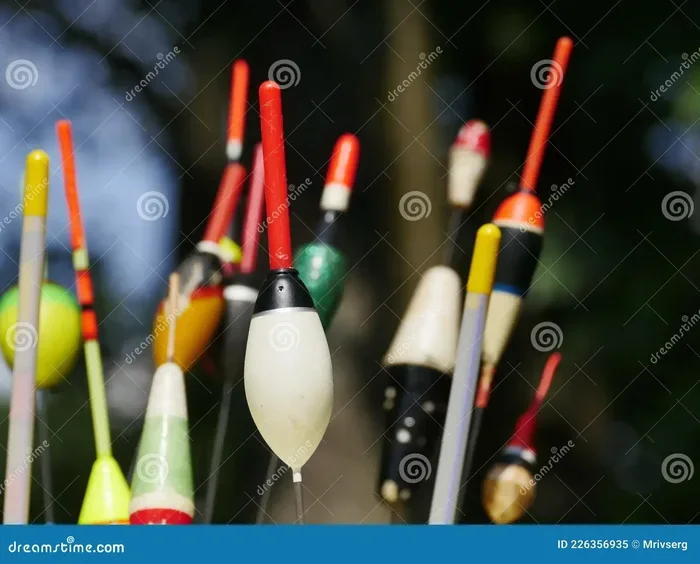
A bobber suspends bait above the bottom. It works well for panfish, bass, trout, and some walleye in calm pockets. Set the depth so the bait drifts just above cover or along a seam.
Use minnows, worms, crickets, or other legal bait. Keep bait lively with clean water and shade. Avoid releasing unused nonnative bait into the river.
A slip bobber is useful when fish hold deep. The line slides through the float until a stop sets the depth. This lets you cast a deep presentation without using a fixed float.
Fly Fishing in Flooded Rivers
Fly fishing can still work when water is high, but safety and access matter. A 5- or 6-weight fly rod suits many bass and trout situations. Use heavier tippet near wood or strong current.
Streamers can imitate baitfish. Large nymphs and weighted flies can reach feeding lanes. Cast from safe banks, low-water side channels, or protected eddies.
Avoid wading into floodwater. Even shallow-looking water can have a strong hidden flow, unstable footing, and floating debris.
| Presentation | Best water | Useful starting choice |
|---|---|---|
| Bottom bait rig | Deep holes and slow runs | 1- to 3-ounce sinker with legal bait |
| Jig and soft plastic | Seams, creek mouths, and cover edges | 1/8- to 1/2-ounce jig |
| Spinnerbait | Stained water near flooded cover | 3/8- to 1/2-ounce spinnerbait |
| Crankbait | Edges and moderate current | Shallow or medium diver |
| Bobber and bait | Backwaters and calm pockets | Fixed or slip bobber |
| Streamer fly | Protected banks and side channels | 5- to 6-weight fly rod |
Start with one presentation and give it a fair trial. Changing lures every two minutes can hide the real problem, which may be the wrong location or depth.

A Step-by-Step Plan for Fishing a Flooded River
The best way to fish high water is to follow a repeatable plan. This keeps you from wasting time and helps you learn how the river changes.
1. Check the River Before Leaving
Look at the weather, river gauge, recent rainfall, wind, and access conditions. A river that was safe yesterday may be unsafe after an overnight storm.
Check the fishing license rules and any emergency closures. Flooding may close roads, boat ramps, parks, or trails. Tell someone where you plan to fish and when you expect to return.
2. Start at the Safest Access Point
Choose a stable bank, approved ramp, or protected shoreline. Avoid steep muddy edges, root balls, collapsed banks, and areas with fast water close to shore.
From the bank, watch for floating logs, foam lines, baitfish, birds, and calm pockets. Take a few minutes to read the river before making your first cast.
3. Find the Current Break
Look for a seam beside a log, point, island, bridge support, creek mouth, or flooded bush. Fish often face into the current while holding just outside the strongest flow.
Cast beyond the target when possible. Bring the bait into the zone instead of landing it directly on top of the fish.
4. Test the Water Column
Fish may hold on the bottom, in midwater, or near the surface. Begin near the depth where current is slowest. Use a jig or bottom rig to test deeper water, then a bobber or moving lure for higher fish.
Change depth before changing color. Many anglers change lures when the real issue is that the bait is six feet above or below the fish.
5. Fan-Cast the Area
Fan-casting means covering several angles from one position. Cast upstream, across the seam, downstream, and parallel to the bank.
Start with the closest water. Fish farther areas after checking the water near your feet. Floods can push fish tight to shore, especially when food washes from the bank.
6. Move After a Short, Focused Trial
Give a location 10 to 20 careful casts with two different depths or presentations. Move if you find no current break, bait, cover, or depth change.
Flooded river fish can be spread out, but they still need a reason to hold. Do not stay at a featureless bank just because it is easy to reach.
7. Land Fish Away From Fast Water
Use a landing net when possible. Do not drag a large fish through rocks or lift it by a light leader. Keep pliers nearby for safe hook removal.
For catch and release, wet your hands first. Support the fish under the body, keep air exposure brief, and return it gently in calm water.

Safety Rules for Flooded River Fishing
Flooded rivers can be dangerous even for strong swimmers and skilled boaters. Current speed rises, banks erode, and hidden objects move below the surface. Good fishing is never worth risking your life.
Shore Fishing Safety
Wear shoes with firm grip and avoid wet clay banks. Keep well back from the edge. A bank can break under your weight, especially near a creek mouth or outside bend.
Do not fish beneath unstable trees or beside floating debris piles. These areas can shift without warning. Keep hooks, knives, and pliers secured when walking over rough ground.
Wear polarized sunglasses to reduce glare and help spot logs, drop-offs, and surface seams. They do not make hidden hazards disappear.
Wading Safety
Avoid wading flooded rivers unless you have advanced training and local knowledge. The water may look slow at the surface while a strong undertow moves below.
If you must wade in normal conditions, use a wading belt, felt or rubber soles suited to the area, and a staff. Never wade alone. Flood conditions are a strong reason to fish from shore instead.
Boat and Kayak Safety
Wear a properly fitted U.S. Coast Guard–approved personal flotation device at all times. Check your boat, motor, battery, bilge pump, anchor, and communication device before launch.
Kayak fishing is especially risky in flooded current. A stable kayak can still be swept into trees, strainers, bridge supports, or dams. Avoid floodwater unless you have strong moving-water skills and the correct craft.
Check local boating rules and take a boating safety course if you operate a motorized boat. Tell someone your route, launch point, and return time.
⚠️ Safety Warning: Never fish near a low-head dam, spillway, or fast water around bridge supports during a flood. Wear your life jacket, watch for floating debris, and leave the river when weather or water conditions worsen.

Common Flooded River Fishing Mistakes
Most poor results come from fishing the wrong water, using too much weight, or ignoring safety. Avoid these common errors.
| Mistake | Why it hurts | Better choice |
|---|---|---|
| Fishing only the main current | Fish cannot rest there for long | Search for seams and slack water |
| Using excessive sinker weight | Bait snags and feels unnatural | Use the lightest weight that reaches depth |
| Casting randomly | You learn little about the spot | Fan-cast with a planned depth change |
| Using weak line near wood | Abrasion causes break-offs | Add a stronger leader |
| Ignoring water level trends | Fish may have shifted | Track rising, steady, or falling water |
| Wading because the water looks shallow | Hidden current can knock you down | Fish from a stable bank |
| Leaving unused live bait | It may spread unwanted species | Dispose of bait as local rules direct |
The main fix is simple: make each cast test a location, depth, or presentation. Random casting feels busy but gives poor information.
Fishing Too Fast
High water often gives fish more cover and more food. A fast retrieve may pass over them before they can react. Slow your lure down and pause near current breaks.
This does not mean every lure must crawl. A spinnerbait or crankbait may need a steady speed to work correctly. The key is to keep it in the useful water instead of burning it through open current.
Staying in One Spot Too Long
A good spot can still be empty at a certain tide, water level, time, or depth. If the bank has no cover, seam, bait, or depth change, move.
A simple rotation works well: fish a seam, then a creek mouth, then a backwater, then a deeper bend. Return to the first spot later if the river level or light has changed.
Using a Lure That Cannot Reach Fish
A small lure may drift high above bottom fish. A heavy lure may bury in mud or snag wood. Match the weight to the current.
You should feel occasional bottom contact with a jig or bait rig. If it never reaches bottom, add a small amount of weight. If it hangs every cast, reduce weight, change the angle, or move to a cleaner lane.
Ignoring Debris
Floods carry sticks, grass, logs, and trash. Debris can foul hooks, damage line, and create hazards for boats. Inspect your lure and leader often.
Dispose of used line, hooks, and soft plastics properly. Wildlife can become tangled in discarded fishing line.
🌿 Conservation Note: Keep only legal fish and release unwanted fish quickly. Wet your hands, avoid squeezing the body, support large fish, and cut the line close to a deeply swallowed hook when removal would cause more harm.

Choosing Gear for Beginners, Kids, and Experienced Anglers
The right setup depends on who will fish, where they will fish, and what they hope to catch. More expensive gear does not automatically make flooded river fishing safer or easier.
Best Setup for Beginners
A 6-foot-6-inch to 7-foot medium spinning combo is the most flexible starting point. Pair it with 10- to 12-pound monofilament, a few jigs, bobbers, hooks, split shot, and a small tackle box.
This setup handles bass, walleye, channel catfish, trout in larger rivers, and many panfish situations. It is simple to cast and easy to repair at a local tackle shop.
A beginner should avoid starting with a heavy baitcaster in strong current. Backlash, lure control, and line tension add extra problems.
Best Setup for Kids
For children, choose a 5- to 6-foot spincast combo with 6- to 10-pound line. The push-button reel is easy to learn, and the shorter rod is easier to control.
Fish from a stable bank or dock away from fast water. Use small hooks, bobbers, worms, and light jigs. Keep pliers, sunscreen, water, and a first-aid kit close by.
Best Setup for Experienced Anglers
Experienced anglers may prefer a 7-foot medium-heavy baitcasting rod for bass around flooded wood. A 3000-size spinning reel with 15- to 20-pound braid can offer better control for jigs, soft plastics, and current seams.
For catfish, a 7- to 8-foot medium-heavy rod with a strong reel and 20- to 30-pound line gives useful casting range and fish control. For trout, a light spinning setup or fly rod may be more suitable.
Best Setup for Gift Buyers
Gift buyers should confirm the recipient’s target species, home river, and skill level before buying. A general medium spinning combo is safer than a highly specialized rod.
A useful gift can include polarized sunglasses, line, hooks, sinkers, swivels, pliers, a landing net, and a waterproof tackle box. Avoid buying live bait, waders, or a fish finder without knowing the angler’s exact needs.
👪 Parent or Gift-Buyer Note: For a child, buy a simple spincast combo and safety gear before adding advanced lures. The best gift is easy to use, sized correctly, and suited to the local river.

Flooded River Fishing by Target Species
Species respond differently to high water. Learn the likely holding areas before selecting a lure.
Bass
Largemouth bass often use flooded bushes, grass, laydowns, and calm pockets. Try a Texas-rigged soft plastic, jig, spinnerbait, or shallow crankbait.
Smallmouth bass may stay near rock, current seams, eddies, and deeper breaks. A compact jig, tube, swimbait, or crankbait can work when presented close to the break.
Catfish
Channel catfish and flathead catfish often use deep holes, current edges, logjams, and creek mouths. Use legal cut bait, live bait, worms, or prepared bait with a bottom rig.
Flatheads may prefer live bait and stronger tackle. Check local regulations before using live fish as bait.
Walleye
Walleye often hold near current seams, deep edges, rocky points, and creek mouths. A jig tipped with a minnow or soft plastic can stay near the bottom.
Fish during low light when legal and safe. Walleye may move shallower when water clarity and current allow.
Trout
Trout prefer cool, oxygen-rich water, but floods can make normal pools unsafe or unfishable. Look for protected side channels, spring inflows, calmer banks, and clean water entering the river.
Use small spinners, jigs, natural bait where legal, or flies. Light leaders may be needed in clear water, but do not use line so light that you cannot release fish safely.
Panfish
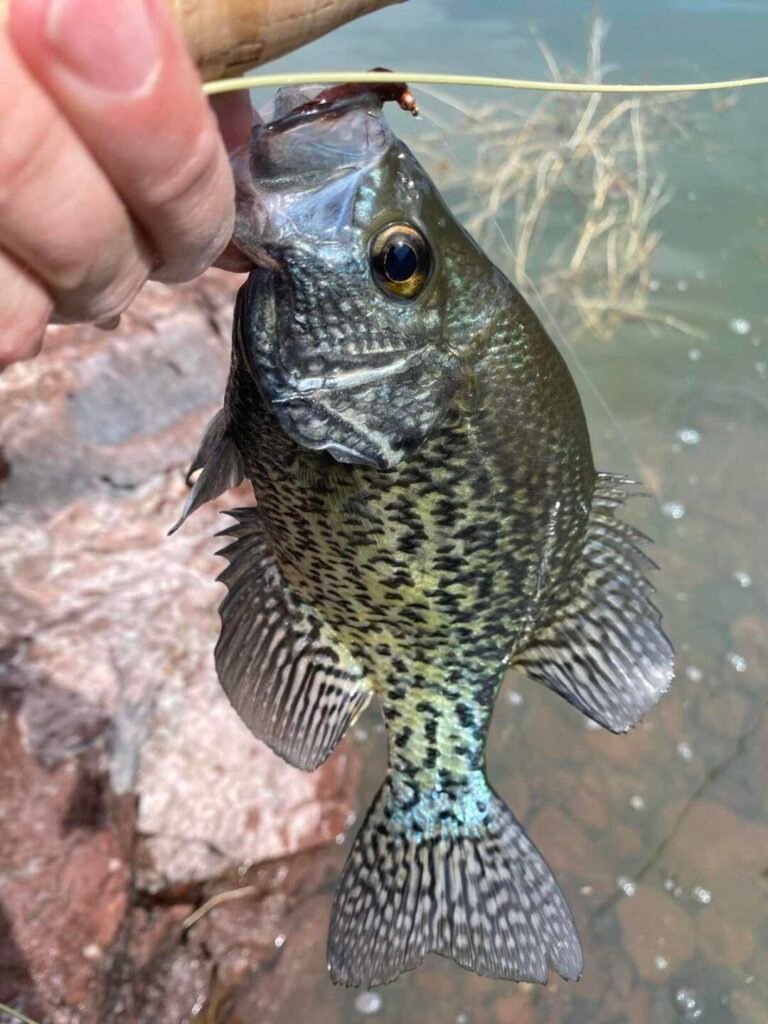
Bluegill, crappie, and perch often move into flooded brush, grass, and backwaters. A small jig under a bobber is easy to use and works well for beginners and kids.
Keep the bait just above cover. If the float drifts too fast, move farther into calm water or add a small split shot.
| Species | High-water location | Reliable starting tactic |
|---|---|---|
| Largemouth bass | Flooded bushes and grass | Texas rig, jig, or spinnerbait |
| Smallmouth bass | Rock seams and eddies | Tube, jig, or small crankbait |
| Channel catfish | Deep holes and creek mouths | Bottom rig with legal bait |
| Walleye | Current edges and rocky breaks | Jig with minnow or soft plastic |
| Trout | Clean side channels and cool inflows | Small spinner, fly, or bait |
| Panfish | Backwaters and flooded brush | Small jig under a bobber |
These are general patterns, not guarantees. Water temperature, flow rate, forage, and fishing pressure can shift fish locations.

How to Read a Flooded River From Shore
You can learn a great deal without a boat or fish finder. Start by watching the surface.
Foam lines show where currents meet. Floating leaves reveal the direction and speed of flow. Calm water behind a log may look small, but it can hold fish if food drifts past.
Look for changes in bank shape. A sharp bank often means deeper water. A flat flooded field may have a shallow shelf, ditch, or old creek channel. Cast along the edge where those features meet.
Listen for baitfish activity and watch birds. Birds do not always mean fish, but they can reveal insects or bait near the surface. Avoid assuming that every visible swirl is a feeding fish; floating debris can create false signs.
Polarized sunglasses help reduce glare and show shallow structure. A fish finder helps from a boat, but it should support—not replace—safe navigation and careful observation.

Price, Travel, and Gear-Care Notes
Flooded river fishing does not require a large budget. A basic spinning combo may cost less than a specialized rod and reel, while a few carefully chosen rigs can outperform a crowded tackle box.
Current pricing ranges from budget setups under $50 to higher-end rod and reel combinations costing several hundred dollars. Check the latest listing for exact prices, included line, warranty terms, and updated features.
| Budget level | Useful setup | Best suited to |
|---|---|---|
| Budget | Spincast or basic spinning combo, mono line, simple terminal tackle | Kids and new anglers |
| Mid-range | Medium spinning combo, braid with leader, quality net and pliers | Most river anglers |
| Higher | Specialized baitcaster or spinning setup, premium line, fish finder | Experienced anglers and frequent trips |
A higher price may improve reel smoothness, drag consistency, weight, and durability. It does not fix poor location choice or unsafe river decisions.
After fishing, rinse gear with clean freshwater if it contacted muddy water or saltwater. Dry the rod and reel before storage. Wipe grit from the reel seat and guide inserts. Do not store wet line, soft plastics, hooks, or bait in a sealed box.
For saltwater rivers or redfish areas, use saltwater-rated reels and corrosion-resistant components. Rinse reels gently rather than blasting water into the drag or bearings. Lubricate moving parts according to the manufacturer’s instructions.
Telescopic rods save space for travel, but inspect each section for grit and cracks. Fly rods need clean guides and dry cases. Waders should be rinsed, dried fully, and checked for leaks before the next trip.

Regulations and Conservation
Fishing laws vary by state, river, species, and season. Before fishing, confirm license requirements, size limits, bag limits, closed seasons, bait rules, and tackle restrictions with your state or local wildlife agency.
Some waters restrict lead sinkers, treble hooks, live bait, barbed hooks, or fishing methods. A flood may also trigger temporary closures or special rules. Never assume that a rule from one river applies to another.
📜 Check Local Regulations: Verify the current fishing license and water-specific rules before your trip. Pay special attention to bait transport, hook type, lead use, catch limits, and seasonal closures.
Practice careful catch and release when you do not plan to keep a fish. Wet your hands, keep the fish out of water for as little time as possible, and use a landing net with soft or rubber mesh. Cut damaged line and take all hooks, soft plastics, and packaging home.
Do not release aquarium fish, unused minnows, or nonnative bait into the river. Dispose of bait according to local guidance. Healthy rivers depend on clean banks, responsible access, and anglers who leave no line behind.

FAQs About Fishing a Flooded River
Is fishing good when a river is flooded?
Fishing can be productive when a river is flooded, but results vary with water level, current, temperature, and clarity. Focus on slow water near current breaks, flooded cover, creek mouths, and deeper edges instead of casting into the strongest flow.
What is the best bait for flooded river fishing?
The best bait depends on the species and local rules. Cut bait, worms, minnows, jigs, soft plastics, and spinnerbaits are common choices. Use scent and vibration in muddy water, and natural colors when visibility is better.
Should I fish a rising or falling river?
Both can offer good opportunities. Rising water may push fish toward newly flooded banks and cover. Falling water often moves fish toward deeper channels, outside bends, and remaining current breaks.
How much sinker weight should I use?
Use enough weight to reach the depth you want without dragging constantly. In moderate current, 1 to 3 ounces may work for bottom bait rigs, but the correct amount depends on depth and flow. Start light and add weight in small steps.
Can I fish a flooded river from a kayak?
Only if you have strong moving-water skills, the right kayak, and safe conditions. Flooded rivers carry logs and debris and can pull boats into strainers or bridge supports. Wear a U.S. Coast Guard–approved PFD and avoid water beyond your training.
What line is best for flooded river fishing?
Ten- to 20-pound line covers many situations. Monofilament is affordable and forgiving. Braided line offers sensitivity and strength, while fluorocarbon works well as an abrasion-resistant leader. Use heavier line near wood, rocks, or large fish.
Are baitcasters better than spinning reels for flooded rivers?
The main difference is ease of use and casting control. Spinning reels are simpler for beginners and light lures. Baitcasters suit experienced anglers who need accurate casts with heavier lures, but backlash can occur without proper spool control.
How do I keep from losing lures in flooded wood?
Use weedless hooks, stronger leaders, and a lure weight suited to the current. Cast beyond the cover and work the edge first. If a lure snags, point the rod at the lure and pull steadily rather than snapping the rod.
Should I wade in a flooded river?
Generally, no. Floodwater has hidden current, unstable footing, floating debris, and collapsing banks. Fish from a stable shore or wait for the river to return to a safer level.
How long should I fish one spot?
Give a spot 10 to 20 focused casts with different angles or depths. Stay longer if you find bait, cover, a current seam, or a depth change. Move when the area lacks a clear reason for fish to hold.
Do fish move into flooded fields?
Some fish do, especially bass, panfish, carp, and catfish. Newly flooded grass, ditches, brush, and low areas can carry food into the river. Fish the edge first, then move deeper into cover if conditions are safe.
What should I bring for flooded river fishing?
Bring a balanced rod and reel, extra line, leaders, hooks, sinkers, lures, pliers, a landing net, polarized sunglasses, water, sunscreen, and a first-aid kit. Add a life jacket for boats and a wading belt for normal wading conditions.
How do I release fish safely in muddy water?
Wet your hands, support the fish, remove the hook quickly, and keep air exposure short. Hold the fish in calm water until it can swim away. If a hook is deeply swallowed, cutting the line may cause less harm than forcing removal.
Final Advice for High-Water River Fishing
The best way to fish a flooded river is to treat it as a changing system, not a single large pool. Find water that is calmer than the main flow, then connect it to food, cover, or depth. Start with simple gear, a controlled presentation, and a short plan for testing each location.
A medium spinning combo, 10- to 15-pound line, a few jigs, soft plastics, bobbers, and legal bait can handle many beginner trips. Experienced anglers may step up to braid, baitcasters, heavier rods, or specialized catfish and fly gear. Kids and gift buyers should favor safe, easy-to-use setups.
Most of all, respect the river. Check the forecast and regulations, wear proper safety gear, avoid floodwater wading, and leave when conditions turn bad. The river will still be there when it is safe to return.