How To Fish A River: Simple Tips For Success
River fishing is one of the best ways to learn how fish behave. A river gives you moving water, changing depth, cover, current breaks, and many places for fish to feed. You do not need a boat or a large tackle collection. A simple spinning rod, a few hooks, sinkers, lures, and a fishing license can take you a long way.
The key is to fish the water, not just the bank. Fish often hold where current slows, food collects, or deeper water sits near shallow feeding areas. Once you learn to spot those places, you can target bass, trout, catfish, panfish, walleye, redfish, and other river species with more confidence.
This guide explains how to fish a river from shore, a kayak, or a small boat. It covers gear, river reading, bait, lures, rigs, seasons, safety, conservation, and common mistakes. It also explains which setup suits a beginner, a child, an experienced angler, or a gift buyer.

The Quick Answer: How to Fish a River
The best way to fish a river is to find current breaks, depth changes, cover, and places where food gathers. Use a spinning combo with 6- to 10-pound monofilament for most freshwater fishing, then match your hook, bait, sinker, or lure to the species and current. Cast upstream or across the current, let the bait or lure move naturally, and stay mobile until you find active fish.

Start by Learning How River Current Works
River fish rarely fight strong current without a reason. Fast water uses energy, so fish often rest in slower water beside it. They may move into the current to feed, then return to a calm pocket.
The best river fishing spots often have two speeds of water beside each other. Look for a seam, which is the visible line where fast water meets slow water. Fish may sit just inside the slow side and watch food drift past.
Current also moves food. Insects, worms, crayfish, small fish, and plant matter can collect behind rocks, logs, bridge pilings, and bends. A good cast places your bait near that food path without dragging it too fast.

Find Current Seams and Eddies
A current seam may look like a long line of foam, leaves, or ripples. Cast slightly upstream of the seam and allow your bait to drift along its edge. This method works well for trout, smallmouth bass, walleye, and panfish.
An eddy is a circular area where water flows back against the main current. It can form behind a rock, point, log, or bridge support. Fish often use eddies as resting areas, especially when the main channel is strong.
Do not cast only to the center of the eddy. Try the front, side, and back. The current may push food into one part of the circle, and fish may gather there.

Check Depth, Cover, and Bottom Changes
A river with a uniform bottom may hold fewer fish than a river with several types of structure. Search for deep holes next to shallow flats, gravel beside mud, and rock near weed beds.
Cover gives fish shade and protection. Common river cover includes:
- Fallen trees and submerged logs
- Large rocks and boulders
- Bridge pilings
- Undercut banks
- Overhanging grass and bushes
- Weed lines
- Dock posts and retaining walls
Fish may sit close to cover, so cast near it without snagging. If you fish from shore, fan your casts from left to right. Start close to the bank before making long casts. Many fish hold in water near your feet.

Use River Bends to Your Advantage
The outside bend of a river often has deeper water and a cut bank. Strong current can wash away soil there. The inside bend is often shallower, with gravel or sand where the current slows.
The outside bend can be productive for catfish, bass, walleye, and larger trout. The inside bend may attract baitfish, panfish, and fish feeding in shallow water. Fish both areas when water levels and weather change.
After heavy rain, muddy water may push fish toward banks, slack water, and protected cover. Clear, low water may make fish more cautious and move them toward deeper areas.

Choose a River Fishing Setup That Matches Your Goal
A medium-light or medium spinning setup is the most useful starting point for many river anglers. A 6-foot-6-inch to 7-foot rod is easy to control from shore and gives enough casting distance for common freshwater species.
Rod power describes how much force a rod needs to bend. Light and medium-light rods bend more easily and suit trout, panfish, and small bass. Medium and medium-heavy rods handle larger lures, heavier sinkers, catfish, and strong current.
Rod action describes where the rod bends. Fast-action rods bend near the tip and give sharp lure control. Moderate-action rods bend farther down the blank and can help keep fish pinned on moving lures.
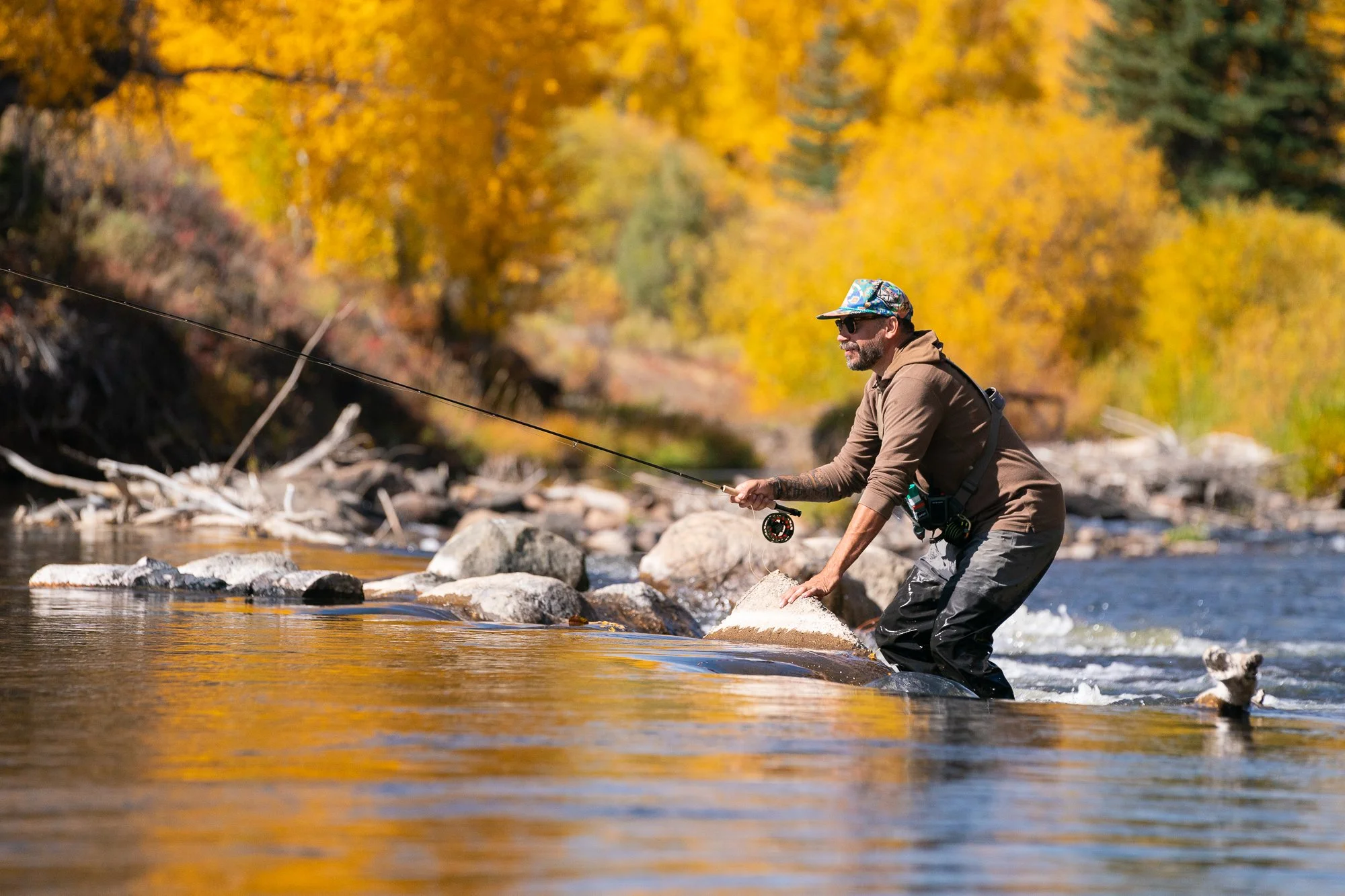
A Simple River Gear Table
Your setup should match the fish, current, cover, and casting space. The table below gives practical starting points rather than strict rules.
| Gear choice | Good starting specification | Best suited angler |
|---|---|---|
| Spinning rod and reel | 6-foot-6-inch to 7-foot, medium-light or medium, 6- to 10-pound line | Beginners, shore anglers, panfish, trout, bass |
| Heavier spinning setup | 7- to 8-foot, medium-heavy, 12- to 20-pound line | Catfish, heavy current, large bass |
| Baitcaster | Medium or medium-heavy rod, 10- to 17-pound line | Experienced anglers casting jigs and crankbaits |
| Spincast combo | 5-foot-6-inch to 6-foot-6-inch, light or medium-light | Kids and casual beginners |
| Fly rod | 8- to 9-foot, 4- to 6-weight for common freshwater use | Anglers who enjoy precise drift and fly casting |
| Telescopic rod | Collapsed length suited to travel, light or medium power | Hikers, travelers, and gift buyers |
A spinning reel is usually the easiest choice for a new angler. It casts light lures well and has less risk of backlash, which is a tangled spool caused by line leaving a baitcaster too quickly. A baitcaster offers excellent control but takes practice.

Select Line, Leader, and Terminal Tackle
Line test means the approximate weight a line is designed to handle. For general freshwater river fishing, 6- to 10-pound monofilament is forgiving and affordable. It also stretches slightly, which can reduce sudden hook pulls.
Braided line has little stretch and a thin diameter. It can help when fishing heavy cover, deep water, or strong current. A common river setup uses 10- to 20-pound braid with a 6- to 12-pound fluorocarbon leader.
Fluorocarbon is harder for fish to see under water and resists abrasion. A leader is a short section of line tied between the main line and the hook or lure. Use a longer leader in clear water and a stronger leader near rocks, wood, or mussel beds.
Useful terminal tackle includes:
- Hooks from size 8 to 2/0 for many freshwater baits
- Split shot for light drift presentations
- Egg sinkers for bottom fishing
- Bobbers for suspended bait
- Barrel swivels to reduce line twist
- Snap swivels for quick lure changes
- Steel or heavier leaders where local fish require them

Compare River Fishing Reels
Each reel type has a place. The right choice depends on skill, lure weight, travel needs, and target species.
| Reel type | Main strength | Main limitation |
|---|---|---|
| Spinning reel | Easy casting and good light-line control | Line twist can develop with some lures |
| Baitcaster | Accurate casting and strong lure control | Backlash takes practice to prevent |
| Spincast reel | Simple operation for kids and new anglers | Less control and durability on demanding fish |
| Fly reel | Stores fly line and balances a fly rod | Not designed for standard bait or heavy lures |
For a first setup, a spinning reel with a front drag is a strong choice. Drag is the reel system that lets line leave the spool under pressure. Set it so a hard-pulling fish can take line without breaking it.

Prepare Your Tackle Before You Reach the River
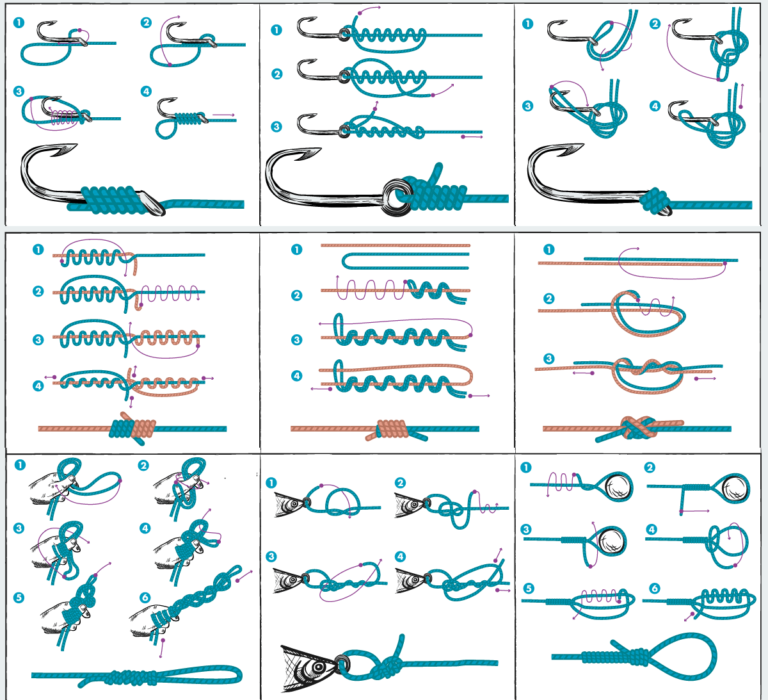
Preparation saves time and reduces frustration. Tie knots at home, check your line for damage, and place common hooks and weights in separate tackle box sections. Keep a small pair of fishing pliers nearby to remove hooks and cut line.
Inspect the first few feet of line after every snag or fish. Replace it if you see rough spots, curls, cuts, or flattened sections. River rocks, shells, wood, and concrete can damage line faster than many anglers expect.
Pack only what you can carry safely. Shore fishing often involves mud, steep banks, brush, and long walks. A small sling pack or compact tackle box may be more useful than a large box filled with gear you never use.

Basic River Fishing Checklist
This compact list works for many freshwater trips. Add species-specific gear when needed.
| Item | Why you need it | Practical choice |
|---|---|---|
| Rod and reel | Casts and retrieves the presentation | Medium-light spinning combo for general use |
| Main line and leader | Connects the reel to the hook or lure | 6- to 10-pound mono or light braid with leader |
| Hooks and sinkers | Holds bait at the right depth | Sizes 8 to 2/0 and split shot or egg sinkers |
| Bobbers | Keeps bait suspended | Small slip bobber for changing depth |
| Lures | Covers water and imitates prey | Jigs, inline spinners, soft plastics, or crankbaits |
| Pliers and line cutters | Removes hooks and trims line | Corrosion-resistant tool for wet conditions |
| Landing net | Supports fish during landing | Rubber or knotless mesh for catch and release |
| Polarized sunglasses | Reduces glare and helps spot cover | Lenses with secure fit and UV protection |
A landing net is useful even for bank anglers. It reduces the need to drag a fish onto rocks or lift it by the line. Choose a net with a handle long enough for your fishing area but short enough to carry easily.

Rig Bait and Lures for the Current
The best river rig keeps your offering near the feeding zone without burying it in the bottom. Current speed decides how much weight you need. Use the lightest weight that still lets you control the bait.
Live bait can include worms, minnows, crayfish, leeches, and insects where legal. Natural bait often works well for beginners because it gives fish a familiar food source. Lures allow you to cover more water and avoid keeping bait alive.
A bait should move naturally. If a worm spins like a propeller, a minnow looks stiff, or a lure drags sideways, adjust the hook, weight, or retrieve.

Productive Bait Rigs
A bobber rig works well when fish feed above the bottom. Attach the bobber so the bait hangs just over weeds, gravel, or a known depth. A slip bobber is useful when the water is deeper than the length of your rod.
A bottom rig works for catfish, carp, drum, and some walleye. Place an egg sinker above a swivel, then tie a leader and hook below it. The sinker rests on the bottom while the bait moves slightly in the current.
A simple split-shot rig works for trout and panfish. Place one or two small split shots above the hook. Cast upstream and allow the bait to drift while keeping slight contact with the line.

Match the Presentation to the Target Fish
Different fish respond to different speeds, depths, and lure sizes. The table below gives a practical starting point.
| Target species | Useful presentation | Common starting tackle |
|---|---|---|
| Trout | Natural drift, small spinners, small jigs, flies | 6- to 8-pound line, size 8 to 14 hook |
| Smallmouth bass | Soft plastics, jigs, crankbaits, live crayfish | Medium-light or medium spinning rod |
| Largemouth bass | Weedless soft plastics, spinnerbaits, topwater lures | Medium or medium-heavy rod |
| Catfish | Cut bait, worms, live bait, bottom rigs | Medium-heavy rod, 12- to 20-pound line |
| Panfish | Worms, small jigs, tiny spinners | Light or ultralight spinning setup |
| Walleye | Jigs, minnows, crankbaits near depth changes | Medium-light or medium rod |
| Redfish in tidal rivers | Soft plastics, shrimp, spoons, live bait | Saltwater-rated reel and 10- to 20-pound line |
These are starting points, not guarantees. Water clarity, forage, season, regulations, and local fishing pressure can change what works.

Fish Lures With a Controlled Retrieve
A lure works best when you control its speed and depth. Begin with a slow retrieve near cover. If no fish respond, change one factor at a time: speed, depth, color, size, or angle.
Jigs are useful because they can fish near the bottom, through current, or around cover. Soft plastics imitate worms, minnows, and crawfish. Crankbaits cover water at a set depth. Inline spinners create flash and vibration, which can attract trout and bass in moving water.
Cast across or slightly upstream. Let the lure reach the desired depth, then retrieve it through a seam or beside cover. Keep the rod tip low when you need the lure to stay down.
Follow a Step-by-Step River Fishing Plan
A simple plan helps you avoid random casting. Begin with observation, then make small adjustments based on current, depth, and fish response.
1. Check the River Before You Cast
Watch the water for several minutes. Look for baitfish, insects, surface disturbances, foam lines, diving birds, and fish near cover. Notice which way leaves and floating debris move.
Check the bank for tracks, fresh baitfish, or anglers who are already catching fish. Do not crowd another angler. Give people enough room to cast and move safely.
2. Start With the Nearest Water
Many anglers cast as far as possible first. This can spook fish near the bank and leave no untouched water close to you. Make a few short casts beside rocks, grass, wood, and the edge of the current.
Work outward in stages. Fish the near bank, middle distance, and far edge before moving. This approach is especially useful for trout and bass in clear water.
3. Cast Upstream or Across the Current
Casting upstream lets the bait move with the flow. This often looks natural to fish facing into the current. Use a controlled drift and keep enough line tight to detect a bite.
A cross-current cast lets you sweep a lure through several water speeds. Cast upstream of the target, let the lure swing, and guide it past the seam. Watch for a pause, tap, or sudden slack line.
4. Change Depth Before Changing Everything Else
If fish are present but not biting, your bait may be too high or too low. Adjust bobber depth, add or remove weight, count down a lure, or use a deeper-running presentation.
A small depth change can matter more than a new color. Keep notes about where you see baitfish and where your lure travels. This builds a useful picture of the river.
5. Set the Hook Based on the Presentation
With a bobber, wait for the float to move under or away in a steady way. Then lift the rod firmly instead of making a wild swing. For a lure, set the hook when you feel a solid pull or see the line move in an unusual direction.
Circle hooks work differently. They are designed to slide into the corner of a fish’s mouth, so avoid a hard hookset. Reel down until the line is tight, then apply steady pressure.
6. Fight and Land the Fish With Care
Keep the rod bent and let the drag work. Do not lock the drag unless you need to turn a fish away from dangerous cover. Move your feet and guide the fish toward calm water when possible.
Use a landing net rather than lifting a heavy fish by the line. Wet your hands before touching a fish. Support its body, keep air exposure brief, and release it facing into gentle current until it swims away.
Adjust Your Approach by Water Type
The same river can offer several fishing environments. Shore fishing, kayak fishing, and wading each provide different angles and risks.
Shore anglers should focus on access points, bends, bridge areas, and deep water within casting range. Kayak anglers can reach backwaters and quiet banks but must understand current, wind, boat traffic, and exit points. Wading anglers gain access to seams but face higher water risks.
Shore and Pier Fishing
A shore angler needs mobility and a compact setup. Wear shoes with strong grip, carry a small net, and avoid climbing unstable banks. Fish upstream and move quietly between spots.
Piers, docks, and public walls may hold fish because they create shade and structure. Cast parallel to the edge as well as away from it. Check for restricted areas, private property, and local rules before setting up.
Kayak Fishing
Kayak fishing gives you access to water that may be hard to reach from shore. Use a U.S. Coast Guard–approved personal flotation device at all times. Keep hooks, pliers, and knives secured so they do not become hazards during a sudden turn.
Before launching, check current speed, wind, water temperature, boat traffic, and safe take-out points. A stable sit-on-top kayak may suit beginners, while a pedal kayak may help experienced anglers cover water. Check the kayak’s weight capacity, including your body, tackle, battery, and cooler.
Wading in Moving Water
Wading requires extra care. Wear a wading belt with chest waders, use a wading staff, and take small steps. Avoid crossing where the bottom is unclear or current pushes hard against your legs.
Never assume shallow water is safe. A deep hole, slick rock, or sudden drop can cause a fall. Fish with a partner when possible, tell someone your plan, and leave the river if water rises or weather changes.
⚠️ Safety Warning: Wear a properly fitted U.S. Coast Guard–approved PFD when fishing from a kayak, boat, or unstable platform. Check weather and river conditions before you go, and tell someone where you will fish and when you plan to return.
Fish Different Seasons and Water Conditions
River conditions can change quickly. Rain, snowmelt, heat, drought, and dam releases affect current speed, clarity, depth, and fish location.
Cold water often slows fish metabolism. Slow presentations near deeper water may work better. Warmer water can increase feeding activity, but very warm water may reduce oxygen in slow areas. Watch the river instead of relying on a fixed seasonal rule.
Seasonal River Fishing Guide
Use this table as a planning tool. Local conditions may shift these patterns by several weeks.
| Season or condition | Places to try | Useful approach |
|---|---|---|
| Cold early season | Deep pools, slow seams, sunny banks | Small jigs, natural bait, slow retrieve |
| Spring high water | Protected banks, backwaters, eddies | Heavier sinkers, bright lures, cover-focused casts |
| Summer low water | Shade, riffle edges, deep holes | Early or late trips, light line, subtle lures |
| Fall cooling | Bends, current seams, baitfish areas | Jigs, crankbaits, live bait, moving presentations |
| After heavy rain | Slack water and protected cover | Stronger line, larger bait, slower drift |
| Clear low water | Depth, shade, distant cover | Longer casts, lighter leaders, quiet movement |
In hot weather, plan trips for early morning or evening. Carry drinking water, sun protection, and a way to communicate. In cold water, wear clothing that remains warm when wet and avoid wading alone.
Avoid Common River Fishing Mistakes
Most poor river trips come from a few repeat errors. The good news is that each one has a simple fix.
The first mistake is staying in one spot too long. Fish a likely area carefully, then move if you find no signs of life. The second is using too much weight. A bait that drags and snags may look unnatural and teach you little about the river.
Another mistake is making noise. Dropped tackle, heavy steps, and careless shadows can spook fish in clear or shallow water. Approach low, keep movements smooth, and cast before walking to the edge.
Problems and Practical Fixes
Use the symptom you see to guide your adjustment. Avoid changing five things at once.
| Problem | Likely cause | Practical fix |
|---|---|---|
| Bait hangs on the bottom | Too much weight or slow water | Remove weight or raise the bait |
| Line bows far downstream | Too much slack in current | Reel slowly and keep the rod tip low |
| Frequent snags | Fishing directly into cover or using heavy bottom contact | Move the cast angle and reduce weight |
| Fish follow but do not strike | Lure is too large or too fast | Slow down or use a smaller lure |
| Lost fish near the bank | Tight drag or poor landing angle | Loosen drag slightly and use a net |
| Line breaks on rocks | Damaged leader or light abrasion resistance | Retie and use a stronger leader |
A snag is not always a lost lure. Point the rod at the snag and pull steadily from a safe position. Do not wrap line around your hand. If the lure will not come free, cut the line and retrieve loose line and tackle when safe.
Pros and Cons of Common River Methods
No single method works for every river. Choose based on the fish, current, access, and your comfort level.
| Method | Advantages | Limitations |
|---|---|---|
| Live bait | Natural scent and simple learning curve | Requires storage and may have bait restrictions |
| Soft plastics | Versatile, reusable, and easy to vary | Can snag near cover without the right hook |
| Crankbaits | Covers water and targets a set depth | Treble hooks snag easily |
| Fly fishing | Precise drift and light presentation | Requires casting practice and specialized gear |
| Bottom fishing | Effective for catfish and deep fish | Less mobile and more prone to snags |
| Bobber fishing | Easy depth control and visual bite signal | Can struggle in very fast or deep current |
For beginners and kids, bobber fishing or a simple worm rig can make bite detection clear. Experienced anglers may prefer jigs, baitcasters, or fly rods because these tools offer greater control. Gift buyers should choose simple, durable gear over advanced equipment that requires a long learning curve.
Keep Your River Gear Clean and Ready
Freshwater gear still needs care. Rinse mud and sand from reels, wipe rods dry, and open the drag slightly before storage if the manufacturer recommends it. Do not store wet line, bait, or soft plastics in a sealed box for long periods.
Saltwater and tidal river anglers need extra care. Rinse saltwater-rated reels with a gentle stream of fresh water, dry them, and follow the maker’s lubrication instructions. Do not blast water into the reel with high pressure because it can drive salt deeper inside.
Inspect hooks, split rings, guides, reel bail springs, and line. Replace rusty hooks and cracked leaders before your next trip.
Simple Gear-Care Schedule
Small checks prevent many failures. Increase the frequency when you fish saltwater, sand, or muddy banks.
| Timing | Care task | Replace or repair if needed |
|---|---|---|
| After every trip | Rinse and dry gear, inspect line and hooks | Frayed line, bent hooks, loose guides |
| Every few trips | Clean reel exterior and check drag | Rough drag or grinding retrieve |
| Monthly during heavy use | Inspect rod guides and reel handle | Cracked guide inserts or loose handle |
| Before storage | Dry tackle and loosen drag as directed | Rust, mold, or damaged soft plastics |
| Before a big trip | Test knots, drag, and landing net | Any part that feels unreliable |
A reel can last many seasons with basic care, but its life depends on use, grit, salt, storage, and maintenance. Replace line more often than the reel. Line is cheap compared with losing a fish or lure because of hidden damage.
Respect Regulations and River Conservation
A fishing license is required in most U.S. waters, with rules set by the state or local wildlife agency. Regulations may cover seasons, size limits, bag limits, bait, hook types, lead weights, barbed hooks, and protected species.
Rules can differ between a river’s main channel, tributaries, reservoirs, and tidal sections. Check the current regulations before each trip. Do not rely on an old license guide, a social media post, or advice from a friend.
📜 Check Local Regulations: Confirm license requirements, fishing hours, species rules, size and bag limits, closed seasons, and restrictions on live bait, lead, treble hooks, and barbed hooks with your state or local wildlife agency.
Catch and release begins before the fish reaches the bank. Use barbless hooks when legal, wet your hands, avoid squeezing the fish, and keep it out of the air for as little time as possible. Cut the line close to a deeply swallowed hook if removing it would cause more harm, unless local guidance says otherwise.
Never leave fishing line, bait containers, hooks, or plastic on the bank. Dispose of line in a recycling bin or tackle shop collection box when available. Keep only legal fish that you can use, and release unwanted fish promptly.
🌿 Conservation Note: River health supports every angler. Do not move live fish or bait between waters, and never release aquarium fish, unused bait, or nonnative species into a river.
How Much Does a River Fishing Setup Cost?
A basic river setup can cost less than a large specialized package. Current pricing ranges from about $25 to $60 for simple spincast or entry spinning combos, $60 to $150 for better general-purpose spinning gear, and more for premium reels, fly outfits, saltwater equipment, or kayak systems.
The most useful upgrade is often better line and better hooks, not a reel with many bearings. A smooth drag, a strong bail, comfortable grips, and reliable guides matter more than a long feature list.
Practical Budget Tiers
Use your budget to match the angler and the type of water. Prices vary by brand, materials, sales, and included tackle.
| Budget level | Typical setup | Best for |
|---|---|---|
| Under $50 | Spincast combo, basic line, hooks, bobber, sinkers | Kids, occasional anglers, simple panfish trips |
| $50–$150 | Medium-light spinning combo, small tackle box, net, pliers | Beginners, shore anglers, bass and trout |
| $150–$300 | Better spinning reel, braid and leader, quality lures, landing net | Frequent anglers and gift buyers seeking durability |
| Over $300 | Premium spinning or baitcasting setup, specialized rod, advanced tackle | Experienced anglers and species-focused fishing |
An expensive setup will not replace good water reading. For many beginners, a $75 to $150 spinning combo with a small selection of proven rigs is a sensible starting point.
Know When to Ask a Local Tackle Shop or Guide
Local knowledge can save you time and prevent unsafe choices. A tackle shop can tell you which line test, bait, hook size, and sinker weight suit the nearby river. Ask what species are being caught, where access is legal, and whether recent rain changed the river.
A licensed guide can help with advanced methods, difficult water, fly casting, kayak routes, or species such as large catfish and river redfish. A guide is especially useful when you are new to wading or fishing a powerful river.
Ask for current information, not secret spots. Responsible anglers protect sensitive areas and respect private property, access limits, and other people’s space.
👪 Parent or Gift-Buyer Note: For a child, choose a light or medium-light spincast combo with a comfortable grip, practice plugs, and simple bobber rigs. Avoid treble-hook lures at first, and teach hook, knife, water, and sun safety before the first trip.
FAQs About Fishing a River
What is the best bait for river fishing?
Worms are a useful starting bait for panfish, trout, bass, catfish, and several other freshwater species. Minnows, crayfish, leeches, and cut bait can work for specific fish. Always check local rules before using live bait.
What rod and reel should a beginner use for river fishing?
A 6-foot-6-inch to 7-foot medium-light spinning combo is a strong general choice. Pair it with 6- to 10-pound monofilament. This setup is easy to cast and suits many panfish, trout, bass, and smaller walleye.
Should you fish upstream or downstream?
Many anglers cast upstream or across the current so the bait or lure moves naturally with the flow. Fishing downstream can work in slow water, eddies, and certain lure presentations. Let the current and target depth guide your choice.
How do you fish a river from shore?
Start close to the bank, then cast toward seams, rocks, logs, deep holes, and current breaks. Fan your casts, change depth, and move when an area shows no signs of fish. Use a compact tackle box and wear shoes with good grip.
Is braided line better for river fishing?
Braided line is useful near heavy cover and when you need low stretch. Monofilament is cheaper, easier for beginners, and more forgiving. Many anglers use braid as main line with a fluorocarbon leader in clear or rocky water.
What size hook should you use in a river?
Size 8 to 14 hooks suit many panfish and trout baits. Sizes 4 to 1 or larger may suit bass, catfish, and bigger bait. Match the hook to the bait, fish, and local regulations rather than choosing only by fish size.
How do you fish a river after rain?
Look for protected banks, backwaters, eddies, and areas where muddy water meets clearer water. Use enough weight to control the bait, but avoid dragging it. Fish may move shallow or hold tight to cover as current rises.
Can you fish a river with a fly rod?
Yes. Fly rods work well for trout, panfish, bass, and other species when insects or small prey are available. A 4- to 6-weight rod suits many freshwater trips, but the best weight depends on species, wind, flies, and local water.
Is kayak fishing safe on a river?
It can be safe when conditions, equipment, and skill match the river. Wear a U.S. Coast Guard–approved PFD, check current and weather, secure hooks and tools, and know your launch and exit points. Take a boating safety course if you are new to moving water.
How long does fishing line last?
Line life depends on storage, use, abrasion, heat, and exposure to sunlight. Inspect it every trip and replace it when it feels rough, curls badly, or shows cuts. Frequent anglers may replace monofilament several times a season.
What should you do if a fish swallows the hook?
Do not force the hook out if removal may cause major injury. Cut the line close to the mouth and follow local fish-handling guidance. Circle hooks, careful bait placement, and faster hooksets can reduce deep hooking.
Final Advice for Your Next River Trip
The best way to learn how to fish a river is to keep the first trip simple. Bring one reliable spinning setup, a few hooks, split shot, a bobber, worms or legal local bait, and one or two small lures. Spend more time watching current and cover than changing colors.
Fish near seams, depth changes, shade, rocks, wood, and slack water. Cast upstream or across the flow, control your line, and change depth before buying more tackle. Move carefully, follow regulations, wear the right safety gear, and handle fish with respect.
A river rewards attention. Each trip teaches you how water moves, where food collects, and how fish use shelter. With practice, even a small bank, a simple rod, and a quiet hour can become a productive and memorable fishing experience.