How To Fish For Panfish: Easy Tips For Big Catches
Panfish are among the best fish for learning how to fish. Bluegill, crappie, perch, pumpkinseed, and sunfish live in many lakes, ponds, rivers, and reservoirs. They often feed close to shore, respond to simple baits, and grow large enough to make light tackle exciting.
The best way to fish for panfish is to use light gear, small hooks, simple rigs, and small baits or lures. Start near cover, watch your bobber, and change depth when bites slow. A basic spinning or spincast combo can work for a child, a first-time angler, or an experienced fisherman who wants steady action.
Panfish still require skill. Water temperature, depth, weather, cover, light level, and local food all affect where they feed. This guide explains how to choose gear, rig bait, find fish, adjust your presentation, and handle panfish with care.

Quick Answer: How to Fish for Panfish
The best way to catch panfish is to use a 5- to 7-foot light or ultralight rod, a small spinning or spincast reel, 2- to 6-pound monofilament line, and a size 6 to 12 hook under a bobber. Use worms, crickets, minnows, jigs, or tiny soft plastics. Fish near weeds, brush, docks, rocks, and drop-offs, then change bait depth until you find feeding fish.
Understanding Panfish and Their Feeding Habits
Panfish is a common name for several small freshwater species. Bluegill, redear sunfish, pumpkinseed, green sunfish, crappie, yellow perch, and white perch are all called panfish in many parts of the United States. Some anglers also use the term for smaller fish that are good to eat and easy to catch.
Panfish eat insects, larvae, worms, small crustaceans, fish eggs, and tiny baitfish. Their diet changes with the season and water conditions. This is why a small bait or lure often works better than a large bass lure.

Common Panfish Species
Bluegill are perhaps the most widespread panfish. They often hold near weeds, fallen trees, docks, and shaded banks. Their small mouths favor tiny hooks, light line, and small baits.
Crappie often suspend away from cover. They may sit several feet down over brush piles, submerged trees, creek channels, or open water. Crappie can be caught with minnows, small jigs, and soft plastics.
Yellow perch often travel in schools. They may feed near the bottom, around weeds, or along a break where shallow water drops into deeper water. A small worm, minnow, or jig can work well.
Pumpkinseed and redear sunfish often prefer firm bottoms, plants, and warm shallows. Redear sunfish may feed more on snails and small bottom creatures than bluegill do, so a bait fished close to the bottom can be useful.

Where Panfish Feed
Panfish often use structure for shelter and food. Structure means a physical feature such as a tree, dock, rock pile, weed bed, or drop-off. Cover gives fish a place to hide, while nearby open water gives them room to feed.
Look for these high-value areas:
- Weed edges
- Fallen trees and brush
- Dock posts
- Rock banks
- Boat ramps
- Shallow coves
- Inlets and small creeks
- Drop-offs near spawning flats
- Shade under trees or docks
- Submerged brush marked by a fish finder
Fish may sit right inside cover or just outside it. Start close to the cover, then cast a few feet beyond it. This helps you find the fish without placing your hook into every branch.
Choosing Panfish Gear by Water and Angler
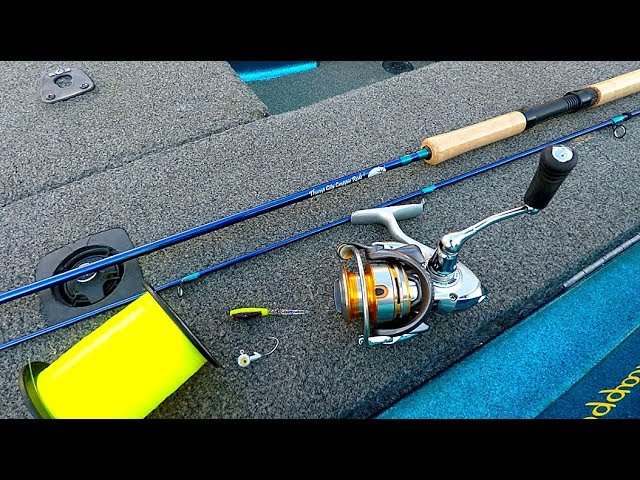
Light tackle gives panfish enough power to feel strong without making the fight unsafe for the fish. It also helps cast small lures and baits. A 5- to 7-foot light or ultralight rod is a useful choice for most shore, dock, and small-boat fishing.
A rod’s power is its lifting strength. Ultralight and light rods bend under less weight than medium rods. A rod’s action describes where it bends. Fast-action rods bend near the tip, while moderate-action rods bend farther down the blank.
For most beginners, a light spinning combo is the easiest all-purpose setup. A spincast combo is even simpler for young children. Experienced anglers may prefer an ultralight spinning reel, a long crappie rod, an ice fishing rod, or a fly rod for a more specialized approach.

Rod and Line Pairings
The following pairings cover most panfish situations. Use them as starting points, not strict rules.
| Fishing situation | Rod and line choice | Why it works |
|---|---|---|
| Kids and first trips | 5- to 6-foot light spincast combo with 4- to 6-pound monofilament | Simple casting and easy handling |
| General shore fishing | 6- to 7-foot light spinning rod with 4- to 6-pound monofilament | Good casting range and lure control |
| Tiny jigs and clear water | 5- to 7-foot ultralight spinning rod with 2- to 4-pound line | Sensitive and light for small baits |
| Crappie near brush | 7- to 10-foot light crappie rod with 4- to 8-pound line | Helps reach cover and control fish |
| Ice fishing | 24- to 36-inch ultralight ice rod with 2- to 4-pound line | Fits a shelter and detects light bites |
| Fly fishing | 3- to 5-weight fly rod with a light leader | Presents small flies with little splash |
A 4-pound line is a strong starting point in open water. Move to 6- or 8-pound line around brush, docks, weeds, or larger bass that may strike by accident. Use 2-pound line only when you need a delicate presentation and can avoid rough cover.

Spinning Reels, Spincast Combos, and Other Choices
A small spinning reel is the best general choice for many panfish anglers. It casts light lures well, resists line tangles when spooled correctly, and lets you adjust the drag. The drag is the reel system that releases line when a fish pulls hard.
A spincast reel has a covered spool and a push-button cast. It is often the best option for kids, gift buyers, and new anglers who want the least complex setup. It may not cast as far or feel as smooth as a spinning reel, but it can be easier to learn.
Baitcasters are rarely needed for panfish. They work well with heavier lures and strong line, but small panfish lures can be hard to cast with them. A fly rod is a good alternative when you enjoy casting small flies or fishing calm water, but it requires more practice.
Telescopic rods save space for travel, hiking, and small kayaks. Check the guides, joints, and tip often. The first parts to fail are often the tip, line guides, or reel seat when the rod is stored wet or forced closed with dirt inside.

Line, Leaders, and Terminal Tackle
Monofilament is the simplest line for panfish. It is affordable, knots well, floats slightly, and has enough stretch to protect light hooks. Fluorocarbon is less visible underwater and sinks, so it can help with clear water or bottom presentations. Braided line is thin and sensitive, but it has little stretch and may need a fluorocarbon or monofilament leader.
A leader is a short section of line between the main line and the hook or lure. Panfish usually do not need a heavy leader. A 2- to 6-pound fluorocarbon leader can work in clear water, while direct-tied monofilament is fine in many ponds.
Useful terminal tackle includes:
- Size 6 to 12 hooks
- Small split shot sinkers
- Slip bobbers
- Fixed bobbers
- Small swivels
- Tiny jigs
- Snap swivels used sparingly
- 1/32- to 1/8-ounce jig heads
- Small soft plastics
- Small floats and stops
| Terminal tackle | Best use | Key choice |
|---|---|---|
| Size 6–8 hook | Worms, crickets, larger bluegill, perch | Good for bigger natural baits |
| Size 10–12 hook | Small worms, maggots, tiny baits | Better for small mouths |
| 1/32–1/16-ounce jig | Bluegill, crappie, perch | Good for shallow or slow presentations |
| 1/16–1/8-ounce jig | Wind, deeper water, faster drift | Reaches depth more quickly |
| Small split shot | Holds bait below a bobber | Place 6–18 inches above hook |
| Slip bobber | Deep water or changing depth | Lets you fish more than a rod-length deep |
Choose hooks with a thin wire and a sharp point. Large hooks can make it hard for panfish to take the bait. In waters with special rules, use barbless hooks or pinch down the barb.

Baits, Lures, and Presentations That Work
Live bait is often the easiest way to start fishing for panfish. A small piece of nightcrawler, red wiggler, mealworm, cricket, waxworm, or minnow can appeal to several species. Keep the bait small. A piece about the size of a pea is often enough for bluegill.
Small lures work well when you want to cover water. Use 1/32- to 1/16-ounce jigs, tiny spinners, small spoons, micro crankbaits, and 1- to 2-inch soft plastics. Match the lure size to the fish and the local food. If fish nip the tail without getting hooked, try a smaller bait or shorten the soft plastic.

The Bobber-and-Worm Rig
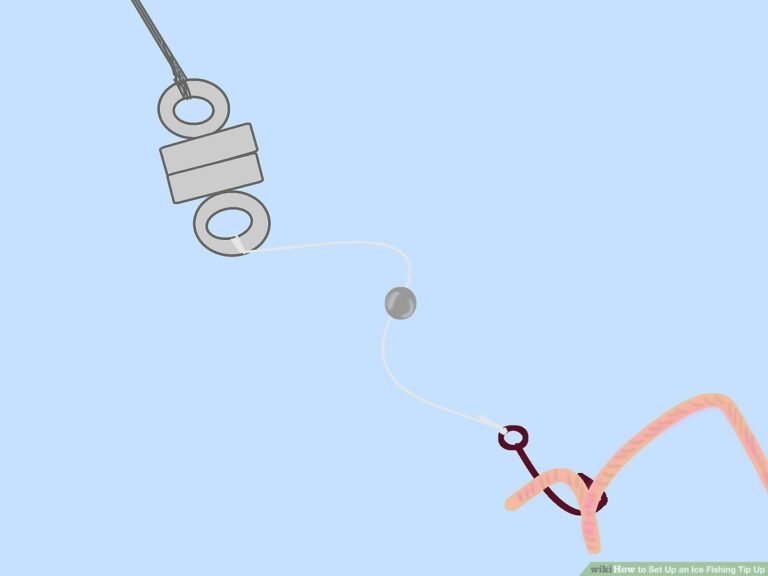
The bobber rig is the best starting point for many beginners. It shows bites clearly and keeps the hook above weeds, mud, and snags.
To build the rig:
- Thread the line through the rod guides.
- Attach a small hook with an improved clinch knot.
- Pinch one or two small split shots onto the line 6 to 18 inches above the hook.
- Add a fixed bobber above the sinker.
- Bait the hook with a small piece of worm, cricket, or other legal bait.
- Cast near cover and watch the float.
Set the bait 1 to 3 feet deep in shallow water. In deeper water, use a slip bobber so you can fish 5, 10, or even 20 feet down. Adjust the stop until the bait reaches the depth where fish are holding.
Do not set the hook every time the bobber twitches. Wait until it moves down, slides away, or stays under water for a moment. Then lift the rod firmly but smoothly.

The Small Jig Rig
A jig is a hook with a weighted head. Add a tiny soft plastic body, feather, hair, or live bait to the hook. Cast it near cover, let it sink, and retrieve it with small lifts.
Try this simple pattern:
- Cast beside a weed edge or brush pile.
- Let the jig sink for two to five seconds.
- Lift the rod tip 2 to 6 inches.
- Let the jig fall on a semi-slack line.
- Repeat the lift and fall.
- Pause longer if fish follow but do not strike.
Use bright colors in stained water and natural colors in clear water. White, chartreuse, black, yellow, pink, and small natural bait colors are common starting points. Color matters less than depth and speed on many days.

Bottom Rigs for Perch and Redear Sunfish
A small hook with one or two split shots can present bait near the bottom. This rig works well for yellow perch, redear sunfish, and panfish that are not suspended.
Cast beyond the target area. Let the bait settle. Then slowly lift it, move it a few inches, and allow it to rest again. Keep enough tension to feel a bite, but do not drag the sinker quickly across the bottom.
A small slip-sinker rig can also work in deeper water. Use the lightest sinker that reaches bottom. Heavy weights reduce sensitivity and may make a small fish drop the bait.

Small Spinners, Crankbaits, and Flies
Tiny spinners create flash and vibration. They are useful when fish are active or spread along a bank. Retrieve them slowly enough that the blade turns without pulling the lure out of the strike zone.
Micro crankbaits can imitate small minnows. They are more useful for larger crappie, perch, and aggressive sunfish than for very small fish. Fly anglers can use small poppers, nymphs, wet flies, and streamers on a 3- to 5-weight fly rod.
Do not overlook a plain hook and bait. A simple rig often beats a complex lure when fish are cold, pressured, or feeding on natural food.
Finding Panfish in Every Season
Panfish move as water temperature and food sources change. They may be shallow during a warm afternoon, deep during a cold front, and suspended over open water during summer. Use the calendar as a guide, but let current fish behavior decide where you cast.
| Season | Likely location | Productive approach |
|---|---|---|
| Early spring | Warming coves, creek mouths, shallow flats | Small jigs and slow bait rigs |
| Late spring | Shallow spawning areas and firm bottom | Bobbers, worms, crickets, small flies |
| Summer | Weed edges, shade, deep cover, open-water schools | Small jigs, minnows, deeper bobbers |
| Fall | Weed lines, creek channels, rocky banks | Small spinners, jigs, worms |
| Winter | Deep holes, brush, slow current, ice edges | Small jigs, waxworms, light bait rigs |
In spring, focus on protected water that warms first. Fish may move shallow to feed and spawn. Avoid stepping on shallow spawning beds when possible, especially in clear water.
In summer, fish early and late when light is low. During the day, look for shade, deeper water, or vegetation. A fish finder can help locate suspended crappie and deep schools, but it is not required for shore fishing.
In fall, cooling water can bring panfish back toward shallow cover. In winter, slow down. Ice fishing rods, tiny jigs, waxworms, and careful depth changes can help locate fish beneath the ice.

A Step-by-Step Plan for Your Next Trip
A simple plan keeps you from casting at random. Start with the easiest high-percentage areas, then make one change at a time. Change depth before changing everything else.
Step 1: Check the Water and Regulations
Before leaving home, check the weather, water access, fishing license rules, species rules, and daily limits. Regulations can control hook type, bait, lead tackle, season dates, size limits, and the number of fish you may keep.
Look at the wind and recent weather. A warm, calm day may push fish shallow. A cold front can make them move deeper or feed less. Strong wind may make a light bobber hard to see, so use a slightly larger float or fish a sheltered bank.
📜 Check Local Regulations: Fishing rules vary by state, lake, and species. Confirm current requirements with your state wildlife agency or the local managing authority before fishing.

Step 2: Prepare the Tackle
Check the rod guides for cracks. Make sure the reel bail works, the drag turns smoothly, and the line has no rough spots. Replace line that is curled, brittle, frayed, or badly tangled.
Fill a small tackle box with hooks, split shots, bobbers, jigs, pliers, scissors, spare line, and a measuring tool. Carry a landing net if you expect larger crappie, bass, or fish near heavy cover.
Step 3: Start Near Visible Cover
Make your first casts beside weeds, brush, docks, rocks, or shade. Do not cast into the thickest cover at once. Place the bait beside the edge, where fish can reach it and you can land them.
Fish each area for several minutes. If you get bites, repeat the cast at the same angle. If you see bluegill but cannot hook them, reduce the bait size, use a smaller hook, or set the bobber closer to the bait.
Step 4: Test Several Depths
Start with the bait 1 to 2 feet below the bobber. If you catch nothing, try 3 feet, then 5 feet. Panfish may sit at one exact depth, especially when they suspend over weeds or brush.
Keep notes on depth, bait, weather, and location. Experienced anglers use this information to find patterns. Beginners benefit too because notes turn random trips into useful lessons.
Step 5: Set the Hook and Land the Fish
When a bobber goes under, lower the rod tip slightly and lift with steady pressure. Panfish have small mouths, so a hard hook set can pull the hook free or tear the mouth.
Keep the rod bent while you reel. Use the drag if the fish runs. Do not lift a heavy fish by the line, especially when using 2- or 4-pound test. Use a net or support the fish with wet hands.
Common Panfish Fishing Mistakes
Most panfish problems come from fishing the wrong depth, using too much bait, or moving too fast. Small changes can make the rig easier for fish to take.
| Mistake | What happens | Better fix |
|---|---|---|
| Using a large hook | Fish peck at bait but miss the hook | Use size 10–12 for small panfish |
| Fishing one depth all day | Bait stays above or below the fish | Change depth every few casts |
| Using too much bait | Fish steal bait without getting hooked | Use a small piece, about pea-sized |
| Casting into thick brush | Hooks and fish become snagged | Fish the edge first |
| Setting the hook too hard | Light line breaks or fish come loose | Lift smoothly |
| Ignoring line wear | Weak spots fail under pressure | Check the last 2–3 feet often |
A common beginner mistake is adding too much tackle. Three bobber sizes, a few hooks, small sinkers, and two or three bait choices can cover most trips. More gear does not replace careful observation.
Another mistake is keeping every fish caught. Follow local limits and keep only what you plan to eat. Release unwanted fish quickly and gently.

Safety, Handling, and Conservation
Panfish fishing is often done from shore, docks, boats, kayaks, and ice. Each setting has its own risks. Hooks, slippery banks, heat, sun, sudden storms, and cold water deserve attention even on a short outing.
Wear polarized sunglasses to reduce glare and protect your eyes from hooks. Carry pliers for hook removal. Keep knives, hooks, and bait tools pointed away from people. Children should fish with close adult supervision, especially near deep water.
⚠️ Safety Warning: Wear a properly fitted U.S. Coast Guard–approved life jacket when boating, kayak fishing, or fishing near deep or moving water. Check the weather, tell someone your plan, and take a boating safety course when needed. For ice fishing, check ice thickness with local experts and never assume old ice is safe.

Handling Fish for Release
Wet your hands before touching a fish. This helps protect its slime coat, which acts as a barrier against infection. Keep the fish out of water for as little time as possible.
Use barbless hooks when practical. If a hook is deep, cut the line close to the hook instead of pulling hard. A small pair of hemostats or long-nose pliers can help remove hooks safely.
| Situation | Recommended action | Avoid |
|---|---|---|
| Fish is lightly hooked | Wet hands and remove the hook quickly | Squeezing the fish |
| Fish is deeply hooked | Cut the line close to the hook | Forceful pulling |
| Fish must be photographed | Support it low over water | Holding it over rocks |
| Fish is legal to keep | Follow size and bag limits | Keeping more than needed |
| Fish is tired | Hold it gently in the water | Tossing it back |
If you keep fish, use a legal stringer or cooler with clean water and ice as allowed by local practice. Do not leave fish in warm sun. Clean fish promptly and dispose of scraps in a proper place rather than leaving them on a public shoreline.
🌿 Conservation Note: Release large breeding fish when local fisheries guidance supports it, and keep only the fish you will use. Remove discarded line, hooks, and bait from the bank. Wildlife can become tangled in fishing line.
Costs and Practical Gear Choices
Panfish fishing does not require expensive equipment. A basic spincast combo may cost less than a specialized ultralight setup. Current pricing ranges from roughly $20 to $50 for simple beginner combos, $50 to $150 for better spinning outfits, and more for premium rods, reels, electronics, or specialty crappie gear.
Prices vary by brand, materials, reel quality, and included line. Check the current product listing for updated features, weight, warranty, and line capacity.
| Budget level | Useful setup | Best suited to |
|---|---|---|
| Under $40 | Spincast combo, hooks, bobbers, split shots | Kids and first-time anglers |
| $40–$100 | Light spinning combo and small tackle box | Regular shore anglers |
| $100–$200 | Ultralight rod, smoother reel, quality line | Anglers who fish often |
| $200 and above | Specialty crappie rod, fly gear, electronics, or kayak tools | Experienced anglers with a clear need |
A higher price can improve reel smoothness, weight, guides, drag control, and durability. It does not remove the need to choose the right depth or location. For a gift buyer, a reliable $40 combo with hooks and bobbers may be more useful than a costly rod that is too complex.
Gear Care, Storage, and Travel
Rinse freshwater gear lightly if it becomes muddy, sandy, or dirty. Wipe the rod dry before storage. Loosen the reel drag after each trip so the drag washers do not stay compressed.
Do not store soft plastics against some painted tackle or inside a reel pouch. They can melt or stain certain materials. Keep hooks dry, replace rusty terminal tackle, and store line away from heat and direct sun.
Even freshwater anglers should care about corrosion. Saltwater anglers must be more careful. A saltwater-rated reel with sealed or corrosion-resistant components is a better choice for redfish, surf fishing, piers, or coastal kayak fishing than a freshwater-only reel.
| Gear item | After each trip | Replace or repair when |
|---|---|---|
| Rod | Wipe guides and blank clean | Tip, guide, or reel seat is cracked |
| Reel | Wipe body and check line roller | Drag slips, grinds, or sticks |
| Monofilament | Inspect the last few feet | Line is brittle, curled, or rough |
| Hooks | Dry and store away from moisture | Point is dull or rusted |
| Bobbers | Rinse dirt from clips | Body cracks or no longer floats |
| Pliers | Dry and add light protectant | Jaws no longer align |
For travel, telescopic rods save space, but protect the tip. A two-piece rod often lasts longer when packed in a sleeve. Remove the hook before placing a rod in a vehicle, kayak, or backpack.
Choosing Panfish Gear by Angler Type
The right setup depends on who will use it, where they fish, and how much control they want. A child needs a short, simple outfit. A crappie angler may need a longer rod. A fly angler wants an entirely different cast.
| Angler type | Recommended setup | Reason |
|---|---|---|
| Young child | 5-foot spincast combo, 6-pound mono, bobber | Easy push-button casting |
| Adult beginner | 6-foot light spinning combo, 4- to 6-pound mono | Flexible and easy to learn |
| Shore regular | 6.5- to 7-foot light spinning rod | Longer casts and better lure control |
| Crappie specialist | 7- to 12-foot light crappie rod | Reaches cover and controls depth |
| Fly angler | 3- to 5-weight fly rod | Presents small flies naturally |
| Kayak angler | 5.5- to 6.5-foot light rod | Easy handling in a small space |
| Ice angler | 24- to 36-inch ice rod | Fits shelters and detects light bites |
For a gift, ask where the angler fishes before buying. A long crappie rod may be awkward on a small kayak. A short spincast rod may feel limiting to an experienced shore angler. Match the rod to the water first, then add a small tackle kit.
👪 Parent or Gift-Buyer Note: Start with a light spincast combo for a young child, but choose a light spinning combo for an older child or adult who wants to keep learning. Include small hooks only with close supervision, and add a pair of pliers and polarized sunglasses.
Advanced Adjustments for Better Results
Once the basic rig works, focus on precision. Watch where the fish comes from, how long it takes to bite, and whether the bite happens on the fall, pause, or retrieve. These details reveal how panfish are using the area.
Use a slip bobber when fish are deeper than your rod length. Use a light jig when you need to cover water. Use live bait when fish are cautious or when you want a natural presentation.
A fish finder can help locate brush piles, depth changes, and suspended schools from a boat or kayak. It cannot tell you the best bait or replace careful handling. Learn to read the screen as a map of depth and objects, not as a promise of fish willing to bite.
In clear water, make longer casts and use lighter line. In stained water, slow down and use a lure with contrast or vibration. In wind, cast with it when safe, or fish a protected bank where you can see the bobber.
When to Ask a Local Tackle Shop
A local tackle shop can provide useful, current information about water level, bait, access, and regulations. Ask what depth anglers are using, whether fish are near weeds or brush, and which hook sizes are legal.
Bring your rod and reel if you need help with line, knots, or drag settings. Staff can often spot a damaged guide, overfilled spool, or incorrect bobber setup in minutes.
Ask before buying specialty gear. A long rod, fish finder, or expensive reel may solve a real problem, but it may also add weight and cost without helping your style of fishing.
Frequently Asked Questions
What is the best bait for panfish?
Small pieces of worm, crickets, mealworms, waxworms, and minnows are common choices. Worms are the easiest starting bait because bluegill, perch, crappie, and other panfish may take them. Use only enough bait to cover the hook point and check local rules before using live bait.
What size hook should I use for bluegill?
Start with a size 8 to 12 hook. Use size 8 for larger bluegill or bigger pieces of bait, and size 10 or 12 for small fish and tiny baits. A thin-wire hook with a sharp point usually works better than a thick, oversized hook.
How deep should I fish for panfish?
Begin 1 to 3 feet below the bobber in shallow water. If you get no bites, try 4 to 8 feet, then deeper water near brush, weed edges, or drop-offs. The correct depth changes with season, light, water temperature, and species.
Is monofilament or fluorocarbon better for panfish?
Monofilament is the best simple choice for most beginners. It is affordable, easy to knot, and has stretch that helps protect light hooks. Fluorocarbon can help in clear water because it sinks and is less visible, but it is usually stiffer and more costly.
Can I use braided line for panfish?
Yes, but light braid works best with a short monofilament or fluorocarbon leader. Braid has little stretch and may tear a small fish’s mouth if you set the hook too hard. It is most useful when you need greater sensitivity, longer casts, or better strength around weeds.
Do I need a fish finder to catch crappie?
No. You can catch crappie from shore, docks, and banks by fishing brush, creek channels, docks, and drop-offs. A fish finder helps boat anglers locate depth and suspended fish, but it does not replace sound presentation and careful depth changes.
Can kids use ultralight fishing gear?
Kids can use ultralight gear with adult help, but a light spincast combo is often easier at first. Ultralight rods are flexible and fun, yet light line breaks more easily around brush. Choose a setup that fits the child’s strength, attention span, and fishing location.
How long does panfish fishing gear last?
A basic rod and reel can last for years with dry storage, clean line, and gentle use. The line, hooks, and small terminal tackle need replacement more often. Signs it is time to replace gear include cracked guides, a rough reel, a slipping drag, brittle line, or a damaged rod tip.
Can I keep panfish on a stringer?
You can use a stringer only where legal and where conditions keep the fish alive and fresh. Follow local rules for possession and limits. If you plan to release fish, handle them gently and return them to the water as soon as possible.
Is a landing net useful for panfish?
A net is useful when fishing from a high bank, dock, boat, or kayak. It also helps protect fish from being swung into rocks or dropped. Choose a small rubber or knotless net when possible, especially if you plan to release fish.
Final Thoughts
Learning how to fish for panfish starts with a simple idea: put a small bait where fish feel safe and feed. A light rod, small hook, bobber, and worm can teach you more than a crowded tackle box.
Start near cover, test several depths, and change one thing at a time. Keep your hands wet when releasing fish, follow local regulations, and choose gear that fits the angler and water. With practice, you will learn when to use live bait, jigs, minnows, flies, or deeper presentations—and each trip will give you a clearer picture of how your local panfish behave.