How Long Do Bluegill Live: Lifespan Facts And More
Bluegill usually live for four to six years in the wild, although some reach eight to 10 years when food, water quality, and habitat are good. A few may live longer, but that is not common. Most bluegill die younger because of predators, poor water quality, disease, fishing pressure, or competition for food.
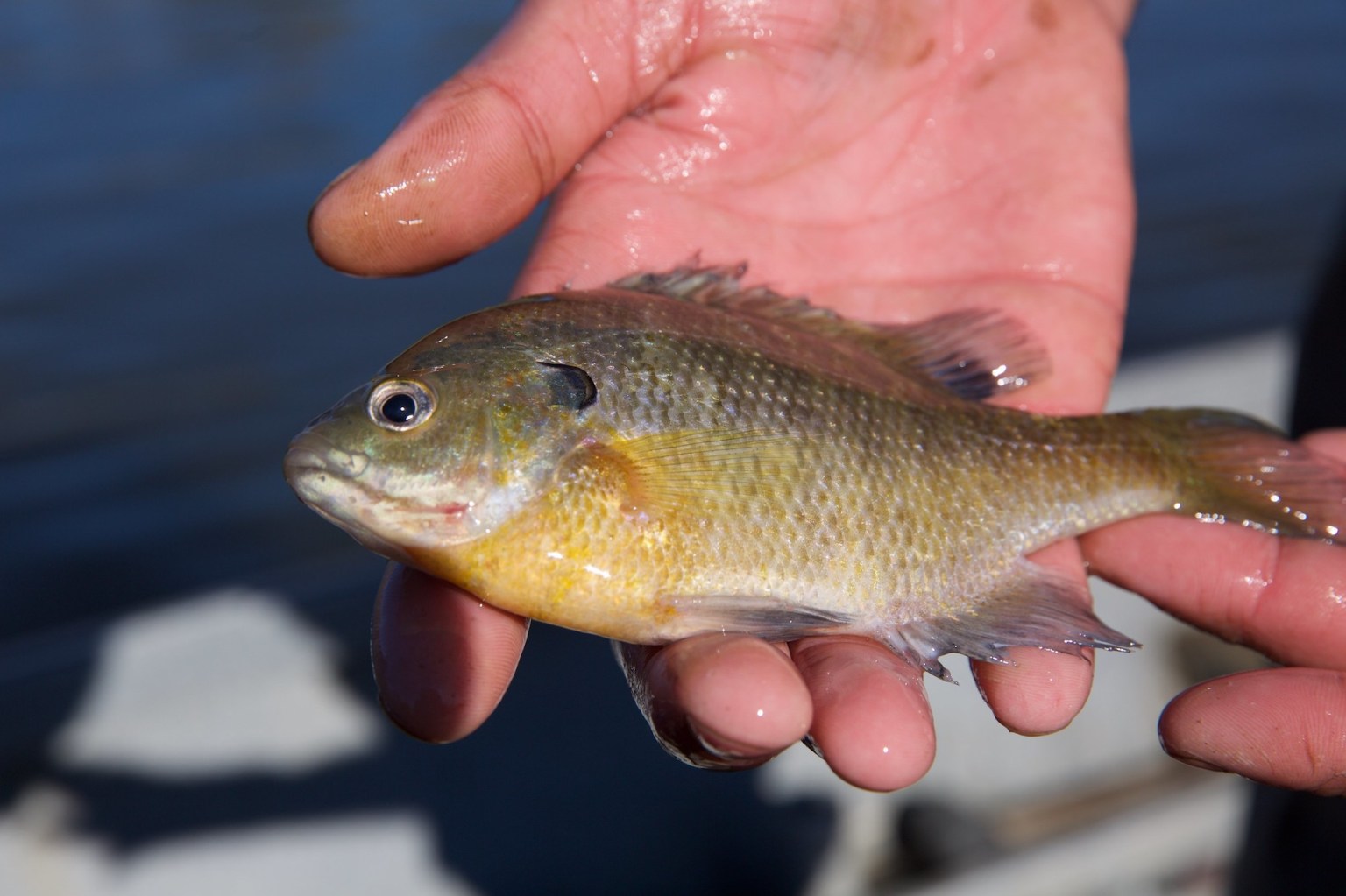
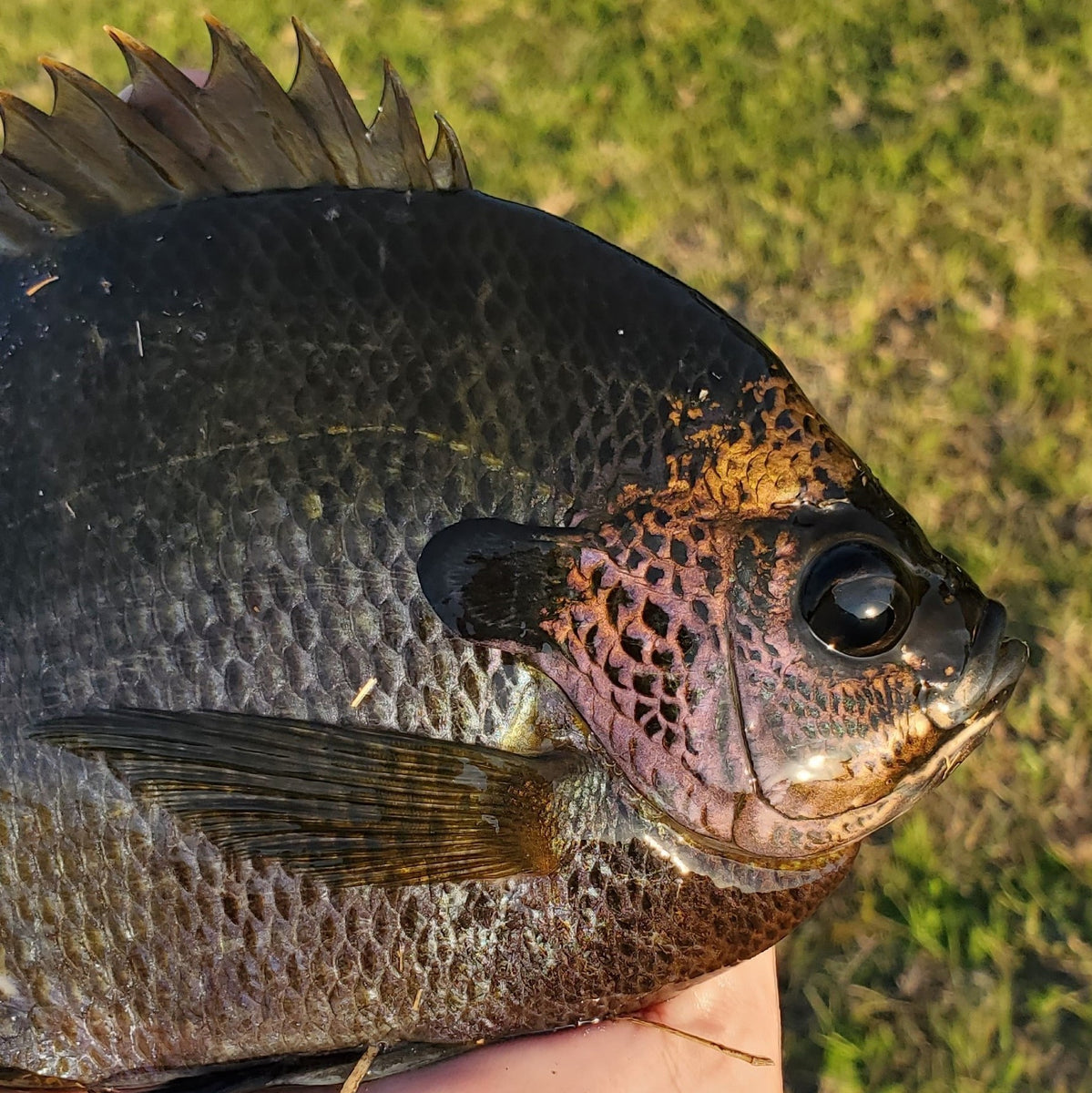
Bluegill are small freshwater sunfish found across much of the United States. Anglers often catch them in ponds, lakes, slow rivers, farm reservoirs, and small creeks. They are also called bream, brim, or sun perch in some regions. Their small size makes them a popular target for beginners, children, and anglers who enjoy light tackle.
Age matters because a bluegill’s size does not tell the whole story. A fish with plenty of food may grow fast and look older than it is. Another fish may be several years old but remain small because it lives in crowded water with too many competing panfish.

How long do bluegill live?
Bluegill live about four to six years on average. In productive lakes and well-managed ponds, some fish reach eight years or more. Their exact lifespan depends on genetics, water temperature, food supply, predators, fishing pressure, disease, and habitat quality.
Bluegill grow fastest during their first two or three years. After that, growth often slows. This means a three-year-old bluegill in one lake may be larger than a five-year-old fish in another lake.
Bluegill are not built like long-lived fish such as some carp, sturgeon, or rockfish. Their life cycle is faster. They mature early, spawn more than once in a season, and produce many young. This helps bluegill populations recover from normal losses, but it can also lead to overcrowded ponds.
The typical bluegill lifespan in the wild
Most wild bluegill live between four and six years. Many do not reach that age because young fish face heavy predation from bass, walleye, catfish, birds, turtles, and larger bluegill.
A bluegill that survives its first year has a better chance of reaching adulthood. Still, adult fish remain exposed to predators, disease, winter stress, drought, and harvest by anglers.
The oldest bluegill are usually found in waters with several traits:
- Plenty of insects, small crustaceans, and other food
- Clear but not overly sterile water
- Aquatic plants, brush, rock, or submerged wood
- Moderate predator numbers
- Good oxygen levels
- Stable water levels
- balanced harvest rules
How long can bluegill live in a pond or aquarium?
Bluegill in a managed pond may live longer than bluegill in heavily fished or crowded water. A private pond with good forage, proper stocking, and healthy habitat can support bluegill for six to eight years, and occasionally longer.
Keeping bluegill in an aquarium is difficult. They grow larger than many people expect, need strong filtration, and produce a heavy waste load. A small tank can stunt growth and create poor water quality. A large aquarium or stock tank may work, but it requires careful oxygen control, water changes, and a suitable diet.
| Bluegill setting | Common lifespan | Main factors |
|---|---|---|
| Crowded pond | 2–5 years | Competition and slow growth |
| Balanced lake | 4–7 years | Food, habitat, and predator balance |
| Managed private pond | 5–8 years | Stocking and harvest control |
| Aquarium or tank | Highly variable | Tank size, oxygen, filtration, and diet |
A long life does not always mean a large fish. In crowded water, bluegill may survive for years while gaining little weight. In a balanced fishery, they often grow faster and reach a more useful size for anglers.
What affects a bluegill’s lifespan?
Food, predators, water quality, habitat, and population density have the greatest effect on how long bluegill live. A bluegill needs steady access to food and oxygen, plus places to hide from larger fish and birds.
Temperature also plays a major role. Bluegill are warm-water fish. They can handle seasonal changes, but very hot water with low oxygen can cause major stress. Sudden changes in water level, pollution, or algae blooms can also shorten their lives.
Food and growth
Young bluegill eat tiny organisms such as zooplankton. As they grow, their diet may include insects, insect larvae, small crayfish, snails, fish eggs, and small minnows. Larger bluegill can also eat small fish.
Food affects both size and age structure. When a lake has plenty of insects and small prey, bluegill can grow quickly. When too many bluegill compete for limited food, their growth slows.
This is why a small bluegill does not always mean a young bluegill. Stunted fish may be several years old but still measure only four to six inches.
Predators
Predators are a normal part of a bluegill fishery. Largemouth bass often eat young bluegill, while larger bass may target adult fish. Walleye, catfish, northern pike, muskellunge, birds, and turtles may also take bluegill.
Predators can improve a bluegill population by reducing crowding. Without enough predator pressure, too many bluegill may survive. They then compete for the same food, and the whole population may remain small.
At the other extreme, too many predators can reduce bluegill numbers. Fisheries managers aim for balance rather than removing every predator.
Water quality and oxygen
Bluegill need clean water with enough dissolved oxygen. Dissolved oxygen is the amount of oxygen mixed into the water and available for fish to use.
Warm water holds less oxygen than cool water. During hot summer weather, a pond may develop low-oxygen zones, especially near the bottom. Thick algae blooms can make the problem worse when algae die and decay.
Pollution, fertilizer runoff, sewage, and muddy water can also harm bluegill habitat. A fish may survive short stress events, but repeated stress can reduce growth and shorten its life.
Habitat and shelter
Cover gives bluegill a place to feed, spawn, and escape predators. Useful habitat includes:
- Submerged weeds
- Brush piles
- Fallen trees
- Rock edges
- Riprap
- Docks and pier shade
- Drop-offs near shallow flats
- Sand, gravel, or firm spawning areas
Too much cover can make fishing harder, but no cover at all can leave bluegill exposed. A mix of shallow and deep habitat gives fish options as conditions change.
Fishing pressure and harvest
Bluegill are common, but they are not unlimited. Heavy harvest can remove the largest breeding fish. Taking a few for food is part of fishing in many areas, but keeping every large bluegill may reduce the quality of the population.
Many experienced anglers release large bluegill because these fish can be valuable spawners. Small fish may be better choices for a meal if local rules allow harvest.
| Factor | Effect on lifespan | Effect on fish size |
|---|---|---|
| Abundant food | Often extends survival | Faster growth |
| Heavy crowding | Can reduce survival | Stunted growth |
| Healthy predator balance | Removes weak or excess fish | Improves food competition |
| Low oxygen | Causes severe stress or death | Slower growth |
| Good cover | Reduces predation risk | Better survival |
| Heavy harvest | Removes older fish | Fewer large breeders |
The key lesson is simple: bluegill age and bluegill size are related, but they are not the same thing. A fisheries biologist may need scales, otoliths, or other samples to determine age with confidence.

How fast do bluegill grow?
Bluegill often grow about two to three inches during their first year, though growth varies widely. By age two, many reach four to six inches. In fertile water, some may grow faster, while crowded ponds may produce much smaller fish.
A mature bluegill may measure six to eight inches in many waters. Fish over eight inches are often considered quality bluegill, but size standards vary by region. Bluegill over 10 inches are uncommon and highly valued by many panfish anglers.
Growth depends on latitude, water temperature, length of the growing season, food supply, genetics, and competition. Southern bluegill may grow faster because they have a longer warm season. Northern fish may grow more slowly but can still reach impressive sizes in fertile lakes.
A general bluegill age and size guide
The ranges below are broad estimates. They are not a reliable way to assign an exact age to an individual fish.
| Approximate age | Common length range | What influences the range |
|---|---|---|
| 1 year | 2–3 inches | Food and first-year survival |
| 2 years | 4–6 inches | Competition and growing season |
| 3 years | 5–7 inches | Habitat and forage |
| 4 years | 6–8 inches | Population balance |
| 5–7 years | 7–10 inches | Strong food base and low crowding |
| 8+ years | 8–10+ inches | Uncommon survival and ideal conditions |
A large bluegill is not automatically old. It may have grown quickly in fertile water. Likewise, a small bluegill may be older than it appears if it lived in a crowded pond.

How do scientists determine a bluegill’s age?
The best way to determine a bluegill’s age is to examine growth rings in hard body parts. Fisheries biologists commonly study scales, otoliths, or fin rays. These methods are more accurate than guessing from length.
Scale aging
Scale aging is a common method for small fish. A biologist removes a few scales, cleans them, and studies growth rings under magnification. Wide spaces between rings often show strong growth years. Narrow spaces may reflect cold weather, limited food, or spawning stress.
Scale aging has limits. Scales can be lost and regrown. Regrown scales may not show the full age history. Older fish can also have rings that are hard to read.
Otolith aging
Otoliths are small hard structures in a fish’s inner ear. They help with balance and hearing. Like tree rings, otoliths can show annual growth patterns.
Otolith aging is often more precise, but it requires sacrificing the fish. For that reason, it is mainly used in research and fisheries surveys rather than casual fishing.
Length and weight estimates
Anglers can use length and weight to make a rough guess. A bluegill with a thick body and a length of eight inches may be an older, healthy fish. Yet body condition changes with season, spawning, and food access.
The safest approach is to record the fish’s length, weight, location, and date. Over time, this can help anglers and pond owners see changes in the fishery without claiming an exact age.

When do bluegill spawn, and how does spawning affect age?
Bluegill usually spawn in late spring and summer when water temperatures rise into the upper 60s and 70s Fahrenheit. The exact timing depends on latitude, weather, water depth, and local conditions.
Male bluegill often fan nests in shallow water. They may use sand, gravel, or firm clay. Females visit the nest and release eggs, while males fertilize them. A female may spawn more than once during a season.
Spawning can be stressful. Adult fish may lose weight and become more exposed to anglers and predators. Still, the species produces many young, which helps maintain populations.
Bluegill nest sites
Look for spawning areas near:
- Protected coves
- Gravel or sand flats
- Shoreline points
- Firm-bottom areas
- Shallow water warmed by the sun
- Weed edges
- Small pockets near deeper water
Bluegill often move from deeper water toward the shallows as the water warms. They may leave the beds after spawning or remain nearby if food and cover are available.
Is it harmful to catch bluegill from a nest?
Catching a few bluegill from spawning areas is allowed in many places, but rules differ. Removing too many large males or females can reduce local recruitment. Recruitment means the number of young fish that survive and join the adult population.
Anglers who want to protect the fishery can release large breeding fish, keep only what they need, and avoid disturbing visible nests. A wet hand and a quick release reduce damage to the fish’s protective slime layer.
🌿 Conservation Note: If you release a bluegill, wet your hands first, keep the fish out of the air for only a few seconds, and support its body. Avoid dropping it onto dry ground, sand, or hot boat surfaces.

Where should you fish for bluegill?
Bluegill live in freshwater lakes, ponds, rivers, canals, reservoirs, and slow-moving creeks. They often use shallow cover in spring and early summer, then shift toward weed lines, docks, brush, and deeper structure as water warms.
The best location depends on the season and water type. A small pond may hold bluegill close to shore all year. In a large lake, a fish finder can help locate drop-offs, brush, and suspended fish.
Shore and pier fishing
Shore anglers can target bluegill near weeds, fallen trees, docks, culverts, and shaded banks. A bobber rig with live bait is simple and works well for beginners and kids.
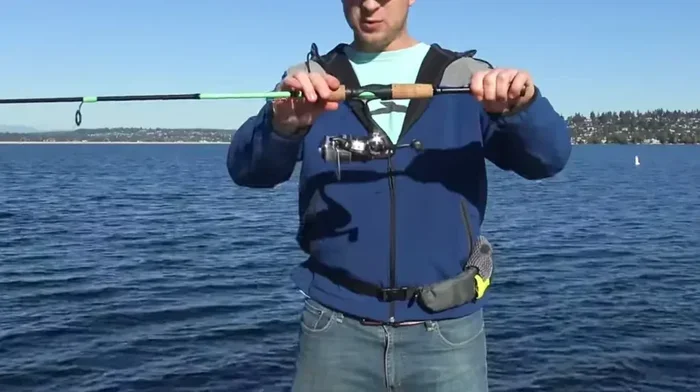
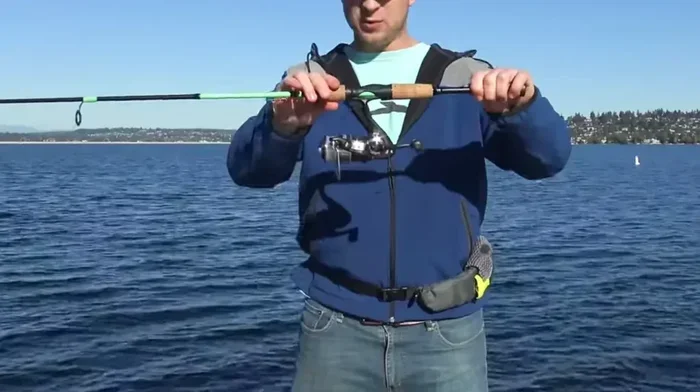
Use a 6- to 10-foot telescopic rod if portability matters. A light spinning reel or spincast combo with 2- to 6-pound-test monofilament is easy to cast and manage.
Kayak and small-boat fishing
A kayak can reach weed edges, quiet coves, and shoreline cover that may be hard to reach on foot. Use a short 5- to 7-foot spinning rod when space is limited.
Always wear a properly fitted, U.S. Coast Guard-approved personal flotation device. Secure hooks, pliers, knives, and tackle boxes so they do not become hazards in the kayak.
Ice fishing
Bluegill remain active under ice, though their feeding pace slows. Small ice fishing rods, light line, tiny jigs, and wax worms are common choices.
Ice thickness can vary across one lake. Never judge safety by appearance alone. Check local ice reports, test ice as you move, carry safety picks, and tell someone your plan.
| Water type | Productive areas | Useful presentation |
|---|---|---|
| Small pond | Weed edges, docks, shade, shallow coves | Bobber and worm |
| Large lake | Brush, points, drop-offs, creek arms | Small jig or live bait |
| Slow river | Backwaters, eddies, submerged wood | Float rig or tiny spinner |
| Shore or pier | Cover near bank, pilings, shade | Spincast or spinning setup |
| Ice-covered lake | Weeds, basin edges, soft bottom | Small jig and maggot or wax worm |
Bluegill can be caught with simple gear, but location still matters. The right rig in an empty area is less useful than a basic rig placed near food, cover, and seasonal movement.
What gear works best for bluegill?
Light spinning reels, spincast combos, and short panfish rods are common bluegill choices. The right setup depends on the angler’s skill, target size, water type, and whether the goal is easy casting or a more sensitive presentation.
A simple bluegill rod and reel setup
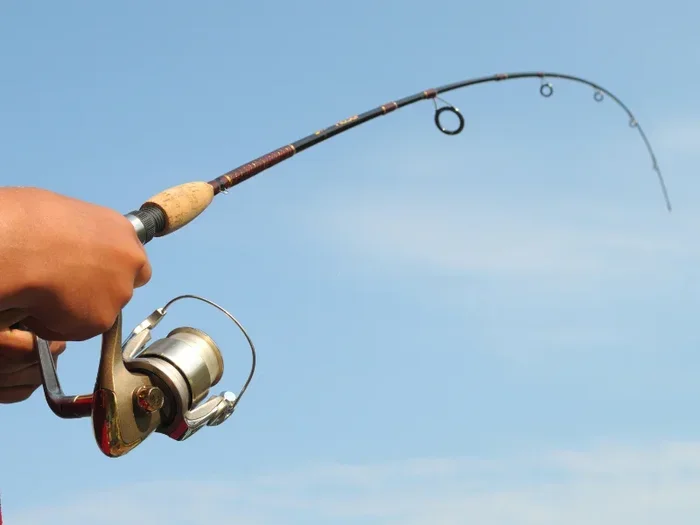
For most beginners, use a 5- to 7-foot ultralight or light spinning rod. Power describes how much force it takes to bend a rod. Ultralight and light power rods bend easily with small fish.
Action describes where the rod bends. A fast-action rod bends near the tip and feels sensitive. A moderate action bends farther down the blank and can help protect light line.
Pair the rod with a 1000- or 2000-size spinning reel. Spool it with 2- to 6-pound-test monofilament. Monofilament is forgiving, floats slightly, and is easy to tie.
Line, leader, and terminal tackle
Terminal tackle means the small items tied to the end of the line. For bluegill, that usually includes hooks, bobbers, split shot, swivels, sinkers, and small lures.
A basic setup may use:
- Size 6 to 12 long-shank hooks
- A small pencil or clip-on bobber
- One or two small split-shot sinkers
- 2- to 6-pound monofilament
- A 1/16- to 1/32-ounce jig
- Worms, crickets, mealworms, or small soft plastics
Fluorocarbon leaders can help in clear water because they are less visible underwater. Braided line is thin and sensitive, but it may be unnecessary for beginners. If you use braid, add a 2- to 4-pound fluorocarbon or monofilament leader.
Lures and live bait
Live bait is often the easiest choice for new anglers and children. A small piece of nightcrawler, red wiggler, cricket, or wax worm can work under a bobber.
Artificial lures are useful when you want to cover water. Try tiny jigs, soft plastics, small spinners, micro crankbaits, or small flies. Fly rods in the 2- to 4-weight range can be enjoyable for bluegill, especially around open shoreline water.
| Angler | Recommended setup | Why it fits |
|---|---|---|
| Beginner adult | 6–7 ft light spinning combo, 4–6 lb mono | Easy casting and simple knots |
| Young child | 4–6 ft spincast combo, 6 lb mono | Simple button casting |
| Experienced panfish angler | 5–7 ft ultralight spinning rod, 2–4 lb line | High sensitivity and light lure control |
| Fly angler | 2–4 weight fly rod and floating line | Good for bugs and small poppers |
| Kayak angler | 5–7 ft light spinning rod | Compact and easy to handle |
| Ice angler | 24–30 in ice rod, 2–4 lb line | Fits in a shelter or small hole |
A spincast combo is often the best gift for a child who is learning to cast. A spinning reel suits adults and older children who want more control. A baitcaster is usually unnecessary for bluegill because small lures can be hard to cast on heavier baitcasting gear.
👪 Parent or Gift-Buyer Note: For a first setup, buy a simple spincast or light spinning combo, a small tackle box, forceps or barbless hooks, and a properly fitted life jacket. Avoid buying a complex baitcaster unless the angler already wants to learn that reel style.

Which bluegill fishing methods work well?
The best bluegill method is the one that places a small bait or lure near active fish without creating too much noise. Bobbers, bottom rigs, tiny jigs, flies, and small spinners all have a place.
Bobber and live bait
A bobber keeps bait at a set depth and shows when a fish takes it. Start with the bait 2 to 4 feet below the surface. Adjust deeper if you do not see action.
Use a small hook and enough bait to cover the point without creating a large lump. Bluegill have small mouths, so oversized hooks and thick bait can reduce hookups.
Small jigs and soft plastics
A 1/32- to 1/16-ounce jig works well on ultralight tackle. Tip it with a small soft plastic, wax worm, or piece of natural bait if legal.
Cast near weeds, brush, or shade. Let the jig fall, then use short lifts with the rod tip. Many bites feel like extra weight rather than a hard strike.
Flies and surface lures
Bluegill often rise for insects. A small foam spider, popper, nymph, or wet fly can be effective around the edges of weeds and docks.
Use a light fly rod with a floating line. Keep the leader fine enough for a natural presentation, but not so light that a knot breaks every time a larger fish runs into cover.
Small spinners and crankbaits
A tiny spinner can help you search a shoreline. Cast beyond cover and retrieve slowly enough to keep the lure near the depth where fish are holding.
Small crankbaits can catch bluegill, but they may also attract bass, crappie, or other fish. Use hooks that match local regulations and handle unexpected larger fish with care.

Can you tell a bluegill’s age by its size?
You cannot determine a bluegill’s exact age by size alone. Length gives a rough clue, but food, climate, genetics, and population density create large differences between fish.
For example, a six-inch bluegill may be two or three years old in fertile water. In a crowded pond, a fish that size may be older. A fast-growing fish may reach eight inches sooner than expected.
Why bluegill become stunted
Stunting happens when a fish population has more mouths than the habitat can feed. Bluegill compete with other bluegill, crappie, bass, and young catfish.
Common signs of a crowded bluegill population include:
- Many fish of nearly the same small size
- Few bluegill over six inches
- Thin body shape
- Slow growth over several years
- Heavy competition for bait
- Low average weight for a given length
Pond owners may need a harvest plan, predator adjustment, habitat work, or advice from a fisheries biologist. Randomly adding more fish often makes the problem worse.
What large bluegill tell you
Large bluegill can show that a lake or pond has good food and reasonable population balance. They may also indicate strong genetics, low competition, or several years of survival.
Do not assume every large bluegill should be kept. In many waters, large adults are important breeders. Check local guidance before deciding what to harvest.
Are bluegill good to eat?
Bluegill are widely considered good table fish when handled, cleaned, and cooked properly. Their mild, white meat works well fried, baked, grilled, or added to fish tacos.
Keep fish cold soon after harvest. A cooler with plenty of ice helps preserve quality. Clean fish with a sharp knife on a stable surface, and wash hands and tools afterward.
Some waters have consumption advisories because of mercury, PCBs, or other contaminants. These advisories may limit meals for children, pregnant people, or other sensitive groups.
| Choice | Benefits | Limits |
|---|---|---|
| Keep a few legal-size fish | Provides fresh food | Removes fish from the population |
| Release large bluegill | Preserves breeding adults | Requires careful handling |
| Keep small legal fish | May protect large breeders | Smaller fillets |
| Keep no fish | Maximizes catch and release | No meal from the trip |
Follow the daily bag limit, size limit, and local consumption advice. Regulations can differ between nearby lakes, rivers, and private ponds.
📜 Check Local Regulations: Confirm your fishing license, bluegill season, size and bag limits, bait rules, hook rules, and consumption advisories with your state wildlife agency. Some waters restrict live bait, lead tackle, treble hooks, or the use of fish as bait.
How should you handle and release bluegill?
Good handling can help a bluegill survive after release. Wet your hands before touching the fish, keep it close to the water, and remove the hook with forceps or small pliers.
If the hook is deeply swallowed, do not pull hard. Cutting the line close to the hook may cause less injury than trying to remove it. Use barbless hooks when practical, especially when fishing with children or practicing catch and release.
Do not squeeze the fish’s belly. Bluegill have a protective slime coat that helps defend against infection. Avoid holding them by the gill covers, and never place them on a dry towel or hot deck.
Safe release steps
- Wet your hands before touching the fish.
- Support the fish under the belly.
- Keep the fish out of water for as little time as possible.
- Use forceps to remove the hook.
- Hold the fish upright in the water if it needs time to recover.
- Let it swim away under its own power.
A landing net with soft, knotless mesh can reduce handling damage. This is useful when using light line, fishing from a pier, or handling a larger bluegill with a sharp dorsal fin.
What are the pros and cons of bluegill fishing?
Bluegill fishing is affordable, accessible, and easy to learn, but it still has limits. Small fish can be delicate, and crowded waters may offer many bites without producing large bluegill.
| Pros | Cons |
|---|---|
| Simple gear works well | Small hooks can be hard to remove |
| Good for beginners and kids | Fish may be stunted in crowded ponds |
| Available in many freshwater areas | Larger fish can be hard to find |
| Live bait and lures both work | Small fish attract unwanted species |
| Light tackle adds sport | Thin line breaks around heavy cover |
| Can provide table fare | Local harvest rules still apply |
For beginners, the main advantage is ease. A bobber and worm can teach casting, depth control, bite detection, and fish handling. For experienced anglers, ultralight tackle, fly fishing, and seasonal patterns offer more challenge.
Bluegill are also a good target for gift buyers because the gear is usually less expensive than bass, saltwater, or big-game equipment. Still, buy for the person’s fishing setting. A child fishing from a dock needs a different setup than an adult fishing a large reservoir from a kayak.
How do you manage bluegill in a private pond?
Good pond management starts with a fish survey. Record the number, length, and weight of bluegill caught during several trips. Look for patterns rather than making decisions from one afternoon.
A pond owner may also work with a state fisheries agency or private fisheries biologist. Professional advice can help determine whether the pond needs more predator fish, selective harvest, habitat changes, or improved water quality.
Bluegill management tasks
- Track catch length and weight
- Watch for thin or stunted fish
- Test water quality when problems appear
- Maintain shoreline cover
- Protect spawning habitat
- Avoid overfeeding
- Control runoff and erosion
- Follow stocking recommendations
- Remove dead fish and report unusual die-offs
Feeding can increase bluegill growth in some managed ponds, but it does not replace good habitat. Overfeeding may reduce water quality and create oxygen problems.
When to ask a fisheries professional
Get expert help when a pond has repeated fish kills, severe algae blooms, muddy water, very small bluegill, or no predator balance. A local fisheries biologist can use sampling data instead of guesswork.
🔧 Quick Fix: If every bluegill is small and thin, stop adding more fish until you know the cause. Check water quality, food supply, predator numbers, and harvest history first.
How do seasons change bluegill behavior?
Bluegill shift depth and location as water temperature, sunlight, food, and spawning needs change. They may be shallow one day and several feet deeper the next.
Spring
As water warms, bluegill move toward shallow flats and protected coves. Look for dark-bottom areas, gravel, and cover near deeper water.
Small jigs, live worms, and bobber rigs work well. In clear water, approach quietly and keep your shadow off the fish.
Summer
Bluegill may spend early morning and evening near the surface. During bright, hot periods, they often move to shade, weeds, docks, or deeper edges.
Try crickets, small poppers, nymphs, or jigs. In a large lake, use a fish finder to locate weed lines and submerged structure.
Fall
Cooling water can push bluegill toward weed edges, creek mouths, and deeper cover. Feeding may increase before winter, but fish can become less predictable as conditions change.
A small spinner, jig, or live bait rig can help search different depths.
Winter
Bluegill often slow down under ice or in cold water. Use small jigs, light line, and subtle movements. In open water, look for deeper basins, brush, and areas with stable temperature.
| Season | Common location | Useful approach |
|---|---|---|
| Spring | Shallow flats and spawning areas | Bobber, worm, small jig |
| Summer | Shade, weeds, docks, deeper edges | Cricket, popper, jig |
| Fall | Weed lines, creek mouths, structure | Spinner, jig, live bait |
| Winter | Deep water, basin edges, ice cover | Small ice jig, slow presentation |
Weather can change the pattern quickly. A cold front, heavy rain, bright sun, or sudden water level change may move fish even within the same season.
What mistakes reduce bluegill survival?
The most common mistakes are rough handling, oversized tackle, poor storage, and ignoring local regulations. Bluegill are tough fish, but they are not damage-proof.
Avoid these errors:
- Holding fish by the gill covers
- Letting fish flop on dry ground
- Using hooks that are too large
- Leaving line and bait behind
- Keeping more fish than you need
- Fishing closed areas
- Releasing fish into the wrong water
- Moving live bluegill between lakes
- Dumping unused bait into a waterway
- Leaving fish on a stringer in warm water
Never move live bluegill from one lake or pond to another. Fish introductions can spread disease and disrupt native populations. Dispose of unused bait according to local guidance.
Tackle and gear care
Rinse hooks, pliers, landing nets, and lures after use. Dry wet tackle before storing it in a tackle box. Replace rusty hooks and frayed line.
For freshwater bluegill, corrosion is less severe than in saltwater, but wet gear can still rust. Store rods in a dry place, loosen reel drag after fishing, and check line guides for cracks.
How much does bluegill fishing gear cost?
Bluegill is one of the least expensive fish to target. A basic setup can cost less than many bass or saltwater outfits, especially when buying a simple spincast combo.
Current pricing varies by brand, materials, and included tackle. Check the latest listing for updated features, warranty terms, reel size, and line capacity.
| Budget level | Typical gear | Best for |
|---|---|---|
| Entry level | Spincast combo, bobber, hooks, split shot | Kids and first-time anglers |
| Mid-range | Light spinning combo, small tackle box, net | Regular pond and lake fishing |
| Higher end | Ultralight rod, quality reel, braid and leaders | Experienced panfish anglers |
| Specialty | Fly rod, ice setup, fish finder, kayak gear | Focused or mobile anglers |
Do not spend heavily on bearing count, extreme drag ratings, or heavy line for bluegill. A smooth reel, a comfortable rod, reliable knots, and fresh line matter more.
Frequently asked questions about bluegill lifespan
Q: How long do bluegill live in a lake?
A: Most bluegill live about four to six years in a lake. Some reach eight to 10 years when food, oxygen, habitat, and predator balance are favorable.
Q: What is the oldest bluegill ever found?
A: Exceptionally old bluegill may exceed 10 years, but such fish are rare. Reported maximum ages can vary by region and by the method used to read fish growth rings.
Q: How old is a 10-inch bluegill?
A: A 10-inch bluegill is often an older, fast-growing fish, but length cannot prove age. It may be five years old or more, depending on water quality, food, genetics, and local climate.
Q: How old is a 5-inch bluegill?
A: A five-inch bluegill may be two or three years old in many waters. In a crowded pond, it could be older because poor food competition slows growth.
Q: Do bluegill die after spawning?
A: No. Bluegill do not normally die after spawning. Spawning uses energy and can increase stress, but healthy adults may spawn in several seasons.
Q: Can bluegill live in a backyard pond?
A: Yes, if the pond is large enough and has good oxygen, food, depth, and habitat. Stocking should follow local fisheries advice because too many bluegill can become stunted.
Q: Can bluegill live in a fish tank?
A: Bluegill can survive in a large, well-filtered tank, but they are poor choices for small home aquariums. They grow, eat heavily, and need high oxygen and excellent water quality.
Q: Do bluegill grow faster than bass?
A: Bluegill often grow quickly during their early years, but growth rates vary. Bass and bluegill growth depends on food, genetics, temperature, population density, and habitat.
Q: What line should I use for bluegill?
A: Use 2- to 6-pound-test monofilament for most bluegill fishing. Choose 2- or 4-pound line for open water and light lures, or 6-pound line near cover and when beginners need extra strength.
Q: Is a spinning reel or spincast reel better for bluegill?
A: A spincast reel is easiest for young beginners because it uses a push-button cast. A spinning reel gives adults and experienced anglers better control with light lures and thin line.
Q: Should I release large bluegill?
A: Releasing large bluegill can protect valuable breeding fish, especially in a small pond. Follow local rules and keep only the number of fish needed for a meal.
Q: Can bluegill survive after being caught?
A: Bluegill often survive release when handled with wet hands, kept out of the air briefly, and returned quickly. Deep-hooked fish may have a lower chance of survival.
Q: Are bluegill good for children to catch?
A: Yes. Bluegill are common in many freshwater areas and can respond well to simple bobber rigs. Children still need adult supervision, sun protection, safe hook handling, and a properly fitted life jacket near water.
Q: Do bluegill live in saltwater?
A: No. Bluegill are freshwater fish. They may tolerate brief exposure to slightly salty water, but they are not a saltwater species and should not be targeted in surf, bays, or the ocean.
Final thoughts on bluegill lifespan
Bluegill usually live four to six years, while a smaller number reach eight to 10 years. Their age depends on food, water quality, habitat, predators, crowding, climate, and fishing pressure.
The best way to understand a local bluegill population is to track length, weight, body condition, and catch patterns over time. A large fish may be old, but it may also be a fast-growing fish from fertile water. A small fish may be young, or it may be a stunted adult from an overcrowded pond.
For beginners and kids, start with a light spinning or spincast combo, 2- to 6-pound line, small hooks, and a bobber. For experienced anglers, ultralight lures, fly rods, seasonal depth changes, and careful catch and release can make bluegill fishing a serious and rewarding pursuit.
Wear a life jacket when fishing from a boat or kayak, check weather and ice conditions, tell someone your plan, and follow your state’s fishing rules. Bluegill are easy to enjoy, but good handling and sound conservation help keep these hard-fighting panfish available for the next generation.