How To Fish For Black Crappie: Expert Tips
Black crappie are one of the most enjoyable freshwater fish to catch. They fight well on light tackle, live in lakes, ponds, rivers, and reservoirs, and often respond to simple rigs. They are also good table fare when local rules allow harvest. The challenge is finding them, choosing the right depth, and presenting bait or lures at the correct speed.
The best way to fish for black crappie is to target cover, adjust your depth often, and use light line with small jigs or live minnows. Crappie move with the season, water temperature, sunlight, and food supply. A method that works in a shallow pond may fail in a deep reservoir on the same day.
This guide explains how to fish for black crappie from shore, a boat, a kayak, a pier, or through the ice. It covers gear, rigs, seasonal patterns, sonar use, bait choices, casting methods, safety, regulations, and fish care. The advice fits beginners, experienced anglers, kids, and gift buyers choosing a first setup.

Quick Answer: How Do You Catch Black Crappie?
To catch black crappie, use a 6- to 7-foot ultralight or light spinning rod, a 1000- to 2500-size spinning reel, and 2- to 6-pound monofilament line. Fish small jigs, soft plastics, or live minnows near brush, submerged trees, docks, weed edges, and drop-offs. Start shallow in spring, then search deeper water as the fish move offshore.

A 1/32- to 1/16-ounce jig under a small bobber is a strong beginner setup. Cast near cover, let the bait settle, and keep the motion gentle. If you do not get bites after several casts, change the depth by 1 or 2 feet.
Understanding Black Crappie Behavior
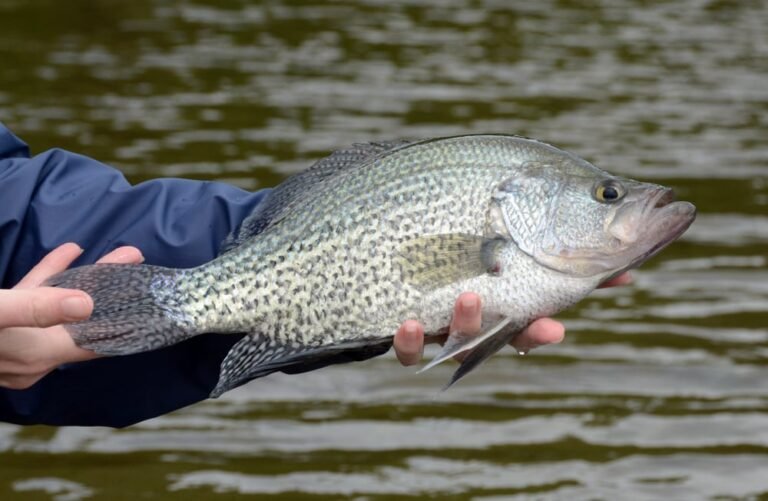
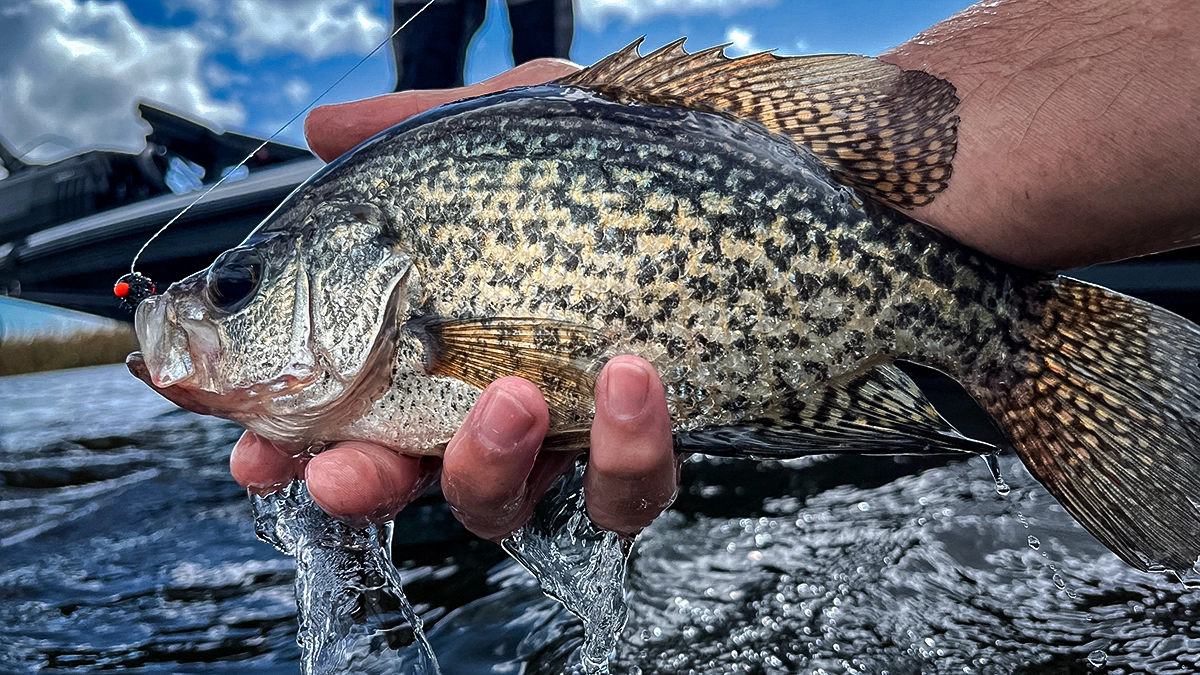
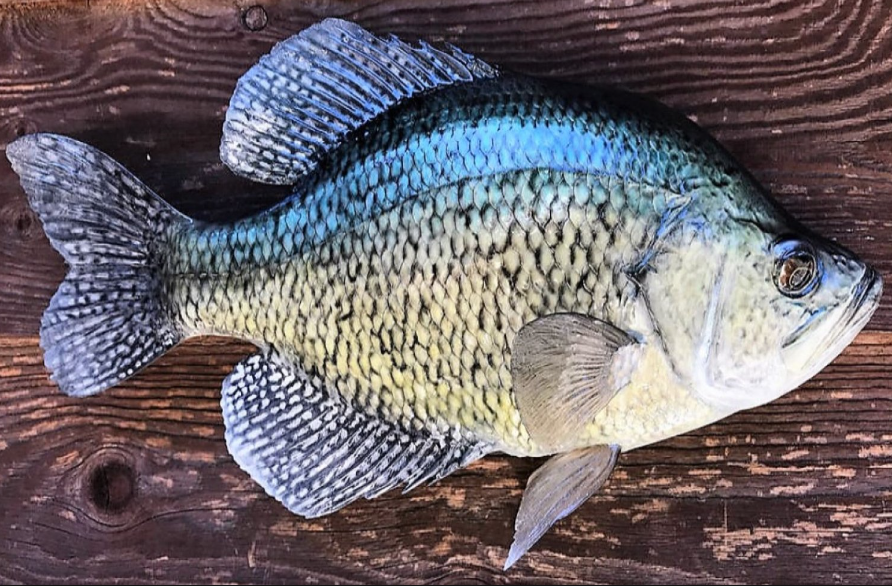
Black crappie are members of the sunfish family, along with bluegill and largemouth bass. They have a deep, compressed body, a large mouth, and dark spots arranged in a mottled pattern. Their dorsal fin usually has seven or eight spines, which helps separate them from white crappie.
Black crappie prefer clear to lightly stained freshwater. They often hold near structure because it gives them shade, ambush points, and protection from larger predators. Their favorite areas can change quickly as light, wind, and water temperature change.
Where Black Crappie Live
In lakes and reservoirs, look for standing timber, brush piles, submerged vegetation, bridge pilings, dock posts, creek channels, and points. In rivers, crappie often gather in slower water near bends, fallen trees, wing dams, and backwaters.
Ponds may not have deep timber or marked brush piles. In that case, check the shaded side of the pond, weed lines, fallen branches, and the edge between shallow and deeper water. A small pond may hold fish in only 3 to 8 feet of water.
Black crappie may suspend instead of sitting on the bottom. Suspended fish hang at a set depth between the surface and bottom. They may be 8 feet down in 20 feet of water, especially near baitfish or submerged cover.

Black Crappie Versus White Crappie
Black crappie have more regular dark spots across their sides and usually seven or eight dorsal spines. White crappie have vertical bars and usually five or six dorsal spines. Both species eat small minnows, insects, and crustaceans, so the same tackle often works for both.
You do not need to identify every fish perfectly before fishing. You do need to know the local size and bag rules. Some waters manage black crappie and white crappie together under one crappie limit.
| Feature | Black crappie | White crappie |
|---|---|---|
| Body pattern | Mottled dark spots | Vertical dark bars |
| Preferred water | Clearer water with cover | Often tolerates more stain |
| Dorsal spines | Usually 7–8 | Usually 5–6 |
Black crappie can be more scattered in clear water, while white crappie may tolerate more turbid conditions. Still, local habitat matters more than a simple species rule.

What Black Crappie Eat
Small minnows make up a major part of a black crappie’s diet. They also eat insects, small crayfish, zooplankton, and tiny fish. This diet explains why small jigs, curly-tail grubs, marabou jigs, tube baits, and live minnows work so well.
Match the size of your bait to the fish you see or the forage in the water. A 1- to 2-inch soft plastic works in many conditions. Use a smaller profile when the water is cold or the fish are pressured.
Choosing Gear for Black Crappie
The best crappie gear is light, balanced, and easy to control. A light setup makes small jigs cast farther and lets you feel soft bites. It also gives a small fish room to run without tearing the hook free.
For most anglers, a spinning reel is easier than a baitcaster. Spinning reels cast light lures well and do not create the backlash, or tangled line, that can happen with a baitcasting reel. A spincast combo is also simple for children and first-time anglers.
Rods for Shore, Boat, and Kayak Fishing
A 6- to 7-foot ultralight spinning rod is a strong all-purpose choice. Ultralight power means the rod bends under light pressure. Light power gives a little more strength for brush, larger crappie, and mixed species such as bass or catfish.
Choose fast action if you want a quick, sensitive tip. Action describes where the rod bends. A moderate action bends farther down the blank and can help keep small hooks pinned during a fight.
Longer rods help with casting distance and bobber control. A 10- to 12-foot crappie rod can reach fish beside docks or brush from a boat. It is less convenient in tight cover, small kayaks, or crowded shorelines.
Reels and Line
A 1000- to 2500-size spinning reel pairs well with an ultralight or light rod. Look for a smooth drag, a usable anti-reverse switch or system, and a spool that handles 2- to 6-pound line. Drag is the reel system that lets line slip under pressure.
Monofilament is the easiest line for most beginners. It floats slightly, stretches, and costs little. That stretch can protect light hooks when a crappie surges near the net.
Fluorocarbon is less visible underwater and sinks more than monofilament. It can work as a leader in clear water. Braided line has little stretch and high strength for its diameter, but it may need a fluorocarbon or monofilament leader for clear water and small jigs.
| Fishing situation | Rod and reel choice | Line choice |
|---|---|---|
| Beginner or child | 5.5–6.5 ft ultralight spincast or spinning combo | 4–6 lb monofilament |
| General shore fishing | 6–7 ft ultralight spinning rod and 1000–2500 reel | 2–6 lb monofilament |
| Brush or mixed species | 6.5–7 ft light spinning rod | 6–10 lb braid with 4–8 lb leader |
| Boat or long-pole fishing | 9–12 ft light crappie rod | 4–8 lb monofilament |
The first setup suits beginners and kids. The general spinning setup suits most anglers. The braided setup fits experienced anglers who fish heavy cover or also expect bass.

Hooks, Bobbers, and Terminal Tackle
Terminal tackle means the small items at the end of the line. For crappie, that often includes hooks, jigs, sinkers, bobbers, swivels, and leaders.
Use size 6 to 10 hooks for live minnows. A size 8 hook is a useful starting point. Match the hook size to the bait, not just the fish.
Small slip bobbers are useful in deeper water. A slip bobber slides along the line until it reaches a stop knot, so you can fish 10 or more feet deep while still casting. A fixed bobber is easier for young children and shallow water.
The Most Effective Black Crappie Rigs
Crappie rigs do not need to be complex. Your goal is to keep a small bait at the right depth and near likely cover. Change one factor at a time so you know what caused a bite.
Jig Under a Bobber
Tie a 1/32- to 1/16-ounce jig below a small bobber. Start with 2 to 4 feet between the bobber and jig. Cast beside cover, allow the jig to settle, and make small lifts with the rod tip.
This rig works well for beginners, kids, and shore anglers. It also helps you see light bites. If the bobber tilts, dips, or moves sideways, set the hook with a smooth lift.
Use a marabou jig, tube jig, or small soft-plastic grub. White, chartreuse, pink, black, and natural baitfish colors are common choices. Water clarity and light conditions should guide your color choice.
Live Minnow Rig
Hook a small minnow through the lips, just behind the dorsal fin, or under the skin near the back. Use a size 6 to 10 hook and a small split shot 8 to 18 inches above the bait.
A live minnow under a bobber is one of the simplest ways to target crappie. It is a strong choice for beginners who want a clear visual bite. It also works for gift buyers choosing a basic tackle kit for a child or casual angler.
Keep minnows cool and lively. Replace weak bait when possible. Check local rules before using live bait because some waters restrict baitfish transport or require approved containers.
Double-Jig Crappie Rig
A double-jig rig uses two small jigs spaced along the leader. It can help you test two colors or depths at once. It is common for boat anglers who vertically fish brush piles.
Use care when casting this rig from shore. The extra hook can catch trees, clothing, hands, or nearby people. A single jig is safer and simpler for children.
| Rig | Best use | Main limitation |
|---|---|---|
| Jig under bobber | Shallow cover and beginners | Can snag in heavy brush |
| Live minnow and bobber | Clear bite signal and slow fish | Needs bait care and local rule checks |
| Single jig cast and retrieved | Shorelines and open water | Requires more bite detection skill |
| Double-jig rig | Boat fishing and depth testing | More hook hazards and tangles |
The bobber rig is the easiest starting point. The single jig gives experienced anglers more control. The double-jig rig fits open-water boat fishing, not crowded shorelines.

Vertical Jigging
Vertical jigging means lowering a jig straight down beside a target. Use it from a boat, kayak, dock, or pier when fish are marked on sonar or seen around cover.
Lower the jig to the fish, then hold it still. Add tiny lifts of 1 to 3 inches. Crappie often bite while the jig falls or pauses, so watch the line for a twitch or sideways movement.
Seasonal Patterns for Black Crappie
Black crappie move as water temperature and food change. A seasonal plan helps you choose where to begin, but fish do not follow a calendar perfectly. Weather, water clarity, lake shape, fishing pressure, and forage can shift the pattern.
| Season | Common location | Productive method |
|---|---|---|
| Late winter | Deep brush, creek channels, basin edges | Small jigs and minnows near marked fish |
| Spring | Shallow cover, protected coves, spawning flats | Bobbers, minnows, and small jigs |
| Summer | Deep brush, shade, channel edges, suspended schools | Vertical jigging and slip bobbers |
| Fall | Baitfish areas, points, flats near deep water | Casting jigs and small crankbaits |
| Winter | Deep structure or slow backwaters | Small presentations with long pauses |
These are starting points, not guarantees. Use water temperature and fish location to refine the plan.

Spring Crappie Fishing
Spring is a popular time to fish for black crappie because many fish move toward shallow cover. They may enter protected coves, creek arms, and flats when water temperatures rise.
Start near 2 to 6 feet of water. Check brush, reeds, laydowns, docks, and the edges of spawning areas. A jig under a bobber lets you cover water while keeping the bait above branches.
Cold fronts can push fish deeper or make them less active. On those days, slow your retrieve and fish 1 to 3 feet deeper than before.
Summer Crappie Fishing
In summer, black crappie often leave the bank. They may hold near deep brush, submerged timber, creek channels, bridge pilings, or suspended baitfish. Early morning and late evening can still produce shallow fish near shade.
A fish finder helps locate schools and structure from a boat or kayak. Sonar does not identify every mark perfectly, so confirm the depth with a jig or bait. Mark productive areas with GPS when permitted and safe.
Fall Crappie Fishing
Fall can spread crappie across flats and points as baitfish move. Cast small jigs, soft plastics, or tiny crankbaits near schooling bait. A slow, steady retrieve often works better than a fast one.
Look for wind-blown banks and points, but keep your boat control safe. Wind can push a kayak into trees or rocks before you notice.
Winter and Ice Fishing
Cold water slows crappie, but they still feed. Fish deeper structure in open water and vertical presentations through the ice where legal. Use an ice fishing rod, small jig, and light line.
Ice safety comes first. Check local ice reports, measure ice thickness in more than one place, avoid moving water, and never fish alone. Wear a properly fitted flotation device when conditions require it, and tell someone your plan.
Finding Crappie From Shore, Boat, and Kayak
Your platform changes how you search. Shore anglers cover less water but can fish quietly. Boat anglers reach offshore structure and use sonar. Kayak anglers move quietly but need extra attention to weather and stability.
Shore and Pier Fishing
Start with visible cover. Docks, bridge supports, fallen trees, weed edges, and shaded banks are good targets. Cast parallel to the bank when fish may be spread along the edge.
Carry a compact tackle box with several jig colors, spare bobbers, hooks, split shot, pliers, scissors, and a landing net. A small net reduces the chance of lifting a good crappie by the line.
If the shoreline is crowded, avoid long rods and double-jig rigs. Keep hooks secured when walking. Polarized sunglasses can reduce surface glare and help you see cover and shallow fish.
Boat Fishing
Use a fish finder to scan creek channels, brush piles, submerged trees, and suspended schools. Adjust sensitivity until you can see structure without filling the screen with clutter.
Anchor above or beside the target, depending on wind and depth. Lower a jig slowly and count it down. If the fish are 12 feet deep, begin with the bait near that level rather than dragging it across the bottom.
Kayak Fishing
A kayak gives quiet access to shallow coves and narrow creek arms. Choose a stable fishing kayak with enough capacity for your body, tackle, rods, PFD, and water. Never exceed the manufacturer’s weight rating.
Wear a U.S. Coast Guard–approved personal flotation device while kayak fishing. Keep pliers, a landing net, and a phone in secure storage. A rod leash can prevent a favorite setup from sinking after an accidental tip or hook snag.
⚠️ Safety Warning: Check wind, storms, water temperature, and boat traffic before launching. Wear your PFD, tell someone where you are going, and take a recognized boating or kayak safety course if you are new to the water.

A Step-by-Step Plan for Catching Black Crappie
A simple routine prevents wasted time. Follow these steps, then adjust depth, color, and speed based on what the fish tell you.
-
Check the rules first.
Confirm your fishing license, season, size limit, daily bag limit, bait rules, and tackle restrictions. Rules may differ between a public lake, private pond, river, and reservoir. -
Choose a high-percentage area.
Start at brush, timber, docks, creek bends, weed edges, points, or shaded cover. In winter or summer, search deeper water and channel edges. -
Rig a small presentation.
Tie on a 1/32- to 1/16-ounce jig, or use a size 6 to 10 hook with a live minnow. Add a bobber if you need depth control or a visual strike signal. -
Set the first depth.
Begin 2 to 4 feet deep near shallow cover. In deeper water, use a slip bobber or count a jig down to the level of marked fish. -
Fish the cover edges.
Cast beside, not directly into, branches when possible. Let the jig fall, then lift it slowly. Pause for several seconds. -
Watch the line and bobber.
Crappie bites can feel like added weight. A bobber may dip, lean, twitch, or move sideways. Lift the rod smoothly instead of making a hard bass-style hook set. -
Change depth before changing everything.
Move the bait 1 or 2 feet deeper or shallower. Crappie may be close to cover but not at the same level as the branches. -
Cover new water.
If ten to fifteen careful casts produce no sign, move to the next piece of cover. Fish several spots instead of spending an hour on one empty tree. -
Land the fish gently.
Use a small landing net when possible. Wet your hands before handling a fish you plan to release. -
Record what worked.
Note the depth, water clarity, cover type, bait color, time, and weather. These notes become more useful than a large tackle collection.

How to Set the Hook
Use a controlled lift. Crappie have soft mouths, and a sharp, forceful hook set can pull the hook free. Keep steady pressure and guide the fish toward the net.
Do not swing a crappie into the boat or onto rocks unless you plan to keep it and local rules allow harvest. The drop can injure the fish and damage the hook.
How to Fish a Jig Correctly
Cast beyond the cover and let the jig fall on a semi-tight line. Watch the line as it drops. Then lift the jig 2 to 6 inches, pause, and repeat.
Try three basic retrieves:
- Slow lift and pause: Best for cold water or inactive fish.
- Steady swimming retrieve: Useful over grass and open water.
- Short hops: Good near brush or bottom structure.
A jig does not need a dramatic action. Think of it as a small leaf drifting beside a tree, not a fleeing baitfish in open water.
Common Problems and Practical Fixes
Crappie fishing often fails because the bait is at the wrong depth, not because the lure is wrong. Small changes can make a large difference.
| Problem | Likely cause | Fix |
|---|---|---|
| No bites near visible cover | Fish are deeper or suspended | Change depth by 1–3 feet |
| Many short strikes | Hook or bait is too large | Use a smaller jig or hook |
| Jig hangs in branches | Casting too close or too heavy | Fish the outside edge and reduce weight |
| Fish throw the hook | Hard hook set or loose pressure | Lift smoothly and keep steady tension |
| Line twists | Spinning reel or poor rig setup | Open the bail, remove twists, and add a small swivel when suitable |
| Bait dies quickly | Warm water or poor storage | Use an aerated bucket and keep it shaded |
The best fix is often to slow down and observe. Ask whether the fish can see the bait, reach it, and eat it at its current depth.

When the Wind Changes
Wind can help by pushing plankton and baitfish toward one bank. It can also make bobber control difficult. Fish the windward side when safe, but position the boat or kayak so you can cast without drifting into cover.
From shore, cast with the wind when possible. If waves make the bobber hard to see, use a brighter float or switch to a jig you can feel.
When Water Is Clear
Use smaller baits, lighter line, and longer casts. A 2- to 4-pound fluorocarbon leader can help in very clear water, but check knots often. Clear water also makes a slow presentation more important.
Natural colors such as pearl, gray, smoke, and light olive are useful starting points. Bright colors can still work when light is low or the water has stain.
When Water Is Stained
Use contrast. Black, chartreuse, pink, and white can stand out better in cloudy water. Slow the bait enough for the fish to track it.
A small spinner or jig with a little flash may help, but avoid making the presentation too large. Crappie still have small mouths.
Bait, Lure, and Color Choices
Live minnows are a reliable choice for anglers who do not mind bait care. They are especially useful when fish are inactive or when a child needs a simple visual setup.
Jigs are more portable and less messy. They let you cover water quickly and do not require a bait bucket. Small tube jigs, curly-tail grubs, marabou jigs, and hair jigs all have a place in a crappie box.
| Option | Advantages | Limitations |
|---|---|---|
| Live minnow | Natural movement and easy bite signal | Needs oxygen, cool water, and rule checks |
| Soft-plastic jig | Reusable, portable, many colors | Requires depth and retrieve control |
| Marabou or hair jig | Subtle movement during pauses | Can foul in heavy weeds or brush |
| Small crankbait | Covers water and targets active fish | Often too large for cold or pressured fish |
Live bait suits beginners and children who enjoy watching a bobber. Soft plastics suit anglers who want a clean, reusable setup. Small crankbaits fit experienced anglers covering open water.
Is Scent Useful?
Scent is optional. It may help mask human odor or add appeal, but presentation and depth usually matter more. Apply only a small amount because excess scent can make handling messy and may damage some soft plastics.
Color Selection
Carry three groups of colors:
- Natural: Pearl, smoke, gray, and olive.
- Bright: Chartreuse, pink, and white.
- Dark: Black, purple, and blue.
Start with natural colors in clear water and bright or dark colors in stained water. Change color after testing depth and location, not before every cast.
Regulations, Conservation, and Fish Care
Fishing regulations protect crappie populations and maintain quality fishing. Check the current rules from your state wildlife agency before fishing. Confirm the license requirement, size limit, daily bag limit, possession limit, closed season, and special lake rules.
Some waters restrict live bait, treble hooks, lead tackle, or the number of poles. Private water may still require permission. Do not assume a rule from one lake applies to the next.
📜 Check Local Regulations: State wildlife agencies publish current fishing rules online and through license vendors. Read the section for the exact lake, river, or management area you plan to fish.

Catch-and-Release Best Practices
If you release a black crappie, keep it in the water as much as possible. Wet your hands before touching it. Support the body, remove the hook with pliers, and avoid squeezing the belly.
Limit air exposure to a few seconds for a quick photo. If the fish is deeply hooked, cutting the line close to the hook may cause less harm than pulling it out. Use barbless hooks when practical.
Keeping Crappie for the Table
Follow the local size and bag limits. Keep fish cool on ice and clean them promptly. Do not keep more fish than you can use.
If you use a stringer, keep it in the water and away from propellers, hot shallows, and heavy boat traffic. A cooler with ice is often better for fish quality and safety.
Dispose of old line, hooks, and soft plastics in a trash container. Discarded line can trap birds, turtles, fish, and other wildlife.
🌿 Conservation Note: Selective harvest helps protect larger breeding fish in heavily pressured waters. When in doubt, release extra-large crappie and keep only what you plan to eat within the legal limit.
Budget and Gear Choices by Angler Type
You do not need expensive equipment to catch black crappie. A basic combo, small tackle box, and a few jigs can cover many situations. Spend more only when a feature solves a real problem.
| Angler type | Suggested setup | Why it fits |
|---|---|---|
| First-time adult | 6–7 ft ultralight spinning combo, 4–6 lb mono | Easy casting and good lure control |
| Child or gift buyer | 5.5–6.5 ft spincast combo, 6 lb mono | Simple operation and fewer line tangles |
| Shore specialist | 7 ft light spinning rod, slip bobbers, small jigs | Better casting range and depth control |
| Boat crappie angler | 10–12 ft light crappie rod, small spinning reel | Reaches cover and supports vertical fishing |
| Experienced mixed-species angler | 6.5–7 ft light rod, braid and leader | Handles crappie plus bass or other bycatch |
A spincast combo is often the best first gift for a young angler because the push-button reel is simple. A spinning combo gives an adult or older child more room to grow. A long crappie rod is useful from a boat but awkward for a small kayak or crowded bank.
What a Starter Tackle Box Should Include
A practical starter box needs:
- 1/32-, 1/16-, and 1/8-ounce jigs
- Size 6, 8, and 10 hooks
- Small fixed and slip bobbers
- Split shot and a few swivels
- 2- to 6-pound monofilament
- Soft-plastic grubs and tube baits
- Pliers and line cutters
- Small landing net
- Measuring board and a copy of local regulations
A fish finder is useful for boat anglers, but it is not required. Shore anglers should spend that money on line, jigs, a net, polarized sunglasses, and a good PFD if they fish from a kayak or small boat.
Safety on the Water
Black crappie fishing uses small hooks, knives, pliers, and sometimes boats. Treat these tools with care. Cover hooks when walking and keep young children within arm’s reach near water.
Wear polarized sunglasses to reduce glare and protect your eyes from a flying jig. Use sunscreen, drink water, and take breaks in hot weather. Cold water is also dangerous, even on a mild day.
Wear a U.S. Coast Guard–approved PFD in a boat or kayak. Check the weather before leaving and keep a phone or emergency device in a waterproof case. Tell someone your route and return time.
Ice anglers must check ice thickness often and avoid ice near current, springs, bridges, and moving water. No ice is fully safe without local knowledge and careful testing.
FAQs About Black Crappie Fishing
Q: What is the best bait for black crappie?
A: Small live minnows are a dependable choice, especially under a bobber. Small jigs and soft plastics are cleaner, reusable, and easier to carry. Use the option allowed by local regulations and match the bait size to the fish.
Q: What size hook should I use for crappie?
A: Start with a size 8 hook for small minnows. Size 6 works for larger bait, while size 10 suits tiny minnows or small presentations. Keep the hook sharp and match it to the bait.
Q: What line is best for black crappie?
A: Use 2- to 6-pound monofilament for most situations. Choose 4-pound line in open water and 6-pound line near brush or mixed species. Fluorocarbon leaders can help in clear water, while braid works around heavy cover when paired with a leader.
Q: How deep should I fish for black crappie?
A: Begin 2 to 4 feet deep near shallow cover in spring. In summer or winter, search deeper structure and suspended fish. Change depth by 1 or 2 feet until you find the level where fish are holding.
Q: Do black crappie bite at night?
A: Yes, black crappie can feed at night. Anglers often use lights, minnows, and small jigs from boats or docks. Follow local night-fishing rules and use navigation lights, a PFD, and extra caution around other boats.
Q: Can I catch black crappie from shore?
A: Yes. Fish docks, fallen trees, bridge supports, weed edges, points, and shaded banks. A jig under a bobber is a simple shore setup because it controls depth and shows light bites.
Q: Is a baitcaster good for crappie?
A: A baitcaster can work, but it is not the easiest choice for small jigs. Spinning reels cast light lures better and are simpler for beginners. Choose a baitcaster only if you already use one well or expect to fish for bass too.
Q: What rod action is best for crappie?
A: A fast-action ultralight or light rod offers good sensitivity. A moderate or moderate-fast action can protect small hooks during the fight. Choose a 6- to 7-foot rod for general shore use and a longer rod for boat presentations.
Q: Can children fish for black crappie?
A: Yes. A short spincast combo, fixed bobber, size 8 hook, and live minnow make a simple setup. Keep hooks covered, use a PFD near the water, and choose a calm bank away from steep drops.
Q: Should I use a landing net for crappie?
A: A small landing net is useful, especially with light line and long rods. It reduces sudden swings and protects the fish from falling onto rocks or inside the boat. Use rubber or knotless mesh when possible.
Q: How long does crappie fishing gear last?
A: A basic rod and reel can last many seasons with clean storage and careful use. Line may need replacement once or twice a year, or sooner after abrasion. Rinse reels lightly with fresh water, dry them, and store rods out of direct sun.
Q: Do I need a fish finder to catch black crappie?
A: No. A fish finder helps locate deep structure and suspended schools from a boat, but shore anglers can find fish by targeting visible cover and changing depth. Learn to read water before buying electronics.
Q: Are black crappie good to eat?
A: Many anglers value black crappie as table fare. Keep only legal fish that you plan to use, cool them quickly, and follow local consumption advisories. Some waters may have health warnings for certain fish or sensitive groups.
Final Thoughts
Learning how to fish for black crappie starts with a simple plan: use light tackle, fish near cover, control your depth, and change locations when the fish do not respond. A 6- to 7-foot ultralight spinning combo, 4- to 6-pound monofilament, small jigs, and a bobber can handle a wide range of conditions.
Beginners should focus on depth and location before buying more gear. Experienced anglers can add sonar, long crappie rods, vertical jigging rigs, and specialized electronics as their fishing style grows. Gift buyers should favor simple, safe gear that matches the angler’s age, water type, and skill level.
Black crappie fishing rewards patience. Make a small adjustment, watch the line, and let the fish show you what needs to change. Always follow local regulations, use safe boating habits, and handle released fish with care.