How To Fish For Catfish: Easy Angling Guide
Catfish are among the best fish for learning how to fish. They live in lakes, rivers, ponds, reservoirs, and pay-to-fish waters. They also grow large, fight hard, and often feed close to the bottom. You do not need a boat, expensive electronics, or a large tackle collection to catch them.
The key is to match your bait, rig, location, and gear to the catfish species and water you fish. Channel catfish may take cut bait, worms, or prepared bait. Flathead catfish often prefer live fish. Blue catfish may eat fresh cut bait and can reach a size that demands heavy tackle.
This guide explains how to fish for catfish from shore, a boat, a kayak, or a pier. It covers rods, reels, line, hooks, sinkers, bait, rigs, seasons, safety, regulations, and catch-and-release care. It also helps beginners, parents shopping for a child, and experienced anglers who want to improve their setup.
Quick answer: how do you fish for catfish?
The best way to fish for catfish is to find deep water, cover, current breaks, or a soft bottom, then present natural bait near the bottom with a strong hook and enough weight to hold position. Use a 7- to 8-foot medium-heavy rod, a 20- to 30-pound main line, a 1/0 to 5/0 hook, and a slip-sinker or three-way rig. Check local rules before fishing.

Catfish often feed by smell and touch. This makes natural bait a strong choice, especially in stained or muddy water. Good options include nightcrawlers, chicken liver, shrimp, shad, bluegill where legal, skipjack, and prepared dip or punch bait.
The right setup depends on the species. Light tackle can work for small channel catfish in a pond. Heavy rods, stronger line, large hooks, and a sturdy landing net are better for large blue catfish, flatheads, and river fish.
Know the catfish you are targeting
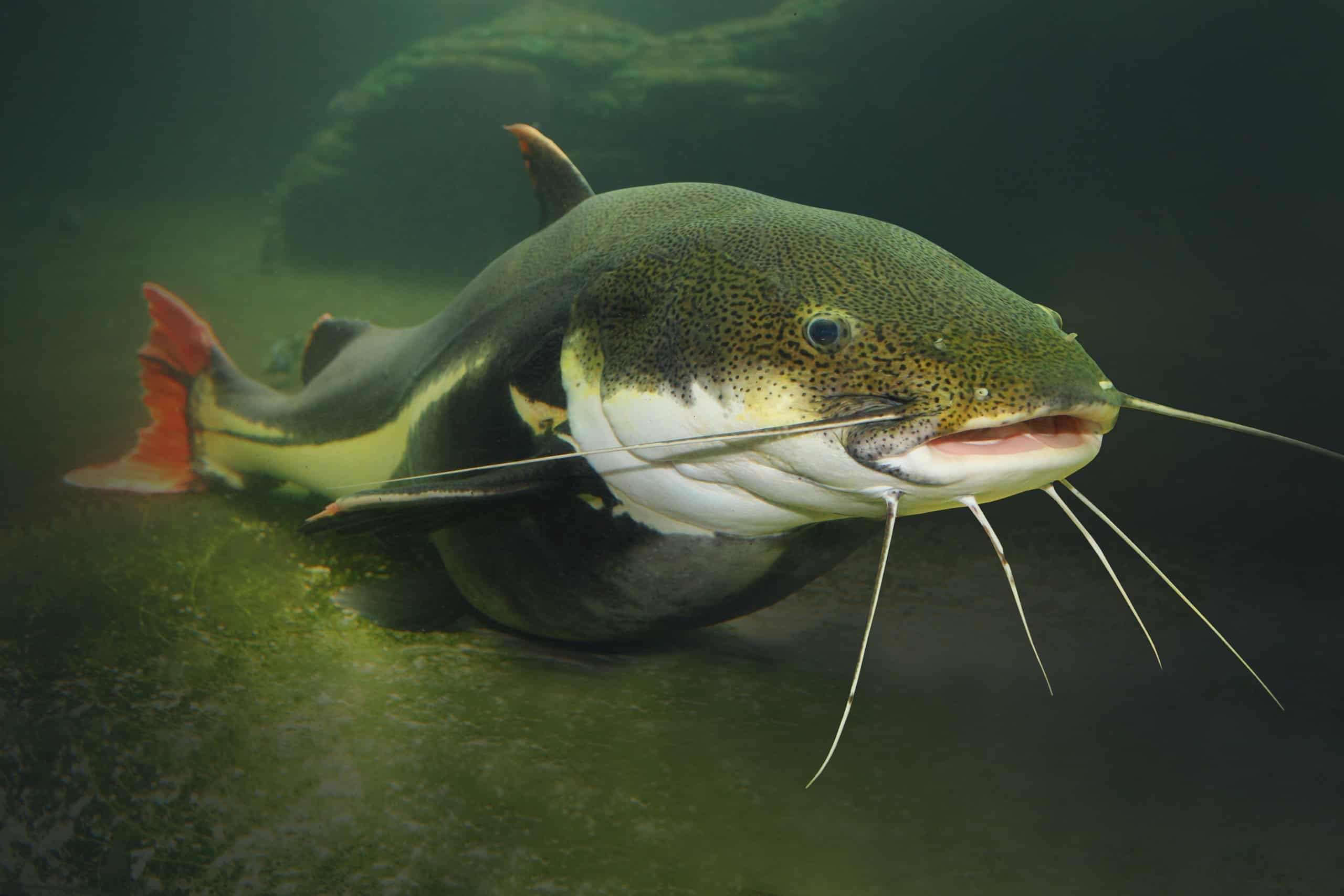
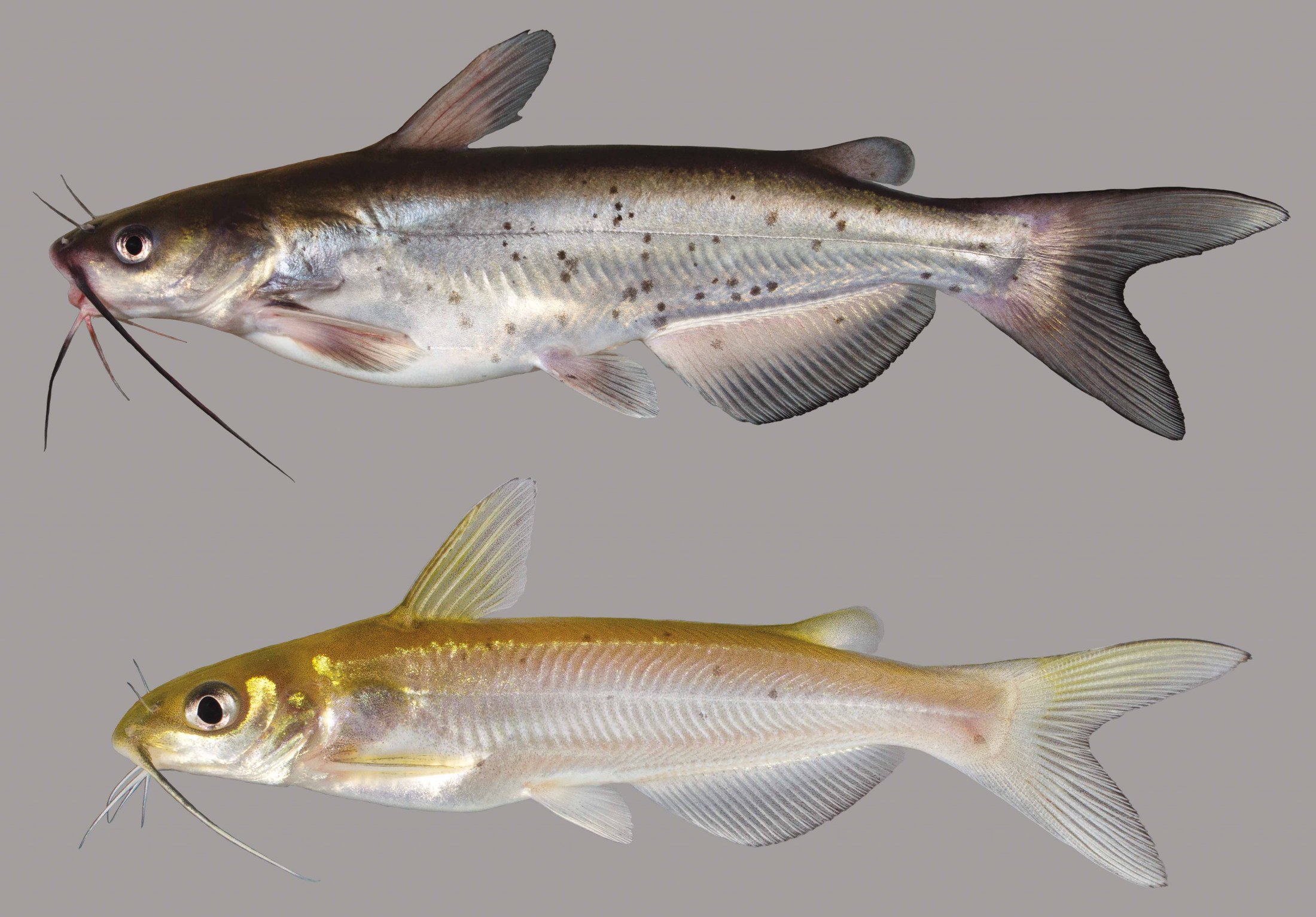
The three main freshwater catfish in the United States are channel catfish, blue catfish, and flathead catfish. Bullheads are also common and offer excellent action for beginners, kids, and anglers fishing small ponds.
Each species has different feeding habits. Learning those habits helps you choose bait, hook size, line, and fishing depth instead of guessing.

Channel catfish
Channel catfish are the most common target for many new anglers. They live in farm ponds, rivers, reservoirs, and small lakes. They often feed on worms, cut bait, shrimp, chicken liver, and commercial catfish bait.
Channel cats may be active in shallow water, especially near dusk, after rain, or when food washes into a lake or stream. In larger water, look for creek channels, submerged trees, riprap, and deep holes.
A medium or medium-heavy spinning setup works well for most channel catfish. Use 10- to 20-pound monofilament or 15- to 30-pound braided line. A 1/0 to 3/0 circle hook suits many bait presentations.
Blue catfish
Blue catfish prefer rivers, reservoirs, and large lakes. Small blues may eat worms or prepared bait, but fresh cut bait is a common choice for larger fish. Shad, skipjack, herring, and other legal baitfish can work well when they are present in the same system.
Look for current seams, deep bends, submerged channels, dams, and areas where baitfish gather. In reservoirs, a fish finder can help locate old creek beds and deep structure.
Blue catfish can become very large. Use a heavy or medium-heavy rod with 20- to 50-pound line, depending on the fish size and cover. A strong 3/0 to 8/0 circle hook may be suitable for large cut-bait presentations, but always follow local hook rules.
Flathead catfish
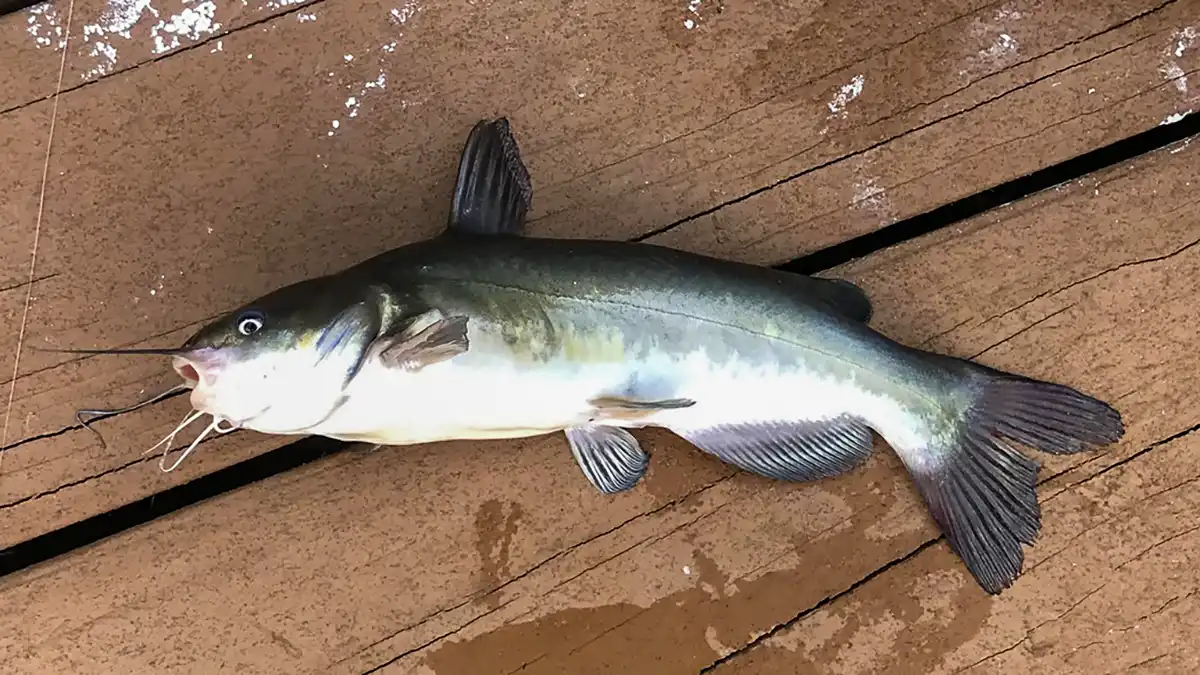
Flathead catfish are predators. They often prefer live bait, such as legal bluegill, sunfish, perch, or small carp, depending on state regulations. Flatheads commonly hold near wood, rock, undercut banks, deep holes, and current edges.
They are often more active from late spring through early fall. Many anglers target them at night, but they can feed during the day, too.
Flatheads need heavier tackle because they use cover to escape. A 7.5- to 8.5-foot heavy rod, 30- to 65-pound braided line, and a strong 5/0 to 8/0 hook are common choices for large fish.
Bullheads
Bullheads often live in small ponds, slow creeks, and shallow lakes. They are excellent targets for children because they can be caught from shore with simple gear.
Use worms, small pieces of cut bait, or prepared bait. A basic spincast combo, a small spinning reel, 6- to 10-pound line, and a size 6 to 1 hook are enough for many bullheads.
Do not underestimate their spines. Hold a bullhead from behind the pectoral fins and keep your fingers away from the sharp dorsal spine.
Where catfish gather
The best catfish location depends on water type, season, current, depth, and available food. Start with places that offer food, shelter, or a break from strong current.

Catfish do not always sit in the deepest water. They may move shallow to feed, especially at night or when water levels change. A deep hole is useful, but a nearby flat, point, creek mouth, or brush pile may be just as important.
| Water feature | Why catfish use it | Good approach |
|---|---|---|
| Deep holes | Stable water and shelter | Fish the bottom with cut bait |
| Creek mouths | Food enters the lake or river | Use worms, shrimp, or cut bait |
| Current seams | Easier feeding with less effort | Place bait just outside fast current |
| Fallen trees | Cover and ambush points | Use live bait and strong line |
| Riprap banks | Crayfish and baitfish gather | Fish near dusk with worms or cut bait |
| Flats near deep water | Feeding areas | Fish the edge during low light |
In rivers, focus on bends, outside banks, wing dams, rock piles, eddies, and the downstream side of current breaks. Catfish often face into the current and wait for food to drift toward them.
In lakes, check points, creek channels, submerged roadbeds, standing timber, and the edge of a flat. If you have a fish finder, look for changes in depth and bottom shape. You do not need to see catfish on the screen to find a good location. Structure and food often matter more.
From shore, walk the bank before casting. Look for steep banks, access to deep water, current, brush, and signs of baitfish. A cast near a drop-off can be better than a long cast toward featureless water.
Gear that works for catfish
Catfish gear should be strong, simple, and matched to the fish you expect to catch. A beginner does not need a giant baitcaster for a small pond, while an angler targeting trophy blue cats should avoid an ultralight setup.

The table below gives practical starting points. These are general ranges, not strict rules. Cover, current, bait size, and fish size may require a change.
| Target and water | Rod and reel | Line and hook |
|---|---|---|
| Bullheads and small channel cats | 6.5- to 7-foot medium spinning or spincast combo | 6- to 12-pound mono, size 6 to 1 hook |
| Average channel catfish | 7- to 8-foot medium-heavy spinning or baitcaster | 12- to 25-pound line, 1/0 to 3/0 hook |
| Large river channel cats | 7.5- to 8-foot heavy rod and strong reel | 20- to 40-pound line, 3/0 to 6/0 hook |
| Blue catfish | 7.5- to 9-foot heavy rod | 30- to 65-pound braid or mono, 4/0 to 8/0 hook |
| Flathead catfish | 7.5- to 8.5-foot heavy rod | 30- to 65-pound line, 5/0 to 8/0 hook |
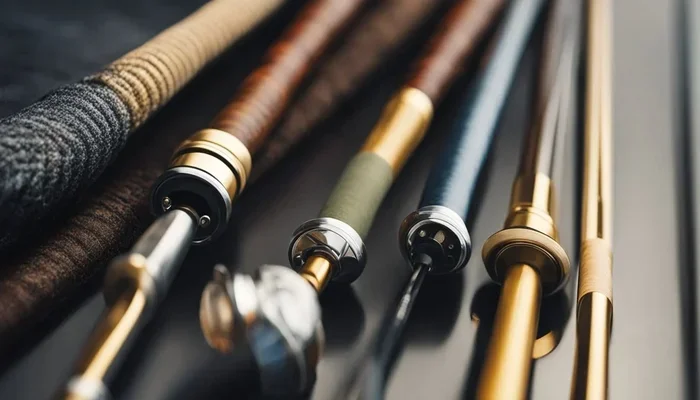
A rod’s power describes how much force it takes to bend the blank. Light power suits small fish. Medium-heavy and heavy power suit larger catfish and heavy cover.
A rod’s action describes where it bends. Fast-action rods bend near the tip and feel bites quickly. Moderate-action rods bend farther down the blank and can cushion sudden runs.
A reel’s drag is the adjustable braking system that lets line leave the spool under pressure. Set the drag so a strong fish can take line without breaking it, but not so loose that it reaches cover immediately.
Spinning reels, baitcasters, and spincast combos
Spinning reels are the easiest choice for many beginners. They cast light and medium baits well, handle monofilament and braid, and are less likely to produce backlash. Choose a reel with a smooth drag and enough spool capacity for at least 100 to 150 yards of your chosen line.
Baitcasters offer control and power. Experienced anglers may prefer them for heavy sinkers, large live bait, and accurate casts. A baitcaster can produce backlash, which is a tangle caused when the spool spins faster than the line leaves it. Beginners should practice with a light weight before using one beside the water.
Spincast combos are simple and affordable. They suit children, casual anglers, and small ponds. For large river catfish, the enclosed reel and lighter drag may not last as long as a quality spinning reel or baitcaster.
Line choices
Monofilament is affordable, stretchy, and easy to tie. Its stretch can help keep a fish pinned during a sudden run. It is a strong first choice for beginners and for fishing around rocks where braid may become damaged.
Braided line has little stretch and a thin diameter. It helps anglers feel bottom contact and carry more line on a reel. Braid works well in heavy cover, but it can cut into skin and may need a monofilament or fluorocarbon leader.
Fluorocarbon is hard for fish to see and resists abrasion. It is often used as a leader rather than as main line because thick fluorocarbon can be stiff and expensive.
| Line type | Main strengths | Main limits |
|---|---|---|
| Monofilament | Low cost, stretch, easy knots | More stretch and line memory |
| Braided line | Thin, strong, high sensitivity | Can abrade and needs careful knots |
| Fluorocarbon | Abrasion resistance and low visibility | Stiff at heavy tests and costs more |
For most new catfish anglers, 15- to 25-pound monofilament is a practical start. For big fish around wood or rocks, 30- to 50-pound braid with a heavy leader offers more control.
Catfish baits and how to prepare them
Natural bait works because it gives off scent, texture, and movement. Fresh bait is usually easier to manage and less messy than bait that has been left in the sun for hours.

Use the bait that matches the species and the rules. Some waters prohibit certain live baitfish, imported bait, or the use of game fish as bait. Never release unused bait into a lake or river unless local rules allow it.
Common catfish baits
- Nightcrawlers
- Cut shad or skipjack
- Legal live bluegill or sunfish
- Shrimp
- Chicken liver
- Crayfish
- Prepared dip, punch, or stink bait
- Small pieces of hot dog for small pond fish
- Commercial catfish dough bait
Fresh cut bait is a leading choice for channel and blue catfish. Cut the bait into pieces that match the hook. A small piece can suit a small channel cat. A larger steak of bait may suit a large blue catfish.
Live bait is useful for flatheads because it gives off vibration and movement. Hook the bait carefully so it remains active. Avoid placing the hook where it can damage the bait’s vital organs.
Prepared bait can be convenient, but it may soften in warm water. A treble hook can hold some dough baits, but a single hook is often easier to remove and may be required in some waters.
Keeping bait fresh
Keep bait cold in a sealed container or small cooler. Use separate tools for bait and food. Wash your hands after handling bait, and do not leave fish scraps on a public bank.
A bait bucket with an aerator can keep legal live bait healthy. For kayak fishing, secure the bucket so it cannot shift or affect balance. For shore fishing, a small cooler with ice is often enough for cut bait.
Rigs for catfish
A rig is the way you connect the main line, leader, hook, and sinker. The best rig keeps the bait near the feeding zone while allowing the fish to pick it up without feeling too much resistance.

Slip-sinker rig
The slip-sinker rig is one of the best catfish rigs for beginners. Slide an egg sinker onto the main line. Tie on a swivel. Then attach a 12- to 24-inch leader and a strong circle or octopus hook.
When a fish takes the bait, it can move while the line slides through the sinker. This reduces resistance and helps you detect a bite.
Use enough weight to hold the bait near the bottom. In calm water, 1/4 to 1 ounce may be enough. In strong current, you may need 2 to 6 ounces or more. Keep the sinker as light as possible while still holding position.
Three-way rig
A three-way rig works well in rivers and deep water. Tie the main line to a three-way swivel. Attach a short dropper line with the sinker and a longer leader with the hook.
The rig keeps the bait above the bottom. This can help when the bottom is covered with mud, weeds, or debris. Use a lighter line for the sinker dropper so you can lose the weight without losing the hook and leader.
Carolina-style catfish rig
A Carolina-style rig uses a sliding sinker, bead, swivel, leader, and hook. It is similar to a slip-sinker rig but often uses a bead to protect the knot and add a small clicking sound.
This rig works for shore fishing, reservoirs, and slow rivers. It is useful when catfish move along a clean bottom.
Float rig
A bobber or float rig places bait above the bottom. It works well in shallow water, around weeds, and when fish feed higher in the water column.
Set the float so the bait hangs just above the bottom or beside cover. A slip bobber is useful when fishing deep water because you can cast with the float close to the hook, then let it slide to the chosen depth.
| Rig | Best use | Main advantage |
|---|---|---|
| Slip-sinker | Lakes, ponds, and mild current | Simple and sensitive |
| Three-way | Rivers and strong current | Holds bait above debris |
| Float rig | Shallow water and weeds | Controls bait depth |
| Carolina-style | Clean lake or reservoir bottom | Smooth line movement |
Use circle hooks when regulations require them or when you plan to release fish. A circle hook is designed to slide toward the corner of the mouth when the fish moves away. Do not set the hook with a hard, fast jerk. Reel down, remove slack, and apply steady pressure.
Step-by-step: how to fish for catfish
The best way to learn is to use one simple rig, fish a likely area, and pay close attention to what happens. Change one factor at a time, such as bait size, depth, or casting distance.

1. Check rules and prepare your gear
Buy the required fishing license before you go. Read the current rules for catfish seasons, size limits, daily possession limits, hook types, baitfish, trotlines, limb lines, and jug fishing.
Inspect the rod guides for cracks. Check the reel drag, line condition, knots, hooks, and landing net. Pack pliers, a measuring board, a towel, a cooler, water, sunscreen, and a headlamp for night fishing.
2. Choose a safe fishing spot
Pick a stable bank, a legal pier, or a safe boat position. Avoid steep mud, unstable logs, fast current, and banks undercut by high water.
If you fish from a boat or kayak, wear a U.S. Coast Guard-approved personal flotation device. Tell someone where you are going and when you plan to return.
3. Select bait and hook size
Match the hook to the bait and fish. A hook should have enough point exposed to catch the fish. Do not bury the point in a thick ball of bait.
Use small worms or bait pieces for small channel catfish. Use larger cut bait or live bait for large cats. Fresh bait is often easier to cast and less likely to fall off.
4. Tie the rig
For a basic slip-sinker rig:
- Slide the sinker onto the main line.
- Add a plastic bead if desired.
- Tie the main line to a barrel swivel.
- Tie a 12- to 24-inch leader to the other swivel eye.
- Tie on a 1/0 to 5/0 hook.
- Check every knot by pulling it firmly.
- Trim loose tag ends.
Use a Palomar knot for many braided and monofilament connections. Use a strong loop or improved clinch knot when suitable for your line and hook eye.
5. Cast near structure
Cast beyond the target area when possible, then let the bait settle. Avoid landing directly on a brush pile or snag. Place the bait beside the cover, near a drop-off, or along a current seam.
Set the rod in a holder at a low angle. Keep the line slightly tight, but do not pull the bait out of position.
6. Read the bite
A catfish bite may appear as a light tap, a slow pull, or a steady bend in the rod. Small fish can peck at bait. Large fish may move off with slow, heavy pressure.
With a circle hook, wait until the fish loads the rod or moves away. Reel steadily until the line is tight. Then keep pressure on the fish.
With a traditional J-hook, a firm lift or short hook-set may be needed. Do not swing wildly. A controlled lift protects the line and keeps the bait from flying free.
7. Fight the fish with steady pressure
Keep the rod bent but avoid forcing the fish. Turn its head away from logs, rocks, weeds, and bridge supports. If the fish runs, let the drag work.
Do not hold the spool with your bare hand while a large fish runs. This can burn your skin or break the line. Adjust the drag before the fish reaches cover.
8. Land the catfish safely
Use a landing net for larger fish. Wet your hands before touching the fish. Support the body with one hand and control the head with the other, while avoiding the sharp spines.
Do not lift a large catfish by the mouth alone. Never place fingers inside the mouth of a catfish. Use long-nose pliers or a hook remover to remove the hook.
9. Release or keep the fish legally
If you release the fish, keep it out of water for as little time as possible. Take a quick photo, support it in the water, and let it swim away under its own power.
If you keep fish, follow the size and bag limits. Place them on ice soon after harvest. Do not leave discarded line, bait containers, or hooks on the bank.

💡 Pro Tip: Mark the depth, bait, time, weather, and location each time you fish. A simple note on your phone can reveal patterns that memory misses.
Seasonal catfish patterns
Catfish feed throughout the year, but their location and activity change with water temperature, spawning behavior, current, and food supply. Weather can change a bite in a few hours.

| Season | Likely pattern | Productive approach |
|---|---|---|
| Spring | Fish move shallow as water warms | Fish creek mouths and shallow flats |
| Summer | Larger fish use deep, cool water | Fish at night and near deep structure |
| Fall | Fish follow baitfish and may feed often | Use fresh cut bait near channels |
| Winter | Fish often group in stable deep water | Fish slowly with small, precise offerings |
In spring, warm water often draws catfish toward shallow areas. Look near inflowing creeks, protected coves, and shallow flats beside deep water.
Summer can produce good fishing at night when the bank cools and boat traffic drops. In hot weather, fish deep holes, river bends, and areas with oxygen-rich current.
In fall, baitfish often move along channels and shorelines. Fresh cut bait can be effective near these travel routes. In winter, slow down and concentrate on stable depth rather than covering large areas.
Fishing from shore, boat, kayak, and pier
Catfish are accessible from many platforms. The best choice depends on your water, mobility, budget, and comfort level.

Shore fishing
Shore fishing is often the most affordable way to start. Bring a rod holder, a small tackle box, extra sinkers, hooks, bait, and a landing net.
Use high banks and points to reach deep water. A longer 8- to 10-foot rod can help cast heavy bait, but a 7-foot rod is easier for most beginners. Do not cast farther just because you can. Fish the nearest depth change first.
Boat fishing
A boat gives access to channels, humps, creek arms, and deep structure. Use a fish finder to study depth and bottom changes. Anchor above the target area and let the bait settle near the structure.
Carry spare anchors, a bilge system, lights, a first-aid kit, a throwable flotation device, and a charged phone or marine radio. Follow navigation rules and avoid anchoring in a dangerous current.
Kayak fishing
Kayak fishing can reach quiet banks and shallow flats, but stability and weight matter. Keep the cooler, tackle box, bait bucket, and landing net secured. A loose sinker or hook can become a hazard in a small cockpit.
Wear a properly fitted U.S. Coast Guard-approved PFD at all times. Check wind, current, storms, and water temperature before launching.
Pier fishing
Piers often place anglers over deep water and attract baitfish. Use a compact tackle box, a drop net if allowed, and enough weight to hold bottom.
Watch for other anglers before casting. Keep hooks, knives, and pliers away from children’s hands. Do not leave a rod unattended where a fish can pull it into the water.
⚠️ Safety Warning: Wear a life jacket on boats and kayaks, even when the water looks calm. For river trips, take a boating safety course and tell someone your route, launch point, and return time.
Common catfish mistakes
Most poor results come from a small setup problem, not from a lack of luck. Fixing one mistake can make fishing easier and safer.
| Mistake | What happens | Better choice |
|---|---|---|
| Too much bait on the hook | The point stays buried | Expose the hook point |
| Sinkers that are too light | Bait drifts away | Add only enough weight to hold bottom |
| Fishing featureless water | Few clues guide your cast | Target depth, cover, current, or food |
| Setting a circle hook hard | The hook may pull free | Reel steadily and keep pressure |
| Old or weak line | Line breaks under pressure | Replace damaged line |
| Poor bait storage | Bait becomes soft or unsafe | Keep bait cold and sealed |
| Ignoring local rules | Fines or illegal harvest | Check the wildlife agency before fishing |
Do not use a hook that is too large for your bait. A giant hook can reduce bait movement and make it hard for a fish to take the point.
Do not leave a catfish swallowing bait for several minutes. If you plan to release fish, check the rod often and use circle hooks where allowed.
Do not pour leftover bait, oil, or fish scraps into the water. These actions can spread disease, attract pests, and harm water quality.
How much catfish fishing costs
Catfish fishing can cost less than many other forms of fishing. A basic setup may include a rod and reel, line, hooks, sinkers, swivels, bait, pliers, and a license.
| Budget level | Typical equipment | Best for |
|---|---|---|
| Low cost | Spincast or basic spinning combo, mono line, simple rig | Kids, ponds, and small channel cats |
| Mid-range | Medium-heavy spinning combo, better drag, landing net | Regular shore anglers |
| Higher cost | Heavy rod, strong reel, braid, fish finder, boat gear | Large cats and frequent anglers |
Current pricing ranges from roughly $25 to $60 for a basic combo, $60 to $150 for a stronger spinning setup, and $150 or more for specialized heavy gear. Prices vary by brand, materials, reel size, and included features.
You do not need a baitcaster, fish finder, or heavy braid to catch your first catfish. Upgrade when your current gear limits your casting, hook control, line capacity, or ability to handle the fish in your water.
For a gift buyer, a medium spinning or spincast combo, a small tackle box, pliers, hooks, sinkers, and a local fishing license gift card make a useful starter package. Add a life jacket if the child will fish from a boat or kayak.
👪 Parent or Gift-Buyer Note: Choose a rod that the angler can hold for a full hour without fatigue. For most children, a 5.5- to 6.5-foot spincast combo is easier to control than a long heavy rod.
Catfish care, conservation, and regulations
Responsible fishing protects the fishery and keeps access open. Catfish can live for many years, and large fish may be important breeders.

Check your state wildlife agency before fishing. Rules may cover fishing licenses, catfish size limits, daily bag limits, closed seasons, hook sizes, barbed hooks, lead tackle, live bait, trotlines, limb lines, jug lines, and the use of game fish as bait.
📜 Check Local Regulations: Regulations vary by state, county, lake, and river. Confirm the current rules with the state or local wildlife agency before you fish, especially when using live bait, multiple lines, or large hooks.
Use barbless hooks when practical, or pinch down the barb for easier removal. Wet your hands before touching a fish. Keep the fish’s gills out of the dirt, and limit air exposure to a few seconds.
Cut line can injure birds, turtles, fish, and pets. Collect broken leaders, hooks, and old fishing line. Many tackle shops and public access sites offer line recycling bins.
Stringers can be useful for legal harvest, but do not use them for fish you plan to release. Crowded stringers can cause stress and injury. A cooler with ice is safer for fish you intend to keep.
🌿 Conservation Note: Release large breeding fish when local rules and your goals allow. Keeping a legal meal is part of fishing, but selective harvest helps maintain strong catfish populations.
Catfish gear care and storage
Good gear care saves money and prevents failures. Catfish bait, mud, sand, and river water can damage reels and hooks over time.

After each trip
- Rinse mud and grit from the rod and reel.
- Wipe the rod guides with a soft cloth.
- Dry hooks, swivels, and sinkers before storage.
- Check the first several yards of line for rough spots.
- Remove bait from the tackle box.
- Drain and clean bait buckets.
- Store rods in a dry place away from direct heat.
Do not blast a spinning reel with high-pressure water. Water can force grit deeper into the drag or bearings. Use a light rinse, dry the reel, and apply a small amount of reel oil where the manufacturer recommends.
Saltwater catfish targets such as hardhead catfish and gafftopsail catfish need extra care. Freshwater gear can corrode quickly after saltwater use. Rinse the rod, reel, hooks, pliers, and landing net with fresh water, dry them fully, and check stainless parts for rust.
Replace line when it becomes rough, chalky, deeply coiled, or weak. Signs it is time to replace a hook include rust, a bent point, a dull point, or a damaged eye.
When to ask a local tackle shop or guide
A local tackle shop can save you time by explaining the water you plan to fish. Ask what species are being caught, which bait is legal, what depth anglers use, and whether current is a concern.
A licensed fishing guide is useful when you want to learn a large river, reservoir, kayak route, or boat safety system. A guide can show you how to read a fish finder, anchor safely, use heavy tackle, and handle large fish.
Ask for help if:
- You are unsure whether a baitfish is legal.
- You cannot identify a catfish species.
- You plan to fish strong current or deep water.
- You are new to boating or kayak fishing.
- Your reel drag slips or locks up.
- You keep breaking line near structure.
- You want to learn jug, trotline, or limb-line rules.
Avoid copying a setup without understanding the water. A rig that works in a slow pond may fail in a deep river with six ounces of lead and heavy current.
Frequently asked questions
What is the best bait for catfish?
The best bait depends on the species and water. Nightcrawlers and prepared bait suit many channel catfish. Fresh cut shad or skipjack often suits blue catfish. Live legal baitfish are commonly used for flathead catfish. Check local bait rules first.
What size hook should I use for catfish?
Use a size 6 to 1 hook for small bullheads and channel cats. Use a 1/0 to 3/0 hook for average channel catfish. Use 3/0 to 8/0 hooks for large cut bait or live bait. Match the hook to the bait, not just the fish.
Should catfish bait sit on the bottom?
Often, yes. Many catfish feed near the bottom, so a slip-sinker rig is a good starting point. In weeds, debris, or shallow water, a float rig can keep bait above the bottom and make it easier to find.
Do I need a fish finder to catch catfish?
No. A fish finder helps locate depth, channels, and structure from a boat, but shore anglers can find catfish by studying current, banks, creek mouths, cover, and water depth. Good location knowledge matters more than electronics.
Is braided line better than monofilament for catfish?
Neither is always better. Braid has high strength and low stretch, which helps around cover and in deep water. Monofilament costs less, stretches more, and is easier for beginners. Use the line that fits your fish size, cover, and casting skill.
Can kids fish for catfish?
Yes. Bullheads and small channel catfish are good targets for children. Use a simple spincast combo, small hooks, worms, and a stable shore spot. Teach children to avoid catfish spines and keep pliers nearby for hook removal.
Is chicken liver good catfish bait?
Chicken liver can work, especially for channel catfish, but it is soft and may fall off during casting. Keep it cold, use a bait-holder or treble hook if legal, and avoid leaving it in the heat for long periods.
What time of day is best for catfish?
Catfish can feed at any time. Early morning, evening, night, and periods after rain can be productive, especially in warm weather. In clear water, low light may encourage fish to move shallow. Weather, water level, and food supply also matter.
How do I catch catfish from shore?
Find a bank near deep water, current, a creek mouth, cover, or a drop-off. Use a slip-sinker rig with worms or cut bait. Cast near the feature, let the bait settle, and keep the rod secure. A landing net helps with larger fish.
Can I use bass, trout, or panfish as catfish bait?
Only if local regulations allow it. Some states allow specific legal baitfish, while others prohibit using game fish or restrict transport between waters. Never assume a common fish is legal bait. Check the local wildlife agency.
How do I hold a catfish?
Keep your fingers away from the dorsal and pectoral spines. Hold small fish from behind the fins, and support larger fish under the belly. Use pliers for hooks. Do not put your fingers inside a catfish’s mouth.
What should I do if a catfish swallows the hook?
Do not pull hard. Cut the line close to the mouth if removing the hook would cause serious damage. Some deeply hooked fish may survive better when released with the hook left in place. Follow local guidance and use circle hooks for future catch-and-release fishing.
Are catfish good to eat?
Many catfish are good table fish when taken from clean, legal waters and handled correctly. Check local fish-consumption advisories, especially for rivers, reservoirs, and waters near industrial areas. Keep only the amount allowed by law.
Final advice for catching catfish
Start with a simple plan: choose a legal and safe location, use fresh bait, fish near the bottom, and place your bait beside structure or a change in depth. A medium-heavy spinning combo, 15- to 25-pound line, a slip-sinker rig, and a 1/0 to 3/0 hook cover many beginner situations.
As your skills grow, match your setup to the species. Use live bait and heavy gear for flatheads, fresh cut bait for larger blues, and lighter tackle for pond channel cats and bullheads. Keep notes, care for your gear, and let local water conditions guide your next adjustment.
Catfish fishing rewards patience, but it does not require mystery. Find where food collects, keep your bait in the feeding zone, handle fish with care, and follow the rules. That simple approach can serve a first-time angler, a child learning beside a parent, or an experienced fisherman searching for a stronger fish in a deeper river.