How To Catch Bait Fish In A River: Easy Guide
Bait fish are the small fish that larger fish eat. They include minnows, shiners, shad, smelt, suckers, and small sunfish. Catching them in a river can improve your chances for bass, catfish, walleye, trout, pike, and other game fish. It can also be a fun way to learn how a river works.
The best way to catch bait fish is to match your method to the water. In shallow, calm areas, a small seine works well. Around rocks, weeds, docks, and current seams, a tiny hook, bait trap, or cast net may be better. Always check local rules first, because some states limit which bait fish you may catch, use, transport, or release.

The Quick Answer: Find Cover, Use Fine Gear, and Keep Bait Healthy
To catch bait fish in a river, look for calm water near current, rocks, weeds, logs, bridge pilings, and shallow banks. Use a small seine, legal cast net, minnow trap, or size 10 to 16 hook with tiny bait. Fish at dawn or dusk when small fish feed. Keep your catch in cool, oxygen-rich water, and check local fishing laws before collecting or using live bait.

Know Which Bait Fish Live in Your River
The right bait depends on the river, season, and fish you want to catch. A small shiner may attract bass or walleye. A larger chub may work for catfish or pike where legal. Trout often respond to minnows, sculpins, or aquatic insects, while catfish may take cut bait from legal species.
Do not assume every small fish is legal bait. Some species are protected. Others may spread disease or invasive species when moved between waters.
| Common bait fish | Where you may find them | Game fish that may eat them |
|---|---|---|
| Shiners and minnows | Shallow runs, pools, and weed edges | Bass, walleye, trout |
| Shad | Lower rivers, backwaters, and current seams | Catfish, striped bass, bass |
| Suckers and chubs | Rocky runs and deeper pools | Pike, musky, catfish |
| Small sunfish | Warm shallows and cover | Bass, catfish, pike |
These are broad patterns, not rules for every river. Water temperature, flow, food supply, and local fish populations can change where bait gathers. A local tackle shop or fisheries agency can help identify legal species.
Match Bait Size to Your Target
Choose bait that fits the mouth and feeding habits of the game fish. For panfish and small bass, a 1- to 2-inch minnow may be enough. Larger bass, walleye, catfish, and pike may prefer bait from 3 to 8 inches, if local regulations allow it.
Use smaller bait in clear, cold water when fish are cautious. Larger bait may work better in stained water or strong current, where vibration helps predators find it.
Learn to Identify Bait Fish
Minnows can look alike, especially when they are wet and moving fast. Look at the body shape, mouth, fins, stripes, and scale pattern. A pocket fish guide or a state wildlife identification app can help.
Never use a fish you cannot identify. A juvenile protected species may look like a common minnow. When in doubt, release it carefully.

Where Bait Fish Gather in a River
Bait fish usually avoid wasting energy in heavy current. They often hold near slower water that sits beside moving water. These areas provide food, oxygen, and an escape route from predators.
Search the inside bend of a river, the soft water behind a rock, the edge of a weed bed, or the mouth of a small feeder creek. Bridge shadows, fallen trees, riprap, and undercut banks can also hold bait.
| River location | Why bait gathers there | Best collection method |
|---|---|---|
| Shallow inside bends | Slow flow and warm water | Seine, dip net, small hook |
| Behind rocks or logs | Shelter from current | Minnow trap or small hook |
| Weed edges | Food and cover | Seine or dip net |
| Feeder creek mouths | New food and oxygen | Small seine or hook |
| Bridge pilings | Shade and current breaks | Trap or cast net where legal |
| Deep pool edges | Safety and steady flow | Small hook or legal cast net |
Start by watching the water before you cast. Look for flashes, dimples, small wakes, or groups of fish moving together. Polarized sunglasses reduce glare and make bait easier to see in shallow water.
Read Current Seams
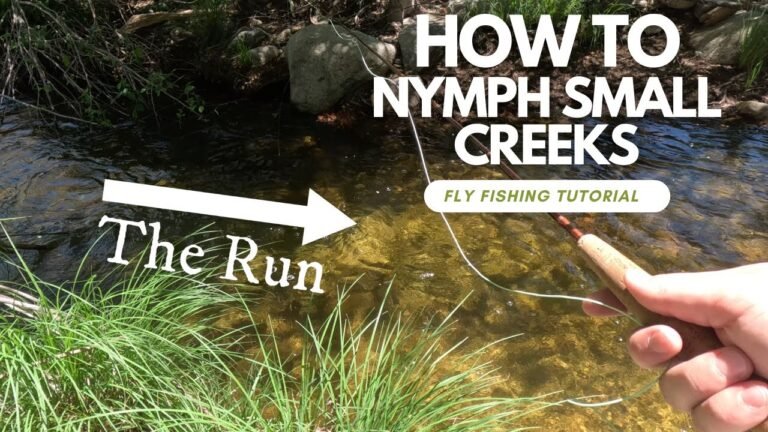
A current seam is the line between fast and slow water. It often looks like a change in surface texture. Bait fish may sit on the slow side and dart into the faster water to grab food.
Place a seine or trap along the calm edge of the seam. If you use a hook, drift your bait through the seam without dragging it across the bottom.
Check Shallow Cover First
Shallow cover is one of the easiest places for beginners to find bait. Search water from 1 to 3 feet deep near grass, brush, gravel, and rocks. Early morning and late afternoon often provide the best light and activity.
Avoid stomping along the bank before you set up. Sudden noise and shadows can push bait into deeper water.
Use Local Clues
Birds can reveal bait activity. Watch for herons, kingfishers, gulls, and diving birds. A group of feeding birds may mark shad or other schooling bait.
Predator activity also helps. If you see bass striking near a bank or a catfish feeding below a bridge, bait may be close. Do not cast into unsafe water just because you see fish.

Choose the Best Bait-Catching Method
The best method depends on water depth, current speed, bank access, and local law. A small seine is often the fastest tool in shallow water. A minnow trap works with less effort but may take longer. A small hook gives you control but catches bait one fish at a time.
| Method | Best water | Main advantage | Main limitation |
|---|---|---|---|
| Small seine | Shallow flats and edges | Catches several fish quickly | Needs two people or careful setup |
| Minnow trap | Calm pools and quiet edges | Simple and low effort | Takes time and may be restricted |
| Cast net | Open, shallow water | Covers a wide area | Needs practice and may be illegal |
| Tiny hook | Almost any accessible water | Precise and portable | Slow for large bait needs |
| Dip net | Grass, rocks, and small schools | Easy for kids | Limited range and capacity |
Check the current rules before buying a cast net or trap. Some waters ban live-bait collection tools or set strict size limits.
Using a Small Seine
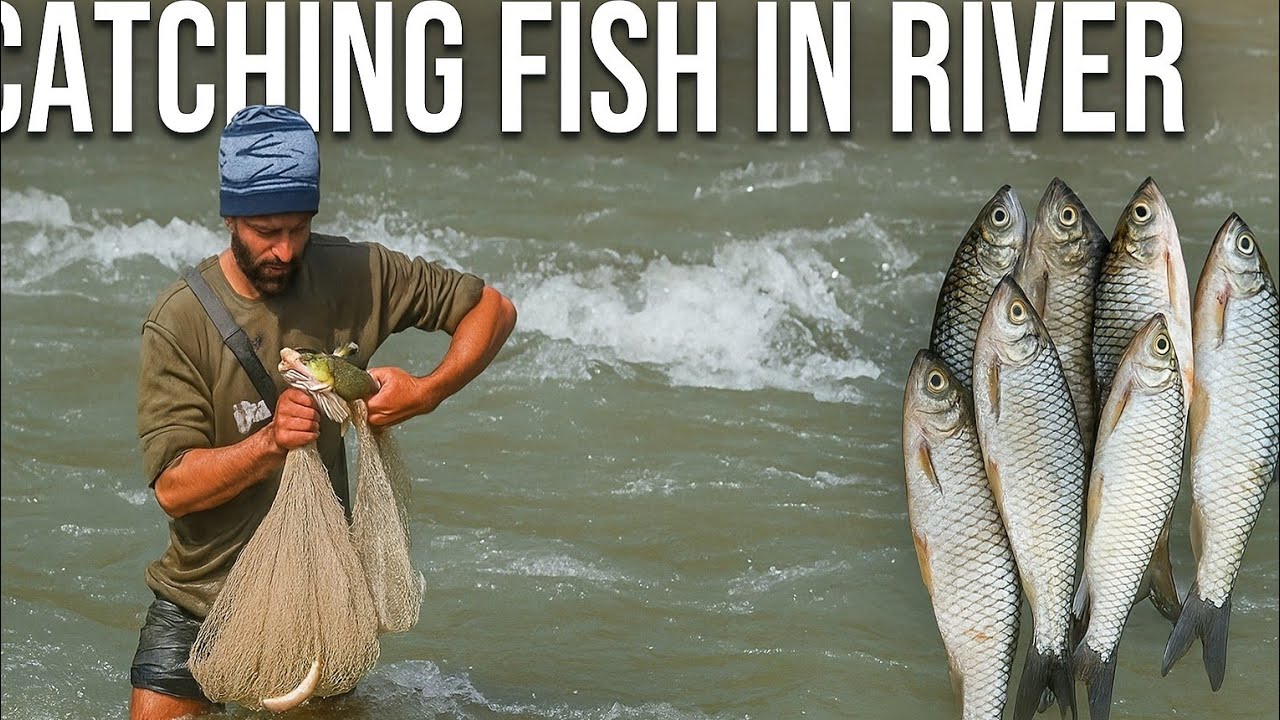
A seine is a fine-mesh net with a weighted lower edge and a float line. One person holds each end while both anglers move through shallow water. Move slowly toward shore, keeping the bottom edge on the riverbed.
A 4- to 6-foot seine is manageable for one or two people. A longer seine covers more water but becomes harder to control. For beginners, a small mesh net is easier to carry and less likely to damage fish.
Walk upstream or across the shallow area if the current is safe. Fish often move ahead of the net and collect near the bank. Lift the net gently and sort the catch in a bucket of river water.
Setting a Minnow Trap
A minnow trap is a small container with funnel-shaped openings. Bait fish enter through the funnels but have trouble finding their way back out. Place it in calm water near cover, not in the strongest current.
Use legal bait inside the trap. Bread may attract some small fish, but it can also create litter and draw non-target animals. A small amount of fish food or an approved bait product may work better.
Tie the trap to a secure bank anchor. Mark it if required by law. Check it often, especially in warm weather, because crowded fish can run short of oxygen.
Fishing With a Tiny Hook
A tiny hook is a good choice when you need only a few bait fish. Use a light spinning reel, spincast combo, or telescopic rod. A 5- to 6-foot ultralight rod with 2- to 6-pound monofilament is easy to handle.
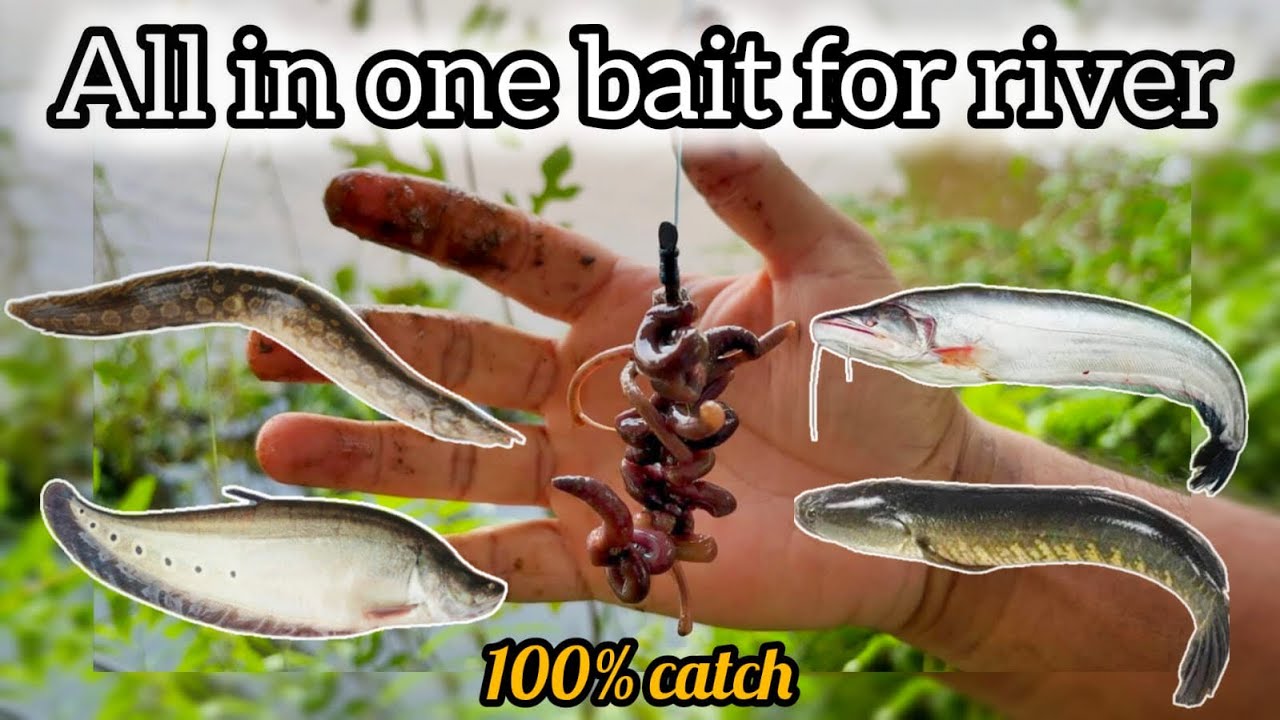
Try a size 10 to 16 hook, a small split shot, and a tiny bobber. Thread a small piece of worm, bread, dough, or legal bait onto the hook. Keep the bait small enough for the fish to swallow without hesitation.
Use forceps or long-nose pliers to remove the hook. If you plan to release the bait fish, avoid deep-hooking it. Barbless hooks can make release faster and gentler.
Throwing a Cast Net
A cast net can gather many bait fish at once. It works best in open water with a fairly even bottom. It is harder to use than a trap or seine, so practice on land with a light practice net before fishing.
A net with a 4- to 6-foot radius is a practical size for many beginners. Heavier nets sink faster but require more strength. Mesh size must match the bait fish and local law.
Do not throw a cast net near swimmers, boats, power lines, or submerged branches. Avoid wading into deep or fast water while carrying a net.
⚠️ Safety Warning: Wear a properly fitted U.S. Coast Guard–approved PFD when collecting bait from a boat, kayak, or deep bank. River currents can overpower strong swimmers. Tell someone your plan, check the weather, and avoid wading alone.

Gather the Right Gear Before You Go
You do not need expensive gear to catch bait fish. A simple bucket, fine net, light rod, and small tackle box can cover most beginner trips. Experienced anglers may add an aerated bait tank, portable oxygen system, or fish finder for deeper river sections.
| Gear | Useful specification | Who benefits most |
|---|---|---|
| Ultralight spinning rod | 5–6 feet, light or ultralight power, fast or moderate action | Beginners and anglers using tiny hooks |
| Spincast combo | 5–6 feet, 2–8 pound line capacity | Kids and gift buyers |
| Monofilament line | 2–6 pound test | Beginners; simple and forgiving |
| Small hooks | Size 10–16 | Panfish, minnows, and shiners |
| Fine-mesh seine | 4–6 feet for easy handling | Families and bank anglers |
| Minnow trap | Legal size and material | Anglers fishing calm water |
| Bait bucket | 2–5 gallons with lid | Short trips and shore anglers |
| Aerator | Battery-powered pump | Warm weather and longer trips |
Rod power describes how much force a rod takes to bend. Action describes where it bends. A fast-action rod bends near the tip, while a moderate-action rod bends farther down the blank.
For bait fishing, ultralight power gives better feel. Fiberglass or composite rods can be more forgiving for kids. Graphite rods feel lighter and more sensitive but may crack if stepped on or stored carelessly.
Select Line and Terminal Tackle
Terminal tackle means the small items at the end of your line. It includes hooks, sinkers, bobbers, swivels, and leaders. For small bait fish, use light monofilament and a small hook.
Monofilament floats and stretches. That makes it easy for beginners. Fluorocarbon is less visible and sinks, but it costs more and can be stiffer in light tests. Braided line is thin and strong, but it may be excessive for tiny hooks and can cut hands if handled carelessly.
Use only enough split shot to keep the bait at the depth where fish are holding. Too much weight makes the presentation look unnatural and can snag the bottom.
Pack a Safe Bait Container
A plain bucket works for a short trip in cool weather. Add a battery aerator when the air is warm or when you plan to keep bait for more than 20 to 30 minutes.
Keep the container out of direct sun. Do not overcrowd it. A small cooler filled with river water may seem useful, but ice can shock bait fish unless you cool the water slowly and carefully.
Never mix bait from different waters without checking regulations. Water, mud, plants, and fish can carry invasive species.
👪 Parent or Gift-Buyer Note: A basic spincast combo, small dip net, lidded bucket, and polarized sunglasses make a useful starter kit for a child. Choose a soft fiberglass rod and avoid giving young anglers a cast net or sharp knife without close adult supervision.

Prepare the Spot and Handle Fish With Care
Preparation makes bait collection faster and safer. Set your bucket in the shade, organize hooks and pliers, and check the bank for slippery rocks. Keep the net, trap, and line away from feet and walking paths.
If you are wading, use wading shoes with felt-free rubber soles where required. A wading belt helps stop water from filling your waders if you fall. Never trust a wader to act like a life jacket.

Keep the Bait Water Cool and Clean
Use water from the same river where you caught the bait. Replace some water if it becomes cloudy or warm. Avoid sudden temperature changes.
An aerator adds oxygen, but it does not fix overcrowding. Remove dead or weak bait at once. Release it where allowed, or dispose of it according to local rules. Never dump unused bait into another stream, lake, or river.
Sort Fish by Size and Species
Sort bait in a shallow tray or separate bucket. Remove leaves, sticks, crayfish, frogs, and protected fish. Keep only the number you expect to use.
Sorting reduces stress and prevents larger bait from injuring smaller fish. It also helps you avoid using an illegal species by mistake.
Use Wet Hands and Quick Handling
Wet your hands before touching a bait fish. This protects its slime coat, which helps defend against infection. Hold fish gently around the body and avoid squeezing the belly.
If you release a fish, return it to the water quickly. Do not toss it from a height. Use a dehooking tool for fish caught on hooks.
🌿 Conservation Note: Keep bait fish in the water as much as possible. Release unused legal bait in the same water where you caught it, unless local rules say otherwise. Never move live fish, water, or plants between waterways.

Follow These Steps to Catch Bait Fish
The best way to catch river bait is to work in short, careful stages. First locate fish, then choose the least harmful legal method. A calm approach often catches more bait than repeated noise and random casts.
1. Check the Rules Before You Leave
Look up your state fishing license rules and bait regulations. Confirm whether you need a license to collect minnows. Check rules for seines, traps, cast nets, hook size, mesh size, bait transport, and the use of live fish.
Some states allow only certified bait dealers to sell or transport certain species. Others ban wild-caught bait in specific waters to prevent disease or invasive species.
📜 Check Local Regulations: Confirm the rules with your state wildlife agency or local fisheries office before collecting bait. Check size limits, bag limits, closed seasons, restricted waters, lead rules, barbed-hook rules, and release requirements.

2. Scout the River Without Disturbing It
Walk slowly and watch for fish before setting up. Look at the shallow edges, current seams, rocks, grass, and creek mouths. Use polarized sunglasses to cut glare.
If you see no activity after 10 minutes, move 30 to 50 yards. Bait may be present but hidden under cover. Avoid throwing a net blindly into deep water.
3. Start With a Small Seine
If the water is shallow and safe, place the seine downstream of the area you want to search. Keep the bottom edge on the riverbed. Move slowly toward the bank.
Lift the seine without dragging fish over dry rocks. Transfer the catch to a bucket of river water. Sort the fish at once.
4. Try a Trap in Calm Water
Place a legal minnow trap near weeds, brush, or the edge of a pool. Add a small amount of bait and secure the trap. Check it within the time required by local rules.
Do not leave a trap unattended overnight unless the law permits it. Warm, crowded traps can kill fish and attract unwanted attention.
5. Use a Tiny Hook When You Need Selective Bait
Rig a size 10 to 16 hook below a small bobber. Add one small split shot 6 to 12 inches above the hook. Set the bobber so the bait travels just above the bottom or beside cover.
Use a small worm piece, dough, or other legal bait. Keep your movements slow. If the bobber dips, wait only long enough to feel weight, then lift the rod with light pressure.
6. Refresh the Water Often
Check the bait every few minutes. Remove weak fish and add fresh river water. Keep the bucket shaded and away from hot pavement.
For a full day, use a larger aerated bait tank. A portable bait cooler with a pump can work well from a boat, but it still needs regular cleaning.
7. Release or Use the Bait Responsibly
Use bait only in waters where it is legal. Do not release dead or unused fish in a different drainage. Clean nets, buckets, traps, and waders before visiting another river.
Rinse gear with clean water, remove plant fragments, and let it dry fully. This simple habit helps reduce the spread of invasive organisms.
Use a Rig That Fits the Bait and Target Fish
Catching bait is only half the job. The rig must keep the bait lively and present it at the right depth. For most river fishing, a hook, small weight, and optional bobber are enough.
| Target fish | Useful bait size | Simple rig | Typical line choice |
|---|---|---|---|
| Panfish | 1–2 inches | Small hook and bobber | 2–4 pound mono |
| Small bass | 2–4 inches | Hook below bobber or light leader | 6–10 pound mono |
| Walleye | 2–5 inches | Hook with light sinker | 6–10 pound mono |
| Catfish | 3–8 inches or cut bait | Bottom rig with sinker | 10–20 pound mono or braid |
| Pike | 4–8 inches | Wire or heavy fluorocarbon leader | 15–30 pound line |
| Trout | Small minnows where legal | Light hook or float rig | 2–6 pound mono |
These pairings are starting points. Strong current, snags, water clarity, and fish size may require changes. Use a leader when toothy fish can cut your main line.
Live Bait Under a Bobber
A bobber keeps the bait above weeds and lets you see strikes. Hook the bait lightly through the lips or behind the dorsal fin, based on local rules and the species. Do not place the hook near the spine.
Set the depth so the bait swims near cover without dragging on bottom. Adjust it every few casts until the bait moves naturally.
Bottom Fishing With Bait
A sliding sinker rig lets a fish move with less resistance. Thread the main line through an egg sinker, add a swivel, and tie on a leader and hook. This setup can work for catfish and some bottom-feeding species.
Use the lightest sinker that holds bottom. A heavy sinker can bury the bait in mud and increase snags. Check the line often around rocks and wood.
Bait on a Light Jig
Some small bait fish can be used with a jig where legal. A jig is a weighted hook designed to move near the bottom. Use a light jig head and a small hook to avoid injuring the bait.
If live bait rules are strict, a soft plastic, small crankbait, or tiny jig may be a legal alternative. Artificial lures are easier to store and cannot spread live organisms.
When to Use a Leader
A leader is a short section of line between the main line and hook. Fluorocarbon can be useful in clear water. Wire or heavy mono may help against pike, musky, or large toothy fish.
Leaders add strength but can reduce movement. Match the leader to the target, not just the bait.

Avoid These Common Bait-Fishing Mistakes
Many bait problems come from poor location choice, weak fish care, or illegal transport. Small changes often make the biggest difference. Think of bait as a living part of your tackle, not just an item in a bucket.
| Mistake | What happens | Better choice |
|---|---|---|
| Using a large hook | Bait gets injured or ignores it | Use size 10–16 for small fish |
| Overcrowding a bucket | Fish lose oxygen quickly | Keep fewer fish in more water |
| Leaving bait in the sun | Water heats and fish weaken | Use shade and an aerator |
| Fishing only fast current | Bait burns energy and escapes | Search current edges and cover |
| Moving bait to another river | Disease and invasive species may spread | Follow local release rules |
| Using too much sinker weight | Bait snags or looks unnatural | Use the lightest effective weight |
| Handling fish with dry hands | Slime coat can be damaged | Wet hands first |
| Ignoring hooks and pliers | Cuts and deep hooks become more likely | Carry forceps and handle tools safely |
The most serious mistake is assuming that all bait fish are interchangeable. Species identification, local law, and fish health matter more than speed.

Adjust Your Approach for Weather and Seasons
Bait fish respond to temperature, light, flow, and food. Their location can change within the same day. A productive morning spot may be empty after a storm or a rapid rise in river level.
Spring
Spring runoff can spread bait into flooded grass, side channels, and feeder creeks. Water may be cold and fast, so avoid deep wading. Use a seine in calm margins or a small hook near protected cover.
Summer
Warm water holds less oxygen. Fish may move early, late, or into shaded current. Use an aerator and change bait water often. Morning is often the safest time for bait care and bank fishing.
Fall
Cooling water may push bait into deeper pools and stronger current edges. Shiners, minnows, and other schooling fish can gather near migration routes. Look for birds and predator activity.
Winter
Some bait fish slow down and hold in deep, stable water. Ice fishing rods are not designed for normal river casting, but they can work for vertical bait collection from safe ice. Never step onto ice without checking thickness and local guidance.
⚠️ Safety Warning: Do not wade high or muddy water after rain. River levels can rise quickly. For ice, check thickness across the entire route, carry ice picks, wear a flotation suit when appropriate, and take an ice-safety course if you lack experience.
Make Bait Collection Work for Beginners and Kids
A simple setup keeps the focus on observation and safe handling. A child can learn with a dip net, small bucket, and spincast combo under adult supervision. Keep the trip short and choose a flat bank with slow water.
For beginners, the easiest plan is often a small seine or tiny hook. Cast nets, deep wading, and heavy tackle add skill demands. Gift buyers should favor light gear that is easy to carry and replace.
A Good Starter Setup
- 5- to 6-foot spincast or spinning combo
- 4- to 6-pound monofilament
- Size 12 or 14 hooks
- Small bobbers
- A few split shot
- Fine-mesh dip net
- Lidded 2- to 5-gallon bucket
- Polarized sunglasses
- Long-nose pliers
- U.S. Coast Guard–approved PFD near deep water
This setup can also handle panfish after the bait work is done. It is portable for shore fishing, kayak fishing, and family trips.
Teach Three Rules First
Teach children to stay behind the caster, keep hooks covered, and ask before entering the water. Show them how to wet their hands before touching fish. Keep pliers and knives with the adult.
Set a clear boundary near the river. A visible bank marker or towel can help children understand where they may stand.
👪 Parent or Gift-Buyer Note: The best bait-fishing setup for kids is light, simple, and supervised. Skip complex baitcasters at first. Backlash, which is a tangle caused when a baitcaster spool spins faster than the line leaves, can frustrate new anglers.

Compare Wild Bait With Store-Bought Bait and Artificial Lures
Wild-caught bait is fresh and matches the local food chain. It costs little after you buy basic gear. However, it takes time, may be restricted, and can carry disease if moved or stored poorly.
Store-bought bait saves time and may provide a known species. Artificial lures are the easiest to transport and reuse. Soft plastics, crankbaits, jigs, and small lures also work when live bait is banned.
| Option | Advantages | Limitations |
|---|---|---|
| Wild-caught bait | Local, low ongoing cost, natural | Requires time, skill, and legal checks |
| Store-bought live bait | Convenient and often sorted | Costs more and may still have use rules |
| Cut bait | Works for some catfish and bottom fish | Can spoil and may be restricted |
| Soft plastics | Reusable and easy to store | Does not provide live movement |
| Crankbaits and jigs | No bait tank needed | Requires fish to respond to lure action |
Choose wild bait if you enjoy the process and fish in a legal collection area. Choose store-bought bait when travel time is limited. Choose lures when you want simple storage, clean hands, and easy transport.

Clean and Store Your Bait Gear
Gear care protects fish and extends the life of nets, line, reels, and containers. River sand can damage reel gears. Mud can clog a trap. Wet organic matter can create odors and spread organisms.
Rinse nets, buckets, traps, pliers, and rod guides with clean water. Let everything dry before storage. Check monofilament for nicks after fishing around rocks or wood.
If you fish brackish water or use gear near saltwater, rinse reels and metal parts with fresh water at once. Saltwater-rated spinning reels usually offer better corrosion protection, but no reel should be left wet and salty. Do not immerse a reel unless the manufacturer allows it.
| Gear item | After each trip | Replace or repair when |
|---|---|---|
| Seine or dip net | Rinse, inspect mesh, dry fully | Mesh tears or weights detach |
| Minnow trap | Remove debris and dry | Funnels crack or doors fail |
| Spinning reel | Wipe and check line | Gears grind or drag slips |
| Monofilament | Inspect for nicks | Line becomes cloudy, rough, or weak |
| Bait bucket | Rinse and dry | Lid cracks or leaks develop |
| Aerator | Rinse stone and check tubing | Pump runs weak or stops |
| Hooks and pliers | Dry and remove rust | Hooks dull or pliers seize |
A reel does not need ten bearings to catch bait fish. Smooth drag, usable line capacity, and easy maintenance matter more. Check the latest product listing for current specifications if you are comparing reels.
Understand Cost and Time Before You Start
A low-cost bait setup can begin with a bucket, hooks, line, and a small net. Current pricing ranges from roughly $15 to $40 for basic hand gear, while a rod-and-reel combo may cost $25 to $100 or more. A quality portable bait tank and aerator can raise the total.
The real cost also includes a license, transportation, replacement hooks, and time spent scouting. Wild bait saves money only when the collection spot is legal and close enough to use.
| Budget level | Typical gear | Best for |
|---|---|---|
| Under $30 | Bucket, hooks, bobber, split shot, small dip net | Beginners and short trips |
| $30–$100 | Spincast or spinning combo, seine, aerator | Families and regular bank anglers |
| $100–$250 | Better reel, larger seine, bait tank, tackle box | Frequent anglers and guides |
| $250 and up | Advanced tank, boat gear, fish finder, multiple setups | Serious river and boat anglers |
A fish finder can help locate deeper bait from a boat or kayak, but it is not needed for shallow bank collection. A landing net is also useful for game fish, yet it adds little value when your only goal is catching tiny bait.
Know When to Ask a Local Tackle Shop or Guide
Local knowledge can save hours. A tackle shop may know which bait species are legal, which net sizes work, and whether the river is safe to wade. A licensed guide can also explain current hazards and seasonal access.
Ask specific questions. Find out where bait is commonly found, whether wild bait may be used in that section, and what species local anglers catch with it. Do not ask for a secret spot; ask for a safe, legal starting area.
A professional boating safety course is a good choice if you collect bait from a boat or kayak. An experienced wading instructor can teach how to cross current, use a staff, and read rising water.
Frequently Asked Questions
What is the easiest way to catch bait fish in a river?
A small seine is often easiest in shallow, slow water. A tiny hook and bobber is easier when the bank is narrow or the bottom is uneven. Choose the method that matches safe access and local rules.
What size hook should I use for minnows?
Start with a size 10 to 16 hook. Use the smallest hook that holds your bait. A large hook can injure small fish and make them less active.
Can I use bread to catch bait fish?
Bread may catch some small fish, but rules vary. Use only legal bait and avoid leaving scraps on the bank. Small worm pieces or approved bait can be more reliable in some rivers.
How long will bait fish live in a bucket?
In cool, shaded water with good oxygen, bait may last for hours. Warm water, crowding, and rough handling shorten that time. Use an aerator and replace some water often.
Should I use a spinning reel or a spincast combo?
A spincast combo suits beginners and kids because it is simple to cast. A spinning reel offers better control and can handle a wider range of light rigs. Both work for bait fishing.
Can I catch bait fish with a cast net?
You can in some waters, but cast nets are restricted or banned in others. Check mesh size, radius, license, and species rules before using one. Practice away from people, boats, and power lines.
Is wild-caught bait better than store-bought bait?
Wild bait may match the local food supply and cost less. Store-bought bait saves time and may be easier to identify. Neither option is automatically better for every river or target species.
Can I release leftover bait?
Only if local regulations allow it, and normally only in the same water where you caught it. Never release bait into a new lake, river, or drainage. Invasive species and fish disease can spread through live bait and water.
What line is best for catching small bait fish?
Two- to 6-pound monofilament is a good starting range. It is affordable, flexible, and easy to tie. Use light braid only when you understand its cutting strength and need its extra sensitivity.
Can kids catch bait fish safely?
Yes, with close adult supervision and simple gear. Use a dip net or spincast combo, choose calm water, and keep children away from deep current and exposed hooks. A properly fitted U.S. Coast Guard–approved PFD is essential near deep water or a boat.
Do I need a fishing license to catch bait fish?
Often, yes, but requirements vary by state and water. Some places require a license even if you are not keeping game fish. Confirm with your state wildlife agency before fishing.
How do I keep bait alive in a kayak?
Use a secure, low bait container with an aerator or a legal livewell. Keep the container from blocking your feet or paddle. Wear your PFD, stay within the kayak’s weight limit, and avoid reaching far over the side.
What should I do if I catch a protected fish?
Remove the hook carefully with wet hands or forceps and release it right away. Do not place it in the bait bucket. If the fish is deeply hooked, cut the line close to the hook when that gives it the best chance to survive.
Final Advice for Catching River Bait
Successful bait fishing starts with observation, not expensive gear. Find calm water beside current, identify the fish, and use a small legal method that causes little stress. A fine seine, tiny hook, or minnow trap can all work when matched to the river.
Keep bait cool, shaded, and well oxygenated. Handle it with wet hands, clean your gear, and never move live fish or water between waterways. Check your fishing license and state regulations before every trip, because rules can vary from one river section to the next.
For beginners and kids, start with a dip net or spincast combo. For regular anglers, add a small seine and aerated bait tank. The goal is not to collect the most fish. It is to collect the right legal bait, keep it healthy, and leave the river in better shape than you found it.