How To River Fish For Beginners: Easy Guide
River fishing is one of the easiest ways to start fishing. You do not need a large boat, expensive electronics, or a garage full of tackle. A simple spinning rod, a small reel, the right line, a few hooks, and a basic plan can take you to bass, trout, catfish, panfish, walleye, and other freshwater species.
The key is to read the river. Fish do not spread out at random. They gather near food, shelter, current breaks, deep water, and changes in depth. Once you learn to spot those places, choose safe access, and present bait or lures naturally, river fishing becomes far less confusing.
This guide explains how to river fish for beginners, including gear, knots, bait, lures, river reading, seasonal patterns, safety, licenses, catch and release, and common mistakes. It also covers simple setups for adults, kids, shore anglers, wading anglers, and travelers who need compact tackle.

Quick Answer: How Do Beginners Fish a River?
The best way to river fish as a beginner is to use a 6- to 7-foot medium-light or medium spinning rod, a 2000- to 3000-size spinning reel, and 6- to 10-pound monofilament line. Start near shore with worms, small jigs, spinners, or bobber rigs. Cast upstream or across the current, keep your lure near cover, and move often until you find fish.
Understanding How River Fishing Works
River fishing means presenting bait or an artificial lure in moving freshwater. The current carries food, oxygen, and scent, but it also makes fishing harder than fishing a small pond. Fish often face into the current so they can watch food drift toward them while using less energy.
The most important beginner skill is learning where current slows down. Fish commonly rest behind rocks, near fallen trees, along deep outside bends, below riffles, beside bridge pilings, and at the mouths of smaller streams. These spots give fish access to food without forcing them to fight fast water.
River fishing can target many species. Bass often hold near wood, rocks, weeds, and current seams. Trout favor cool, clean water and may sit behind rocks or in deeper pools. Catfish often use deep holes, outside bends, and slow water. Panfish may gather near weeds, brush, docks, and quiet banks.
What “Reading the River” Means
Reading a river means studying its surface, banks, bottom, depth, and current. Look for a line where fast and slow water meet. This line is called a current seam. Food often collects there, and fish can sit on the slow side while feeding into the faster flow.
Also look for color changes. Darker water may indicate depth. Smooth water beside rough water can mark a drop-off or a submerged object. Foam lines, drifting leaves, and small insects can show where the current carries food.
Start with visible clues, then test the water with a few casts. You do not need to understand every part of a river before fishing it. Begin with the safest, clearest features and build your knowledge each trip.

River Features That Hold Fish
The best river spots often combine food, cover, depth, and a manageable current. A single rock may hold a fish, but a deep pool with a rock pile, shade, and a current seam is more attractive.
| River feature | Why fish use it | Beginner approach |
|---|---|---|
| Deep pool | Offers shelter and slower water | Use a jig, bait rig, or bobber |
| Current seam | Carries food past resting fish | Cast upstream and drift bait along the seam |
| Fallen tree | Provides shade and cover | Cast beside the wood, not into its thickest part |
| Outside bend | Often has a deeper channel | Try soft plastics, crankbaits, or bottom bait |
| Riffle below a rapid | Pushes food into calmer water | Use a spinner or small jig downstream |
Focus first on places where two or more features meet. A deep pool below a riffle is usually a better starting point than a long, featureless bank. Still, fish move with water temperature, food, weather, and fishing pressure, so no spot works every day.

Current Speed and Water Depth
Fast water is not always the best water. Many fish avoid the strongest current because holding there takes energy. They often stay in a pocket behind a rock or along the edge of a fast chute.
Water depth matters because it gives fish security. In clear water, fish may move deeper during bright daylight. In cloudy water or low light, they may feed in shallow areas. A basic depth change of 1 to 3 feet can be enough to attract fish.
Use a small sinker only when needed. Too much weight makes your bait unnatural and causes snags. Your goal is to keep the bait or lure near the fish without dragging hard across the bottom.
Gear Options for New River Anglers
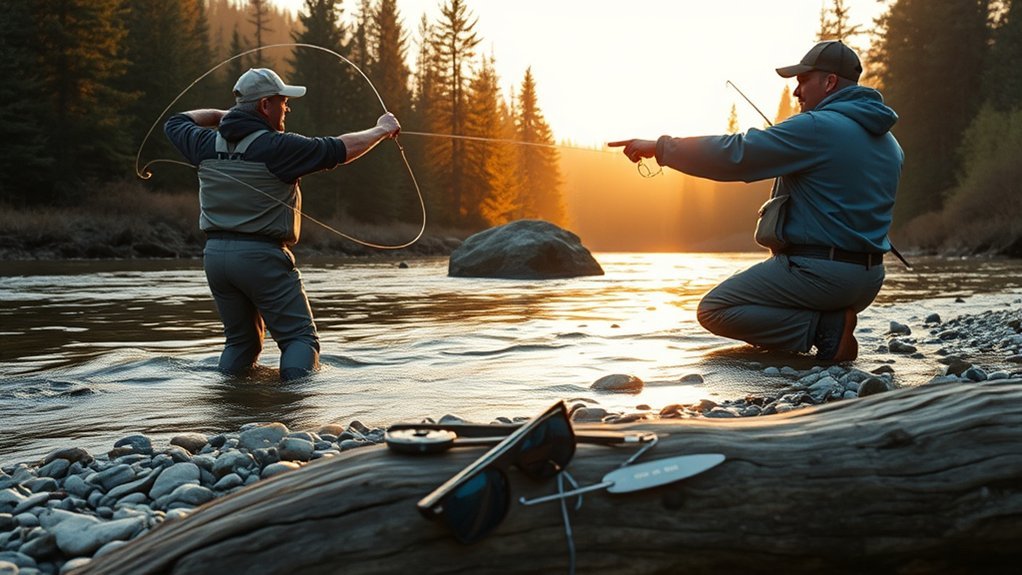
A spinning setup is the most useful first choice for most river fishing beginners. A spinning reel is easy to cast, works with light lures, and does not create the backlash that often frustrates new baitcaster users. A spincast combo is even simpler for young children, while a fly rod suits anglers who want to learn casting and insect-based presentations.
Match your gear to the river and fish. A small creek for trout needs less power than a broad river for catfish or large bass. A travel angler may prefer a telescopic rod, but a two-piece rod usually offers better feel and long-term durability.
A Practical Rod and Reel Setup
For general river fishing, choose a 6- to 7-foot spinning rod with medium-light or medium power and fast or moderate-fast action. Power describes how much force the rod needs to bend. Action describes where the rod bends.
Medium-light power works well for trout, panfish, small bass, and light lures. Medium power gives more strength for largemouth bass, small catfish, walleye, and heavier sinkers. Pair the rod with a 2000- to 3000-size spinning reel.
A reel with a smooth drag and a gear ratio near 5:1 is a strong all-purpose choice. Drag is the adjustable pressure that lets line leave the reel when a fish pulls. A smooth drag protects light line and helps prevent sudden breaks.
Line, Leaders, and Terminal Tackle
For a first setup, 6- to 10-pound monofilament is hard to beat. Monofilament is affordable, easy to knot, somewhat stretchy, and forgiving when a beginner sets the hook too hard. It also floats more than fluorocarbon, which helps with bobbers.
Braided line is thin and sensitive. It works well around cover and when you need to feel a light bite. However, braid can dig into a reel spool and may require a fluorocarbon or monofilament leader. A leader is the short section of line tied between the main line and hook or lure.
Fluorocarbon is less visible underwater and resists abrasion. It can be stiff and harder to knot, especially in light tests. For most beginners, monofilament is the easiest place to start.
| Fishing goal | Rod and reel choice | Line and terminal tackle |
|---|---|---|
| Panfish and small trout | 6-foot light or medium-light spinning rod; 1000- to 2000-size reel | 4- to 6-pound mono; size 8–12 hook |
| General bass and mixed river fish | 6.5- to 7-foot medium-light or medium rod; 2000- to 3000-size reel | 6- to 10-pound mono; jigs, spinners, or size 6–10 hooks |
| Larger bass, walleye, or catfish | 7-foot medium rod; 3000- to 4000-size reel | 10- to 15-pound line; heavier jig or bait rig |
| Small-stream travel fishing | 5.5- to 6.5-foot telescopic or two-piece rod | 4- to 8-pound mono; compact lures and hooks |
These are starting points, not strict rules. Check the current rod label, reel line capacity, and local species size before buying. A gift buyer should favor a simple spinning combo unless the angler already prefers baitcasters or fly rods.

Spinning Reels, Baitcasters, and Spincast Combos
The main difference between these reel types is ease of use and casting control. Spinning reels suit light lures and beginners. Baitcasters offer excellent control and power but require thumb control to prevent backlash, which is a tangled spool caused by the spool turning faster than the line leaves it.
Spincast combos have a closed face and a push-button cast. They are useful for young children and casual fishing, but they usually have less line control and may wear sooner under heavy use. Fly rods are specialized tools for floating flies, nymphs, and streamers, not a direct replacement for a spinning rod.
| Reel type | Strengths | Limitations |
|---|---|---|
| Spinning reel | Easy to learn; handles light lures; versatile | Line twist can develop |
| Baitcaster | Accurate; powerful; strong lure control | Backlash takes practice to prevent |
| Spincast reel | Simple push-button casting; good for kids | Lower control and limited heavy-duty use |
For a first river setup, choose a spinning reel. Choose a spincast combo for a child who needs simple operation. Pick a baitcaster only when the angler wants to practice and plans to fish heavier lures or bass cover.

Build a Simple River Fishing Rig
A rig is the arrangement of your line, hook, sinker, bobber, swivel, and bait. Beginners should start with one of two designs: a bobber rig for suspended fish or a simple bottom rig for fish that feed near the riverbed.
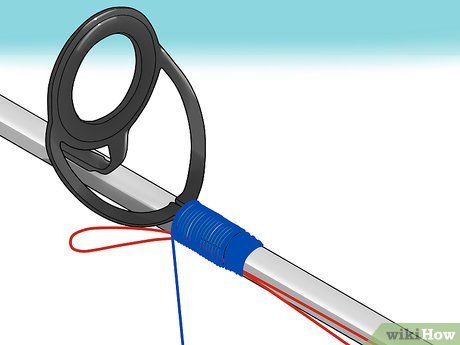
Use fresh line and a reliable knot. The improved clinch knot works with many hooks and lures. The Palomar knot is also strong and simple, especially with braided line. Practice at home before standing beside moving water.

Bobber Rig for Panfish, Trout, and Small Bass
A bobber rig lets you see bites. Thread the line through the bobber, add a small split shot 6 to 18 inches above the hook, and tie on a size 8 to 12 hook. Add a worm, small piece of nightcrawler, cricket, or other legal bait.
Set the bobber so the bait hangs above the bottom. Start at 2 to 3 feet deep, then adjust. In a deeper pool, fish at 4 to 6 feet if the bottom is not producing.
Cast upstream or slightly across the current. Let the float drift naturally. If the bobber moves sideways, dives, or stops in an unusual way, lift the rod smoothly and reel until you feel steady pressure.
Bottom Rig for Catfish and Slow Water
A simple bottom rig uses a sinker above a swivel and a leader below it. The swivel helps reduce line twist. Tie a 12- to 24-inch leader to the other side of the swivel, then attach a size 6 to 2/0 hook based on bait and target species.
Use a worm, cut bait, shrimp, or prepared bait where legal. Keep the sinker light enough to hold bottom without burying the bait in rocks. In rivers with strong current, use a no-roll sinker or other shape that stays in place.
Do not leave this rig unattended. A rod can be pulled into the water, and unattended bait may violate local rules. Check regulations before using live or cut bait.
Lure Choices for Moving Water
Small spinners, inline spinners, soft plastics, jigs, crankbaits, and spoons all work in different conditions. A 1/16- to 1/8-ounce jig is useful for panfish, trout, and small bass. A 1/8- to 1/4-ounce spinner can search riffles and current seams.
Cast upstream and retrieve at a speed that keeps the lure near the target zone. For a soft plastic, let it drift and make small lifts. For a crankbait, cast across the current and retrieve slowly enough for the lure to contact the correct depth.
Do not carry ten colors of the same lure at first. Three useful choices are a natural baitfish color, a dark color, and a bright color for stained water.
| Lure or bait | Best beginner use | Main limitation |
|---|---|---|
| Worm under a bobber | Panfish, trout, and small bass | Can attract unwanted species |
| Inline spinner | Riffles and current seams | Snags easily near wood |
| Small jig | Deep pools and slower water | Needs practice to control depth |
| Soft plastic grub | Bass, walleye, and panfish | Requires a jig head and careful hook set |
| Cut bait | Catfish and some larger predators | May be restricted in some waters |
Natural bait is often easiest for a first trip, but artificial lures teach casting and lure control. Experienced anglers may prefer lures for mobility, while gift buyers can build a simple bait kit for a new angler.

Prepare for a Safe River Trip
River fishing has risks that do not appear in a calm pond. Slippery rocks, rising water, hidden drop-offs, strong current, hooks, heat, and changing weather all deserve respect. Plan the trip before you pack the tackle box.
Tell someone where you are going and when you expect to return. Carry a charged phone in a waterproof pouch. Wear shoes with firm grip, and never step into moving water just to reach one more cast.
Shore Fishing Safety
Shore fishing is often the safest starting point. Stay back from undercut banks, unstable cliffs, and wet logs. An undercut bank may look solid but can collapse under your weight.
Wear polarized sunglasses to reduce glare and help you see submerged rocks, drop-offs, and floating line. Bring pliers for hook removal, a small first-aid kit, sunscreen, drinking water, and insect protection.
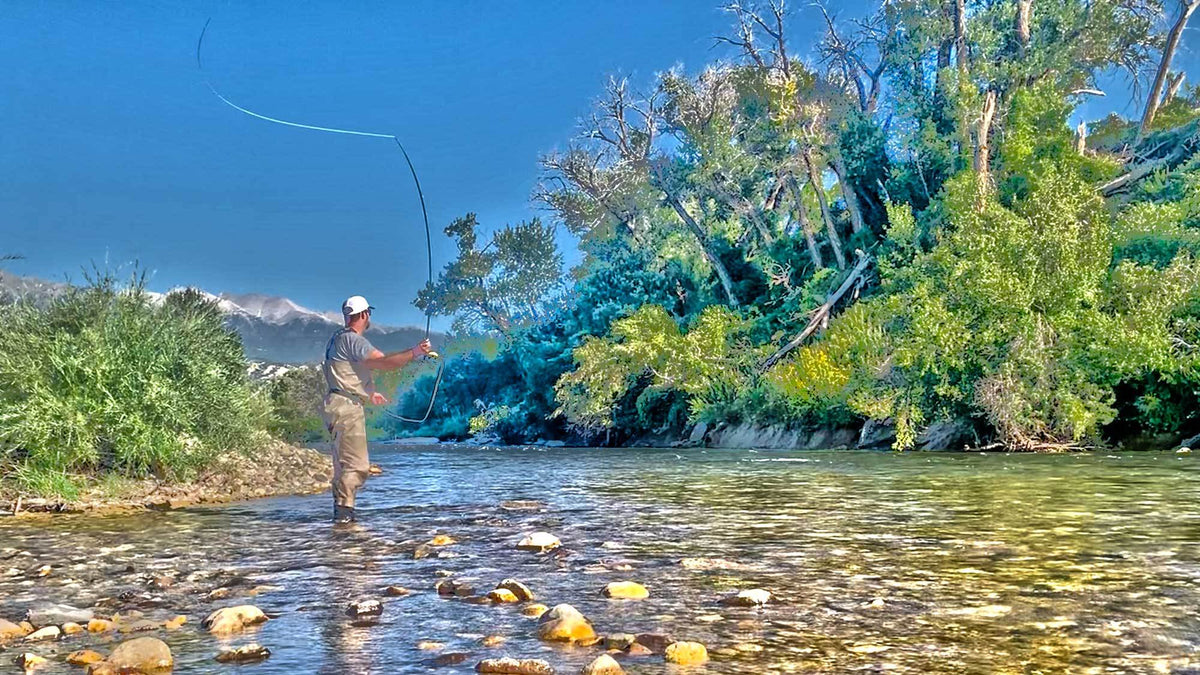
⚠️ Safety Warning: Never wade into unfamiliar current alone. Water only 12 to 18 inches deep can knock down an adult when the bottom is slick. If you wade, use a wading belt, carry a staff, face upstream, and cross only where the current is slow and shallow.
Boating, Kayak, and Wading Safety
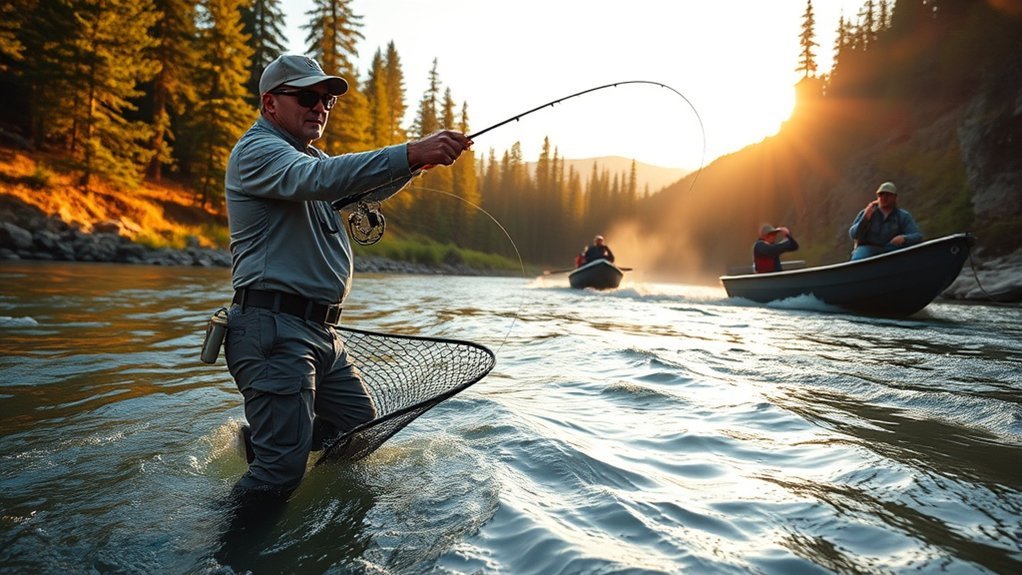
A kayak can reach water that shore anglers cannot, but it adds a serious capsize risk. Wear a U.S. Coast Guard–approved personal flotation device every time you are on the water. Learn how to reenter your kayak and keep hooks, knives, and pliers secured.
Small boats need the right weight capacity. Count people, batteries, coolers, tackle, and extra gear. A fish finder can help locate depth changes, but it does not replace a map, weather check, or basic river knowledge.
Wading anglers should avoid water that is rising, muddy, or moving faster than expected. If rain falls upstream, the river may rise before local weather appears threatening.

Licenses and Local Rules
Most U.S. states require a fishing license for adults, and some require separate permits for trout, salmon, steelhead, or specific waters. Rules may cover seasons, size limits, bag limits, bait, hooks, lead sinkers, barbed hooks, and fishing methods.
📜 Check Local Regulations: Confirm the current rules with your state wildlife agency or the local fisheries department before fishing. Regulations can change by river section, species, season, and access point.

A Step-by-Step Plan for Your First River Trip
The best beginner plan is simple: choose safe water, use one basic rig, fish likely holding areas, and change only one factor at a time. Avoid walking a mile while carrying too much gear. A short trip with focused casts teaches more than a full day of random casting.
1. Choose Accessible Water
Look for a public bank, park, bridge access, or marked fishing area. Check parking rules and private property boundaries. A small or medium river with slow banks is often better for a first trip than a large river with steep banks and heavy current.
Study a map before leaving. Note roads, emergency access, bridges, and nearby bait shops. Local tackle shops often know which species are active and which access points are safe.
2. Match the Setup to the Target
Choose one main species. Use a light setup for panfish or trout, a medium setup for bass and walleye, or a stronger setup for catfish. A focused plan prevents you from carrying gear for every fish in the river.
Spool the reel correctly. Lay the filler spool flat, match the line direction to the reel spool, and stop when the line sits about 1/8 inch below the spool rim. Too much line causes loops. Too little line reduces casting distance.
3. Start With High-Percentage Water
Fish the nearest good feature first. Try the edge of a current seam, the head of a pool, the slow side of a rock, or the edge of a fallen tree. Make several casts from different angles before moving.
Cast beyond the target when possible. This lets the lure or bait enter the area naturally. Keep your movements slow and avoid stomping along the bank.
4. Control the Drift
A natural drift means the bait moves at nearly the same speed as the current. If it races ahead, add a small split shot or mend the line. If it drags and snags, reduce weight or lift the rod tip.
With a lure, control depth by changing weight, retrieve speed, and rod angle. A low rod tip keeps many lures deeper. A high rod tip helps keep them above rocks and weeds.
5. Set the Hook With Control
Do not strike as hard as you see on television. For a bobber bite, reel until the line is tight, then lift the rod firmly. With a lure, use a quick wrist lift or short sweep.
Light line and small hooks require care. Keep steady pressure and let the drag work. Do not pull a fish onto dry rocks if you plan to release it.
6. Land, Handle, and Release the Fish
Use a landing net when fish are large, hooks are difficult to reach, or the bank is high. Wet your hands before touching a fish. Support its body and avoid squeezing the belly or touching the gills.
Remove the hook with pliers. If the hook is deep, cut the line close to the hook rather than causing more injury. Keep the fish out of water for only a few seconds when taking a quick photo.
🌿 Conservation Note: Release fish in calm water facing into a gentle current. Let water pass over the gills until the fish swims away. Keep only the legal number and size you plan to eat.
Where and When to River Fish
River fish respond to water temperature, sunlight, flow, and food. You do not need exact data for every trip, but you should notice patterns. A warm afternoon may improve activity in spring, while early morning and evening often help during hot summer weather.
Rain can improve fishing when it adds moderate flow and color. Heavy rain can make the river dangerous and scatter fish. Never trade safety for a higher water level.
| Season | Common river pattern | Useful approach |
|---|---|---|
| Spring | Rising water, spawning movement, cool temperatures | Fish slower edges, tributary mouths, and protected banks |
| Summer | Warm water, low flow, shade, early and late activity | Fish dawn, dusk, deep pools, and shaded cover |
| Fall | Cooling water, active feeding, changing levels | Use crankbaits, jigs, spinners, and bait near cover |
| Winter | Slow metabolism and deep holding areas | Fish slowly in deep pools; check closures and access |
These are broad patterns, not guarantees. Species, latitude, rainfall, and river size can change the timing. Keep notes on water level, weather, lure, and location so your own trips become the best guide.
Best Times of Day
Early morning and late evening often offer low light and cooler water. Fish may move into shallow areas to feed. Midday can still produce, especially in deep pools, shaded banks, and cloudy weather.
Trout often feed when insects are active. Bass may respond to low-light topwater lures. Catfish can feed at many times, but evening and night are popular periods for bait fishing.
Fishing After Rain
A light rain can wash insects and small prey into the river. Fish may move toward inflows, muddy edges, and current seams. Use a bright lure in stained water and a natural lure when visibility remains good.
Avoid fishing during flash floods or when the river changes from clear to brown and fast. Rising water can carry branches and debris. The best fishing spot is never worth standing beside an unsafe river.
Budget Planning for Beginner River Fishing
You can start river fishing for about $40 to $80 with a basic spincast or spinning combo, line, hooks, split shot, bobbers, and a few lures. A better general spinning setup may cost $80 to $180, depending on the rod, reel, warranty, and materials.
Current pricing ranges from low-cost fiberglass combos to lighter graphite rods with smoother reels. Fiberglass is often durable and forgiving. Graphite feels more sensitive and lighter but can break if high-sticked, slammed in a car door, or stored carelessly.
| Budget level | What it may include | Best for |
|---|---|---|
| Under $60 | Basic spincast or entry spinning combo; simple terminal tackle | Kids, occasional trips, and gift buyers |
| $60–$150 | Better spinning rod and reel; useful line and lure selection | Most beginners and regular shore anglers |
| $150–$300 | Lighter graphite rod, improved reel, net, pliers, and travel gear | Frequent anglers upgrading comfort and sensitivity |
Do not spend heavily on a fish finder before learning to read the bank and current. A good knot tool, polarized sunglasses, landing net, and pliers often add more value to a beginner’s trip.
What Usually Breaks First?
Line often fails first because it gets scraped on rocks, wood, or concrete. Hooks become dull or bent after snags. Cheap reel bail springs, drag washers, and plastic line guides may wear with heavy use.
Rinse freshwater gear if it collects grit, then dry it before storage. For saltwater or brackish redfish areas, rinse reels, pliers, hooks, and lures with fresh water after every trip. Do not soak a reel under high water pressure because that can force salt deeper inside.
Travel-Friendly River Gear
A two-piece rod fits most vehicles and protects better than a very short rod. Telescopic rods pack into a small bag and suit hikers, travelers, and casual anglers, but inspect each section for dirt and cracks before extending it.
A small tackle box should include:
- Hooks in sizes 6 through 12
- Split shot and one or two sinkers
- Small bobbers
- Swivels
- 6- to 10-pound spare line
- Inline spinners and small jigs
- Soft plastics
- Pliers and nail clippers
- A measuring tape
- A small trash bag for old line
Common Beginner Mistakes and Simple Fixes
Most beginner problems come from poor location choice, too much tackle, wrong depth, or fishing too fast. You can fix many of them without buying new gear.
| Problem | Likely cause | Quick fix |
|---|---|---|
| Constant snags | Too much weight or fishing directly in wood | Reduce weight and cast beside cover |
| No bites | Wrong depth or unproductive water | Change depth, move 20–50 yards, or switch lure |
| Line twists | Spinning lure or poor reel spooling | Use a swivel and let line out behind a moving boat or current |
| Broken line | Abrasion or tight drag | Retie after contact with rocks and loosen drag slightly |
| Backlash | Baitcaster spool moving too fast | Use a spinning reel or practice with light spool tension |
| Missed bobber bites | Hook too large or slow response | Use a smaller hook and reel tight before lifting |
Change one thing at a time. If you change bait, depth, location, line, and hook at once, you will not know what helped.
Fishing Too Much Water Too Quickly
New anglers often cast once, reel fast, and move on. Fish may need several presentations. Cast upstream, across, and downstream through the same seam. Vary the depth and speed before leaving.
Moving slowly also helps you avoid spooking fish. Keep a low profile on clear rivers. Wear muted clothing and avoid casting a large shadow across shallow water.
Using Too Much Tackle
A full tackle box can create decision overload. Begin with one bobber rig, one bottom rig, one spinner, one jig, and one soft plastic. Add new options after you learn how each one behaves.
A small kit is also safer for kids. Hooks should stay in a closed box when not in use. Keep knives, pliers, and spare hooks away from walking paths.
Holding the Rod Incorrectly
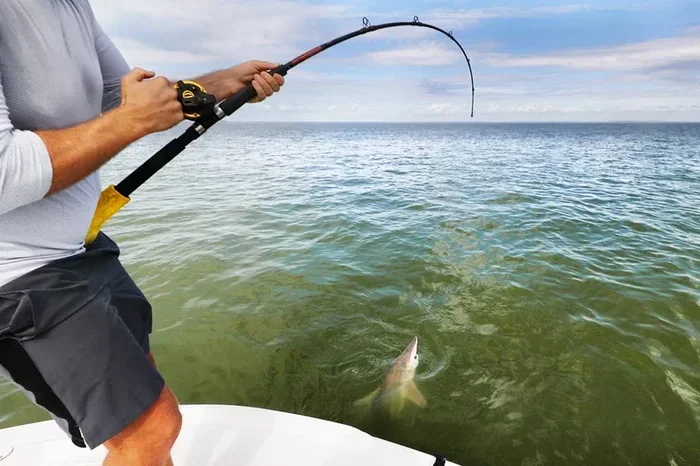
Never lift a fish straight overhead with a bent rod. This is called high-sticking, and it puts extreme pressure on the top section. Keep the rod at roughly a 45-degree angle and let the reel drag manage hard runs.
Tips for Kids, Families, and Gift Buyers
The best fishing setup for a child is light, simple, and easy to carry. A 5- to 6-foot spincast combo with 6- to 8-pound line works well for many small ponds and slow rivers. For older children who want to learn, a 6-foot medium-light spinning combo offers room to grow.
Keep the first trip short. Two hours near a safe bank is often better than an all-day outing. Bring snacks, water, sunscreen, extra clothes, and a simple target such as catching panfish rather than pursuing a difficult species.
👪 Parent or Gift-Buyer Note: Buy the fishing license, pliers, polarized glasses, and life jacket with the rod. These items affect safety and comfort more than a large pile of lures. For kayak fishing, choose a properly fitted U.S. Coast Guard–approved PFD before buying electronics.
A Simple Family Fishing Plan
Choose a calm access point with room to cast. Use barbless hooks where practical, or pinch the barb with pliers. Teach children to look behind them before casting and to hold fish with wet hands.
Let the child help choose the bait color or bobber depth. Small tasks build confidence. Keep expectations flexible because weather, water level, and fish activity change from day to day.
River Fishing Etiquette and Conservation
Good river anglers protect access and fish habitat. Pack out line, bait containers, hooks, and food waste. Old monofilament can trap birds and wildlife, so place it in a line recycling bin when one is available.
Do not block narrow paths or cast over another angler’s line. Ask before stepping into a pool someone is fishing. Give wading anglers space, and never cut across another person’s drift.
Respect private property and posted closures. Do not move rocks, damage banks, or remove plants to create a casting lane. These small choices affect fish habitat and future access.
Catch and Release Best Practices
Use barbless or circle hooks when the rules and technique allow. Circle hooks work best with bait when you let the fish load the rod instead of making a sharp strike. They are not ideal for every lure or species.
Keep fish wet, limit handling, and avoid placing them on hot ground. A rubber landing net is gentler than rough mesh. If you keep fish, follow size and bag limits and cool the catch promptly.
Gear Care After the Trip
Wipe dirt from rods and reels. Check guides for cracks by running a cotton swab around the inside of each guide. If the cotton catches, replace the guide or have a repair shop inspect it.
Back off the reel drag before storage. Remove wet bait, dry hooks, and open the tackle box so moisture can escape. Store rods upright or supported, not bent under heavy gear.
Frequently Asked Questions
Q: What is the best rod for river fishing beginners?
A 6- to 7-foot medium-light or medium spinning rod is the most flexible choice. It can cast small jigs, spinners, bobbers, and light bait rigs. Choose medium-light for trout and panfish, and medium for larger bass, walleye, and catfish.
Q: What bait works best in a river?
Worms are a useful starting bait for panfish, trout, bass, and some catfish. Cut bait, shrimp, and prepared bait may work for catfish where legal. Always check local rules because some rivers restrict live bait, baitfish, or scent.
Q: How deep should I fish in a river?
Start near the bottom without dragging hard. In a small river, this may mean 1 to 4 feet. In a deep pool, try 4 to 10 feet if your tackle can reach it. Adjust until your bait or lure passes near cover and current seams.
Q: Should I cast upstream or downstream?
Cast upstream or slightly across the current most of the time. This lets bait and lures move more naturally with the flow. Downstream casts can work for searching, but they often make the lure move too fast.
Q: Is braided line better than monofilament for river fishing?
Braid offers sensitivity and strength in a thin diameter, but monofilament is easier for beginners and costs less. Use mono for a simple first setup. Choose braid when fishing heavy cover, deep water, or techniques that require extra sensitivity.
Q: Do I need a leader in clear river water?
A leader can help reduce visibility and protect against rocks. Use 12 to 24 inches of 6- to 10-pound fluorocarbon for many light setups. A leader is less important in muddy water or when using monofilament for simple bait fishing.
Q: Can I use a baitcaster as a beginner?
You can, but a baitcaster takes more practice. Backlash is common until you learn spool tension, brake settings, and thumb control. A spinning reel is usually the better first choice for light river lures and mixed species.
Q: Are telescopic rods good for river fishing?
Telescopic rods are convenient for hiking, travel, and emergency fishing kits. They can work well with light bait and small lures. Inspect each joint often because dirt, loose sections, and impact can reduce strength.
Q: How much does beginner river fishing cost?
A basic setup can cost about $40 to $80. A more reliable general-purpose setup often costs $80 to $180. Add money for a license, bait, hooks, line, pliers, polarized sunglasses, and safe footwear.
Q: Can I fish a river from a kayak?
Yes, but kayak fishing requires a properly fitted U.S. Coast Guard–approved PFD, a secured paddle, and a plan for capsizing. Check the kayak’s weight capacity and avoid strong current until you have training. A boating safety course is a wise choice for new kayak anglers.
Q: How do I know when to move to a new spot?
Move when you have covered a feature from several angles, tested two depths, and changed your presentation without a sign of fish. Move 20 to 50 yards to the next current seam, pool edge, or cover item. Do not abandon a safe, high-quality area after only one cast.
Q: What should I do if a hook is swallowed?
Do not pull hard. Cut the line close to the hook and release the fish if regulations and its condition allow. For a person with a deeply embedded hook, stop fishing and seek medical care rather than trying to force it out.
Conclusion: Start Small and Learn the River
The best way to learn how to river fish for beginners is to keep the first trip simple. Use a dependable spinning combo, 6- to 10-pound line, one bobber rig, one small lure, and a safe piece of river. Fish current seams, deep pools, cover, and the water below riffles.
Pay attention to depth, flow, weather, and the way fish respond. Move when the water gives you no clues, but do not rush from spot to spot. With practice, the river will begin to look less like moving water and more like a map of feeding lanes, shelter, and opportunity.
Check your fishing license and local regulations before every trip. Wear the right safety gear, protect the fish you release, and leave the bank cleaner than you found it. That approach builds skill, protects access, and makes river fishing rewarding for beginners, families, and experienced anglers alike.