How Are There Fish In Lakes: The Science Explained
Lakes can have fish because fish reached them through streams, floods, wetlands, melting ice, human stocking, or other natural connections. Some lakes formed with fish already inside them. Others gained fish later when high water linked them to rivers. In a few cases, people moved fish into lakes for food, sport, or conservation.
A lake may look sealed off today, but its past is often different. Water levels rise and fall. Floods cross low ground. Small channels appear after heavy rain. Glaciers reshape whole regions. Over thousands of years, these events give fish chances to enter new water.

The short answer: fish enter lakes in several ways
Fish get into lakes through connected rivers, temporary flood channels, wetlands, underground water routes, natural changes after glacial retreat, and human stocking. Birds can move fish eggs in rare cases, but this is not the main reason most lakes contain fish.
A lake’s fish community depends on its history, depth, temperature, oxygen, food supply, and connection to other water. Bass, trout, catfish, panfish, walleye, and other species can live there when the lake offers the right conditions.
The most common paths are shown below.
| Pathway | How it works | How common it is |
|---|---|---|
| Rivers and streams | Fish swim upstream or downstream into the lake | Very common |
| Flooding | High water briefly connects a lake to nearby waters | Common |
| Glacial connections | Melting ice and ancient rivers link new lakes | Important in northern areas |
| Human stocking | People release approved fish into a lake | Very common today |
| Birds and animals | Eggs or small fish move by rare chance | Possible but uncommon |
| Groundwater | Usually helps water move, not large fish | Rare for fish movement |
Fish do not need a permanent open river to enter a lake. A short-lived connection can be enough. Once a breeding population becomes established, later generations may live in the lake for many years.
Lakes were not always isolated
Many lakes look like separate bowls of water, but their current shape tells only part of the story. The lake may once have joined a river, floodplain, marsh, or larger lake. Even a connection that lasted for only a few weeks could allow fish to pass through.
Water levels change with rain, snowmelt, drought, storms, and changes in land shape. A low area between a lake and river can fill during a flood. Fish then follow the moving water into new habitat.
Rivers are the main natural route
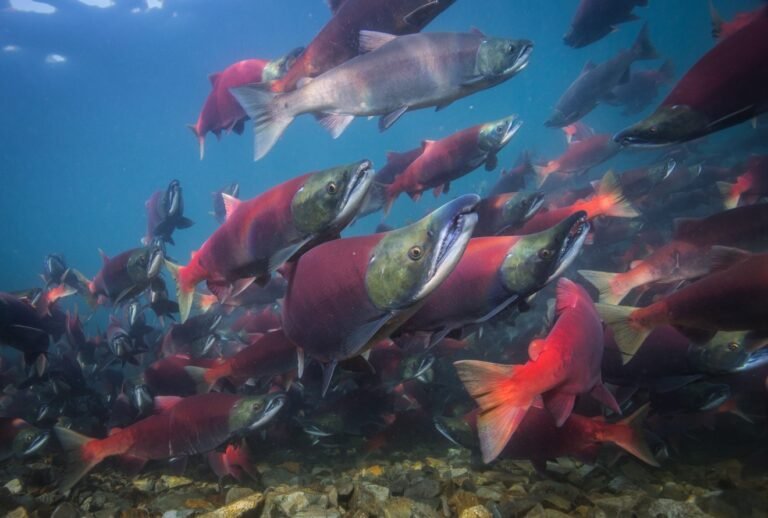
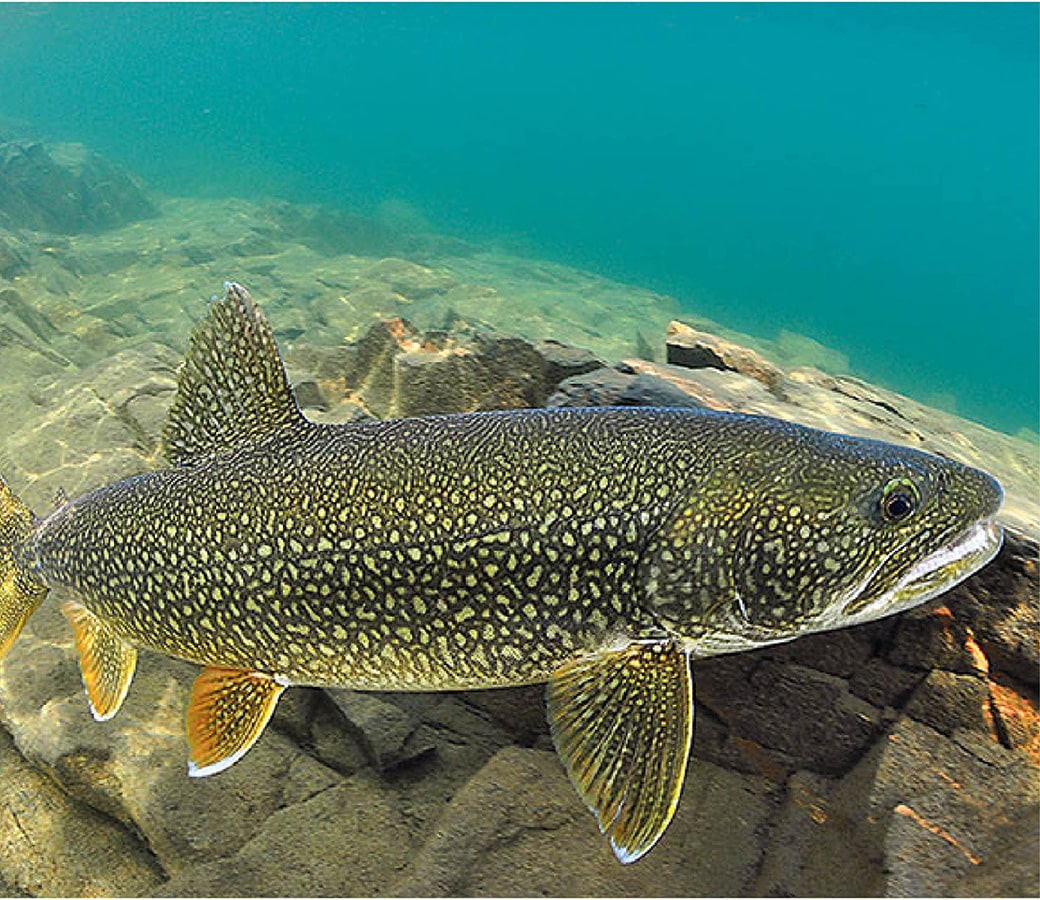
Rivers and streams act like roads for freshwater fish. Young fish may drift downstream into a lake. Adult fish may swim upstream during feeding or spawning runs. Some species move between rivers and lakes many times during their lives.
This is why lakes near rivers often hold bass, catfish, walleye, trout, suckers, carp, and panfish. The exact mix depends on water temperature, current, depth, food, and barriers such as dams or waterfalls.
A lake may also have an outlet stream but no obvious inlet. During wet seasons, water can flow backward through the outlet. Fish can use that temporary current to enter.
Floods can connect separate waters
A flood can turn nearby low land into a short-term stream. Fish from a river may reach a pond or lake that stays separate during normal weather. When the water falls, some fish remain behind.
This process is called flood dispersal. It helps fish colonize wetlands, oxbow lakes, farm ponds, and shallow backwaters. It also explains why isolated lakes sometimes contain species found in a nearby river.
Flooding can move fish in both directions. Lake fish may enter rivers, while river fish may enter lakes. The movement often increases when spring snowmelt or tropical storms raise water levels.
Wetlands create hidden links
Marshes, swamps, sloughs, and shallow ponds can connect lakes during wet periods. These areas may not look like fish habitat when dry, but they can hold water long enough for fish to move.
Small fish need only a few inches of water to travel through some wetland channels. Dense plants offer cover from birds and larger predators. When the water returns to normal, some fish stay in the new lake while others move back.
Some lakes formed with fish already inside
A lake may form when a basin fills with water around fish that were already living in the area. This can happen after a river changes course, a landslide blocks a valley, or a glacier leaves behind a depression.
In these cases, fish are not “added” to the lake later. The lake forms around an existing aquatic community. The fish may come from an old river, stream, or wetland that occupied the same land.

Glaciers helped spread fish across North America
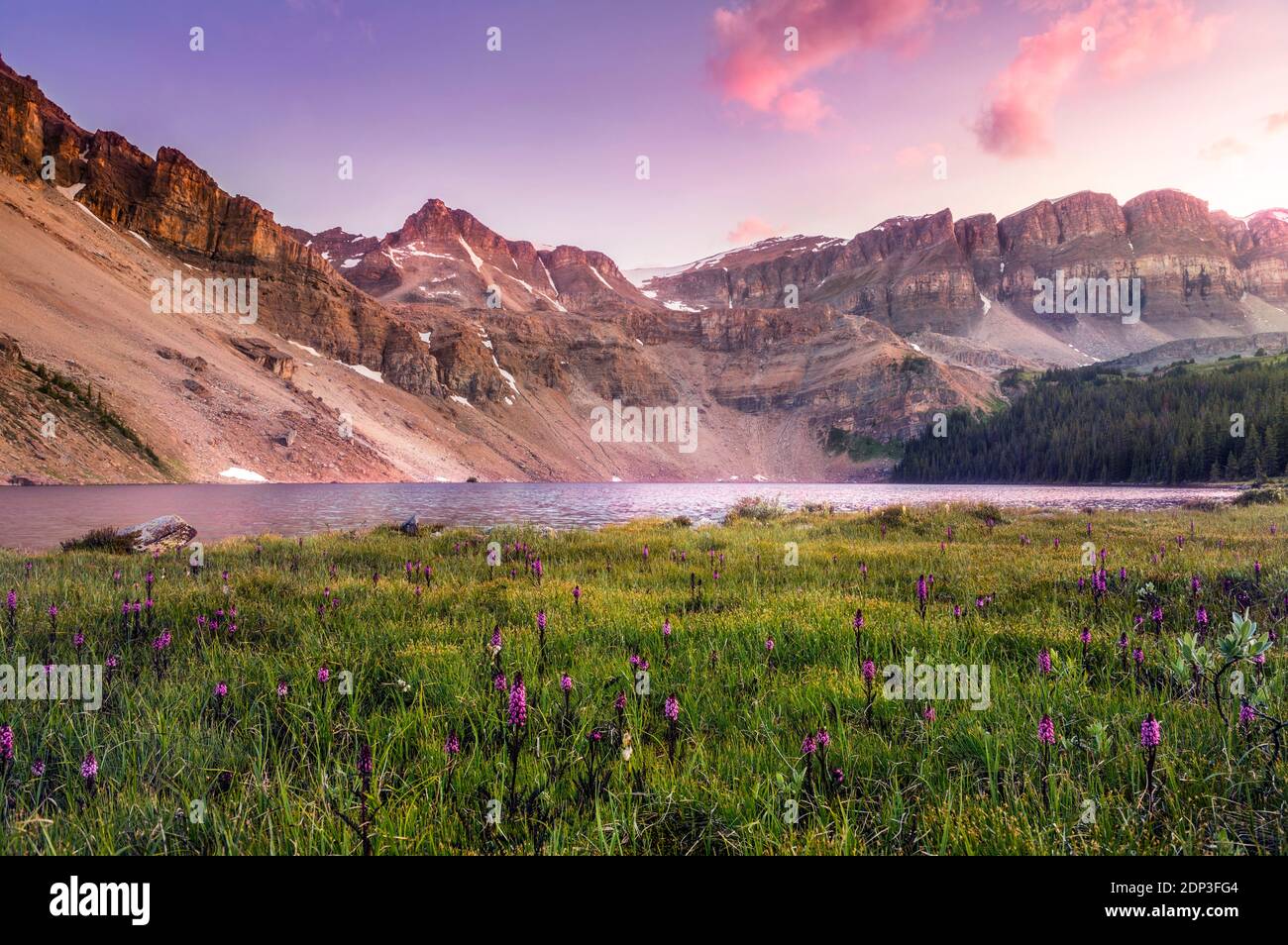
Glaciers covered much of northern North America during the last ice age. As the ice moved, it carved basins and valleys. When the ice melted, these depressions filled with water and became lakes.
At first, many new lakes had no fish. Over time, melting ice created rivers and connected basins. Fish spread through these new waterways. Some lakes remained connected for thousands of years before becoming isolated.
This history helps explain why lakes in Minnesota, Wisconsin, Michigan, New York, Canada, and Alaska have rich fish populations. It also explains why nearby lakes can have very different species lists.
Ancient lakes may have old fish communities
Some lakes are very old. Their fish may have lived in the basin for millions of years, with populations changing as the climate and water chemistry shifted.
Older lakes often support unique species or local forms of common fish. A fish population can become separated from other populations and slowly develop different traits. This process is called geographic isolation.
Lake fish may adapt to deep water, cold water, rocky shorelines, muddy bottoms, or unusual levels of salt or minerals. Their body shape, feeding habits, and spawning time can change over many generations.
People stock fish in lakes
Human stocking is one of the most common reasons fish occur in lakes today. State wildlife agencies, tribal fisheries programs, private lake owners, and fish farms may release young fish into approved waters.
Stocking can support recreational fishing, restore a species, replace fish lost to pollution, or improve a lake’s fishery. Common stocked fish include trout, salmon, bass, walleye, channel catfish, and various panfish.
Stocking is regulated because adding fish can also cause harm. A new species may compete with native fish, spread disease, eat young fish, or change the food web.

Hatchery fish usually start as eggs or young fish
Fish hatcheries raise eggs, fry, fingerlings, or larger juvenile fish. A fry is a very young fish that has recently started feeding. A fingerling is a small young fish, often several inches long.
Managers choose a stocking size based on the species and lake. Small fish cost less to raise and transport, but predators may eat many of them. Larger fish may survive better at release but require more food, space, and money.
The goal is not always to create a lake full of large fish. A healthy fishery needs balance. Predators, prey, insects, plants, and water quality must support one another.
Stocking rules vary by lake and state
A lake may receive fish every year, once every few years, or only after a special survey. Managers use data on oxygen, habitat, harvest, reproduction, and fish size to decide what the lake needs.
Private owners should never buy fish and release them without approval. Even a species that seems harmless can damage a local ecosystem. Some states require permits, approved sources, health checks, or exact stocking records.
📜 Check Local Regulations: Never move live fish, bait, or water from one lake to another unless your state wildlife agency allows it. Rules may cover stocking, bait buckets, live wells, fish transport, and the release of unwanted aquarium fish.
Can birds carry fish eggs to lakes?
Birds may move fish eggs in rare cases, but this is not the main explanation for fish in most lakes. Eggs can sometimes survive after passing through a bird’s digestive system, or they may stick to wet feet, feathers, or plant material.
Scientists have found evidence that some fish eggs can remain viable after bird contact. However, this route is difficult and uncommon. Most fish populations in lakes arrived through water connections or human stocking.
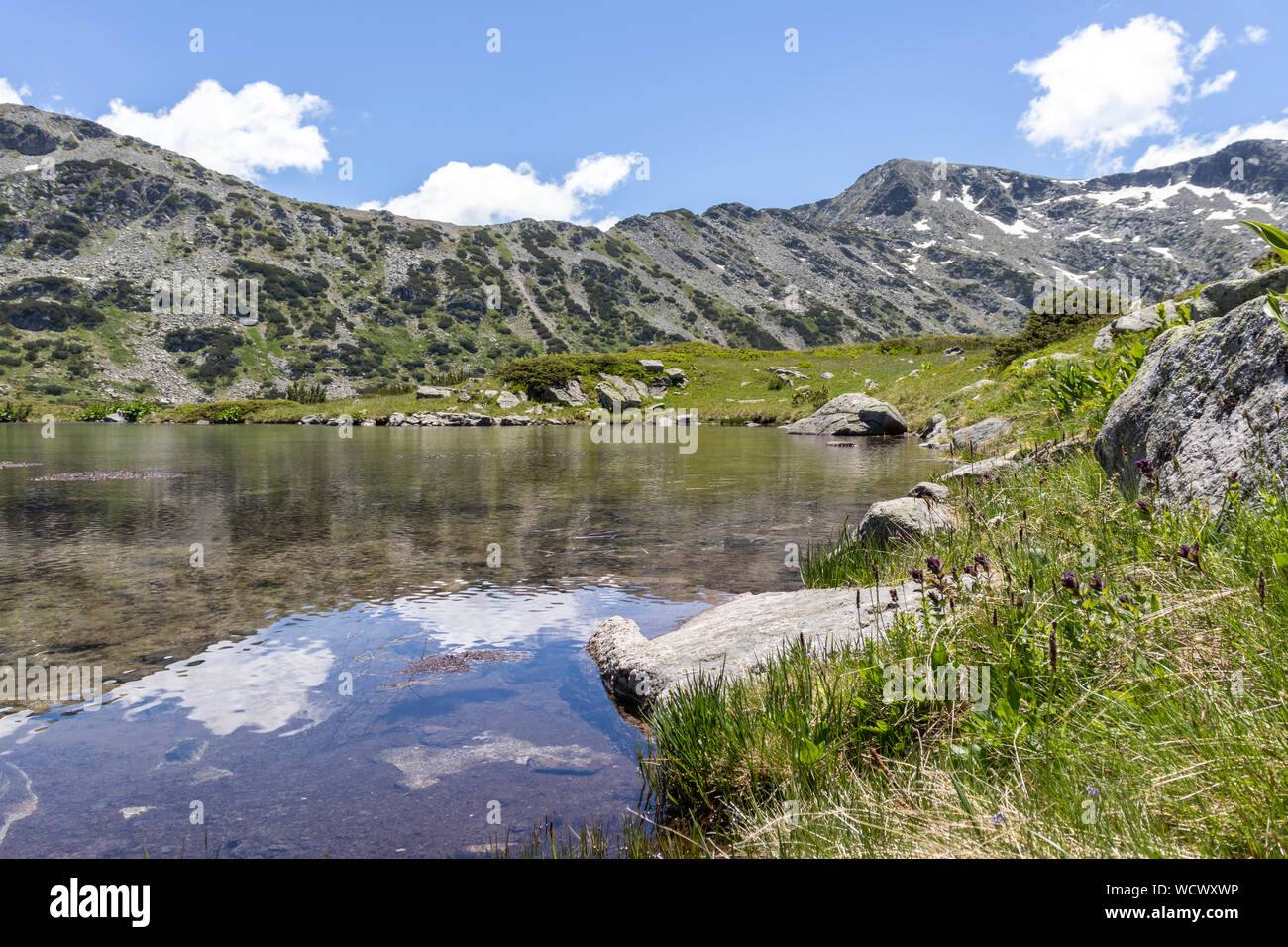
Why bird transport is possible but limited
Fish eggs need the right stage of development, moisture, oxygen, and protection. Many eggs dry out quickly. Others are eaten or damaged before they can hatch.
Birds also tend to travel between habitats that already contain water and food. A bird could visit two lakes, but that does not mean it will carry a living egg from one to the other.
Birds may play a larger role in moving tiny aquatic animals, plants, insects, and microbes. These organisms can colonize isolated lakes more easily than fish.
Waterfowl still affect lake ecosystems
Ducks, geese, herons, and other birds can bring nutrients from one water body to another. Their droppings can add nitrogen and phosphorus. Too much of these nutrients may fuel algae growth and lower oxygen.
Birds also eat fish and spread fish parts through the food web. They are part of a lake ecosystem, even when they are not the source of its fish population.
Can fish travel through underground water?
Most fish cannot travel through ordinary groundwater. Groundwater moves through tiny spaces in soil and rock, not through open tunnels large enough for fish.
Some lakes connect through caves, karst channels, or large underground passages. In those unusual systems, fish may move between water bodies. Cave fish and other specialized species can live in dark underground habitats.

Groundwater supports fish without moving them
Groundwater can feed a lake through springs. It can keep water cool, add minerals, and maintain flow during dry periods. These conditions may help trout, bass, and other fish survive.
A spring may also connect to a stream below the surface. If the passage is large enough, fish can use it. This is rare compared with normal surface-water connections.
Groundwater quality matters to anglers and lake owners. Pollutants such as fertilizer, septic waste, road salt, and chemicals can enter groundwater and affect a lake long after the source is gone.
How fish survive in a closed lake
A closed lake has no clear surface connection to another lake or river. Fish can still live there if they arrived in the past and the lake continues to support their needs.
Fish need oxygen, food, shelter, suitable temperatures, and places to reproduce. They also need enough water during dry periods. If these conditions remain stable, a fish population can persist for decades or much longer.

Fish reproduce inside the lake
Once fish enter a lake, they can create a self-sustaining population. Bass may spawn in shallow nests. Panfish may use protected beds. Trout may spawn over clean gravel. Catfish may lay eggs in cavities, under logs, or along firm banks.
The young fish then grow, feed, and mature in the lake. Some species remain in one area. Others move between shallow weed beds, open water, drop-offs, and deep holes as seasons change.
Reproduction does not always succeed every year. Cold snaps, floods, drought, low oxygen, predators, and poor spawning habitat can reduce young fish numbers. A lake can still hold adult fish even when several year classes are weak.
Fish can survive for years without outside fish
A lake does not need new fish each season. Many freshwater fish live for several years. Some large fish may live over a decade, depending on species and conditions.
A lake’s fish population is made up of different age groups. When young fish replace older fish, the population continues. If reproduction fails for too long, the lake may slowly lose a species.
| Lake condition | Effect on fish |
|---|---|
| High oxygen | Supports fish in deep and shallow water |
| Clean spawning areas | Helps eggs hatch and young fish survive |
| Strong food supply | Supports growth and healthy body weight |
| Stable water levels | Protects nests and shoreline habitat |
| Severe algae decay | Can reduce oxygen and cause fish kills |
| Extreme heat or drought | Shrinks habitat and raises stress |
The key point is simple: fish do not need to enter a lake every year. They only need a successful arrival at some point and conditions that support reproduction.
Why some lakes have no fish
Not every lake contains fish. A lake may be too new, too isolated, too cold, too acidic, too salty, too shallow, or too low in oxygen. Some water bodies look like lakes but cannot support fish year-round.
High mountain lakes may freeze for much of the year. Desert lakes may dry up. Peatland lakes can be acidic and low in nutrients. Deep lakes may lose oxygen near the bottom during summer or winter.

Water chemistry can block fish survival
Fish are sensitive to dissolved oxygen, temperature, acidity, salinity, and pollutants. A lake with poor water chemistry may support insects and small organisms but not fish.
Oxygen is especially important. Fish take oxygen from water through their gills. When oxygen levels fall too low, fish become weak, move toward the surface, or die.
Winterkill can happen when thick ice and snow block sunlight. Plants stop producing oxygen, while fish and microbes continue using it. Summer fish kills can occur when warm water holds less oxygen and algae decay consumes more.
Physical barriers can stop fish movement
A waterfall, dam, dry channel, steep slope, or road crossing can block fish. The barrier may have formed before fish reached the lake, or people may have built it later.
Some fish are strong swimmers. Others cannot pass even a small obstacle. Trout and salmon may leap over certain barriers, while many panfish and young bass cannot.
Dams can also isolate fish populations. They may prevent fish from reaching spawning grounds or moving between a lake and river. Fish passage structures can help in some places, but they do not work for every species or site.
Natural fish arrival versus human stocking
Both natural movement and stocking create lake fisheries, but they leave different clues. A natural fish community often includes several species that match nearby waters. A stocked lake may contain one or two species selected for a specific goal.
Managers use surveys, historical records, and genetic studies to understand how fish arrived. They may examine old reports, sediment layers, nearby watersheds, and the age of the lake.

| Sign | More likely natural arrival | More likely human stocking |
|---|---|---|
| Several nearby native species | Yes | Not always |
| Species found only in distant waters | Less likely | More likely |
| Official stocking records | Not needed | Strong evidence |
| Fish sizes show many age groups | Possible | Possible after successful stocking |
| Genetic match to local fish | Likely | May vary by hatchery source |
| Fish appear soon after a lake is built | Unlikely | More likely |
These clues are not proof by themselves. Fish may arrive naturally before records exist. Stocking may go undocumented, especially in old private ponds.
Reservoirs often receive stocked fish
A reservoir is a lake created when a dam blocks a river. When the basin fills, it may already contain river fish. Managers may also stock species that thrive in the new habitat.
Reservoirs can support largemouth bass, smallmouth bass, crappie, bluegill, catfish, striped bass, walleye, and trout. The fish community often changes as flooded trees decay and water conditions settle.
For anglers, reservoirs can fish more like rivers in the upper arms and more like lakes near the dam. A fish finder can help locate depth changes, bait, and structure, but it does not replace knowledge of local regulations or safe boating.
How anglers should understand lake fish populations
Fish in a lake are not spread evenly. Species use different parts of the water based on season, temperature, oxygen, food, and cover. Knowing how fish entered the lake does not always tell you where they will be today.
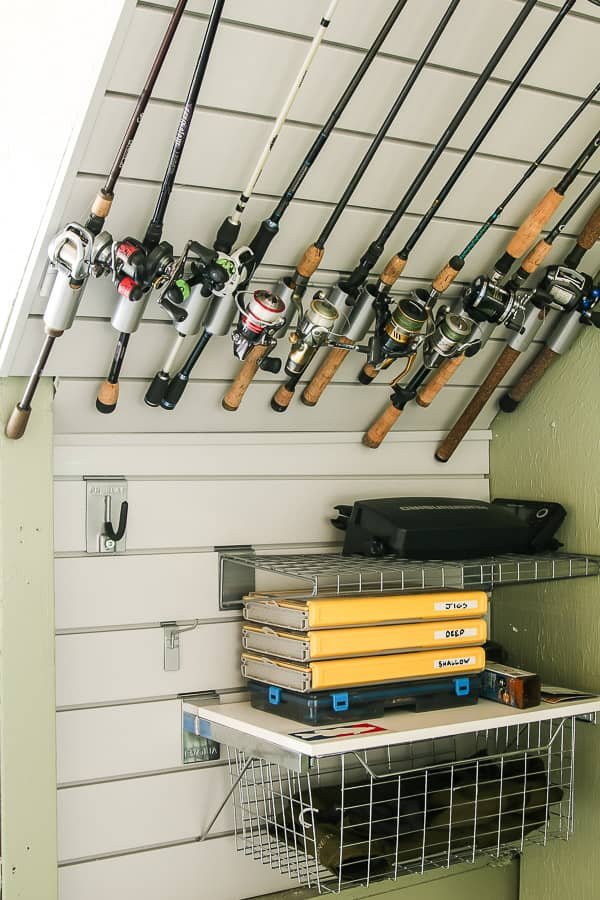
Beginners often start with shore fishing, a bobber, a small hook, and live bait. Experienced anglers may use spinning reels, baitcasters, soft plastics, crankbaits, jigs, or fish finders. The best approach depends on the target fish and water type.

Common lake species and their needs
| Species | Typical lake habitat | Common angler approach |
|---|---|---|
| Bass | Cover, weed edges, rocks, points | Spinning gear, baitcasters, jigs, soft plastics |
| Trout | Cold, clear, oxygen-rich water | Light spinning gear, spoons, flies, live bait where legal |
| Catfish | Deep holes, flats, channels, cover | Medium-heavy rods, sinkers, cut bait or prepared bait |
| Panfish | Shallow weeds, docks, brush, spawning areas | Spincast combos, bobbers, worms, small jigs |
| Walleye | Points, drop-offs, rocky areas, low light | Jigs, live bait rigs, crankbaits |
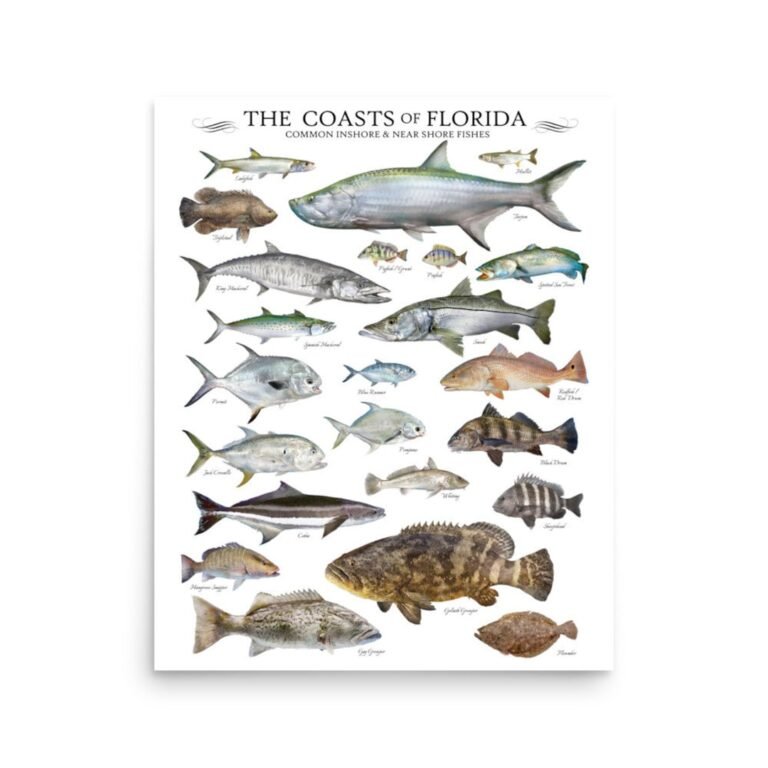
| Redfish | Coastal lakes and brackish water | Saltwater-rated reels, leaders, soft plastics, live bait |
A six- to seven-foot medium spinning rod with six- to 10-pound monofilament works well for many beginners targeting panfish, trout, and smaller bass. A child may prefer a shorter spincast combo because it is easier to cast and manage.
For larger bass, catfish, or heavy cover, a medium-heavy rod and 10- to 20-pound line may offer better control. Anglers fishing saltwater or brackish lakes should use corrosion-resistant equipment and rinse reels, hooks, pliers, and terminal tackle with fresh water.
Lake fishing gear should match the water
A spinning reel is easy to learn and suits many freshwater species. A baitcaster offers better control for experienced anglers but takes practice to avoid backlash, which is a tangle caused when the spool spins faster than the lure.
A spincast combo is often a practical first setup for kids and casual anglers. Fly rods suit trout, bass, and panfish when insects or small baitfish are active. Telescopic rods save space for travel but may have more joints to inspect and clean.
| Angler or situation | Useful starting setup | Why it fits |
|---|---|---|
| Beginner fishing from shore | 6–7 ft medium-light or medium spinning rod, 6–10 lb line | Easy casting and broad use |
| Young child | 4–6 ft spincast combo, 4–8 lb line | Simple controls and short reach |
| Bass angler | 6’6”–7’3” medium or medium-heavy rod, spinning reel or baitcaster | Handles lures and cover |
| Trout angler | 6–7 ft light or ultralight spinning rod, 2–6 lb line | Better for small lures and light bites |
| Catfish angler | 7–9 ft medium-heavy rod, 15–30 lb line | Helps cast bait and manage larger fish |
| Travel angler | Telescopic rod with a protected case | Packs easily but needs careful storage |
These are starting points, not strict rules. Fish size, vegetation, lure weight, casting distance, and local regulations can change the right setup.
A lake’s fish community changes over time
A lake is not a fixed container. Its fish population changes as water quality, weather, habitat, fishing pressure, and invasive species change.
A new lake may have abundant food after flooding. As trees decay and plants change, the fish community may shift. A drought can lower water levels and concentrate fish. A wet period can expand shallow habitat and connect the lake to other waters.

Predators and prey shape the lake
Bass, walleye, trout, pike, and other predators eat smaller fish. Bluegill, minnows, shad, perch, and young fish provide food. Insects, crayfish, worms, and plankton support many parts of the food chain.
If a lake has too many predators, prey fish may decline. If prey becomes abundant, predator growth may improve. Fishery managers may use harvest rules to keep these groups in balance.
Anglers also affect the population. Keeping too many large breeding fish can reduce the quality of a fishery. In some lakes, removing smaller fish helps reduce crowding and improves growth.
Invasive species can change everything
Invasive fish may compete with native species, eat eggs, spread disease, or alter water clarity. Examples include common carp, Asian carp, snakehead species in some regions, and nonnative bass or sunfish populations outside their natural range.
Invasive mussels and plants can also change fish habitat. They may filter water, crowd shorelines, or create new cover. A change that helps one fish may harm another.
⚠️ Safety Warning: When leaving a lake, drain water from boats, live wells, buckets, bilges, and fishing gear. Never transport live fish or bait between lakes unless local rules allow it. Dry equipment fully before visiting another water body.
How scientists find out where lake fish came from
Scientists combine field surveys with historical and genetic evidence. They may sample fish, study lake sediments, compare DNA, inspect old maps, and review stocking records.
Fish surveys can show which species live in the lake and how many age groups exist. Otoliths, or tiny ear bones, can help researchers study fish age and growth. Genetic tests can show whether fish are related to nearby native populations or a distant hatchery line.

Historical records provide useful clues
Old fishing reports, newspaper stories, hatchery records, and government files may document when a fish first appeared. A species that suddenly shows up after a stocking project likely came from that release.
Records are not always complete. A lake may have been stocked by a private owner many years ago. Anglers may also move fish illegally, leaving no official record.
Lake sediments preserve environmental history
Fine sediment settles on the bottom of many lakes. Layers can preserve pollen, shells, plant remains, chemical traces, and other signs of past conditions.
Scientists may use these layers to learn when a lake formed, whether it once connected to a river, and how the watershed changed. Sediment evidence works best when combined with fish surveys and regional geology.
Fish eggs are not usually moved by fishing gear
Anglers sometimes wonder whether fish eggs stick to hooks, nets, boots, or tackle. Most fish eggs do not survive dry transport on ordinary fishing gear. The bigger risk comes from live fish, water, wet plants, bait, and damp equipment.
Some species lay sticky eggs on vegetation, rocks, or wood. Wet gear could move eggs or larvae in unusual cases. This is one reason many states require anglers to clean, drain, and dry equipment.
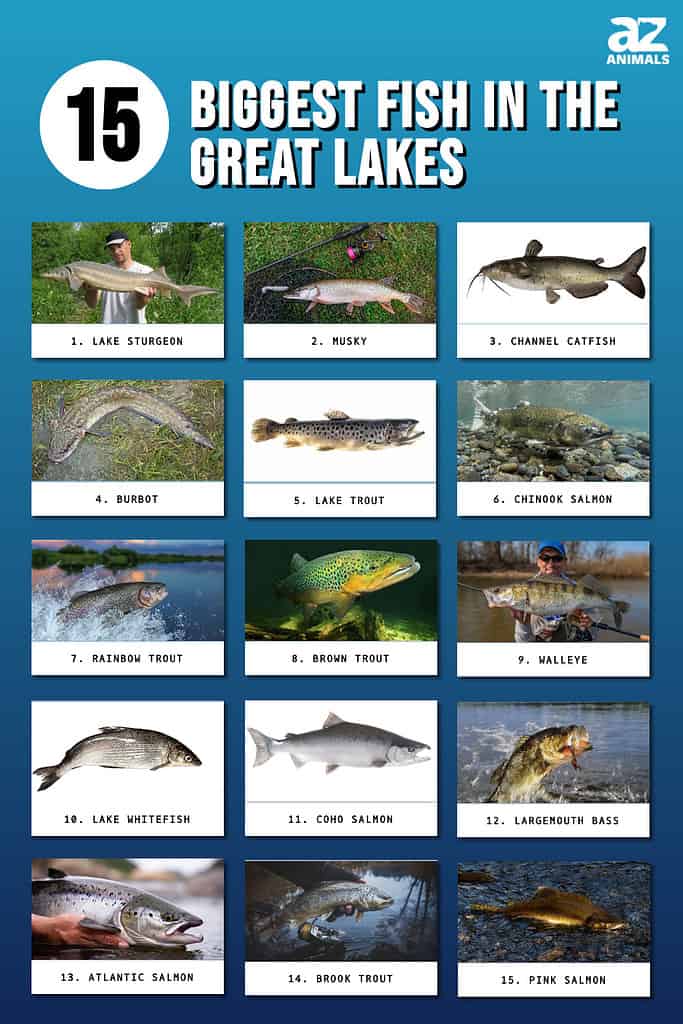
Clean gear helps protect isolated lakes
A simple gear-care routine reduces the risk of spreading invasive organisms:
- Remove weeds, mud, shells, and visible animals.
- Drain water from boats, coolers, live wells, and bait containers.
- Rinse gear when required by local rules.
- Dry equipment before using it in another lake.
- Dispose of unused bait in the trash or as regulations direct.
- Never release aquarium fish, bait, or unwanted catches.
Waders, landing nets, stringers, anchor ropes, and kayak compartments can hold water or plant fragments. Pay special attention to these items.
🌿 Conservation Note: Catch and release works best when you wet your hands, support the fish, remove the hook quickly, and keep the fish out of water for as little time as possible. Use barbless hooks when suitable, and avoid dragging fish across dry ground.
Does lake size determine whether fish can live there?
Lake size matters, but it is not the only factor. A small pond can support a strong fish population if it has enough oxygen, food, cover, and spawning habitat. A huge lake can have poor fishing if it is too warm, polluted, acidic, or low in oxygen.
Depth helps a lake maintain cool water during hot weather. Shallow lakes may warm quickly and grow thick weeds. Deep lakes may offer cold water but can develop oxygen-free zones below the summer temperature boundary.
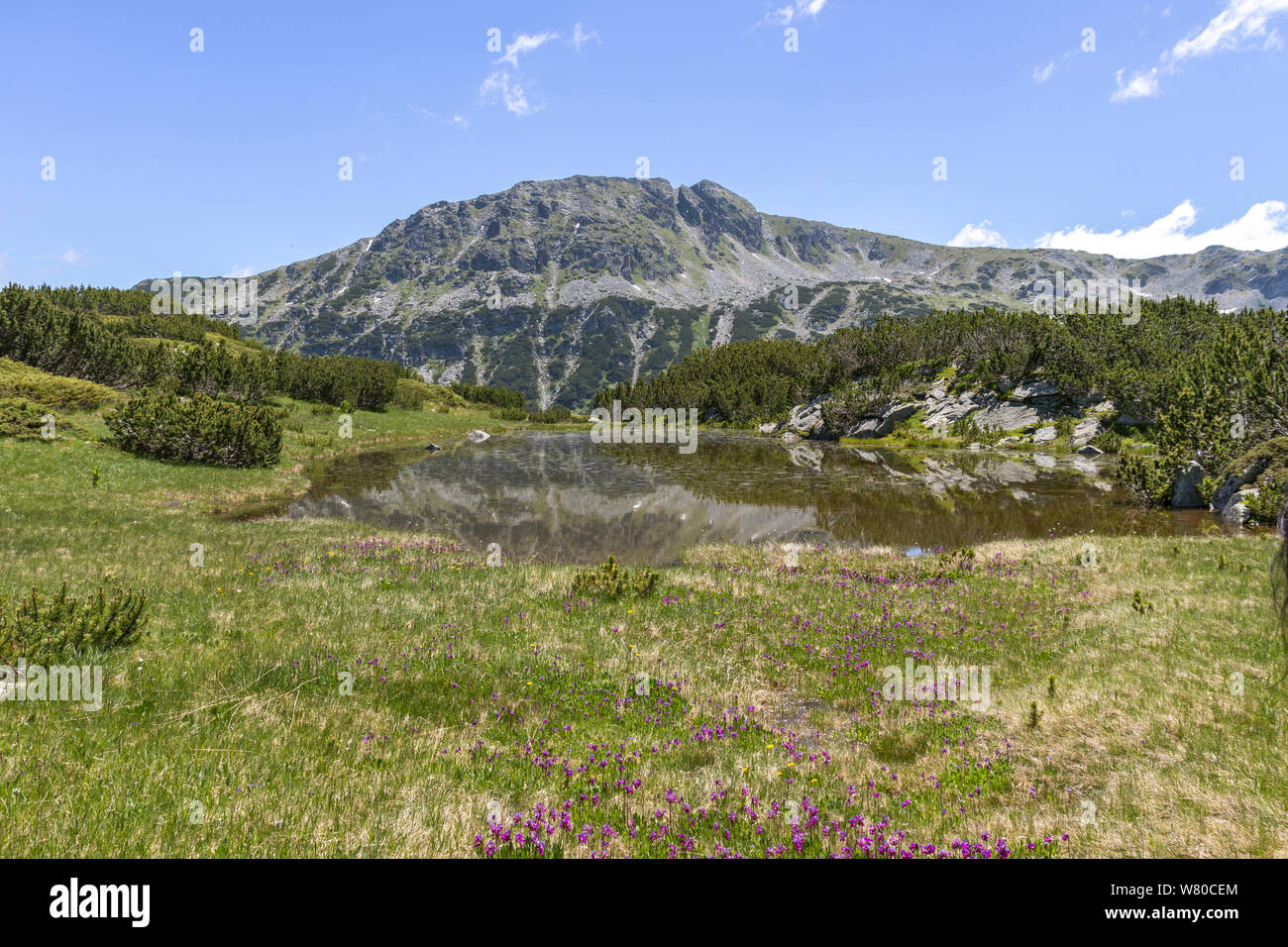
Food supply matters more than appearance
A clear blue lake may look healthy, but clear water does not always mean high fish production. Some fish prefer clear water. Others feed well in stained water with more nutrients and plankton.
Aquatic insects, crayfish, minnows, shad, mussels, worms, and plants all support fish. A lake with little food may hold fewer fish even if it has excellent water clarity.
Habitat gives fish places to feed and hide
Fallen trees, rocks, weed beds, docks, drop-offs, points, and flooded brush create structure. Structure is any physical feature that affects fish location. Cover is an object, such as a log or weed bed, that gives fish shelter.
Young fish use cover to avoid predators. Predators use it to ambush prey. Anglers often find fish near the edge where two habitat types meet.
Pros and limits of natural fish arrival and stocking
Natural colonization can create a fish community that matches the surrounding watershed. Stocking can restore or improve a fishery when natural movement is not possible. Each method has benefits and risks.
| Approach | Advantages | Limitations |
|---|---|---|
| Natural arrival | Uses local species and existing pathways | May take many years or never occur |
| Fish stocking | Can add desired species quickly | May spread disease or upset balance |
| Habitat restoration | Improves long-term survival | Costs time and may need landowner support |
| Fish removal | Can reduce invasive or overabundant species | May be costly and hard to complete |
| Fishing regulations | Protect breeding fish and habitat | Rules need enforcement and public support |
The right choice depends on the lake’s history and goals. A lake managed for trout may need cold water and regular stocking. A natural bass lake may need habitat protection more than new fish.
What anglers can learn from a lake’s fish history
Knowing how fish entered a lake can improve your fishing plan. A lake connected to a river may contain river species and current-loving fish near inlets. A stocked trout lake may fish best in cold seasons or near spring inflows.
A closed farm pond may have bass and bluegill because someone stocked it years ago. A high mountain lake may hold trout from a hatchery release. A coastal lake may contain redfish, speckled trout, or other species that tolerate changing salinity.
Match tackle to the likely fish
For panfish, a light spinning or spincast combo, small hooks, a bobber, and live bait are simple choices. For bass, try a medium-power rod with monofilament, fluorocarbon, or braided line paired with a leader when cover or clear water calls for it.
For catfish, use stronger line, a sinker, a swivel, and a suitable hook. For trout, use light line and small lures, flies, or bait where legal. Saltwater fish require terminal tackle and reels built to resist corrosion.
Always check the current product page for exact rod ratings, reel drag, line capacity, and materials. Product features can change between versions. A larger bearing count alone does not prove that a reel is better for your lake or species.
Local knowledge can save time
A local tackle shop, guide, marina, or state fisheries report can tell you more than a generic species list. Ask about recent stocking, water clarity, lake level, bait rules, access, and safe launch points.
Gift buyers can also use local advice. A child who fishes from a dock needs a different setup from an adult who fishes by kayak or hikes to remote trout lakes.
👪 Parent or Gift-Buyer Note: A simple 5- to 6-foot spincast combo, size 6 to 10 hooks, small bobbers, split shot, and a compact tackle box make a useful first kit for many children. Add polarized sunglasses, a hat, and adult supervision around hooks and water.
Common myths about fish in lakes
Several popular explanations sound possible but are usually incomplete. Understanding the facts helps anglers avoid spreading fish, bait, or false assumptions.
Myth: birds put all the fish in lakes
Birds may move eggs in rare cases, but most lake fish arrive through water connections or stocking. Bird transport is possible, not the normal explanation.
Myth: fish appear from mud
Fish do not normally form from mud. Some animals can survive dry periods as eggs or dormant stages, but fish require eggs, larvae, or living fish to start a population.
Myth: every lake has fish
Many lakes and ponds have no fish. Some lack oxygen, food, suitable temperature, or a route for fish to enter. Others may have lost their fish population after drought, winterkill, pollution, or a chemical treatment.
Myth: clear water always means healthy fish habitat
Clear water can be healthy, but it can also signal low nutrient levels or limited food. Some productive fisheries have stained or slightly cloudy water.
Regulations protect lake fish
Fishing laws help manage fish populations and protect native species. Rules may cover licenses, seasons, size limits, bag limits, bait, hooks, lead tackle, fish transport, and boat cleaning.
The same species may have different rules in two nearby lakes. Special regulations can apply to trout waters, bass tournaments, community ponds, tribal waters, reservoirs, or waters with threatened species.
📜 Check Local Regulations: Before fishing, confirm the rules with your state or local wildlife agency. Check the fishing license requirement, species limits, closed seasons, tackle restrictions, access rules, and whether live bait or fish transport is allowed.
Safe lake fishing includes more than tackle
Wear a U.S. Coast Guard–approved life jacket when boating, kayaking, or fishing from an unstable platform. Check the weather before leaving. Tell someone where you plan to fish and when you expect to return.
Wading anglers should use a wading belt and avoid fast or rising water. Ice anglers should check ice thickness in several spots, carry ice picks, and avoid going alone. No fish is worth taking a serious risk.
Frequently asked questions
Q: How do fish get into a lake with no river?
A: The lake may have had a river or wetland connection in the past. Floods, glacial meltwater, old channels, or human stocking can explain the fish. It may look isolated today, but it was not always isolated.
Q: Can fish swim upstream into a lake?
A: Yes. Fish can move upstream through rivers and streams when the current and barriers allow it. Some species make regular movements between rivers and lakes for food or spawning.
Q: Can fish eggs survive on birds?
A: Some fish eggs may survive bird transport in rare cases. This can happen through digestion or by sticking to wet feathers, feet, or plants. However, most lake fish arrive through water connections or stocking.
Q: Do fish live in every lake?
A: No. Some lakes have no fish because they are too acidic, salty, cold, shallow, dry, polluted, or low in oxygen. A lake also needs food, shelter, and suitable spawning habitat.
Q: Why do some lakes have bass but no trout?
A: Bass prefer warmer water than many trout species. Trout usually need cooler water with strong oxygen levels. A lake’s temperature, depth, springs, oxygen, and food supply determine which species can survive.
Q: How long can fish live in an isolated lake?
A: Fish can live in an isolated lake for many generations if they reproduce and the habitat remains suitable. Individual lifespans vary by species, from a few years for some small fish to more than a decade for some larger fish.
Q: Can I stock fish in my private pond?
A: You may need permission, a permit, approved fish, or a health certificate. Contact your state wildlife agency before stocking. Releasing fish without approval can spread disease and harm native waters.
Q: Can fishing gear move fish between lakes?
A: Wet gear can move invasive plants, small animals, eggs, or disease. Live wells, bait buckets, nets, waders, and boat compartments are common risk points. Clean, drain, and dry gear before visiting another lake.
Q: What is the best fishing setup for a lake beginner?
A: A 6- to 7-foot medium-light or medium spinning rod with a 1,000- to 2,500-size spinning reel and 6- to 10-pound monofilament is a flexible start. A spincast combo is often easier for young children.
Q: Do fish finders show where fish came from?
A: No. A fish finder shows underwater depth, structure, and sometimes fish-like marks. It does not identify a fish’s origin or species with certainty. Local knowledge and fisheries records answer those questions better.
Q: Can fish move through a lake’s outlet?
A: Yes. Fish may leave through an outlet stream or move into the lake when water flows backward during floods. The direction and timing depend on water levels, current, species, and barriers.
Q: Why do stocked fish sometimes disappear?
A: Stocked fish may die from unsuitable temperature, low oxygen, disease, poor food supply, predators, or fishing pressure. Some fish leave through connected streams. Stocking does not guarantee a permanent population.
Q: Should I release aquarium fish into a lake?
A: No. Aquarium fish may become invasive, spread disease, or die after release. Contact a pet store, rescue group, or local wildlife agency for safe options.
Final thoughts
Fish are in lakes because water, time, and living systems create pathways. Some fish swam in through rivers. Some arrived during floods or after glaciers reshaped the land. Some were placed there by people. A few may have reached isolated water through rare egg transport or unusual underground connections.
Once fish arrive, the lake must meet their needs. Oxygen, food, shelter, temperature, spawning habitat, and water quality determine whether they remain. That balance also determines what anglers find at the end of a line.
The next time you fish a lake, look beyond the shoreline. An inlet, wetland, old flood channel, spring, dam, or nearby river may explain the fish community. Learn the lake’s history, match your tackle to the species, follow local rules, and protect the water for the anglers who come after you.