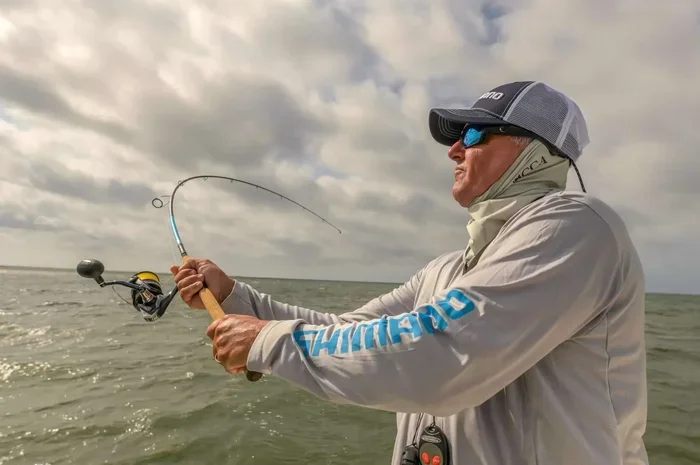
How To Fish For Salmon: Expert Tips For Success
Salmon fishing blends timing, water reading, tackle control, and patience. Salmon are strong, fast fish that may live in the ocean but return to rivers to spawn. That journey creates several ways to catch them, from casting lures from shore to drifting bait through a deep run, trolling from a boat, or swinging flies with a two-handed rod.
The best method depends on the salmon species, the water you fish, the season, and local rules. A beginner can start with a medium-heavy spinning rod and a simple lure. An experienced angler may choose a centerpin setup, baitcaster, float rod, or fly rod for more control. A parent or gift buyer should focus on safe, simple gear that fits the angler’s size and local water.
This guide explains how to fish for salmon in freshwater rivers, streams, lakes, estuaries, surf zones, and from boats. It covers gear, knots, bait, lures, fly fishing, seasonal patterns, safety, conservation, and common mistakes.

Quick Answer: How Do You Fish for Salmon?
The best way to fish for salmon is to match your tackle and presentation to the species, water depth, current, and season. Use a medium-heavy rod, a 3000–5000-size spinning reel, 20–30-pound braided line, and a 10–20-pound leader for many river conditions. Cast spinners, spoons, plugs, jigs, or bait into likely holding water, control your drift, and check local rules before fishing.

Understand Salmon Behavior Before You Cast
Salmon fishing becomes easier when you understand where fish travel and rest. Salmon often move through current but save energy in slower water. Look for deep pools, the inside edge of bends, current seams, tailouts, boulder pockets, submerged wood, and the softer water behind rocks.
Fresh salmon in the ocean or lower river may feed hard. Salmon that have moved far upstream may feed less and respond to movement, color, scent, or irritation. This difference changes how you choose bait and lures.
Common Salmon Species in North America
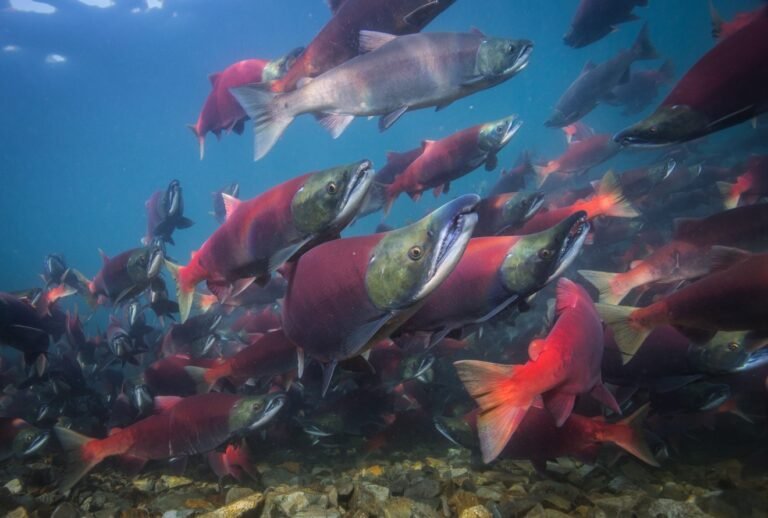
The main salmon species include Chinook, coho, chum, pink, and sockeye salmon. Atlantic salmon are also important in some regions. Each species varies in size, behavior, run timing, and legal status.
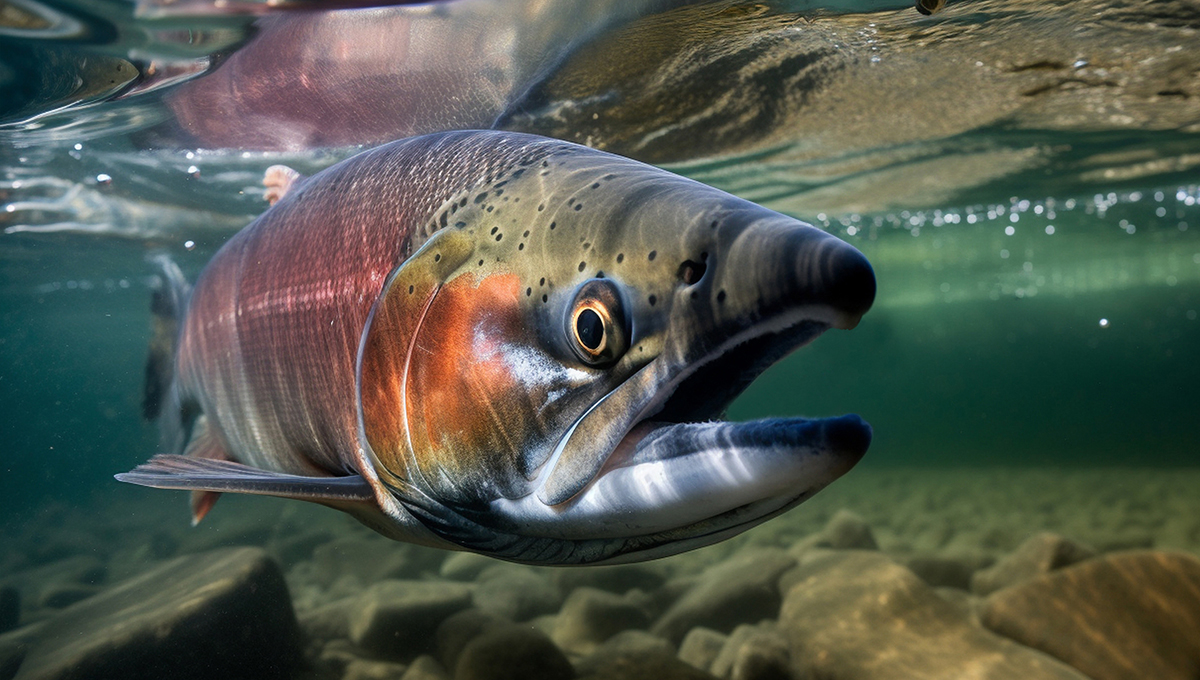
Chinook salmon, also called king salmon, are often the largest. They need strong tackle and a reliable drag. Coho salmon, or silver salmon, can be aggressive and make fast runs. Pink salmon are smaller but may travel in large numbers. Chum salmon are powerful and often fight hard in strong current.
| Species | Typical fishing traits | Common tackle range |
|---|---|---|
| Chinook | Large, heavy, long runs | Medium-heavy to heavy rod; 20–40 lb line |
| Coho | Fast, active, often near shore | Medium to medium-heavy rod; 12–25 lb line |
| Pink | Smaller, active, common in odd-year runs in some areas | Medium rod; 10–20 lb line |
| Chum | Strong and aggressive in current | Medium-heavy rod; 15–30 lb line |
| Sockeye | Often difficult to target legally with standard methods | Check exact local rules first |
Chinook anglers need more line capacity and drag power. Pink and coho anglers can often use lighter gear when local rules and fish size allow. Always check the current regulations for the exact river or shoreline.

Where Salmon Hold in Rivers
Salmon do not spread evenly through a river. They tend to follow travel lanes and pause in places that reduce the force of the current. A current seam, where fast and slow water meet, can be especially useful.
Focus on:
- Deep pools and pool edges
- The head and tail of a pool
- The inside of river bends
- Gravel bars near deeper channels
- Boulders that break the current
- Confluences where two waters meet
- Estuary edges and tidal cuts
- Creek mouths after rain
- Undercut banks and submerged logs
Start with water close to shore. Many anglers cast too far and miss fish traveling along the near bank. Move in small steps and cover each likely lane before changing spots.

How Water Clarity Changes Your Approach
Clear water calls for a natural presentation, lighter leaders, and smaller lures. Cloudy water gives salmon less time to inspect your offering. In those conditions, a larger spoon, brighter plug, or scented bait may be easier to notice.
High water can spread fish across a floodplain or push them near banks. Low, clear water can make fish cautious. A fast rise in water level may also trigger movement, but the best response depends on the river and species.
| Water condition | Useful adjustment | What to avoid |
|---|---|---|
| Clear and low | Smaller lure, longer leader, quiet approach | Heavy line and loud steps |
| Slightly stained | Medium lure, natural or bright color | Changing spots too quickly |
| Dark or muddy | Vibration, scent, bright color, slower retrieve | Tiny lures that salmon cannot find |
| High and fast | Fish soft edges and deep banks | Standing in dangerous current |
Water color is a guide, not a rule. Salmon may react differently based on pressure, temperature, light, and run stage.
Salmon Fishing Gear for Rivers, Shorelines, and Boats
The right salmon fishing setup must cast well, control line, and handle sudden runs. A balanced rod and reel matter more than a long list of features. Beginners should choose a simple spinning combo. Experienced anglers can select a rod for a specific technique.
A gift buyer should avoid buying a highly specialized rod without knowing the target species and fishing location. A general-purpose medium-heavy spinning combo is often a safer choice for river salmon.

Rod Power and Action
Rod power means how much force a rod needs to bend. Medium power suits smaller salmon and lighter water. Medium-heavy power is a common choice for Chinook, coho, and larger river conditions. Heavy power fits large fish, strong current, and heavy sinkers.
Rod action describes where the rod bends. Fast-action rods bend near the tip and feel crisp. Moderate-action rods bend farther down the blank and help keep hooks pinned during a fight.
For many river salmon anglers, a 9- to 10-foot medium-heavy, fast or moderate-fast spinning rod offers a useful mix of casting distance and control. A 7- to 8-foot rod works well in tight streams or from a boat. A 10- to 12-foot rod helps with float fishing and long drifts.
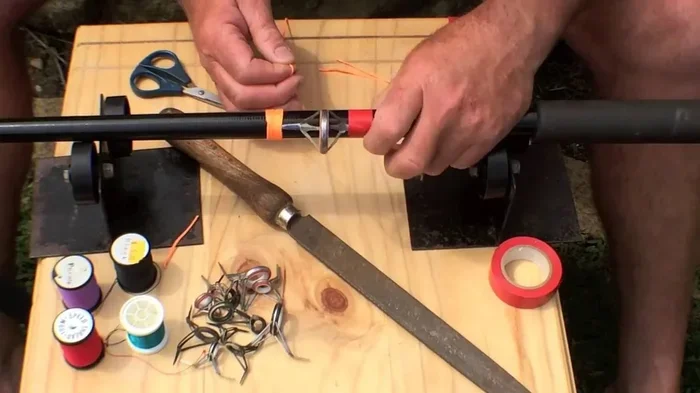
Graphite rods are light and sensitive. Fiberglass and composite rods are often more forgiving and may handle rough use well. The first part to fail is often not the blank. It may be a damaged guide, loose reel seat, worn tip, or poor knot.
Choosing a Salmon Reel
A 3000–5000-size spinning reel fits many shore and river setups. Larger Chinook or saltwater anglers may prefer a 5000–8000-size reel with more line capacity. Look for a smooth drag, a sturdy handle, a metal or reinforced frame, and a spool that matches your line.
A reel’s gear ratio shows how many times the spool turns for each turn of the handle. A ratio around 5:1 is a flexible choice. A faster reel picks up line quickly, while a slower reel offers more power for heavy presentations.
For baitcasters, choose a model with a strong drag and enough spool capacity for 30–50-pound braid. Baitcasters offer precise casting but can backlash, which means the spool spins faster than line leaves it. They suit experienced anglers more than first-time users.
Spincast combos are easy for children but are usually limited for large salmon. They may suit a small stream with small fish, but they are not the first choice for big Chinook or strong current.
Line, Leader, and Terminal Tackle
Braided line has a small diameter and little stretch. It helps anglers feel a lure and control fish in deep water. Monofilament has more stretch and is forgiving when a salmon shakes its head. Fluorocarbon is less visible under water and resists abrasion, but it costs more and can be stiff in heavy sizes.
A common setup uses 20–30-pound braid with a 10–20-pound fluorocarbon or monofilament leader. Large fish, rocks, wood, and strong current may require 25–40-pound leader material. Local rules may limit line type or hook size.
Terminal tackle means the items at the end of the line. It includes leaders, hooks, sinkers, bobbers, swivels, snaps, and attractors. Use the lightest sinker that keeps your offering near the fish without dragging through every rock.
| Water and target | Rod | Main line | Leader |
|---|---|---|---|
| Small stream, pink or small coho | 8–9 ft medium | 10–20 lb braid or mono | 8–15 lb |
| Large river, coho or Chinook | 9–10 ft medium-heavy | 20–40 lb braid | 15–30 lb |
| Float fishing | 10–12 ft medium to medium-heavy | 15–30 lb braid | 10–25 lb |
| Boat trolling | 8–9 ft medium-heavy to heavy | 20–40 lb braid or mono | 15–30 lb |
| Fly fishing | 9–15 ft fly rod | Species-specific fly line | Tippet matched to rules and fish |
These ranges are starting points, not universal rules. Match your setup to the fish, current, cover, and regulations.

Useful Salmon Fishing Tools
A landing net with a deep, rubber-coated bag reduces damage to fish and hooks. Long-nose pliers help remove hooks. A line cutter, measuring tape, knot tool, polarized sunglasses, and waterproof phone case also belong in a salmon kit.
Carry extra leaders, hooks, swivels, sinkers, and lures in a tackle box. A small first-aid kit is useful because salmon hooks are large and sharp. If you fish from a boat or kayak, carry communication gear, a whistle, and required safety equipment.
The Main Salmon Fishing Methods
Salmon fishing methods vary by water type. Casting lures works well from shore. Drift fishing places bait or a lure near the bottom as it moves with the current. Float fishing suspends a presentation at a chosen depth. Trolling covers water from a boat. Fly fishing offers a quiet and precise approach when conditions allow.
Casting Spoons and Spinners
Spoons flash and wobble as they move. Spinners create vibration from a rotating blade. Both are easy for beginners and work from shore, riverbanks, piers, and some tidal areas.
Choose a 1/2- to 1 1/2-ounce spoon for many salmon rivers, adjusting for current and depth. Smaller spinners may suit coho or pink salmon in shallow water. Cast across or slightly upstream, let the lure sink, and retrieve it through the holding zone.
A spoon should move with a steady wobble. If it spins without control, your line may be twisting or the lure may be too light for the current. Use a small swivel above the leader when allowed.
Drift Fishing With Bait
Drift fishing lets bait travel near the river bottom. Common baits include cured salmon eggs, shrimp, sand shrimp, herring strips, and locally legal natural bait. Use a sliding sinker or pencil lead system where permitted.
Cast slightly upstream. Let the bait move at the speed of the current. Lift the rod when the sinker hangs up, then allow it to roll or drift again. A bite may feel like a tap, a pause, or a steady pull.
Avoid dragging bait far along the bottom. Salmon may pick it up, but constant snagging wastes time and can damage the riverbed. Adjust sinker weight until the bait moves naturally.
Float Fishing
Float fishing suspends bait, a jig, or a soft plastic under a bobber. The float shows depth and makes it easier to keep the offering above rocks. It is effective in pools, seams, and slow runs.
Set the float depth so the bait travels near the salmon’s level. Start with 4–6 feet, then adjust based on water depth. In deeper pools, a slip bobber can reach 10 feet or more.
A 10- to 12-foot rod helps mend line and control a long drift. Mending means lifting or repositioning line so the current does not pull the float unnaturally.
Plugs, Jigs, and Soft Plastics
Plugs imitate baitfish and create vibration. Jigs can be tipped with bait or used alone where legal. Soft plastics may imitate eggs, worms, shrimp, or small fish.
Use a slow, steady retrieve in cold water. In warmer or faster water, a more active presentation may draw attention. Match hook size to the lure and fish. Large hooks can reduce movement and may violate local rules.
Trolling From a Boat
Trolling means moving a lure or bait behind a boat at a controlled speed. It helps cover a large area and works in lakes, estuaries, coastal water, and deep river channels.
Use a rod with enough backbone for the weight and a reel with good line capacity. Downriggers, divers, lead-core line, or weighted lines can place lures at depth. Fish finders show bottom shape, bait, and depth, but they do not replace knowledge of salmon movement.
Keep speed steady. Follow the lure maker’s guidance, then adjust based on water temperature, current, and fish response. Use a landing net that fits the boat and keep hooks controlled during landing.
Fly Fishing for Salmon
Fly fishing for salmon requires a rod, reel, fly line, leader, and fly matched to the species and river. Single-hand rods around 9 feet can work in smaller water. Spey and switch rods help anglers cast heavy flies and long lines on wide rivers.
Common salmon flies include streamers, leeches, egg patterns, shrimp patterns, and classic wet flies. A swinging fly moves across the current under tension. The angler casts down and across, lets the fly move through the run, and controls the swing.
Fly fishing demands good line control. It may not be the easiest first method for a child or a beginner. A local guide or fly shop can shorten the learning curve.
| Method | Best use | Learning curve |
|---|---|---|
| Spinners and spoons | Shore, bank, pier, and open river | Low |
| Drift bait | Deep runs and pools | Moderate |
| Float fishing | Pools and current seams | Moderate |
| Trolling | Boat, lake, estuary, and coastal water | Low to moderate |
| Fly fishing | Wide rivers and selective presentations | Moderate to high |
The simplest method is often the best first method. Start with one technique and learn to control it before carrying a full tackle box.

How to Rig and Fish for Salmon Step by Step
A good salmon rig starts with the rules, then moves to the water and fish. Do not build a setup only because it worked in another river. Current speed, hook restrictions, bait bans, and fish size can change the right choice.
1. Check the Regulations and Get a License
Buy the required fishing license before you travel to the water. Read the rules for the exact river, creek, lake, marine area, or tide zone. Salmon regulations may include species identification rules, seasonal closures, daily limits, size limits, retention tags, gear restrictions, and hatchery or wild fish rules.
Some areas restrict bait, lead, treble hooks, barbed hooks, scents, or fishing near spawning beds. Regulations can change during a run. Use the official state or provincial wildlife agency website, not an old social media post.
📜 Check Local Regulations: Salmon rules are often more detailed than general freshwater rules. Confirm the current license, open dates, hook rules, retention limits, and release requirements before casting.

2. Prepare and Test Your Tackle
Spool the reel with fresh line. Run the line through every guide and check for cracks or rough spots. Tie a strong knot, such as an improved clinch knot for many terminal connections or a Palomar knot for suitable hooks and lures.
Set the drag before the first cast. Drag is the reel’s adjustable brake. It lets line leave under pressure so a running salmon does not break the line.
Start with a drag setting around one-quarter to one-third of the line’s tested strength, then adjust for the knot, leader, fish size, and cover. Do not lock the drag down unless the situation demands it and your tackle can handle the force.
3. Read the Water
Stand back from the bank and watch the river for a few minutes. Look for depth changes, current seams, holding pockets, and safe places to land a fish. Salmon may be close to shore, especially in low light or high water.
Plan where you will move if a fish runs. Clear brush and loose line from your feet. Decide where you can safely net or release the fish before you cast.
4. Start With the Near Water
Cast to the closest productive water first. This protects fish that may be near the bank and lets you learn the current. Fan your casts from near to far rather than casting randomly.
After each cast, change one variable. Alter the angle, depth, retrieve speed, lure color, or position. This creates useful information instead of a confusing pile of changes.
5. Control the Presentation
Keep the lure or bait in the strike zone. In a river, the strike zone may be near the bottom, along a seam, or just above a deep shelf. Use enough weight to reach the zone, but not so much that the rig constantly snags.
For a spoon, let it sink, then retrieve with a steady wobble. For bait, keep the drift natural. For a float, maintain contact without pulling it across the current.
6. Set the Hook With Control
The hook set depends on the rig. With a lure, a firm sweep is often enough. With bait under a float, wait for the float to commit if the rules and rig call for it. Avoid violent overhead hook sets near other people.
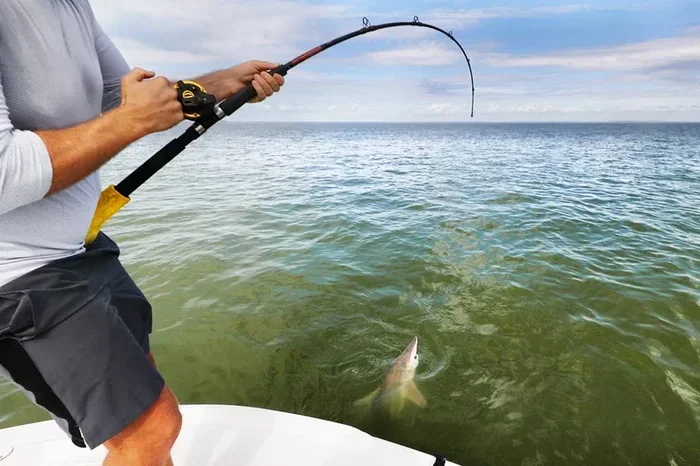
Keep the rod high but not straight up. A bent rod cushions sudden runs. Point the rod away from rocks, wood, and strong current when you need to steer the fish.
7. Fight the Salmon Efficiently
Let the drag work. Keep steady pressure and change the rod angle to guide the fish. Do not pump the rod with huge movements. Lift smoothly, then gain line as you lower the rod.
A salmon may run downstream. Move with it when the bank is safe. If you cannot follow, increase pressure only within the limits of your tackle. Most broken lines come from bad knots, damaged leaders, locked drags, sharp rocks, or rushing the fish.
8. Land, Keep, or Release the Fish Properly
Use a landing net when possible. Do not beach a salmon on gravel or drag it through mud. If you plan to release it, wet your hands, support the body, and keep the fish in the water as much as possible.
Remove the hook with pliers. If the hook is deep, cutting the leader may cause less harm than pulling hard. Revive the fish facing into gentle current until it swims away under its own power.
🌿 Conservation Note: Handle wild salmon with care. Keep air exposure brief, avoid squeezing the belly, and never leave discarded line, bait containers, or hooks on the bank.

Best Salmon Fishing Tactics by Water Type
The same lure can work differently in a narrow creek, a large river, an estuary, or the ocean. Water depth, current, access, and fish movement determine how you should fish.

Small Streams and Creeks
Use a shorter rod between 7 and 9 feet. Move quietly and keep a low profile. Small streams often have clear water, so long casts may be less useful than careful positioning.
Try small spoons, spinners, jigs, or bait rigs where legal. Cast upstream or across the current and keep the presentation near deeper slots. Avoid walking through shallow gravel where salmon may be spawning.
Large Rivers
Large rivers favor longer rods and heavier line. A 9- to 11-foot rod helps with distance, line control, and float fishing. Search deep edges, seams, tailouts, and soft banks.
Use a larger spoon, plug, float rig, or drift setup. Change position after covering a section well. On broad rivers, a boat or local guide can reveal water that is hard to reach from shore.
Estuaries and Tidal Water
Salmon may pause in estuaries before entering rivers. Tides move water in both directions, so fish may travel along channels, eelgrass edges, current seams, and creek mouths.
Use saltwater-rated reels and rinse them with fresh water after each trip. Salt can damage bearings, drag washers, line guides, and reel frames. Do not spray high-pressure water into a reel because it can push salt deeper inside.
Surf and Pier Fishing
Surf fishing for salmon is location-specific. Use a longer rod, often 9–12 feet, with enough weight to cast safely. Watch waves, sandbars, rips, and other anglers before making a cast.
A pier gives elevation and access to deeper water, but hooks and sinkers create danger in crowded areas. Cast only when the space behind and beside you is clear. Keep a dehooking tool and a landing net suited to the height.
Kayak and Small-Boat Fishing
Kayak fishing requires a stable setup and careful weight control. Keep tackle low and secure. Use a U.S. Coast Guard–approved personal flotation device, even on calm water.
A salmon can pull a kayak toward current, rocks, or other boats. Keep the rod leash attached, avoid standing unless the kayak is designed for it, and know how to self-rescue. Check wind and tide before launching.

Salmon Fishing by Season
Salmon runs vary by species and location. A calendar can help, but water temperature, rainfall, snowmelt, tides, and hatchery schedules may shift the timing.

Spring
Spring salmon fishing may focus on coastal areas, lower rivers, and early runs. High water can make river fishing difficult but may move fish close to banks. Use visible lures and fish slower edges.
Cold water often calls for a slower retrieve. Check whether the target salmon season is open. Some spring fish may be protected or closed to harvest.
Summer
Summer brings more accessible river fishing in many regions. Early morning and evening often offer lower light and cooler water. During hot weather, fish may hold in deeper pools or move during cooler flows.
A medium-heavy spinning setup, float rig, spoon, or plug can work well. Carry water, sun protection, and a light rain layer. Heat stress affects both people and fish.
Fall
Fall is a major salmon season in many rivers. Fish may move upstream after rain or changes in flow. Water can become crowded, so spacing and courtesy matter.
Salmon may be strong and aggressive when fresh. Use a leader that matches rocks and fish size. Do not assume every salmon you see is legal to keep.
Winter
Winter salmon fishing can mean cold rain, icy banks, short days, and difficult access. Fish may hold in slower, deeper water. Smaller presentations and careful drifts may help.
Wear layers, waterproof clothing, and footwear with secure traction. Never wade alone in cold water. Hypothermia can begin before an angler realizes how cold they are.
| Season | Salmon focus | Helpful approach |
|---|---|---|
| Spring | Early runs and lower river fish | Fish edges, watch flow, confirm open seasons |
| Summer | River runs, estuaries, and coastal areas | Fish low light, protect against heat |
| Fall | Major upstream movements | Cover seams, pools, and fresh-run areas |
| Winter | Slow pools and cold-water fish | Use careful drifts and prioritize safety |
The best season is the legal season with safe access and suitable water. A famous run is not worth risking a dangerous crossing.
Common Salmon Fishing Mistakes
Most salmon anglers improve by fixing a few repeat errors. The biggest problem is often not the lure. It is poor depth control, a weak knot, or fishing water without a plan.
| Mistake | Why it hurts | Better choice |
|---|---|---|
| Using line that is too light | Breakoffs near rocks or strong current | Match line and leader to the fish and cover |
| Fishing only the far bank | Misses near-bank travel lanes | Work water from near to far |
| Using too much weight | Causes snags and poor drift | Use the lightest weight that reaches depth |
| Setting the drag too tight | Breaks line or pulls hooks free | Set a smooth, moderate drag |
| Changing everything at once | Hides what caused a result | Change one variable at a time |
| Handling fish on dry ground | Damages scales and skin | Keep fish wet and release quickly |
| Ignoring local rules | Can harm fish and lead to penalties | Check the official regulations |
A lure that catches no fish is not always the problem. It may be too high, too low, too fast, too far from the current seam, or used during a closed period.
Poor Knot and Leader Care
Inspect the last 2–3 feet of leader often. Rub it between your fingers and replace it if it feels rough, cloudy, or nicked. Retie after a snag, a hard fight, or contact with rocks.
Wet the knot before tightening it. Trim the tag end close, but leave enough material to prevent slippage. Test the connection with steady hand pressure before casting.
Fishing Spawning Beds
Avoid walking across shallow gravel where salmon are spawning. Do not target visibly spawning fish when local rules prohibit it or when the practice adds unnecessary stress. Fish holding below a spawning area may offer a more ethical option where legal.
Crowding Other Anglers
Give other anglers room. Do not step into someone’s drift or cast over another line. If you move through a pool, move behind the active fishing line and ask before entering.
Fishing etiquette protects access for everyone. A calm bank is better than a tense one.
Salmon Gear Cost and What You Really Need
A basic salmon setup can cost less than a specialized fly or boat system. Current pricing ranges from roughly $80–$180 for a basic spinning combo, $180–$400 for a stronger rod and reel pairing, and more for premium fly, centerpin, trolling, or saltwater equipment.
Price does not replace skill. A moderate setup with fresh line, sound knots, and a smooth drag can outperform expensive gear that is poorly matched to the river.
| Budget level | Typical setup | Best for |
|---|---|---|
| Entry level: $80–$180 | 8–9 ft medium or medium-heavy spinning combo | Beginners, casual trips, and older kids |
| Midrange: $180–$400 | 9–10 ft rod, quality spinning reel, braid, leaders | Frequent river anglers and larger salmon |
| Specialized: $400+ | Float, centerpin, fly, trolling, or premium saltwater gear | Experienced anglers with a clear technique |
A gift buyer should spend more on a reliable reel, fresh line, and safe accessories before buying many lures. Experienced anglers may value rod length, blank action, drag quality, and line capacity more than extra bearing counts.
What to Buy First
Start with:
- A rod and reel matched to the target salmon
- Fresh line and leader material
- Legal hooks, lures, or bait
- Split-shot or sinkers
- Swivels and snaps
- Pliers and line cutters
- A landing net
- Polarized sunglasses
- A fishing license and required tags
A tackle box can grow over time. You do not need every lure color on the first trip.
Tips for Beginners, Kids, and Gift Buyers
Salmon are powerful fish, but salmon fishing does not need to be confusing. A beginner should learn one water type and one method first. A child needs simple controls, short practice sessions, and close adult supervision.
Best Starter Setup for a Beginner
For many river anglers, choose a 9-foot medium-heavy spinning rod with a 3000–5000-size reel, 20-pound braid, and a 12–20-pound leader. Add a few legal spoons, spinners, swivels, hooks, and sinkers.
This setup suits adults who fish from shore and want to target coho, pink salmon, or smaller Chinook. It may not suit very large salmon, heavy surf, or specialized float fishing.
Best Setup for Kids
For a child, a 6- to 7-foot medium spinning or spincast combo can be easier to hold. It suits small salmon, trout, bass, panfish, and practice casting. It may not have the line capacity or drag strength for large Chinook.
Choose a rod that is not too heavy. Add blunt-ended pliers only for supervised use, polarized glasses, a properly fitted life jacket near a boat, and a simple tackle box. Keep hooks covered when walking.
👪 Parent or Gift-Buyer Note: Ask where the angler will fish, which salmon species are present, and whether they prefer bait, lures, or fly fishing. A local tackle shop can match a combo more accurately than a generic “salmon rod” label.
Choosing Gear for an Experienced Angler
Experienced anglers may want a technique-specific tool:
- A 10–12 foot float rod for long drifts
- A centerpin reel for smooth float control
- A baitcaster for precise plug casting
- A two-handed fly rod for wide rivers
- A heavy spinning reel for Chinook and saltwater
- A telescopic rod for travel, with limits on strength and durability
- An ice fishing rod only for legal salmon opportunities in frozen water
Ask before buying specialized gear. Experienced anglers often have strong preferences about rod action, grip length, reel style, and line system.
Salmon Conservation and Responsible Fishing
Salmon connect rivers, forests, oceans, and people. Their survival depends on clean water, safe migration routes, healthy habitat, and careful harvest. Anglers play a direct role in protecting the fishery.
Follow the rules even when a river seems full of fish. Respect wild and hatchery markings. Do not move salmon between waters. Dispose of old line, hooks, bait bags, and soft plastics properly.
Catch and release works best when the fish stays wet. Use barbless or circle hooks when required or appropriate. Do not squeeze the fish, hold it by the gills, or take a long photo session.
If you keep a legal salmon, dispatch and cool it promptly. Follow local retention rules and report catches when required. Responsible harvest supports both food value and long-term fish management.
Safety for River, Shore, Boat, and Wading Fishing
Salmon fishing can place anglers near slippery rocks, deep current, cold water, sharp hooks, and changing weather. Wear footwear with good traction and use a wading belt when wearing waders. A wading staff can help in uneven water.
Never assume calm water is safe. Check the forecast, river level, tide, and daylight. Tell someone your plan and expected return time. Fish with a partner when possible.
⚠️ Safety Warning: Wear a U.S. Coast Guard–approved personal flotation device in boats, kayaks, and areas with deep or swift water. Do not wade above your comfort level, and turn back when water pushes against your legs or makes footing uncertain.
For ice fishing, check ice thickness with local experts, carry ice picks, avoid moving water, and never fish alone. A boating safety course is useful for anyone operating a powered boat. A professional guide or local shop can teach safe wading and boat handling.
Gear Care After Salmon Fishing
Clean gear lasts longer when you remove salt, sand, slime, and grit after each trip. Rinse rods and reels with a gentle freshwater spray, especially after saltwater or estuary fishing. Dry everything before storage.
Do not soak a reel unless the manufacturer allows it. Wipe the reel body, check the drag, and apply only the lubricant recommended for that model. Store rods straight or in a rack, and loosen the drag before long-term storage.
| Gear | After-trip task | Storage check |
|---|---|---|
| Rod | Rinse, wipe, inspect guides and tip | Keep dry and away from heat |
| Spinning reel | Gentle rinse, dry, inspect bail | Loosen drag and cover lightly |
| Braid and leader | Check for frays and nicks | Replace damaged sections |
| Hooks and lures | Dry to prevent rust | Keep separated and organized |
| Waders | Rinse and fully dry inside out | Store dry, not tightly folded |
| Landing net | Rinse slime and debris | Hang dry before packing |
Signs it is time to replace line include flat spots, fuzz, discoloration, repeated knots, and unexplained breakoffs. Replace rusty hooks at once. A small damaged part can ruin a full day.
When to Ask a Local Tackle Shop or Guide
Ask a local expert when the river is new to you, the regulations are complex, or the water is dangerous. A good tackle shop can explain current lure colors, legal hook styles, leader size, access points, and safe landing areas without forcing expensive gear.
A guide can help with drift control, boat safety, fly casting, and reading unfamiliar water. This is useful for beginners, families, and anglers traveling to a major salmon run.
Bring your rod, reel, and current tackle when asking for help. Staff can often spot a bad knot, poor line choice, mismatched lure weight, or damaged guide in a few minutes.
Frequently Asked Questions About Salmon Fishing
Q: What is the best rod for salmon fishing?
A: For many river anglers, a 9- to 10-foot medium-heavy spinning rod is a flexible choice. Use medium power for smaller salmon and light current. Choose heavy power for large Chinook, strong current, or heavy sinkers.
Q: What line strength do I need for salmon?
A: Many anglers start with 20–30-pound braid and a 10–20-pound leader. Large fish, rocks, wood, and fast water may require a 25–40-pound leader. Follow local rules and match line to your knots and drag.
Q: Is braided line better than monofilament for salmon?
A: Braid offers low stretch, small diameter, and strong depth control. Monofilament stretches more and can be forgiving during sudden runs. Braid with a monofilament or fluorocarbon leader is a common all-around system.
Q: What bait catches salmon?
A: Legal salmon baits may include cured salmon eggs, shrimp, sand shrimp, herring, or locally approved natural bait. Rules vary by river and season. Check the current regulations before using bait.
Q: What lures work for salmon from shore?
A: Spoons, spinners, jigs, plugs, and soft plastics can work from shore. Match lure weight to current and depth. Start with natural colors in clear water and brighter or more visible options in stained water.
Q: Can beginners catch salmon with a spinning reel?
A: Yes. A spinning reel is one of the easiest salmon setups to learn. A medium-heavy rod, 20-pound braid, suitable leader, and a simple spoon or float rig offer a practical starting point.
Q: Can children fish for salmon?
A: Children can fish for salmon with adult supervision and gear sized to their strength. A 6- to 7-foot spinning or spincast combo is easier for many kids. Choose safe access, cover hooks, and follow license rules for youth anglers.
Q: How do I know where salmon are in a river?
A: Look for deep pools, current seams, gravel edges, soft banks, tailouts, creek mouths, and areas below rapids. Start near shore and work outward. Local water levels and recent reports can help, but fish locations change.
Q: How long should a salmon fight last?
A: Land a salmon as efficiently as your tackle allows. A long fight can exhaust the fish, especially in warm water. Use suitable line, a smooth drag, steady pressure, and a landing net.
Q: Should I use a leader for salmon?
A: Yes, a leader helps resist abrasion and lets you replace the worn section without respooling the reel. Fluorocarbon is less visible, while monofilament is flexible and often less costly.
Q: Is a baitcaster good for salmon fishing?
A: A baitcaster suits experienced anglers who want precise plug or lure control. It can backlash when the spool spins too fast. Beginners may find a spinning reel easier, especially in changing wind.
Q: How do I clean a reel after saltwater salmon fishing?
A: Rinse the reel gently with fresh water, wipe it dry, and follow the manufacturer’s care instructions. Avoid high-pressure spray and do not force water into the reel. Check drag and line after the trip.
Q: Can I keep every salmon I catch?
A: No. Salmon rules may separate wild and hatchery fish and may include species limits, tags, closed seasons, and area restrictions. Check the official wildlife agency rules for the exact water before fishing.
Q: What should I do if a salmon swallows the hook?
A: Do not pull hard. Keep the fish wet, cut the leader close to the hook when release rules require it, and handle the fish as little as possible. Use barbless hooks where required or appropriate.
Q: Is salmon fishing worth the cost?
A: It can be, especially when you start with a modest spinning setup and fish local water. Specialized fly, float, boat, and saltwater gear costs more. The best value comes from gear matched to your species, method, and access.
Final Advice for Catching Salmon
To fish for salmon well, focus on four things: legal access, safe water, a balanced setup, and a controlled presentation. Learn the river before changing lures. Keep your knots fresh, your drag smooth, and your leader free of damage.
Beginners should start with a medium-heavy spinning combo and one or two proven methods. Kids need light, simple gear and close supervision. Experienced anglers can gain more by refining depth, drift speed, and line control than by buying another box of lures.
Salmon fishing rewards attention. The river gives clues through current, depth, water color, and movement. Read those clues, respect the fish, and let each trip teach you something new.