How Are Fish Caught: Methods Explained
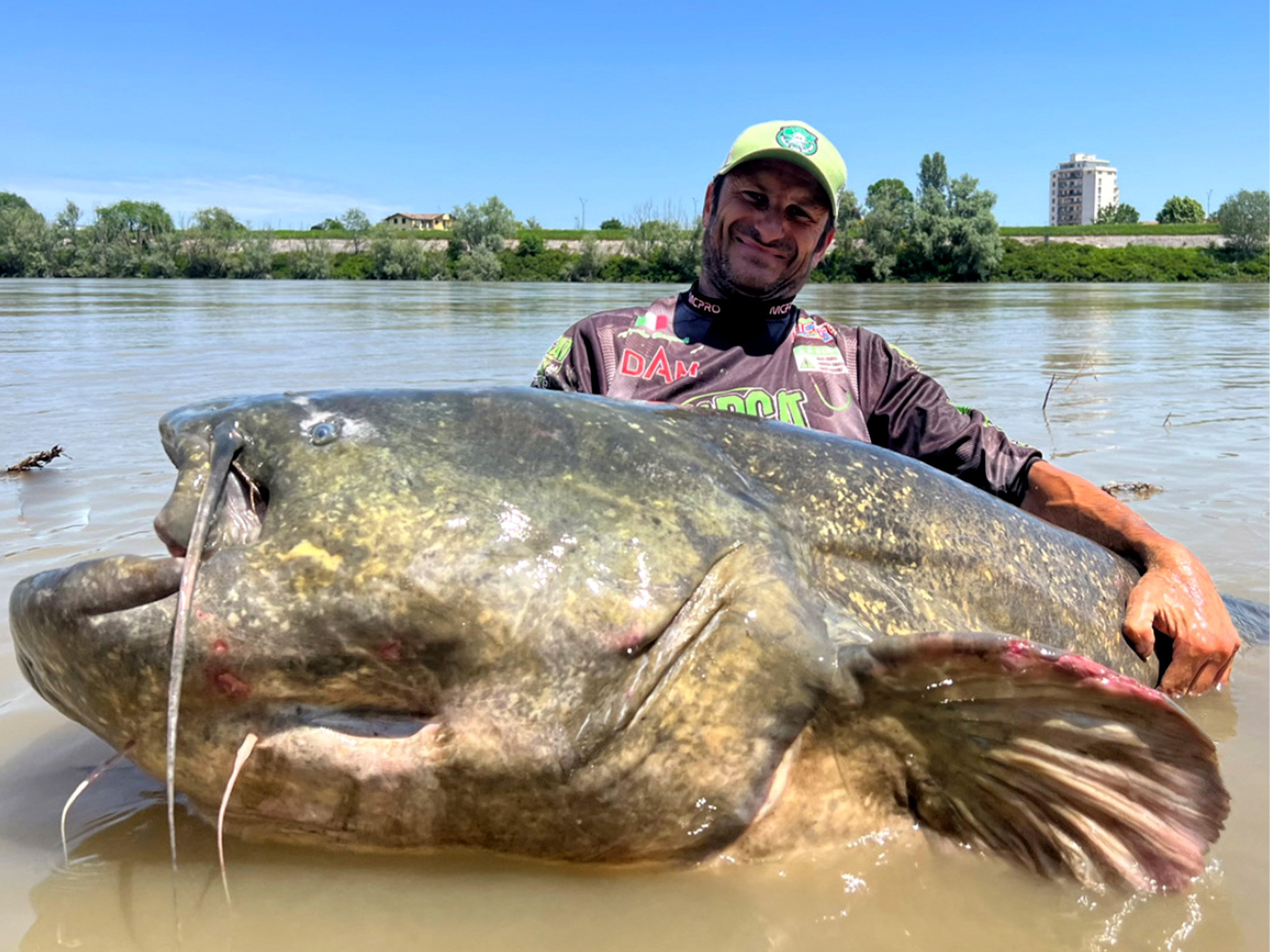
Fish are caught by presenting bait, lures, nets, traps, or hooks in places where fish feed, travel, or rest. The method depends on the species, water type, season, local rules, and the angler’s skill. A trout in a cold stream may take a small fly, while a catfish in a warm river may follow cut bait on the bottom. Commercial crews may use large nets, longlines, or traps to catch fish at scale.
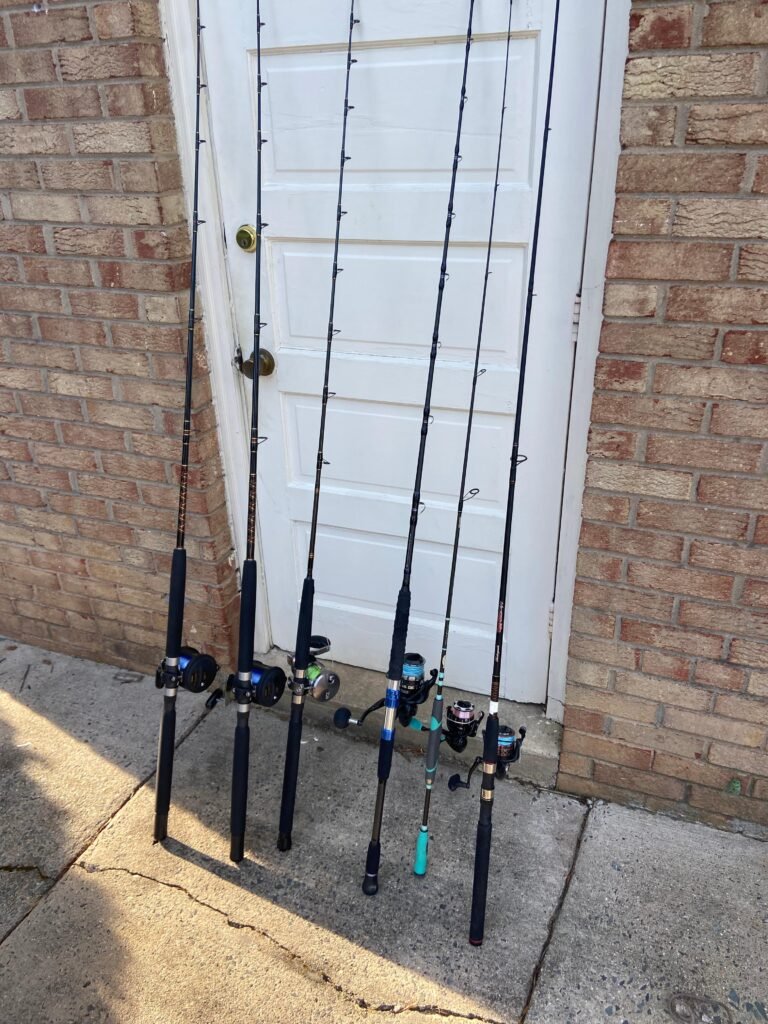
For most recreational anglers, fishing means using a rod, reel, line, hook, and bait or lure. The goal is to place that offering near fish, detect a bite, set the hook, fight the fish with steady pressure, and land it safely. Good results come from matching the method to the fish, not from buying the most costly gear.

The simple answer: fish are caught with bait, lures, nets, and traps
Fish are caught when a fishing method puts food, a food-like object, or a barrier in the fish’s path. Rod-and-reel fishing uses a hook hidden in bait or attached to a lure. Netting and trapping work by guiding fish into gear they cannot easily escape.
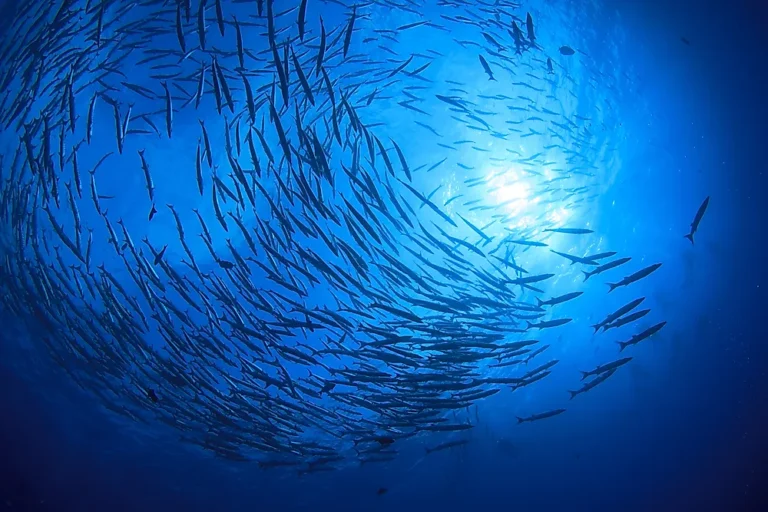
The main recreational methods are bait fishing, lure fishing, fly fishing, ice fishing, surf fishing, and fishing from a boat, kayak, shore, or pier. Commercial fishing uses wider gear, such as trawls, seines, gillnets, pots, and longlines.
How a hook catches a fish
A hook catches a fish when the point enters the mouth or another legal hooking area. With bait fishing, the fish often takes a natural food such as a worm, shrimp, minnow, or cut bait. With lure fishing, the angler moves a metal, plastic, wood, or rubber lure so it looks or feels like prey.
The angler must keep the line tight enough to feel the bite. A quick, controlled lift of the rod may set the hook, depending on the hook style and technique. Circle hooks work differently. They usually catch fish as the angler slowly tightens the line, so a hard hookset can pull the hook away.
How nets and traps catch fish
Nets catch fish by surrounding them, blocking their path, or holding them by the body. A cast net spreads over shallow baitfish. A seine net surrounds fish in a section of water. A gillnet catches fish when they try to swim through the mesh, though its use is tightly regulated in many areas.
Traps and pots use bait or a funnel-shaped entrance. Fish enter but have trouble finding the exit. Crab pots, lobster traps, minnow traps, and some commercial fish traps work this way. Regulations often control mesh size, trap design, markings, and the number of traps allowed.
Where fish are found before you choose a method
Fish gather where food, cover, oxygen, and safe water come together. Reading the water often matters more than changing lures. Look for current breaks, weed edges, drop-offs, rocks, submerged wood, docks, points, creek mouths, and shaded banks.
Water type also changes the best approach. Freshwater anglers may target bass, trout, catfish, panfish, or walleye. Saltwater anglers may fish for redfish, striped bass, snapper, flounder, or other coastal species from a beach, pier, boat, or kayak.

Freshwater lakes and ponds
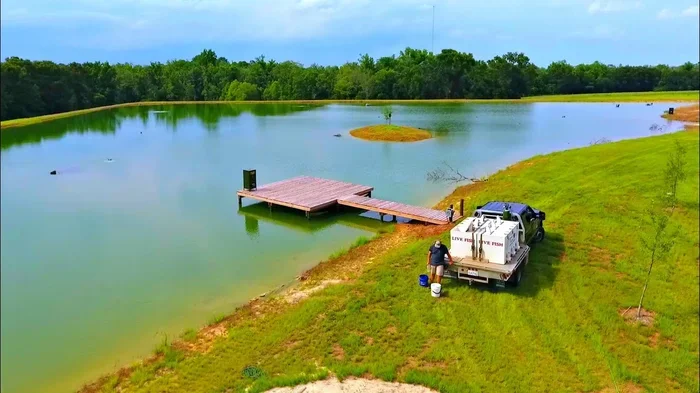
Lakes and ponds often hold fish near cover and changes in depth. Bass may sit beside weeds, logs, docks, or rocky banks. Panfish often feed near weeds, brush, or shallow spawning areas. Catfish may rest on the bottom near channels, holes, and current.
A spinning reel with 6- to 10-pound monofilament is a useful starting setup for many freshwater species. Beginners can use a small hook, split shot, and bobber with worms or small live bait. This rig is simple, affordable, and easy to watch.
Rivers and streams
Current pushes food downstream, so fish often face into the flow and wait for food to drift toward them. Trout may hold behind rocks, near deep pools, or along seams where fast and slow water meet. Catfish, smallmouth bass, and walleye may use deep bends, eddies, and current breaks.
Cast upstream or across the current, then allow the bait or lure to move naturally. Keep enough line control to detect a bite. Heavy sinkers can hold bait near the bottom, but too much weight may reduce sensitivity and snag more often.
Saltwater, surf, and piers
Saltwater fish can be powerful, and salt can damage reels, hooks, pliers, and line guides. Use gear rated for saltwater when possible. After each trip, rinse equipment with gentle fresh water, wipe it dry, and allow it to air out before storage.
Surf fishing often uses a longer rod, a strong leader, a pyramid sinker, and bait such as shrimp, squid, or cut fish. Pier anglers may use shorter rods and fish near pilings, current lines, or shaded water. Redfish and other coastal species may take soft plastics, spoons, jigs, live shrimp, or cut bait.
📜 Check Local Regulations: Before fishing, confirm the license rules, open seasons, size limits, bag limits, hook rules, bait restrictions, and protected species rules with your state wildlife agency or local fishery authority. Saltwater and freshwater rules can differ, even on the same trip.
The main ways recreational anglers catch fish
Recreational fishing methods fall into a few clear groups. Bait fishing relies on scent and natural movement. Lure fishing relies on motion, sound, flash, vibration, or shape. Fly fishing uses a weighted line to cast a light fly, while ice fishing uses short rods through holes in frozen water.
The right choice depends on your target species and comfort level. A first-time angler may find a spincast combo easier than a baitcaster. An experienced bass angler may prefer a baitcaster for accurate casts and heavier lures.

Bait fishing with hooks and bobbers
Bait fishing is often the easiest way to start. A basic setup uses a hook, line, and bait. Add a bobber when fish feed above the bottom. Add a sinker when the bait needs to reach deeper water.
Common bait includes worms, minnows, shrimp, crickets, leeches, dough bait, chicken liver, squid, and cut bait. Use bait that is legal in the water you fish. Some lakes ban live bait or require it to come from the same water to prevent the spread of invasive species.
Lure fishing with artificial presentations
Artificial lures imitate prey or trigger a reaction. Spoons flash like injured baitfish. Crankbaits wobble and dive. Jigs move with a hop or swim action. Soft plastics imitate worms, crawfish, minnows, frogs, and other prey.
Lure choice should match the fish and water. A small jig may work for panfish or crappie. A spinner or small spoon may suit trout. A plastic worm, crankbait, or topwater lure may suit bass. In saltwater, jigs, plugs, spoons, soft plastics, and live-bait rigs cover many situations.
Fly fishing with a weighted line
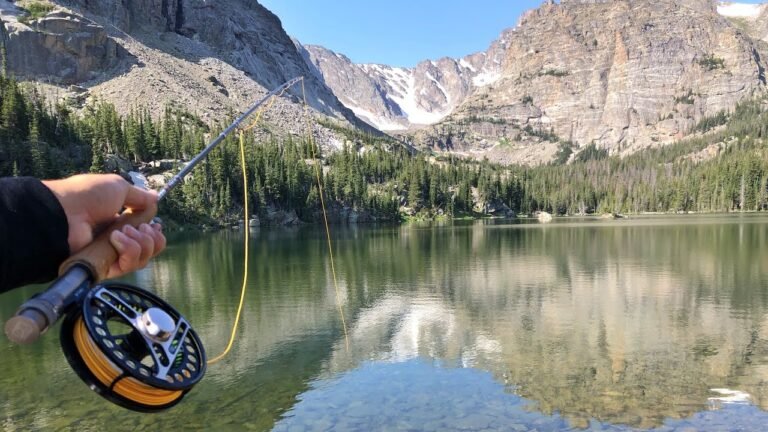
A fly rod casts the line, not the fly. The line carries enough weight to move a very light artificial fly. Flies may imitate insects, baitfish, leeches, shrimp, or small frogs.
Fly rods are rated by weight, such as 3-weight, 5-weight, or 8-weight. A 3- or 5-weight rod may suit trout and panfish. An 8-weight outfit is more suitable for larger bass, salmon, redfish, or other strong fish. Fly fishing has a learning curve, but many beginners enjoy learning it with a local instructor.
Ice fishing through drilled holes
Ice anglers drill a hole, clear away slush, and lower bait or a lure below the ice. Ice fishing rods are short, often about 24 to 36 inches, because long casts are not needed. Tip-ups use a flag to show movement, while jigging rods let the angler move a small lure by hand.
Ice safety comes first. Ice thickness can vary across one lake. Moving water, springs, pressure cracks, snow, and warm weather can weaken ice. Never judge safety by appearance alone.
⚠️ Safety Warning: Wear a properly fitted U.S. Coast Guard–approved life jacket when fishing from a boat, kayak, or other vessel. For ice fishing, check local ice reports, carry ice picks and a throw rope, avoid fishing alone, and tell someone your plan. A recognized boating or ice-safety course is a smart investment.
The gear that helps anglers catch fish
A fishing setup has several parts, and each part has a job. The rod casts and controls the fish. The reel stores and retrieves line. The line connects you to the hook, lure, or leader. Terminal tackle means the small end gear attached to the line, such as hooks, sinkers, swivels, snaps, and bobbers.
You do not need every item in a tackle shop. Beginners need a balanced setup. Experienced anglers may add specialized rods, reels, fish finders, landing nets, pliers, leaders, and lure boxes for specific species.

Rod power and action
Rod power is the rod’s strength. Ultralight, light, medium-light, medium, medium-heavy, and heavy are common ratings. Rod action describes where the rod bends. Fast-action rods bend near the tip, while moderate-action rods bend farther down the blank.
A 6- to 7-foot medium-light, fast-action spinning rod works well for many trout, panfish, bass, and walleye applications. A 6 1/2- to 7 1/2-foot medium-heavy rod may suit larger bass, heavier lures, and cover. Always match the rod to the lure weight and line range printed on the blank.
Reels for different anglers
Spinning reels are easy to cast and work well with light lures. They suit beginners, kids, trout anglers, panfish anglers, and many bass or inshore saltwater anglers. A 2000 or 2500 size is a common light freshwater choice, but size labels vary by brand.
Baitcasters offer accurate control and handle heavier lures well. They suit experienced anglers who want precise casts for bass, pike, or heavy cover. New users may face backlash, which happens when the spool spins faster than the lure pulls line.
Spincast combos use a covered reel and a push-button cast. They suit young anglers, casual shore fishing, and gift buyers who want a simple first setup. They are easy to learn, but they usually offer less control and line capacity than spinning or baitcasting reels.
Fishing line and leaders
Monofilament is flexible, affordable, and easy to tie. It floats and works well for bobbers, beginner rigs, and many general freshwater uses. Fluorocarbon is less visible underwater and sinks, so anglers often use it as a leader. It can be stiff and harder to knot.
Braided line has a thin diameter and high strength. It casts well and transmits vibration, but it can be more visible and may cut into fingers if handled carelessly. Many anglers pair braid with a fluorocarbon or monofilament leader.
| Fishing situation | Useful starting line | Why it works |
|---|---|---|
| Panfish and small trout | 2–6 lb monofilament | Soft, light, and easy to cast |
| General bass fishing | 8–15 lb mono or braid | Handles common lures and cover |
| Walleye and light inshore fishing | 8–15 lb braid with leader | Sensitive with good casting range |
| Catfish and heavy cover | 15–30 lb mono or braid | Adds strength around snags |
| Surf and larger saltwater fish | 20–50 lb braid with leader | Offers capacity and lifting power |
Use the table as a starting point, not a rule. Fish size, vegetation, rocks, current, lure weight, and local conditions can change the right line test.

Hooks, sinkers, bobbers, and swivels
Hook size is often described with numbers, but the system is not simple. In standard sizes, a size 8 hook is smaller than a size 2. In larger sizes, “1/0” is smaller than “4/0.” Use the smallest strong hook that fits the bait and fish.
Sinkers add weight and help bait reach a chosen depth. Split shot works for small rigs. Egg sinkers slide on the line for bottom fishing. Pyramid sinkers hold better in surf. Swivels can reduce line twist, but extra hardware may make a rig less natural.
Bobbers show a bite and suspend bait at a set depth. They help children and beginners learn, but they are not only beginner tools. Many skilled anglers use floats when fish feed above the bottom or when they need to keep bait away from weeds.
How anglers catch fish step by step
Successful fishing follows a simple chain: choose a legal place, find likely fish, select balanced gear, present bait or a lure, detect the bite, set the hook, and land the fish with care. Each link matters. A perfect lure cannot solve poor location or a damaged knot.
The steps below fit many freshwater and light saltwater situations. Strong fish, sharp teeth, heavy cover, surf, and boats may require specialized methods.

1. Learn the local rules
Buy the correct fishing license before fishing. Check whether the water has special rules for bait, hooks, lures, lead tackle, barbed hooks, live fish, or keep limits. Some areas require immediate release of certain species.
Rules can change by lake, river section, season, or species. Keep a digital or printed copy of the current regulations if you travel.
2. Pick a target and location
Choose one or two likely species. Then ask where those fish should be at that time. Look for food, cover, depth, shade, current, temperature changes, and signs such as baitfish or surface activity.
Shore anglers should focus on accessible structure. Kayak anglers can explore weed lines, points, and drop-offs, but they must watch wind and boat traffic. Boat anglers can use sonar or fish finders to locate depth changes and schools.
3. Match the tackle
Use light tackle for small fish and heavier tackle for strong fish or thick cover. Match the lure weight to the rod. Match the line test to the fish, structure, and drag setting.
The drag is the reel system that lets line leave under pressure. Set it smoothly. A drag that is too tight can break line or pull out a hook. A drag that is too loose may let fish reach weeds or cover.
4. Tie a sound knot
The improved clinch knot works for many monofilament and fluorocarbon connections. The Palomar knot is strong and useful with many lines, including braid. A double uni knot can connect two lines.
Wet fluorocarbon before tightening. Pull knots slowly and inspect them. Cut tag ends close, but leave enough room to prevent slippage. Replace line with nicks, curls, severe memory, or weak spots.
5. Present the bait or lure
Cast beyond the likely fish when possible. Retrieve at a speed that matches the lure. Pause, twitch, hop, drift, or change depth until the presentation looks natural.
For bait, keep the hook point exposed when legal and practical. Too much bait can hide the hook. For soft plastics, make sure the hook sits straight. A crooked lure may spin instead of swim.
6. Detect and set the bite
Watch the line, bobber, rod tip, and lure tension. A bite may feel like a tap, a steady pull, extra weight, or no weight at all. Do not set the hook at every small movement when using natural bait.
Use a firm lift or short sweep with standard hooks. With circle hooks, reel down and apply steady pressure. Avoid violent swings, especially with light line.
7. Fight the fish with steady pressure
Keep the rod bent but avoid extreme angles. Let the drag work. Move the fish away from logs, rocks, weeds, and boat propellers when possible.
Do not hold the rod high enough to form a sharp bend near the tip. This “high-stick” position can break a rod. Use side pressure when you need to steer a fish.
8. Land, release, or keep the fish legally
Use a landing net when a fish is large, the hook is difficult to reach, or the line is light. Wet your hands before touching a fish. Support its body, keep it out of the water for as little time as possible, and remove the hook with pliers.
If you keep fish, confirm the species, size, and bag limit before putting it on a stringer or in a cooler. Do not keep a fish you cannot identify.
🌿 Conservation Note: For catch and release, use barbless hooks where legal, wet your hands, avoid squeezing the gills, and take quick photos. Cut the line near deeply swallowed hooks when removal could cause more harm, unless local guidance says otherwise.
How methods compare for common fish
Different fish respond to different food sources and presentations. Species behavior changes with water temperature, light, depth, season, and fishing pressure. The table below gives practical starting points, not promises.
| Target fish | Common methods | Useful starting gear |
|---|---|---|
| Bass | Soft plastics, crankbaits, jigs, topwater lures | Medium spinning or baitcasting setup |
| Trout | Worms, spinners, small spoons, flies | Ultralight spinning or 3–5 weight fly rod |
| Catfish | Cut bait, worms, stink bait, live bait where legal | Medium-heavy rod, 15–30 lb line |
| Panfish | Worms, crickets, tiny jigs, small spinners | Light spinning or spincast combo |
| Walleye | Jigs, minnows, crankbaits, bottom rigs | Medium-light spinning setup |
| Redfish | Soft plastics, spoons, shrimp, cut bait | Medium inshore spinning setup |
| Surf species | Bait rigs, plugs, spoons, jigs | Long surf rod with braid and leader |
Species can overlap. Bass may take live bait, trout may take lures, and catfish may take artificial baits. Water conditions often decide what works best on a given day.

Bass fishing
Bass often use cover, changes in depth, and ambush points. Soft plastic worms, jigs, crankbaits, spinnerbaits, and topwater lures are common choices. A medium or medium-heavy rod works for many bass techniques.
A spinning reel is friendly for beginners and light plastics. A baitcaster gives experienced anglers better control with heavier lures and accurate casts near cover.
Trout fishing
Trout often feed on insects, small fish, worms, and drifting food. Small spinners, spoons, flies, and natural bait can all work where legal. Light line helps cast small offerings, but sharp rocks and trout teeth can still cause damage.
In streams, move quietly and avoid casting a large shadow over shallow water. In lakes, trout may suspend at a depth that changes with light and temperature.
Catfish fishing
Catfish use smell and taste as well as sight. Common baits include worms, cut fish, shrimp, chicken liver, and prepared bait. A bottom rig with a sinker can place bait near feeding fish.
Use enough rod power and line strength to move fish away from snags. A landing net helps with large catfish, especially from a bank or small boat.
Commercial fishing catches fish on a much larger scale
Commercial fishing uses gear designed to catch many fish efficiently. Crews choose equipment based on the target species, water depth, vessel, market, and regulations. These methods can provide food for large populations, but they also require careful management to reduce bycatch and habitat damage.
Bycatch means fish, birds, turtles, mammals, or other animals caught when they are not the target. Rules may require escape panels, circle hooks, gear changes, closed areas, or seasonal limits.

Trawls and seines
Trawls are nets pulled through the water or along the bottom by a vessel. Midwater trawls target fish in the water column. Bottom trawls operate near the seafloor and may affect habitat, depending on the gear and area.
Seines surround a school of fish. Purse seines close at the bottom, like a drawstring bag. Beach seines and other smaller seines may be used in shallow water where permitted.
Longlines and hook-and-line gear
Longlines use a main line with many branch lines and hooks. They can target tuna, swordfish, halibut, and other species. Bait, hook design, line depth, and timing affect what is caught.
Commercial hook-and-line systems can be selective, but lost gear can continue catching animals. Proper gear marking and recovery rules help reduce this problem.
Pots, traps, and weirs
Pots and traps are common for crab, lobster, shrimp, and some finfish. They often sit on the bottom and use bait. Escape vents can allow young or small animals to leave.
Weirs and fish wheels guide fish into holding areas. These systems are used in some rivers and coastal settings, with rules that vary by location.
The benefits and limits of common fishing methods
No fishing method is perfect for every person or fish. Bait fishing is simple but can create more deep-hooking with some species. Lure fishing allows active searching but requires practice. Nets can be efficient but may need permits and strict controls.
| Method | Main advantage | Main limitation |
|---|---|---|
| Bait fishing | Simple and effective for many species | Bait can spoil, attract unwanted fish, or cause deep hooking |
| Lure fishing | Lets anglers cover water and target active fish | Takes practice and may cost more over time |
| Fly fishing | Offers precise insect and prey imitation | Casting and gear choice have a learning curve |
| Net fishing | Covers more water at once | Often restricted and may catch unintended animals |
| Trapping | Can fish while the angler waits | Requires legal gear, marking, and regular checks |
| Spearfishing | Highly selective visual method | Needs training, breath control, and local permits |
The best method is the one that fits the fish, water, law, safety needs, and angler. A simple setup used well often beats a complex setup used poorly.

Which method suits each angler?
Beginners often do best with a 6- to 7-foot spinning or spincast combo, 6- to 10-pound monofilament, small hooks, split shot, a bobber, and legal bait. This setup is affordable and useful for panfish, trout, and small bass.
Kids need short, light gear that fits their hands. A spincast combo with a covered reel can reduce line tangles. Parents should supervise hooks, pliers, knives, water edges, and fish handling.
Experienced anglers may choose baitcasters, braided line, fluorocarbon leaders, fish finders, specialized rods, or multiple lure types. The upgrade should solve a clear problem, such as poor casting control, limited line capacity, weak drag, or difficult lure presentation.
Gift buyers should ask where the angler fishes and what species they target. A freshwater spinning combo is a safer gift than a heavy saltwater rod for someone whose fishing location is unknown.
👪 Parent or Gift-Buyer Note: A basic setup is often the best gift when it includes useful extras: a small tackle box, line cutters, pliers, polarized sunglasses, a landing net, and a license gift card. Avoid buying hooks or lures for a species you cannot confirm.
How much fishing gear costs
Fishing can cost very little or become a major hobby. Current prices range from low-cost spincast combos to specialized saltwater, fly, or tournament gear. Price does not replace balance, correct sizing, or practice.
| Budget level | Typical purchase | Best for |
|---|---|---|
| Under $50 | Basic spincast combo, small tackle box, simple terminal tackle | Kids, gifts, and casual pond fishing |
| $50–$150 | Better spinning combo, line, lures, pliers, net | Beginners and general freshwater anglers |
| $150–$400 | Specialized rod and reel, braid, leaders, quality lures | Regular anglers and species-focused setups |
| Over $400 | Premium reels, fly outfits, saltwater gear, sonar | Experienced anglers with specific needs |
Prices vary by brand, sales, materials, and included parts. Check the current product listing for exact specifications, warranty terms, line capacity, drag rating, and saltwater use.

Where beginners should spend money
Spend first on a suitable rod and reel, fresh line, sharp hooks, and a reliable knot tool or pair of pliers. A smooth drag and comfortable handle matter more than a high bearing count.
For saltwater, corrosion resistance and cleaning habits matter. Stainless components, sealed bearings, aluminum frames, and saltwater-rated designs may help, but no reel is maintenance-free.
What experienced anglers may upgrade
Experienced anglers often upgrade for better casting control, lower weight, smoother drag, stronger gears, greater line capacity, or improved balance. A reel that weighs 7 ounces may feel very different from one that weighs 11 ounces during a long day.
Choose the upgrade for a clear use. A high-speed gear ratio may help burn a spinnerbait or pick up slack, while a lower ratio can offer more power for deep crankbaits or heavy loads.
Common mistakes that stop anglers from catching fish
Many fishing problems come from simple mismatches. The hook may be too large, the bait may be too far from the fish, the line may be damaged, or the angler may move the lure too fast. Fixing one small detail can improve the entire presentation.

| Problem | Likely cause | Practical fix |
|---|---|---|
| No bites | Wrong depth or location | Change depth, move, or fish near cover |
| Line breaks | Nicked line or tight drag | Retie, replace damaged line, loosen drag |
| Lure spins | Soft plastic is crooked | Re-rig it straight |
| Frequent snags | Too much bottom contact | Use less weight or change angle |
| Backlash | Spool spins too fast | Adjust brakes, spool tension, and cast smoothly |
| Fish steals bait | Hook is too large or exposed poorly | Use a smaller hook and fresh bait |
| Deep-hooked fish | Delayed hookset with bait | Watch the line and follow local hook rules |
The most common beginner mistake is changing lures too often without changing location or depth. Fish may be nearby but feeding below or above the bait.
How to care for fishing gear
Clean gear lasts longer and performs better. Rinse saltwater equipment with gentle fresh water after every trip. Do not blast water into reel bearings, drag systems, or electrical parts because high pressure can push salt and grit deeper.
Dry rods before placing them in a case. Store reels with the drag loosened, unless the manufacturer gives different instructions. Keep hooks dry and replace rusty or dull hooks.

A basic gear-care checklist
- Inspect line for nicks, flat spots, and frays.
- Check knots before each trip.
- Rinse saltwater rods, reels, pliers, and lures.
- Dry tackle before sealing it in a box.
- Oil or grease reels according to the manual.
- Replace bent hooks and damaged split rings.
- Store rods away from heat and direct sun.
- Keep braided line clean and free of grit.
- Remove old bait from tackle boxes.
- Dispose of used line in a recycling container when available.
Do not leave wet waders, life jackets, or PFDs in a closed vehicle. Dry them fully to reduce mildew. Inspect wader seams, boots, buckles, and belts before entering moving water.
Ethical fishing protects fish and places
Fishing works best when anglers care for the water. Keep only legal fish that you plan to eat. Release unwanted fish quickly and gently. Never leave line, bait containers, hooks, or soft plastics on the bank.
Use polarized sunglasses to reduce glare and see shallow hazards. Wear sun protection, drink water, and take breaks in heat. On a kayak, keep gear secured and wear a properly fitted PFD at all times.

Responsible handling and release
Wet your hands before touching fish. Keep the fish over the water when possible. Avoid putting fingers into the gills unless the species and situation require a trained grip.
Use a landing net with soft, fish-friendly mesh. Measure fish quickly on a wet measuring board. If a photo is needed, support the fish with two hands and return it to the water without tossing it.
Protecting the water
Do not move live fish, bait, plants, or water between lakes and rivers unless local rules allow it. Drain water from boats, kayaks, live wells, and coolers. Clean mud from boots and waders to reduce invasive species spread.
Collect cut line and old hooks. Birds and wildlife can become trapped in discarded fishing line. Small actions at the end of a trip protect the same waters anglers hope to fish again.
Frequently asked questions about catching fish
Q: What is the easiest way for a beginner to catch fish?
A spinning or spincast combo with 6- to 10-pound monofilament, a small hook, split shot, bobber, and legal worm bait is a simple choice. Fish near cover, watch the bobber, and check local rules first.
Q: Is bait or a lure better for catching fish?
Neither is always better. Bait uses scent and natural movement, while lures let you cover water and search for active fish. Bait often suits beginners, panfish, catfish, and many trout situations. Lures suit anglers who want to move and explore.
Q: What is the best rod for beginners?
A 6- to 7-foot medium-light or medium spinning rod is a useful general choice. It can handle many panfish, trout, bass, and walleye situations. A short spincast rod may be easier for young children.
Q: How do fish find bait?
Fish use sight, smell, taste, vibration, pressure changes, and sound. Clear water may favor natural-looking presentations. Murky water may make scent, vibration, flash, or noise more useful.
Q: How do you know when a fish bites?
Watch for a moving bobber, a twitching rod tip, a sudden loss of weight, a steady pull, or line movement. Some bites feel like a tap. Others feel like the lure has touched weeds or the bottom.
Q: Should you set the hook hard?
Usually, use a firm lift or sweep rather than a violent jerk. Light line and small hooks can break or tear free. With circle hooks, reel steadily and let the hook turn into the fish.
Q: Can you catch fish without a boat?
Yes. Shore fishing, pier fishing, surf fishing, wading, and kayak fishing can all work. Shore anglers should look for points, current breaks, deep water, docks, weed edges, and access to food-rich areas.
Q: How long does fishing line last?
Line life depends on use, sunlight, heat, abrasion, and storage. Replace monofilament when it becomes brittle, heavily curled, cloudy, or nicked. Check braid for frays and flat spots. Fluorocarbon leaders should be replaced after serious abrasion.
Q: Is a fish finder necessary?
No. A fish finder can show depth, bottom shape, and sometimes fish marks, but it does not replace knowledge of the water. It helps most boat and kayak anglers who need to locate structure or depth changes.
Q: What should you do if a fish swallows the hook?
Do not pull hard. If the hook is deep, cutting the line close to the mouth may cause less harm than trying to remove it. Follow local agency guidance, especially for protected species and catch-and-release fish.
Q: Are nets legal for recreational fishing?
It depends on the location and net type. Cast nets, seines, gillnets, and traps often have separate rules. Check your state wildlife agency or local fishery authority before using any net or trap.
Q: What is the difference between fishing and commercial fishing?
Recreational fishing usually targets a small number of fish for personal use or release. Commercial fishing uses vessels and gear designed to catch fish for sale. Commercial methods include trawls, seines, longlines, and pots.
Q: How can children fish safely?
Use a short, light rod and a covered spincast reel. Keep children close to an adult around water, hooks, knives, and slippery banks. Everyone in a boat or kayak should wear a properly fitted U.S. Coast Guard–approved PFD.
Final thoughts on how fish are caught
Fish are caught by matching a legal method to the fish, water, season, and conditions. A hook and worm under a bobber can catch panfish. A jig can find walleye. A fly can imitate a drifting insect. A net or trap can catch fish at a larger scale, but those tools often have stricter rules.
Start with balanced gear, fresh line, sharp hooks, and a simple presentation. Learn to read depth, cover, current, and food sources. Handle fish with care, protect the water, and check local regulations before every trip. The best fishing method is not always the most expensive one; it is the method you understand, use safely, and can adjust when the water changes.