How To Fish For Kids: Easy Beginner Guide
Fishing is one of the best ways to help a child enjoy the outdoors. It teaches patience, care, and focus without feeling like a lesson. A quiet bank, a bobber on the water, and the first small fish can create a memory that lasts for years.
The best way to fish with kids is to keep the first trip short, simple, safe, and fun. Use easy gear, fish for common species such as panfish, and choose a place with shade, restrooms, and firm ground. Success does not need to mean catching a large fish. A cast, a bite, or a close look at a minnow can make the day special.
This guide explains how to fish for kids, how to choose a first rod, how to rig it, where to go, and how to keep children safe. It also covers costs, bait, basic knots, fish handling, fishing licenses, and common mistakes that can turn a fun trip into a hard one.

The easiest way to start fishing with kids
The easiest setup for most children is a 4- to 6-foot spincast combo with a small bobber, a size 6 to 10 hook, and 4- to 8-pound monofilament line. Fish from shore for panfish, such as bluegill, perch, or crappie. Use worms, crickets, or small pieces of soft bait.
Spincast reels have a covered spool and a simple push-button cast. They are easier for young beginners than baitcasters. A light spinning reel also works well for older children who can manage line control.
Keep the first trip to 60–90 minutes. Stop while the child is still having fun. This simple rule often matters more than the rod, bait, or fishing spot.

Quick answer
To teach a child to fish, choose a safe shore spot, use a short spincast rod, tie on a small hook, and fish with a bobber and live bait. Target easy fish such as bluegill or perch. Teach one skill at a time, watch hooks closely, follow local rules, and let the child help with casting, bait, and fish care.
Match the trip to the child
Children do not all learn or fish in the same way. Age matters, but attention span, comfort near water, hand size, and past outdoor experience matter too. A gift buyer should ask what the child enjoys before choosing gear.
A child who likes action may enjoy panfish and a small bobber. An older child who likes gear may enjoy a spinning reel, soft plastics, or learning to tie knots. A teen who wants bass, trout, or saltwater fish may need a more capable setup and a longer trip.
Fishing options by age and interest
The table below gives a starting point. It is not a strict rule. Many children can use advanced gear with patient help, while some older beginners prefer very simple equipment.
| Child or angler | Good starting choice | Best target and setting |
|---|---|---|
| Ages 3–5 | Short toy-style rod for practice, or a 3–4 foot spincast combo | Bluegill at a calm, shallow pond |
| Ages 6–9 | 4–6 foot spincast combo | Panfish from a dock, bank, or pier |
| Ages 9–12 | 5–6 foot light spinning combo | Panfish, trout, perch, or small bass |
| Teens | 6–7 foot light or medium-light spinning rod | Bass, trout, walleye, catfish, or inshore fish |
| Experienced young angler | Species-specific spinning, fly, or baitcasting setup | Local freshwater or saltwater targets |
For very young children, the goal is comfort and curiosity. They may spend more time looking at insects, throwing pebbles, or watching ducks than holding a rod. That is normal. The trip still counts.
Gift buyers should avoid buying a large bass rod for a small child. A 7-foot medium-heavy rod may be useful for an older bass angler, but it can feel heavy and hard to control for a beginner.

The best first species
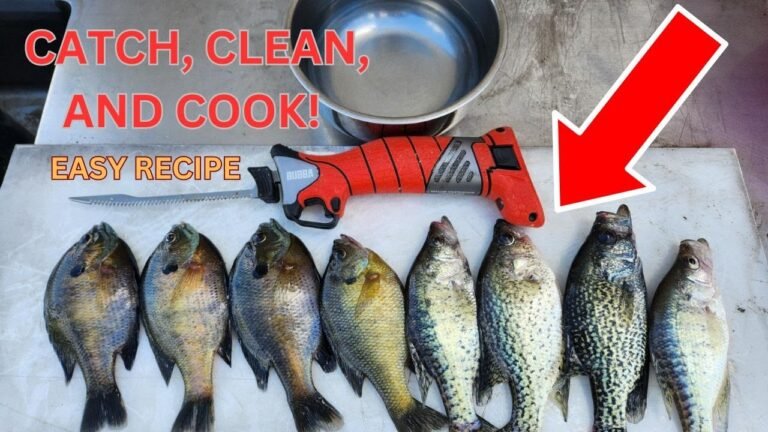
Panfish are often the best first target because they live in many ponds, lakes, canals, and slow rivers. Bluegill, sunfish, perch, and crappie often respond to small bait below a bobber.
Trout can also be excellent for children when a stocked pond or stream is nearby. Trout may need lighter line, smaller hooks, and more careful handling. Bass are exciting, but they can take more time to find.
Catfish can work well for patient children. Use stronger line and a secure hook setup. Redfish and other saltwater species are possible from a pier or shoreline, but saltwater adds wind, current, larger fish, and corrosion concerns.
Choose a simple rod and reel
A first fishing rod should fit the child’s hands and strength. Length, power, and action all affect control.
Rod power describes how much force it takes to bend the rod. Ultralight and light rods bend with small fish. Medium rods handle larger fish. Rod action describes where the rod bends. A fast-action rod bends near the tip, while a moderate-action rod bends farther down the blank.
For most children, a light or medium-light rod is a useful middle ground. A fiberglass or composite rod can survive rough handling better than a very light graphite rod. Graphite is lighter and more sensitive, but it can crack if slammed in a car door or bent at a sharp angle.
Rod and line pairing
Use the following pairings as general starting points. Check the rod maker’s line and lure ratings before spooling.
| Fishing goal | Rod and reel setup | Line suggestion |
|---|---|---|
| Small panfish | 4–6 foot light spincast combo | 4–6 pound monofilament |
| Trout and perch | 5–6 foot ultralight or light spinning combo | 2–6 pound monofilament |
| Small bass | 6–7 foot medium-light spinning combo | 6–10 pound monofilament or braid with leader |
| Catfish | 6–7 foot medium spinning combo | 10–15 pound monofilament |
| Inshore saltwater | 6–7 foot medium spinning combo | 10–20 pound braid with a fluorocarbon leader |
Monofilament is stretchy, inexpensive, and easy to tie. It is usually the best first line for kids. Braided line is thin and strong, but it can tangle more easily and may cut skin under tension. Fluorocarbon is less visible underwater and resists abrasion, but it is stiffer and harder for beginners to knot.
Spincast versus spinning reels
The main difference between a spincast reel and a spinning reel is how the line comes off the spool. A spincast reel uses a cover and push button. A spinning reel has an open spool and a bail that must be opened before casting.
Spincast combos are usually best for young children and first-time anglers. Spinning reels are better for older children who want longer casts, lighter lures, or more control. A spinning reel also gives more room to grow.
Baitcasters are not the best first reel for most kids. They can create backlash, which is a tangled pile of line caused by the spool turning faster than the lure. Baitcasters become useful for experienced anglers who want precise casts for bass or heavier lures.
Fly rods suit children who enjoy casting practice and stream fishing. They require more space and instruction. Telescopic rods are easy to pack, but low-cost models may have guides or sections that fail sooner than a standard two-piece rod.
Build a basic kid-friendly tackle kit
Children do not need a large tackle box. A small container with a few useful items is easier to carry and less likely to become a mess.
Terminal tackle means the small gear tied to the end of the line. It includes hooks, sinkers, bobbers, swivels, and leaders. Keep spare terminal tackle in separate bags or labeled boxes.
Simple gear checklist
A practical first kit can include:
- One 4- to 6-foot spincast or light spinning combo
- One spool of 4- to 8-pound monofilament
- Small bobbers
- Split-shot sinkers
- Size 6, 8, and 10 hooks
- Live bait container
- Small tackle box
- Needle-nose pliers or hook removers
- Small landing net
- Hand towel
- Polarized sunglasses
- Sunscreen and insect repellent
- Water and snacks
- First-aid supplies
- A trash bag for line and bait containers
A landing net helps children bring fish to shore without lifting the fish by the line. Pliers help remove hooks. Do not let a child use pliers, a knife, or a hook alone until an adult has taught safe handling.
Gear by budget
Current pricing ranges from low-cost starter kits to more durable setups that can serve a child for several seasons. Prices vary by brand, local store, and included tackle, so check the latest listing.
| Budget | What it can include | Best for |
|---|---|---|
| Under $30 | Basic spincast combo, line, and simple tackle | First trip or very young child |
| $30–$75 | Better spincast or light spinning combo, tackle box, net | Regular family fishing |
| $75–$150 | Quality spinning combo, polarized glasses, tools, and storage | Older child or serious beginner |
| Over $150 | Species-specific gear, fly setup, saltwater combo, or premium accessories | Experienced young angler |
A low-cost setup can be a smart choice for a first trip. Children may outgrow a rod, lose interest, or damage gear. Spending more makes sense when the child already enjoys fishing and needs better balance, smoother drag, or more durability.

Prepare the rod before leaving home
Preparation removes stress at the water. Tie the hook at home, test the reel, and practice casting in a yard with a rubber practice plug. Use no hook during practice.
A fishing reel’s drag is the adjustable system that lets line leave the spool when a fish pulls. Set it so the line comes out with steady pressure. A locked drag can break light line. A very loose drag can make hook setting difficult.
How to rig a bobber setup
- Thread the line through the rod guides.
- Attach a small bobber to the line.
- Tie on a size 6–10 hook with an improved clinch knot.
- Add one or two small split-shot sinkers 6–12 inches above the hook.
- Place a small piece of worm on the hook.
- Set the bobber 2–4 feet above the hook.
- Check that the hook point is exposed.
- Cast into open water near weeds, shade, docks, or gentle depth changes.
The bobber shows when a fish pulls the bait down. Tell the child to watch the bobber and wait until it moves under or slides away. Then lift the rod smoothly instead of making a hard snap.
For small fish, use only enough bait to cover the hook. A large ball of worm can hide the point and make hook removal harder.

Three easy knots to learn
The improved clinch knot is a good first knot for hooks and swivels. It works well with monofilament and light fluorocarbon.
The Palomar knot is strong and simple with braided line. It needs the line to pass through the hook eye twice, so it may not fit every small hook.
A loop knot lets some lures move more freely. It is useful for small jigs and artificial lures, but it takes more practice.
Teach one knot at a time. A child does not need to learn every knot on the first day.
Choose a safe and comfortable fishing spot
The right location can make or break a family fishing trip. Look for calm water, clear access, shade, a flat bank, and a place to sit. Public ponds, stocked lakes, parks, docks, and managed piers often work well.
Avoid steep banks, fast current, slippery rocks, heavy boat traffic, and areas with thick brush behind the caster. A child needs room to move the rod without catching a hook in a person or tree.
Shore and pier fishing are often easier than kayak fishing for beginners. A kayak adds balance, paddle control, wind, and storage issues. If you use a kayak, choose a stable model with a suitable weight capacity and require a U.S. Coast Guard–approved personal flotation device, or PFD, for every child.
Match location to fish and comfort
| Location | Good target | Main challenge |
|---|---|---|
| Small pond | Bluegill, bass, catfish | Weeds, muddy banks, insects |
| Lake shore | Panfish, bass, trout | Long casts and changing depth |
| Stream | Trout, small bass, sunfish | Slippery rocks and current |
| Pier | Perch, snapper, redfish, mackerel | Hooks, railings, tides, crowds |
| Surf beach | Croaker, perch, redfish | Waves, heavy sinkers, wind |
| Ice hut or safe ice area | Perch, walleye, trout | Cold, thin ice, short daylight |
The best location for children is not always the place with the largest fish. It is the place where they can sit, cast, see the line, and stay warm or cool.

⚠️ Safety Warning: Water can be dangerous even when it looks calm. Keep children within arm’s reach near deep water, wear a properly fitted U.S. Coast Guard–approved PFD when boating or fishing from a kayak, and check weather before leaving. Tell another adult where you are going and when you plan to return.
Teach casting in small steps
Casting should feel like a game, not a test. Start with a rubber plug in an open yard. Place a bucket 10–15 feet away and let the child aim at it.
With a spincast reel, press and hold the button, point the rod toward the target, and move the rod forward. Release the button when the rod points at the target. A smooth motion works better than a hard throw.
For a spinning reel, open the bail, hold the line against the rod with one finger, swing the rod forward, and release the line. Teach the child to close the bail by hand after the cast when possible. This reduces wear and helps prevent loose line loops.
Fix common casting problems
If the lure lands too close, release the button or line later. If it goes too far, release sooner or use less force. If the line tangles, stop pulling hard. Place the rod down, open the bail or reel cover, and remove the loose loops slowly.
Keep hooks covered during movement. Use a practice plug with a soft rubber cap or no hooks at all. Children should never swing a loaded rod near another person.
👪 Parent or Gift-Buyer Note: Buy a rod that feels light in the child’s hands. A balanced 5-foot rod often works better than a longer rod with more casting distance. A comfortable setup encourages practice; a heavy setup becomes a chore.

Use bait and lures that give kids a chance
Live bait is often the simplest choice for children. Worms, crickets, minnows, and shrimp can attract several species. Store bait in a cool container and follow local rules on bait collection and transport.
Small lures can work well when a child wants to cast often. Inline spinners, small jigs, soft plastics, and tiny crankbaits are common choices. Lures with single hooks are easier to remove than lures with multiple treble hooks.
Never leave a hook fully covered by bait. A hidden hook can lead to deep hooking and a harder release. Barbless hooks are easier to remove and may be required in some waters.
Bait and lure choices
| Choice | Good use | Limits |
|---|---|---|
| Worms | Bluegill, perch, catfish, trout | Can attract small fish and create mess |
| Crickets | Bluegill and sunfish | Need a ventilated container |
| Minnows | Crappie, bass, walleye, larger perch | May require special rules or aeration |
| Small soft plastics | Panfish and bass | Need more casting skill |
| Inline spinners | Trout and small bass | Treble hooks can be hard to remove |
| Small jigs | Crappie, perch, trout, panfish | Often need active jigging |
Let the child choose between two safe options. Too many choices can slow the trip. A worm below a bobber is a strong first plan.

Help a child land and handle a fish
When the bobber moves, stay calm. Tell the child to lift the rod and reel slowly. Do not tell them to jerk hard unless the hook and species require it.
Keep the rod tip up and let the drag work. Adults can help guide the fish away from weeds or rocks. Use a landing net when possible, especially with larger fish or from a pier.
Wet your hands before touching a fish. This helps protect its slime coat. Support the fish with two hands if it is large. Keep it out of water for only a few seconds when taking a quick photo.
Catch-and-release steps
- Wet your hands.
- Keep the fish close to the water.
- Use pliers or a hook remover.
- Avoid squeezing the belly or touching the gills.
- Remove the hook quickly.
- Take one fast photo if allowed and needed.
- Hold the fish facing into gentle moving water when suitable.
- Release it only after it swims away on its own.
Some fish have sharp teeth, spines, or hard mouths. An adult should handle catfish spines, bass hooks, trout, and saltwater fish until the child learns safe technique.
🌿 Conservation Note: Pick up discarded line, bait containers, and hooks. Never leave monofilament near water. It can injure birds, turtles, fish, and other wildlife.

Keep children safe around hooks, sun, and cold
Hooks cause many fishing injuries. Most happen during casting, baiting, or removing a snag. Make a simple rule: everyone looks behind them before casting.
Wear polarized sunglasses. They reduce glare and can help adults see the line and protect children’s eyes from hooks. A hat with a brim adds more protection.
Use sunscreen, drinking water, and light clothing in hot weather. In cold weather, dress in layers and bring dry clothes. Children lose heat faster than adults.
Safety problems and simple fixes
| Risk | Why it happens | Better practice |
|---|---|---|
| Hook in skin | Poor casting or loose hooks | Use a casting zone and barbless hooks |
| Sunburn | Long time near reflective water | Use sunscreen, hats, shade, and breaks |
| Dehydration | Excitement hides thirst | Offer water every 15–20 minutes |
| Slips and falls | Wet rocks or steep banks | Choose flat access and wear proper shoes |
| Cold stress | Wind and wet clothing | Layer clothing and leave early if needed |
| Lost child | Crowds or poor sight lines | Set boundaries and use a buddy system |
| Boat accident | No PFD or unsafe movement | Wear PFDs and follow boating rules |
Ice fishing needs extra care. Never assume ice is safe because another person is on it. Check local ice reports, measure ice often, avoid moving water, and take an ice-safety course before bringing a child. A PFD designed for boating is not a substitute for proper cold-weather ice safety.
Know the rules before you fish
Fishing laws vary by state, county, water, species, and season. Many states require adults to buy a fishing license. Some states have youth exemptions, but the rules differ.
Check the state or local wildlife agency before the trip. Confirm size limits, bag limits, closed seasons, bait restrictions, hook rules, lead restrictions, and whether the location allows fishing. Rules can differ between two lakes only a few miles apart.
📜 Check Local Regulations: Confirm the fishing license rules for the adult and child, even if the child is young. Also check whether live bait, treble hooks, barbed hooks, lead sinkers, or keeping fish are restricted in that water.
If you keep fish, follow cleaning and storage rules. If you release fish, handle them gently and return them quickly. Do not keep a fish just because it is the only one caught unless local rules and your family’s plan support it.

Make the first trip work
A good first trip has a simple plan and a backup plan. Pick one location, one rig, and one target group. Pack snacks and leave before the child becomes tired.
Arrive early enough to set up without rushing. Let the child hold the rod, choose a bait color, or place the bobber under supervision. Small jobs create ownership.
Use short activity blocks. Fish for 15 minutes, take a snack break, look for insects, then try again. The day does not need to be eight hours long.
A simple 90-minute plan
- First 10 minutes: Put on sunscreen, review safety rules, and show the casting area.
- Next 15 minutes: Practice casting with a rubber plug or unbaited hook.
- Next 30 minutes: Fish a worm below a bobber.
- Next 10 minutes: Take a break, drink water, and check the bait.
- Next 20 minutes: Try a new spot or small lure.
- Final 5 minutes: Pick up line, pack gear, and talk about the best part.
Do not judge the trip only by fish caught. A child who learns to cast, sees a turtle, or helps release a bluegill has still gained outdoor experience.
Avoid the mistakes that end family trips
The most common mistake is bringing too much gear. A large tackle box can distract from the simple task of watching a bobber. Carry only what you need.
Another mistake is fishing too long. Adults may want to stay until sunset, but young children may be hungry, wet, or bored long before then. End on a good moment.
Trying for difficult species too soon can also cause frustration. Bass fishing with artificial lures, fly fishing, surf fishing, and kayak fishing all have value, but they often need more skill than a first shore trip.
Pros and cons of common starter choices
| Starter choice | Pros | Cons |
|---|---|---|
| Spincast combo | Easy cast, low cost, simple for small hands | Less control and may wear sooner |
| Light spinning combo | Room to grow, good distance, flexible | Needs more line-control skill |
| Live bait | Simple, works for many species | Messy and may be regulated |
| Artificial lures | Clean, reusable, active fishing | Needs more casting and fish-finding skill |
| Fiberglass rod | Tough and forgiving | Heavier and less sensitive |
| Graphite rod | Light and sensitive | Can crack from impact or high bends |
The right choice depends on the child, species, water, and budget. There is no prize for starting with the most advanced gear.

Care for the gear after each trip
Gear care helps a child learn responsibility and protects the family budget. Rinse dirt from the rod and reel, dry the handles, and loosen the drag before storage.
Freshwater gear needs less cleaning than saltwater gear, but it still needs care. Saltwater can damage stainless parts, aluminum frames, line guides, and reel bearings. Rinse saltwater rods and reels with gentle fresh water. Do not use a high-pressure spray that forces salt deeper into the reel.
Remove wet bait, worms, and food from the tackle box. Dry hooks before storing them. Replace rusty hooks instead of trusting them with a fish.
Basic maintenance schedule
| When | Task | Why it helps |
|---|---|---|
| After every trip | Wipe rod, dry reel, remove bait and trash | Prevents grime and odor |
| After saltwater use | Lightly rinse, dry, and inspect | Reduces corrosion |
| Monthly during use | Check guides, line, knots, and drag | Finds wear before failure |
| Before storage | Loosen drag and remove excess line | Protects reel parts |
| Before next trip | Test cast and inspect hooks | Prevents avoidable problems |
Signs it is time to replace line include flat spots, severe memory, nicks, discoloration, and repeated knots. Replace damaged guides, cracked rod sections, bent hooks, and reels that grind after cleaning.

Know when to ask a local tackle shop
A local tackle shop can match gear to the water near you. Bring the child’s age, height, target species, and budget. Ask whether a 5-foot light spinning combo or a 6-foot medium-light setup makes more sense.
Shop staff can also show how to spool a reel, tie an improved clinch knot, set drag, and choose hook sizes. This is especially useful for trout streams, surf fishing, redfish, walleye lakes, and waters with special regulations.
Experienced anglers may want to compare reel gear ratio, drag quality, line capacity, corrosion resistance, and bearing design. A faster gear ratio picks up line more quickly, while a lower ratio can offer more cranking power. For a child’s first trip, ease of use matters more than a high bearing count.
Ask about return policies and replacement parts. A rod tip or spincast cover may be easy to replace. A damaged low-cost reel may cost less to replace than to repair.

Answering common questions about fishing for kids
What is the best age to start fishing?
There is no single best age. Some children enjoy holding a rod at age three, while others are ready at age seven or later. Start when the child can follow a simple safety rule and stay near an adult.
What is the best fishing rod for a child?
A 4- to 6-foot spincast combo is usually the easiest first choice. Choose a light or medium-light rod for panfish and small trout. Older children who want more control may prefer a 5- to 7-foot spinning combo.
Should a child use a spinning reel or spincast reel?
A spincast reel is easier for most young beginners because it uses a push button. A spinning reel gives older children better casting range and more room to grow. Baitcasters are usually better after the child has casting experience.
What line should I use for a child’s fishing rod?
Use 4- to 8-pound monofilament for most freshwater panfish and beginner setups. It is affordable, flexible, and easy to knot. Use heavier line for catfish, larger bass, or saltwater fish when local conditions require it.
What bait catches fish for kids?
Worms are a common first bait for bluegill, perch, trout, and other panfish. Crickets, minnows, shrimp, and small soft plastics also work in the right water. Check local bait rules before collecting or buying live bait.
How long should a child’s first fishing trip last?
Plan for 60–90 minutes. Some children will want more time, but a short, positive trip is better than staying until the child is tired or upset. Bring snacks and leave while the mood is still good.
Is a fishing license needed for a child?
It depends on the state, age, water, and species. Some states exempt young anglers, while others have special youth licenses. Check the current rules with your state wildlife agency before fishing.
Should kids touch fish?
Children can touch fish with wet hands and adult help. Keep the fish close to the water, avoid the gills and eyes, and limit air exposure. Use pliers or a hook remover for safe hook removal.
Is kayak fishing safe for children?
It can be safe with the right training, calm weather, and a stable kayak. Every child should wear a properly fitted U.S. Coast Guard–approved PFD. Start close to shore and avoid wind, current, cold water, and boat traffic.
What should I do if a child gets a hook in the skin?
Stop fishing and keep the child calm. Do not pull a deeply embedded hook through tissue without medical advice. For a hook near the eye, face, hand joint, or deep tissue, seek professional medical care.
How do I teach a child to cast?
Use a rubber practice plug first. Teach the child to look behind them, point the rod, make a smooth forward motion, and release the line or button at the target. Practice for a few minutes at a time.
What is the best first fish for a child?
Bluegill and other panfish are often good first targets because they are common and respond to simple bait. Trout, perch, and small catfish can also work. The best fish depends on the local water and season.
How do I store a child’s fishing gear?
Rinse and dry gear after use. Remove old bait, dry hooks, wipe the rod, loosen the reel drag, and store the combo in a cool, dry place. Keep hooks and tools away from young children when not supervised.
Are toy fishing rods good for real fishing?
Some toy rods are useful for pretend play or very young children. Many are not designed for repeated use with real fish. For actual fishing, choose a properly sized spincast or spinning combo with a working drag.
Can kids go fly fishing?
Yes, if they enjoy practice and have enough open space. Start with short casting lessons and a simple fly rod. A local guide or fly shop can teach safe casting and help prevent hook injuries.
Make fishing about the memory
Teaching a child to fish is not about building a perfect cast on the first day. It is about giving the child a safe place to try, fail, laugh, and try again. The rod can be inexpensive. The bait can be simple. The fish can be small.
Start with a short trip, a simple bobber rig, and a comfortable place near home. Bring water, snacks, sun protection, and patience. Follow local fishing laws, protect the water, and let the child take part in the small jobs.
When the first bobber disappears, help the child keep the rod steady and enjoy the moment. That calm, shared excitement is the real catch.