What Are Beads for in Fishing? The Mistake Most Beginners Make (2026)
Fishing beads are small, versatile accessories that serve multiple purposes on your rig — from protecting your knots and adding attraction to helping your bait reach the right depth. Whether you’re a complete beginner or a seasoned angler, understanding how and when to use beads can dramatically improve your catch rate. This guide covers every type of bead, how to rig them, common mistakes to avoid, and expert tips to help you fish smarter in 2026.
If you’ve ever walked into a tackle shop or browsed fishing gear online, you’ve probably noticed small, colorful beads sitting in little bags or compartments. You might have wondered — what are beads for in fishing, and do you really need them? The short answer is yes. Fishing beads are one of the most underrated yet essential accessories in any angler’s tackle box. They’re inexpensive, easy to use, and they serve a surprising number of purposes that can directly impact your success on the water.
Whether you’re targeting bass in a freshwater lake, trolling for salmon in the ocean, or casting for trout in a mountain stream, beads can give you a real edge. They protect your gear, attract fish, and help you present your bait more naturally. In this complete beginner’s guide, we’ll break down everything you need to know about fishing beads — what they do, the different types available, how to rig them properly, and the expert tips that will help you get the most out of every cast.
- Fishing beads protect your knots — They act as a buffer between your hook, swivel, and weight, preventing damage and extending the life of your rig.
- Beads add visual and auditory attraction — The clicking sound and flash of beads mimic natural prey movement, drawing fish toward your bait.
- Different bead types serve different purposes — From plastic beads to glass, metal, and glow-in-the-dark options, each type is designed for specific fishing conditions.
- Beads help control bait depth — They act as stoppers or spacers, allowing you to position your bait at the exact depth where fish are feeding.
- Proper bead placement matters — Knowing where to place beads on your rig can make the difference between a successful day and going home empty-handed.
- Beads are affordable and beginner-friendly — They’re one of the cheapest yet most effective accessories you can add to your tackle box.
- Color and size selection impacts results — Matching bead color to water conditions and target species significantly improves your chances of a bite.
📑 Table of Contents
- What Are Fishing Beads and Why Do Anglers Use Them?
- Types of Fishing Beads: A Complete Breakdown
- How to Rig Fishing Beads: Step-by-Step Guide
- Choosing the Right Bead Color and Size
- Common Mistakes Anglers Make with Fishing Beads
- Expert Tips for Getting the Most Out of Fishing Beads
- Fishing Beads for Different Species
- Building Your Bead Collection: What to Buy First
- Frequently Asked Questions About Fishing Beads
- Conclusion: Start Using Beads and Catch More Fish
What Are Fishing Beads and Why Do Anglers Use Them?
Fishing beads are small, round or oval-shaped accessories made from plastic, glass, metal, or other materials that anglers thread onto their fishing line or leader. They come in a wide variety of colors, sizes, and finishes, and they’ve been a staple in the fishing world for decades. While they might look simple, their functionality is anything but.
At their core, fishing beads serve three primary purposes: protection, attraction, and depth control. Let’s explore each of these in detail so you understand exactly why experienced anglers never leave the dock without a handful of beads in their tackle box.
Protection for Your Knots and Terminal Tackle
One of the most important roles a bead plays is acting as a cushion between hard components on your rig. When you tie a knot and attach a hook, swivel, or weight directly to your line, the constant friction and impact can weaken the connection over time. A bead placed between these components absorbs shock and reduces wear.
Think of it this way — without a bead, your weight or swivel bangs directly against your knot every time you cast or retrieve. Over time, this weakens the knot and can lead to lost fish. A simple bead acts as a buffer, extending the life of your rig and keeping your knots strong.
Visual and Auditory Attraction
Fish are naturally curious creatures, and they respond to both visual and sound cues in the water. Beads take advantage of both senses. When two beads click together during retrieval or when current moves them, they create a subtle clicking sound that mimics the movement of prey. This sound travels through the water and can trigger a strike response from nearby fish.
On the visual side, beads come in bright, reflective colors that catch light and flash as they move. This flash imitates the scales of baitfish or the shells of crustaceans, making your rig look more like a natural food source. In murky or stained water especially, a brightly colored bead can be the difference between a fish noticing your bait or swimming right past it.
Depth Control and Bait Positioning
Beads also function as spacers and stoppers on your rig. By placing a bead above your hook or below your weight, you can control exactly where your bait sits in the water column. This is critical because different species feed at different depths, and even the same species may change their feeding depth depending on the time of day, water temperature, or season.
For example, if you’re fishing a Carolina rig, a bead placed between your weight and swivel helps keep the bait at a specific distance above the bottom. This prevents your bait from sinking into mud or getting snagged on structure, while also creating that attractive clicking sound when the bead hits the weight.
Types of Fishing Beads: A Complete Breakdown
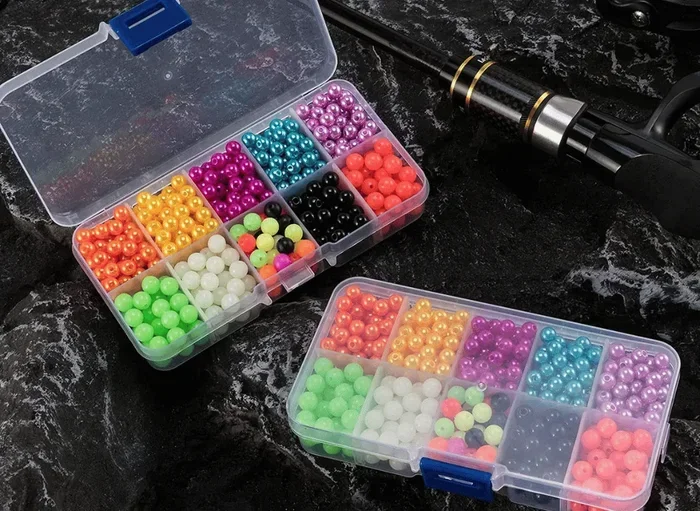
Visual guide about fishing beads tackle box
Image source: factsfanatics.com
Not all fishing beads are created equal. The material, size, color, and finish all play a role in how effective a bead will be in a given situation. Here’s a detailed look at the most common types you’ll encounter.
Plastic Beads
Plastic beads are the most popular and widely used type among anglers of all skill levels. They’re lightweight, affordable, and available in virtually every color imaginable. Most plastic beads have a smooth, rounded surface that allows them to move freely on your line.
They’re ideal for freshwater fishing and work well on a variety of rigs, including Carolina rigs, slip bobber rigs, and drop shot setups. Because they’re so lightweight, they don’t add unnecessary bulk to your presentation, which helps maintain a natural look in the water.
Glass Beads
Glass beads are heavier than their plastic counterparts, which makes them particularly useful when you need a bit of extra weight or when fishing in current. They also have a more reflective, polished appearance that can be highly effective in clear water conditions.
Many anglers prefer glass beads for salmon and steelhead fishing because the added weight helps keep the rig down in fast-moving rivers. The glass surface also produces a sharper, more distinct clicking sound when it contacts other components on your rig.
Metal Beads
Metal beads, typically made from brass or stainless steel, are the heaviest option available. They’re most commonly used in saltwater fishing and trolling applications where you need significant weight to get your bait down to the desired depth.
Metal beads also produce the loudest clicking sound, which can be a major advantage when fishing in rough or noisy water conditions where fish might not see your bait but can hear it. However, they can be harder on your line and knots due to their weight and hardness, so pairing them with a rubber or plastic buffer bead is a smart move.
Glow-in-the-Dark Beads
These specialized beads absorb light and emit a soft glow in low-light conditions. They’re perfect for night fishing, deep water fishing, or fishing in heavily stained water where visibility is limited. Glow beads give fish an extra visual target to home in on when other cues are diminished.
To activate glow beads, simply expose them to sunlight or a flashlight for a few minutes before casting. The glow typically lasts 15 to 30 minutes, which is often enough to attract a curious fish to your bait.
Soft Rubber and Silicone Beads
A newer addition to the fishing bead family, soft rubber and silicone beads offer a quieter, more subtle presentation. They’re excellent for finicky fish that might be spooked by the clicking of harder beads. These beads also provide excellent knot protection because they’re soft and compressible.
They’re particularly popular among finesse anglers who target pressured or wary fish in clear water. The soft material also means they’re gentler on your line, reducing the risk of abrasion damage.
How to Rig Fishing Beads: Step-by-Step Guide
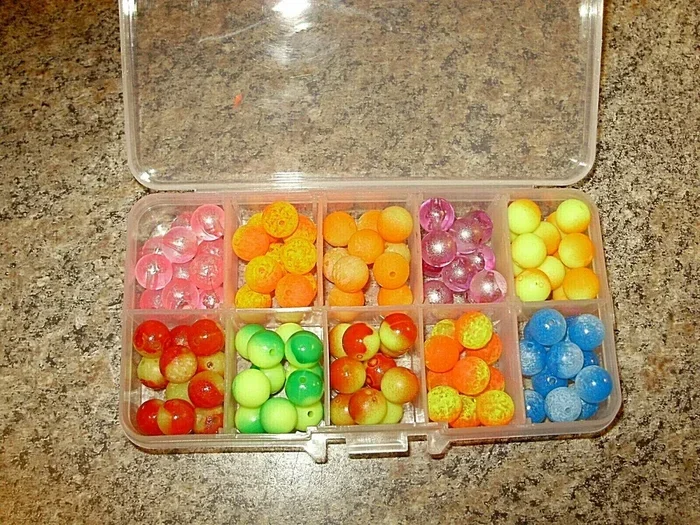
Visual guide about fishing beads tackle box
Image source: oneidalakefishingtackle.com
Now that you understand the different types of beads, let’s talk about how to actually rig them on your line. Proper placement is just as important as choosing the right bead, so pay close attention to these setups.
Basic Bead Rig for Beginners
If you’re just starting out, here’s the simplest way to add a bead to your rig:
- Thread your main line through the bead before tying on your hook or swivel.
- Slide the bead down until it rests against the knot or component below it.
- Tie your hook or swivel as you normally would.
- The bead now acts as a buffer between the line and the terminal tackle.
This basic setup provides knot protection and a small amount of visual attraction. It’s perfect for beginners who want to experiment with beads without overcomplicating their rig. If you’re completely new to rigging, check out our fishing guide for beginners to get comfortable with the fundamentals first.
Carolina Rig with Bead
The Carolina rig is one of the most effective bass fishing setups, and a bead is a key component. Here’s how to set it up:
- Thread your main line through an egg sinker (weight).
- Add a bead directly below the weight.
- Tie on a barrel swivel.
- Attach a leader line (12-24 inches) to the other end of the swivel.
- Tie your hook to the end of the leader.
The bead in this rig serves a dual purpose. First, it protects the swivel knot from the constant impact of the sliding weight. Second, it creates that attractive clicking sound every time the weight shifts and hits the bead. This combination of sound and the natural movement of the bait makes the Carolina rig incredibly effective for covering water and finding active fish.
Slip Bobber Rig with Bead
When fishing with a slip bobber, a bead is essential for setting your depth correctly:
- Thread your line through the slip bobber.
- Add a small bead below the bobber.
- Attach a bobber stop above the bead to set your desired depth.
- Add your weight and hook below the bead.
The bead in this setup prevents the bobber stop from slipping through the bobber hole, which would cause your depth setting to change. It also creates a small buffer that helps the bobber sit naturally in the water.
Drop Shot Rig with Bead
For finesse fishing with a drop shot rig, a small bead above the hook can add just enough flash to trigger bites from reluctant fish:
- Tie your hook to the line using a Palomar knot, leaving a long tag end.
- Thread a small bead onto the tag end above the hook.
- Attach your weight at the bottom of the line.
This subtle addition can be the key to enticing bites in clear water or heavily fished lakes where fish have seen every standard presentation.
Choosing the Right Bead Color and Size
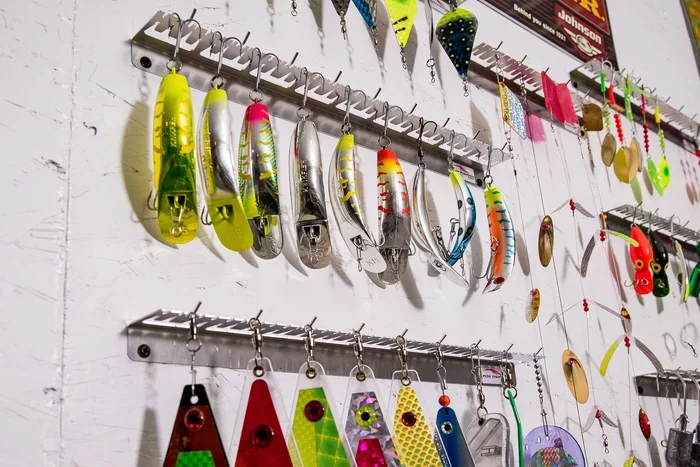
Visual guide about fishing beads tackle box
Image source: i.pinimg.com
Selecting the right bead isn’t just about grabbing the shiniest one in the package. Color and size both play critical roles in how effective your bead will be under different conditions.
Matching Bead Color to Water Conditions
Here’s a quick reference guide for choosing bead colors:
- Clear water: Natural colors like silver, gold, pearl, and translucent tones work best. These mimic the appearance of real baitfish without looking artificial.
- Stained or murky water: Bright colors like chartreuse, orange, red, and hot pink stand out and help fish locate your bait.
- Muddy water: Dark colors like black, purple, and dark blue create a strong silhouette that fish can see against the murky background.
- Night fishing: Glow-in-the-dark beads in green or white are your best bet for low-light visibility.
Choosing the Right Bead Size
Bead size should match the size of your bait and the species you’re targeting. A bead that’s too large will look unnatural and may actually deter fish. A bead that’s too small won’t provide enough visual or auditory attraction.
- Small beads (3-5mm): Best for panfish, trout, and finesse presentations.
- Medium beads (6-8mm): Ideal for bass, walleye, and general freshwater fishing.
- Large beads (9-12mm+): Perfect for salmon, steelhead, catfish, and saltwater species.
When in doubt, start with a medium-sized bead in a natural color and adjust from there based on how fish are responding. Don’t be afraid to experiment — sometimes the most unexpected color produces the best results.
Common Mistakes Anglers Make with Fishing Beads
Even though beads are simple to use, there are several common mistakes that can reduce their effectiveness or even hurt your fishing. Here’s what to watch out for.
Using the Wrong Bead Material
Not every bead works in every situation. Using a heavy metal bead on a finesse rig designed for light line will ruin the presentation. Similarly, a tiny plastic bead on a heavy saltwater trolling rig won’t provide enough attraction or durability. Always match your bead material to your fishing application.
Overloading Your Rig with Beads
More isn’t always better. Adding too many beads to a single rig can make it look bulky and unnatural. Fish are smart, and an overly complicated presentation can actually spook them. In most cases, one to two beads per rig is all you need to achieve the desired effect.
Ignoring Bead Color Selection
Grabbing a random color without considering water conditions is a missed opportunity. As we discussed earlier, color selection can significantly impact your success. Take a moment to assess the water clarity and light conditions before choosing your bead color.
Placing Beads in the Wrong Position
Bead placement matters enormously. A bead placed too far from the hook won’t provide adequate protection or attraction. A bead placed in the wrong spot on a slip bobber rig can cause the entire setup to malfunction. Always follow the rigging instructions for your specific setup to ensure beads are positioned correctly.
Neglecting to Replace Worn Beads
Over time, beads can become scratched, faded, or cracked. A worn bead loses its reflective properties and may not produce the same clicking sound as a fresh one. Periodically check your beads and replace any that show signs of wear. Since they’re so inexpensive, there’s no reason to fish with subpar beads.
Expert Tips for Getting the Most Out of Fishing Beads
Ready to take your bead game to the next level? Here are some pro-level tips that experienced anglers use to maximize the effectiveness of their beads.
Combine Beads with Scent
Try applying a small amount of fish attractant scent to your bead before casting. The scent will slowly disperse in the water, creating an olfactory trail that draws fish toward your rig. This is especially effective for species like catfish and carp that rely heavily on their sense of smell.
Use Two Beads for Extra Sound
Placing two beads next to each other on your rig creates a louder, more frequent clicking sound as they bounce off each other. This can be particularly effective in murky water or when fishing at night when fish rely more on sound than sight to locate prey.
Match Your Bait to Your Bead
For the most natural presentation, try to match the color and size of your bead to the bait you’re using. If you’re fishing with a chartreuse soft plastic, a chartreuse bead complements the presentation perfectly. This creates a cohesive, natural-looking package that fish find irresistible.
Experiment with Bead Placement
Don’t be afraid to try beads in unconventional positions. Some anglers have found success placing beads directly above the hook on a jig head, or using a bead as a stopper above a slip sinker. Fishing is all about experimentation, and sometimes the most creative setups produce the best results.
Carry a Variety of Beads
The best anglers always have a diverse selection of beads in their tackle box. Different conditions call for different beads, and being prepared means you can adapt on the fly. Invest in a small bead organizer with multiple compartments so you can quickly access the right bead for any situation.
If you’re looking for more ways to improve your overall fishing skills, our guide on the best fishing tips every angler should know covers a wide range of strategies that pair perfectly with bead fishing techniques.
Fishing Beads for Different Species
Different fish species respond differently to beads. Here’s a quick breakdown of which beads work best for popular game fish.
Bass
Bass anglers primarily use beads on Carolina rigs and as trailer beads on jigs. Chartreuse, red, and natural colors are the most popular choices. A glass bead between the weight and swivel on a Carolina rig is a classic bass fishing setup that has produced countless trophy fish.
Trout and Salmon
For trout and salmon, especially in river environments, glass and metal beads in sizes 6-10mm are the go-to choice. Pink, orange, and red beads are particularly effective for salmon, as they mimic the appearance of salmon eggs — a primary food source.
Catfish
Catfish are attracted to both the sound and scent of beads. Glow beads and brightly colored plastic beads work well, especially when combined with scented bait. Since catfish often feed near the bottom in murky water, the extra attraction from beads can be a game-changer.
Walleye
Walleye anglers often use beads on live bait rigs and jig heads. Gold, silver, and chartreuse beads in medium sizes are the most effective. Walleye have excellent vision in low light, so reflective beads can trigger strikes during dawn, dusk, and nighttime fishing.
Saltwater Species
In saltwater, beads are commonly used on trolling rigs, bottom rigs, and fish finder rigs. Metal beads and heavy glass beads are preferred for their durability and weight. For more on saltwater techniques, check out our saltwater fishing tips guide.
Building Your Bead Collection: What to Buy First
If you’re just starting to build your bead collection, here’s a recommended starter kit that covers the most common fishing scenarios:
- Plastic beads in chartreuse, red, and natural (silver/gold) — These three colors cover the majority of freshwater fishing situations.
- Glass beads in pink and orange (6-8mm) — Perfect for trout, salmon, and steelhead fishing.
- One pack of glow-in-the-dark beads — Essential for night fishing and deep water applications.
- A small selection of metal beads — For when you need extra weight or a louder clicking sound.
- A bead storage case — Keeps your beads organized and easily accessible on the water.
This starter collection will cost you less than $20 and will cover 90% of the fishing situations you’re likely to encounter. As you gain experience, you can expand your collection based on the specific types of fishing you do most often.
Frequently Asked Questions About Fishing Beads
Before we wrap up, let’s address some of the most common questions anglers ask about fishing beads. Understanding these basics will help you feel confident the next time you’re on the water.
Conclusion: Start Using Beads and Catch More Fish
Fishing beads are one of the simplest yet most effective tools you can add to your fishing arsenal. They protect your knots, attract fish with sound and flash, help you control bait depth, and they cost just pennies each. Whether you’re a complete beginner learning the ropes or a seasoned angler looking for an edge, beads deserve a permanent spot in your tackle box.
The key takeaways are simple: choose the right bead material for your fishing style, match the color and size to your conditions and target species, place them correctly on your rig, and don’t be afraid to experiment. Fishing is as much about creativity as it is about technique, and beads give you another tool to work with.
So the next time you’re at the tackle shop, grab a few packs of beads in different colors and sizes. Rig them up on your next fishing trip and see the difference for yourself. You might be surprised at how such a small, simple accessory can make such a big impact on your catch rate. Happy fishing, and tight lines!
Frequently Asked Questions
Do I really need beads for fishing, or are they optional?
Beads are technically optional, but they provide real benefits that most anglers shouldn’t ignore. They protect your knots from damage, add visual and auditory attraction to your rig, and help control bait depth. For the small investment they require, the return in terms of improved catch rates and longer-lasting rigs makes them well worth using.
What color fishing bead is best for beginners?
For beginners, chartreuse and silver are the best all-around bead colors. Chartreuse stands out in stained and murky water, while silver mimics the natural flash of baitfish in clear water. Starting with these two colors will cover most fishing conditions you’ll encounter as you learn.
Can I use fishing beads in saltwater?
Absolutely. Beads are widely used in saltwater fishing, especially on trolling rigs, bottom rigs, and fish finder rigs. Metal and heavy glass beads are the most popular choices for saltwater because they can handle the harsh conditions and provide the weight needed to reach deeper water where many saltwater species feed.
Where should I place a bead on my fishing line?
The most common placement is between your weight and swivel on a Carolina rig, or between your knot and hook on a basic rig. On a slip bobber rig, the bead goes directly below the bobber to prevent the stop from slipping through. The exact placement depends on the rig you’re using and the effect you’re trying to achieve.
How do I know what size bead to use?
Match your bead size to your bait size and target species. Small beads (3-5mm) work for panfish and trout, medium beads (6-8mm) are ideal for bass and walleye, and large beads (9mm+) are best for salmon, catfish, and saltwater species. When in doubt, start with a medium bead and adjust based on how fish respond.
Do fishing beads actually attract fish, or is it just a gimmick?
Fishing beads genuinely attract fish through multiple mechanisms. The clicking sound they produce mimics prey movement, their reflective surface creates flash that imitates baitfish scales, and their bright colors provide a visual target. Countless anglers and fishing guides confirm that adding beads to a rig consistently improves bite rates, especially in challenging conditions.